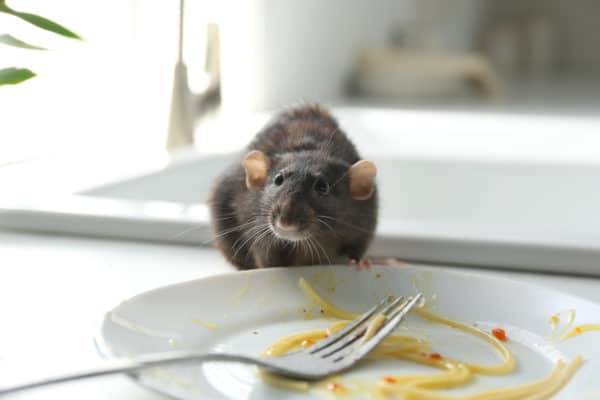
As the corona virus continues to spread, people around the world are drastically changing their daily routines. Tourism has come to a grinding halt. Restaurants are closed and people are staying home. What many don’t realize is this change in our daily lives is also affecting the ecosystem within cities. As there is less urban traffic, there is less food for pests and rodents – like rats. According to experts, if rats lose these established food sources (e.g. trash in cans in the park or dumpsters outside restaurants) then they will start fighting over any food that remains, even going so far as to kill each other in order to survive.
Because rats are having to get creative in finding new food sources, there is now a trending surge of rats invading homes and essential businesses in search of their next meal. Rats will follow the smell of food into homes, being as bold as necessary to find food in their effort to survive. Rats in homes pose serious risks – they will chew through wires and cables putting you at risk for fires and they carry diseases of their own which can easily be transmitted to you and your family. While there is no evidence that rats themselves can become infected with corona virus, there is some risk for spreading it to humans. Rats are known to crawl through sewer pipes containing human feces which has been shown to contain the virus. They then make their way into your home and contaminate any surfaces they touch with the virus-laden feces, potentially allowing humans who come in contact with these contaminated surfaces to contract the virus. The CDC reports that although this scenario is possible, the risk of transmission by feces is actually quite low.
To protect your family and/or essential business, the following rat prevention tips can help to prevent a rat infestation, limit the spread of disease, and keep your environment a safe-haven, during shelter-in-place orders and in the future:
Use outdoor trashcans with tight-fitting lids.
Seal any cracks under doors and other openings to the outside.
Apply weatherstripping to doors and windows.
Seal around utility pipes with steel wool and either caulk or concrete.
Repair any roof damage such as broken tiles or gaps under eaves.
Keep limbs and branches trimmed back to they are not touching your home or business.
Declutter any areas where rats may hide including garages, attics, gardens, storage sheds, warehouses, etc.
Keep food stored in metal or glass containers with tight fitting lids.
Clean up spills and crumbs immediately.
Sweep, mop, and vacuum often.
Don’t leave pet food and water out overnight.
Clean up spilled pet food and bird seed and store in containers with tight fitting lids.
Keep toilet lids closed as rats have been known to swim up damaged pipes and into toilets.
Use tightly fitted metal grates or screens to cover drains, especially in basements.
If you notice a rodent problem in your home or essential business, contact a professional pest control company. Rats can cause serious health risks to your family or employees, as well as the risk for fire and other structural damage to your home and property. A licensed wildlife exclusion company will inspect your home to identify your animal problem, determine where they are getting in, remove them, and prevent the animals from getting into your home in the future. They can also inform you of any existing damage or contamination and provide you with a recommendation for repairs or clean-up.
In recent times, we are finding ourselves spending more time at home and stocking up on supplies such as food, toiletries, and more. But as you stock up on these essentials, you could be providing stored product pests or “pantry pests” with a supply of their own. Here are a few tips to keep your kitchen free of these unwelcome guests:
Before you start adding any new grocery items, be sure to check existing open items in your pantry for signs of pantry pests to avoid spreading infestation.
Throw out any dry goods that have been left open and have gone bad. If they’re still in good condition, try and use the oldest items first before opening up the new ones.
Pantry pests, like Indian Meal Moths are attracted to items such as flour, oats, spices, and dry cereal. If you recently bought these items, be sure to inspect packages and confirm that they are all sealed properly. Once you open these items, look to store them in a plastic or glass container with secure lids, cutting off any access for pantry pests.
Rodentscan cause major health issues for you and your family. They are known to spread bacteria and viruses and, if their droppings build up within your cabinets, it can cause the air you breathe to become contaminated. To avoid a rodent infestation, try and keep your cabinets, pantries, and counters clean and free of crumbs and dispose of all expired foods.
If you take these precautions, you can easily avoid pests from raiding your pantry for all your stored groceries!
As Springtime approaches, allergies are bound to follow. Many tend to blame the plant pollens for their sneezing and watery eyes. Although pollen can trigger your allergy symptoms, there could be another reason why your allergies are flaring up this Spring: Cockroach allergies.
Signs and Symptoms of a Roach Allergy
Cockroaches might not be the first reason you think of when you start to get allergies, surprisingly though, they can be the cause of your allergies and asthma. According to the American College of Allergy, Asthma & Immunology the saliva, feces, and shedding parts of cockroaches can trigger both asthma and allergies, acting like dust mites. The common symptoms of cockroach allergies can be coughing, sneezing, asthma attacks, nasal congestion, sinus and/or ear infection, itchy red or watery eyes, and skin rashes.
Preventing Roaches from Inside the Home:
In a survey conducted by the Asthma and Allergy Foundation of America (AAFA) and the National Pest Management Association (NPMA), the allergists surveyed believed that a pest-free home is the most important factor in preventing asthma and allergy systems.
Knowing what attracts roaches can help you prevent a roach infestations. Here are some preventative tips to keep roaches out of your home:
Cockroaches can be one of the most difficult pests to eliminate. If you find yourself using the tips above but are still seeing roaches in your house, contact a pest control company. An exterminator will be able to identify where and how the roaches are entering your home and eliminate them to protect you and your family’s health.
By Matthew “Logan” Walker, Area Technical Leader — Northwest Service Centers, Georgia · Last updated: July 2026
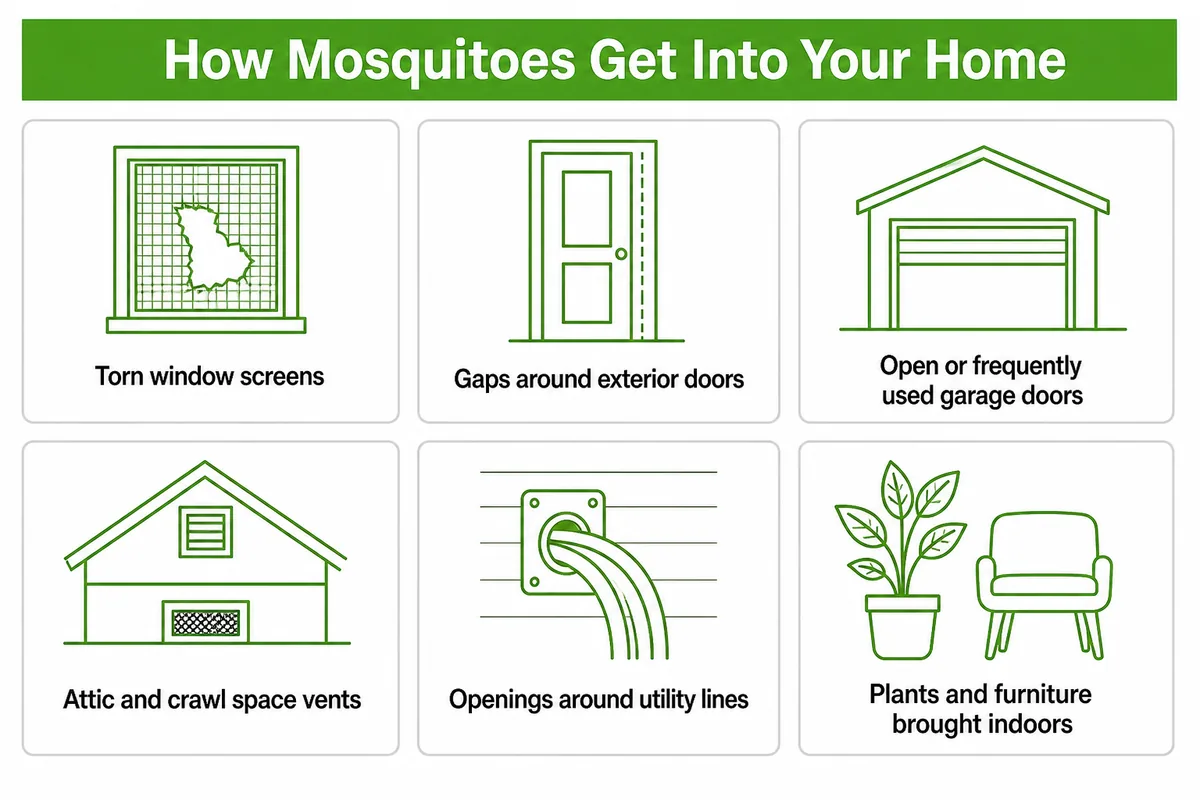
Quick answer: Mosquitoes enter through torn screens, gaps around doors, garages left open, attic and crawl space vents, and small openings around utility lines. They can also hitch a ride indoors on plants or outdoor furniture. Once inside, they hide in cool, dark, humid spaces until they are ready to feed. If you continue seeing mosquitoes inside your home, there is often an outdoor breeding site nearby that needs attention.
If you are asking, ‘Why are there so many mosquitoes in my house?’ the answer is usually one of two things. Mosquitoes are either finding easy ways to enter your home or they are breeding in standing water somewhere on or around your property. Swatting a few mosquitoes may solve today’s annoyance, but identifying the source is the key to solving the problem for good. In the Southeast, warm temperatures, humidity, and frequent rain create ideal mosquito conditions for much of the year, making prevention especially important.
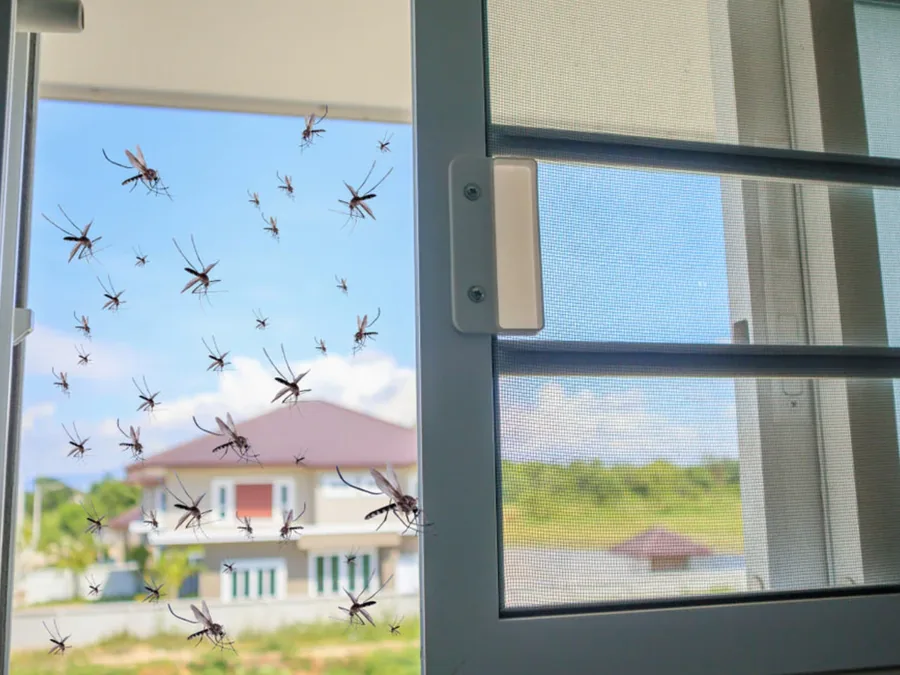
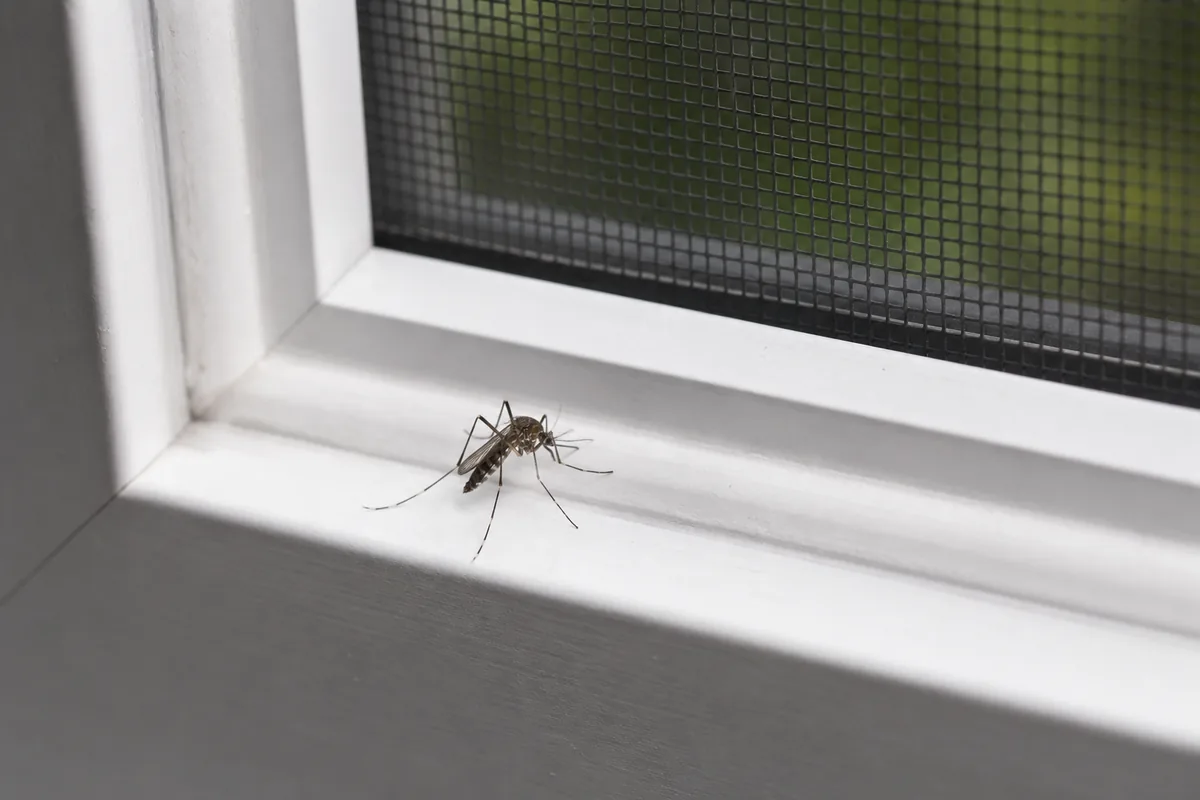
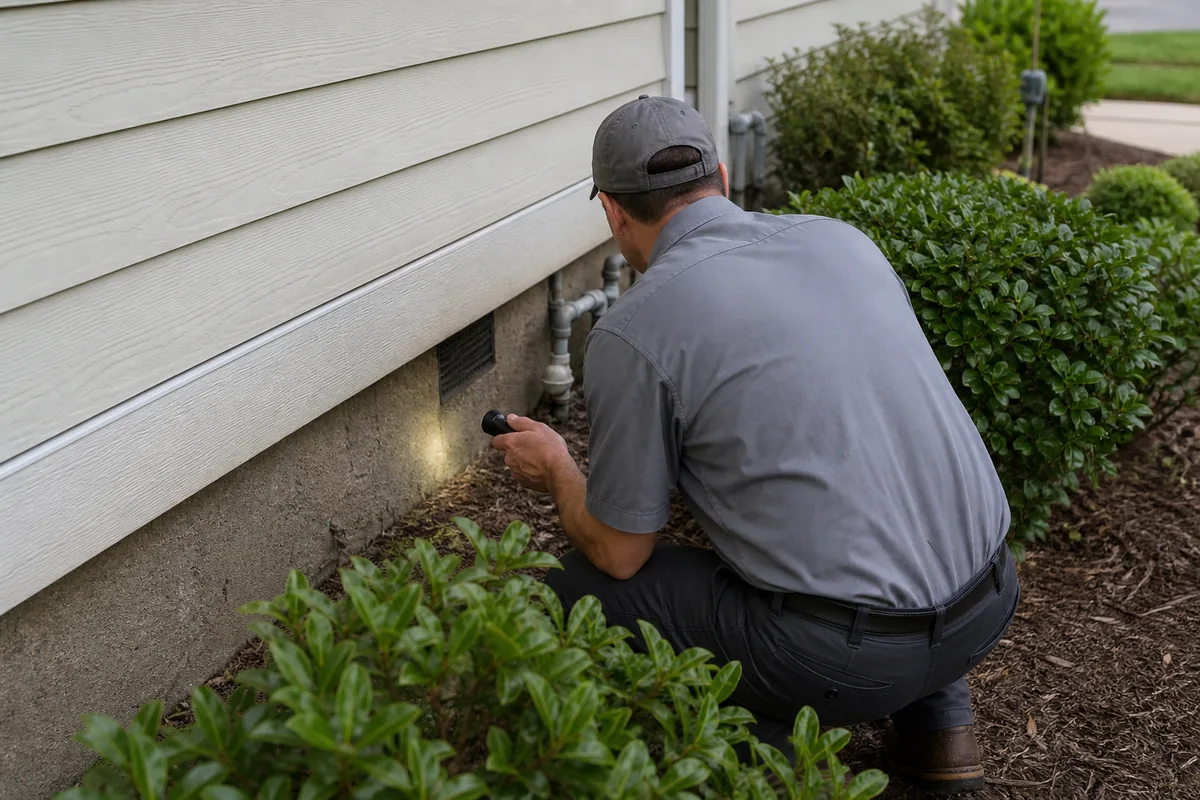
A torn screen or a gap around a window is all a mosquito needs to move from the yard into your living space.Most indoor mosquitoes come in through a handful of predictable openings you can inspect in an afternoon.
How Mosquitoes Get Inside
Even well-maintained homes have small openings that mosquitoes can use. Inspect window screens for tears, check weather stripping around exterior doors, and look for gaps where plumbing, cable, or electrical lines enter the home. Open garage doors and frequently opened entry doors also allow mosquitoes inside. Homeowners often overlook crawl spaces and attic vents, which can become easy entry points if screening is damaged.
Hidden Indoor Breeding Sources Most People Miss
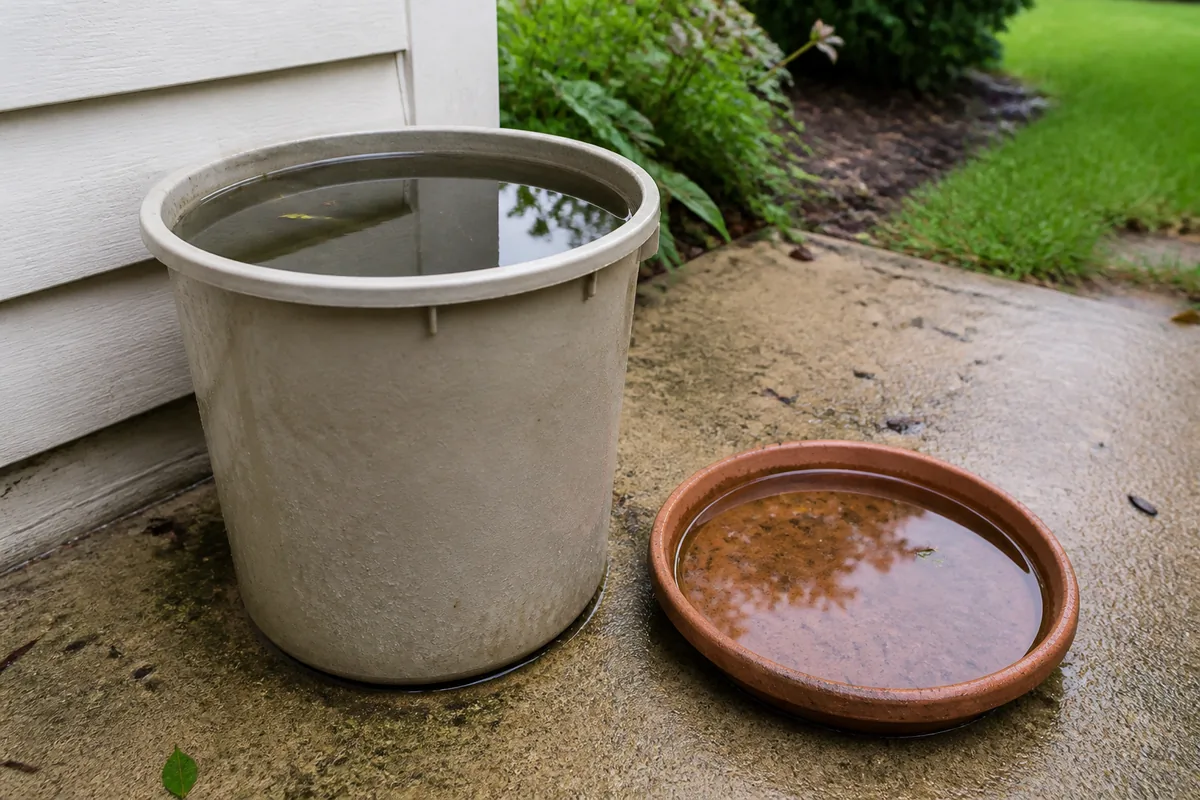
Although most mosquitoes breed outdoors, some species can develop in very small amounts of standing water indoors. Check floor drains, sink overflows, utility rooms, sump pits, crawl spaces, plant saucers, flower vases, pet water bowls left outside, buckets, and anything that collects water for several days. Even a small amount of stagnant water can support mosquito larvae.
Where Mosquitoes Hide Indoors
Mosquitoes avoid bright light and moving air during the day. They typically rest behind curtains, under furniture, inside closets, in bathrooms, laundry rooms, garages, basements, and other cool, humid areas. If you are trying to catch a mosquito in your house, search these quiet locations before evening when mosquitoes become more active. Clearing them out quickly also helps you avoid waking up to itchy mosquito bites.
A single container that holds water for a few days after rain can produce the next generation of mosquitoes.
How to Get Rid of Mosquitoes in the House
Start by removing every source of standing water you can find. Repair damaged screens, install new door sweeps if needed, and seal obvious gaps around utility penetrations. Use a fly swatter, mosquito trap, or vacuum to remove adults already inside. Running ceiling fans can also help because mosquitoes are weak fliers. If mosquitoes continue appearing after these steps, inspect the yard for breeding areas such as clogged gutters, children’s toys, bird baths, tarps, low spots, or containers holding rainwater. For a full outdoor plan, see our backyard mosquito control guide.
How to Keep Them From Coming Back
Long-term mosquito control requires both exclusion and prevention. Regularly empty standing water, keep gutters flowing, trim vegetation around the home, repair screens promptly, and reduce excess moisture around crawl spaces and foundations. According to the CDC, removing standing water around the home is one of the most effective ways to control mosquitoes. Professional mosquito control programs target resting areas and breeding habitats, helping reduce mosquito populations before they reach your doors and windows.
Why Mosquitoes Are So Common in Southeast Homes
Homes throughout Georgia, Tennessee, Alabama, and the Carolinas experience long mosquito seasons because of warm weather and high humidity. Shaded landscapes, wooded lots, crawl spaces, and afternoon rainstorms all contribute to mosquito activity. Managing mosquitoes early in the season helps reduce pressure throughout the summer and into the fall.
Quick Action Plan
Walk through your home and remove any standing water.
Inspect window screens, door sweeps, and utility penetrations.
Check dark, humid rooms where mosquitoes rest during the day.
Inspect your yard for water-holding containers, clogged gutters, bird baths, and low spots.
If mosquitoes continue returning, schedule a professional mosquito inspection.
Why Indoor Mosquitoes Often Mean an Outdoor Problem
Many homeowners focus on the mosquitoes they can see inside without realizing the source is often outside. Adult mosquitoes only travel so far from where they hatch. If several mosquitoes are finding their way indoors every day, there is a good chance a breeding site exists on your property or very close by. Treating both the yard and the home provides the best long-term results.
“When homeowners have mosquitoes indoors, we almost always find an outdoor breeding source or an overlooked entry point. Addressing both provides the best long-term results,” says Matthew “Logan” Walker, Area Technical Leader at Northwest Exterminating.
Additional Prevention Tips
Regular home maintenance plays an important role in mosquito prevention. Keep vegetation trimmed away from the home, monitor irrigation so water does not pool near the foundation, clean gutters seasonally, and inspect outdoor containers after heavy rain. Consistent inspections help homeowners find problems before mosquito populations grow. These simple habits support professional mosquito control and help reduce the chances of mosquitoes entering your home.
A professional inspection checks the yard and the home together, which is where lasting mosquito control starts.
Get Mosquitoes Out and Keep Them Out
If mosquitoes are making it inside your home, the problem may be bigger than the few you can see. Northwest Exterminating can identify breeding areas, reduce mosquito populations around your property, and help keep mosquitoes from returning. Contact your local Northwest Exterminating team today for a free mosquito control estimate.
Call (888) 466-7849 to speak with your local Northwest branch today.
Frequently Asked Questions About Mosquitoes in the House
Why are there suddenly so many mosquitoes in my house?
New indoor mosquito activity usually means they have discovered an easy entry point or a nearby breeding source.
Can mosquitoes breed inside your home?
Yes. Standing water in drains, plant saucers, sump pits, and other containers can support mosquito development.
How long do mosquitoes live indoors?
Many adult mosquitoes can survive several weeks indoors if they have access to moisture and shelter.
Where do mosquitoes hide in the house?
Closets, bathrooms, garages, basements, behind curtains, and under furniture are common hiding places.
How do I get rid of mosquitoes in the house?
Remove standing water, seal entry points, eliminate active mosquitoes, and address outdoor breeding areas.
How do I find where mosquitoes are coming from?
Inspect both inside and outside your home for standing water and obvious entry points.
About the Author
Matthew “Logan” Walker serves as an Area Technical Leader for the Northwest Service Centers in Georgia. He provides technical support, mentorship, and field training to teammates while promoting industry best practices and effective pest management strategies. Logan’s hands-on experience and commitment to education help teams deliver extraordinary service and exceptional customer care.
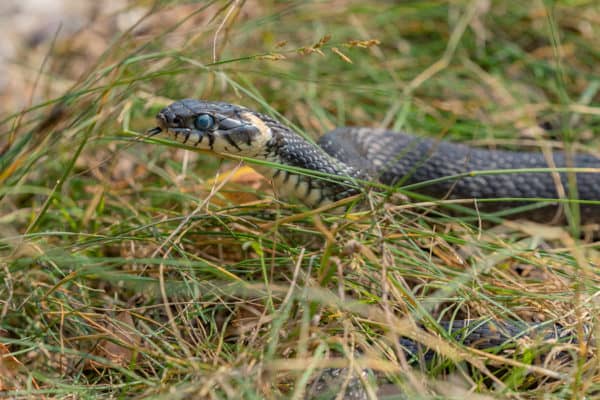
If you live in an area where snakes are common, chances are you may stumble across one at some point. Snakes, like any other pest, are usually in search of three things: food, water, and shelter. Oftentimes the area around our homes provides all of these things that attract snakes.
The likelihood of a snake on your property depends on several factors, including location (north vs south), landscape (urban vs rural), a nearby water source (pond, lake, river), how well your lawn is landscaped and maintained, and how readily a food supply is available.
When dealing with snakes, it is important to identify the type of snake you are dealing with: venomous snakes should be left to a professional to eliminate while non-venomous snakes can often be deterred with natural snake repellent techniques. Here are 4 ways to keep snakes out of your yard:
1. Scare Them Off
One of the easiest ways to scare off a snake from your yard is to use your garden hose. Spray the snake with a steady stream from the hose until he slithers off. Consider installing a perch pole for hawks, owls, and other natural snake predators to alight on. Be sure to place it in an open area so the birds have a good view of your yard and the surrounding area.
2. Repel Them Away
There are some natural products and at-home techniques you can use for snake prevention. Ammonia is a common snake repellent. Snakes hate the smell of ammonia and won’t come near it. Soak rags in ammonia and place them in unsealed plastic bags. Leave the bags where you usually see snakes to keep them away.
You can also use vinegar to keep snakes and other pests out of your swimming pool. Pour white vinegar around the perimeter of the pool. Snakes can absorb the vinegar through their skin, so they will avoid slithering over it once it’s poured on the ground. Snakes also try to avoid humans at all costs. Save hair from your hairbrush and scatter it around the perimeter of your property to help keep snakes away.
3. Don’t Invite Them In
Snakes will come into your yard in search of food, water, and shelter. Eliminating these three basic necessities will make them much less likely to pay you a visit. Mow your grass often and keep it cut short. Shorter grass means more exposure to predators like hawks and coyotes and also makes them much easier for you to spot.
Avoid overwatering your lawn, as this can attract snake food sources like frogs, worms, and slugs. Keep trees, shrubs, and branches trimmed away from the sides of your house, the roof, and the ground. Try to keep a 24 to 36-inch space cleared under trees and shrubs, as this reduces the chance of snakes using them for cover and makes them easier to spot. Move bird feeders away from the house or get rid of them altogether.
Birds often leave seeds scattered underneath which attracts rodents that, in turn, attract snakes. Keep bird seed and pet food stored in metal cans with tight-fitting lids.
Make sure your woodpile is kept away from the home and elevated if possible. When designing your landscaping, try not to use mulch or large rocks, as these create breeding grounds and overwintering habitats for snakes. Instead, try to use smaller, tight-fitting rocks like gravel or river rock. Also, try to avoid using water features and Koi ponds as the water can also attract snakes.
4. Lock Them Out
Snakes can be very persistent pests, and keeping them out can be difficult. Carefully inspect the outside of your home and seal any cracks or crevices you find on the house, sidewalk, and foundations. Consider installing fencing around your yard, garden, or pool.
Fencing should be buried a few inches into the ground and constructed using 1/4″ rigid mesh or solid sheeting. Fencing should also include a bend at the top to prevent snakes from climbing up and over. There are some companies that even make wildlife-specific fencing.
The best way to prevent snakes is to take steps to keep them out in the first place. Dealing with snakes can be dangerous, depending on the type of snake you have. If you have a snake problem, contact animal control or a professional wildlife control company that can help safely trap, relocate, or remove the nuisance snake from your home.
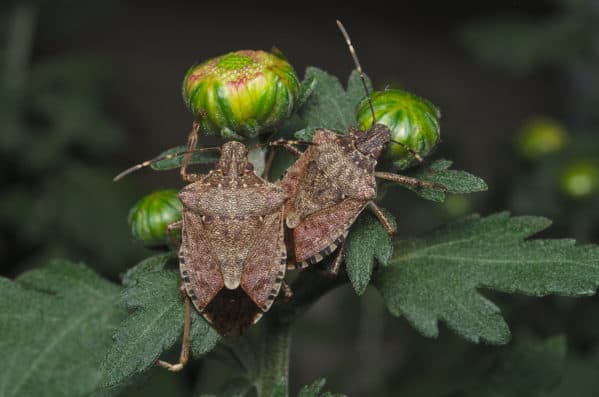
As the weather warms up overwintering pests will begin to wake up and make their way outdoors. One of these is the brown marmorated stinkbug. While these household pests don’t sting, bite, or carry any diseases, they can become a nuisance when they get inside your home. In fact, once you see stinkbugs inside, it’s usually too late to do anything to keep them out.
The brown marmorated stinkbug is native to Asia but was later introduced in the United States. They prefer moist, temperate climates like those of the Eastern US and the Pacific Northwest. Stinkbugs feed on soybeans, corn, fruit, vegetables, and ornamental plants that grow close to homes. Stinkbugs spend the spring and summer seasons outdoors then will seek shelter from the winter elements indoors – often entering your home through cracks, crevices, gaps or holes in your foundation, through chimneys, air conditioning vents, or underneath siding. The prefer homes with lots of trees around and will gravitate to the upper floors of a home.
During the winter months, stinkbugs go into a phase known as diapause, which is similar to hibernation, where the bugs go inactive during the cold weather. When the stinkbugs find a spot to overwinter, they release a pheromone that attracts other stinkbugs to their location. While they typically stay dormant until spring, unusually warm spells during the winter can bring them out full force.
If you encounter stinkbugs in your home, the best way to get rid of them is to vacuum them up and immediately dispose of the bag. When stinkbugs are threatened, disturbed, or squashed, they emit a smell that has been described as anything from cilantro to rotting almonds to spoiled fruit.
The best way to control stinkbugs is to prevent them from getting into your home in the first place. Here are 9 prevention tips for keeping stinkbugs out.
Seal Them Out. Carefully inspect the exterior of your home to identify potential entry points for stinkbugs. Check around siding and utility pipes, behind chimneys, and under fascia. Seal any problem spots with silicone or silicone-latex caulk. Close chimney flues when not in use.
Repair. Check doors and windows for any damage. Repair or replace damaged screens. Check weatherstripping and replace if necessary. Check for loose mortar. Install door sweeps if possible.
Turn Off Lights. Stinkbugs are attracted to light. Try to keep outdoor lighting to a minimum. After dark, turn porch lights off and pull down blinds in your home to reduce the amount of light spilling out from indoors.
Keep It Dry. Stinkbugs, like other seasonal pests, need water to survive. Check carefully for leaking pipes and faucets and repair them immediately.
Get Rid of Food. Keep food stored in airtight containers. Dispose of your garbage regularly. Wipe down countertops daily and sweep and mop often.
Air It Out. Keep areas that stinkbugs can use as a harborage point (garages, crawlspaces, attics, and basements) well ventilated. Consider using a dehumidifier in these areas. Install screens over chimney and attic vents.
Check It Out. Stinkbugs can hitch a ride into your home in boxes and bags. Carefully inspect any boxes you are bringing in from storage and any grocery bags before you bring them into your home.
Landscaping. Keep branches and shrubbery well trimmed so they are not in contact with the house. Keep grass mowed and leaves raked. Store firewood at least 20 feet from the house and at least 5 inches off the ground.
Call A Pro. If you suspect you have a problem with stinkbugs, contact a professional pest control company who can help identify any entry points the bugs may be using and help to eliminate them. They can also use a preventative spray in the late summer/early fall to help keep them out before overwintering season sets in.
By Anna V., Editorial Lead — Pest Education · Last updated: May 2026
Birds are great when they’re in trees. They’re a problem when they’re nesting in your dryer vent, leaving droppings down your siding, or waking you up at 5 AM with constant chirping above your bedroom ceiling. If you’re searching for how to get rid of birds safely and effectively, you’re in the right place. At Northwest, we run bird control calls year-round across our Georgia, Alabama, Tennessee, and South Carolina service area, and the question we hear most often is some version of: I tried [home remedy]. Why are they still here?
Video Transcript
Some birds are beautiful to watch, but when they start nesting on your home, the damage and mess can add up fast.
Droppings can carry disease. Nests can clog vents and chimneys, and addicts can quickly become unwanted bird hangouts.
Here are three smart ways to keep birds from moving in. First, remove what attracts them. Birds come for easy food and water. Keep grass trimmed to reduce insects. Store pet food in sealed containers and eliminate standing water whenever possible. Second, make surfaces uncomfortable. Shiny objects like foil strips or pie plates reflect light and scare birds away.
Double-sided tape or baking soda on ledges and railings can stop perching almost immediately. Third, maintain your yard and know the rules. Trim trees and shrubs, but never remove an active nest. Laws protect many birds. When you’re ready to call a professional for a peaceful home, feel free to reach out to our team at Northwest Exterminating.
Here’s a realistic look at what works, what doesn’t, and what’s legally required when birds set up shop on your house. Plus what to do when DIY isn’t enough.
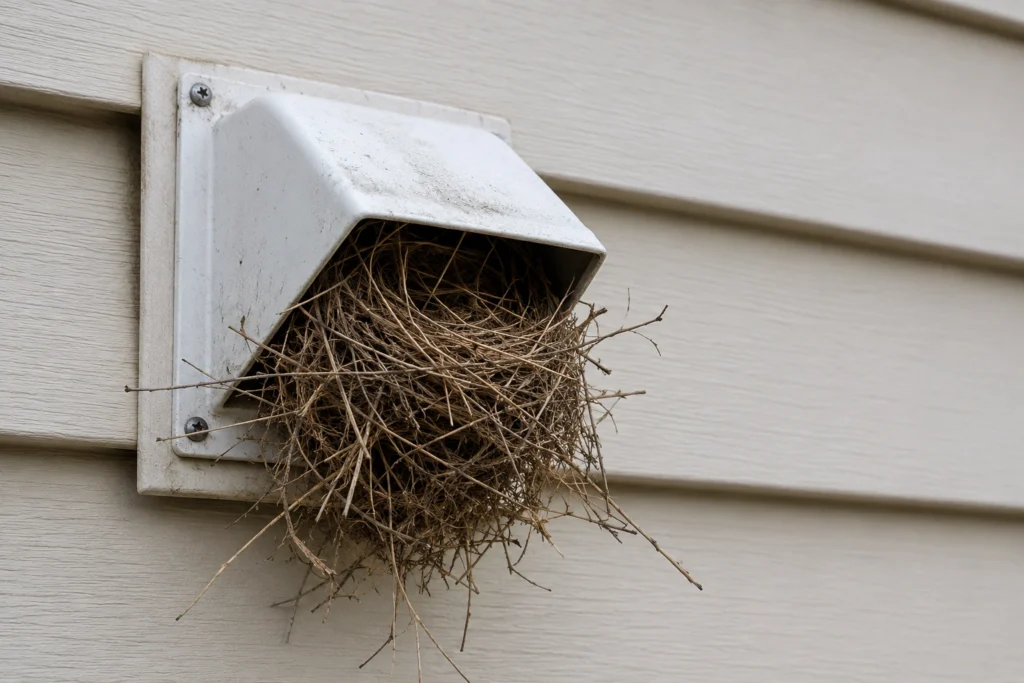
A bird nest in a dryer vent is more than a nuisance. It blocks airflow, traps lint, and creates a real fire hazard.
Why Birds Become a Problem on Homes
Birds don’t pick houses at random. They show up because the conditions are good for them, and they stay because nothing changes. Three things draw birds to a Southeast home and keep them coming back:
Shelter and nesting spots. Rooflines, gutters, eaves, attic vents, gable vents, dryer vents, soffits, and any small protected cavity make ideal nesting sites. Pigeons, sparrows, and starlings are all cavity-nesters, which is why they end up inside vents rather than building open nests in trees.
Food sources. Pet food on a porch, fallen fruit under a tree, accessible trash, breadcrumbs after outdoor meals, insects on a sunlit wall, and (less obviously) bird feeders that overflow are all reasons birds keep returning.
Warmth and safety from predators. Attics, soffits, and vents offer protection from hawks, owls, snakes, and other natural threats. From a bird’s perspective, your house is a five-star nesting hotel.
The common results homeowners deal with:
Loud chirping and early morning noise during nesting season (March through August)
Droppings on patios, siding, walkways, and driveways
Clogged gutters and blocked vents
Damage to roofing, insulation, and exterior surfaces
Dryer vent fires (a real and dangerous risk when bird nests block airflow)
Common Birds That Cause Problems Around Southeast Homes
Across Georgia, Alabama, Tennessee, and South Carolina, the bird species we encounter most often on residential bird control calls are:
Rock pigeons. Common on roofs, ledges, and around commercial buildings. Heavy droppings, persistent return behavior. Non-native, not protected.
House sparrows. Small but persistent. Frequently nest in vents, eaves, and small structural openings. Aggressive about defending nest sites. Non-native, not protected.
European starlings. Often in large flocks. Heavy nesting in cavities and vents, noisy, leave significant droppings. Non-native, not protected.
Barn and cliff swallows. Build mud nests on the underside of eaves, porches, and overhangs. Protected by federal law — active nest disturbance requires special handling.
Woodpeckers. Damage cedar siding and trim with drumming and excavation. Most species are federally protected.
Robins, mockingbirds, blue jays. Less commonly nest on homes but occasionally do in shrubs against the siding. All federally protected.
Knowing the species matters because the three most common nuisance birds (pigeons, sparrows, starlings) can be handled with standard control approaches, while protected native species require a different approach.
Do Home Remedies Really Get Rid of Birds?
Short answer: sometimes, briefly. Most home remedies provide short-term relief before birds adapt and return. Birds are smart and pattern-recognize quickly. Within a few weeks of installing any single deterrent, most birds figure out it’s not actually a threat.
If you’re dealing with a recurring issue (birds nesting on your house, a bird problem on your roof, droppings that won’t quit), DIY methods alone usually won’t solve the problem long-term. The reason is structural: birds keep returning because the underlying conditions (food, water, shelter, easy access) haven’t changed.
5 Common Home Remedies to Keep Birds Away — Honest Effectiveness
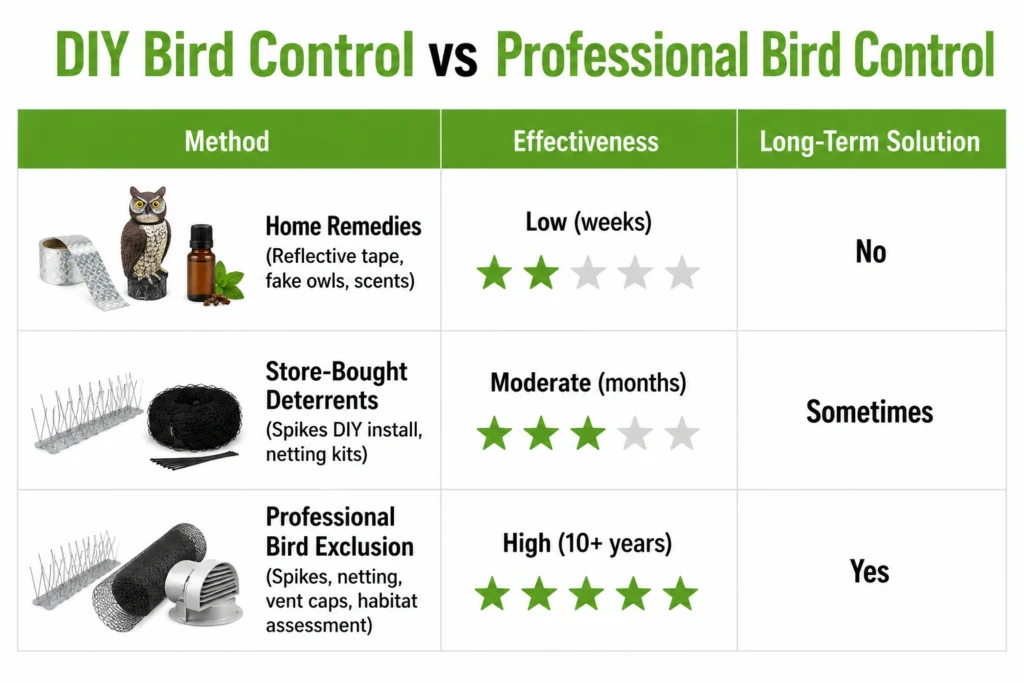
DIY methods buy you weeks. Professional exclusion buys you a decade.
Here’s a realistic look at the five home remedies most homeowners try first, with pros, cons, and effectiveness ratings.
1. Reflective Objects (Foil Strips, Old CDs, Mirrors)
How it works: Light reflection startles birds. Pros: Low cost, easy to set up. Cons: Birds habituate within two to four weeks if not rotated. Effectiveness: Low to moderate for short-term arrivals. Improves significantly if you rotate the reflective objects weekly.
How it works: Strong-smelling compounds are meant to repel birds. Pros: Cheap, “natural.” Cons: Limited research support, fades within days outdoors, washes out in rain, can damage plants and paint. Effectiveness: Low. Treat as a supplement at best, not a primary method.
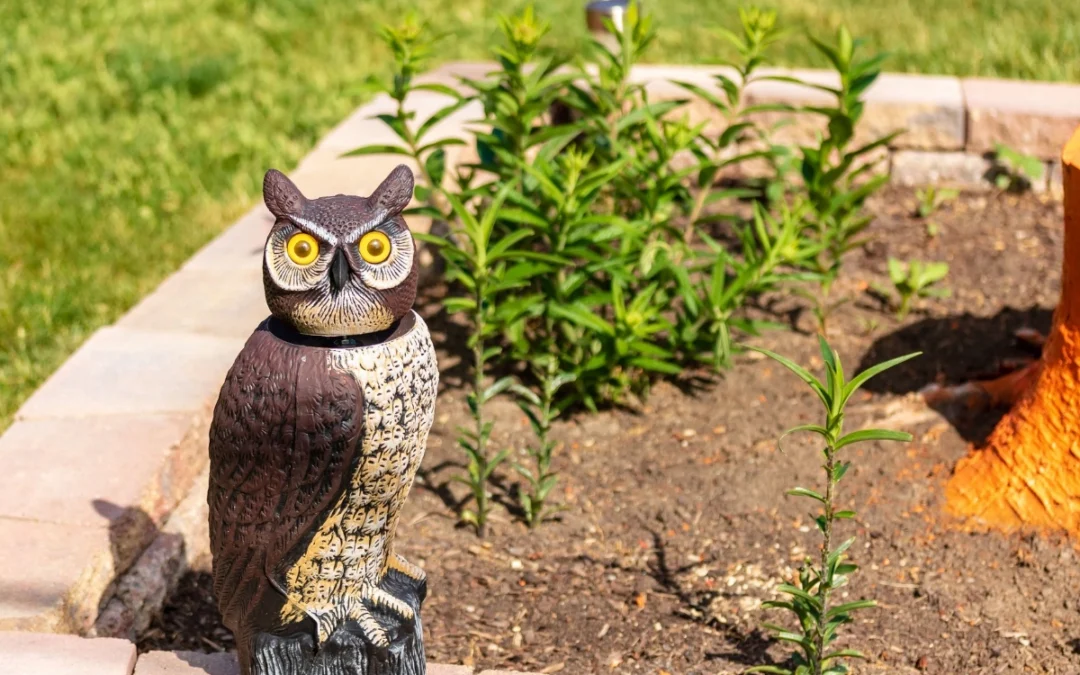
How it works: Mimics natural threats. Pros: Can work briefly, especially right after installation. Cons: Birds recognize they’re not real if they don’t move. A plastic owl in the same spot for two weeks becomes a perch. Effectiveness: Low if static, moderate if moved every 3 to 5 days.
How it works: Movement and unpredictability create discomfort. Pros: More effective than static visual deterrents because there’s actual motion. Cons: Still loses effectiveness over time as birds get used to predictable patterns. Effectiveness: Moderate. Better than static options, especially when combined with rotation.
How it works: Noise discomfort or simulated alarm calls. Pros: Can disrupt initial nesting attempts. Cons: Ultrasonic effectiveness is questionable in independent testing. Audible distress calls work better but disturb your neighbors. Effectiveness: Low to moderate. Better suited for commercial buildings than residential settings.
Bottom line on home remedies: they can buy you a few weeks. They rarely stop nesting attempts long-term, and they almost never address why birds came to your house in the first place.
Why DIY Bird Deterrents Often Don’t Last
Three reasons DIY bird control fails over the long term:
Birds adapt fast. Within a week or two of any new deterrent, birds figure out it’s not actually a threat. Habituation is the biggest enemy of all DIY methods.
Nesting instincts override discomfort. During breeding season (March through August in the Southeast), birds will tolerate significant nuisance to defend a good nesting site. Annoying them isn’t enough.
Entry points stay open. Most DIY methods don’t seal the access points birds use. As long as the dryer vent is open, the gable vent is unscreened, or the soffit gap exists, birds keep returning.
For deeper analysis of which DIY bird deterrent methods work and how to maximize their effectiveness, see our companion guide on 5 DIY bird deterrents that actually work.
When Bird Problems Become a Bigger Issue
What starts as a few birds on the roof can escalate into serious problems if ignored.
Health Concerns
Bird droppings can carry pathogens including histoplasmosis (a respiratory illness from fungal spores in dried droppings), salmonella, and E. coli. Most healthy adults aren’t at significant risk, but people with respiratory conditions or compromised immune systems should avoid disturbing dried droppings without proper protection.
Property Damage
Bird droppings are acidic and damage paint, siding, decking, and concrete over time. Nests clog gutters, block vents, and damage roofing materials. Cumulative damage from a long-term bird problem can run into thousands of dollars in repairs.
Fire Hazards
Dry nesting materials in dryer vents are one of the more dangerous bird-related issues. Lint that can’t escape through a blocked vent builds up against hot dryer ducts, and a small spark inside the dryer can ignite the material. Dryer vent fires cause an estimated 2,900 home fires annually in the U.S. (per the National Fire Protection Association). A bird nest in the vent significantly raises that risk.
Legal Concerns
The federal Migratory Bird Treaty Act of 1918 protects more than 1,000 native bird species. It’s illegal to disturb their active nests, eggs, or young without specific permits. The penalty for violations can exceed $15,000 per offense. For the three most common Southeast nuisance species (pigeons, sparrows, starlings), this isn’t a concern. For native species (swallows, woodpeckers, robins, mockingbirds), removing an active nest without proper authorization is a federal offense.
This is one of the reasons we recommend professional bird control whenever protected species are involved. We work within the legal framework and time removals to be both effective and compliant.
The Most Effective Way to Get Rid of Birds: Humane Exclusion
The gold standard for bird control is exclusion: making your property physically unable to host birds in the spots they want to use. Exclusion includes:
Bird spikes installed along ledges, gutter edges, rooflines, and HVAC equipment housings to prevent landing.
Bird netting stretched across eaves, soffit openings, and under solar panels to block nesting access.
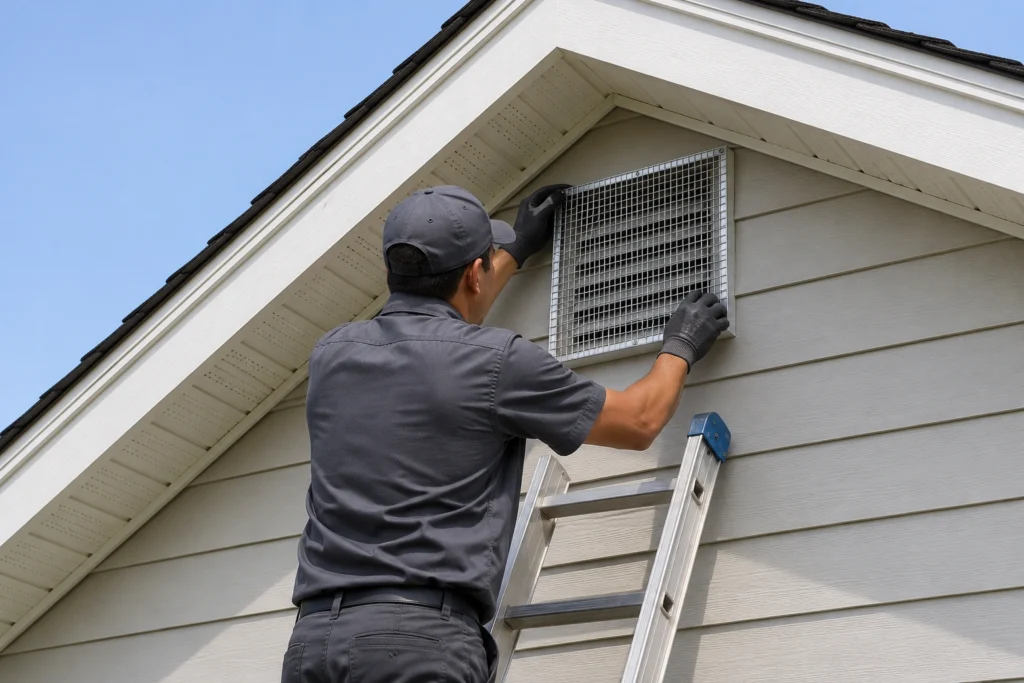
Vent and roofline covers on dryer vents, bathroom vents, gable vents, and attic vents. Bird-proof vent covers allow normal airflow while blocking bird entry.
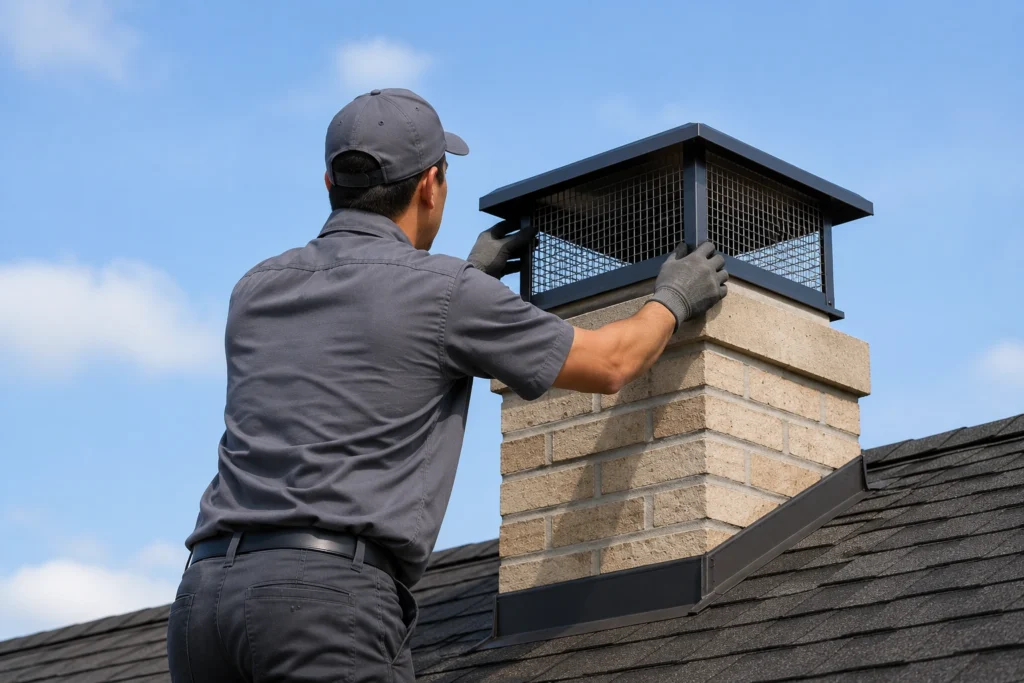
Chimney caps with appropriate mesh to keep birds out of chimneys (also keeps out raccoons, squirrels, bats, and snakes).
Habitat modification around the property to remove food, water, and shelter that draws birds in the first place.
Humane nest removal when legally permitted, timed to avoid breeding season disruption.
Exclusion done right typically lasts 10+ years with minimal maintenance. It’s also the only approach that addresses the root cause rather than the symptom.
Bird-proof vent covers and roofline exclusion fix the access points DIY deterrents can’t reach.
DIY vs Professional Bird Control
The honest comparison:
DIY home remedies work well for early-stage problems — a few birds scouting, no active nests, recent arrivals. Cost is low. Effectiveness lasts weeks to a few months. Effort is ongoing (rotating deterrents, replacing materials, monitoring).
Store-bought deterrents (DIY-installed spikes, netting kits, ultrasonic devices) work better than home remedies and last longer. Cost is moderate. Installation matters significantly — poor installation creates gaps birds exploit.
Professional bird control handles established problems, protected species, large flocks, and hard-to-reach locations. Cost is higher upfront. Effectiveness lasts 10+ years with minimal follow-up. Legal compliance is built in. Northwest’s bird control service handles species identification, exclusion design and installation, habitat assessment, nest removal (when legal), and follow-up monitoring.
Bird Problems in Georgia, Alabama, Tennessee, and South Carolina
Bird pressure in the Southeast is different from cooler climates. Three regional factors increase the bird-control workload:
Year-round resident populations. Rock pigeons and house sparrows don’t migrate. They’re a problem all 12 months, not just spring and summer.
Long nesting season. Warm spring weather arrives early and lingers into October. House sparrows can produce three to four broods per year here vs. two in northern states.
Open construction styles. Many older homes in Atlanta, Birmingham, Savannah, Macon, and Augusta have open soffits, gable vents, and unscreened crawl space vents. Each is a bird entry point.
The good news: the same exclusion approach that stops bird problems also helps with rodents (rats and mice often share entry points with birds), and indirectly with snakes (which follow rodents). For more on the rodent-snake-bird connection, see our snake repellent guide.
Frequently Asked Questions About Getting Rid of Birds
Are birds protected by law?
Yes. The federal Migratory Bird Treaty Act protects more than 1,000 native bird species, making it illegal to disturb their active nests, eggs, or young without specific permits. The three most common Southeast nuisance species (house sparrows, European starlings, rock pigeons) are non-native and not protected. Most native species (swallows, woodpeckers, robins, mockingbirds, blue jays) are protected.
Can I remove a bird nest myself?
It depends on the species and whether the nest is active. For non-protected species (pigeons, sparrows, starlings), you can remove inactive nests yourself, though we recommend wearing gloves and a mask to avoid contact with droppings. For protected species, active nests cannot be removed without proper authorization. The safest approach is to wait until young have fledged before removing the nest, then seal the area to prevent return nesting.
What bird deterrents work best for nesting on the house?
Physical exclusion is the only reliable long-term solution. Bird spikes on landing surfaces, bird-proof vent covers on dryer vents, gable vents, and bathroom vents, netting under solar panels and across open eaves. Visual deterrents and scent repellents can supplement but don’t replace exclusion.
How long does professional bird control take?
For most residential bird problems, professional exclusion can be designed and installed within one to two visits, with follow-up monitoring to confirm birds don’t find a new spot. The exclusion itself typically lasts 10 years or more with minimal maintenance. For larger or more complex situations (commercial properties, large flocks, protected species), the timeline can extend over a full nesting season.
Why are birds nesting in my dryer vent?
Dryer vents are protected from predators, well-insulated, and offer a small enclosed nesting space that’s ideal for house sparrows and starlings. The fix is a bird-proof dryer vent cover that allows lint and exhaust to escape but blocks birds from entering. We see dryer-vent bird nests in about 30% of the Georgia and Alabama bird-control calls we run. It’s one of the most common bird issues in the region.
Professional bird control closes the access points DIY can’t reach. That’s the difference between months and years.
Ready to Get Rid of Birds for Good?
If you’ve tried home remedies and the birds keep coming back, the problem isn’t the remedy. It’s the access points and underlying conditions that keep drawing birds to your property. Northwest’s wildlife team handles the full bird-control workflow: species identification, exclusion design and installation, habitat assessment, and legal compliance when protected species are involved.
Call (888) 466-7849. Same-week service available across our Southeast service area.
About the Author
Anna Vaccaro, Editorial Lead — Pest Education leads pest education content for Northwest Exterminating, working with senior technicians and service center managers across our Georgia, Alabama, Tennessee, and South Carolina service areas to translate field expertise into homeowner-friendly guides. The focus: accurate, regionally-specific answers to the pest questions Southeast homeowners are actually searching for.
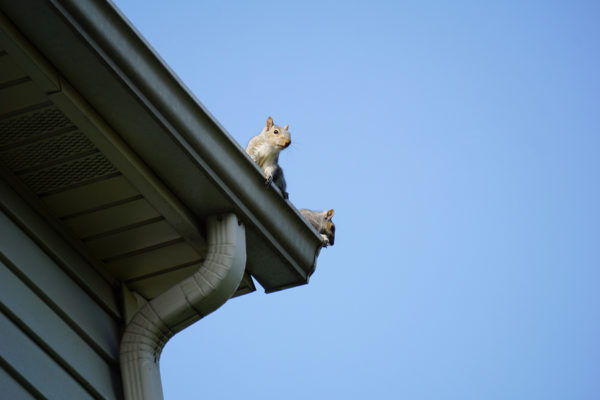
The winter months can bring wildlife indoors as they search for food and shelter from the cold weather, causing property damage by chewing through the wood, insulation, and wiring in your home, and can also carry diseases that threaten the health of you and your family. What critters should you be concerned about? Most wildlife control services include the exclusion, removal, and control of animals such as squirrels, rodents, raccoons, snakes, bees, and birds. Safe removal of the nuisance critter is always the first priority when it comes to wildlife, but what can you do to prevent these animals from getting into your home or property to begin with? Keep reading for tips on wildlife prevention and bird control.
Install door sweeps on exterior doors.
Repair or replace any damaged window and door screens.
Replace loose mortar around foundations and weatherstripping around windows and doors.
Inspect the exterior of your home including the siding for damage, holes, and leaks and repair them immediately.
Repair any holes under exterior stairs, porches, balconies, etc. to keep animals from taking up residence underneath them.
Install chimney caps.
Cover the openings to exhaust fans, soffits, attic vents, and utility pipes.
Inspect your roof annually for water damage and loose or damaged shingles.
Keep your attic, basement, and crawlspace well ventilated and dry.
Clean eaves and gutters regularly to prevent debris from building up.
Don’t leave your garage door open for prolonged periods of time or overnight.
Keep tree limbs cut back at least 6 to 8 feet from your roof line.
Store your firewood off the ground and at least 20 feet from your home.
Keep your grills or barbecues clean and grease-free.
If you have fruit trees make sure you pick or dispose of ripe fruit and clean up any spoiled fruit that may collect at the base of the trees.
Clean up leaves and brush and don’t leave them in piles around your property.
Store your birdseed in secure containers and don’t leave birdseed in your feeders overnight.
Bring in your pet’s food and water dishes at night.
Store food in airtight containers.
Dispose of your garbage regularly and use cans that have secure lids.
If you suspect a wildlife problem, contact a professional wildlife control company. A wildlife removal expert will inspect your home to identify the animal nuisance, determine where they are getting in, remove them, and prevent the wildlife from getting into your home in the future. They can also inform you of any existing damage or contamination and provide you with a recommendation for repairs or clean-up. You May Also Be Interested In:
Spring isn’t the only time of year you should clean and prepare your home. Fall is the perfect time to get your house ready for the dampness that comes with the change of seasons. Two of the most common ways to combat moisture is with sealants and waterproofing. Sealants are predominantly used in basements to help keep the moisture out. Waterproofing via different methods is mostly used on wood around your home.
SEALING BASEMENTS
More than half of US homes have an issue with moisture in their basements. Some common causes of moisture in the basement include condensation, runoff, and leaks. A good basement sealant is vital to protecting the contents of your home and your foundation from moisture. Most basement sealants are simple enough to be a DIY project for you. So what should you do?
First, don’t ignore a persistent musty smell in your basement. This is usually a sign of a moisture problem.
Make sure to identify the source of the moisture problem before trying any DIY repairs, whether it is from condensation, runoff from your yard, or from a leak.
Check the grading around your home for potential runoff sources, check your downspouts to make sure they are pointed away from foundations and that they aren’t leaking, and check for any cracks in your driveway. Also check your gutters to make sure they are free of debris or consider installing gutter guards to help prevent clogs and make cleaning much easier.
Patch any cracks you find in your basement floor and walls.
Once you’ve identified any issues and fixed them, you can then apply your sealant. Sealants coat basement walls and floors for quick waterproofing that can also be decorated! You may need to apply more than 1 coat depending on the size and condition of your walls and floors.
WATERPROOFING WOOD
Wood is the world’s oldest and most common building material. Without any protection, wood is subject to damage from moisture and high humidity leading to swelling, warping, and even rotting. Unprotected wood is also left exposed to pests like termites. Choosing the best method of waterproofing your wood depends on several factors including whether or not the wood is on the interior or exterior of your home and whether or not it is light or dark grained. So what options are out there?
Hand rubbed oil finishes: Hand rubbed oil finishes are derived from linseed or Tung oil and are usually used on dark grained woods like walnut and mahogany. As the name implies, these oils are rubbed on by hand and typically take longer to apply than other waterproofing options. These oil finishes can be combined with other ingredients to make them dry quicker or to help eliminate stickiness that is often left behind after application. They can be purchased pre-blended or you can mix your own if you want a more custom finish.
Sealants: Sealants come in several different varieties including polyurethane, varnish, and lacquer. These are all sealants with waterproofing properties. Sealants can be sprayed or brushed on making their application much easier than hand rubbed oils. They are also quicker to dry than hand rubbed oils. A negative property of sealants is that they usually contain ingredients that have strong fumes and require ventilation while applying and until they are dry.
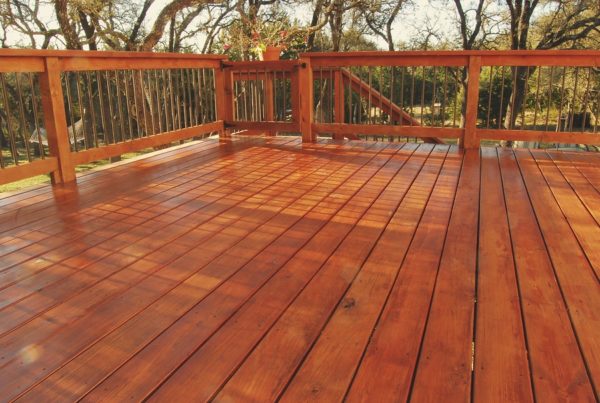
Stain/Sealant Combos: A third option is a stain/sealant combo which mixes a hand rubbed stain finish with a sealant in one product. These types of waterproofing products are especially good for use with larger scale projects like wood decks. Combo products allow you to apply a color or stain while also waterproofing in one easy application. They will need to be reapplied every 1 to 2 years for continued waterproofing.
Monthly yard treatments during peak mosquito season, targeting mosquitoes where they live and breed.
No harsh chemicals, family-friendly
Guaranteed to reduce mosquitoes
Same or next day service
🐭Trust the Mouse · Serving the Southeast
Free, no-obligation quote. Tell us where to send it and take back your yard.
$75 initial, then only $75/monthMosquito special, now through August 31st
$75 for the initial cost, and $75 per month after for the length of the mosquito season. For green recurring mosquito control service. New customers only. Restrictions apply. Call for more details.