Feb 21, 2023 | Pest Control
Tennessee Pest Control: Common Spiders
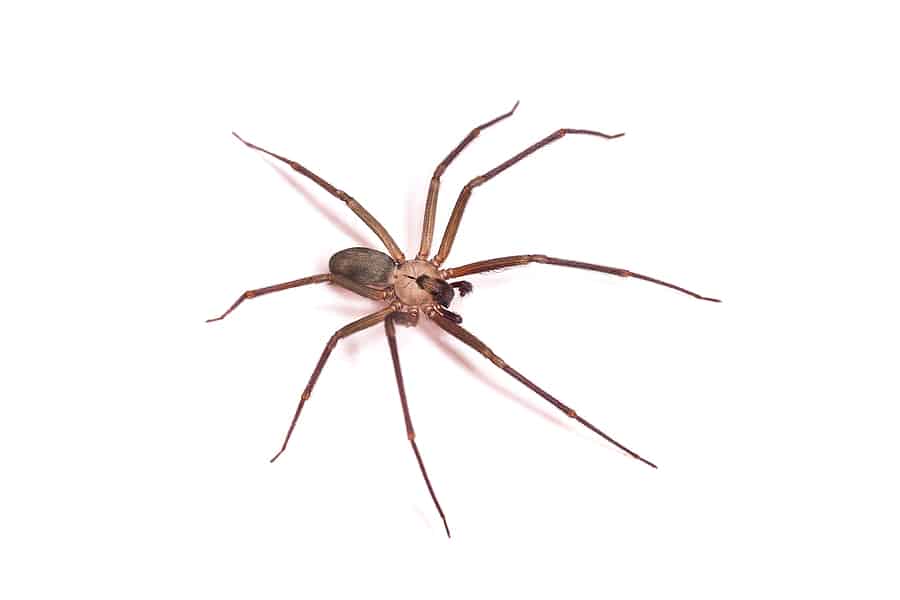
In Tennessee, we have our fair share of spiders we should be wary about. One of those spiders is the feared brown recluse. Luckily for us, most local arachnids don’t want to live in our homes, and they are easily preventable.
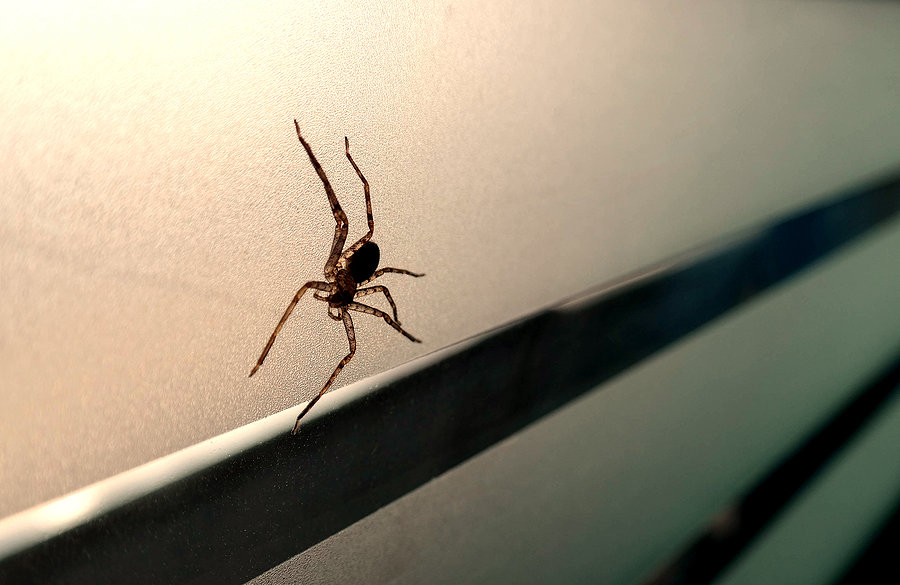
These spiders are ¼ to ½ inches in length and are light to dark brown in color. They have a violin-shaped mark behind their heads. They also only have six eyes compared to the usual eight. Like other spiders, they are beneficial in catching other invasive species in your home and keeping their populations down. If they weren’t harmful to humans, then it would all be fantastic.
A single bite from a brown recluse spider can bring on intense pain, swelling, fever, chills, body aches, and an ulcer at the site of the wound. Sometimes their bites can be used as a scare tactic, considered a “dry bite,” and don’t include venom. Don’t ever assume the bite didn’t contain venom and get medical attention right away.
Five Ways to Prevent Spiders in Your Tennessee Home
- Replace old weatherstripping
- Seal gaps, holes, and cracks around the exterior of your home
- Invest in door sweeps for unprotected exterior doors
- Avoid leaving clutter on the floor
- Call a professional pest control company
If you begin seeing an increase in unwanted arachnids, give your local pest control company a call for a free inspection and a pest prevention plan that works!

Feb 16, 2023 | Pest Control
Laurens Pest Control: Common Winter Pests
During the winter season, we don’t typically see a lot of pests around, but that doesn’t mean they aren’t present! Certain wildlife pests tend to look towards our Laurens home to escape the cold, causing damage and posing a health risk in the process. For homeowners, it’s important to understand the types of winter pests that could invade and the winter pest control methods needed to keep them out. Check out our top 3 winter pests to look out for in Laurens, South Carolina.
Cockroaches
During the winter, cockroaches enter our homes to search for heat and humidity. Common roaches found in homes are American roaches, oriental roaches, and brown-banded roaches. These pests can pose a serious health risk to humans, as they’re known to transmit diseases and trigger allergies and asthma. Roaches will utilize any open gap or hole to find their way inside homes. These pests will also hitchhike on grocery bags, boxes, and used appliances. You will often find them in areas where food and water are available, such as our kitchens and bathrooms.
Termites
Termites are year-round pests and will destroy the structural integrity of homes. The damage termites can cause will often cost billions in repairs. Termites, such as subterranean termites, will eat the wood from the inside out, usually staying hidden until the damage is done. These termite types need soil to live, creating mud tubes to search for a food source. Firewood and mulch are two major attractants to termites and will provide a way inside your home. If they’ve infested, you can often find them in the home’s baseboards, crawlspaces, and wooden beams.
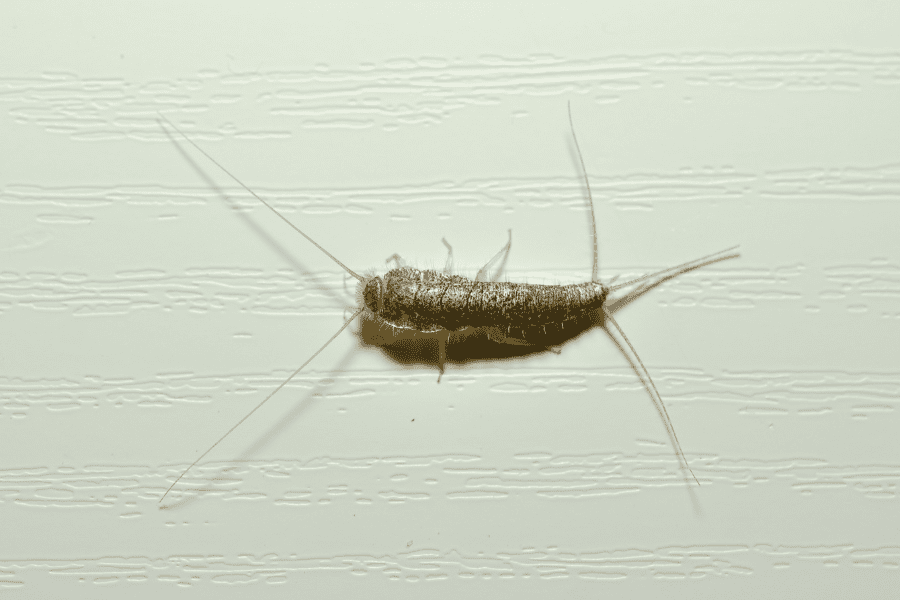
Silverfish
Silverfish prefer to live in damp, colder places. These pests are quite common in the winter months and are often found in basements or bathrooms. If they’ve gained access to your living space, it’s usually because they’ve hitched a ride when you’ve taken items out of storage in your garage or attic. While these pests are harmless to humans, if they infest in large numbers, they can become a nuisance. Silverfish will feed on your books, glue, wallpaper, and boxes.
Preventing Winter Pests
There are several methods and preventative measures you can implement to keep these pests from invading your home! Consider these winter pest control tips when you want to keep these pests away:
- Seal any holes, cracks, or gaps around your home
- Avoid leaving your pet food and water out overnight
- Clean up leftover food crumbs and spills
- Fix any leaky faucets or pipes found as soon as possible
- Avoid leaving your dirty dishes in the sink overnight
- Take your garbage out on a regular basis and utilize a trashcan with a tightly secure lid
- Remove old newspapers, mail, and cardboard that is laying around your home
- Inspect boxes, groceries, and used furniture before entering your home
- If you utilize mulch, place it at least 20 feet away from your foundation
- Consider reaching out to your pest control company to get a customized plan to prevent pests year-round
Feb 14, 2023 | Pest Control
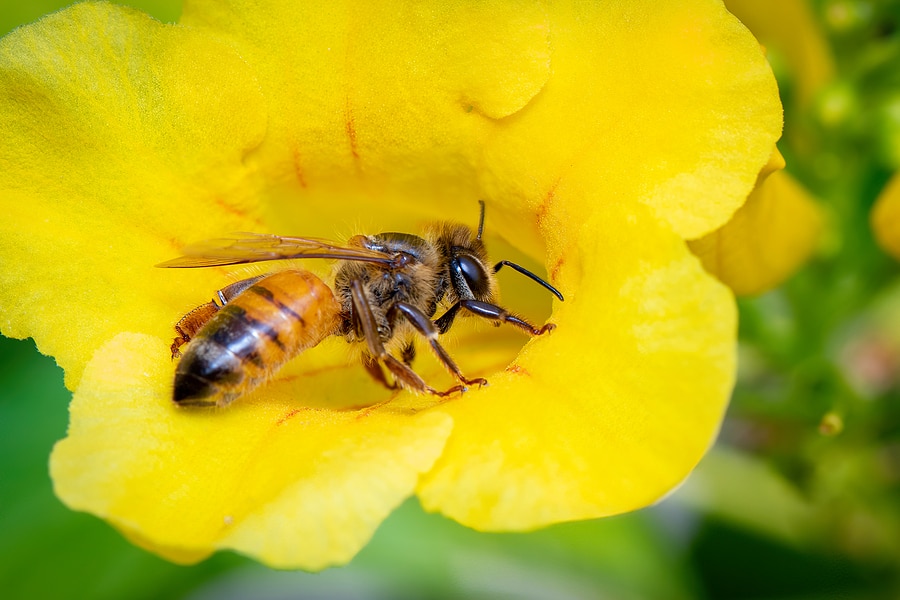
Honeybees have a significant role within our environment, the food we eat, the flowers we plant, and so much more. They are extremely hardworking and support so much of the sustenance of life. There are many reasons why honeybees and their honey are so important to humans; find out why below!
They Pollinate Our Food
To look for pollen, honeybees will travel long distances. Through these trips, fertilization takes place between food crops. They do this by using the hairs on their bodies to carry large grains of pollen between plants, helping crops produce better. In the US alone, honeybees are known to pollinate more than 100 crops! Because of their pollination, we can enjoy foods like cucumbers, cherries, apples, limes, and lemons. These insects also pollinate our wild plants, helping provide food to a wide variety of insects, birds, and animals, and overall, playing a major component in our biodiversity.
The Importance of Their Honey
Honeybees carry nectar extracted from plants and taken back to their hive. They create honey by mixing this nectar with their saliva in a cell within their hive. Honey is known to provide immense benefits to humans and our health. It’s been found that honey can prevent cancer, heart disease, and diabetes, heal wounds, and fight bacteria! There are also several products made from honey that can support us overall. The most common products we often see come from honey, including bee pollen for health benefits and bee wax for skin care products, candles, and even furniture polish!
Caring for Honeybees
The importance of honeybees is significant to our environment and overall well-being. At Northwest, we are proud to offer our honeybee relocation and protection services to continue keeping honeybees active and alive! Our Certified Honeybee Keepers are trained to safely remove, relocate, and care for the honeybees that have found their home in yours! If you’re interested in Northwest’s Honeybee Relocation & Protection Service, call our team today for a free inspection!
Feb 3, 2023 | Pest Control
Despite popular belief, not all snakes are harmful to humans. In fact, most snakes will go out of their way to avoid humans when they encounter them. Only a handful of venomous snakes reside in Georgia. One of the most common of these is the water moccasin.
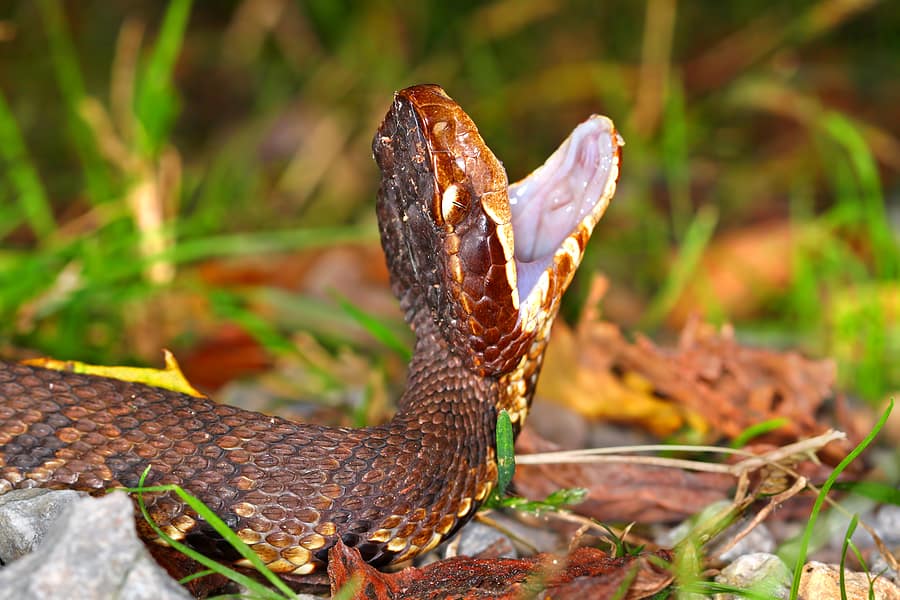
Water moccasins, also known as cottonmouths, is a venomous snake found throughout the southeastern United States. They are known as the cottonmouth because of the white coloring on the inside of their mouths that show when they are threatened. These snakes are usually a banded brown or yellow color. They range in size anywhere from 2 to 4 feet and can swim in the water and slither on land.
Video Transcript
Most snakes in Georgia aren’t dangerous and will avoid people whenever possible. However, one of the most common venomous snakes is the water moccasin, also known as the cotton mouth. You can recognize it by the bright white cotton-like color inside its mouth when it feels threatened, and it can move easily through both water and yards. A water moccasin bite is a medical emergency. While adult snakes often conserve venom, baby and juvenile snakes haven’t learned that control yet, which can make their bites more dangerous. If a bite ever occurs, seek medical attention immediately. The best way to protect your home is through prevention. Keep firewood elevated, clear brush piles, eliminate standing water, trim grass and shrubs, and reduce food sources like frogs and rodents. And if you ever see a snake you can’t identify, keep your distance and call a professional for safe removal. When you’re ready to call a professional for a peaceful home, feel free to reach out to our team at Northwest Exterminating.
The bite of a water moccasin is very dangerous to humans. If you are bitten by a water moccasin, seek medical attention immediately. Symptoms following a water moccasin bite include pain, swelling, discoloration, weakness, fatigue, difficulty breathing, nausea, and decreased blood pressure.
Adult water moccasins have control over their venom. Because they have a limited supply, they have learned to conserve it, sometimes biting with a “dry bite” where no venom is released. Although painful, these bites aren’t as dangerous as a venom-filled bite. This is also what makes baby and juvenile water moccasins so dangerous. These young snakes haven’t learned control over their venom yet, therefore injecting their full supply when they bite.
If you encounter a water moccasin or any other snake you can’t positively identify in the wild, steer clear of it and don’t enter it’s personal space. Don’t attempt to move it or kill it. If you come across one of these snakes in your home, contact a professional for safe removal and relocation.
Although most snakes are actually beneficial to have around your home, you can prevent snakes with the following tips:
- Minimize wood stacks around your home. Store firewood away from your house and elevate it off the ground.
- Eliminate standing water around your home.
- Clean up your yard by getting rid of brush piles, logs, rocks, etc. Keep your lawn mowed and shrubbery trimmed back to help reduce hiding places.
- Make your yard less attractive to frogs and other food sources for snakes.
If you encounter a snake, contact a local pest control company who can implement safe and humane snake removal protocols.
You May Also Be Interested In:
Roof Rats: How To Identify and Eliminate
Common Rodents to Lookout for this Winter
Getting Ready for Spring
Bed Bugs: Where Do They Come From?
The Dangers of Flea and Tick Bites
Jan 27, 2023 | Pest Control
One of the most common rodents invading homes is the roof rat, also known as the palm rat, fruit rat, ship rat, and Alexandrian rat. Norway rats, which are stockier than roof rats, can also invade dwellings. If you want to get rid of the rats in your attic, you need to identify the species first. There are several key distinctions between roof rats and Norway rats. Let’s take a look at a few of the distinctions.
SIZE
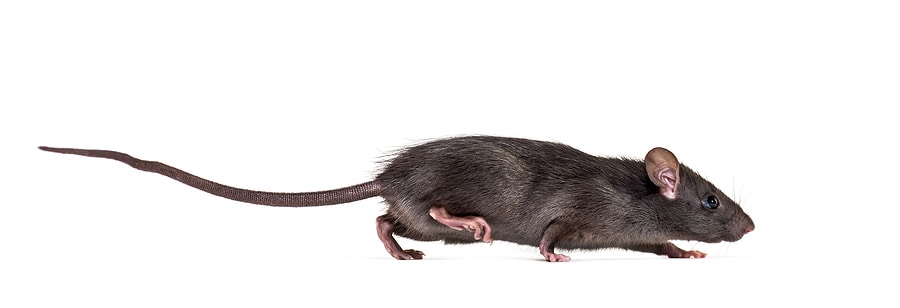
Roof rats are smaller than Norway rats (also known as the sewer rat or brown rat) and have longer tails. They can reach a maximum length of 18 inches (including the tail) and a minimum weight of 5 ounces.
APPEARANCE
Roof rats are commonly black in color, while Norway rats are brown or gray. Compared to Norway rats, roof rats are smaller, thinner, and their fur is smooth. Large, hairless ears and pointed faces are two other distinguishing characteristics of these rodents.
HABITAT
Roof rats, in contrast to other rat species, are adept climbers and construct their nests in elevated locations rather than underground burrows. They build their nests outside in places like trees, shrubs, wood piles, and dense vegetation. Whenever possible, these pests will seek out the warmest part of the house, which is typically the attic or another upper level. There are a number of places in the house where they might set up shop for the winter, including attics, cabinets, ceilings, garages, interior walls, bathrooms, outdoor kitchens, and pool decks.
DIET
Unlike many other rat species, roof rats eat a lot of nuts and seeds rather than meat scraps and other high-protein foods. Because of this, nuts and fruits make up the bulk of a their diet, though they are omnivores like all rats. If they’re hungry enough, they’ll eat almost anything, including vegetation, pet food, animal feed, vegetables, insects, nuts, seeds, tree bark, and even lizards.
WATER
Roof rats require water to survive and will often use the following as a water source: watering holes, leaky pipes, AC lines, pet water bowls, flowerpots, sprinklers, and gutters.
SIGNS OF ROOF RATS
Because they are nocturnal and hunt for food at night, roof rats are not always visible. In order to detect an infestation, however, you must be familiar with the telltale signs of a problem. When located, the appropriate rodent prevention measures can be implemented.
The presence of roof rat feces is a clear indication of an infestation. Roof rat feces are less noticeable in size compared to those of Norway rats. The feces have sharp points and measure about half an inch in length. Other telltale signs of a roof rat infestation include:
- Rattling, squeaking, or other gnawing sounds from the ceiling or walls
- Damage to the eaves and/or roof from gnawing
- You can see them running along tree trunks, power lines, rooftops, patios, and fruit trees.
- Fruit with the pits removed, if you have fruit trees.
- Household electrical wiring is chewed on and damaged.
- Stressed and anxious pets.
- Leaving greasy footprints and smudges on the home’s regular passageways.
- Nests discovered in your home’s insulation.
WHAT HARM DO ROOF RATS CAUSE?
Roof rats can be a real nuisance, and their droppings and urine can be dangerous to your health. Roof rats can get into your home by gnawing holes in the soffit or eaves. As soon as they get inside, they can do a lot of harm by wire-chewing, which can cause electrical problems and fires; nibbling up in the rafters of the loft; gnawing on water lines and causing leaks; and reducing insulation’s effectiveness by trampling on it. They can also contaminate your home with their urine and feces, causing health problems for you and your family.
RODENT PREVENTION
Prevent roof rats with the following tips:
- Empty garbage regularly and put it in cans with tightly fitting lids.
- Keep your house clean and decluttered.
- Avoid using open compost piles.
- Store food in sealed containers.
- Only leave enough pet food out for one sitting.
- Keep pets, especially cats, around the house.
If you suspect you have a problem with roof rats or any other rodents, contact your local pest control company for a complete evaluation.
You May Also Be Interested In:
Common Rodents to Lookout for this Winter
14 Tips for Winter Pest Control
Are Spiders More Common In Winter?
5 Winter Tips for Southern Homes
Are Bed Bugs Active in the Winter?
Jan 26, 2023 | Florida Pest Control, Pest Control
Common South Florida Rodents: How to Prevent
We don’t often see temperatures below freezing in Cape Coral, but we do experience colder months. While it’s a nice break from the humid weather, unfortunately, it can bring unwanted pests into our homes. Rodents are looking for a warm place to inhabit and search for a food source. If these pests get inside, they can cause significant damage, such as chewed wires, damaged insulation, and risk of disease. Check out our list of common rodents in your area and how you can prevent them from entering your home.
House Mouse
The house mouse prefers dark, secluded areas in your home, such as the crawl space, basement, or attic. These creatures can adapt very quickly to human environments, often hiding in household clutter and inside the walls of homes. Since they are skilled climbers and are able to jump a foot high, they will often reach isolated areas inside your home.
Norway Rats
One of the largest rodent species, Norway rats are nocturnal creatures, searching for food sources in garbage cans at night. You can often spot these creatures burrowing in areas that go undisturbed for a long time, such as crawlspaces and basements. Once inside, these creatures are known to gnaw on furniture, walls, plastic, lead pipes, and wires.
Roof Rats
Due to their padded feet, roof rats can easily climb up our homes, infesting our attics, eaves, and roof lines. Living in colonies, they will typically stay together in a familiar area instead of exploring new ones. If an area is providing both food and shelter, these rats will stay close or inhabit the area.
Preventing Rodents in Cape Coral
Rodents can adapt to almost any situation, making it more difficult to get rid of them. Fortunately, there are a few easy ways to help deter these creatures away from your home.
To keep rodents out this winter, utilize these rodent prevention tips:
- Empty your garbage regularly, utilizing a tight lid or lock
- Utilize screens on vents, chimneys, windows, and doors
- Keep your home decluttered and clean, wiping up any spills or crumbs immediately
- Avoid leaving your pet food outside overnight
- Keep piles of wood elevated off the ground and placed at least 20 feet away from your home
- Check for sources of moisture throughout your home and eliminate them as soon as possible
- Reach out to your local professional South Florida pest control company to help remove and prevent them in the future
Jan 20, 2023 | Pest Control
Despite our best wishes, pests don’t just disappear when the weather gets cold. Winter pest control becomes critical to keeping your house protected during the season. Overwintering pests will make their way indoors to escape the cold and have access to a plentiful food supply. Common overwintering pests include roaches, spiders, and rodents.
Overwintering pests pose a threat to both you and your home. They can chew through wires and insulation, contaminate surfaces and food, spread diseases, and trigger allergies and asthma.
Help protect your home with these 14 tips for winter pest control:
- Seal any cracks, crevices, and holes on the exterior of your home.
- Seal around utility pipes that enter your home.
- Replace or repair weatherstripping and screens.
- Elevate your firewood and store it at least 20 feet from your home.
- Declutter, especially in the basement, garage, and attic.
- Repair any leaky pipes to reduce moisture.
- Keep gutters free of debris.
- Install doorsweeps.
- Install chimney vents.
- Keep attics, crawlspaces, and basements dry and ventilated. Consider crawlspace enclosure.
- Keep floors and counters clean daily.
- Dust, sweep, and vacuum regularly.
- Empty the trash regularly.
- Invest in routine pest control throughout the entire year.
If you have a problem with winter pests, contact your local pest control company for a complete evaluation and treatment plan.
You May Also Be Interested In:
How to Prevent Bed Bugs While Traveling
How Do I Prepare For Termite Treatment?
Rodents to Lookout for this Winter
Why Identifying Spiders is Important for Prevention
Do Roaches Die Off In Winter?
Jan 11, 2023 | Pest Control
Whether they’re in your basement, attic, crawl space, or even your living space, discovering rodents is never ideal. They carry diseases that can be harmful to you and your family and also cause damage to your home. It’s important to be aware of the signs and types of rodents that can be found in or near your home.
Types of Rodents
- Norway Rat: One of the largest species of rats, they can measure from 13 to 18 inches in body length. They rely heavily on human impact and will search for any food source possible. Norway rats are known to chew through plastic materials or even lead pipes, causing considerable damage to your home.
- House Mouse: These mice are on the tinier side, measuring up to 7 inches and varying in color. These critters will eat anything to survive and get most of their water intake from the food they eat. Being incredible climbers, they can become a threat once inside your home by gnawing on electrical wires.
- Roof Rat: These rats are slightly smaller than a Norway rat but can still measure up to 13 inches in length, including the tail. Roof rats are excellent climbers and prefer to nest in high places, including attics.
Rodents are never an exciting creature to discover in your home, but how do you know if you have rodents? Here are some signs that rodents could be in your home already:
- Discovering droppings in areas such as basements, attics, or crawlspaces.
- Finding nests in your home means it has become a haven for these critters.
- If you hear scratching, tapping, or squeaking coming from the walls or the attic.
- If you begin to notice property damage, including gnaw marks or chewed wires.
If you suspect any of these rodents inside your home, consider contacting your local pest control company for a rodent control plan that will help remove, exclude, and prevent them in the future!
Jan 6, 2023 | Pest Control
It’s a common myth that spiders come into our homes to overwinter until spring. In actuality, they most likely were already there to begin with. These household pests are more active in fall and early winter for two main reasons: they are preparing winter and the upcoming scarcity of food and they are mating and in search of a partner to reproduce with.
House spiders take up residence in your home year-round. Spiders can be beneficial to have around as a form of natural pest control as they eat other insects (even other spiders) found around your house.
One exception to this is the brown recluse spider. They will seek warmth and food indoors in the winter by hiding out in dark, unused areas of your home. Brown recluses are identified by the distinct violin-shaped mark on their back. They will bite and are considered harmful to humans.
You can prevent spiders in your home by:
- Checking your foundations for cracks and repairing them immediately.
- Checking windows and doors each season. Repairing any cracks and check seals.
- Decluttering, especially in basements, attics, closets, and pantries; this limits the places they can hide.
- Vacuuming and dusting frequently, especially in rooms that are seldom used.
- Checking any items before bringing them indoors, including pets, firewood, plants, boxes, decorations, etc.).
- Investing in routine pest control. Eliminating other pests limits food sources for spiders, leaving them to search other places for a meal.
If you have an issue with spiders, contact your local pest control company for an inspection.
You May Also Be Interested In:
When Does Swarming Season Begin?
Should I Worry About Cockroaches?
What Types of Grasses Work for My Georgia Lawn?
4 Types of Termite Control
Which Season is Worst for Bed Bugs?