Apr 20, 2018 | Termite Control
If you’ve been outside lately you’ve probably seen signs of spring – blooming flowers, pollen that aggravates our allergies, and lots of new insects buzzing around. Another thing that spring brings is swarms – of termites! Termites are present year round but their swarming season is during spring and early summer.
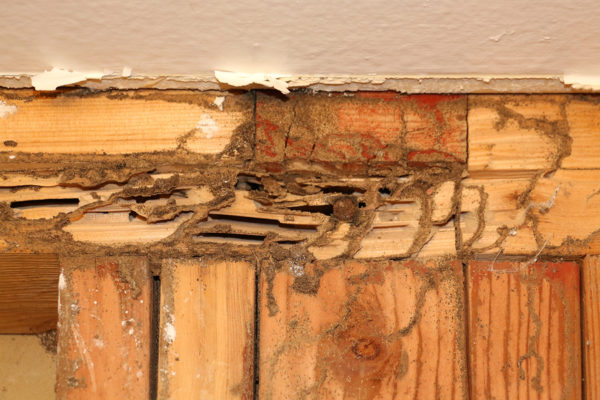
Termites cause billions of dollars in damage to homeowners each year. Here in the Southeast, subterranean termites are the most common types and are particularly destructive. These insatiable eaters can damage not only wooden structures, but have even been known to cause damage to brick and concrete homes as well. Termites can invade your home through cracks and holes as small as 1/32 of an inch!
Swarms are most common in spring and summer because they are triggered by warm, humid weather. Swarming marks the start of a new termite colony. Winged termites leave their nests when they become overcrowded and their isn’t enough food to sustain them. They then take flight and actually reproduce in mid-air. The females will then shed their wings and fall back to the ground. They then go in search of a new location to start their colonies.
Swarmers don’t usually cause any damage but once they establish their new colonies their offspring can cause significant damage – usually within 2 years. If you see flying termites it can signal one of two problems:
- There could be an existing termite problem nearby.
- Your home could potentially be at risk of a termite infestation when the swarm lands looking for a new place to colonize.
If you see winged termites inside your home this is a good indication that you already have an established termite colony inside or that there is existing damage already.
What can you do to prevent termites from coming into your home? Check out these tips to keep the termites out!
- Have regular inspections done by a termite control company.
- Do regular inspections of the outside of your home and the subfloor of your home checking for wood damage and the presence of mud tubes. (Mud tubes are pencil-sized tunnels located around termite nests, wood structures, and concrete or stone foundations.)
- Repair any damaged roof tiles, soffits, and fascia on your home.
- Keep mulch away from your foundation as this retains water and the moisture can attract termites.
- Keep your basements, attics, and crawlspaces well ventilated and dry. Consider enclosing your crawlspace completely.
- Make sure gutters are clear of debris and downspouts are working to make sure water is diverted away from your home. Consider installing gutter guards to help prevent clogs.
As always, if you suspect you have termites or find signs of damage, contact a termite control company who can come in and do a thorough inspection and set you up with a comprehensive treatment plan.

Jan 26, 2018 | DIY, DIY Pest Control, DIY Wildlife Prevention, Pest Control, Wildlife
During the colder months of winter, most of us like to stay bundled up and warm – with warmer clothes and inside our cozy homes. Unfortunately, many animals also seek this same shelter and warmth in the winter – oftentimes in our homes! Do you know which animals can cause problems for you during these colder months? What can you do to prevent them from seeking shelter in your home? Check out these common winter wildlife pests and 6 ways you can prevent them.
SQUIRRELS
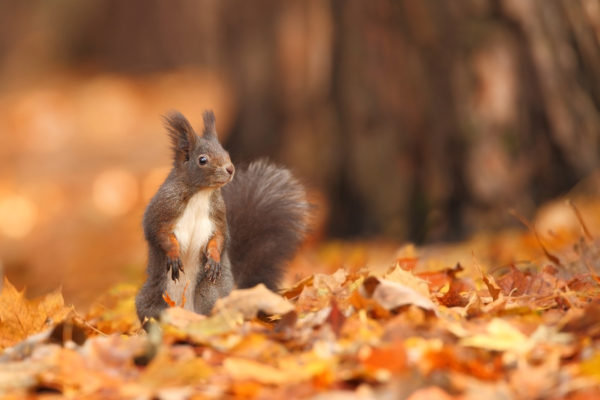
Squirrels can be a problem year round. They don’t hibernate in the winter and stay very active. They like to seek shelter and warmth in attic spaces. They may also seek out your attic as a storage space for their winter stash of nuts, grains, and seeds so they don’t have to search for food in the cold winter months. Squirrel nests are easy to spot in the winter in bare trees. Squirrels are notorious chewers – so if you have them in your attic you can expect your wood, insulation, and electrical wiring to suffer damage.
SKUNKS
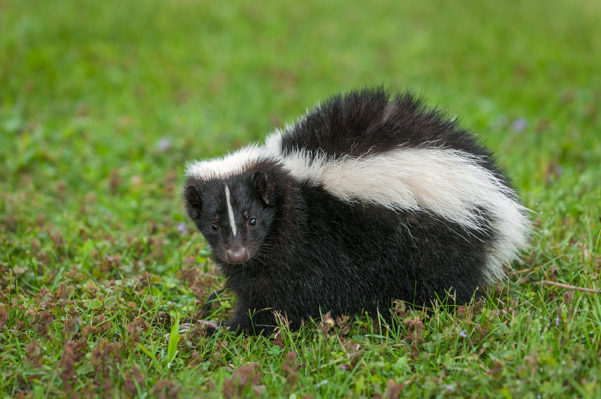
Skunks live in the same areas during the winter as they do in the summer. They like to burrow under our decks, patios, and stoops. Skunks don’t technically hibernate, but they do lower their body temperature and heart rate in the winter to conserve energy and therefore become less active. They can go up to a week without food and water but will venture out on a semi-regular basis in search of sustenance. They live in larger communities in the wintertime for warmth.
RATS/MICE
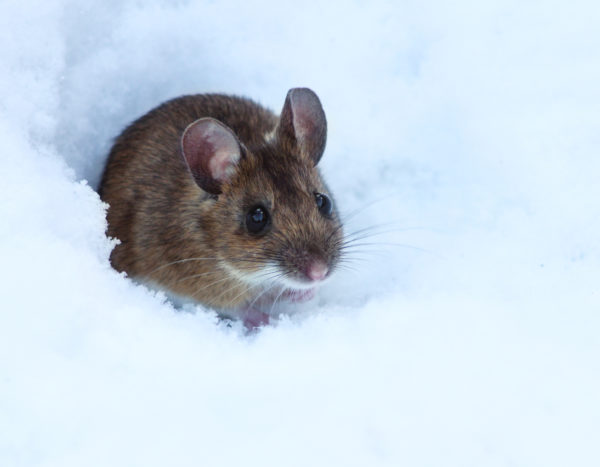
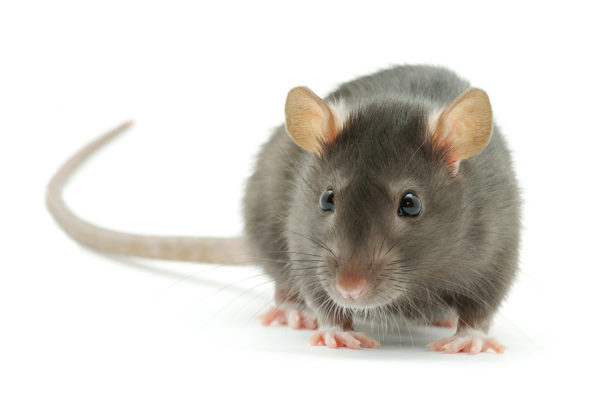
Rats and mice are also year round pests but they can become more of a problem in the winter. These rodents seek out warmth, food, shelter, and water inside our homes during the harsh winter months. They can squeeze into your home through extremely small openings. Like squirrels, they are also notorious for chewing through insulation, wiring, and wood.
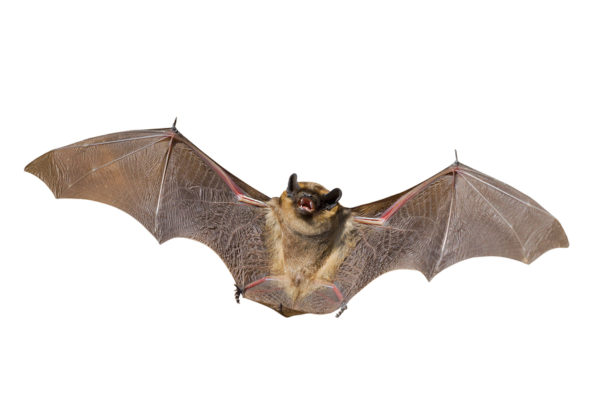
BATS
There are at least 40 different species of bats in the United States. Bats are mostly active in the summer months and will hibernate in the winter. They will, however, hibernate in your attic! Bats like to roost in attics, belfries, behind shutters, and loose boards. They are carriers of rabies and can spread disease.
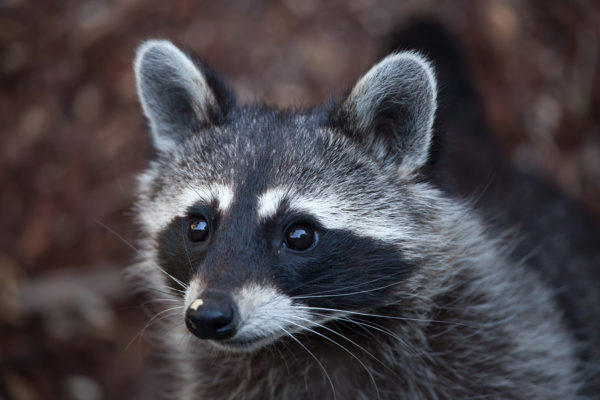
RACCOONS
Raccoons are nocturnal and rarely seen during the day. Raccoons can cause significant damage to roofs and chimneys in their search for den sites. They will also get into crawlspaces in search of den sites. They are a major carrier of rabies.
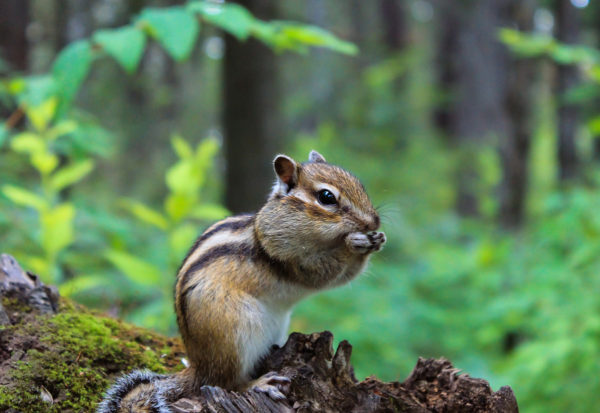
CHIPMUNKS
Chipmunks are like squirrels in that they gather and store their food in the fall. They are less active in the colder weather, lowering their body temperatures and heart rates to conserve energy. They usually make their nests in underground burrows that can be up to 10 feet long. They will venture out every few days to eat, drink, and go to the bathroom. Oftentimes they will use attics as a storage space for their winter stash.
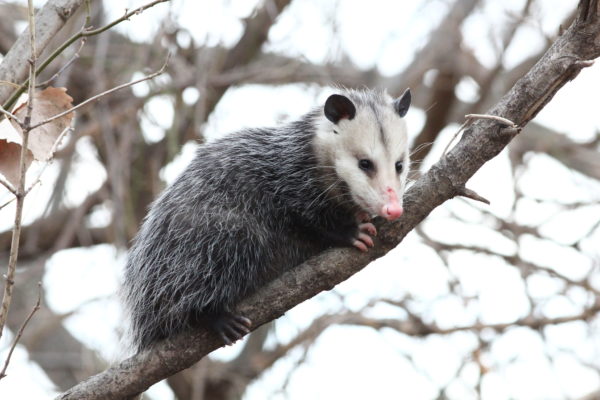
OPOSSUMS
Opossums are the only marsupial found in North America. They will occasionally make their dens in attics and garages. They are known to make very messy nests. Opossums have very sharp teeth and will show them, as well as hiss, when they feel threatened. They are known to bite in very rare cases.
PREVENTION:
Winter wildlife can be a problem especially if they build a nest or store food in or near your home in the wintertime. The cold weather also doesn’t eliminate the diseases that they carry and spread. If these pests get into your home they can cause significant damage to your roof, insulation, foundation, wiring, and more. What can you do to prevent winter wildlife from making your home theirs? Check out these 6 tips to prevent winter wildlife.
- Eliminate Entry Points. Winter wildlife can’t get into your home if they don’t have a way in. Carefully inspect your home for any openings that animals can use to get in. Check and proof any weep vents in your bricks. Seal around HVAC and utility lines, in gaps in the foundation and siding, in gaps between your roof and soffits, and gaps between the soffits and fascia. Check your roof vents, as well. Seal gaps around windows and doors, including your garage door. Many rodents can chew through rubber or thin plastic seals so consider using heavy duty metal seals or caulk. Check screens on doors and windows to make sure they are in good repair. Use chimney caps. Consider enclosing your crawlspace to prevent unwanted critters, as well.
- Clean Your Gutters. Clogged gutters can block the drainage of rain and melting snow and ice. This can not only cause damage to your home, but also invites birds and other wildlife to build their nests here. Make sure drains are clean and that your spouts are far enough away from your foundation. Consider installing Leafproof XP Gutter Guards to make gutter cleaning and maintenance easier for you.
- Clear Out The Clutter. Now is the time to reorganize your belongings. This not only lets you get your garage or attic cleaned out, but also allows you to inspect areas of these spaces that you might not normally have access to. If possible, get rid of cardboard storage boxes and use plastic containers with lids instead. Get rid of old newspapers or other paper products as these invite rodents and other pests to make nests.
- Get Rid Of Their Food. Winter wildlife will eat anything they can get their hands on. If you have birdfeeders, take them down in the evenings and put them back out in the mornings. Clean up any spilled birdseed from the ground underneath them. If you do keep your birdfeeders out all the time, consider squirrel proofing them. Use trash and compost bins with locks and store them in the garage if possible. Make sure outdoor composts are well sealed. Store food in airtight containers and refrigerate them if possible. Don’t leave pet food out overnight, especially outdoors. Clean up any spilled food and crumbs daily and sweep and vacuum often.
- Clean Up Your Yard. Clutter and debris in your yard can invite all sorts of pests to invade. Keep your yard clean and free of debris. Trim shrubs and branches away from your home as pests can use these to access your house. Stack firewood at least 2 feet off the ground to keep animals from nesting underneath. Dead trees, brush piles, and tall grasses should be put in yard waste bags and kept in the garage until garbage day.
- Call The Pros. If you suspect you have a wildlife problem, call a professional wildlife control company. They can come out and inspect your home, remove any unwanted critters, and provide you with a prevention and treatment plan to keep them from coming back.
Jan 5, 2018 | CrawlSpace, Going Green, Insulation, Pest Control
Even though we’re well into the winter season, it’s never too late to weatherproof your home. These easy fixes will not only seal up your home and keep it nice and warm, they will also help save you some money on your energy bills this year. Check out these simple winter weatherproofing tips so you’ll be prepared just in case the groundhog DOES see his shadow this year!
Windows And Doors
Check your doors and windows to make sure they are in good repair. Insulate your doors and windows with weatherstripping. Use transparent weather sealant tape for any areas where the weatherstripping will be applied directly to the door or window. This tape can also be used to temporarily seal any cracked windows until you can permanently replace them. Use door sweeps on the bottoms of exterior doors to keep cold air from coming in. You can install them with nails or with adhesive.
Attics And Crawlspaces
Attics and crawlspaces are notoriously cold areas of your home. Thermal accoustical pest control (TAP) insulation is an energy star rated attic insulation that provides several benefits to your home. TAP eases the burden on your heating and cooling systems, making them more efficient and keeping the temperature in your home more consistent throughout the year. TAP also leads to a 20-38% savings on your energy bills AND protects your home against pests including roaches and ants. Finally, TAP is treated with a fire retardant that limits the spread of fire in your home.
Complete CrawlSpace enclosure is another way to weatherproof your home. Enclosing your crawlspace with Complete CrawlSpace increases energy efficiency, prevents mold growth, and completely closes off your crawlspace to pests. This can also save you up to 18% on your energy bills each year.
Garages
Most garages aren’t insulated which makes them very chilly spaces in the winter. Install weather sealing strips on the bottom of your garage door. These strips not only keep out cold air but also keep out rain and pests as well.
Outlets And Switches
Outlets and switches on the exterior walls of your home can be a big source of cold air. One solution is to install foam outlet and switch sealers. These can be installed by simply turning off the power, removing the outlet or switch cover, applying the foam sealers, and reinstalling the covers.
Floors
Hardwood and tile floors can be especially cold in the winter. Curtains and rugs can make a big difference when it comes to heating your home. if you have drafty windows, hang some heavy curtains to keep the cold air out. Use area rugs on hardwood floors and in bathrooms with tile floors to help keep them warm.
Air Conditioning
Air conditioning units in walls and windows give a direct path for cold air into your home. One solution is to install a heavy duty polyethylene and vinyl cover that fits around the outside of the unit. You can also wrap the inside grill with plastic sheeting and double sided tape. Consider installing a programmable thermostat which will automate your interior temperature. This can save you up to $200 per year in heating and cooling costs.
Hot Water Heater
Insulate your hot water heater with a water heater insulating blanket. This saves energy by reducing heat that is lost through the sides of the hot water heater by 25-40%. This reduction in heat loss can also lead to savings on your energy bills.
Nov 17, 2017 | Wildlife
As the cold winter months descend upon us, our first instinct is to head indoors for warmth and shelter. Animals have this same instinct during winter and will start looking to escape from the elements. They will usually look for holes, tunnels, logs, rock or leaf piles to burrow in but, if they are near neighborhoods, your home might look just as inviting to them.
Did you rake and bag your leaves this fall? Did you repair those holes in your deck, garage, or siding? Did you enclose your crawlspace and cap your chimney? If the answer is no, then you may have left an open invitation for critters to come into your home. Common winter wildlife invaders include squirrels, rats and mice, raccoons, and spiders. But don’t forget some lesser known winter animals, as well. Check out these four unusual winter pests and what you can do to prevent them.
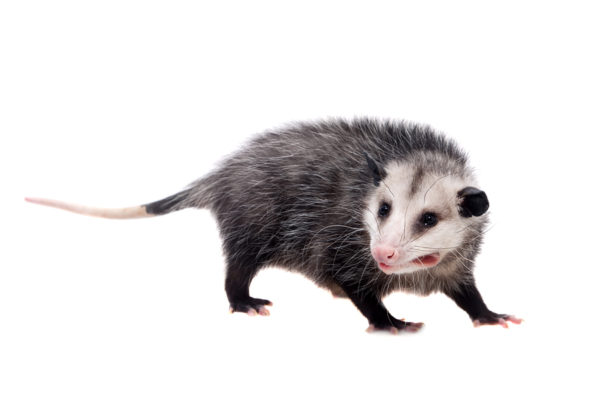
OPOSSUMS:
APPEARANCE:
- About 2 feet long
- About 10 lbs.
- Long, light grey hair
- Hairless round ears
- Scaly tail
- Five fingers on their front feet, four fingers and opposable thumbs on their rear feet
HABITAT:
- Establishes home within existing structures (hollow logs, garages, crawlspaces, under buildings, inside burrows)
- Lives close to their food sources
DIET:
- Omnivore
- Will eat anything it can find
- Usually eats fruit, grass, insects, mammals, birds, and fish
BEHAVIOR:
- Marsupial (carries young in a pouch)
- Sluggish and slow
- Nocturnal
- Excellent climbers
- Produces a repulsive smell
- Plays dead as a defensive mechanism
THREAT:
- Not dangerous to humans as long as they aren’t cornered
- May carry diseases of concern to humans (e.g. rabies) but transmission is extremely rare
- Always handle (dead or alive) with gloves and wash hands thoroughly afterwards
SIGNS:
- You see them out, especially at night
- Usually see or hear around garbage cans or in attics
- Damage to lawns and gardens from digging for food
- Eaten pet food or birdseed
PREVENTION:
- Opossums are protected species in many areas so check local laws and regulations before trapping or relocating
- Eliminate food sources by keeping pet food inside and removing uneaten birdseed at night
- Keep garbage cans closed and secure with bungee cords, cinder blocks, or latches
- Put garbage cans out for pickup in the morning rather than overnight
- Keep pets inside at night
- Keep outdoor grills and grease catch cans clean
- Secure under decks, eaves, and chimneys with wire mesh and use chimney caps
- Trim tree limbs to prevent roof access
- Enclose your crawlspace
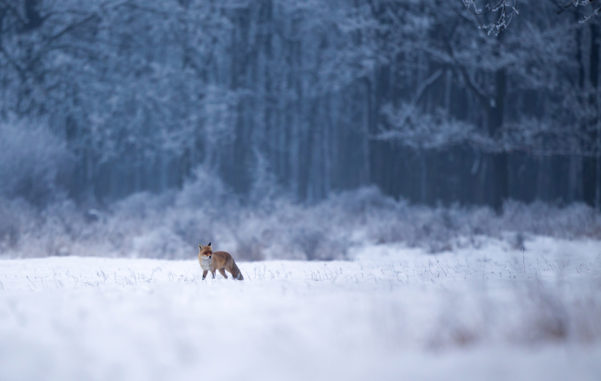
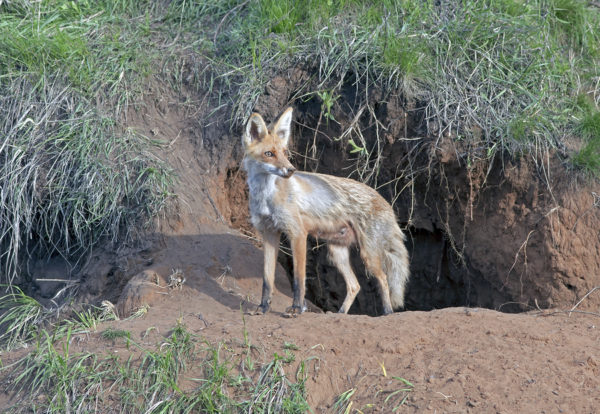
FOXES:
APPEARANCE:
- 3 to 3-1/2 feet in length
- Reddish brown to grey fur
- Tails have black or white tips
- Yellowish eyes
HABITAT:
- Will make dens under porches, decks or sheds
- Found in suburban areas and near farms
- Often seen near wooded areas, open fields and meadows
- Will dig their own dens or use abandoned burrows and hollow trees
DIET:
- Prey on small pets and livestock (rabbits, guinea pigs, chickens)
- Prefer rodents, rabbits, insects, and fruit
BEHAVIOR:
- Natural fear of humans
- Like to dig
THREAT:
- Not dangerous unless rabid (which is very rare)
- Dangerous if captured or handled (they will bite or attack)
SIGNS:
- See them (daytime or night)
- Small animals/pets are carried off
- Twisted droppings with hair or berries
- Distinct odor left behind (almost like a skunk)
PREVENTION:
- Keep pets indoors or in sturdy structures
- If they have established a den under or near your home:
- Loosely pack leaves, soil or mulch in the opening
- Place urine soaked kitty litter, a sweat soaked shirt, smelly socks, or old sneakers in or near the opening
- Spread capsicum-based repellent around the entry
- Bury an L-shaped footer around the perimeter of fencing or enclosures to prevent them from digging into them
- Scare foxes them away by making noise near their dens, shouting, or increasing activity near the den
- Get rid of food sources like garbage, compost piles, and outdoor pet food
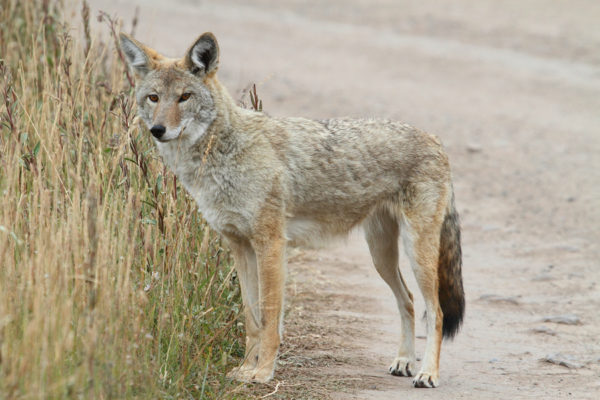
COYOTES:
APPEARANCE:
- 4 to 5 feet in length
- 15 to 45 lbs
- Tawny grey fur with dark areas and a black strip along their back
- Backs of their ears are yellowish
- Throat and belly are white
- Tails have a black tip
HABITAT:
- Prefer forests, grasslands, deserts, and swampy areas (they are very adaptable)
- Accustomed to humans so they can be found in rural, urban, and suburban areas
DIET:
- Mainly prefer small animals (rabbits, squirrels, mice)
- Will also occasionally eat birds and insects
BEHAVIOR:
- Nocturnal – they usually hunt after dark and in the early morning
- Will kill house cats, small dogs, and livestock
- They run with their tails down (this distinguishes them from dogs and wolves)
THREAT:
- Can carry distemper, hepatitis, parvovirus, rabies, mange, and tularemia
- They have occasionally attacked humans if threatened
SIGNS:
- Spotting them, especially at night
- Hearing them (yip, yelp, howl, growl, and bark)
- Dead or missing animals
- Damage to gardens
- Tracks – more elongated than dogs and more uniform in shape
- Twisted droppings with hair and berries
- Signs of prey (carcasses or bones that have been eaten clean)
PREVENTION:
- Remove food sources like garbage cans and dumpsters or secure them with latches or straps
- Feed pets and birds during the day and clean up stray food
- Remove bird feeders at night as they will eat both the seeds and the animals who come to feed
- Keep an eye on pets and young children as coyotes will attack if they are left alone
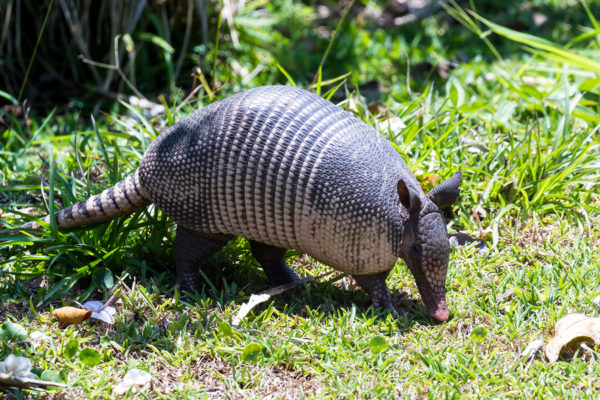
ARMADILLOS:
APPEARANCE:
- Anywhere from 6 inches to 5 feet in length
- 8 to 17 lbs
- Color ranges from black to red, grey, or yellowish patterns and coloring
- Tough shell with knobby scales
HABITAT:
- Live in wooded areas and prefer loose, sandy, or clay soil since it is easier to dig
- Will dig multiple burrows, some up to 15 feet deep
- Can burrow under patios and driveways
- Burrow entrances are usually hidden under brush, stumps, and rock piles
DIET:
- Insects, insect larvae, earthworms, snails, and scorpions
BEHAVIOR:
- Nocturnal – feed at night and hide in burrows during the day
- Excellent diggers
- Poor eyesight and hearing
- Move swiftly
- Good swimmers
THREAT:
- Not usually dangerous to humans
- Can carry the bacterium that causes leprosy but can only be transmitted by eating undercooked meat
SIGNS:
- Seeing them, especially at night
- Structural damage from burrowing under driveways and patios
- Damage to flowerbeds, gardens, and landscaping
PREVENTION:
- Eliminate food sources by decreasing the amount of water and fertilizer used on your lawn; this rich, moist soil brings worms and other insect larvae to the surface which attracts armadillos
- Install fences around gardens at least 2 feet high and 18 inches into the ground
- Remove brush, woodpiles, low lying bushes and shrubs as these are used to cover burrows
- Clean up any fallen berries or fruit
- Use a castor-oil based repellent around your yard
Oct 13, 2017 | Wildlife
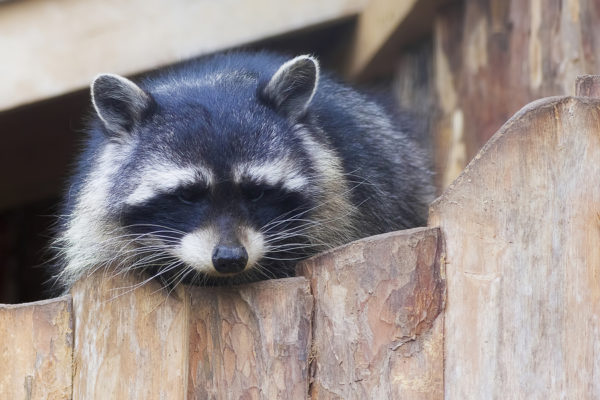
Most of us have seen a raccoon, whether in person or as a cute, cuddly cartoon character. Unfortunately, these furry animals are not only dangerous to humans, but can cause significant damage and destruction to both your home and your yard. Raccoons are known to carry several bacterial diseases and parasites including rabies, salmonella, and roundworms.
Although raccoons are wild animals, they are becoming more and more common in urban areas as our population grows and their food and shelter sources diminish. They prefer to make their dens in hollowed out trees but these are fewer and far between in urban areas so they are forced to be more creative in their hunt for a home. Raccoons are now more often getting inside OUR homes, especially in the attic in search of shelter and food.
Raccoons are very dexterous animals and can use their hands to open doors, jars, bottles, and latches. They are also excellent climbers. These skills allow them to access our attics much more easily than other animals. But how do you know if you have a raccoon in or around your home? You can look for any of these signs:
- Sounds of movement in the attic like scurrying, chewing, crying, or growling, especially at night
- Tipped over trashcans
- Emptied or damaged bird feeders
- Damage to gardens
- Uncapped chimneys
- Torn shingles
- Urine or feces, especially in the attic
- Tracks which have 5 long toes and fingers, much like human prints
Once you have determined there is a raccoon in your attic, how do you get rid of it? While many people prefer to remove raccoons themselves, it’s not recommended. A wildlife removal company can not only safely remove the raccoons, but also clean up any contamination and offer exclusion methods to prevent them from returning. One thing to consider is that there is often a nest of babies along with the adult raccoon. Baby raccoons must be removed by hand. Wearing thick leather gloves, babies can be picked up by hand and carried out in a pillowcase. They can then be used to trap the adult raccoon or safely relocated. You can also trap the adult by scaring it into a pre-set trap or by catching it with a snare pole and putting it in a cage. Once the raccoons have been caught and removed, inspect your home to find entry points and then seal all areas to prevent raccoons and other pests from getting back into your home.
Most of us would prefer to avoid the process of removing raccoons (or having them removed) from our homes. So what can you do to prevent them from coming into your attic in the first place? Here are 5 tips for keeping raccoons out of your home:
- Hide your trash. Store trashcans and recycling bins indoors or in sealed areas such as locked sheds (raccoons can open unlocked doors even if they are closed). If you must keep your trashcans outdoors, use animal proof lids on them.
- Hide their food. Remove sources of food and shelter from your property. Cut down old trees that may be hollow. Remove bird feeders at night and be sure to clean underneath them. Don’t leave pet food and water containers out overnight. Keep pet food sealed and preferably inside.
- Eliminate their entry points. Inspect the outside of your home for possible access points and repair them. Look for holes in your roof or siding, loose siding and shingles, and holes in your porches or skirting. Cover chimneys with a wire mesh cover or cap. Cover any other exposed openings with wire mesh, as well. Install mesh beneath porches and decks and around your gardens. Consider crawlspace enclosure.
- Don’t forget your pets. Lock your pet doors at night. If your pets need access to outside overnight, consider investing in a pet door that operates by a remote sensor in your pet’s collar so that it stays locked until your pet activates the door.
- Light up the night. Raccoons are nocturnal animals and prefer the cover of darkness when they roam. Because most raccoons are used to humans, your regular porch light is often not enough to scare them off. Install motion-sensor floodlights in several areas around your home.