Jan 29, 2021 | Pest Control
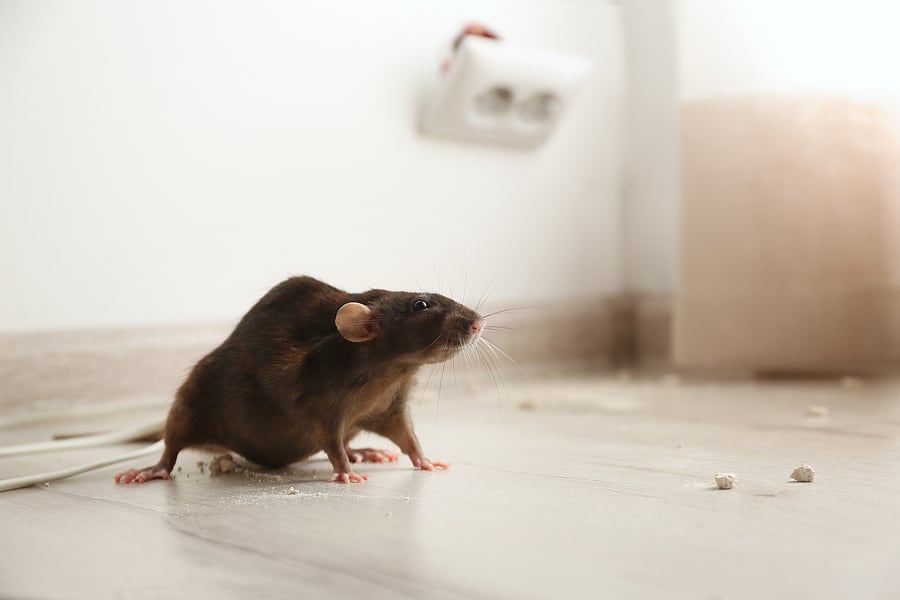
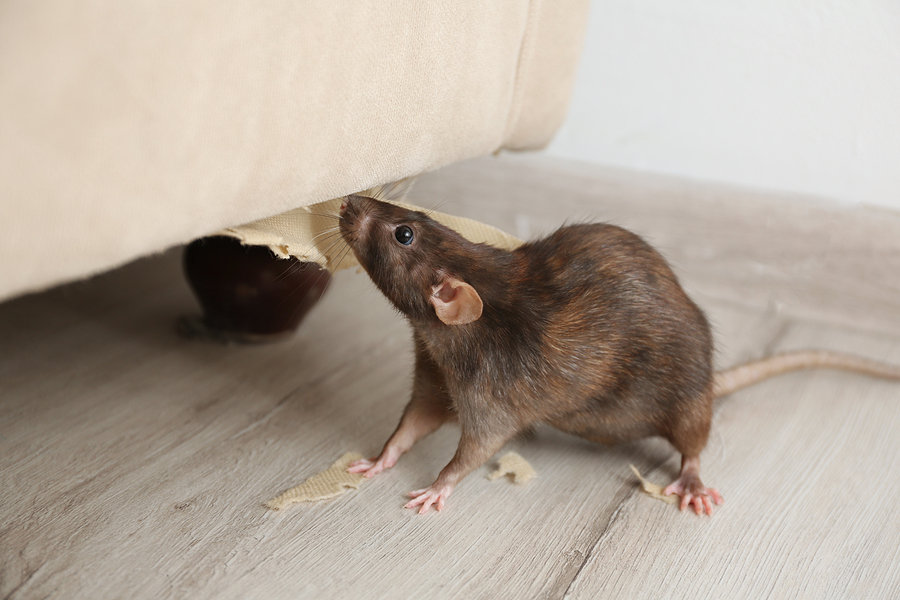
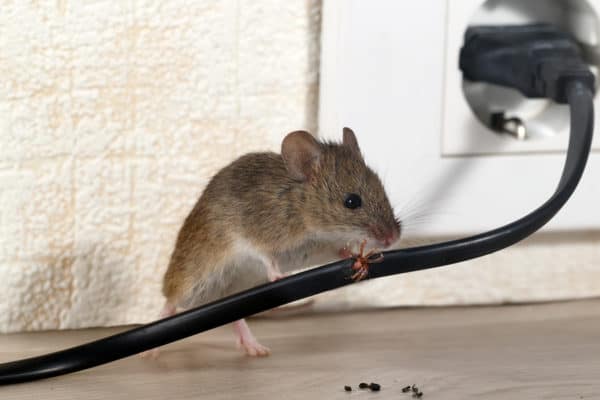
Rodents are one of the most resourceful pests when it comes to getting into your home. Mice and rats can squeeze through the tiniest cracks to gain access and they require very little space to travel inside. Rodents seek shelter indoors, especially during the fall and winter months as they go in search of warmth, food and water. While a rodent sighting can be scary enough, these pests also pose serious hazards to your home and your health. They can gnaw through cardboard, paper, and even electrical wires, putting you at risk for fires. They are known to carry bacteria, like salmonella and hantavirus, and can contaminate your food, kitchen surfaces, and other areas of your home. Even rodent droppings are dangerous – helping spread these pathogens to you and your family.
The first step in rodent control in and around your home is to prevent them from getting inside in the first place. Here are 10 easy tips you can use for preventing mice and rats:
- Use doorsweeps and screens on windows and doors. Make sure to keep them in good repair and replace them when needed.
- Use screens on vents and chimneys, as well.
- Seal up any cracks and holes on the exterior of your home with caulk or steel wool, especially around utility pipes.
- Store food in airtight containers. Make sure to empty your trash often.
- Clean up any spills and crumbs immediately. Don’t leave food out overnight, including pet food. Sweep, mop, and vacuum on a regular basis.
- Keep basements, crawlspaces, and attics clean, decluttered and dry. Use plastic storage containers instead of cardboard when possible.
- Check foundations and windows and replace any loose mortar and weatherstripping.
- Check for sources of moisture and eliminate them (e.g. leaky pipes, clogged drains, clogged gutters). Make sure downspouts are directing water away from foundations. Consider installing a gutter guard system.
- Inspect everything before bringing it into your home including grocery bags, boxes, packages, furniture, and appliances.
- Keep piles of firewood elevated off the ground and at least 20 feet from your home. Keep grass mowed and shrubbery trimmed back so it isn’t touching the house.
If you do find signs of rodents in your home, best practice is to remove them and prevent re-entry as soon as possible. This is best accomplished by a professional pest control company who can not only eliminate the nuisance pests, but help identify nesting sites and points of entry to help prevent reinfestation in the future.
You May Also Be Interested In:
Don’t Forget the Forgotten Rooms
Avoiding A Winter Wildlife Invasion
9 Energy Saving Tips For Winter
Should You Enclose Your Crawlspace in Winter?
8 Reasons You Should Install a Gutter Guard System
Jan 22, 2021 | Wildlife
When cold weather hits, winter wildlife go in search of three things: food for their bellies, water to quench their thirst, and warm shelter to keep them safe. When the going gets tough, these winter pests have to get creative in order to survive – often by making their way into your attic, chimney, basement, or crawlspace. While it’s beneficial for them, it can cause serious damage to both your home and your health to have them sharing space with you.
How do you know if you have a stowaway for the winter? Common signs of wildlife include:
- Scratching sounds coming from your walls or attic
- Chirping or squeaking sounds coming from the walls, vents, or attic
- Garbage cans and bags that have been broken into
- Chewing or gnawing marks in the basement or attic, or through wires or cardboard
- A foul smell that lingers even after cleaning (which could be urine or feces)
Now that you know what to look for, what kinds of animals can cause these signs? Some of the most common winter wildlife include:
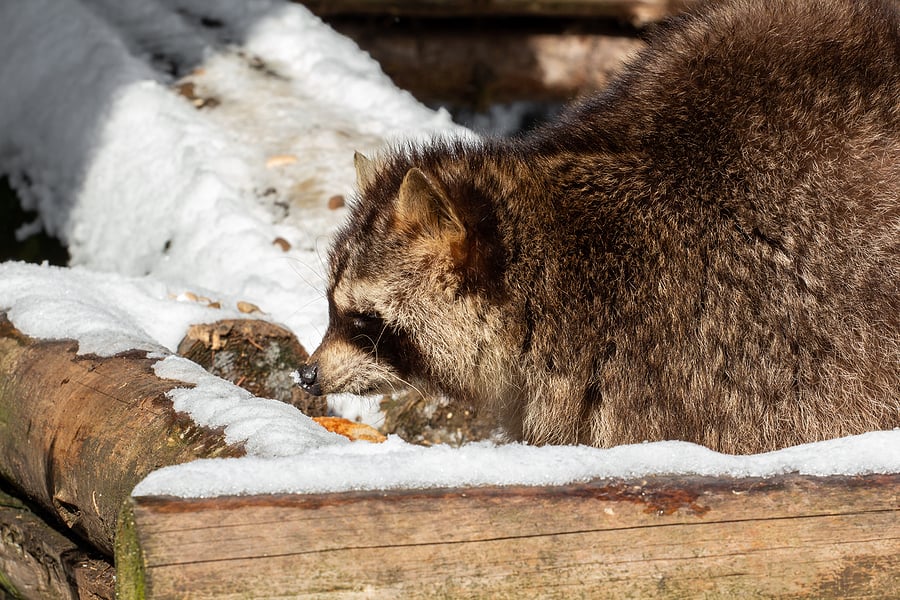
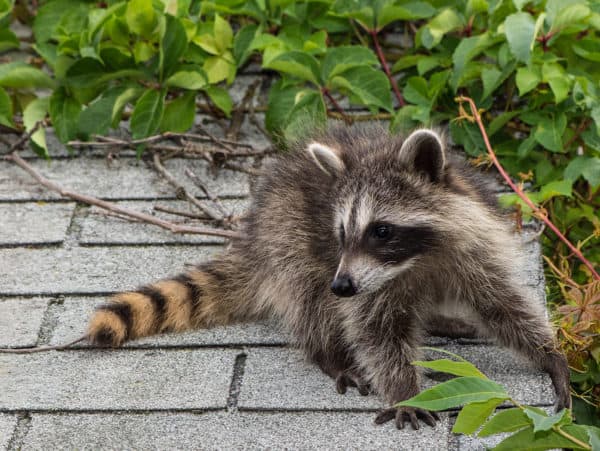
- Raccoons: These nocturnal omnivores use their hands to dig for food, especially in your garbage cans. Raccoons are the largest carriers of rabies in Georgia (along with skunks, bats, foxes, and coyotes). Raccoons can damage property, spread rabies, and spread ringworm. They are most likely to nest in chimneys and attics.
- Rats and mice: These rodents like to live in crawlspaces and between the side beams in your walls. They will venture out to make trips to your kitchen in search of food. Rats and mice carry and spread salmonella, along with fleas, ticks, and lice. Their droppings also contain pathogens that can be dangerous to humans. They are avid chewers and will often chew through electrical wiring, causing property damage and increasing the risk of fires.
- Squirrels: These are the most common rodents in Georgia with populations in the millions. These pests like to take up residence in attics and basements and will bring in tons of acorns to store for the winter. Squirrels, like their rodent cousins, also carry diseases and pathogens, both on themselves and in their droppings. They can also chew through wires.
- Birds: Although less common than other winter wildlife, birds can be just as dangerous. Birds like to infest chimneys and attics to nest and lay their eggs. Their droppings can cause quite a mess and also harbor diseases and parasites. They can also cause severe damage to roof lines and chimneys. Many birds are protected so bird control and bird nest removal are usually best left to the professionals.
- Bats: Bats like to roost in attics where they can hide during the day and venture out at night. They carry disease like rabies and can spread them to humans through their bite. Bats are a protected species in Georgia and killing them is prohibited.
Prevention is key to avoiding a winter wildlife invasion. Critter control starts at home with these winter wildlife prevention tips:
1. Inspect Chimneys
Chimneys provide a great hideout and also a gateway for wildlife to get into your home. Make sure the top of your chimney has a grated screen that is in good repair with no holes. Check above the flue panel for any leaves, debris, droppings, or animals before sealing it up. Make sure your chimney is secure.
2. Inspect Foundations
Small holes, cracks, open pipes, etc. in your foundation provide easy routes for wildlife to get into your home. A careful inspection of your foundations should be performed every season throughout the year. Seal any openings as you find them.
3. Inspect Roof and Siding
Any tiny cracks or openings in your roof or siding means easy access to your attic. Check the entire exterior of the roof, starting with the intersections and siding. Make sure to also check the flushing seams on the roof. Siding that connects to the roof should not be warped or pulled away. Be sure to check around exhaust openings and for loose vent screens, as well.
4. Inspect the Attic
Many wildlife critters love to hide out in the attic. Use a flashlight or headlamp and thoroughly inspect this space, checking for openings or chewed up or damaged areas of wood. Seal any holes you find but always make sure the animals are not still present before you do.
5. Secure Trash Containers
Your trashcans offer a buffet of food sources for pests. Use cans with tightly securing lids, avoid overfilling them, and wash the bins regularly to get rid of food waste.
6. Maintain Landscaping
Branches and limbs offer squirrels, raccoons, and other creatures a bridge directly into your home. Keep trees and shrubs trimmed away from the house. Prune shrubs to keep them at least 12″ from the sides of your home. Trim any branches that overhang or touch your roof, as well.
7. Clean Up Food
Leaving food sources outside your home will just attract wildlife in. Try to avoid leaving pet food outside and tossing scraps or pouring leftover grease in the yard. Pick up any fallen fruit. Protect your gardens with fences that are designed to keep animals out. Clean up any spilled birdseed from feeders and bring them in overnight.
Wildlife control is an ongoing process that needs special attention and consideration, especially in the cold winter months. If you have a problem with winter wildlife, contact your local pest control company for an inspection and appropriate treatment or wildlife exclusion plan.
You May Also Be Interested In:
4 Pests That Are Closer Than You Think!
How to Get Rid of Pigeons
Are Termites Active Right Now?
A Guide to Home Pest Control
Where Do Snakes Go In Cold Weather?
Dec 4, 2020 | Pest Control
You’ve found all the signs and you’ve confirmed it – there’s a rodent in your house. But is it a rat or a mouse? Does it really matter? How can you tell? Although there are significant differences in rat vs mouse, it can be hard for the average homeowner to distinguish between the two. The behavior, diet, and habitat of each of these pests affects how they are eliminated and prevented. Proper identification is essential for effective rodent control.
There are over 70 species of mice and rats in the United States. The most common are the Norway rat, the roof rat, and the house mouse. Let’s take a look at the difference between rats and mice and why it matters.
Behavior:
Mice are curious and will investigate anything new they come across. Because of this, you can put set mouse traps directly in their path. Mice can stand on their hind legs when they are supported by their tails. They are excellent jumpers, swimmers and climbers and are extremely fast runners. Mice are nocturnal and most active from dusk until dawn. They do not like bright lights.
Rats are more cautious than mice. They will avoid new things until they get used to them being there. Because of this, unset traps should be placed in their path first to let them get used to them and then replaced with set traps later. Rats are strong swimmers and will often live in sewers, allowing them to enter buildings through broken drains and toilets. They will climb to get to food, water, and shelter. They follow regular routines and paths each day.
Appearance:
House mice are much smaller than their rat cousins. They have small heads, small feet, pointed snouts, and large ears with some hair on them. They are usually light brown in color with some gray shading and dark tails. Their droppings are shaped like small rods.
Norway rats have heavy, thick bodies. They are the largest of the three common rodent species. They have blunt snouts and short ears with dark hair. They are usually brown with black shading and shaggy coats. Their tails are dark on top and pale underneath. Their droppings are shaped like capsules.
Roof rats have light slender bodies. They have pointed snouts and long ears with no hair. They are usually gray in color with black shading and smooth coats. Their tails are dark. They have droppings shaped like spindles.
Diet:
Mice prefer cereal grains and plants but they will feed on almost anything.
Rats will eat nearly anything, as well, but prefer fresh grain and meat. Rats also need 1/2 to 1 ounce of water a day to survive.
Habitat:
Mice prefer to nest near their food sources. They will use any soft material or shredded paper to build their nests.
Rats will burrow under buildings, along fences, and under plants or debris. Norway rats typically live in these burrows while roof rats prefer to nest in walls, attics, and trees.
Breeding:
Mice will have up to 10 litters per year and typically live from about 9 to 12 months.
Norway rats will have up to 6 litters per year and live 12 to 18 months.
Roof rats will have up to 8 litters per year but have fewer babies in their litters than Norway rats do.
Fun Facts:
The house mouse is considered one of the top 100 world’s worst invaders. They are afraid of rats because rats will eat them. Mice are also color blind.
Rats are nocturnal and have poor eyesight. Norway rats and roof rats do not get along and will actually fight each other to the death. Norway rats tend to live on the lower floors of buildings while roof rats will live on the upper floors.
Why Does It Matter?
Why does it matter whether you have a rat or a mouse? Both rat and mice droppings contain pathogens that are dangerous to humans. Both are also very good at breeding and increase their populations quickly, making them harder to control. The significance in properly identifying rats vs mice affects how they are controlled and eliminated. Because they each have such different diets, habitats, and behaviors, different methods are employed when it comes to getting rid of them. What may work for house mice might not be effective in controlling rats and vice versa.
If you have an issue with rodents or any other pests, contact a professional pest control company who can not only properly identify the nuisance pest, but also set you up with the appropriate treatment and ongoing prevention plans.
You May Also Be Interested In:
Crawly Winter Insects
What Attracts Moles to Your Yard?
Holiday Pantry Pests
13 Energy Saving Tips For Winter
Is Mosquito Control Needed in Winter?
May 5, 2020 | Wildlife
With warmer weather here, many animals are beginning to emerge from hibernation and are ready to roam. Unfortunately for many homeowners, that means you may need to start protecting your home from wildlife entering. Pests such as squirrels, mice, raccoons, and more are in search of food and water, two things that can be easily found in your home.
There are a few signs that you can look for if you suspect that you have wildlife inside your home. The first is hearing noises. Some animals tend to sneak in-between walls or find their way up into attics. You can hear them running in your attic or hear scratching noises inside your walls. If you hear these noises and happen to see small openings in walls, it is most likely that these animals are inside your house.
Another sign to look for is seeing droppings from animals. Places to look for these droppings include basements, along baseboards, or even in pantries. Animal droppings can be considered very dangerous as their feces can contaminate the air in your home. The contaminated air contains spores that develop from the fungus grown in animals’ fecal matter, causing illness if breathed in.
Keeping wildlife out of your home can be challenging but with these wildlife prevention tips you can lessen your chance of seeing these animals inside your home.
- Clean out your gutters
- Bring all pet food inside the house and keep them in sealed containers
- Trim back all trees from the roofline of your house
- Keep outdoor trash in tightly sealed containers
- Caulk and seal up entrances around your home
- Remove bird feeders as they can attract squirrels and other animals to your home
Depending on the pest, it’s always best to have a customized plan for removal. Make sure to call your local pest control company who can inspect and create a plan to remove and prevent these animals.
Mar 20, 2020 | Pest Control, Wildlife
When you hear a strange scratching sound in the walls or find mysterious droppings in your pantry, it’s easy to jump to one conclusion: rodents. But identifying the specific type of rodent is the first and most critical step toward effective removal. The three most common species found in homes are the house mouse, the Norway rat, and the roof rat. Each has adapted to thrive alongside humans, but their differences are significant. While all rodents share common features like a single pair of upper incisors, short legs, and long tails, a closer look reveals distinct characteristics. Knowing whether you have a mouse vs. a rat can determine the best course of action, as their behaviors, nesting habits, and even diet vary greatly. This guide will help you spot the difference and understand why correct identification is key to protecting your home and health.
Key Differences in Appearance
At first glance, a small rat might look like a large mouse. However, there are several physical traits you can use to distinguish between these pests.
House Mouse
The house mouse is the smallest of the three, typically measuring only 4 to 6 inches long, including its tail. They are often confused with young rats due to their size. Their fur is usually light grey or brown, with a lighter, often white, belly. A house mouse has a small head with a triangular snout, long whiskers, and large, floppy ears. Their tail is thin and hairy, and notably longer in proportion to their head and body.
Norway Rat
Also known as the brown rat, the Norway rat is the largest of these rodents, growing up to 10 inches long. They have thick, heavy bodies covered in shaggy brown fur with black shading. Their underside is typically a paler color. A key identifier is their tail, which is shorter than the length of their head and body, and appears thick, hairless, and scaly. They have a blunt nose and small, hairy ears.
Roof Rat
The roof rat, also called the black rat, has a more slender body than the Norway rat and is usually about 8 inches long. Their fur is smooth and typically gray with black shading. Like the house mouse, their dark, scaly tail is longer than their head and body. They can be distinguished from mice by their large, thin, hairless ears and pointed noses.
Diet and Feeding Habits
What these pests eat and how they eat it can leave behind important clues.
- House Mouse: A mouse’s favorite food is cereal grains, but they will sample almost anything. They have a unique way of eating, known as “kibbling,” where they remove the outer husk of a grain to eat the starchy interior. Mice tend to return to the same feeding spots, which can make baiting strategies more effective. They need very little water to survive.
- Norway Rat: These rats also favor cereals but are opportunistic eaters. When they eat grains, they leave behind what looks like chopped pieces. Norway rats are creatures of habit and will seek food from the same locations consistently. They require a significant amount of water, drinking about 60 mL per day.
- Roof Rat: While they will also eat grains, roof rats have a strong preference for fruit. They do not typically return to the same feeding spot on consecutive nights, which makes trapping them more challenging. They drink around 30 mL of water daily.
Nests, Burrows, and Habitats
Where you find evidence of rodents can tell you a lot about the species you’re dealing with.
House Mouse
House mice are agile climbers and live on the ground, often nesting in burrows or hidden areas near a food source. They will build nests out of any soft material they can find, such as shredded paper, insulation, or fabric. One telltale sign of a mouse infestation is the presence of “urine pillars,” which are small mounds of grease, dirt, and urine that build up over time.
Norway Rat
As their larger size suggests, Norway rats prefer to stay on the ground. They are known for creating extensive burrows, which can cause significant damage to sewer lines and building foundations. They often travel along the same paths, leaving behind smudges from the oil and dirt on their fur. You’ll typically find them in basements, crawlspaces, and sewer systems.
Roof Rat
True to their name, roof rats are exceptional climbers and prefer to nest in elevated areas. You can find them in attics, under roofs, and within walls. In warmer climates, they may even build nests in trees. Unlike Norway rats, they tend to walk on their toes, leaving scattered, less distinct smudge marks along their paths.
Breeding and Life Cycle
Understanding the breeding habits of rodents highlights why a small problem can quickly become a large infestation. The newborns of all three species are born blind, hairless, and entirely dependent on their mother.
- House Mouse: Mice breed rapidly, producing 7 to 8 litters per year with 4-16 babies each. They reach sexual maturity in just 8 to 12 weeks.
- Norway Rat: Norway rats have 3 to 6 litters a year, with 7 to 8 babies per litter. They mature in about 10 to 12 weeks.
- Roof Rat: Roof rats produce 3 to 6 litters per year, with 5 to 10 babies each. They mature the fastest, in only 7 to 8 weeks.
Behavioral Traits and Habits
Rodents have distinct personalities and behaviors that influence how they interact with their environment.
- House Mouse: These creatures are nocturnal and curious. Their inquisitive nature makes them more willing to investigate new objects, including traps. They are excellent climbers and can squeeze through tiny holes to access different parts of your home.
- Norway Rat: Also nocturnal, Norway rats are cautious and wary of new things. This “neophobia” can make trapping them difficult. While they can climb, they prefer to stay on the lower levels of buildings.
- Roof Rat: Roof rats are skilled climbers that are most active at night. They are stronger than mice and can gnaw through various building materials. Like Norway rats, they have poor eyesight and tend to be cautious.
Identifying Rodent Droppings
One of the most common signs of a rodent infestation is their droppings. The size and shape are key identifiers.
- House Mouse: Mouse droppings are small (3-8 mm), granular, and black. They are often found scattered randomly near nesting and feeding areas.
- Norway Rat: Droppings from Norway rats are dark brown and tapered, resembling large grains of rice.
- Roof Rat: Roof rat droppings are long, thin, and smaller than those of a Norway rat. They often have a slight curve and pointed ends.
Health Risks and Property Damage
Regardless of whether you have mice or rats, any rodent infestation poses serious risks. Their droppings can spread diseases like Hantavirus and salmonellosis. Furthermore, their constant gnawing can cause structural damage to your home and create fire hazards by chewing through electrical wires.
If you suspect a rodent problem, it is essential to act quickly. A licensed pest control professional can accurately identify the species, implement safe and effective removal techniques, and create a comprehensive prevention plan to keep your home rodent-free. Contact a rodent control professional today to ensure the health and safety of your home and family.