Sep 21, 2019 | Wildlife
Fall is a busy time for wildlife. As the days get shorter and temperatures drop, animals begin their frantic preparations for winter. Fall is a time to stock up on food and find warm places to shelter over the cold winter months. These preparations often lead wildlife into your homes in search of food, warmth, and shelter. There are several common critters that become more active in the autumn months. Here are some of the most common along with ways to prevent them from taking up residence in your home.
Rodents
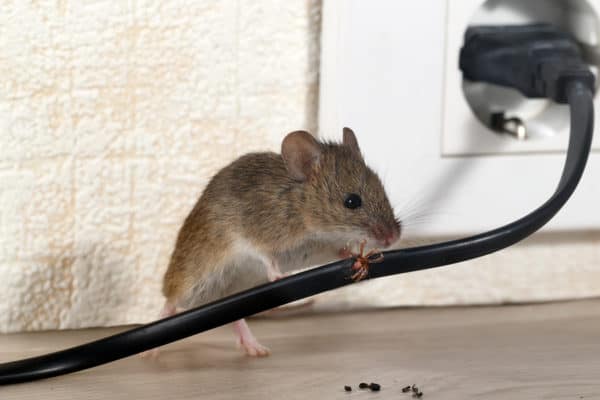
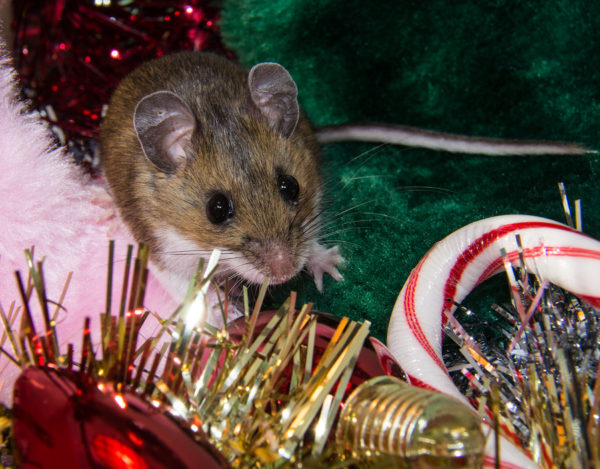
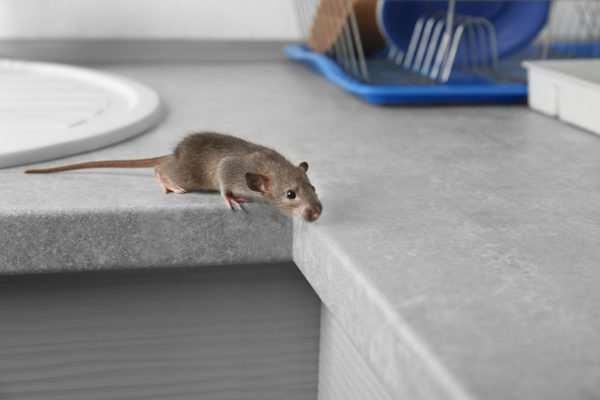
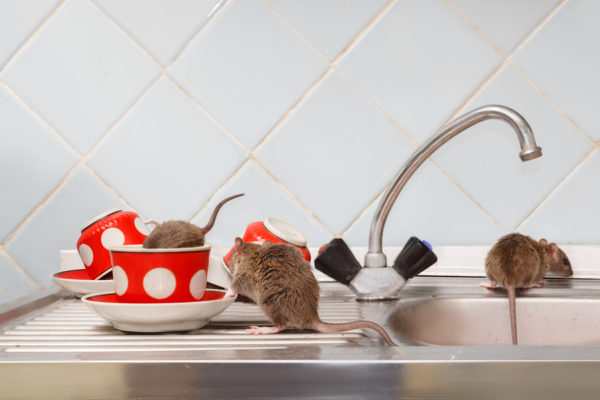
Rodents such as rats and mice will often seek shelter in your home because it provides them with a readily available food supply throughout the winter. You will begin to hear their activity in the walls and attic in the fall as they start storing food in their nests. You can prevent rodents by:
- Sealing up holes inside and outside the home
- Trapping rodents around the home to help reduce the rodent population
- Storing food in plastic or metal containers with tight lids
- Cleaning up spilled food immediately and washing dishes soon after use
- Storing pet food in sealed containers and not leaving them out overnight
- Keeping compost bins as far away from the house as possible
Raccoons
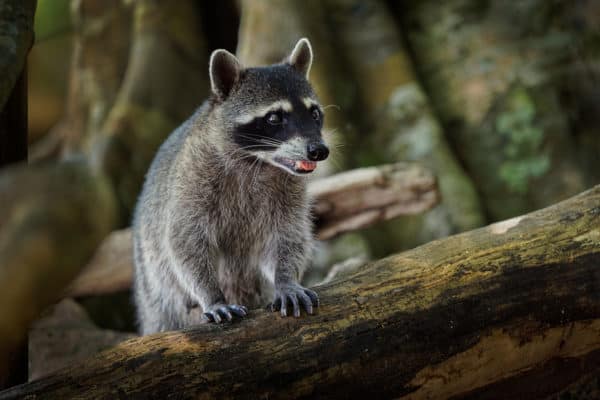
Raccoons are nocturnal creatures that hunt for food at night. They start to “fatten up” in the fall in preparation for the cold winter months with a scarce food supply. This makes them more active and more creative in their search for food – often leading them to your trash cans and home. Raccoons will often enter your home via the roof and are known to seek shelter in attics and crawlspaces. You can prevent raccoons by:
- Installing fences around your yard and garden areas
- Install bright exterior lights to deter them from your yard at night
- Keep trash in cans with secure, locking lids
- Seal any entry points on the exterior of your home
- Rinse out trash cans once a month to help eliminate odors
- Spray down trash bags with ammonia to help cover up the trash smell
Squirrels
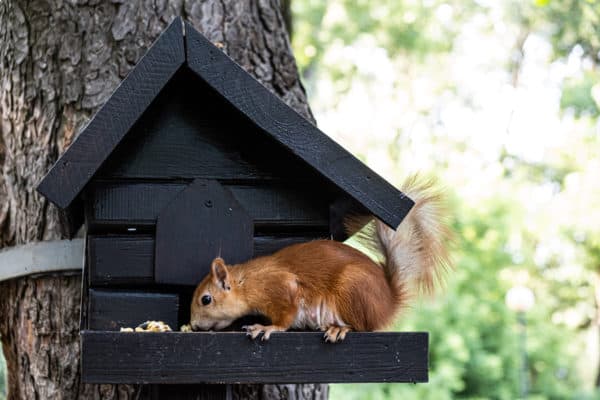
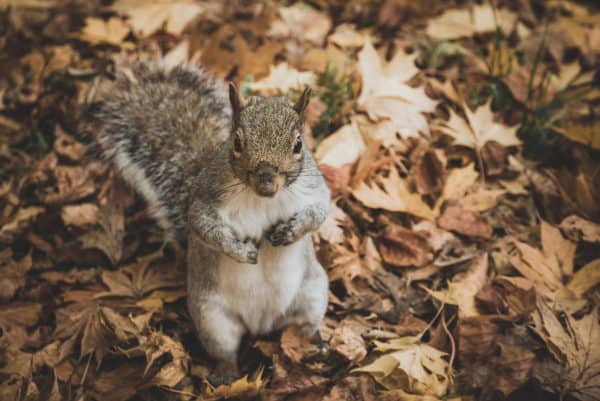
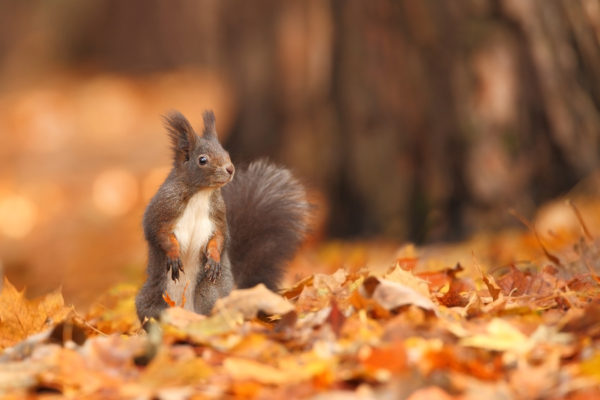
Like raccoons, squirrels also like to “fatten up” in the fall as they get ready for the cold months of winter. Squirrels will often seek shelter in attics where they will make their nests and store their food. Squirrels are especially hazardous in homes because of their tendency to chew through wood and wires, creating the potential for significant and costly damage to your house. You can prevent squirrels by:
- Keeping bags of seed sealed and stored high on shelves
- Rake up and dispose of any seeds or leaves that fall from trees
- Take down bird feeders in the fall as squirrels love to scavenge these for seed
- Don’t leave pet food and water out overnight
- Trim back any limbs or branches that extend within 10 feet of your home
- Install chimney caps or screens
Chipmunks
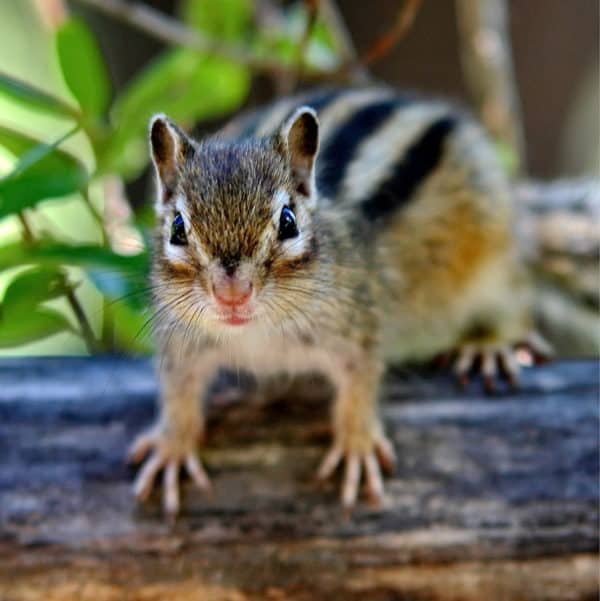
Chipmunks behave very similarly to squirrels with one exception – they will burrow in your yard instead of nesting in your home. Chipmunks build burrows in areas where they can easily access food during the winter. Chipmunks eat the same diet as squirrels including seeds, nuts, berries, grubs, and roots. Chipmunk burrows can cause serious damage to your yard. You can prevent chipmunks by:
- Consider installing fencing that is at least 8 inches deep around your yard, garden, or your entire property
- Make sure any exterior holes in your home are sealed
- Cover chimneys, vents, and pipes with mesh covers
- Clean up any leaves, nuts, or fruit that fall from trees as soon as possible
- Take bird feeders down in the fall and clean up any spilled birdseed daily
- Keep landscaping mowed and trimmed back
Bats
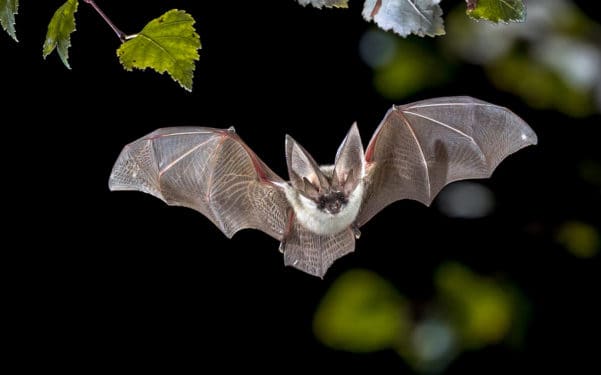
Bats will roost once temperatures dip below 45 degrees Fahrenheit. While some species will migrate south once the weather cools off, others will hibernate until spring. They will search for warm, dark spaces to roost that are hidden from predators but still easy for them to access. Unfortunately, they will often make their roosts in the attic or chimney of your home. You can prevent bats by:
- Ensuring the attic is well sealed
- Checking insulation to make sure it isn’t worn down
- Installing chimney screens
- Sealing any openings in shingles and weatherstripping
- Use window screens and draft guards on doors and windows that go into the attic
Wildlife removal can be difficult and is oftentimes best left to a professional. If you suspect you have a problem with wildlife, contact a professional wildlife control company who can inspect your home to identify your animal problem, determine where they are getting in, remove them, and prevent the animals from getting into your home in the future.
You May Also Be Interested In:
What’s the Difference Between Centipedes and Millipedes?
Winter Weather Forces Rodents and Other Pests Indoors
Granddaddy Long Legs Aren’t Spiders
The Importance of Annual Termite Inspections
Fall Without the Surprise Spider Encounter
Dec 19, 2018 | Pest Control
The holiday season is upon us with decorations, food, and traveling to see family and friends. While most of us are focused on our holiday preparations, we often lose focus on another important aspect of this time of year – pest prevention. Just because it’s cold outside doesn’t mean pests aren’t a problem. The holidays provide many opportunities for spiders, ticks, ants, mice, bed bugs, and other pests to make their way indoors and take over your home.
One of the most common ways pests can get into your home during the holidays is on live Christmas trees, wreaths, and firewood. Ants, spiders, ticks, and other pests can hide deep in the branches of trees and in the crevices of wood. They can even lay their eggs in trees or garland which can hatch once you put them out in your home, potentially causing a major infestation.
Pests can also access your home in those boxes of decorations you drag out from the attic, basement, garage, or crawlspace. Mice and other pests love to get into those cardboard boxes during the off season. You may be in for a surprise when you open your decorations by finding a live pest, droppings, or even damage to your lights and ornaments. It is especially important to check the wiring of your lights to make sure pests haven’t chewed through them.
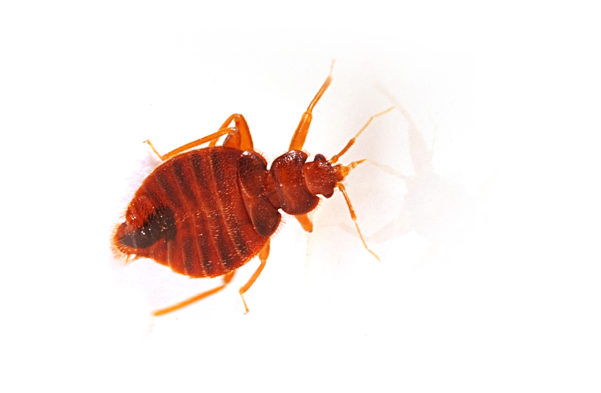
The holidays are also one of the busiest travel times of the year. Most of us will either travel to visit loved ones or have loved ones travel to visit us. While we’re usually excited to see everyone, we’re not so excited to deal with bed bugs which often hitch rides on the luggage of these travelers. We often see a spike in bed bug cases during the holiday season.
So what can you do to pest proof your home and make sure you don’t get any unwanted guests for the holidays?
- Carefully inspect all items before bringing them into your home including trees wreaths, garland, and other decorations. Make sure to check for insects, eggs, and nests and shake them to rouse any pests that might be hidden deep within.
- Unpack your decorations outside instead of in your living room. Inspect them thoroughly for any signs of pests, droppings, gnaw marks, or any other damage before bringing them inside.
- Store your holiday decorations in plastic containers with lids that seal tightly instead of cardboard containers or bags.
- Don’t put discarded trees or cut firewood near your home. Firewood should be stored at least 20 feet away from your home and elevate it if possible.
- Thoroughly check your luggage before you enter the place you are staying and ask your guests to do the same before they enter your home.
- Put your clothing in the dryer, if possible, for at least 20 minutes.
- Keep your bags closed when not in use and store them off the floor.
- If you suspect you have a pest problem this holiday season, contact a pest control professional who can provide you with an evaluation and treatment plan.
Nov 30, 2018 | Pest Control
As the warm weather winds down and winter settles in, most of us will breathe a sigh of relief that we survived another season of creepy crawlers. Don’t relax just yet! Just because the weather has turned colder doesn’t mean pests have hibernated for the winter. Many pests will make their way into your home in search of shelter, food, and warmth. Mice, cockroaches, and spiders can be found crawling underfoot in the wintertime. These overwintering pests aren’t just a nuisance to have in your home; they can cause significant damage to both your property and your health. Rodents are known to carry Salmonella and Hantavirus and can chew through cables and electrical wires, increasing the risk of fires. Some spiders like the brown recluse and the black widow have bites that can be a serious threat to humans. Cockroaches are known to trigger allergies and asthma. Winter brings ice, snow, and wind, causing enough stress on your home without the threat of pest infestations. So what can you do to reduce this stress and get rid of the last of these creepy crawlers? Check out these winter pest prevention tips to help you have a stress free winter.
- Inspect the exterior of your home for cracks and holes. Seal them to keep pests from easily accessing your home.
- Replace any loose mortar around foundations and weatherstripping around windows and doors. Repair or replace any damaged screens.
- Eliminate moisture by repairing leaky faucets and clearing clogged drains.
- Keep gutters clear of debris before the weather gets too cold. Consider installing gutter guards to eliminate the need to clean gutters.
- Keep attics, basements, and crawlspaces dry and well ventilated. Consider enclosing your crawlspace.
- Keep storage areas like basements, attics, and garages well organized. Use plastic storage containers rather than cardboard and store them off the floor.
- Screen your chimney vents.
- Store firewood at least 20 feet from your home and elevate it off the ground.
- Keep food, including pet food, in airtight containers and clean up crumbs and spills immediately.
- Call a professional pest control company to provide you with a thorough home inspection and set you up with a comprehensive treatment and prevention plan.
Oct 23, 2018 | Pest Control
Fall approaches, and with it comes crisp air and the hint of colder weather. Our natural response to colder weather is to stay inside more for warmth and shelter. You may not be alone in finding shelter in your home. Animals, specifically rodents, such as rats, mice, squirrels, and chipmunks, among others, often find a way in your house as they come for the food and stay for the warmth.
These rodents represent a significant problem to both your property and your health. They can chew though wallboards, wood, cardboard, and electrical wiring. Chewed up electrical wires, especially, are a big problem due to the potential risk of starting fires.
The diseases rodents can carry are just as big a concern as potential property damage. Diseases ranging from hantavirus to salmonellosis to rat-bite fever can be fatal, especially for children and the elderly.
Hantavirus
Hantavirus is transmitted to humans from exposure or inhalation of rodents’ urine or feces. Early symptoms include fatigue, fever, and muscle aches. Infection with hantavirus can lead to Hantavirus Pulmonary Syndrome (HPS), which can be fatal.
Salmonellosis
Salmonellosis is an infection cause by salmonella bacteria. It is spread through rodent feces, most commonly through the consumption of contaminated food. Most people have symptoms like diarrhea, fever, vomiting, and abdominal cramps.
Rat-bite fever
Rat-bite fever is an infectious disease that is spread from bites or scratches from infected rodents, even simply handling infected rodents without a scratch could lead to the disease. Symptoms include fever, vomiting, muscle and joint pain, and rashes. If not treated, it can be a potentially fatal disease.
Sometimes rodents in your house can feel more like an annoyance or minor inconvenience, but they can pose a serious threat to you, your family, and your property. If you see any signs of rodents in your home, contact a professional pest control company to ensure they don’t multiply and do some serious damage.
Oct 15, 2018 | Pest Control
Autumn is right around the corner and it brings with it cooler weather, Halloween, football, and a plethora of new pests. As the weather gets colder, pests will seek shelter, food, and warmth in our homes. Different seasons bring different pests and this time of year is no exception. Here are 7 of the most common fall pests and ways to prevent them from invading your home.
RODENTS
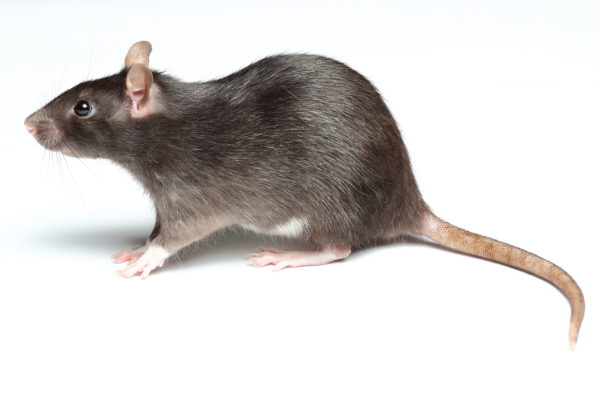
Rats, mice, and squirrels are among the most common rodents seen in the fall. They need food and warmth to survive the cold winter months. Rats are known to carry disease and can cause potential health problems for you and your family. They also get into food storage and chew through wooden supports. They build their nests in your insulation and can cause fires by chewing through electrical wires. They can fit into small gaps and holes to get into your home and bring fleas, mites, ticks, and lice with them.
Rodents can be prevented by:
- Storing food in airtight containers.
- Sealing cracks around your foundation.
- Keeping your kitchen clean.
- Decluttering your garage and attic.
- Using plastic storage containers instead of cardboard.
COCKROACHES
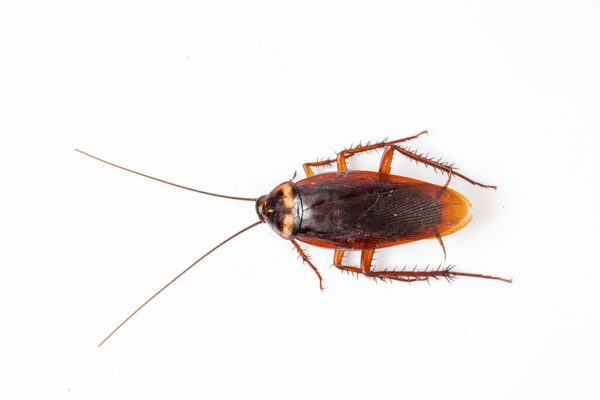
Cockroaches are the most common fall pest. Cockroaches can be dangerous to your health as they are known to carry 33 different types of bacteria and can cause asthma in children. They are large, fast, and extremely resilient. They like to hide near pipes and drains and are commonly seen in kitchens and bathrooms.
Cockroaches can be prevented by:
- Keeping kitchens and bathrooms sanitized.
- Vacuuming frequently.
- Ensuring cracks around your home are sealed.
- Storing food in airtight containers.
- Eliminating sources of standing water.
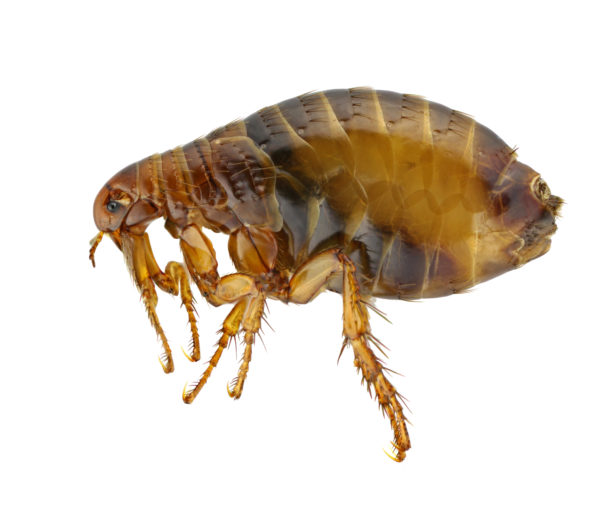
FLEAS
Fleas come into your home on both pets and rodents. While they don’t transmit serious diseases to humans, their bites can be painful and irritating. Fleas can spread throughout your home quickly and can be extremely difficult to get rid of.
Fleas can be prevented by:
- Keeping grass mowed and shrubs trimmed.
- Not leaving pet food out overnight.
- Sealing openings to crawlspaces, garages, sheds, and decks.
- Using preventative products on your pets.
- Vacuuming often.
- Washing pet bedding often.
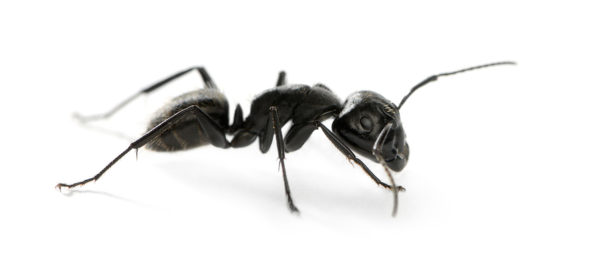
ANTS
There are several species of ants that are common in the fall. Ants can move into the walls of your home or underneath your foundations and cause significant damage to your home. Carpenter ants can chew through the wood of your home and compromise its structure. Odorous house ants can get into and contaminate your food.
Ants can be prevented by:
- Sealing cracks around your foundation.
- Storing food in airtight containers.
- Sweeping your floors often.
- Eliminating sources of standing water.
- Keeping tree branches and plants cut back from your home.
- Not storing firewood near the home or indoors overnight.
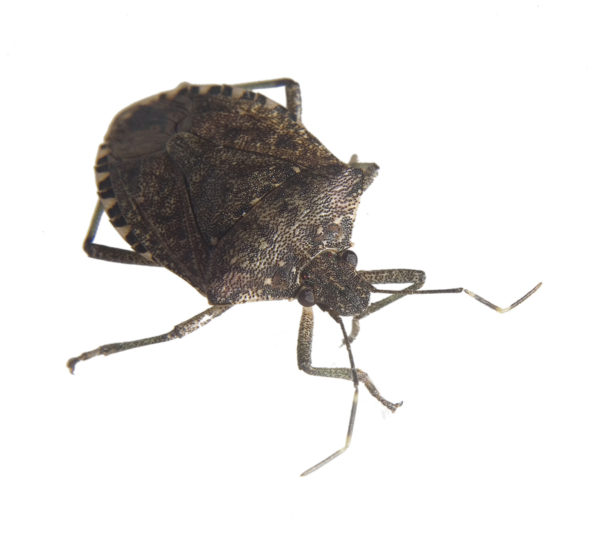
STINK BUGS
Stink bugs actively seek shelter indoors from the cooler weather of fall. Stink bugs don’t transmit diseases, nor do they bite or sting. They can, however, cause damage to clothing, furniture and other fabrics with their droppings. They emit a strong odor when they are frightened, disturbed, or squashed as a defense mechanism against predators.
Stink bugs can be prevented by:
- Checking your belongings before bringing them inside the home.
- Making sure screens on doors and windows are in good repair or, if not, that they are replaced.
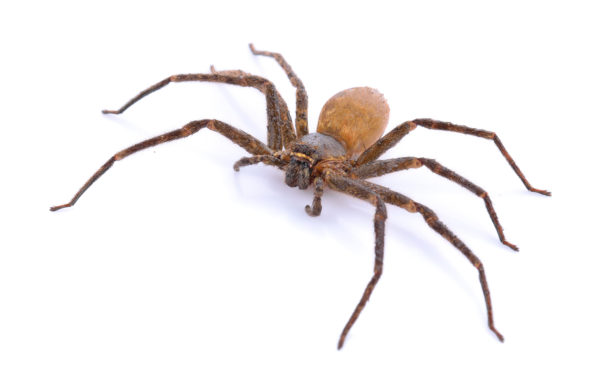
SPIDERS
There is a significant increase in the number and variety of spiders that appear in the fall. Fall is mating season for most spiders so they are actively seeking mates before winter sets in. The most common spiders seen in the fall are house spiders, which are responsible for the cobwebs you often see in your home, wolf spiders, and hobo spiders.
Spiders can be prevented by:
- Sealing cracks and crevices around your home.
- Turning porch lights off at night to decrease the number of bugs around your home for spiders to eat.
- Dusting regularly.
- Removing cobwebs as soon as you find them.
BED BUGS
Travel in the fall increases with a large number of sporting events, family gatherings, and students heading back to school and college. Bed bugs ride on clothing, suitcases, and even school bags. While they don’t spread disease, they do leave behind itchy red welts. Bed bugs are extremely difficult to control and eliminate.
Bed bugs can be prevented by:
- Inspecting hotel rooms and dorms before unpacking.
- Keeping personal belongings off the floor in public places.
- Checking suitcases before bringing them back into your home.