Apr 6, 2018 | Mosquito, Pest Control
With pollen season in full swing, the rain is more than welcome in order to get some relief. However, when the rain has decided to overstay its welcome, it can lead to unwelcome visitors in your home and pests that overtake your yard.
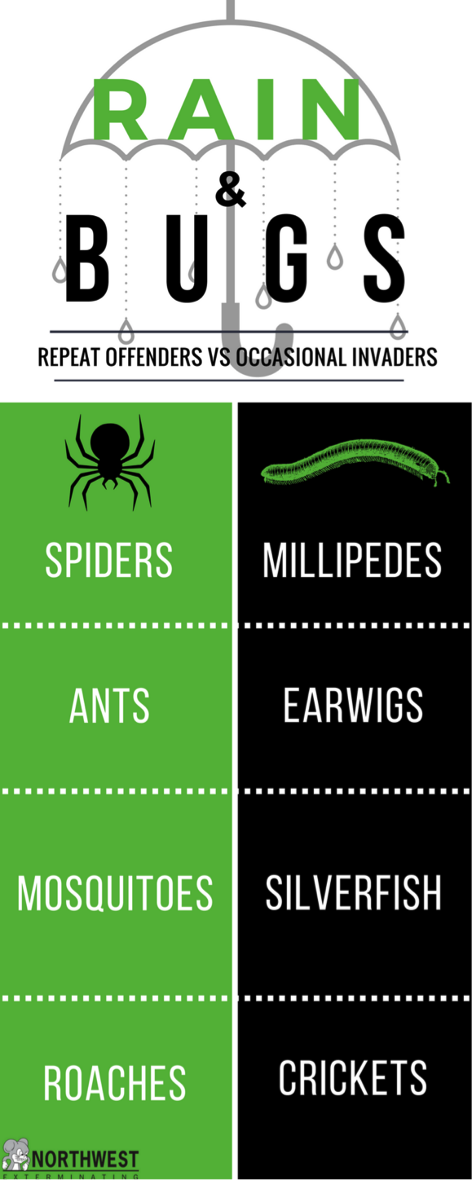
The Repeat Offenders:
Spiders/Ants/Roaches – Once their shelter is compromised, these pests will seek refuge in homes, gaining access through small cracks that lead from the exterior of your home. Once these pests find that your home provides an excellent food source and shelter from the outside, they will attempt to establish a permanent residence.
Mosquitoes – Excessive rain leads to more sites of standing water that are perfect for mosquitoes to use for breeding, leading to mosquitoes progressively taking over your yard.
The Occasional Invaders:
Millipedes/Earwigs/Silverfish/Crickets – These pests thrive outside as their main source of food is decaying vegetation. While they like moisture, excess rain will push them out of their hiding spots, and the high levels of moisture in your basement will be an appealing new home.
You can take the following steps to make sure these unwanted guests stop invading your home:
- Seal off pest entry points
- Move leaf piles, mulch piles and other vegetation away from home
- Keep food sealed in tight containers
- Eliminate sources of standing water (inside or outside)
- Interior and exterior pest control treatments by a professional exterminator
- Monthly mosquito treatments
Aug 4, 2017 | Pest Control
Roaches can vary significantly in size and color (some even fly!), so it can be difficult to know what kind of cockroach you’re dealing with. Identification is the first step in roach control since the type of roach will determine the best treatment methods. Here are the 2 most common cockroaches you’ll see in your home and tips for getting rid of and preventing them:
German Cockroaches
German roaches are one of the most common pest nuisances in residential structures, especially common in multi-unit apartment homes. They thrive in filth but even the cleanest homes can be at risk.
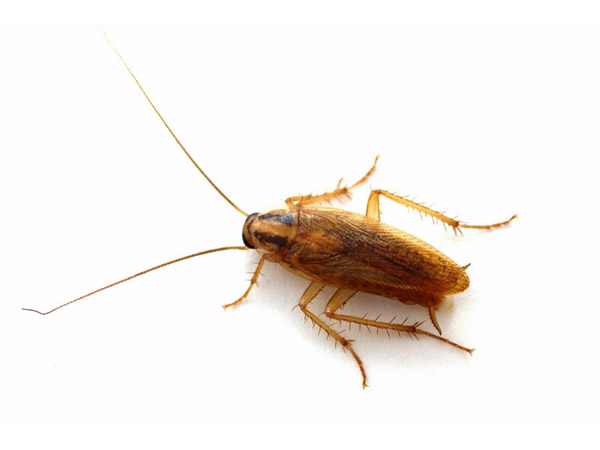
What do they look like?
- Brown with 2 longitudinal stripes running down the thorax
- 1/2 to 5/8 inches long
Where do they live?
- German cockroaches will live anywhere humans build heated structures
- Usually found in kitchens in secluded areas (behind and under appliances, in cracks and crevices behind backslashes, at counter edges, behind and under cabinets, in void areas around plumbing, backs of drawer wells)
- Will infest warm areas around appliance motors such as refrigerators and dishwashers
What are the risks?
- German cockroaches will invade your home and leave fecal matter and other debris in and around food and food preparation areas
- Can enter homes when boxes or products are shipped moved from one location to another
- Reproduces at a high rate, completing a life cycle in 30 to 45 days
- Produces 30-48 eggs at a time
- Difficult to get rid of once infested
How do you get rid of them?
- German roaches are most commonly treated inside a home with baits, sprays, or an aerosol product (baits preferred)
- Roaches disperse the bait back into their refuge sites when they ingest it
- Most have a secondary and even a tertiary killing effect, meaning roaches that die in the harborage site from a bait are cannibalized by their fellows, causing additional mortality
- Sprays are applied to surfaces that roaches crawl across or into harborage areas
- Often mixed with insect growth regulators (IGR) will reduce or eliminate egg production and cause mortality in immature forms of the German cockroach
- Aerosols are referred to as crach and crevice treatments; forces roaches out of their harborage sites with a product that excite their nervous system (flushing agent)
- Then sprayed directly with a contact product
- Residual aerosols may be applied into harborage areas and onto surfaces where roaches crawl in the same manner as sprays (commonly sold as over the counter remedies for homeowners, but typically has a short life span)
- Professional pest control is recommended
American Cockroaches (Palmetto Bugs)
American roaches, also known as palmetto bugs or waterbugs, are large, sometimes fly, and usually only come indoors in search of warmth, food or water.
What do they look like?
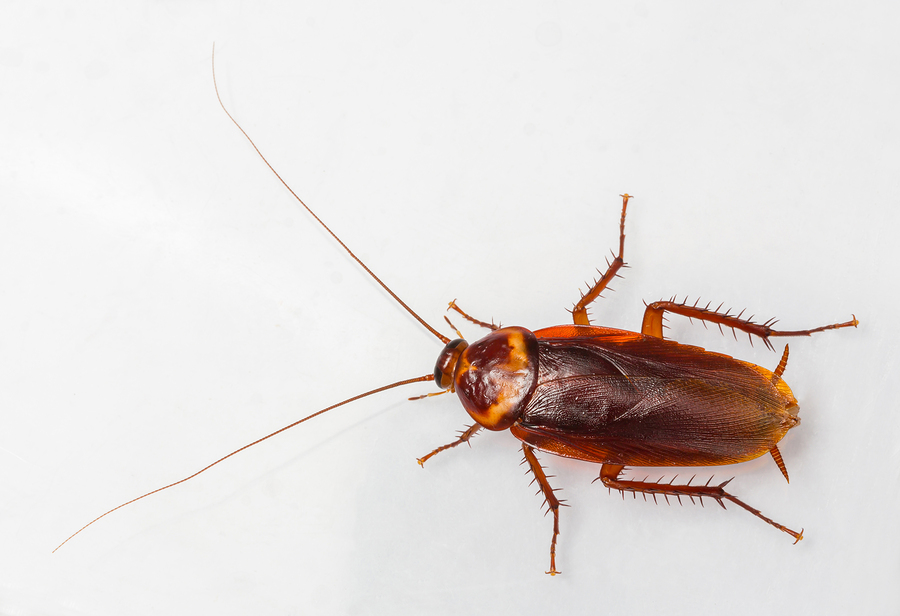
- Reddish brown in color and have a yellowish margin on their body
- 1.5 to 2 inches in length
- Largest cockroach in the U.S.
Where do they live?
- American cockroaches usually lives in dark, damp areas such as sewers, storm drains, steam tunnels, and outdoors in landscaping and tree holes
- Prefer warm, dark, humid environments in homes such as wall voids, crawl spaces, basements, utility rooms, or attics
- Typically feed on decaying organic matter and a variety of other foods
What are the risks?
- Not commonly seen in homes
- May move indoors during colder months seeking warmer temperatures and food through openings in the foundation
How do you get rid of them?
- Granular baits in attics and crawl spaces
- Dust in attic and crawl spaces
- Perimeter spray treatments
- Perimeter granular bait treatments
Aug 4, 2017 | Pest Control
Roaches can vary significantly in size and color (some even fly!), so it can be difficult to know what kind of cockroach you’re dealing with. Identification is the first step in roach control since the type of roach will determine the best treatment methods. Here are the 2 most common cockroaches you’ll see in your home and tips for getting rid of and preventing them:
German Cockroaches
German roaches are one of the most common pest nuisances in residential structures, especially common in multi-unit apartment homes. They thrive in filth but even the cleanest homes can be at risk.
What do they look like?
- Brown with 2 longitudinal stripes running down the thorax
- 1/2 to 5/8 inches long
Where do they live?
- German cockroaches will live anywhere humans build heated structures
- Usually found in kitchens in secluded areas (behind and under appliances, in cracks and crevices behind backslashes, at counter edges, behind and under cabinets, in void areas around plumbing, backs of drawer wells)
- Will infest warm areas around appliance motors such as refrigerators and dishwashers
What are the risks?
- German cockroaches will invade your home and leave fecal matter and other debris in and around food and food preparation areas
- Can enter homes when boxes or products are shipped moved from one location to another
- Reproduces at a high rate, completing a life cycle in 30 to 45 days
- Produces 30-48 eggs at a time
- Difficult to get rid of once infested
How do you get rid of them?
- German roaches are most commonly treated inside a home with baits, sprays, or an aerosol product (baits preferred)
- Roaches disperse the bait back into their refuge sites when they ingest it
- Most have a secondary and even a tertiary killing effect, meaning roaches that die in the harborage site from a bait are cannibalized by their fellows, causing additional mortality
- Sprays are applied to surfaces that roaches crawl across or into harborage areas
- Often mixed with insect growth regulators (IGR) will reduce or eliminate egg production and cause mortality in immature forms of the German cockroach
- Aerosols are referred to as crach and crevice treatments; forces roaches out of their harborage sites with a product that excite their nervous system (flushing agent)
- Then sprayed directly with a contact product
- Residual aerosols may be applied into harborage areas and onto surfaces where roaches crawl in the same manner as sprays (commonly sold as over the counter remedies for homeowners, but typically has a short life span)
- Professional pest control is recommended
American Cockroaches (Palmetto Bugs)
American roaches, also known as palmetto bugs or waterbugs, are large, sometimes fly, and usually only come indoors in search of warmth, food or water.
What do they look like?
- Reddish brown in color and have a yellowish margin on their body
- 1.5 to 2 inches in length
- Largest cockroach in the U.S.
Where do they live?
- American cockroaches usually lives in dark, damp areas such as sewers, storm drains, steam tunnels, and outdoors in landscaping and tree holes
- Prefer warm, dark, humid environments in homes such as wall voids, crawl spaces, basements, utility rooms, or attics
- Typically feed on decaying organic matter and a variety of other foods
What are the risks?
- Not commonly seen in homes
- May move indoors during colder months seeking warmer temperatures and food through openings in the foundation
How do you get rid of them?
- Granular baits in attics and crawl spaces
- Dust in attic and crawl spaces
- Perimeter spray treatments
- Perimeter granular bait treatments
Sep 9, 2015 | Going Green, Pest Control
Roaches are often a source of confusion for a lot of homeowners. Where are they coming from? Why do I have them? Does it mean my house isn’t clean? How do I get rid of them and how do I prevent them? The answers to these questions largely depend on what kind of roaches you’re seeing. If you’re seeing large roaches, infrequently and at this time of the year, it’s most likely in the American Cockroach family. A more severe infestation is usually characterized by smaller roaches, seen frequently, usually in kitchens but often throughout the house in more severe cases. These roaches, German Cockroaches, are much harder to get rid of and often require a professional, monthly treatment by an exterminator. Find out more on German cockroach infestations here. For more on American roach prevention, keep reading.
It’s likely that you’re seeing these large roaches due to the changing of seasons, the abundance of rain, or from providing a food source to roaches, attracting them to your home. The good news: American cockroaches are easy to get rid of and prevent if the right pest control approach is taken.
Here are 5 things you can do at home to get rid of roaches and prevent them from coming back:
1. Keep floors clean – sweep, vacuum and mop often.
2. Don’t leave food out. Keep counter tops, floors, stovetops, & microwaves clean of debris and seal any leftover food in containers, including pet food.
3. Take out the trash. Leaving garbage in and around your home will definitely attract all kinds of roaches. Take it out often and keep it away from your home’s exterior.
4. Seal gaps, holes, cracks and crevices. If you’re not sure how to find these, contact your local pest control company. A professional will inspect your home and identify & correct potential entry points.
5. Treat. In order to get rid of existing roach infestations, an eco-friendly pest control treatment is recommended, consisting of interior and exterior applications – targeted for American roach elimination – and an ongoing prevention program which usually involves quarterly exterior treatments.
Request a Free Pest Control Quote
For more on roach pest control in your area, click on the links below.
Atlanta Roach Control
Savannah Roach Control
Nashville Roach Control
Chattanooga Roach Control