Nov 22, 2019 | Pest Control
Winter can be a difficult time for cockroaches. While they are adapted to thrive in warm temperatures, these cold-blooded pests cannot survive environments that are too hot or too cold. In fact, some species stop growing and reproducing when exposed to colder temperatures, usually consistently below 45 degrees, for extended periods of time. As temperatures drop, roaches will seek out shelter in warm places, most often in our homes and offices. These buildings provide them with everything they need to survive the winter – warmth, access to water, and an abundant supply of food.
Prevention is key when it comes to roaches. Here are 5 tips to prevent cockroaches from taking over your home this winter.
1. Clean Thoroughly.
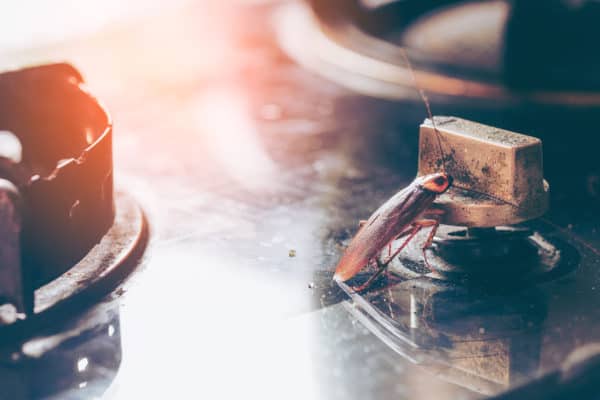
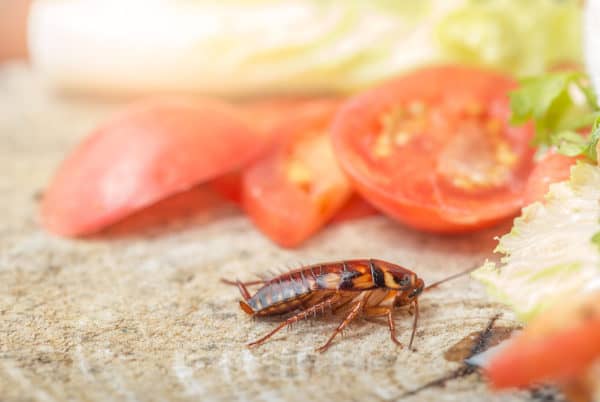
Roaches are attracted to dirt and crumbs as a source of food Make sure to always wash dishes after a meal and put them away. Clean up any crumbs and spills immediately. Take out the garbage before going to bed. Clean any grease from your stovetop. Keep food sealed in airtight containers. Sweep, mop, and vacuum on a regular basis. Don’t leave pet food, treats, and water out overnight.
2. Declutter
Clearing out clutter gets rid of places roaches can use to hide. Keep rooms clutter free and dusted often. Use plastic storage bins with lockable lids versus cardboard boxes. Eliminate newspapers and cardboard altogether as roaches love to breed in these materials.
3. Seal It Up
Roaches get into homes under doors and through cracks. Identifying these and sealing them up helps eliminate points of entry for cockroaches and other pests. Thoroughly inspect around windows and doors, along foundations and the roof, in attics and crawlspace vents, and around holes used for utility and plumbing lines. For small holes and cracks, use caulk to seal them. For larger holes, especially around pipes, use steel wool and foam to seal. Fine mesh wire can be used to seal around attic vents and chimneys.
4. Fix Leaks
Roaches, like most pests, need water and moisture to survive. Therefore, standing water or excessive moisture can attract roaches to your home. Regularly inspect your plumbing for leaks and repair them immediately. Make sure to check faucets, sinks, refrigerators, and appliances for leaks and excessive moisture. Crawlspaces are also a common source of excess moisture in homes. Consider crawlspace enclosure to help minimize moisture under your home.
5. Call A Pro
A cockroach infestation can be extremely difficult to control. Prevention can only go so far in the battle against roaches. If you suspect you have a problem with cockroaches, contact a professional pest control company who can help identify the type of roach you have, thoroughly inspect your home to identify points of entry or food sources, and help set you up with a comprehensive roach control treatment and prevention plan.
You May Also Be Interested In:
Is That Bird’s Nest Dangerous?
The Myth of the Granddaddy Long Legs
Bed Bug Holiday Surprise
Venomous vs Poisonous Spiders – What’s the Difference?
Mice, Rats, and Other Problem Rodents
Sep 6, 2019 | Pest Control
There are thousands of species of cockroaches in the world but only a handful are found in the United States. The most common species found in the US include the German cockroach, the American cockroach, the brown-banded cockroach, and the Oriental cockroach. While there are significant differences between these four species, there are some common features that are shared between ALL species of cockroaches. All roaches have flattened, oval-shaped bodies with antennae on their heads. They all move surprisingly fast and they all present a health risk for households. Roaches are known to spread more than 30 types of bacteria and even parasitic worms. One can find all of these species of cockroaches in the house. However, each species has its own characteristics and can be found in different parts of the home – making treatment methods vary from type to type. Let’s take a look at the different types of cockroaches and some ways to prevent them.
German Cockroach
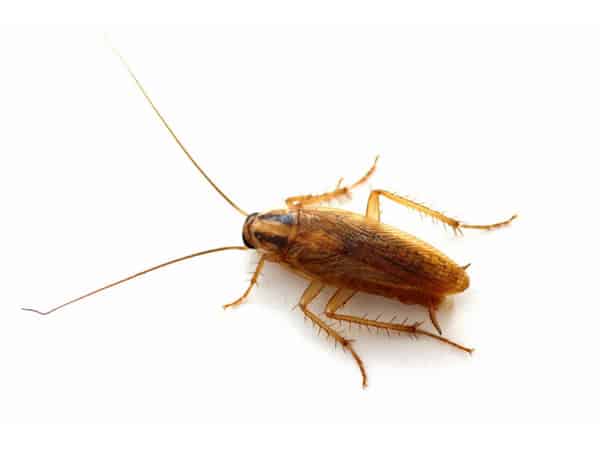
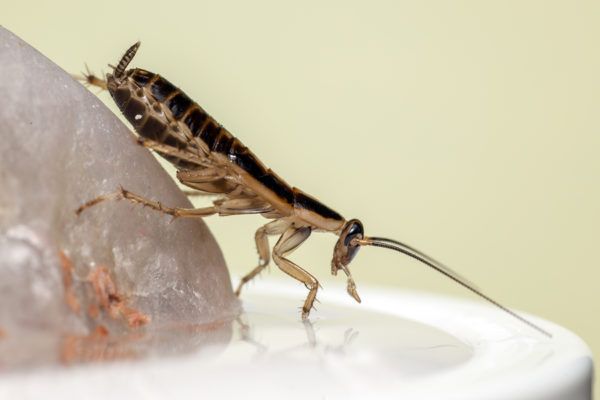
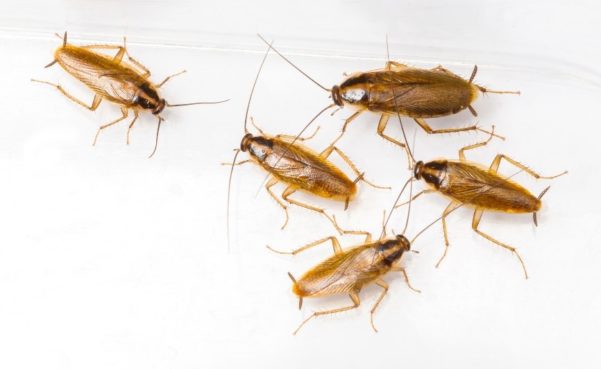
The German cockroach, also known as Blattella germanica, is a smaller species of cockroach, usually only growing to about 5/8″ in length. They are usually pale brown or caramel colored with two dark brown stripes behind their heads. They have wings but do not fly. German cockroaches are found across the United States and prefer warm, moisture-rich habitats. They are often found near dishwashers, sinks, and stoves and are mostly found in kitchens and bathrooms. German cockroaches can live up to 12 months and produce more eggs than any other cockroach species. They eat a wide variety of things but prefer meat, grease, and starchy foods. They are notoriously responsible for outbreaks of illness and triggering allergic reactions in humans. Their small size allows them better hiding capabilities making them harder to get rid of.
American Cockroach
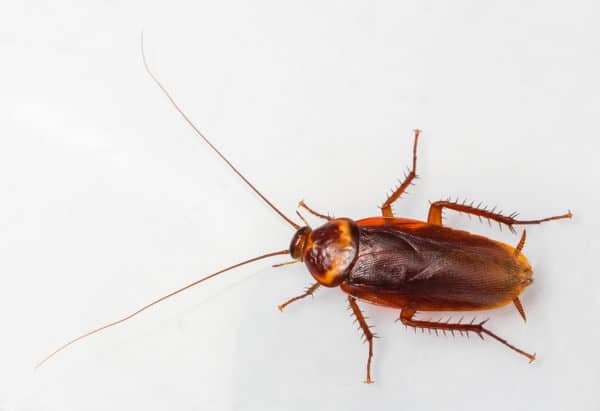
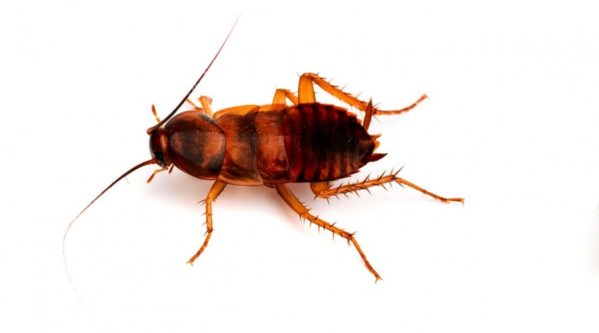
The American cockroach, also known as Periplaneta americana, is one of the largest cockroaches found in homes. American cockroaches grow up to 1-1/2″ in length. They are reddish-brown or brown in color and have light yellow bands around the shield behind their heads. American cockroaches have wings and can fly short distances. They are found throughout the United States and are often found in warm, dark areas like basements, crawlspaces, bathtubs, drains, and sewers. They are also common in households where food is stored. They will eat everything from plant material to garbage and contaminate any surfaces they walk across. American cockroaches can live up to 2 years. They are active when the temperature is 70 degrees or higher but have also adapted to survive at much lower temperatures with the right conditions.
Brown-Banded Cockroach
The brown-banded cockroach, also known as Supella longipalpa, is a smaller species of cockroach found throughout the United States. Brown-banded cockroaches are distinguished by 2 light yellow to brown bands across their bodies. Males have larger, dark brown wings that lighten in color as they extend to the tips. Females have smaller, reddish-brown to dark brown wings. Even though they both have wings, only males can fly. Brown-banded cockroaches like warm, dry environments that are higher than other species. They are often found in upper cabinets, behind pictures hanging on the walls, or in the hollow parts of furniture. In fact, they will often hide their egg casings in or under furniture. They will also gather near larger appliances like refrigerators and TVs because of the heat they give off. These cockroaches are often found in offices, apartments, kitchens, and hospitals. Brown-banded cockroaches prefer starchy foods like glue from envelopes and stamps and also paper products. They can live from 3 months up to 1 year and will jump when they have been disturbed.
Oriental Cockroach
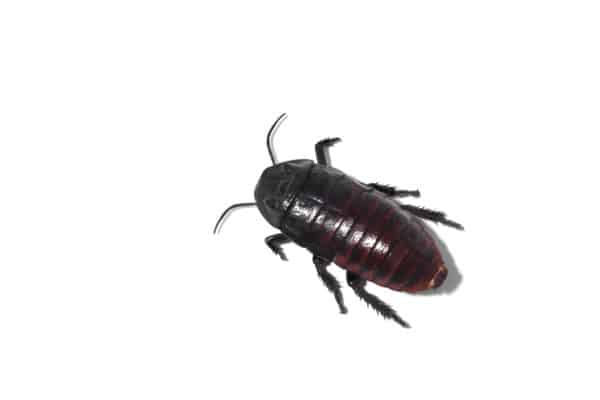
The Oriental cockroach, also known as Blatta orientalis, “water bugs,” and “black beetles,” has a glossy appearance that is dark brown or black in color. Oriental cockroaches can grow up to 1-1/4″ in length. These cockroaches cannot fly and are not as fast as other species. They prefer cool, dark, damp environments and are often found in basements, sewers, drains, and near woodpiles. They commonly enter homes through drains in search of food. Unfortunately they cannot climb smooth vertical surfaces and are often found stuck inside sinks and tubs. They primarily feed on decaying organic matter. Oriental cockroaches have a 6 month life span and give off a strong smell. They are considered one of the dirtiest species of cockroaches.
Prevention and Treatment
Seeing one or two cockroaches in the house usually means there are several more hidden out of sight. They are much more difficult to get rid of once a roach infestation is established. There are some steps you can take to help prevent roaches from taking over:
- Keep pet food stored in sealed containers and don’t leave it out overnight.
- Keep food sealed and stored properly, as well.
- Keep kitchen surfaces free from food debris and crumbs.
- Wipe down countertops often.
- Sweep often.
- Take out the trash frequently.
- Clean in, around, and under appliances.
- Check under sinks for leaks and drops.
- Vacuum carpets and mop floors on a regular basis.
- Keep basements and crawlspaces dry. Consider crawlspace enclosure to help prevent moisture buildup.
- Seal any cracks and crevices in your home’s exterior.
If you suspect you have a roach problem, contact a licensed pest control company. Professional pest control technicians can provide expert advice and thoroughly assess your home to help identify not only the type of cockroaches you have but also the most up-to-date treatment options and prevention techniques.
You May Also Be Interested In:
Mosquito Season: When Will It End?
How Much Damage Can Termites Really Cause?
Helpful Tips to Keep Wildlife our of Your Home
4 Diseases Caused by Rodent Droppings
How to Choose a Pest Control Company
Feb 1, 2019 | Pest Control
Take out the trash regularly; keep your house spotless; store your food in airtight containers: these are just a few of the things you can do to prevent pests from coming into your home. So what attracts cockroaches to a clean house? Cockroaches are extremely versatile pests. They have a very wide-ranging diet and will eat just about anything you can imagine. They have highly tuned water-finding senses and are experts at hiding. All of these adaptations allow them to survive in just about any environment. Roaches also pose health concerns to humans. They are known to carry diseases and can trigger allergies and asthma. They are also extremely hard to get rid of once you have cockroaches in the house. But how do cockroaches get in your clean house?
Location
Some areas are more prone to cockroaches than others. The southeastern United States, especially Georgia, Florida, and Alabama, are home to a large population of American cockroaches (also known as palmetto bugs). If you live in these areas you can expect to see these pests in your home despite cleaning on a regular basis. Unlike German cockroaches, American cockroaches aren’t associated with unsanitary conditions. They may enter your home through a gap in a window seal or through a door that is left open for a prolonged period of time.
Accessibility
Roaches come into your home in search of three things: food, shelter, and water. They have also developed the ability to use even the smallest of openings as an entryway into your house. They can come in through cracks in the exterior walls, dryer vents, or even the gaps between walls and floors. Perform a thorough evaluation of the exterior of your home and seal any entry points you find.
Moisture
Roaches need moisture to survive and this search for water will bring them into even the cleanest of homes. Leaky pipes and faucets are one of the most common attractants for cockroaches and is one of the main reasons you often see them in bathrooms, kitchens, and laundry rooms. They will also hide out under refrigerators and air conditioning units to indulge in their condensation, and even drink from pets’ water bowls when left out overnight. Roaches love places that are dark and undisturbed so you can often find them in basements, in the dark corners of cabinets, and underneath large appliances, especially those that use water.
Food Sources
Roaches will seek out food sources wherever they can find them. Despite your best efforts to keep your kitchen spotless, these resilient pests will make do with just about anything to eat. In fact, they have been known to feast on cardboard, wallpaper paste, book bindings, grease, leather, soap, and even human hair. They can often be found hiding out in stacks of cardboard in your attic and garage, books that you’ve stored away for extended periods of time, and even behind pictures that have been hanging on the walls.
Forgotten Areas
While these areas may not be in need of repair or even in plain sight, they can attract roaches and need to be addressed to prevent roach infestations. Roaches have been known to hide out in the spaces between outside doors and floors. They can get into your home through window screens that aren’t flush with the frame or that have rips or tears in them. They can also get in around air conditioning units that don’t fit properly in windows, and into trash cans that aren’t cleaned regularly, even the ones in your bathrooms.
Landscaping
Roaches will come into your yard in search of the same things as your home: food, shelter, and water. You can harbor as many roaches in your yard as you do in your home. Any standing water in places like bird baths, flower pots, and gutters will attract cockroaches. Compost and wood piles provide food and shelter. Trash and recycling bins provide an excellent food source. Leaf litter, dense vegetation, and mulch or pine straw provides ideal hiding places.
Roaches are versatile pests that are extremely hard to get rid of once they get into your home. There are some roach prevention steps you can take to help keep them from invading your house:
- Seal any cracks around your home.
- Repair any water leaks.
- Remove any sources of standing water.
- Try not to overwater houseplants.
- Wipe down your kitchen counters after every meal.
- Put dirty dishes directly into the dishwasher or wash them immediately after using them instead of leaving them in the sink overnight.
- Wipe down your stove after cooking.
- Sweep daily and vacuum weekly.
- Keep firewood and compost as far away from your home as possible.
- Keep your grass and landscaping neat and tidy.
It can be frustrating to work hard at keeping your house clean and still have issues with roaches. If you have a roach problem or if you want to get a prevention program started before they become a problem, call a professional pest control company who can provide you with a customized pest control program using only the most innovative and advanced pest products and equipment available. Give us a call or request a free estimate to get started.
You May Also Be Interested In:
How Much Does A Termite Inspection Cost?
German Roaches vs American Roaches: What’s The Difference?
Where Are All of These Roaches Coming From?
Is Your Hotel on the Bed Bug Registry?
Winter : Is Your Grass Prepared For Spring?
Aug 9, 2018 | Pest Control
Any type of pest infestation is cause for a headache and panic, but no infestation is more difficult and stress-inducing than that of a German cockroach. They amass inside homes in large numbers, making them difficult to contain.
There are plenty of questions homeowners have when dealing with a possible invasion: “How do I know if this is a German roach?”; “Why are they in my home?”; and “What can I do to get rid of them?” Let’s take a moment to answer these questions.
How do I know if this is a German roach?
Adult German Cockroach Nymph German Cockroach
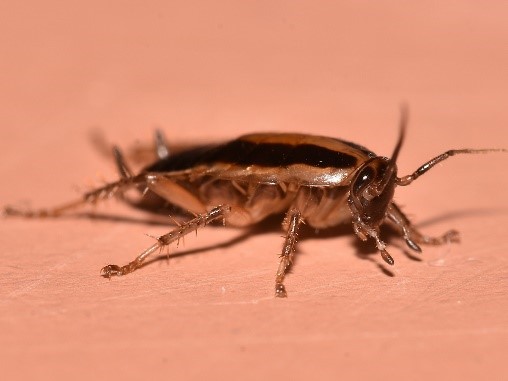
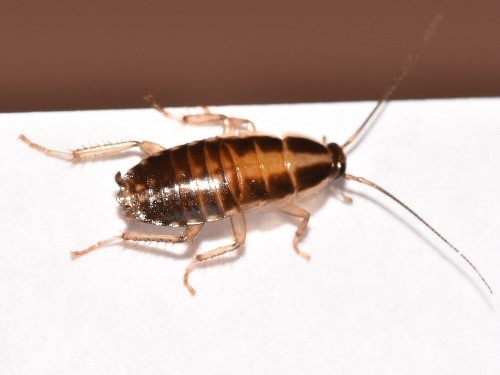
German cockroaches are among the smaller of the cockroach species, measuring anywhere between ½” – 5/8” in length. Oval-shaped and light brownish, almost tan, German cockroaches have two identifying, almost parallel, dark lines that run down their back just behind their head.
Why are they in my home?
German cockroaches are very good at hitchhiking and can make their way in to your home by way of grocery bags and cardboard boxes. They prefer dark, warm places where they can hide. While they can be found anywhere in a home, they are primarily found in bathrooms and kitchens.
What can I do to prevent or get rid of them?
Practicing good sanitation is the best prevention to a German roach infestation. Vacuuming often and looking throughout the home for possible entry points to seal are great preventative measures. A properly ventilated crawl space will help prevent the moisture that German roaches seek out. As always, if you suspect you have a German roach problem, contact your licensed pest professional to set up an inspection as soon as possible.
Apr 6, 2018 | Mosquito, Pest Control
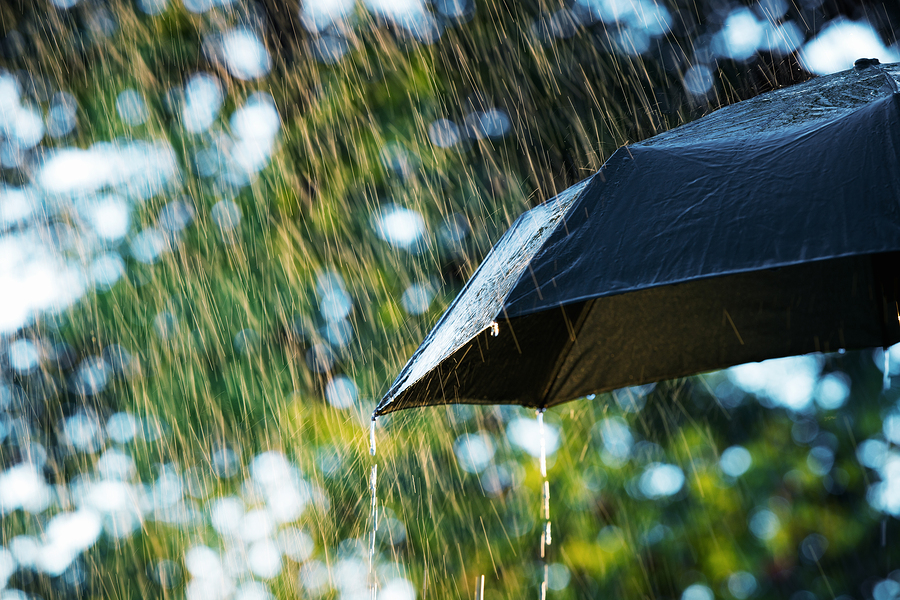
With pollen season in full swing, the rain is more than welcome in order to get some relief. However, when the rain has decided to overstay its welcome, it can lead to unwelcome visitors in your home and pests that overtake your yard.
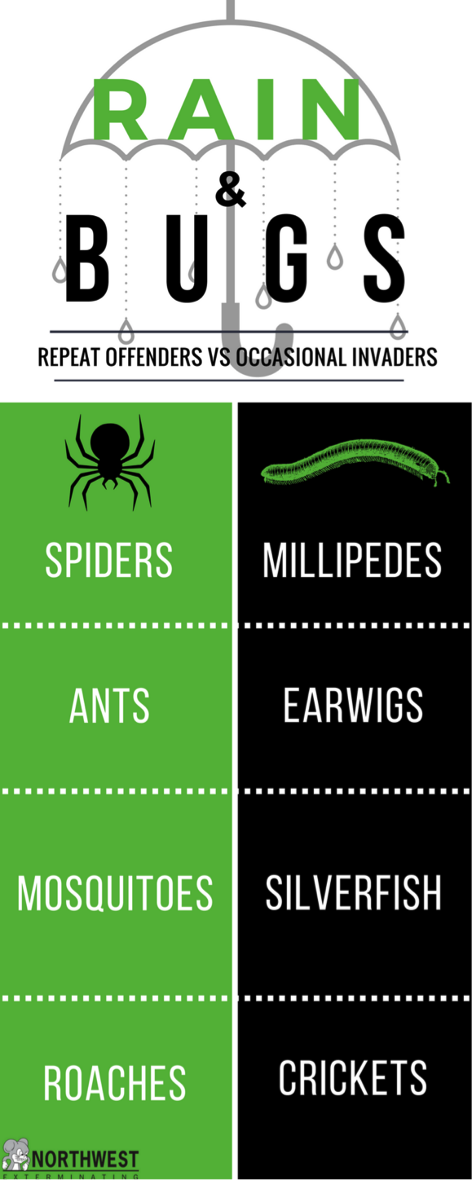
The Repeat Offenders:
Spiders/Ants/Roaches – Once their shelter is compromised, these pests will seek refuge in homes, gaining access through small cracks that lead from the exterior of your home. Once these pests find that your home provides an excellent food source and shelter from the outside, they will attempt to establish a permanent residence.
Mosquitoes – Excessive rain leads to more sites of standing water that are perfect for mosquitoes to use for breeding, leading to mosquitoes progressively taking over your yard.
The Occasional Invaders:
Millipedes/Earwigs/Silverfish/Crickets – These pests thrive outside as their main source of food is decaying vegetation. While they like moisture, excess rain will push them out of their hiding spots, and the high levels of moisture in your basement will be an appealing new home.
You can take the following steps to make sure these unwanted guests stop invading your home:
- Seal off pest entry points
- Move leaf piles, mulch piles and other vegetation away from home
- Keep food sealed in tight containers
- Eliminate sources of standing water (inside or outside)
- Interior and exterior pest control treatments by a professional exterminator
- Monthly mosquito treatments