Apr 20, 2021 | Termite Control
Buying a home is a major investment and, for most homeowners, a lot of time is spent repairing and renovating their house to their liking. Home ownership can also bring unexpected problems that can be costly to repair, such as a subterranean termite infestation. Subterranean termites are known to cause considerable damage by building tunnels to reach food sources. Termites can colonize homes and cause significant undetected destruction over a long period of time. The cost to repair the damage can be in the thousands of dollars. Unfortunately, termite infestations can sometime be caused by the homeowner!
Improper Drainage
Having improper drainage around your home is one of the most common reasons why termites have infested. Subterranean termites are attracted to moisture and need an abundant source of nearby water to survive. Clogged gutters can cause water to pool and make insulation vulnerable to termites. Leaves, twigs, and other debris can build up in the home’s gutters, while the excess moisture can soften your roof and cause it to rot. Try to divert rainwater away from your foundation with a down-spout and by having splash blocks that will prevent water from pooling.
Wood Mulch
Landscaping and crafting a beautiful yard come with having a home, though, sometimes the type of materials used to landscape is attracting termites. Mulch is often used near and around the house, usually against the foundation. Unfortunately, mulch can serve as a source of food for termites as they retain moisture, attracting these pests right to the edge of your home. Try to minimize the use of wood mulch and keep it at least 15 inches from the foundation.
Moisture
Lack of airflow and leaking pipes all contribute to moisture problems in the home and can create conditions beneficial to termites. Eliminating any type of excess moisture inside the home is a major step in preventing termites from infesting. Consider enclosing your crawlspace to not only prevent these termites and other pests but also improve the overall health of your home by reducing the moisture, decreasing humidity, lowering utility bills, and preventing mold and wood rot.
If you have taken these necessary steps in preventing termites but suspect that you might have a termite problem, consider calling your local pest control company to help. They will set you up with a termite inspection and a treatment and prevention plan.

Mar 10, 2021 | Termite Control
Termites cause costly and considerable damage to homes and property each year. These pests are known to go undetected for some time, making it more challenging to eliminate them. It’s necessary to know the warning signs of termites and how to prevent them from infesting your home.
Termites need water to survive. They will seek moist, wet areas inside or around your home to build a new colony site and utilize the water to survive. Eliminating unnecessary moisture both inside and outside of your home is a great start to termite prevention. Storm drains should always be directed away from your house, draining at least a few feet from the foundation. Inside, ensure that there are no leaky faucets or water pipes. If there are leaks, fix them as soon as possible. If your home has a crawlspace, consider investing in a crawlspace enclosure which will help eliminate moisture under the house while also preventing mold, wood rot, and other pests.
In addition to searching for water, termites also search for wood. If there is any exposed wood around your house that is easily accessible to termites, they will find it and destroy it. Reducing soil-to-wood contact around your home is essential in preventing them. Get rid of any lumber, mulch, plants, or other wood items that are around your foundation. If you do want to use mulch for landscape purposes, keep at least a 4-inch barrier between the mulch and the side of your home. Always clean up and get rid of fallen branches, dead wood, or old tree stumps throughout your property.
Termites can be extremely difficult to detect, prevent, and eliminate once they are established. If you suspect or discover that you have a termite problem, or even want to get ahead of the prevention game, contact a professional pest control company who can set you up with annual termite inspections and even a termite control plan.
Apr 3, 2020 | Termite Control
A home is one of the biggest investments one can make and termite damage can be one of the most costly. Termites can colonize your home and cause significant destruction undetected over a long period of time. This can cost a homeowner thousands of dollars in treatment and repairs.
Termites will colonize near readily available food sources, typically soft or rotting wood. They will seek out these moist areas in and around your home in search of a new colony site. The best plan is always termite prevention. The first step in prevention is recognizing what attracts termites to your home in the first place. Here are five things that could be attracting termites to your home:
Wood Piles
Firewood and other wood piles are a huge termite attractant and also provide them with a quick and easy ride into your home. Firewood should be stored at least 20 feet from your home and elevated at least 5 inches off the ground.
Dead Trees
As trees die and rot, the dead trees and stumps will attract termites. They will then move from these stumps and trees to your home. Remove and clear any dead trees and stumps from your property.
Moisture
Poor drainage, lack of airflow, and leaking pipes all contribute to moisture problems in the home AND create conditions conducive to termite infestations. Subterranean termites need an abundant source of nearby water to survive, so reducing moisture is an easy way to help prevent a termite infestation and damage. Consider enclosing your crawlspace to further enhance the overall health of your home, by reducing excess moisture, decreasing humidity, preventing mold and wood rot, controlling pests (including termites!), and lowering utility bills.
Landscaping
While aesthetically pleasing, mulch can actually be a big attractant for termites. Mulch is comprised of wood chips which can retain moisture, making them an attractive food source for termites. Consider replacing mulch with another medium or, if you do use it, try to keep it at least 15 inches from your foundations.
Gutters
Clogged gutters can lead to damage to your home on their own but they can also be an attractant to termites. As leaves, twigs, and other debris build up in your gutters, the excess moisture can soften your roof and cause it to rot. These soft spots attract termites and also provide them with an easy access point into your home. Keep your gutters cleaned out regularly or consider installing gutter guards to prevent clogs.
Another component of termite control and prevention is the professional termite inspection. There are three circumstances where a termite inspection should be performed:
- As a prospective home buyer. During the buying process, potential homeowners should request a termite inspection which can show any potential termite damage and provide time for treatment and repairs during the negotiation phase of the transaction.
- As a homeowner. All homeowners should have a professional termite inspection every 3 to 5 years. By doing this, homeowners can catch infestations early and appropriate treatments or prevention techniques can be implemented before the damage progresses.
- If termite treatment has been performed previously. Homeowners who have had termite treatments done in the past should also schedule ongoing, routine termite inspections to maintain treatment and monitoring going forward. Most termite control companies offer these services as part of their termite protection plan with their treatments.
If you suspect you have a termite problem, contact a professional pest control company who can provide you with a thorough inspection and comprehensive treatment and prevention plan.
You May Also Be Interested In:
Imported Red Fire Ants
How Do You Get Rid of Brown Banded Cockroaches?
Cockroaches: A Possible Allergy Trigger
Why Are Mosquitoes Inside My Home?
Mouse vs Rat: Can You Spot The Difference?
Mar 6, 2020 | Termite Control
Termite infestations can cause significant (and expensive) structural damage to your home and property. What makes termites even worse is they usually cause significant damage for a long period of time without being detected.
Spring is an especially critical time for identifying and dealing with termites because that is the time of year when termites swarm to establish new colonies. These swarmers are winged adult termites that mature and fly away from their colonies to continue reproducing. Termite swarming season begins at different times for different species but all of them typically begin when the weather warms up following a significant rain event. For most species like subterranean termites, this falls in early spring. Age is also a factor in determining when termite colonies will swarm. While there is no specific age for a colony to swarm, most colonies aren’t mature enough until they are at least 3 years old.
Swarming termites often gather in areas with low-wind and diffuse light. Swarms can occur over a period of several days. Termite swarms are often confused with flying ant swarms. There are 3 major differences between termites and flying ants: antenna, wings, and body segments. Termites have straight antennae with a slight drooping look while flying ants have antenna that are bent at a 90 degree angle as they come out the side of their heads. Termite wings are basically equal in length while flying ants have front wings that are noticeably longer than their hind wings. Finally, termites have 2 body segments with straight abdomen while flying ants have 3 distinct body segments that narrow at the waist.
Odds are if you notice a termite swarm in or around your property the initial nesting site is not too far away. Termite swarms are a good indication that a termite infestation is imminent. Swarming termites also discard their wings after their new colony is established. Finding piles of discarded wings is also another sign that a new active termite colony is close by.
It is important to periodically check for signs of termites in your home to try and catch an infestation before the damage is significant (and costly).
- Check the exterior of your home and look for mud tubes and small white insects going up the outside of your foundation.
- Tap or probe any exposed wood for hollow sounds.
- Learn to identify termite swarms and keep an eye out for them in the spring.
- Look for other signs of termites in your home such as buckling wood, damaged wood, etc.
- Keep the ground around foundations dry with proper drainage techniques.
- Seal off any points of entry by filling in cracks in concrete foundations and any holes or openings where utility lines and pipes enter the home.
- Consider investing in an annual termite inspection where a professional termite control technician can thoroughly check your home for all of these signs and more.
If you notice a termite swarm this spring or any of these other signs of termites, it’s not too late to act but action should be taken sooner rather than later. With the help of a professional pest control company, you can take quick action for termite treatment while avoiding the costly headache of structural damage to your home. Whether you’ve dealt with termites in the past or just want to avoid dealing with them in the future, investing in termite protection now is always a good idea.
You May Also Be Interested In:
Where Are These Stinkbugs Coming From?
10 Common Myths About Pest Control
Keeping Wildlife Out This Spring
How to Prep Your Yard for a Mosquito Bite-Free Summer
Where Are All of These Roaches Coming From?
Feb 21, 2020 | Pest Control
A myth is defined as a widely held but false belief or idea. While myths are often based on some semblance of the truth, more often than not they are exaggerations or misunderstanding or even outright falsehoods. There are tons of myths regarding pests and pest control, some completely outrageous and others almost believable. Here are 10 of our favorite pest control myths.
1. Bees Can Only Sting Once
You’ve heard this one before. Once a bee stings you it can’t sting you again. This is one of those myths that is partly based in the truth. Honeybees, and ONLY honeybees, can only sting once. Other varieties of bees, wasps, hornets, etc. can sting as many times as they want. So be prepared – just because you’ve been stung once doesn’t mean there aren’t more stings coming along right behind that one.
2. Bees Will Only Attack When Provoked
This is another common myth you’ve probably heard – if you don’t mess with a bee it won’t mess with you. Once again, this is not the case. Bees, wasps, hornets, yellow jackets, and other stinging insects will sting you if they feel they or their colony are being threatened. This could be something as simple as walking too close to their nest. If a nest is spotted on or near your home, remove it safely or call a professional to remove it for you.
3. Bugs Won’t Come In A Clean House
This is a big misconception in pest control. Just because your house is clean doesn’t mean you are immune to bugs and other pests. While a dirty house can make a pest stay longer, a clean house doesn’t keep them out. Bugs come into a home in search of three things: food, water, and shelter. While an unkempt house can provide more opportunity for these 3 things, a clean house can provide them, as well. What is more important is sealing any entry points that pests can use to access your home.
4. Seeing A Cockroach Means Your House Is Dirty
This myth is similar to #3. Once again, cockroaches will come into your home for 2 main reasons: food and shelter. While they may find these in more abundance in a dirty home, they can also find them in a clean home too. Once a cockroach infestation is established it can be extremely difficult to get rid of. Cockroaches can enter through an opening the size of a quarter so sealing any possible entry points is critical in preventing them.
5. Mosquitoes Only Come Out At Dawn And Dusk
This is another myth that is based in part on the truth. Some species of mosquitoes are more active at dawn and dusk but mosquitoes can be active at all hours as long as there is food available. Best practice is to utilize mosquito prevention techniques anytime you will be outdoors.
6. Bug Zappers Can Eliminate Mosquitoes
This one is blatantly false. Bug zappers use ultraviolet (UV) light to attract insects into its cage. Mosquitoes aren’t attracted to UV light at all so they won’t be anywhere near the bug zapper. Bug zappers also don’t usually have enough power to actually kill the insects it attracts so it can have a reverse effect on insect populations around your home.
7. Mice Love Cheese
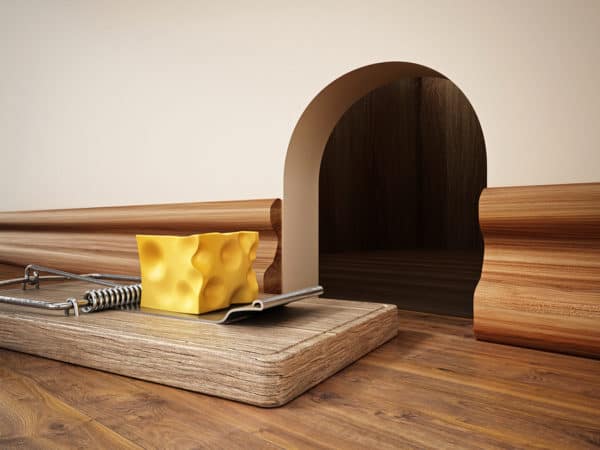
We’ve all seen or heard this one, either in a story or on TV. While mice will snack on the crumbs of just about any food, cheese actually isn’t their first choice. They would prefer to snack on foods that are high in sugar like peanut butter, candy, honey, or dried fruit. In fact, chocolate or peanut butter are the best choices to use in a mouse trap.
8. Bed Bugs Can Be Eliminated With DIY Techniques
Bed bugs are one of the most difficult pests to eliminate once they establish an infestation in your home. They are extremely small and only come out to feed at night, making them very hard to locate and identify. They can also multiply rapidly and can infest a structure very quickly. Because of this, they are extremely difficult to get rid of on your own and most cases require professional treatments to eradicate.
9. Termites Can’t Damage Brick Or Concrete Slab Homes
This is one of the biggest myths of pest control. While termites don’t actually eat brick or concrete, they have no trouble crawling over them to get to the wood beam structures that were used to build your home. For this reason, termites can, in fact, cause significant damage to brick and concrete slab homes.
10. If You Don’t See Any Bugs They Aren’t There
Just because you don’t see any bugs or any damage from them doesn’t mean they aren’t there. Termites and carpenter ants can cause damage for months before any signs of their damage become visible. Most infestations are well established before any damage is detected. Bed bugs are also hard to spot and often go unseen but leave devastating signs of their presence behind.
While all of these myths about pest control aren’t true, one thing that is true is prevention is the most effective way to avoid a pest infestation. If you suspect you have a pest control issue, contact a professional pest control company whose technicians are trained in the latest technologies and methods to help identify and eliminate your pest problem.
You May Also Be Interested In:
Is Orange Oil Effective As A Treatment For Termites?
How Much Does It Cost To Remove Animals From Your Attic?
Mosquitoes In The South
Don’t Bring Bed Bugs Home!
The Dangers of Flea and Tick Bites