Jan 25, 2019 | Termite Control
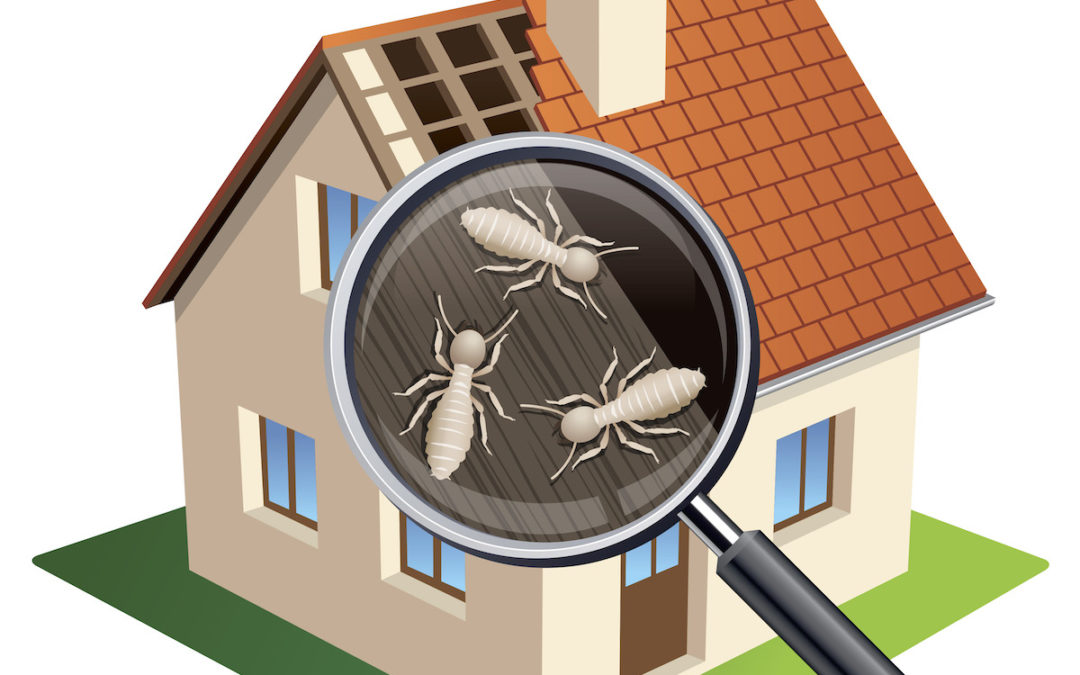
The 2 most common reasons to need a termite inspection: when required during real estate transactions and if termite activity is present or suspected by homeowners and business owners.
If either of these situations applies, you may be wondering how much a termite inspection costs, and what steps are taken if an infestation is found by a termite exterminator.
How Much Does a Termite Inspection Cost?
Termite Inspections for Homeowners & Business Owners:
If you own a home or business and see signs of active termites (usually swarming termites) or termite damage, you’re going to need a termite inspection from a local exterminator near you. Or if you’re considering selling your home in the near future and don’t have a termite warranty, now may be a good time for a termite inspection, so you don’t delay the sales process when you find a potential buyer.
If the intent is to get termite treatment options and find out if you have an active termite infestation, most termite exterminators will perform a free termite inspection. The first step in this process is to contact a reputable pest control company and schedule a termite inspection. On the day of inspection, be prepared for the inspector to spend a half hour to an hour or longer at your property, depending on the size and condition of the home or business. The inspector will be looking for active and previous signs of termites, termite damage, and any other wood destroying insects or pest issues.
If termite activity is found, previous or active, termite treatment options will be provided. Common forms of treatments include liquid barrier treatments and termite baiting systems, which are a less invasive, environmentally responsible option. Most exterminating companies will also offer termite warranties with treatment so that your property is protected from future termite infestations and/or damage.
If no termite activity is found, it’s still a smart choice to consider having your home or business treated for termites. A baiting system like Sentricon Always Active® is a great preventative treatment choice. Termites cause billions of dollars in structural damage each year so taking a proactive approach to termite protection is the only way to totally protect your investment from termites.
Termite Inspections for Real Estate Transactions
Termite inspections and Wood Infestation Reports are usually required during the purchase of a home. These are NOT included in a general home inspection. Often, the real estate agent representing the seller will coordinate the termite inspection with their exterminating company of choice, if the homeowners do not currently have an active termite warranty. The fee for this inspection and report generally ranges from $45 to over $100 depending on the termite company. This fee is sometimes waived if active or previous termite activity is found and the property will require a termite treatment.
You May Also Be Interested In:
Termite Treatment Options: How Sentricon Works
Termite Control: Do I Really Need Termite Protection
What Are Your Termite Treatment Options?
Green Pest Control: Is it Worth the Investment?
What to Look for When Choosing an Exterminator
Mar 6, 2018 | Termite Control
Here in the south, nothing causes terror or fear more than the word, termite. Termites cause more than $5 million dollars in property damage throughout the United States. And what’s worse, most damage is not covered by homeowner’s insurances policies.
Before it gets out of control, look for signs of termites and consider getting a preventative termite treatment and termite warranty from an exterminating company.
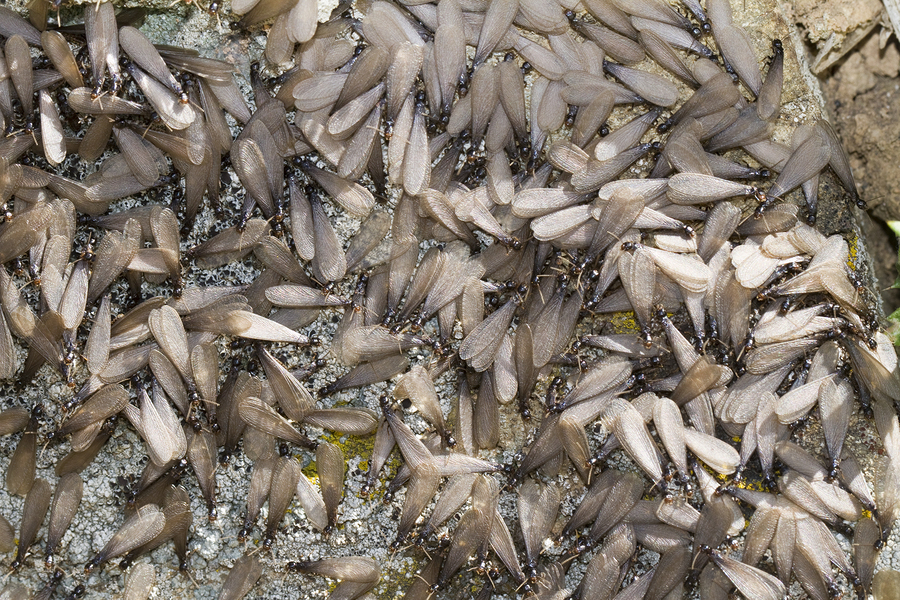
Swarmers are your first sign that things may be awry, because while swarmers do not cause wood damage, they are a sign that a destructive colony is nearby. Look around doors and windowsills and for discarded wings. This is one of the first signs of a termite infestation.
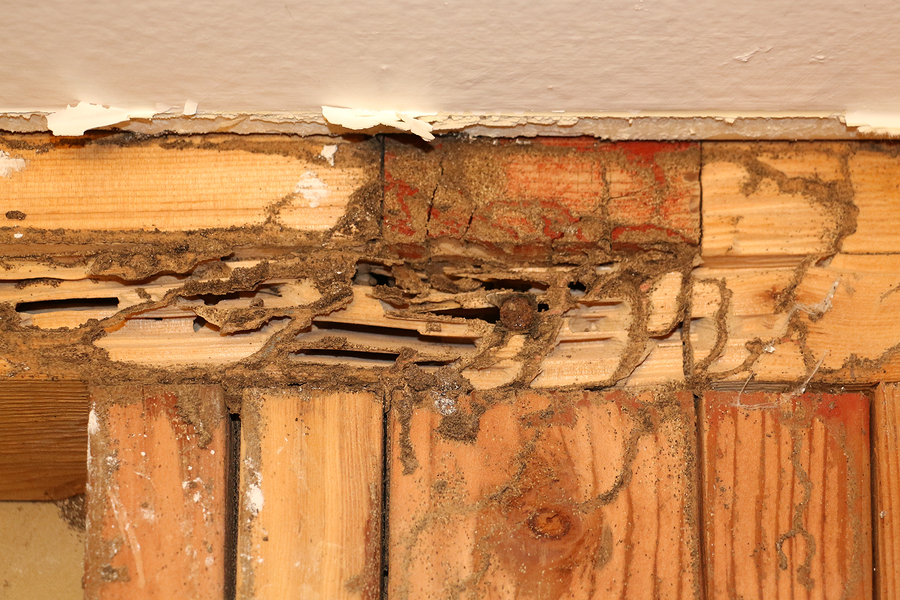
If you notice mud tubes or tunnels along the foundation of your home, the next step would be to contact your pest control provider to schedule a termite inspection. Termites use the mud tubes to keep moisture when traveling to and from their colony and your home (their delicious food source).
Other signs of termites that you may notice:
- Bubbles in paint: this will often be a sign of moisture build which points to either termites or water damage
- Wood Damage: wood that is suspected to be infested by termites will normally sound hollow, as termite prefer to eat wood from the inside out
- Frass: the sign of a Drywood termite infestation is the appearance of wood colored droppings that litter the ground as they feast on your home
If you are able to get close enough to get a look, make sure that that you are dealing with a swarmer; flying ants are often mistaken for a flying termite.
If you do not find any of the signs of termites, now’s the time to get preventative termite protection! Sentricon Always Active, a termite baiting system, is the best protection to have for your home; it’s environmentally-responsible and comes with a lifetime termite warranty.
To schedule a free termite inspection, call (888) 466-7849 today!
Mar 2, 2018 | Pest Control, Termite Control
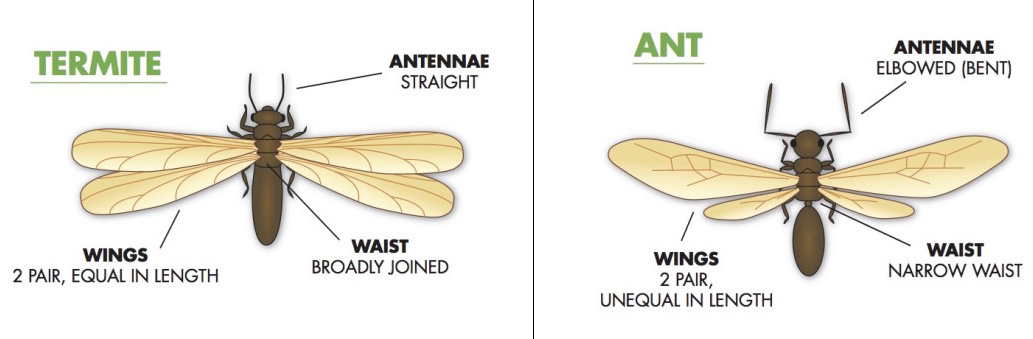
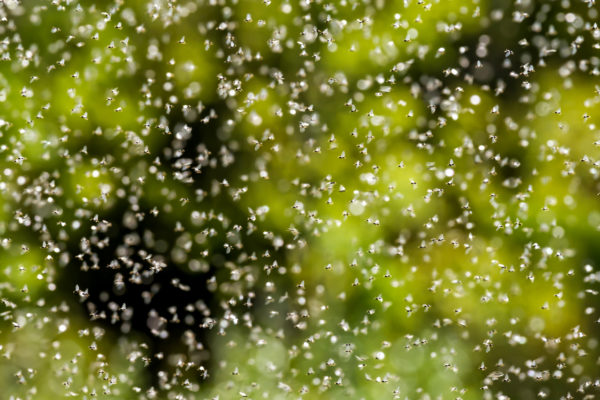
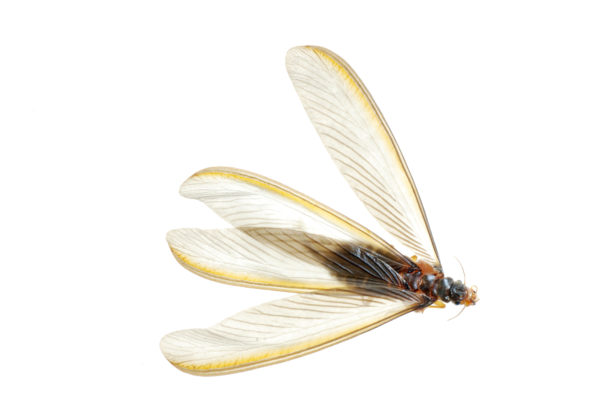
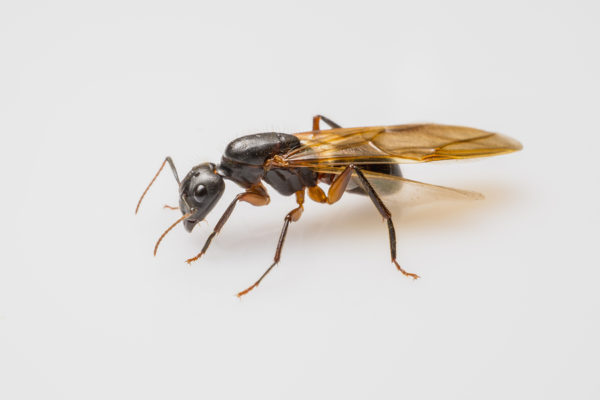
The change of season from winter to spring brings warm weather, sunshine, and … bugs! This is the time of year when many pests emerge from overwintering and begin the mating process. Spring is also known as swarm season – because this is the time when termites and flying ants emerge in droves, sometimes in swarms of thousands! While flying ants can cause problems in and around your home, termites are much more common – and much more costly! How can you tell if those swarming insects are terrible termites or flying ants? Check out our handy reference below for the key differences between the two, as well as what to do if you have these pests swarming in or near your home.
TERMITES
APPEARANCE:
- 4 wings of uniform size
- Straight antennae
- Wings are twice as long as their body
- Broad waist with uniform body width
TIMING:
Termites usually swarm once a year for reproduction and expansion of their colonies. Swarms mark the official beginning of termite season. Subterranean termites swarm in spring and during the daytime. Drywood termites swarm in late summer and early fall. Dampwood termites swarm in the summer.
BEHAVIOR:
Termites swarm after their colony reaches a certain size and the weather conditions are optimal. The termites are attracted to light and are often found near windows and light fixtures. Swarming termites will try to squeeze through racks and crevices in your walls and foundations to try and reach open air. If you see swarming termites then there is a good chance there is a well-established termite colony in or near your home.
FLYING ANTS:
APPEARANCE:
- Also have 4 wings, with larger front wings than back wings
- Elbowed antennae
- Shorter wings that are more proportionate to their bodies
- Segmented bodies with thin waists
TIMING:
Flying ants will swarm in late spring and early summer. They have to have bright sunlight, low winds, high humidity, and warm temperatures to swarm. They prefer to swarm after there has been 3 to 5 days of rain.
BEHAVIOR:
Flying ants swarm for the same reasons as termites – to reproduce and expand their colonies. Flying ants don’t represent any greater threat to humans than their wingless counterparts. Flying ants aren’t as significant a threat to your home as termites but they can still cause damage. If you have flying ant swarms in your home there is a good chance you have an established ant colony in your walls.
TREATMENT:
So now that you can identify exactly what kind of pest is swarming around your home, what should you do next?
- Contact a professional pest control company to come out and evaluate the swarm, as well as provide you with a treatment plan and prevention strategy.
- Don’t spray the swarms yourself with insecticide. Mark the areas where they are getting into your home and notify your pest control professional. Make sure to inspect the entire exterior of your home for possible entry points.
- Vacuum up any pests that get into your home. Both species are attracted to light so you may see them congregate around light fixtures or windows.
- Don’t tear away any woodwork, trim, baseboards, wall coverings, or floorboards. Instead, inspect them for termite damage by pressing your thumb against the wood and feeling for defects.
- Try to keep your windows and doors closed as much as possible during swarm season.
Mar 18, 2016 | Termite Control
The first official day of spring is Sunday, March 20th (the earliest arrival of spring of our lifetime so far in the Northern Hemisphere, according the the Old Farmer’s Almanac). This is also the first official day of termite season!
Termites cause billions of dollars in structural damage each year in the U.S. Don’t let your home be part of the statistic! Here are some things you can do to prevent termite damage:
- Keep any items made of wood away from your home: firewood, cross ties, construction projects – all are potential food sources for termites
- Another food source for termites: mulch; keep it away from your home’s perimeter
- Termites love moisture, so eliminate sources of moisture by keeping gutters clean
It’s also important to know what to look for. Identifying a termite infestation early is key in preventing damage to your home. Termites swarm in the spring and although swarming termites don’t cause damage, it’s a sign of a destructive termite colony nearby. Swarming termites are often mistaken for flying ants; they have two pairs of long narrow wings, equal in size and, unlike other termites in the colony, are dark or black in color. Warm or wet weather brings termite (subterranean) swarmers out of their nest, typically during daytime hours, to start new colonies. They’re attracted to light so you’ll most likely see swarming termites around windows, doors, and light fixtures, or the wings they sometimes leave behind.
If you notice termite swarmers in your home, it’s a good indication of an established termite colony nearby, that could be causing significant structural damage. If you have an active termite warranty, call your exterminator and request a termite inspection. If termite activity is found, you should be provided with termite treatment options and, depending on your warranty’s coverage, damage repair solutions.
If you don’t currently have termite protection, call a professional termite control company immediately. They will provide a thorough inspection of your home (usually free) and give you the best treatment options to eliminate the active termites and prevent a future termite infestation. Be sure your pest control provider offers multiple warranties with damage repair options. Some even offer lifetime damage repair warranties with termite baiting systems, like Sentricon Always Active, an eco-friendly alternative to termite control.
Feb 27, 2015 | Termite Control
You probably aren’t too concerned with termites just yet, with the recent icy weather here in Georgia and the Southeast. BUT…prevention is key to preventing termite damage and now is the time to get prepared.
In the South, termites start swarming in early Spring. So if you don’t already have a termite control plan, it’s time to think about getting one. While swarming termites do not cause structural damage, it’s a sign that a termite colony is hard at work nearby. This could mean severe structural damage to your home that will result in hundred and thousands of dollars in repair costs. So what’s the solution?
Termite Prevention
There are several methods of termite control and deciding which termite treatment is right for your home can be overwhelming. After all, we’re talking about protection for one of your largest investments! And since termite damage typically isn’t covered by homeowners insurance, it’s important to not only have your home treated, but to have a solid termite warranty.
Termite Treatment Options
If you have a really good understanding of how termites work, you could attempt DIY termite control. There are several options for this from traditional liquid barrier treatments to termite baiting systems. This can be a difficult task if you have any slabs attached to your home or a basement. A liquid barrier must be complete with no breaks in order to keep termites out. Want a pro? Keep reading.
Liquid Barrier Termite Treatment
Some pest control companies will recommend a liquid treatment if you have active termites or damage. This provides instant and long-term termite protection. Make sure your termite company includes a good warranty with your treatment, ideally one that covers termite re-treatments and any damage caused post-treatment.
Borate Wood Treatment
This type of termite treatment is ideal when your home is in the construction phase. The wood frame is treated with a product called borates, elements from the earth, that will give you permanent termite protection and also help ward off common household pests.
Termite Baiting Systems
Baiting Systems are proven effective at eliminating entire termite colonies underground around your home, less invasive than liquid treatments, ideal for new and existing construction, and usually come with a lifetime warranty. It’s also the environmentally-responsible way to protect your home from termites, by eliminating the use of hundreds of gallons of chemicals. With Sentricon Always Active, our preferred choice for baiting systems, monitoring devices are placed in the ground strategically around your the perimeter of your home. The devices have a bait tube inside that termites are attracted to. Termites will find the stations, eat the bait and share with their colony, resulting in colony elimination.
Other things you can do to prevent termites:
1. Keep mulch away from your home’s perimeter. This is a food source for termites.
2. Keep any items made of wood away from your home. Firewood, cross ties, that construction project you’ve been working on…all are potential food sources for termites.
3. Keep your gutters cleaned. Termites love moisture so keeping the ground around your home dry is key.
Signs of a potential termite infestation:
If you see a swarm of “flying ants”, it’s probably termites. Find out more on how to tell termites from ants here.
Termite swarmers will usually leave behind small transparent wings. If you see anything like this around your home, call an exterminator.
For more specific information on termite control in your area:
Atlanta Termite Control
Savannah Termite Control
Nashville Termite Control