Oct 25, 2019 | Termite Control
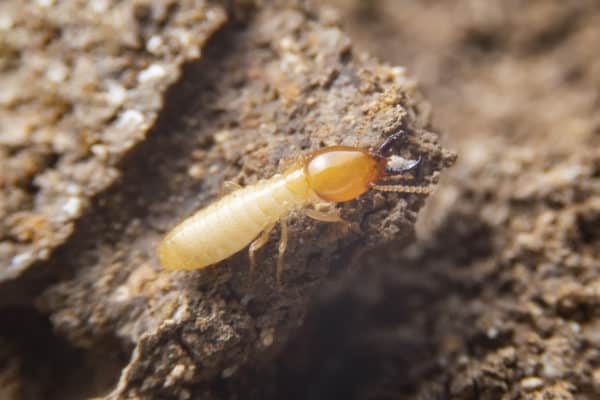
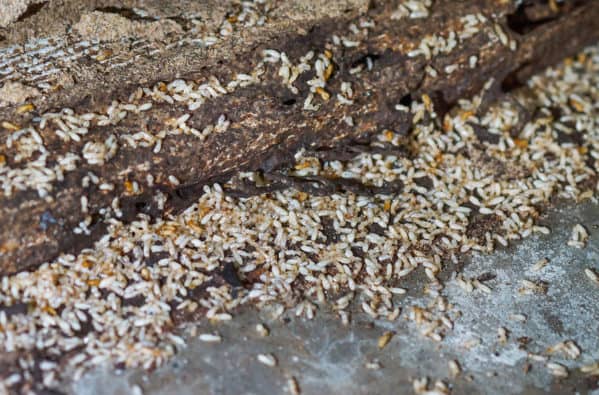
Are termites active in fall and winter? The answer is a resounding yes! All species of termites are active year-round, even in the cold weather of fall and winter. The only difference in termite activity when the weather cools off is a change in their routine – termites will nest deeper in the ground to access warmth and modify their tunnels for easier access to winter food sources. If termites have already colonized your home or office their routine won’t change at all. Heated buildings and their adjacent soil provide the ideal habitat for termites to thrive even in cold weather. Colony queens also lay their eggs year-round which means that not only are termites active during every season, their colonies are also consistently growing. Swarming termites are unlikely to be seen in the fall and winter months as termite swarming season typically begins in the spring.
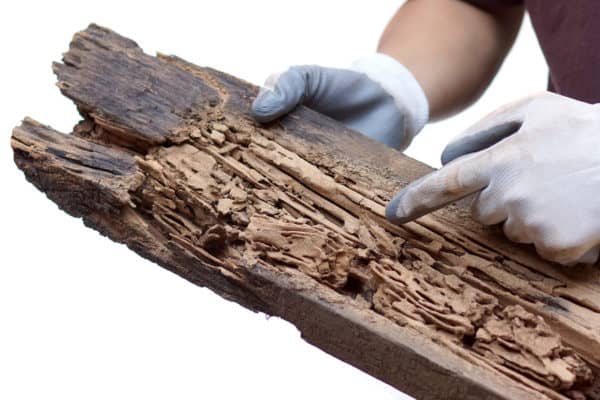
Regardless of the season, there are some common signs of termite infestations to look for in your home or office including:
- Crumbling wood
- Hollow windows and doors
- Bubbling or buckling floors
- Loose tiles
- Holes in drywall
- Sagging sheetrock
- Discoloration of ceilings or walls
There are a few steps for termite protection you can take in and around your home. Make sure all water and gas lines are sealed adequately. Fix any leaky faucets or appliances and get rid of any standing water. Try to eliminate any cellulose material as this is a termite’s primary food source.
If you suspect you have a problem with termites or want to make sure you stay ahead of any potential problems, contact a professional termite control company who can provide you with a free termite inspection and set you up with the most comprehensive termite protection for your situation.
You May Also Be Interested In:
Where Do Snakes Go in Cold Weather?
Mosquitoes Active Through Fall
8 Tips for Winter
Where Are All of These Roaches Coming From?
Steps to Keep Spiders Out of Your Home
Sep 13, 2019 | Termite Control
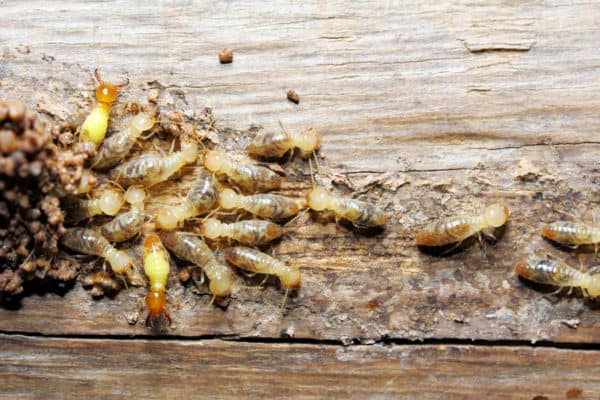
Termites can wreak havoc on a home without the homeowner even realizing it. By the time their presence is realized, the damage is extensive and costly. Termite colonies don’t just consist of hundreds of termites – they number in the millions! Termites can invade any type of home whether it is brick, stucco, wood, or other material. Termites will eat any material that contains cellulose, not just wood. These materials include cellulose insulation, framing timbers, and even drywall. An annual termite inspection can help prevent these devastating infestations by catching and eradicating them early, preventing significant damage and saving money in treatment and repair costs.
Termite inspections will typically begin with the inspector examining all possible points of entry to the home looking for common signs of termites. These signs include mud shelter tubes (pencil sized tubes termites use to travel), piles of frass (termite excrement), termite mazes on walls, discarded wings, etc. The inspector will also use a tool to gently tap on the interior and exterior walls of the home listening for hollow-sounding wood which in another sign of termite damage. The inspector will then check the exterior of the home, including crawlspaces, to check for wood to soil contact which is the easiest way for termites to gain access to a home. Wood to soil contact could be a stack of firewood that is too close to the home or deck posts not set in concrete. The inspector will also check trees, stumps, wooden retaining walls, fences, sheds, detached garages, and any other structures on the property. They will then notify you of their findings and recommend termite treatment options.
The best way to protect your home from termites is with a termite bond. This is a termite warranty between the termite company and the homeowner that is similar to a maintenance contract. They are usually made up of two components: an agreement for termite inspections during the lifetime of the bond and an agreement to provide termite control and treatment if termites are discovered. Bonds are especially important in real estate transactions. Most lenders will at a minimum require a termite inspection. Securing a termite bond provides you with a level of termite protection that can help you qualify for loans and also improve the marketability of your home.
If you suspect you have termites in your home or just want to be proactive in making sure these pests don’t invade your property, contact a professional termite control company and set up your annual termite inspection to give you peace of mind.
May 31, 2019 | Termite Control
Termites cause billions of dollars in damage each year. There are two main types of termites: drywood termites and subterranean termites. Drywood termites are found in warm, southern climates. They establish their colonies deep within the wood that they eat. As they consume wood, they create mazes of tunnels and chambers within the walls and foundation of your home. Subterranean termites are found throughout the continental United States. These termites build their colonies underground and emerge in search of food. They can enter your home through cracked or unsealed foundations.
Because termites eat wood from the inside out, termite damage often goes undetected for long periods of time. Often in fact, by the time signs of termites appear, colonies are well established and significant damage has already been done. Because of this, it is recommended that you get a termite inspection at least once per year or any time you find signs of termite activity. The average termite inspection cost is usually free (if no termite report is required, as in the case of a real estate transaction), or can be anywhere from $45 to over $100 depending on the size of your home and the exterminating company hired. A licensed termite inspector will perform a visible inspection on the readily accessible areas of your home looking for evidence of termites. The inspection should include a visual inspection of the entire interior of the home (including crawlspace and basement) and the exterior of the property. If evidence of termites are found, a termite exterminator will be required to provide appropriate termite control options and treatment.
Spotting signs of termites is a good indicator that a well established colony is nearby. But what are these signs? What should you look for? Here are 6 common signs of termites:
- Sounds: Soldier termites will bang their heads against wood or shake their bodies when the colony is disturbed. They use these sounds to signal danger to the other termites in the colony. The sound is often heard as a quiet clicking sound emanating from the walls.
- Wings: Flying termites are usually the first sign of a termite infestation. While they are often mistaken for flying ants, they are, in fact, “swarmers” who leave the nest in search of a mate to establish a new colony. Swarming season is usually in the spring after the first freeze. Once the termites mate, they lose their wings. These discarded wings, often found near doors and windowsills, are another common sign of termites.
- Warping: Termites produce moisture when they tunnel through wood. When they make their way through window frames and doors it causes them to warp, making them difficult to get open, often resembling water damage. This can also cause uneven or bubbling paint.
- Wood Damage: Termites consume wood from the inside out, sometimes masking damage for long periods of time. When wood is damaged by termites, it will often make a hollow or papery sound when tapped on. This is one of the most common signs of termite damage.
- Frass: Frass is another name for termite feces. Subterranean termites use their feces to build tunnels; drywood termites, however, push their feces out of small holes near the entrances to their nests as they tunnel. This leaves small black marks and a dark powdery substance near sites of infestation and damage. Frass is often found as piles of pellets.
- Mud Tubes: Subterranean termites build mud tubes to provide moisture and protect them from predators while they travel between their colonies and their food sources. These tubes are often found near home foundations. Mud tubes are made of tiny pieces of soil, wood, and debris.
If you suspect you have a termite problem or if you spot signs of a termite infestation, contact a professional termite control company who can provide you with a thorough termite inspection and a comprehensive termite protection and treatment plan.
You May Also Be Interested In:
Summer Wildlife Removal: Common Home Invaders
What Are These Little Black Ants?
10 Ways To Care For Your Lawn In Extreme Heat
The 411 on Bed Bugs
Are You Ready for Termite Season?
Apr 12, 2019 | Termite Control
Termites can be a homeowner’s worst nightmare. Termites do their damage from the inside out and they often aren’t detected until after significant destruction has already been done. The signs of termites are often difficult to find until colonies are well established. In fact, termites cause an estimated $5 billion in damages each year in the United States. Yet many people still question if termite protection is worth the cost.
Structural damage caused by termites is the most expensive with an average cost of $3,000 for repairs. This amount varies depending on the extent and location of the damage that is caused. In addition to the structural damage caused by termites, cosmetic damage can also require repairs, costing an estimated $2,000 to fix things like discolored sheetrock, buckled floors, and peeling paint. This amount also varies depending on the materials that were damaged and the materials used to repair or replace it.
Termites must be exterminated before any repairs are done. The cost of a termite treatment not only include the termiticides or baits used in the treatment, but also the labor, training, and service hours for the termite exterminator. The average cost of termite control is $4 to $7 per linear square foot of your home. This estimate also varies based on the type of termite warranty provided, the location of your home, and the type of treatment required.
Unfortunately, most homeowner’s insurance policies do not cover termite damage and sellers are usually responsible for covering termite damage during the sale of a home. This can vary so it is always a good idea to check your state regulations. This also usually includes a termite inspection prior to the sale of the home.
Knowing the potential costs of termite damage and repair is reason enough to invest in termite protection. What options do homeowners have when a homeowner’s policy doesn’t cover termite damage? A termite bond or termite warranty is your best bet. A termite bond is a warranty between a homeowner and a termite company that functions as a maintenance contract for termite prevention, damage, and repair. Termite warranties vary by company, but they generally include an agreement for annual (or more often) termite inspections during the lifetime of the warranty, an agreement to provide treatment if termites are discovered (often at no additional charge to the homeowner), and in some cases an agreement to repair damages. Not all homes, however, qualify for these repair bonds so always check with your termite control provider about this.
A termite warranty provides you with peace of mind against termite damage. The warranty guarantees that the pest control company will continuously inspect your home and make sure that new infestations are discovered before they can proliferate. Termite warranties are also beneficial when buying or selling a home as they are often required before a sale can occur. Lenders will often not approve mortgages for at-risk homes without a termite bond. Only certified pest control companies can issue termite warranties. Yearly costs typically run $300-$400 for the warranty coverage, which includes the annual termite inspection.
Click here to schedule a free termite inspection.
You May Also Be Interested In:
What is the Difference Between Traditional and Green Pest Control?
Summer Lawn Survival Guide
Daddy Long Legs vs Daddy Long Leg Spiders
The 411 on Sand Gnats
Summer Snakes and How To Prevent Them
Mar 22, 2019 | Termite Control
Termites cause billions of dollars in damage each year. Because they work from the inside out, infestations are often not found until significant damage has already been done. Spring marks the beginning of the termite swarming season and these destructive pests are found in most of the United States (except for Alaska). What do you need to know before swarming season starts to help control termites? Find out the answers to many of your termite questions below.
What Time Of Year Do Termites Come Out?
Termites swarm as the weather begins to warm, usually at the beginning of spring or summer and usually after a rain event. Termites swarm when they go in search of a location to establish a new colony. Colonies typically don’t produce a swarm until they have been established for at least 3 years.
Do Swarming Termites Mean An Infestation?
If a swarm happens inside your home, most of them will not survive to establish a new colony but it does mean that your home is likely infested. If a swarm happens outside your home or if you notice just a few stragglers inside, your home is most likely not infested but a colony (or multiple colonies) are present nearby.
Do Swarming Termites Cause Damage?
Swarming termites have one purpose – to reproduce and establish a new colony. In fact, they don’t have biting or chewing mouthparts to cause damage to your home. Several hundred swarmers are produced by each colony but only a small percentage of these actually survive to start the new colony.
What Is The Difference Between Swarming Termites And Flying Ants?
Termites have straight antennae and wide bodies without pinched waists. They are usually black or dark brown in color. Swarming termites have wings that are the same length and clear in color. Termites are found in decaying stumps, trees, wood debris, lumber, and other wooden structures. They cause structural damage by eating wood and other cellulose-based products like paper.
Flying ants (also known as carpenter ants) have elbowed antennae and pinched waists. They can be black, brown or reddish in color. They have 2 pairs of wings that differ in size and are tinted brown in color. Carpenter ants also inhabit wood and wood structures; however, they don’t eat wood and therefore do not usually cause any structural damage. They do eat nectar, seeds, other insects, and food debris in and around your home.
Both termites and flying ants swarm as part of their mating process.
What Attracts Termites To Your Home?
The main attractant to termites is food. Termites love to eat anything wood or cellulose-based including lumber, firewood, newspaper, and more. They also like warm, dark places that are undisturbed such as your crawlspace. They also thrive in moist soil, especially around your foundations.
What Is The Most Effective Termite Treatment?
While there are some do-it-yourself options you can do around your home, these are more suitable for termite prevention rather than termite control. Getting rid of termites is a job best left to the professionals. Some things you can do around your home to help prevent termites include:
- Getting rid of decayed lumber and firewood and moving wood products away from your foundations.
- Reduce moisture in crawlspaces.
- Repair leaky faucets and pipes.
- Divert excess water from foundations with properly functioning gutters, downspouts, and splash blocks.
- Position sprinklers to spray away from foundations.
There are two major types of termite treatment: liquids and baits.
Liquid termite treatments have been around for years. Their purpose is to provide a long-lasting barrier in the soil that keeps termites from entering and infesting buildings. This treatment also helps eliminate termites that are already inside structures as it prevents them from getting back to the soil for supplemental moisture.
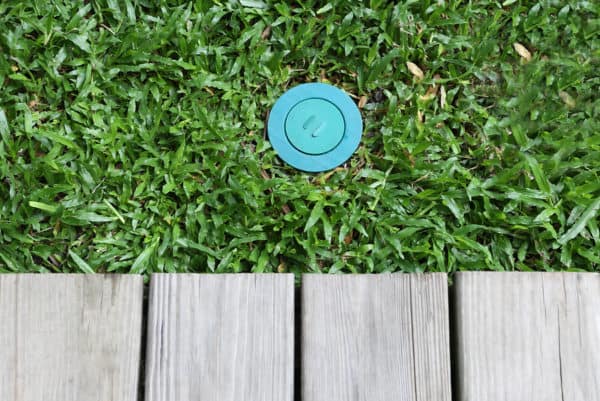
Bait termite treatments use a cellulose-based food product combined with a slow acting pesticide. The bait stations are installed below the ground where termites eat the bait and share it with other termites in their colony. This leads to a gradual decline in the termite population infesting the structure.
If you suspect you have a termite problem, contact a professional termite control specialist. A thorough termite inspection by a trained pest control professional is critical in identifying and eliminating a termite infestation from your home.
You May Also Be Interested In:
: How to Keep Your Grass Green in the Summer
10 Common Spiders in Georgia
5 Ways To Prevent Bed Bugs When Traveling
Do I Really Need Termite Protection?
Wildlife Control: How to Keep Animals Out Of Your Home