May 5, 2020 | Wildlife
With warmer weather here, many animals are beginning to emerge from hibernation and are ready to roam. Unfortunately for many homeowners, that means you may need to start protecting your home from wildlife entering. Pests such as squirrels, mice, raccoons, and more are in search of food and water, two things that can be easily found in your home.
There are a few signs that you can look for if you suspect that you have wildlife inside your home. The first is hearing noises. Some animals tend to sneak in-between walls or find their way up into attics. You can hear them running in your attic or hear scratching noises inside your walls. If you hear these noises and happen to see small openings in walls, it is most likely that these animals are inside your house.
Another sign to look for is seeing droppings from animals. Places to look for these droppings include basements, along baseboards, or even in pantries. Animal droppings can be considered very dangerous as their feces can contaminate the air in your home. The contaminated air contains spores that develop from the fungus grown in animals’ fecal matter, causing illness if breathed in.
Keeping wildlife out of your home can be challenging but with these wildlife prevention tips you can lessen your chance of seeing these animals inside your home.
- Clean out your gutters
- Bring all pet food inside the house and keep them in sealed containers
- Trim back all trees from the roofline of your house
- Keep outdoor trash in tightly sealed containers
- Caulk and seal up entrances around your home
- Remove bird feeders as they can attract squirrels and other animals to your home
Depending on the pest, it’s always best to have a customized plan for removal. Make sure to call your local pest control company who can inspect and create a plan to remove and prevent these animals.

Mar 13, 2020 | DIY, DIY Wildlife Prevention, Wildlife
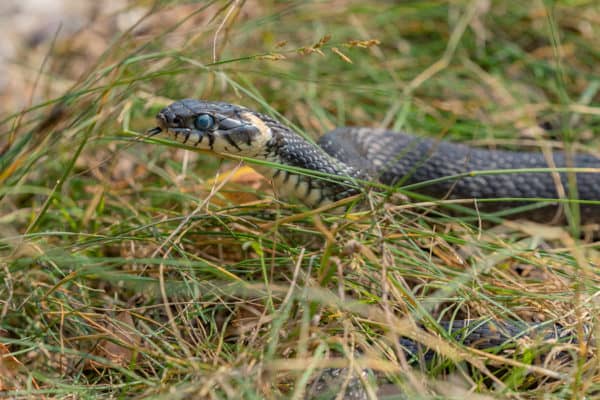
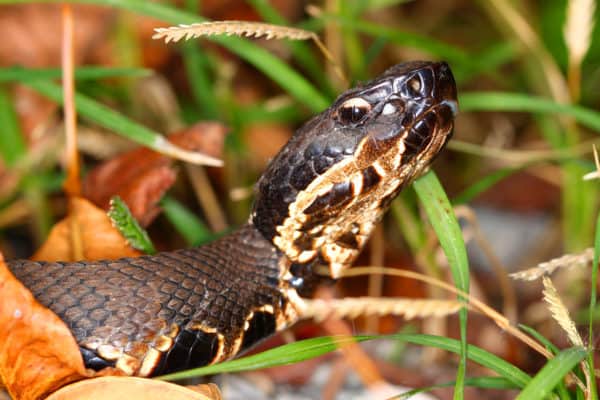
If you live in an area where snakes are common, chances are you may stumble across one at some point. Snakes, like any other pest, are usually in search of three things: food, water, and shelter. Oftentimes the area around our homes provides all of these things that attract snakes.
The likelihood of a snake on your property depends on several factors, including location (north vs south), landscape (urban vs rural), a nearby water source (pond, lake, river), how well your lawn is landscaped and maintained, and how readily a food supply is available.
When dealing with snakes, it is important to identify the type of snake you are dealing with: venomous snakes should be left to a professional to eliminate while non-venomous snakes can often be deterred with natural snake repellent techniques. Here are 4 ways to keep snakes out of your yard:
1. Scare Them Off
One of the easiest ways to scare off a snake from your yard is to use your garden hose. Spray the snake with a steady stream from the hose until he slithers off. Consider installing a perch pole for hawks, owls, and other natural snake predators to alight on. Be sure to place it in an open area so the birds have a good view of your yard and the surrounding area.
2. Repel Them Away
There are some natural products and at-home techniques you can use for snake prevention. Ammonia is a common snake repellent. Snakes hate the smell of ammonia and won’t come near it. Soak rags in ammonia and place them in unsealed plastic bags. Leave the bags where you usually see snakes to keep them away.
You can also use vinegar to keep snakes and other pests out of your swimming pool. Pour white vinegar around the perimeter of the pool. Snakes can absorb the vinegar through their skin, so they will avoid slithering over it once it’s poured on the ground. Snakes also try to avoid humans at all costs. Save hair from your hairbrush and scatter it around the perimeter of your property to help keep snakes away.
3. Don’t Invite Them In
Snakes will come into your yard in search of food, water, and shelter. Eliminating these three basic necessities will make them much less likely to pay you a visit. Mow your grass often and keep it cut short. Shorter grass means more exposure to predators like hawks and coyotes and also makes them much easier for you to spot.
Avoid overwatering your lawn, as this can attract snake food sources like frogs, worms, and slugs. Keep trees, shrubs, and branches trimmed away from the sides of your house, the roof, and the ground. Try to keep a 24 to 36-inch space cleared under trees and shrubs, as this reduces the chance of snakes using them for cover and makes them easier to spot. Move bird feeders away from the house or get rid of them altogether.
Birds often leave seeds scattered underneath which attracts rodents that, in turn, attract snakes. Keep bird seed and pet food stored in metal cans with tight-fitting lids.
Make sure your woodpile is kept away from the home and elevated if possible. When designing your landscaping, try not to use mulch or large rocks, as these create breeding grounds and overwintering habitats for snakes. Instead, try to use smaller, tight-fitting rocks like gravel or river rock. Also, try to avoid using water features and Koi ponds as the water can also attract snakes.
4. Lock Them Out
Snakes can be very persistent pests, and keeping them out can be difficult. Carefully inspect the outside of your home and seal any cracks or crevices you find on the house, sidewalk, and foundations. Consider installing fencing around your yard, garden, or pool.
Fencing should be buried a few inches into the ground and constructed using 1/4″ rigid mesh or solid sheeting. Fencing should also include a bend at the top to prevent snakes from climbing up and over. There are some companies that even make wildlife-specific fencing.
The best way to prevent snakes is to take steps to keep them out in the first place. Dealing with snakes can be dangerous, depending on the type of snake you have. If you have a snake problem, contact animal control or a professional wildlife control company that can help safely trap, relocate, or remove the nuisance snake from your home.
You May Also Be Interested In:
What You Should Know About Termites This Spring
Where Are These Stinkbugs Coming From?
Where Do Roaches Come From?
Summer Wildlife Removal: Common Home Invaders
Mice, Rats, And Other Problem Rodents
Nov 8, 2019 | Wildlife
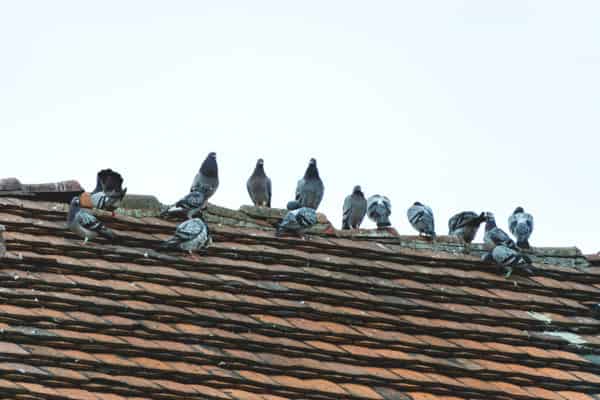
Nesting birds can cause much more damage than one may realize, making bird nest removal a top priority for some homeowners. But why would birds want to build their nests so close to humans? Nesting near, in, or on homes actually provides birds with protection from dangerous predators and helps protect them from extreme temperatures in the environment. Birds will build their nests anywhere that fits the criteria they are looking for. They prefer to nest at higher locations so they can survey the area around them for potential predators while keeping their nests relatively hidden. Bird nests can be found just about anywhere on or around your home. In fact, small birds will even nest in gaps in siding, behind shutters, or even on light fixtures.
So a bird built a nest on your home. Is that bird’s nest dangerous? They can be! Bird droppings contain acid that can corrode metal and concrete and even damage car paint. Debris from nests and bird feathers can clog drains and gutters leading to moisture issues. When nests are built in dryer, fan, or stove vents, they can cause clogs that restrict air flow, cause lint to buildup, and significantly increase the risk of fire. Nests that are built inside attics can cause damage to insulation.
Besides the physical damage to your home, bird nests can also cause health issues for humans. Birds carry pathogens that can be dangerous to the health of you and your family. Nests also contain bird droppings which can carry all sorts of bacteria and other pathogens like histoplasmosis. Nests can also contain parasites, ticks, mites, and other pests that can remain long after birds have vacated a nest.
There are also several federal, regional, and local laws and regulations that restrict or prohibit the relocation, removal, or destruction of bird nests. Without knowing for certain what species of bird has inhabited your home, bird nest removal could be considered illegal and put you at risk for legal ramifications.
The best way to get rid of bird nests is to prevent them from being built in the first place. Here are some steps you can take at home to help prevent birds from nesting in, on, or near your home.
- Eliminate food sources. Birds often nest near homes because they provide an ample supply of food without having to travel far from their nests. Remove food scraps and trash from around your home. Make sure your trash containers are sealed tightly. Keep bird feeders and baths farther out in your yard and only fill them with enough feed for a few birds at a time. Make sure to clean up any spilled birdseed regularly.
- Keep it covered. Birds are notorious for building nests in dryer vents, fan vents, stove vents, and chimneys. Install covers or screens over any open vents. You can also install chimney caps on chimneys. Seal any gaps in siding and shutters.
- Scare them away. Consider installing perch repellents on window sills, ledges, and around the perimeter of your roof. These spikes will prevent birds from alighting on these areas. Consider placing plastic predators like coyotes, snakes, owls, and hawks) on your porch and around your yard. These will spook birds away from your home. Make sure to move them around periodically so the birds don’t get used to them being there. You can also use visual hanging repellents on your porches.
Due to the laws and regulations surrounding bird nest removal and bird protection, it is usually best to call a professional wildlife exclusion company to handle any bird nest issues you may have. These bird control professionals can properly identify the species of bird nesting at your home and properly, humanely, and legally remove it or relocate it from your property.
You May Also Be Interested In:
Which Season is Worst for Bed Bugs?
Pest Control for Businesses: Everything You Need to Know About Commercial Pest Control
Mosquitoes in the South
What Are the Signs of Termites in Your Home?
What Attracts Cockroaches to A Clean House?
May 17, 2019 | Wildlife
While we most often think of wildlife being a problem in the winter months, these animals don’t just disappear when the weather gets warm. Wildlife can still be quite active in the summer, wreaking havoc on our homes and gardens. Whatever the time of year, preventing and controlling these nuisance pests is of the utmost importance, as they not only cause damage to homes and property, but can also pose significant health risks to both humans and pets. Wildlife prevention (also known as wildlife exclusion) is the first line of control against critters; however, once they have established themselves in or around your home, wildlife removal becomes a more necessary option. Let’s look at some common summer wildlife, as well as ways to exclude them from your home.
Snakes
Snakes are cold-blooded animals that require heat and sunlight for energy. They are more active in the summer months because they require more energy for mating. Too much exposure can overheat them so snakes are typically more active in the early morning and late evenings or at night in the summertime. They will also seek out shelter during the hottest parts of the day in cool, dark places like underneath rocks and decks or in basements. Snakes will choose where they live based on the availability of food, shelter, and shade.
To prevent snakes this summer:
- Clear away yard clutter, piles of leaves, and wood.
- Keep your grass mowed short to eliminate coverage.
- Trim bushes and hedges regularly.
- Make sure birdseed doesn’t fall on the ground and clean it up if it does.
- Block access to any potential hibernation areas.
- Walk the perimeter of your home and seal, cover, or repair any crack or crevice that is greater than 1/4″.
- Check your garage, garage doors, windows, and exterior doors for gaps and seal them.
- Seal any gaps around water pipes, electrical lines, sump pumps, and other spots that utilities enter your home.
- Ventilate crawlspaces and repair leaky faucets and pipes as these attract pests which, in turn, attract snakes.
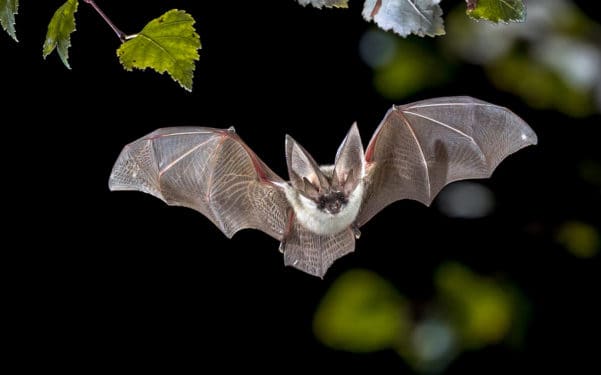
Bats
While bats are scary to many people, they are actually quite beneficial at keeping insect populations down. In the southern United States, many bat species are active year-round. Bats enter homes through openings. They can cause damage in homes by ruining insulation, causing structural damage when their urine soaks through to sheet rock or particle board, and their urine and feces causing health concerns for occupants of the home. Bats also carry serious diseases such as rabies, with 1 to 3 cases of bat transmitted rabies occurring each year. Bats are nocturnal and emerge at dusk in search of food. Female bats search for summer roosts where they stay until they have their young. For this reason, unless there is a threat to public health, eviction or exclusion of bats should not take place between April and August. Colonies will disband in late summer as bats leave for their winter roosts.
To prevent bats in the summer:
- If you have a bat in your home, locate any openings leading to living spaces in your home from attics, garages, walls, etc and seal them off.
- Close all doors to the room where the bat is and open all windows and exterior doors to allow the bat to escape.
- Inspect and caulk any openings on the exterior of your home that are larger than 1/4″.
- Use window screens, chimney caps, and screen vents.
- Fill any electrical and plumbing holes with steel wool or caulk.
- If you find an entry point, cover it with plastic sheeting or bird netting and then once all the bats are gone, seal it off completely.
- Professional removal is recommended. Professional wildlife pest control will:
- Assess any entry points.
- Install one-way systems to allow bats to exit but not return.
- Seal any entry points.
- Clear, decontaminate, and deodorize the affected area.
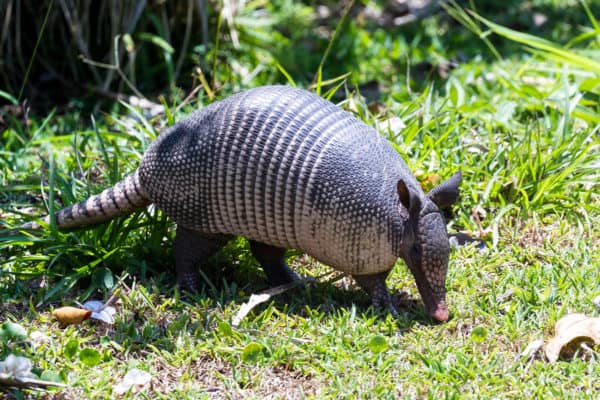
Armadillos
Armadillos mate in the fall, with their young born in the spring, making them very active in the summer months. They prefer habitats near streams or other water sources with sandy or clay soil. They are often found in forests, woodlands, prairies, salt marshes, coastal dunes, pastures, cemeteries, parks, golf courses, and crop lands. They love to nest in rock piles, around trees and shrubs, and under rock slabs. Armadillos dig burrows that can be up to 25 feet long, which can significantly damage tree roots. These burrows can also cause flooding if they are dug around crawlspaces, patios, or walkways. Armadillos have poorly developed teeth and limited mobility. they have poor eyesight but a keen sense of smell. They have very few natural predators. They are strong diggers which they rely on to find shelter and food and causing most of the damage around your home and property. Armadillos will eat fruit (especially from gardens and compost piles), grubs, worms, beetles, wasps, ants, millipedes, centipedes, and snails.
To prevent armadillos in the summer:
- Eliminate food sources by getting rid of insects around your home.
- Clean up any rotten fruit that may fall to the ground.
- Maintain proper landscaping by keeping grass mowed and shrubs and trees trimmed.
- Install sturdy fencing that goes at least 1 foot into the ground and at a slight angle.
- Eliminate any areas of excess moisture in your yard as this leads to more grubs and worms.
- Set traps and relocate the armadillos.
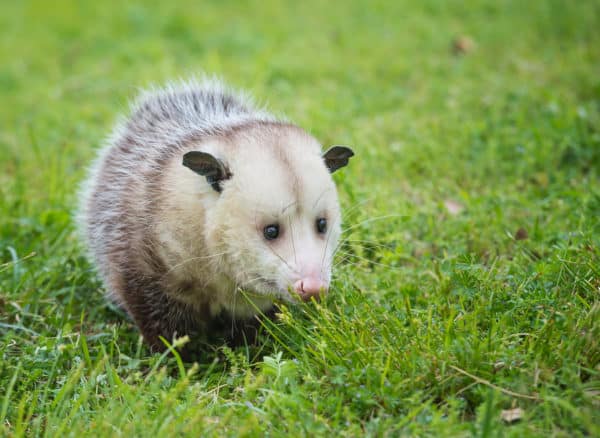
Opossums
Opossum females are laden with their young in the summer months, making them more active in their search for food. Opossums are found throughout the United States. They live in trees and will stay in them as much as possible. They also prefer wet areas like marshes and swamps. Opossums are nocturnal and will forage for food at night. They are beneficial in they eat harmful and unwanted pests around your home. They prefer to eat snails, slugs, spiders, cockroaches, rats, mice and snakes. They will also eat nuts, grass, fruit, roadkill, and garbage. They are rarely aggressive and will play dead when they feel threatened.
To prevent opossums this summer:
- Don’t leave pet food or water out overnight.
- Don’t leave garage doors, pet doors, or unscreened windows open at night.
- Pick up any fruit that has fallen from trees.
- Cover garbage cans at night.
- Clear out any dense bushes, shrubbery, or woodpiles.
- Keep swimming pools and hot tubs covered at night.
- Keep trees and shrubbery trimmed away from fences.
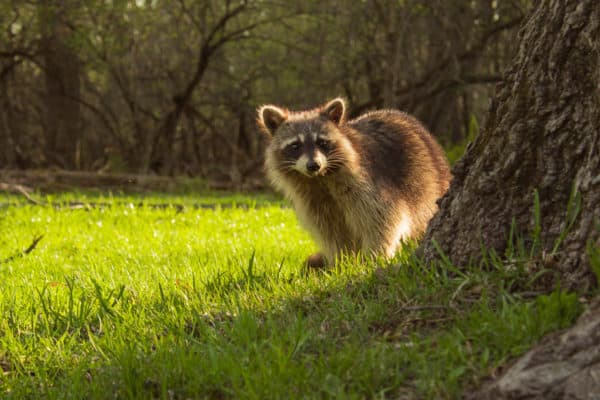
Raccoons
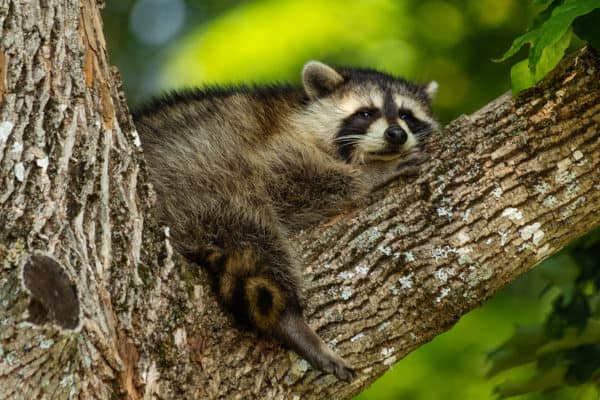
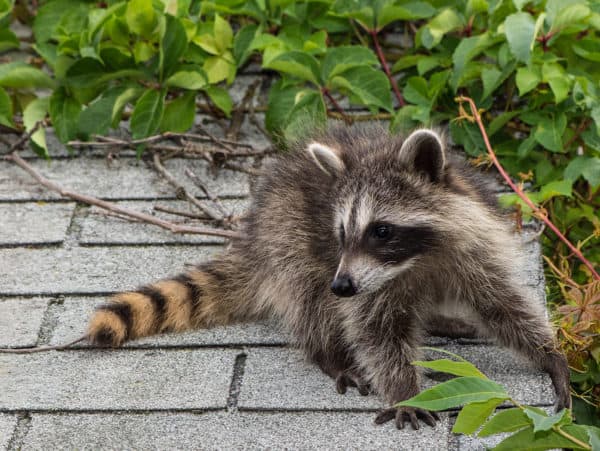
Raccoons are highly intelligent and curious animals. They typically give birth to their young in April and May, making them very active in the summer months. They are found throughout the United States. They prefer to live in heavily wooded areas with access to trees, water, and vegetation. They are extremely adaptable, however, and will make their homes in attics, sewers, barns, and sheds. They are dexterous, capable of opening doors, jars, bottles, and latches. They are known to carry several bacterial diseases. Raccoons are nocturnal animals, searching for food at night. They will eat almost anything including birds, eggs, fish, shellfish, frogs, fruit, insects, nuts, seeds, and even snakes. They are known to destroy gardens, tip over garbage cans, and cause structural damage in their quest for food.
To prevent raccoons this summer:
- Secure trash can lids, especially at night.
- Double bag any trash that contains meat.
- Remove brush and keep shrubbery trimmed.
- Keep grass mowed short.
- Seal any entry points to chimneys, eaves, and attics.
- Install motion detecting sprinklers or strobe lights.
- Remove any fallen fruit from trees.
- Bring bird feeders and pet food in at night.
- Seal pet doors at night.
Rats
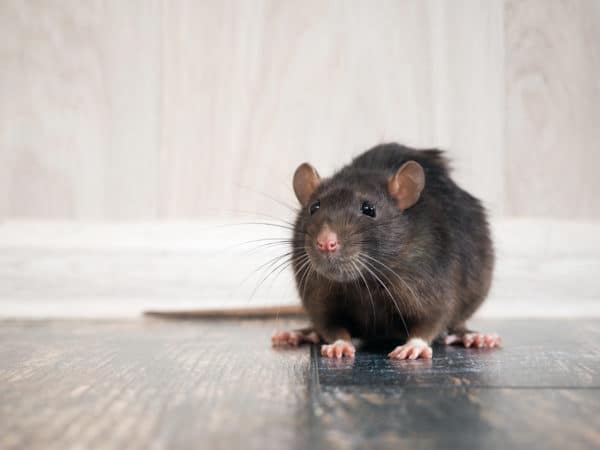
Rats are active year-round. The summer provides them with ample sources of food making them very active. They are also busy making burrows and storing food in preparation for the winter. Rats can reproduce very quickly so control and elimination can be extremely difficult. They are excellent climbers and are well adapted to living in human environments. Rats can contaminate food, cause fire hazards by chewing through wires, and their urine and feces can cause serious health concerns.
To prevent rats this summer:
- Fill or seal any cracks, crevices, and holes found in foundations or siding.
- Install chimney caps and cover vents with screens.
- Replace any torn screens on windows and doors.
- Remove clutter from garages and storage areas.
- Try to use plastic storage bins versus cardboard boxes.
- Store firewood away from your home.
- Remove bird feeders and pet food at night.
- Keep food and pet food stored in airtight containers.
- Use trash cans with lids.
- Keep your kitchen clean from crumbs and spills.
- Empty the trash regularly.
Prevention is always a good first step at keeping wildlife away. Once you have a wildlife issue, however, prevention usually needs to shift to removal and exclusion. Consider contacting a professional wildlife control company who can assess your wildlife issue and provide you with the safest and most appropriate treatment and prevention options.
You May Also Be Interested In:
How Long Does A Mosquito Treatment Last?
Summer’s HOT Temperatures Damage Your Lawn?
Are You Ready For Termite Season?
The American Cockroach
How To Protect Yourself From Bed Bugs on Spring Break
Jan 19, 2019 | Pest Control
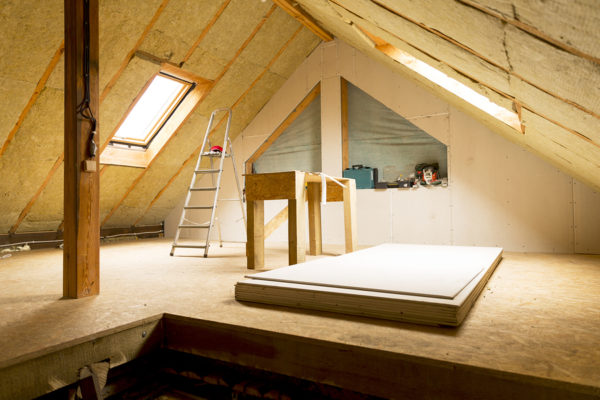
With the start of a new year, you may have begun to purge your home of unnecessary items or mapped out a major cleanup day. While the most lived in rooms are probably on your radar – the kitchen, bathroom, living room, and bedrooms – areas like your basement and attic can become catch all-areas or forgotten altogether. These neglected spaces are then susceptible to pest invasions and other home issues.
Prevent Pests with these Basement & Attic Pest Control Tips:
- Inspect insulation around your basement. Replace weather-stripping, seal any cracks and crevices, and repair any mortar that is found to be loose.
- When moving stored items to your basement or attic, consider utilizing plastic, sealed containers that are raised off the floor. Cardboard boxes tend to attract pests while plastic bins will deter them from settling inside your stored items.
- To cut down on moisture and areas of standing water, consider investing in a moisture barrier for your crawlspace and a gutter protection system to make sure water is not filtering to your crawlspace/basement area.
- Proper attic insulation is key to keeping pests and wildlife out of your home. While sealing any entry points is a great start, investing in TAP Attic Insulation not only acts as pest control, but can also lower your utility costs significantly.
These tips are only part of your healthy home journey. Schedule a pest inspection with a licensed exterminator, who can identify current pest issues, potential pest threats in the future, and provide a personalized pest control plan for ongoing prevention.
You May Also Be Interested In:
Pest Control: Where Do Pests Go In The Winter?
Wildlife Control: Sneaky Wildlife – Possums and Raccoons
: 10 Ways To Care For Your Lawn In Extreme Heat
Termite Control: 10 Things You Didn’t Know About Termites
Is Green Pest Control Worth The Investment?