Apr 11, 2023 | Pest Control
Alabama Pest Control: Common Household Flies
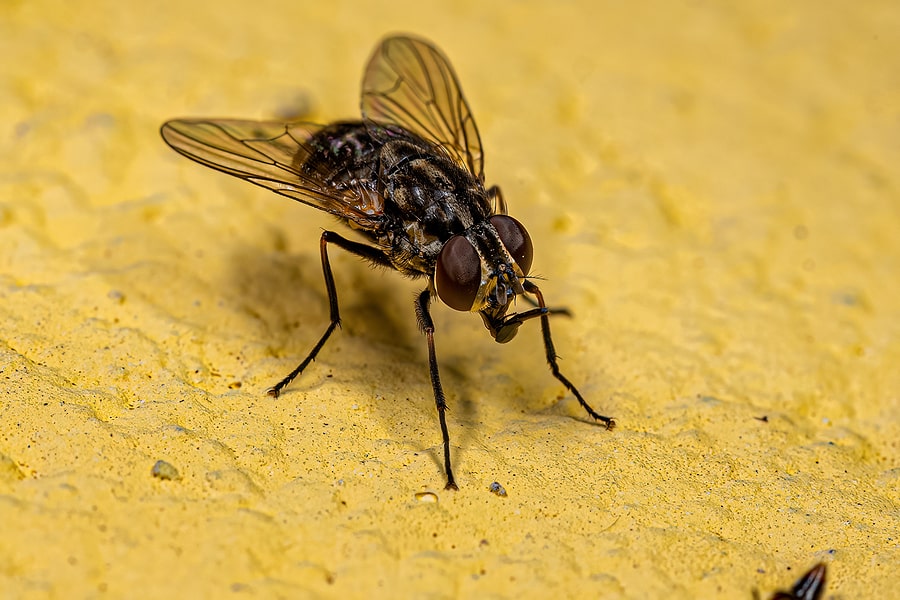
Whether inside or outside, flies can be a huge annoyance. These small pests seem to find their way back into your space after you’ve already swatted them away multiple times! At a glance, you might be able to tell what kind of fly it really is, but they can all look the same. Each type of fly has its own set of characteristics. Let’s break down the common flies you might see in your Jasper, Alabama home.
House Fly
Being the most common out of all the flies, this easily identifiable pest is widespread throughout the United States. House flies can be spotted with red eyes and gray, hairy bodies. These types of flies don’t have teeth or stingers, so they feed off liquids found from human food, animal carcasses, and garbage.
While they can’t sting humans, they can spread more than 100 different pathogens including salmonellosis, typhoid, and tuberculosis. They also contaminate food surfaces by spreading diseases picked up on their legs and mouths when feeding on any trash or feces.
Fruit Fly
These oval-shaped insects are known for rapidly reproducing and can be found indoors year-round. Fruit flies are attracted to and eat rotting food; more specifically they tend to gravitate towards fruits and vegetables. They are known to breed in dark, moist areas like drains, disposals, and trashcans. They also lay around 500 eggs that can hatch in as little as 24 hours.
These pests also don’t sting or bite, but they can contaminate foods with dangerous bacteria and disease-causing pathogens.
Drain Fly
These moth-like flies are commonly found in dark, damp conditions, like drains. Drain flies don’t bite, but their presence can aggravate asthma in some people. These household pests appear light gray to tan with a dark border around their wings.
If you have an infestation of any species of fly in your Jasper, Alabama home, then contact your local pest control company to discover a treatment and prevention plan best for you!
Apr 11, 2023 | Bed Bug
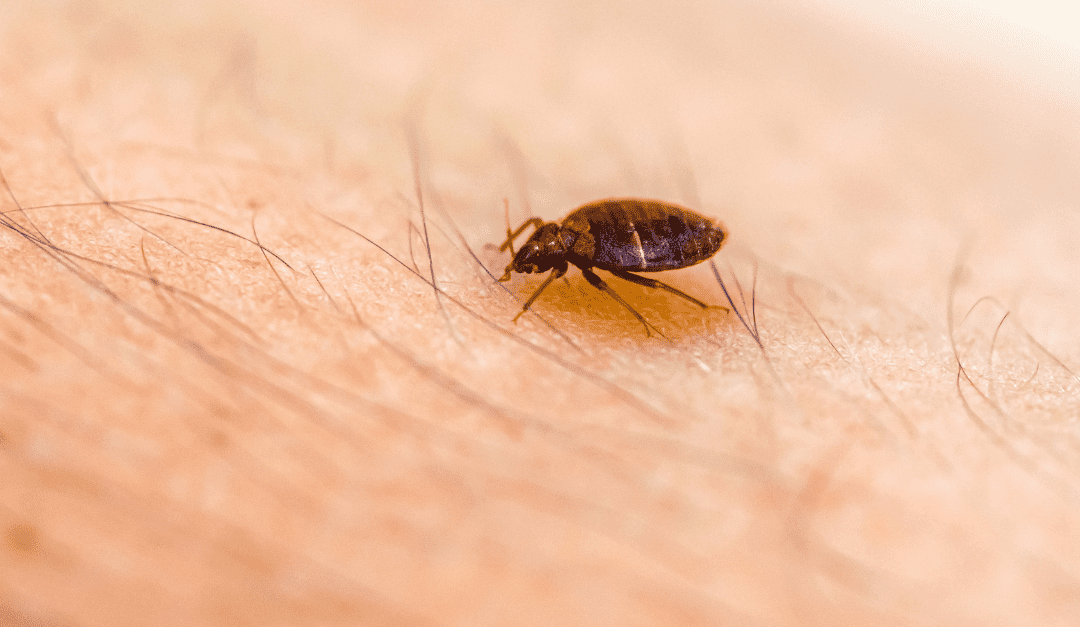
Bed bugs are tiny insects that are notorious for infesting bedding, mattresses, and furniture. They are often found in hotels and other accommodation facilities, making travel a common way to pick them up. Bed bug infestations are not only annoying but can also lead to health problems. Therefore, it’s important to take steps to prevent bed bugs while traveling. Let’s discuss some tips on how to prevent bed bugs while traveling.
Research Your Accommodation
Before booking your accommodation, it’s important to research it thoroughly. Check online reviews and ratings to see if any guests have reported bed bug problems. If you find several negative reviews, it’s best to look for alternative accommodation.
Check Your Room Thoroughly
Once you arrive at your accommodation, inspect your room for bed bugs. Start by checking the mattress, bed frame, headboard, and box spring. Look for black spots or bloodstains, which are signs of bed bug activity. You may also spot actual bugs or their shed skins. Additionally, check the furniture, curtains, and carpet for any signs of bed bugs.
Keep Your Luggage Off the Floor
These pests can easily climb onto your luggage if it’s placed on the floor, so it’s best to keep it off the ground. Use a luggage rack or place your luggage on a hard surface such as a table. Avoid placing your luggage on upholstered furniture or the bed.
Use Protective Covers
Using protective covers for your mattress and box spring can help prevent these household pests from infesting them. These covers create a barrier that prevents them from entering or escaping from the mattress and box spring.
Wash Your Clothes in Hot Water
If you suspect that your clothes may have come into contact with bed bugs, wash them in hot water as soon as possible. These pests cannot survive in temperatures above 120°F, so washing your clothes in hot water and drying them on high heat can kill any bed bugs that may be present.
Be Cautious When Using Shared Spaces
When using shared spaces such as the hotel gym or laundromat, be cautious. Bed bugs can easily hitch a ride on your clothes or bag, so it’s best to keep your belongings in a sealed bag and avoid placing them on the floor. After using shared spaces, inspect your belongings carefully and wash them in hot water.
Bed bugs are a common problem when traveling, but by taking the necessary precautions, you can prevent them from infesting your luggage and coming home with you. If you suspect you have a bed bug infestation, reach out to your local pest control company to create the best plan of action.
Apr 10, 2023 | Pest Control
Tennessee Pest Control: Preventing Pantry Pests
The last thing you want to find in your pantry is pests. Known as pantry pests, these types of insects like to invade your stored food products and lay their eggs inside. What kind of creatures would want to invade our stored food? Let’s break it down.
Pests like beetles, weevils, and moths are the most likely culprits to invade your pantry. Although not the only kind to invade, these are the most common types that you will see and they include saw-toothed grain beetles, Indian meal moths, rice weevils, and drugstore beetles.
To know if you are dealing with a pantry pest infestation, be sure to check boxes of food for unusual things like eggs, larvae, and live beetles, moths, or weevils. These pests won’t be exclusively in open boxes, so make time to check most boxes of food.
Prevent Pantry Pests
There are two ways that these pests can find their way inside your Tennessee home. The first way involves flying or crawling in through exterior windows, doors, cracks, crevices, and other openings. The second way is coming in with your recently purchased dry food products. Keeping these in mind, here are a few pantry pest prevention tips to keep them away:
- Refrain from buying boxes of food that are unsealed or damaged
- Seal holes, cracks, and gaps in or around your home
- Make sure your windows and doors are sealed properly
- Repair serious damage to your home’s exterior
If you believe your pantry has been infiltrated by pantry pests, then give your local pest control company a call today for a free inspection!
Apr 7, 2023 | Termite Control
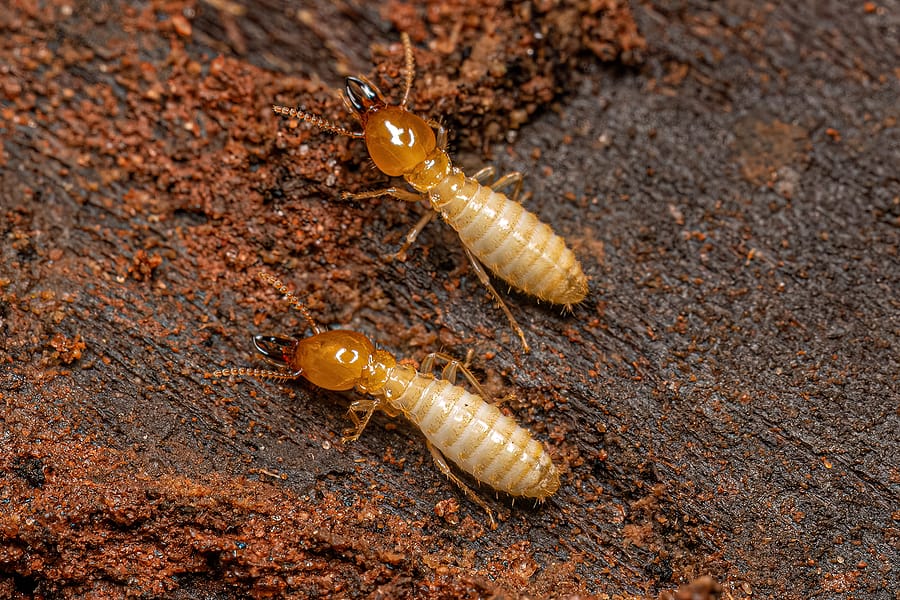
Subterranean termites are a frequent problem for homeowners. They are highly destructive insects that can cause extensive damage to your home if left unchecked. It’s critical to act as soon as you suspect an infestation. Let’s break down how to discover a termite infestation and how to handle it.
Identify the Problem
The first step to handling a subterranean termite infestation is to identify the problem. Look for the signs of termite activity, including mud tubes, which are pencil-sized tubes of mud that termites use to travel from their nests to your home; and wings, which termites shed as they establish new colonies. If you find evidence of termites, it’s essential to act quickly.
Inspect Your Home
The next step is to inspect your home thoroughly. Look for any areas that might be open to termite activity, such as wood that is in contact with soil, moisture-damaged wood, and wood that is close to plumbing or heating systems. Pay special attention to the foundation, crawl spaces, and basements, as these are the areas where termites are most likely to enter your home.
Call a Professional
If you suspect you have a termite infestation, it’s important to call a professional pest control company. They have the expertise and equipment to accurately diagnose and treat the problem. A local termite control company can also advise you on the best course of action to prevent future infestations.
Take Preventative Measures
To prevent future termite infestations, you should take a few preventative measures. Keep firewood, piles of leaves, and other organic matter away from your home’s foundation. Ensure proper ventilation in your crawl spaces and basements. Seal any cracks or holes in your foundation and fix any leaks or moisture problems in your home.
If you suspect you have a termite infestation, it’s important to act as soon as possible. With the right help, you can successfully handle a termite infestation and protect your home from further damage. Give your local pest control company a call today for a free termite inspection!
Apr 6, 2023 | Pest Control
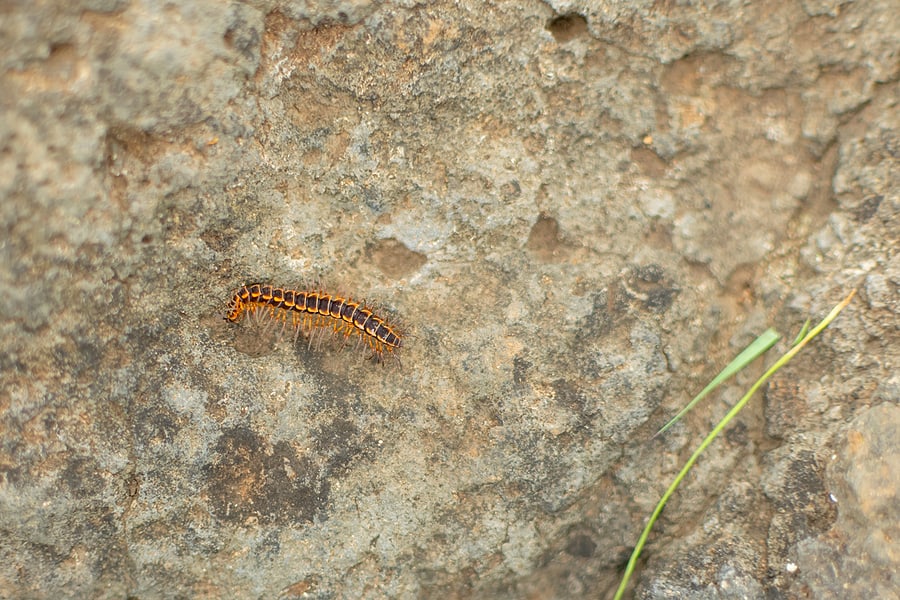
Centipedes are arthropods that often make their way into our homes. Because they love moisture, they are often found in kitchens, basements, laundry rooms, and other humid areas of your house. These pests are easily identifiable with long antennae, yellow to dark brown body color, small mouths, worm like bodies, and many legs. While their name suggests they have 100 pairs of legs, they can actually have anywhere from 13 to 177 pairs, depending on their age and species.
Centipedes will come indoors in search of moisture, food, or to escape predators outside. Common predators of centipedes include birds, chickens, toads, snakes, frogs, mice, spiders, beetles, and even badgers.
If you find a centipede in your home, your first instinct may be to immediately get rid of it. But should you kill a centipede in your house? There are several reasons you shouldn’t, including:
- They pose no threat to humans. While they can bite and do have venom glands in their mouths, this is rare and poses no threat to your health.
- They don’t nest indoors.
- They don’t cause damage to your home.
- They are beneficial to keep around as they eat other pests you may have around your home, such as insects, worms, roaches, and mollusks.
Consider relocating centipedes outdoors instead.
Centipedes can be avoided by removing the factors that attract them in the first place. Seal any foundation cracks, holes, and gaps, as well as gaps around doors and windows. Fix any leaks and remove any standing water. Keep wood and leaf heaps away from your house. Clear out your home, garage, and basement. Regular pest control service will keep pests under control. If you have a problem with centipedes or any other household pests, contact your local pest control company for an assessment.
You May Also Be Interested In:
Atlanta Honeybee Relocation Services Benefits
Your Spring Pest Control Checklist
How to Prevent Silverfish
Innovative Mosquito Control: In2Care
Is There An Orb Weaver Season?