Florida is no stranger to dealing with stinging pests! These insects can become a real nuisance to your Bonita Springs property once they have invaded your yard and can pose a health risk to your family. Let’s review some common stinging pests in Florida and how you can avoid them on your property.
Common Stinging Pests in Florida
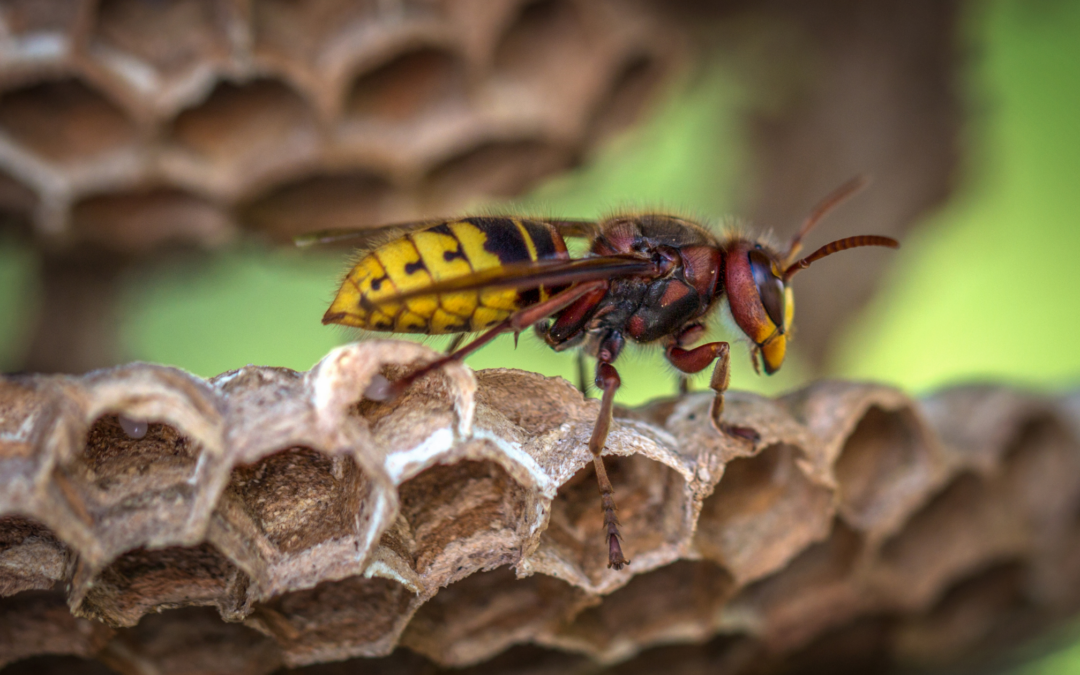
Hornets: Large and can be aggressive, hornets can pack a powerful sting! These pests build large paper nests in hollow trees, bushes, and attics. Hornets are attracted to light and will often fly into windows at night, infesting the inside of your home. Hornets do not hesitate to sting if they feel threatened.
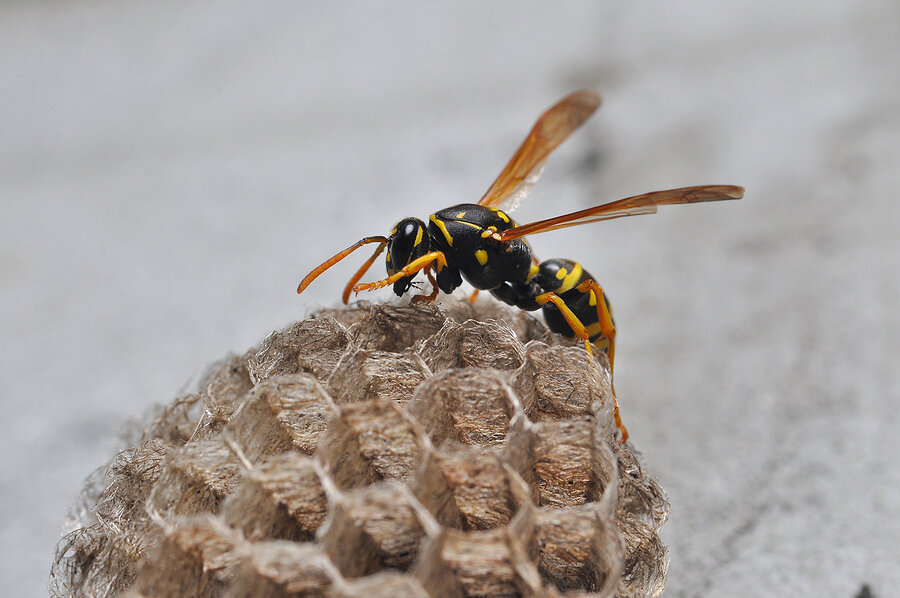
Wasps: These pests will build their nests on branches, porch ceilings, eaves, and attic rafters. If wasps feel threatened, they will sting multiple times and call on reinforcements by emitting pheromones.
Yellowjackets: These stinging insects tend to nest in the ground and inside wall voids, where their colonies can number up to 4,000! Yellowjackets are territorial and will sting humans, often causing allergic reactions.
Fire Ants: These pests are small but known for their painful sting. Fire ants will build large mounds in lawns, gardens, and even HVAC systems! If a fire ant stings you, it can be painful and often result in a raised welt.
Preventing Stinging Pests
Stinging pests are most active during summer and early fall, so it’s crucial to start placing preventative measures throughout your property to avoid their infestation! Check our tips and tricks on avoiding stinging insects:
Keep your garbage cans covered with a tightly sealed lid.
Thoroughly inspect the exterior of your home for any openings or gaps in your screens, doors, and windows; fix any openings as soon as possible.
At night, keep your doors and windows shut and turn your outside lights off.
Sweet smelling perfumes or cologne can attract stinging pests, so it’s best to avoid wearing them when you’ll be outdoors for long periods of time.
When eating food outside, make sure to place it in sealed containers and clean up any trash, spills, and crumbs after you have eaten.
If you happen to be stung by a stinging insect, it’s best to seek medical attention immediately. Likewise, if you’ve seen an influx of stinging pests on your property, it’s best to contact a pest control company near you. Removing nests can be extremely dangerous, so it’s best to leave it to the professionals who will safely remove the nest and provide you with recommendations on preventing these common stinging pests in the future.
By Jason Womack, Quality Assurance Inspector — Northwest Family of Brands · Last updated: July 2026 Reviewed for accuracy by Cory Goeltzenleuchter, B.C.E., P.H.E., CP-FS — Director of Technical Services, Northwest Exterminating
Quick answer: The most effective backyard mosquito control combines source elimination (removing standing water where mosquitoes breed), habitat modification to reduce resting sites, and targeted yard treatments such as barrier sprays or biological stations. In the Southeast, where heat and humidity extend the mosquito season, professional treatment every 21 to 30 days delivers the most consistent protection.
Mosquitoes aren’t just annoying. They’re a genuine public health concern. According to the CDC, mosquitoes transmit diseases including West Nile virus, Eastern equine encephalitis, and dengue fever. For homeowners across Georgia, Tennessee, Alabama, and the Carolinas, the combination of warm temperatures, high humidity, and frequent rainfall creates near-ideal breeding conditions from spring through fall.
The good news: mosquito pressure is manageable. A layered approach, starting with breeding site elimination and finishing with targeted treatment, can dramatically reduce the mosquito population in and around your yard. This guide walks through each step, explains what professionals do differently, and helps you decide when a DIY approach is enough and when it isn’t.
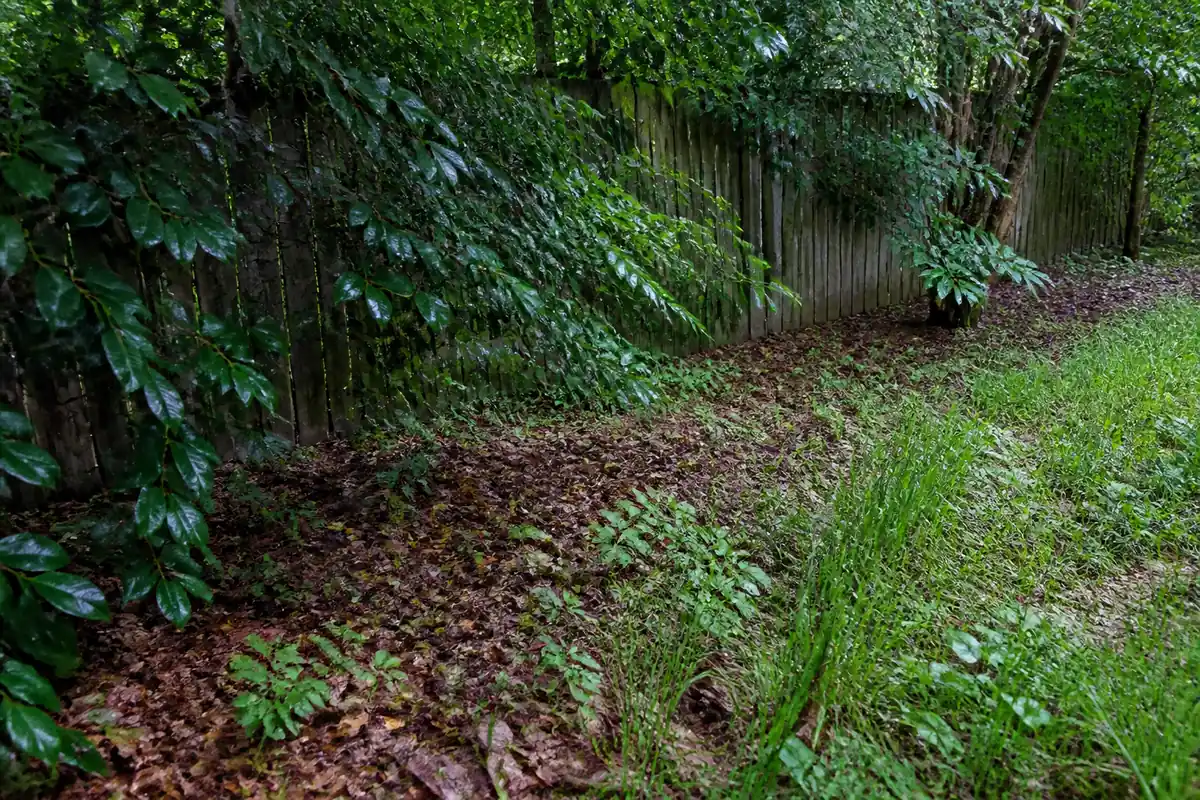
A shaded, wooded backyard is exactly the kind of setting where mosquito pressure builds through the Southeast season.
The Short Answer: Start With Standing Water
If you only do one thing, eliminate standing water. Mosquitoes need as little as a half-inch of water to lay eggs, and larvae can develop into biting adults in as few as seven days. Every container, clogged gutter, or low-lying area that holds water after rain is a potential breeding site.
Source reduction alone won’t eliminate mosquitoes (adult females fly in from neighboring properties and wooded areas), but it cuts off the reproduction cycle happening on your property. Combined with habitat modification and treatment, it forms the foundation of effective mosquito control.
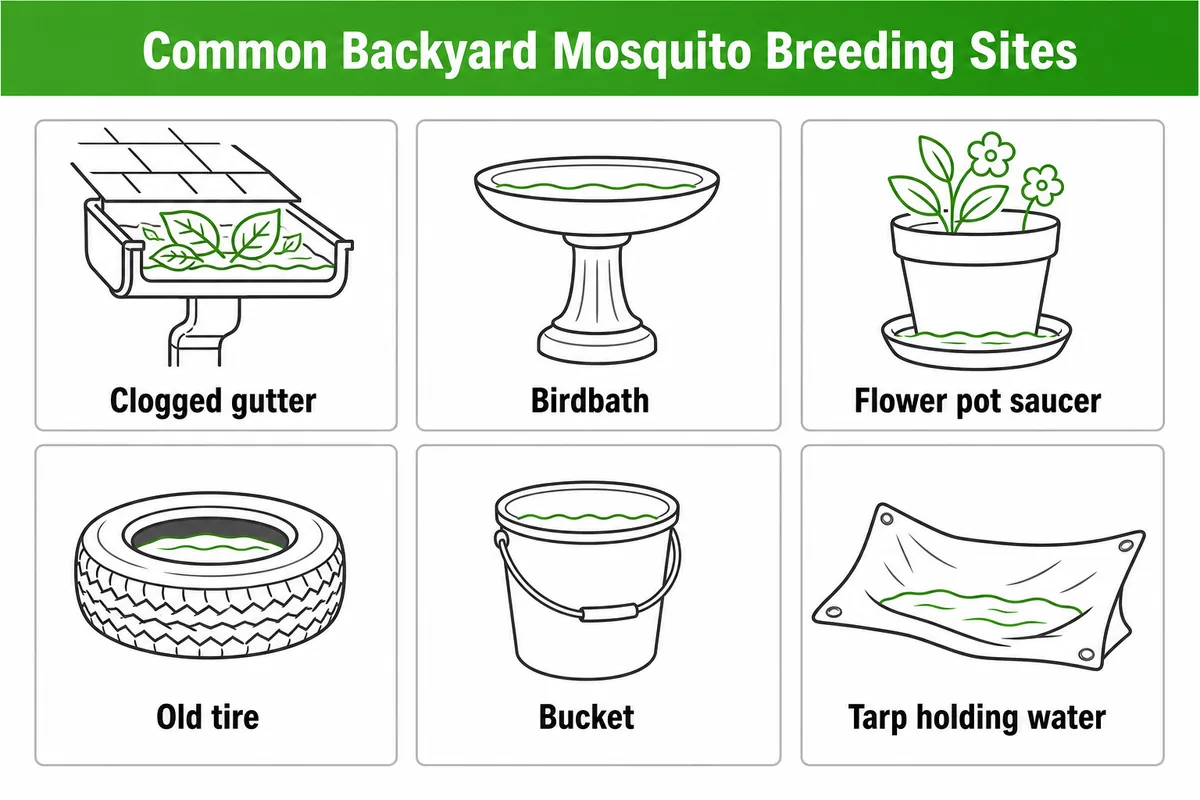
Mosquitoes need only a half-inch of water to breed, so every container and clogged gutter is a potential nursery.
Step 1 — Eliminate Mosquito Breeding Sites
Start with a thorough walk of your property. You’re looking for anything that holds water, including items you may not immediately associate with mosquitoes.
Common breeding sites to address:
Clogged gutters (one of the most frequently overlooked sources)
Birdbaths (refresh water every three to four days)
Flower pot saucers and trays
Tarps, pool covers, and children’s toys left outdoors
Low spots in the lawn that stay wet after rain
Old tires, buckets, or unused containers
Tree holes and hollow stumps
AC condensate drain lines that drip onto mulch or soil
“The number one breeding source homeowners overlook in Southeast yards is the gutter system,” says Matthew “Logan” Walker, Area Technical Leader for the Northwest Service Centers in Georgia. “Gutters clogged with debris hold water for days after rain. A homeowner can walk the entire yard and still miss what’s happening six feet above their head.”
For water features you want to keep (birdbaths, decorative ponds, rain barrels), use Bti (Bacillus thuringiensis israelensis) dunks or granules. Bti is a naturally occurring bacterium that kills mosquito larvae without harming birds, fish, or beneficial insects.
Adult mosquitoes rest in shaded, humid vegetation during the day, so thinning harborage lowers the biting population.
Step 2 — Make the Yard Less Inviting
Adult mosquitoes don’t spend their time flying. During the heat of the day, they rest in shaded, humid areas: thick shrubs, tall grass, dense groundcover, and leaf litter. Reducing these harborage areas lowers the population of resting adults that will emerge to bite at dawn and dusk.
Habitat modifications that make a measurable difference:
Mow the lawn regularly and keep grass trimmed
Prune shrubs to improve air circulation and reduce humidity at ground level
Clear leaf litter from garden beds and around the base of trees
Trim overhanging vegetation along fence lines and property edges
Avoid overwatering landscaping, which creates moist soil conditions mosquitoes prefer
If you’re interested in adding plants with natural repellent properties, citronella grass, lemongrass, basil, and marigolds all produce compounds mosquitoes find deterring. Positioned near patios and seating areas, they add a useful layer, particularly when leaves are bruised or brushed to release their oils. That said, plants reduce nearby mosquito activity; they don’t eliminate a yard-wide population.
Step 3 — Treat the Yard
Once breeding sites are addressed and harborage is reduced, targeted treatment handles the adult mosquitoes already present and prevents new ones from establishing.
What Are the Most Effective Mosquito Yard Treatments?
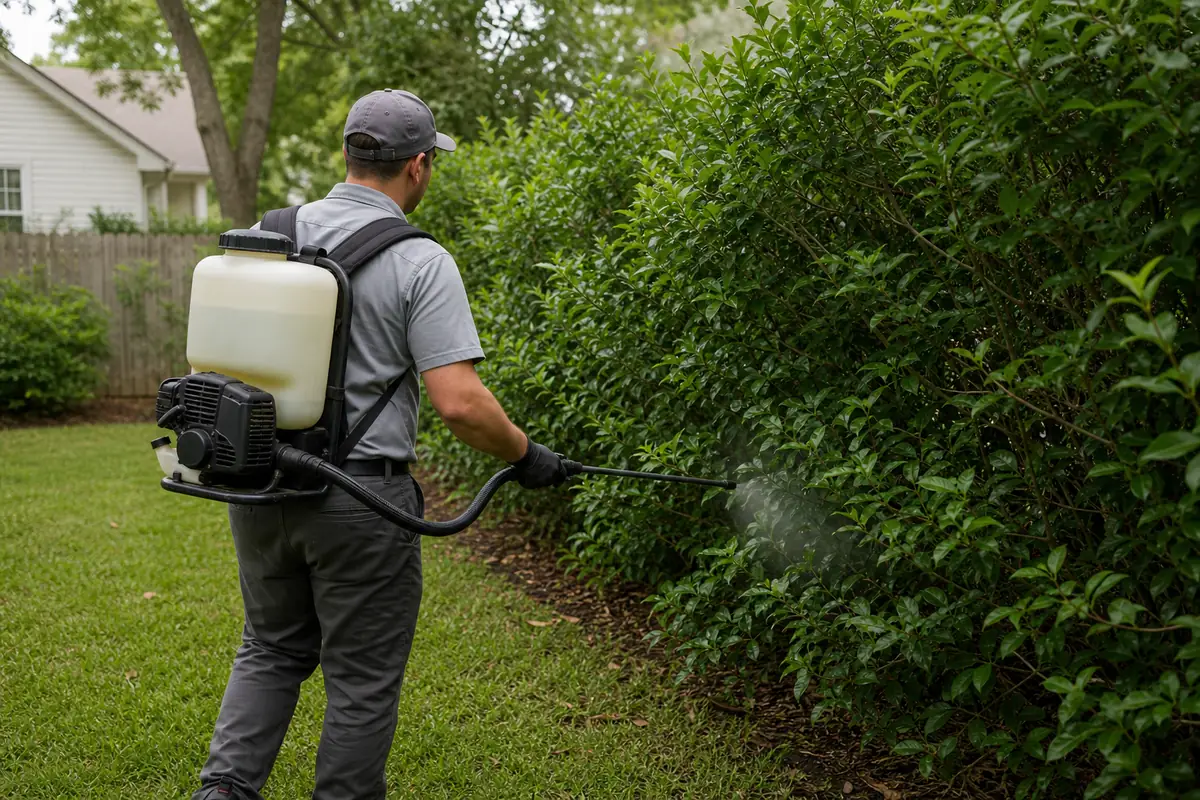
Barrier spray treatments are the most widely used professional option. A technician applies a residual insecticide to the foliage, shrubs, and shaded areas where adult mosquitoes rest. A well-applied barrier spray remains effective for 21 to 30 days in Southeast conditions, though heat, rain, and heavy foliage can shorten that window.
Biological control with In2Care stations offers an alternative for homeowners who prefer to minimize broad insecticide applications. In2Care mosquito stations attract egg-laying female mosquitoes using a biological lure. The station contains a larvicide-laced medium that mosquitoes carry back to additional breeding sites, treating water sources a technician may not be able to directly access. The active ingredient, Beauveria bassiana, is a naturally occurring fungus. In2Care stations work continuously between service visits and are particularly effective when used as part of a broader program.
Larvicides target the larval stage in standing water that can’t be fully eliminated: decorative ponds, retention areas, and drainage features. Bti-based products and surface films that prevent larvae from reaching the surface to breathe are both effective options.
Comparison: DIY vs. Professional Mosquito Treatment
Factor
DIY Store Sprayer
Professional Treatment
Coverage
Limited by reach and volume
Full yard, including canopy and harborage zones
Product strength
Consumer-grade formulations
Professional-grade residual products
Breeding site ID
What’s visible at ground level
Trained inspection, including gutters, structure, and drainage
Treatment frequency
Variable
Scheduled every 21 to 30 days
Biological options
Limited
In2Care and larvicide integration
Consistency
Dependent on homeowner follow-through
Maintained on a program schedule
“A homeowner with a store-bought sprayer can treat what they can see,” says Jason Womack. “A trained technician knows where mosquitoes actually rest and breed, which is often in the upper canopy of shrubs, in gutters, or in water sources the homeowner doesn’t realize are a problem. That changes what gets treated and how effective the outcome is.”
Step 4 — Personal and Patio Protection
Yard treatment reduces the population. Personal and patio protection handles the ones that get through.
Personal repellents: EPA-registered repellents containing DEET, picaridin, or oil of lemon eucalyptus (OLE) provide reliable bite protection. Apply to exposed skin before going outdoors, especially at dawn and dusk when mosquito activity peaks.
Patio fans: Mosquitoes are weak fliers. A fan set on outdoor seating areas disrupts their flight and reduces landings significantly. It’s one of the simplest, most underused tools in backyard mosquito management.
Clothing choices: Wear light-colored, loose-fitting clothing when spending time outdoors during peak hours. Permethrin-treated clothing provides additional protection for extended outdoor activity.
Screens and entry points: If mosquitoes are getting indoors, check window and door screens for tears or gaps. Review our guide on dealing with mosquitoes in the house for additional steps.
Mosquito traps: Traps that use CO2 or octenol lures can supplement control in a managed yard. They work best as part of a broader program, not as a standalone solution.
For more on what mosquito bites mean for your health and how to identify concerning species, see our mosquito bite guide.
When to Call a Pro
DIY approaches work well for light to moderate mosquito pressure in well-maintained yards with limited standing water. In many Southeast properties, though, the conditions that drive mosquito activity (wooded lots, proximity to water, dense landscaping, drainage challenges) require a level of inspection and treatment that consumer tools can’t match.
Call a professional when:
DIY treatments aren’t holding between applications
Your yard backs up to woods, water, or poorly maintained neighboring properties
You’re dealing with disease-carrying species such as the Asian tiger mosquito (Aedes albopictus), which is common throughout the Southeast
You have children, elderly family members, or pets who spend significant time outdoors
You want a consistent, season-long program rather than reactive spot treatments
Professional programs are most effective when they run on a scheduled basis. A one-time treatment reduces pressure temporarily; a recurring program keeps it managed across the full season.
Local Relevance — Southeast Yards
Georgia, Tennessee, Alabama, and the Carolinas share a climate that extends mosquito activity well beyond the summer months. In much of the region, mosquitoes are active from March through October, and in warmer years or in the southern portions of the service area, that window stretches further.
Several factors make Southeast yards particularly challenging:
Tree canopy and shade. The region’s oak, pine, and hardwood canopy creates the cool, shaded resting zones mosquitoes prefer. More canopy means more harborage and more humid microenvironments at ground level.
Rainfall patterns. Frequent afternoon and evening thunderstorms throughout the summer constantly replenish standing water. Breeding sites that are emptied one week are refilled the next.
Asian tiger mosquito pressure. Aedes albopictus is well established throughout the Southeast. Unlike the common house mosquito, Asian tiger mosquitoes bite aggressively during daylight hours, breed in very small containers, and are harder to avoid through timing alone.
Treatment frequency in Southeast conditions: “In Georgia and the Carolinas, we typically recommend treatments on a 21-day cycle during peak season,” says Matthew “Logan” Walker, Area Technical Leader for the Northwest Service Centers in Georgia. “Heat and humidity break down residual products faster than in cooler climates, and rainfall resets breeding conditions constantly. Spacing treatments further apart means you’re spending part of the season unprotected.”
Northwest Exterminating serves homeowners across the Southeast with mosquito control programs designed around regional conditions, including barrier spray and In2Care station options tailored to the level of pressure on your property.
Professional barrier treatments target the shaded foliage where adult mosquitoes rest between feedings.
Take Back Your Yard This Season
Effective backyard mosquito control isn’t a single action. It’s a system. Remove the breeding sites. Reduce the harborage. Treat the yard on a consistent schedule. Protect yourself and your patio during peak hours. Each layer reinforces the others, and the result is a yard that’s genuinely usable from spring through fall.
If you’re ready to stop managing mosquitoes one treatment at a time, Northwest can help. Our technicians inspect your property, identify what’s driving pressure, and recommend a program that fits your yard and your goals.
Call (888) 466-7849 to schedule an inspection with your local Northwest branch.
Frequently Asked Questions About Backyard Mosquito Control
What is the best backyard mosquito control method?
The most effective backyard mosquito control combines three layers: eliminating standing water where mosquitoes breed, reducing shaded harborage areas where adults rest, and applying targeted yard treatments such as barrier sprays or biological In2Care stations. No single method eliminates mosquitoes alone. Used together on a consistent schedule, these steps dramatically reduce populations and keep yards protected throughout the season.
How do I get rid of mosquitoes in my yard naturally?
Natural mosquito control starts with removing standing water, which cuts off reproduction at the source. Bti (Bacillus thuringiensis israelensis) dunks treat water features without chemical insecticides. Repellent plants such as citronella grass, lemongrass, and basil near seating areas reduce nearby activity. Patio fans disrupt mosquito flight. These approaches reduce exposure, but in areas with high mosquito pressure, particularly in the Southeast, they work best alongside professional treatment rather than as a complete replacement.
How often should I treat my yard for mosquitoes?
In Southeast states including Georgia, Tennessee, Alabama, and the Carolinas, professional barrier spray treatments should be applied every 21 to 30 days during active mosquito season. Heat, humidity, and frequent rainfall break down residual products faster than in cooler climates, which shortens the effective window. Biological programs using In2Care stations provide continuous action between visits and can extend the effectiveness of a scheduled program.
Do mosquito yard sprays actually work?
Yes, when applied correctly and on a consistent schedule. Professional barrier sprays target the shrubs, foliage, and shaded areas where adult mosquitoes rest, using residual formulations that remain effective for three to four weeks under typical conditions. Consumer-grade sprays from hardware stores contain diluted formulations, provide shorter residual protection, and are limited by application reach and technique. For consistent season-long results, professional application on a scheduled program outperforms intermittent DIY treatment.
About the Author
Jason Womack is a Quality Assurance Inspector for the Northwest Family of Brands. He helps uphold service quality standards through inspections, technical expertise, and a commitment to continuous improvement. Jason works closely with teams to support effective pest management solutions and extraordinary customer experiences.
Reviewed for accuracy by Cory Goeltzenleuchter, B.C.E., P.H.E., CP-FS, Director of Technical Services for Northwest Exterminating. As a Board Certified Entomologist and Public Health Entomologist, Cory is one of the organization’s leading technical experts in pest management. He oversees technical training, service standards, and industry best practices while helping ensure customers receive extraordinary service through science-based solutions, ongoing education, and innovative approaches across the Northwest Family of Brands.
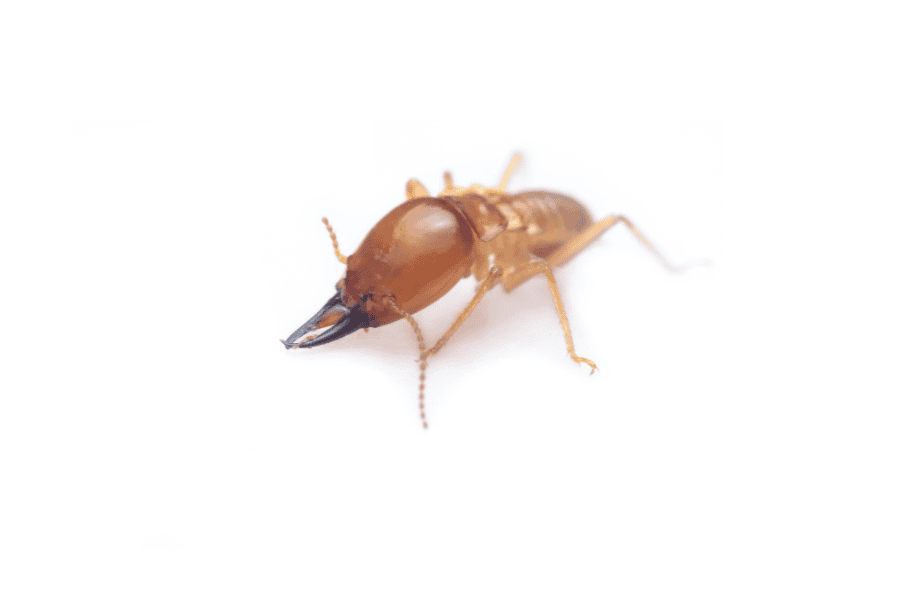
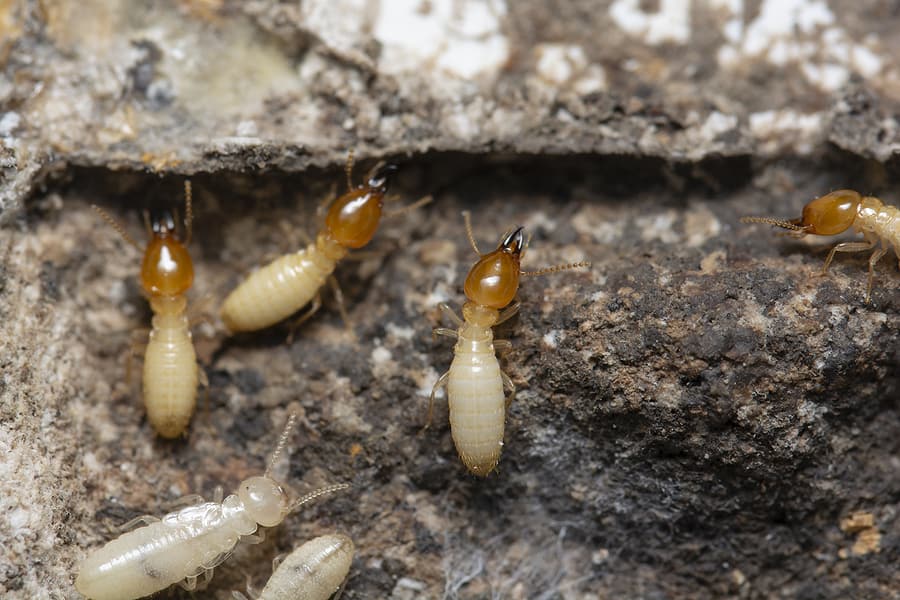
Drywood termites might seem like their counterpart, the subterranean termite, but they couldn’t be more different. Instead of surviving off moisture like subterranean termites, drywood termites seek dry wood for their food source. Once these termites find a place to create their colony, they will excavate the wood and cause significant structural damage to many Florida homes. One of the best ways you can avoid drywood termite damage is understanding their signs and the preventative measures to place on your property!
Common Signs of Drywood Termites
Drywood termites build their colonies inside wood in and around your home, surviving above the ground. While termites are difficult to spot, there are signs to indicate their activity in your home, including:
Discarded wings on windowsills and near doors
Seeing flying termites or swarmers near your home or in your neighborhood
Hollow-sounding or visible damaged wood; the wood often looks carved out
Piles of frass, or termite droppings, around the exterior or interior of your home; droppings look like coarse grains of sand
Drywood Termite Prevention Tips
In Florida, drywood termite activity is year-round, so it’s crucial to stay on top of your termite prevention. Consider the following tips to avoid a drywood termite infestation:
Regularly inspect your home for any of the above drywood termite signs. Don’t forget to look near baseboards, beams, and other wood materials throughout your home for their activity.
Seal openings around your doors, windows, and utility pipes with caulk or other sealants as soon as possible; this will help to keep termites and other household pests from entering your home.
Before bringing used furniture or firewood inside your home, make sure to inspect it first for any signs of termites.
At night, turn off your outside lights and close your curtains as termites are attracted to light.
If you notice drywood termite signs or suspect there are termites inside your Florida home, it’s best to contact a local pest control company near you. These professionals can schedule you with a routine termite inspection and termite control options.
Georgia’s warm climate and lush landscapes make it a haven for various insects, including some that pack a painful sting. While many of these stinging insects play crucial roles in our ecosystem, encountering them in and around our homes can be alarming and potentially dangerous. In this guide, we’ll explore some of the most common stinging insects found in the region, the threats they pose, and how to deal with them effectively.
Yellow Jackets
One of the most notorious stinging insects in Georgia is the yellow jacket. These aggressive insects are easily recognizable by their black and yellow striped bodies. They typically build their nests in hollow trees, underground burrows, or within wall voids of buildings. Yellow jackets can pose a significant threat to humans and pets, especially when their nests are disturbed. Their stings are painful and can cause allergic reactions in sensitive individuals.
Identification
Yellow jackets are about half an inch to three-quarters of an inch in length, with distinctive yellow and black markings on their bodies.
Treatment
If stung by a yellow jacket, it’s essential to remove the stinger promptly to minimize venom injection. Clean the affected area with soap and water and apply a cold compress to reduce swelling. Over-the-counter antihistamines can help alleviate itching and discomfort.
Removal
Removing a yellow jacket nest can be hazardous and is best left to professionals. Attempting to remove the nest without proper equipment and expertise can provoke the colony, leading to aggressive behavior and more stings.
Prevention
To prevent yellow jackets from nesting near your home, seal any openings in walls, windows, and doors. Keep outdoor garbage cans tightly sealed and promptly clean up any food spills or crumbs.
Paper Wasps
Paper wasps are another common stinging insect found in Georgia. They construct umbrella-shaped nests from a papery material, often hanging from eaves, tree branches, or shrubbery. While they are generally less aggressive than yellow jackets, they will defend their nests if threatened.
Identification
Paper wasps are slender with long legs and wings, typically brownish in color with yellow markings.
Treatment
Treat paper wasp stings similarly to yellow jacket stings. Remove the stinger, clean the area, and apply a cold compress to reduce swelling.
Removal
If a paper wasp nest is located in a high-traffic area or poses a threat to residents, it’s advisable to contact a professional pest control company for safe removal.
Prevention
Regularly inspect your property for signs of paper wasp nests, especially in the spring and summer months. Remove any existing nests during the winter to prevent reinfestation.
Hornets
Hornets are another type of stinging insect that can cause concern for Georgia residents. These insects are larger than yellow jackets and paper wasps and often build their nests in trees, shrubs, or even on buildings.
Identification
Hornets have stout bodies with predominantly black coloring and white or yellow markings. Their nests are typically grayish and football-shaped.
Treatment
Treat hornet stings similarly to other stinging insect stings. Remove the stinger, clean the area, and apply a cold compress to reduce swelling.
Removal
Due to the size and aggression of hornets, it’s best to leave nest removal to professionals. Attempting to remove a hornet nest without proper equipment and expertise can be dangerous.
Prevention
Regularly inspect your property for signs of hornet activity, especially in secluded areas such as attics, sheds, and trees. Seal any openings or gaps in buildings to prevent hornets from entering.
In conclusion, encountering stinging insects in Georgia is not uncommon, but with proper knowledge and precautions, you can minimize the risks associated with them. If you’re dealing with a stinging insect infestation on your property, it’s best to seek assistance from a professional pest control company near you.
While some may have an idyllic picture of wildlife on their property (deer roaming across their yards, cute bunnies hopping through the garden), these nuisance wildlife can decimate your lawn or garden overnight. Squirrels digging holes, deer eating shrubs, and rabbits chowing down on your vegetables can leave you with a mess to deal with. If you don’t want to have to share your outdoor living space with these pests, consider these simple wildlife exclusion tips to prevent wildlife from taking over your yard.
Identify Your Wildlife
The first step in wildlife control is identifying which critter you have.
Deer love plants, flowers, and edibles. Common signs include missing buds, half eaten fruits and veggies, and torn or ripped leaves. Deer droppings are pellet-shaped and their tracks look like upside down hearts.
Groundhogs eat plants, leaves, flowers, fruits, and vegetables. They love to tunnel and their burrows have round openings with piles of dirt (and oftentimes flies) near them. Groundhogs will leave wide teeth marks on plants, fruit, and bark. Their tracks have 4-clawed toes on their front paws and 5-clawed toes on their back paws.
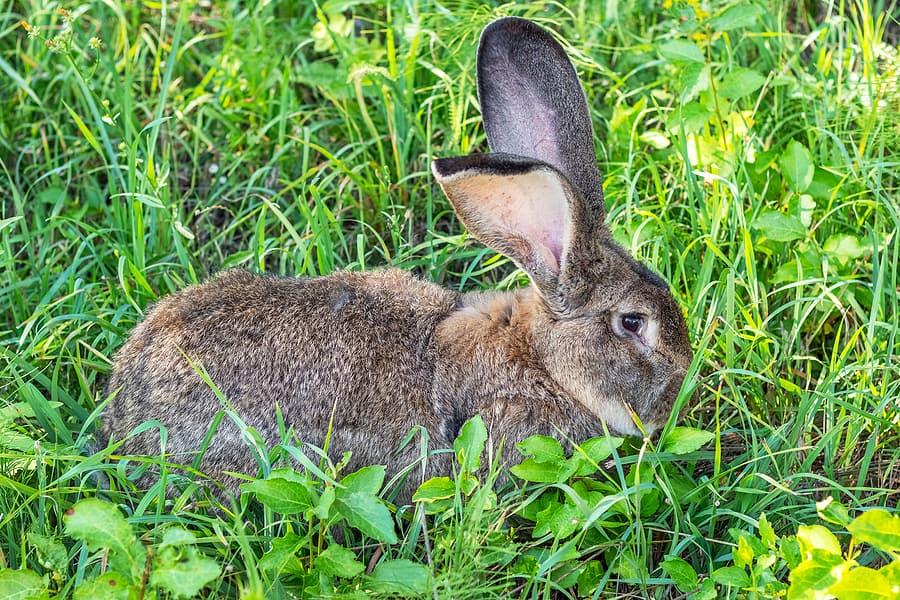
Rabbits can destroy your flower or vegetable garden overnight. Signs of rabbits include piles of pea-sized droppings; neat, razor-trimmed leaves and stems; and missing plants. If they are bedding down in your mulch, you might see tufts of fur or slight depressions in the mulch.
Raccoons are nocturnal pests that will often dig through your trash cans in search of food. They will also dig up your lawn or mulch looking for insects to eat. Signs of raccoons include torn trash bags, tipped over trashcans, missing fish from fountains or ponds. empty bird feeders, and holes in your mulch or yard.
Squirrels will leave small holes in your planting containers or beds. You will often find half eaten or missing seedheads, fruits, and vegetables. Squirrels also love birdfeeders and can often be found raiding them.
Clean Up Your Yard
Wildlife are less likely to hang out in your yard if they don’t have a place to hide. Getting rid of wood piles, brush, and overgrown shrubbery will eliminate the majority of their hiding spots. Open spaces and neatly trimmed flower beds help to discourage them, especially rabbits and groundhogs.
Get Rid of Their Food
Another thing wildlife look for in your yard is a food source. Getting rid of their food or discouraging them from it will go a long way in keeping them out. Fill your garden with plants that deer and rabbits dislike. Pick any edible fruits and vegetables as soon as they are ripe. Collect fallen fruit and nuts before the squirrels can get to them. Don’t leave pet food sitting out overnight. Strap or bungee trash can lids onto your cans.
Repel Them
There are several plants you can include in your landscaping that help deter wildlife. Most animals will be repelled by the smell of garlic plants. Daffodils are a pretty addition to your garden but most animals dislike the bitter taste of their leaves. Lavender is great for repelling deer and rabbits. Marigolds work well at repelling moles. You can also use distasteful substances to spray or sprinkle around your garden or individual plants to help repel wildlife. Some substances that are effective include hot pepper extract, predator urine, castor oil, garlic clippings, cayenne pepper, putrid egg whites, and coffee grounds.
Scare Them Off
Putting deterrents in your yard can help scare these pests away. Dogs who have free run in your yard are great at keeping these wildlife away. You can also use noisemakers, motion-activated sprinklers and lights, automated sprinklers, garden spinners, decoy animals, and pinwheels to help scare them away.
Wildlife Exclusion
You can also keep wildlife at bay by making it physically impossible (or at least much more difficult) for them to get into your yard or garden. You can put up a barrier to protect your yard or even individual plants you want to protect. Netting or chicken wire around plants or a wire cloche over plants can protect them from rabbits, groundhogs, squirrels, and deer. Putting electric fencing around your vegetable gardens can exclude most wildlife as long as they can’t go over or under it. To keep deer out, fences should either be extremely high (8 feet or taller) or short, doubled, and wide (such as 2 shorter fences spaced 5 feet apart). Use sturdy wire or hardware cloth to close any openings under your shed and deck to help keep out rabbits and groundhogs, Make sure to bend the wire into an L-shape and bury it several inches under the ground to keep them from digging underneath it.
If you have a problem with wildlife, contact your local wildlife control company who can help you identify which type of pest you are dealing with and provide you with the best wildlife exclusion methods for your situation.
The last thing any homeowner wants to deal with is an unwanted household pest. Roaches, bed bugs, termites, rodents, and more each bring their own set of problems and damage to both homes and health. Our first instinct is to get rid of these pests quickly and we often go for a DIY route. But what should you know before you dive into DIY pest control?
DIY vs professional pest control is a common debate. One of the most important factors that goes into pest control decisions is cost. Although DIY products typically cost much less then commercial products, they can ultimately cost more in the long run. Most DIY pest control methods are reactive – they aren’t applied until a pest problem is already established. Professional pest control provides preventative treatments to help stop infestations before they start. Even though you may save money on the products, you may end up spending significantly more in treatment and repair costs down the road.
Other factors that go into pest control decisions include effectiveness, expertise, safety, and guarantee. DIY products typically work as “spot treatments,” encompassing a small area where the problem is. They don’t usually cover a large area nor last long enough to control a full blown infestation. Professional products are designed for large scale use, getting into places you may not see pests such as inside walls, crawlspaces, and foundations. Proper identification of the pest you are treating for is critical to elimination. While pest control products are labeled with easy-to-follow instructions, professional pest control technicians are equipped with the most up-to-date technology and techniques to help eliminate a pest infestation. The same is true for safety. DIY products can contain chemicals which are hazardous for humans and/or pets. They may also contain chemicals that the average homeowner isn’t familiar with. Professionals are trained on proper use of these chemicals, reducing the risk to you and your family. They also have green pest control options that can be utilized. Finally, DIY products may contain a manufacturer’s warranty or store guarantee on the product. Professional pest control companies will usually provide a service guarantee where they return between visits (usually at no additional charge) for any pest problems that pop up before service is due again.
If you have evaluated all the angles and decided the DIY approach is best for your situation, here are a few of our favorite DIY pest control tips you can use in your home.
Make It Less Attractive. Pests are attracted to food, shelter, and water. If you get rid of what they’re attracted to, they’ll be less likely to come inside. Keep your home clean. Repair any leaky pipes and faucets both inside and outside of the home. Don’t leave pet food and water bowls out overnight. Declutter your home and get rid of any old magazines, junk, etc. Try to use plastic storage bins instead of cardboard boxes.
Keep Them Out. Pests can’t infest if they can’t get in. Inspect the outside of your home for any potential entry points and seal them up with caulk, steel wool, etc. Make sure to check foundations, door frames, windows, utility pipes, cables and wires, and the roof. Repair any broken windows and screens. Fill in any holes, gaps, or cracks in pipes and vents.
Don’t Forget The Outside. Pests have to go through your yard to get into your home. Keep your grass cut short and eliminate weeds. Get rid of any piles of leaves, debris, fallen branches, etc. Do the same for old automobiles, trashcans, and dumpsters. Elevate wood piles off the ground or store them in wood boxes with lids.
Eliminate Moisture. One of the things that attracts pests is water. Use a dehumidifier to decrease moisture and consider crawlspace enclosure to not only help eliminate pests but also provide significant energy savings for your home. Repair leaks immediately. Make sure gutters are clear of debris or consider installing gutter guards.
Use Professionals. Sometimes an infestation can be beyond the scope of DIY methods. In these circumstances it is best to call a professional who can properly identify the pest you are dealing with and provide proper treatment, as well as ongoing prevention techniques you can use at home.
The last thing any homeowner wants to deal with is pests. A household pest is any insect or animal that is commonly found in a household structure that can cause destruction to the property or to your health. While the occasional critter can make its way inside, routine occurrences indicates the likelihood of an infestation. Fortunately there are some DIY pest control tips you can use at home to help prevent these pests from taking over. Here are a few of the most common household pests and how to prevent them.
Ants
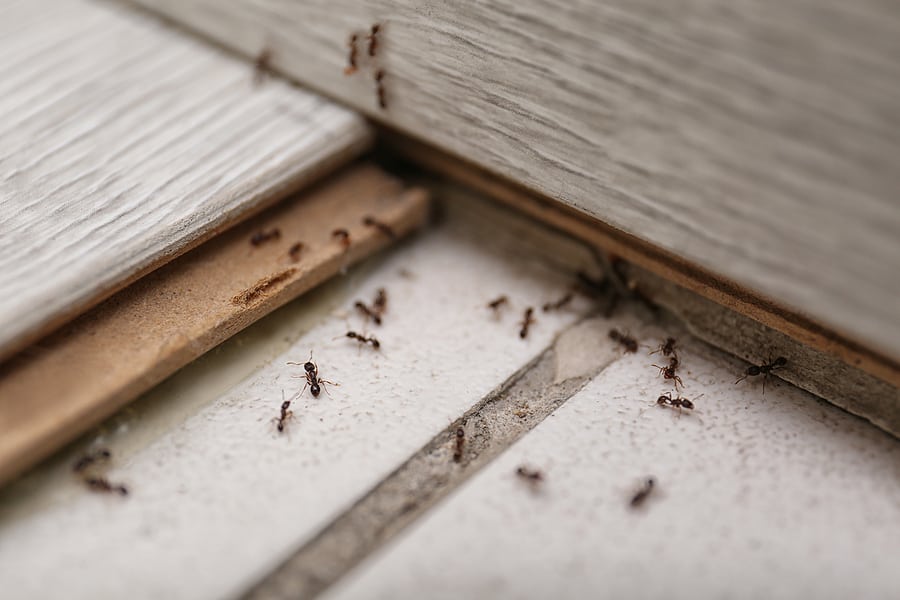
Most ants don’t cause any structural damage to your home (with the exception of carpenter ants). They are, however, the #1 nuisance pest in the United States. Ants are difficult to control because their colonies are so large. These pests typically come indoors in search of food and water and can usually be found near these sources in your home – especially in kitchens and bathrooms. Prevent ants by:
Keeping your home clean.
Wiping countertops daily.
Cleaning up crumbs and spills immediately.
Cleaning appliances regularly.
Emptying trash daily and keep trash containers clean.
Keeping food in sealed containers.
Getting rid of overripe fruit.
Repairing leaky pipes.
Keeping gutters clear.
Keeping shampoo and soap containers sealed and clean.
Sealing any exterior holes, gaps, and cracks.
Trimming back trees and shrubs from the house.
Clearing your yard of debris.
Using screens on doors and windows.
Birds
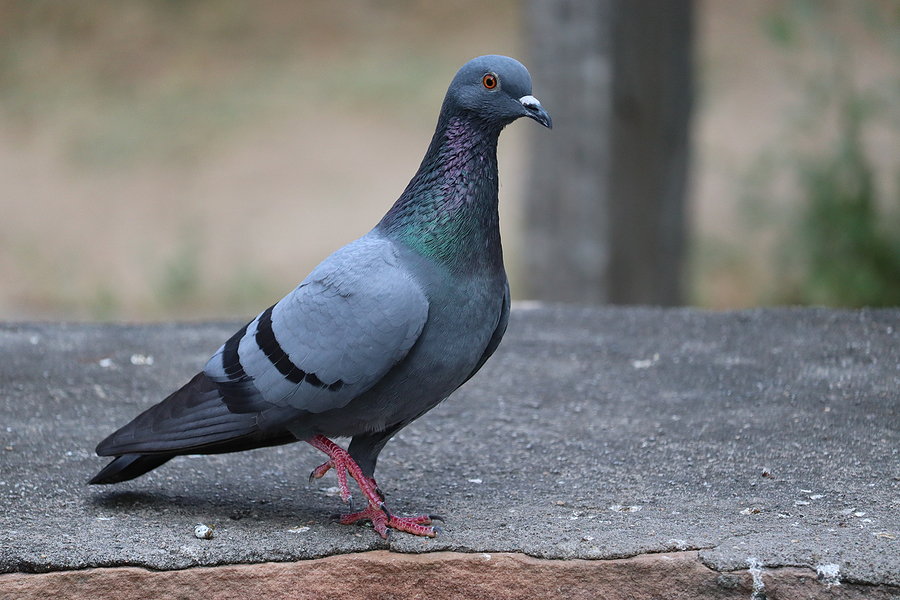
Birds are not usually considered nuisance pests but their nests can obstruct common areas of your home and their droppings can contaminate or damage other areas. Birds usually enter your home in search of food and shelter. Prevent birds by:
Using saltwater vs freshwater in fountains and water features.
Not leaving pet food out overnight.
Keeping grass mowed and hedges trimmed.
Dismantling nests IF they are actively being built (bird nest removal laws prevent touching nests that are already built or occupied).
Sealing exterior gaps, cracks, etc. as birds can use these to access attics.
Hanging strips of aluminum foil from trees or other high places to deter birds.
Installing predator decoys (like owls and snakes) to scare off birds, moving them frequently.
Cockroaches
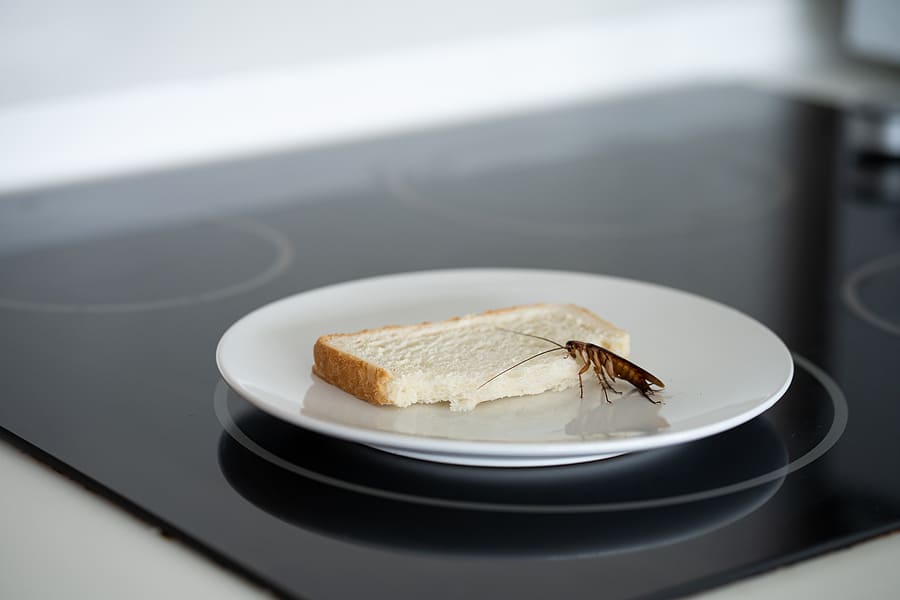
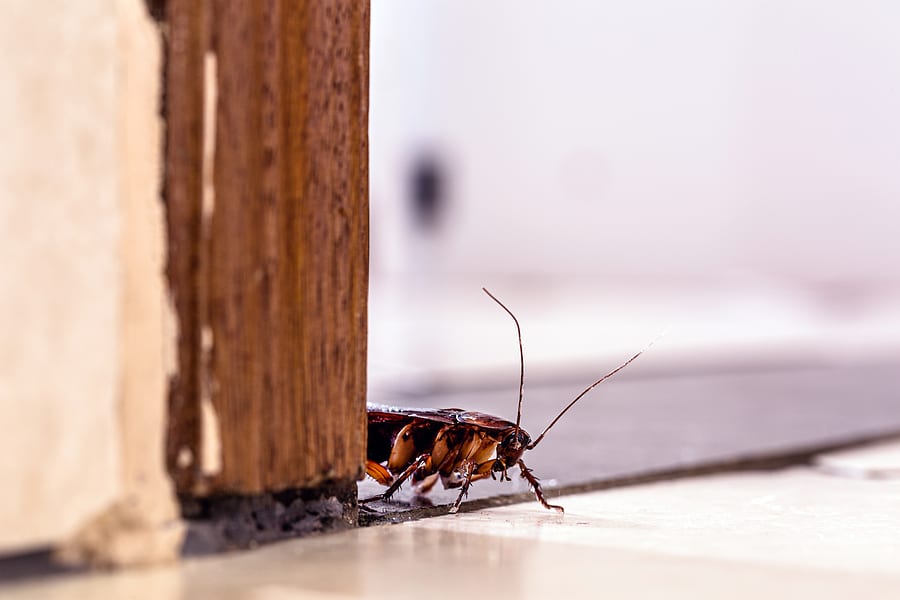
Cockroaches are dangerous to humans as they are known to carry serious diseases and trigger both allergies and asthma. These pests multiply quickly, making them very difficult to control. Roaches will come into homes in search of food, water, and shelter, with them often found in kitchens, bathrooms, and laundry rooms. Prevent roaches by:
Cleaning up crumbs and spills immediately.
Throwing away or storing leftover food at night.
Cleaning surfaces nightly.
Rinsing food cartons before throwing them away.
Emptying trash nightly.
Storing food and pet food in airtight containers.
Not leaving pet food and water out overnight.
Using plastic storage rather than cardboard.
Getting rid of old newspapers and magazines.
Sealing any exterior gaps and crevices.
Using weatherstripping.
Using stoppers or metal baskets in sink drains.
Repairing leaks.
Caulking around tubs and sinks to seal them.
Hanging wet towels up after use.
Keeping kitchen sponges dry and not storing them on the counter.
Termites
Termites are known as silent destroyers, eating wood from the inside out and going undetected for long periods of time. Common signs of termites include swarms; mud tubes; discarded wings; discolored drywall; peeling paint; wood with a hollow sound when tapped; squeaky floorboards; doors and windows that stick; damaged wood; loose tiles; and buckling floors. Prevent termites by:
Using concrete foundations when building your home.
Covering exposed wood with sealant or metal barrier.
Keeping soil around foundations dry.
Keeping gutters and downspouts clear and functioning.
Filling cracks in cement foundations.
Filling in gaps around where utilities come into your home.
Fixing leaks immediately.
Keeping vents unblocked.
Keeping landscaping trimmed away from the sides of homes and foundations.
Not storing firewood next to the house.
Getting an annual termite inspection.
Rodents
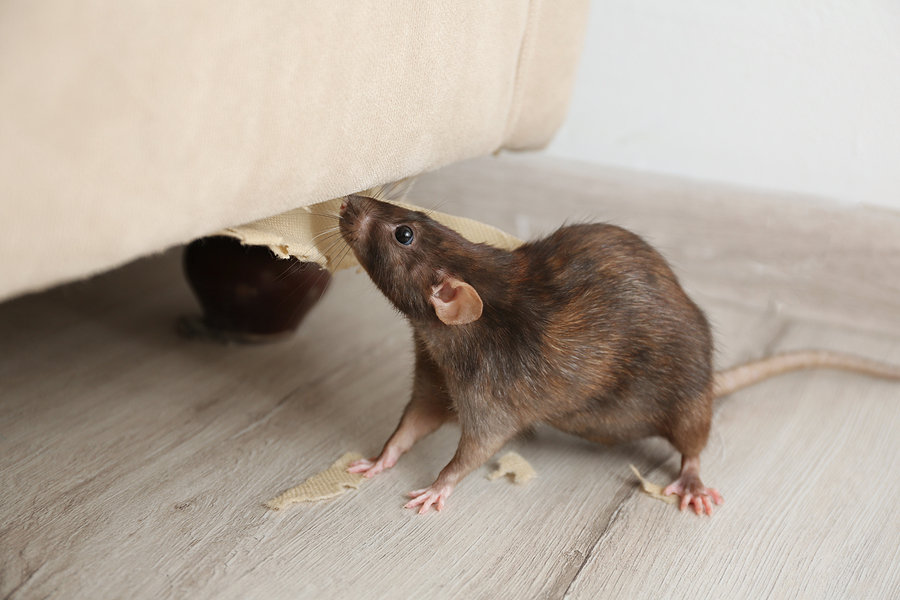
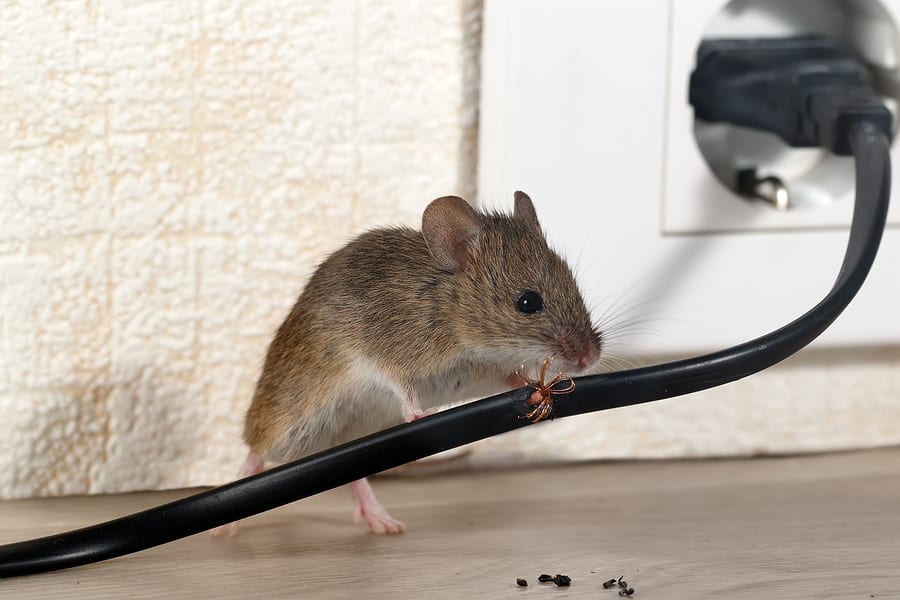
Rodents are common household pests and include rats, mice, squirrels, and raccoons. Rodents can cause significant damage to your property by chewing through electrical wires and insulation. They can also contaminate food and spread disease. Prevent rodents by:
Using metal trashcans with tight-fitting lids.
Storing pet food and birdseed in glass or metal containers with sealing lids.
Picking up fallen fruit and birdseed from the ground.
Removing standing water from bird feeders.
Storing firewood away from the home and elevating it.
Storing boxes in the garage off the ground.
Storing food in containers.
Cleaning up crumbs nightly.
Sealing exterior openings.
Keeping gutters clear.
Screening attic vents.
Screening windows and doors.
Centipedes and Millipedes
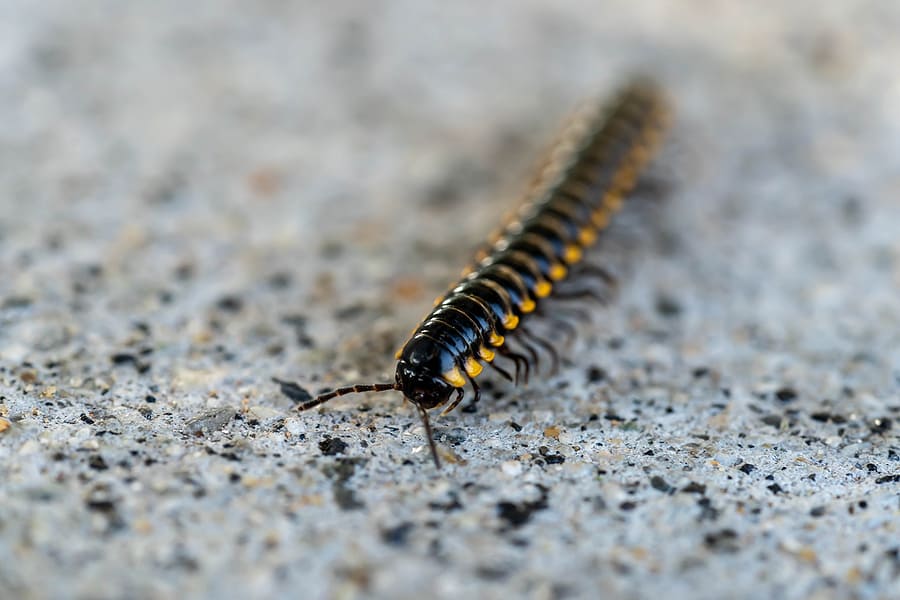
Centipedes are arthropods with 14 or more body segments and one pair of legs per segment. Millipedes are also arthropods but they have 2 pairs of legs on their body segments. Neither of these pests are considered dangerous and don’t cause damage or spread disease. They can, however, be annoying if they infest in large numbers. Both of these pests thrive in moisture-rich environments. Prevent centipedes and millipedes by:
Repairing leaks.
Removing standing water.
Removing moisture-holding ground cover or mulch that is close to foundations.
Storing firewood away from the house and elevating it off the ground.
Inspecting firewood before bringing it in the house.
Sealing doors and windows that are low to the ground to prevent entry.
Spiders
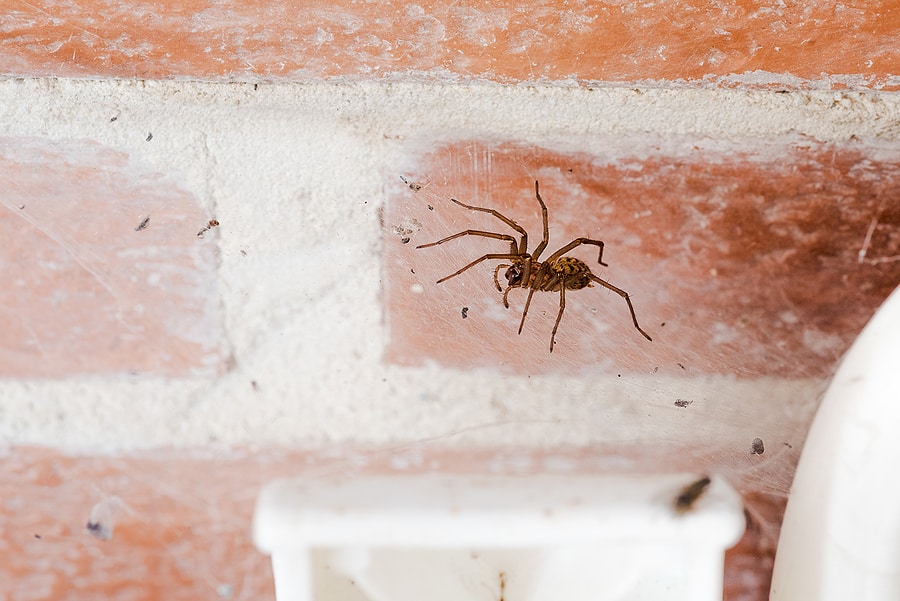
Although there are a few venomous spider species in our area, most spiders that make their way into your home are harmless (and even beneficial by eating other pests)! Prevent spiders by:
Sealing exterior cracks and crevices.
Screening doors and windows.
Vacuuming up spiders and eggs found in your home.
Brushing down webs with a broom.
Decluttering your home.
Vacuuming and dusting frequently.
Keeping shrubs and plants trimmed back from the sides of the home.
Keeping mulch a few inches away from foundations.
Using plastic rather than cardboard storage.
The key to household pest control is prevention. By taking these steps early, you can head off an infestation before it starts. If you have a problem with any household pests, contact your local pest control company for a free evaluation and comprehensive treatment plan.
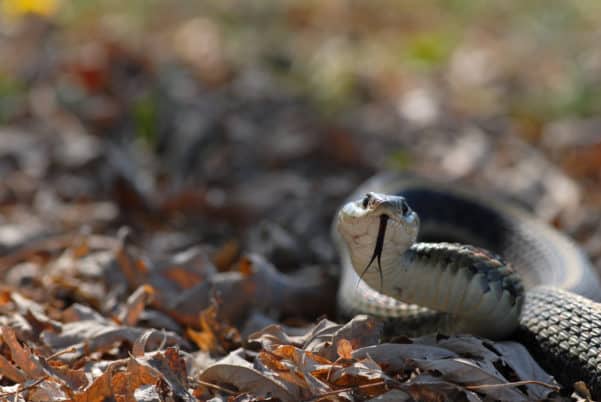
As the weather continues to warm up, snakes start to become more active and on the move in search of food. Most homeowners can agree that they fear finding snakes in the yard. But while most of us don’t want snakes hanging out on our property, it’s important to note that these wildlife creatures are beneficial to have around as they can get rid of other pests infesting your property. Instead of eliminating these creatures, every homeowner can take simple preventative measures to encourage them to find a different location to habitat.
Clean the Yard!
Ensuring that your yard is well-kept up is one of the easiest and simple ways to deter snakes from your property. Debris and leaf piles are a huge attractant to rodents which will then attract snakes. The leaf piles are additionally a great place for snakes to hide out in. Make sure you are cleaning up any debris piles, including sticks, brush, and tree limbs from your yard.
Overgrown trees and shrubs provide cover and shelter for snakes. Make sure that you are trimming your overgrown trees and shrubs, so they are not touching the house or garage. Don’t forget to trim the branches off the ground so there is at least 24” to 36” space underneath. This helps eliminate a place for snakes to take cover, but also makes them easier to spot.
Remove Attractant Items!
You might not be aware, but certain items are placed in your yard that could be attracting snakes. While many love to have decorative birdhouses and bird feeders in the yard, they can attract snakes. Some snakes are great climbers and will climb up to feast on the birds feeding on the feeders or living in the birdhouse. Consider placing the birdhouse or feeder on a metal pole or wood post, with the post wrapped in metal sheeting.
Install Backup!
A perch pole is a great alternative to help keep snakes away from the property. Owls or hawks are natural predators to snakes and will use the installed perch pole. Make sure that the pole is in an open area in your yard, so the birds can have a good view of the entire area.
Though, sometimes it’s just best to install fencing to help keep snakes out. If you decide to install fencing, make sure that it’s buried a few inches into the ground and should be made up of ¼” or smaller rigid mesh. At the top of the fence, make sure that it bends to keep snakes from climbing over it.
If you’ve tried all the prevention tips you can to deter snakes away from your yard but it’s not working, it might be time to call your local wildlife control company. These professionals can help establish a regularly scheduled service and treatment plan to help with your snake problem.
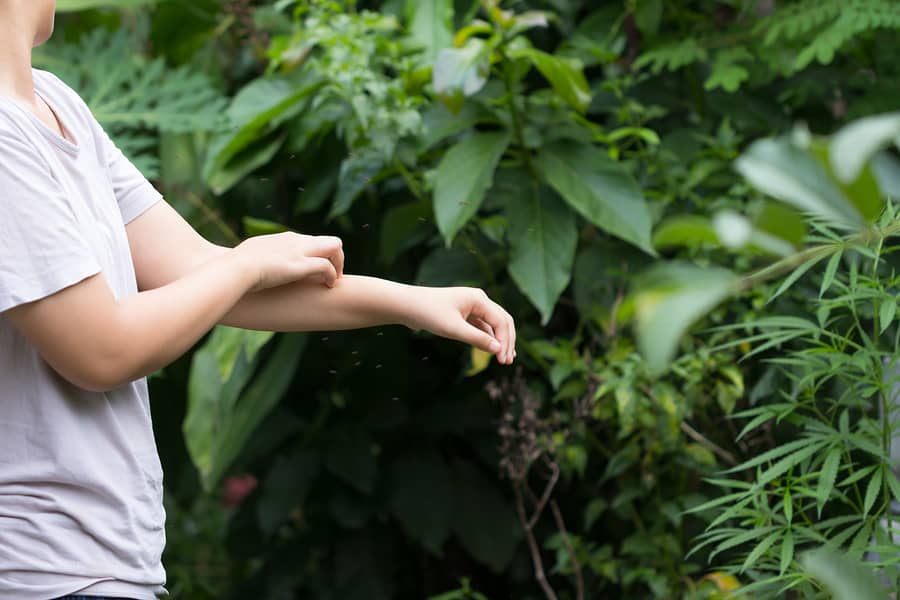
Humid, hot environments can be a major indication that mosquitoes are out and looking for a blood meal. Mosquito bites can be painful, creating an itchy, red welt on the skin. Depending on the person, mosquito bites could cause an allergic reaction too. While it’s inevitable to run into mosquitoes during these months, there are still ways to eliminate the chance of getting bitten.
When the weather is warm, humid, but perfect for being outside, it’s less likely that covering up is first thing you’ll think of doing. But, covering up is the most effective and easiest way to prevent mosquitoes from biting you. If you know you’ll be outside for some time, consider wearing long sleeves and pants as much as possible to cover your exposed skin. When preparing to spend time outdoors, consider wearing light-colored clothes. It’s known that mosquitoes are more attracted to darker colors, so wearing lightly colored clothing can help reduce the chance of being bitten.
If wearing long shirts and pants isn’t an option, another alternative is using insect repellant. Insect repellants are great to use when the weather is particularly hot and humid. It’s suggested that the best type of repellent to use is those that contain DEET. DEET has proven to be highly effective at repelling mosquitoes and other biting insects. It can help protect from mosquito-borne diseases such as Zika Virus, West Nile, and Encephalitis.
Whatever activities or plans you have while outside if the weather is hot, your body temperature will elevate. Staying cool and avoiding high body temperatures is impossible in the humid heat but it’s still important to try and keep cool as much as you can, since mosquitoes are highly attracted to elevated body temperatures. If you’ll be outside for a while in the heat, consider using portable fans, cold rags on your neck or forehead, and drink plenty of water throughout the day. Or consider planning your day around peak mosquito time which is in the late afternoon and evening.
It’s inevitable to run into mosquitoes in the spring and summertime and sometimes prevention isn’t enough. If you’ve gotten bitten one too many times, consider calling your local pest control company where they can provide you with an inspection and offer an effective mosquito treatment plan.