Aug 5, 2020 | Mosquito
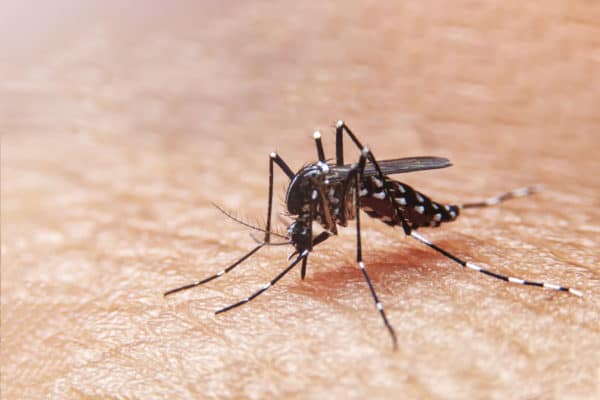
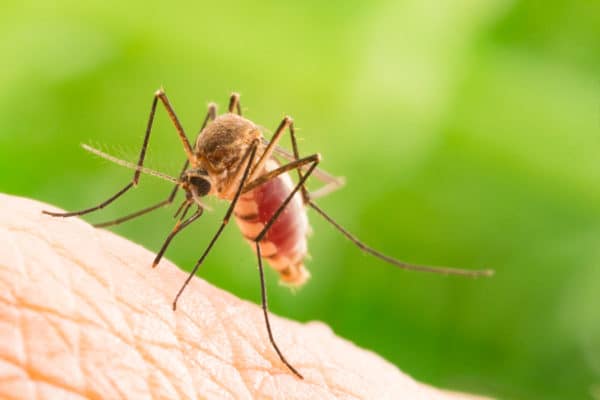
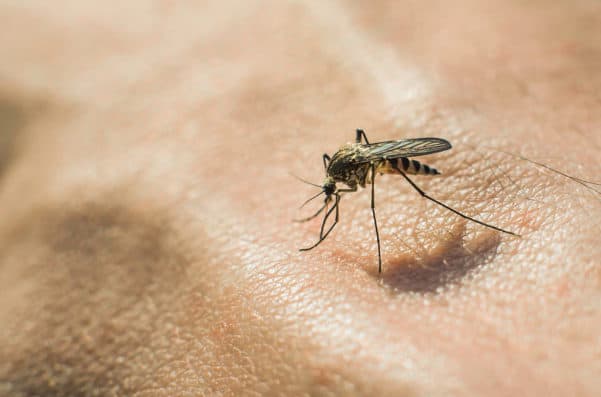
Mosquitoes, known to be a top summer nuisance pest, are a huge problem when they invade your property. With consistently heavy rains and warm temperatures, it seems like these insects never go away. Why is it that these pests seem to come out excessively when it’s hot and raining?
It’s important to note that mosquito activity can vary from region to region, depending on the temperature of the area. Mosquitoes are cold-blooded insects; therefore, these pests won’t disappear until temperatures are consistently below 50 degrees. In areas of high temperatures, mosquito activity increases making summer peak mosquito season. Because of this, if it’s warm in the area you live in you’ll most likely see mosquitoes around.
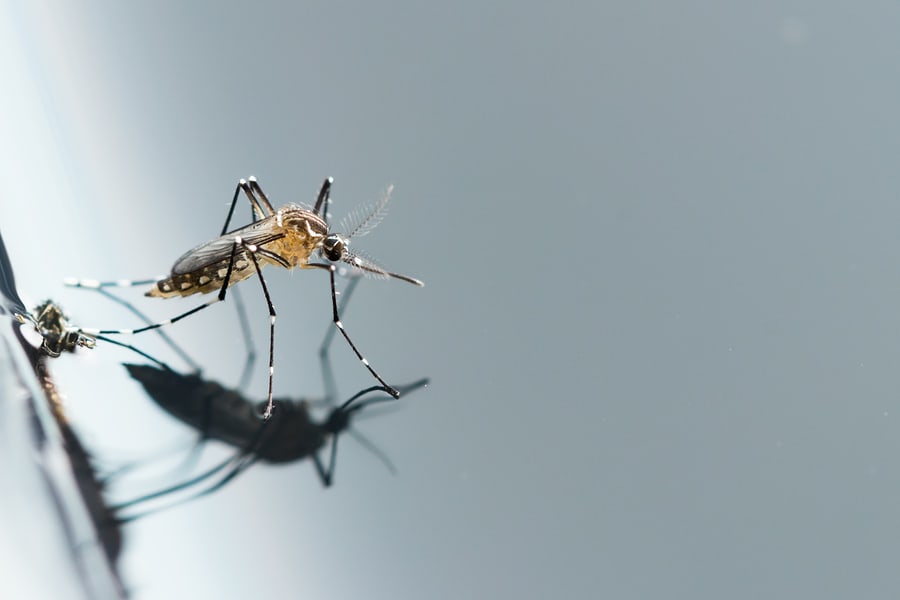
When it comes to the rain, mosquitoes aren’t particularly attracted to the actual rainfall, but instead to what the rain leaves behind. Standing water brings mosquitoes for one reason – a place to lay their eggs. The water that’s left behind from rain provides the ideal place for their eggs to survive and hatch. It’s important to note that if any water is left undistributed for a long period of time, the eggs laid will eventually hatch and create even more mosquitoes to invade your property.
While rain and heat are inevitable during the summer months, they don’t mean there isn’t a solution to prevent mosquitoes. Here are some easy ways you can keep mosquitoes away from your property,
- Remove standing water from flowerpots, birdbaths, tarps, and any containers in or around your yard holding standing water
- Remove piles of leaves and debris from your yard and gutters, as these can give mosquitoes a place to hide and breed
- Cover any objects that can hold or collect standing water that can’t be removed, such as pools and boats
- If you’re constantly battling mosquitoes, it might be time to contact a professional pest control company to help eliminate them and provide an ongoing prevention plan.
May 29, 2020 | Mosquito
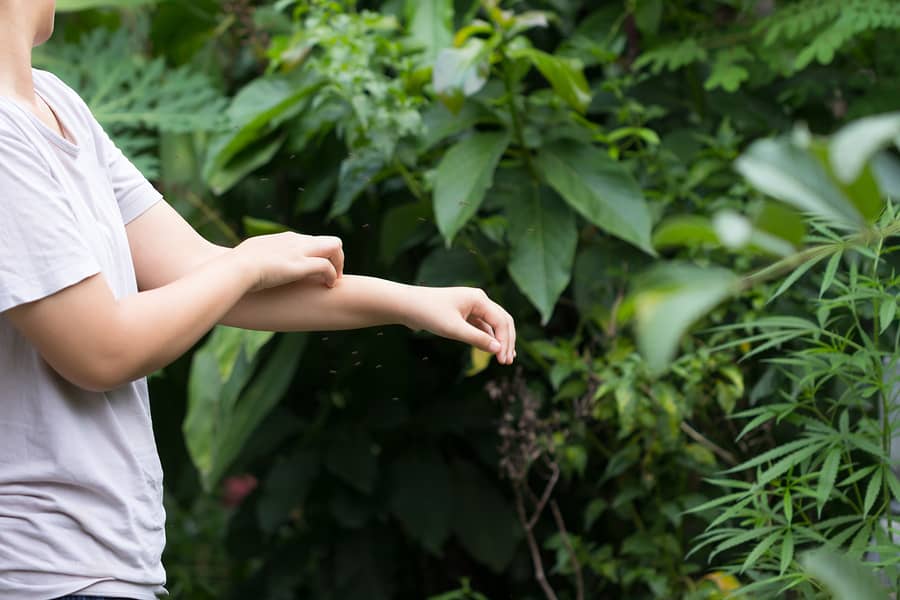
The peak of mosquito season is from April to October. During this time, mosquitoes invade, leaving behind itchy bites and aggravation. They are also capable of spreading serious diseases such as Zika and West Nile virus. While many of us take precautions by using mosquito repellent and wearing long sleeved clothing, sometimes these prevention techniques just aren’t enough. A mosquito treatment is often needed to help control mosquito populations.
There are two options to mosquito treatments – green and traditional. Green mosquito treatments utilize products derived from flowers and bacteria that are only applied to the areas where they are needed, minimizing their impact on surrounding areas. These treatments also work on adult and larvae.
A traditional mosquito treatment consists of 5 steps:
- A property inspection to help identify any potential mosquito breeding sites.
- A service guarantee where a technician will come back in between scheduled visits to address any problems at no additional charge.
- Mosquito source reduction where areas of standing water and other potential breeding sites are eliminated.
- Larvicide treatments to target these potential breeding areas.
- Adulticide treatments to target adult resting areas.
How much does a mosquito treatment cost? Treatments typically last between 21 and 30 days and should be applied as often. Most treatments are billed per 1/4 acre or per 1/2 acre. Generally only the perimeter of the yard is treated, concentrating on areas of foliage and woods. The average cost of a mosquito treatment is between $350 and $500 per season for a 1/4 to 1/2 acre property. This cost can range anywhere from $325 up to $1900 depending on the size of the property and the frequency of treatments. Mosquito treatments are performed on a monthly basis with an average of $70 to $100 cost per visit. Some companies will offer a discount on this rate if you sign up for recurring treatments.
While there are DIY mosquito treatments available, a professional pest control company has the experience, training, and equipment to get rid of mosquitoes and keep them away. Most will utilize an Integrated Pest Management (IPM) program that combines a variety of treatment and control methods to eliminate mosquitoes with minimal impact to the surrounding environment.
You May Also Be Interested In:
Protecting Your Garden From Birds
The 411 on Granddaddy Long Legs
The Summer Big Three: Roaches, Mosquitoes, & Termites
What Can You Do to Keep Your Home Cool This Summer?
Venomous vs Poisonous Spiders – What’s the Difference?
May 19, 2020 | DIY, DIY Mosquito Control, Mosquito
Spending time outdoors is a great way to escape the hustle and bustle of everyday life. Whether it’s spending time by the pool, having a picnic, or just lounging in the yard, relaxing outside is a great activity for the whole family. But the last thing you want to have to deal with while spending time in your yard are mosquitoes. Mosquitoes can be a danger to your family and even pets as they survive by sucking blood from animals and humans. They are usually found in areas of high humidity looking for stagnant, standing water to breed. Luckily, there are ways you can prep your yard to prevent mosquitoes.
Remove Unnecessary Items
Since mosquitoes breed in standing water, it is essential to eliminate any items that could hold water. Items such as foundations, toy buckets, outdoor pet bowls, flowerpot sauces, tarps, pool covers, and more should not stay in your yard for a long period of time. It’s also important to remove excess grass, leaves, firewood, and yard clippings as mosquitoes tend to stay in grass and debris around your home.
Clean Your Gutters
Clogged gutters can not only create standing water but will also catch debris and leaves. This provides mosquitoes a perfect breeding location. Make sure that your gutters are clean and clear, especially after a thunderstorm. Consider installing gutter guards to help prevent clogs and clutter.
Fill Hollow Areas
Any low-lying areas like ditches can also collect standing water after rain or watering plants. Make sure to check around your yard that you don’t have these; if you do notice them you can simply fill them in with dirt. Additionally, check for any hollow logs and stumps throughout your yard. They not only can hold standing water but will also provide overwintering mosquitoes a place to hibernate during cold weather.
Maintain the Pool
If you have a well-maintained pool, mosquitoes will most likely avoid it. However, if a pool goes unused for a long period of time, these pests will be attracted to the stagnant water. Make sure to keep the pool maintained or covered if you’re planning to not use it for a while.
By utilizing these tips, you can start to enjoy your yard and worry less about mosquito bites! If you are still having an infestation of mosquitoes, it’s best to contact your local pest company to provide you with the best plan of action to eliminate mosquitoes. Request a Free Estimate now to get started.
Apr 20, 2020 | Mosquito, Pest Control
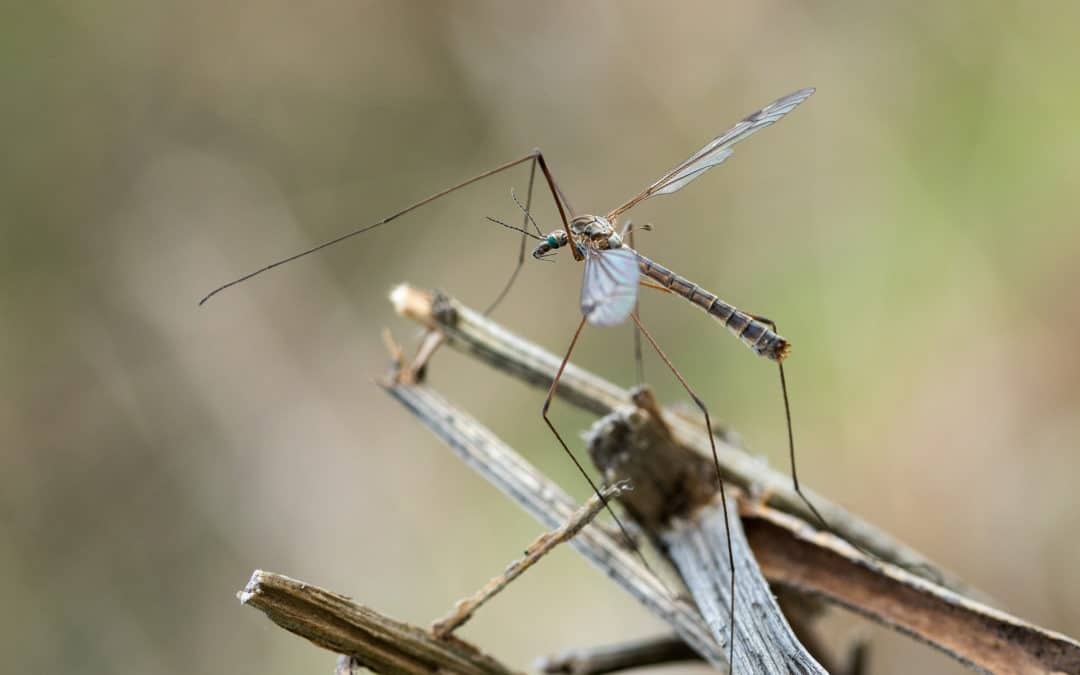
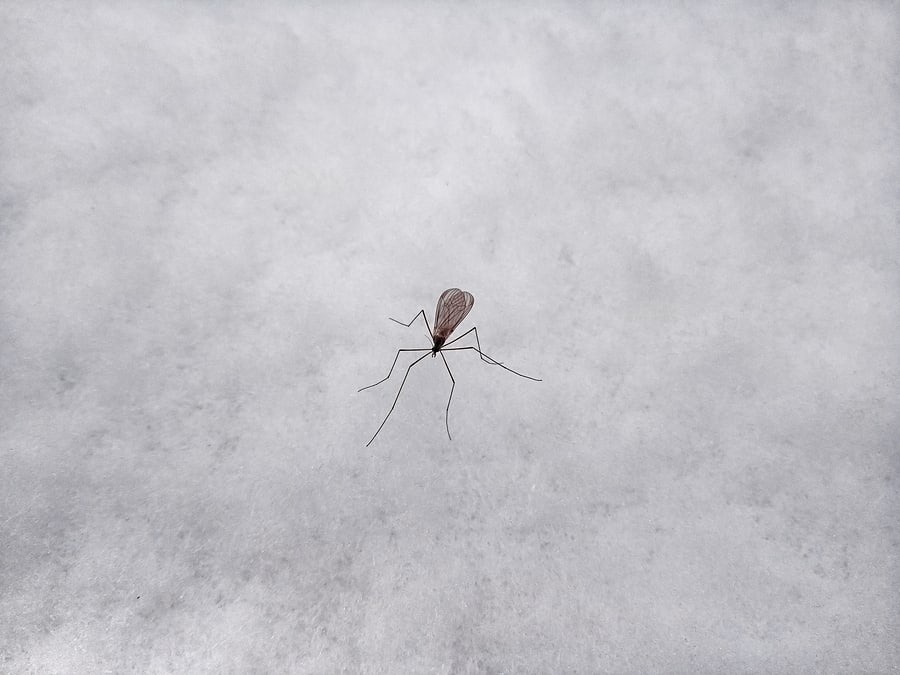
Imagine sitting outside, enjoying the weather with family, when you notice what looks to be a mosquito but it’s massive! No, this isn’t a super-sized mosquito, though it may look like one; it’s just a crane fly. Mosquitoes and crane flies can look very similar to one another, though they are very different by nature.
Crane flies can be black, red, or yellow in color depending on their species. Their wings can be transparent, brown, grayish-black or even brownish-yellow. They typically have extremely long legs and elongated faces opposed to the much smaller body of the mosquito. Active in the fall and spring, these creatures enjoy lawns near wooded areas or open fields where the females can lay eggs in the grass. They also tend to increase in numbers when there is a surge of dampness or heavy rainfall.
While mosquitoes can be considered a threat since they are known to survive off the blood of warm-blooded creatures, crane flies are deemed harmless and even gentle creatures. The only real damage that a crane fly can cause is in their larvae state after hatching when they will typically eat grass roots, leaving large brown patches on the lawn.
If you happen to see crane flies roaming around in your yard, don’t be too alarmed as they are no real threat to human health. If you are noticing more mosquitoes flying around, though, that could be a concern. It’s always best to contact a local pest control company who can help identify these pests and suggest a treatment plan if needed.
Mar 23, 2020 | DIY, DIY Mosquito Control, Mosquito
Typically, when you’re swatting away mosquitoes, you’re most likely outside. But what if you notice these pesky bugs inside your home? Mosquitoes can be considered one of the most irritating pests during the warmer seasons. They’re usually found in areas of high humidity and survive by sucking blood from animals and humans. When you’re relaxing at home after a long day of work, the last thing you want to worry about is getting bit by one or several of these pests. Though, if you’re starting to see them inside your home, it’s probably time to start investigating.
Mosquitoes could easily sneak inside your home through broken screens or doors. Mosquitoes are extremely small, and if there’s a slightest gap open to enter your home, they will. Begin to inspect the screens, windows, and doors in your home. Make sure there aren’t any large gaps or tears that would allow any bugs to enter the home.
Mosquitoes are attracted to still and stagnant water. There’s a high chance of mosquito activity if your property is near standing water with a constant water source. Mosquitoes could easily enter your home and lay their eggs; female mosquitoes will lay eggs in water for survival.
House plants are also known to attract mosquitoes inside the house. If your house plant has a water tray, mosquitoes will typically start to lay their eggs there while also feeding off the plant to get energy. Clean out your water trays periodically to prevent mosquitoes from laying more eggs.
One factor that not all homeowners will think about is a possible plumbing problem attracting mosquitoes. Simple leaks with small pools of water will certainly attract these pests. Mosquitoes are not only attracted to just areas of moisture, they can also be found in shaded, covered areas. Make sure to check crawl spaces, basements, and other areas where a pipe could leak.
Finally, if you’ve inspected all these possible factors and are still being infested with mosquitoes or want to put in place a mosquito prevention plan, call a local pest control company where they can investigate the problem and create a mosquito reduction program designed for your home.
Jan 31, 2020 | Mosquito
While we don’t often think of mosquitoes in the cold winter months, don’t let them stray too far from your mind. Although they might not be active this time of year, it’s never too early to start preparing for the start of mosquito season. Prevention is key in mosquito control. While most male mosquitoes die off when colder weather moves in, female mosquitoes go into a state similar to hibernation called diapause. They are oftentimes fertilized just before they enter diapause so that they are ready to lay eggs as soon as the weather warms up in the spring. Mosquito eggs can also go into diapause. Female mosquitoes will often lay eggs in standing water just before the weather cools down for winter. These eggs will then go into diapause and then hatch once the temperatures increase to above 50 degrees Fahrenheit consistently. Because of this, winter is a great time to perform some do-it-yourself mosquito prevention techniques.
- Mosquitoes will look to overwinter in sheltered areas on your property. These often include garbage, yard debris, old tires, bins, piles of leaves, logs, and tree trunks. Make sure to keep your yard clean and get rid of any objects that might house mosquitoes through the winter.
- Mosquitoes will also look for standing water to lay their eggs in before winter sets in. If this water goes undisturbed throughout the winter, those eggs will then hatch once temperatures warm up. If you notice any standing water on your property, even during the wintertime, get rid of it to get rid of those resilient mosquito eggs. Remove or overturn buckets, wheelbarrows, unused flower pots, or anything else that can hold water after rain or snow. Rake up any leaves that fall during the season. Make sure patio furniture, play equipment, and outdoor toys aren’t collecting water, as well. Make sure gutters stay clear and consider installing gutter guards to help prevent clogs. Repair any leaky pipes and keep trash cans sealed tightly.
- Mosquitoes will also look to stay in tall grass and overgrown vegetation. It provides good cover for them to enter diapause through the winter. Make sure to keep your grass mowed and clear out any overgrown vegetation on your property.
- Consider planting mosquito-repelling plants such as rosemary, mint, and lavender on your property.
- Check the Mosquito Activity Forecast from weather.com before spending any time outdoors and dress accordingly. Wear appropriate clothing and apply insect repellent as needed.
- Invest in a professional mosquito treatment from a licensed pest control company. In our area, mosquito service starts in March so go ahead and schedule your service before mosquito season starts in the spring.
You May Also Be Interested In:
Where Did These Ants Come From?
Keep Your Lawn Healthy This Winter
How to Deal With Moles This Winter
Are Termites Active In Fall and Winter?
Which Season is Worst for Bed Bugs?
Oct 14, 2019 | Mosquito
Even with cold weather on the way, mosquitoes will stay active through the fall months. It is important to continue to take precautions when outdoors and be wary of breeding sites around your home. Doing so will cut down on mosquito populations and the spread of mosquito-borne diseases like Eastern Equine Encephalitis, a disease that has had 20 human cases in 2019 in the United States.
Eastern Equine Encephalitis (EEE) is rare, but it can be life-threatening. There are two types of illnesses caused by EEE: systemic and encephalitic, with the latter being the most serious. The symptoms after a bite are flu-like including chills, fever, and pain in joints. However, if encephalitic, the symptoms can escalate to vomiting and convulsions. There have been cases recorded in Massachusetts, Michigan, New Jersey, North Carolina, Rhode Island, and Connecticut.
During mosquito season, look to use these tips to cut down on mosquito encounters:
- Remove areas of standing water around your home and business
- Utilize insect repellent containing DEET
- Avoid outdoor activities during peak mosquito times which are dawn and dusk
- Call a professional mosquito control company to get a thorough inspection and comprehensive treatment plan to help combat the mosquitoes around your home
Contracting this disease is rare, but by taking these precautions you can help further protect you and your family from mosquitoes and their bites. Click here for more information on EEE cases in the United States.
Aug 30, 2019 | Mosquito
In some places, especially the southern United States, mosquito season can seem like it lasts forever – or at least for the majority of the year; and in some cases it actually does. Mosquitoes are most often associated with the hot summer months but the season actually begins earlier than that and can run through fall. Besides being annoying, mosquitoes can also pose serious health hazards to both humans and animals. Mosquitoes are known to transmit serious diseases like West Nile virus, Zika virus, chikungunya, and eastern equine encephalitis.
Because mosquito activity is primarily driven by temperature, mosquito seasons vary from region to region. Some species of mosquitoes hibernate during the winter and emerge when the weather warms up. Other species die off when cold weather arrives and their offspring hatch from previously laid eggs in the spring. Regardless of the species, most mosquito activity begins when temperatures consistently reach above 50 degrees Fahrenheit. As temperatures increase, so does mosquito activity, making peak mosquito season in the hot summer months. As the weather begins to cool down, so does mosquito activity. Those mosquito species that hibernate over winter will begin looking for their winter dwellings in hollow logs, abandoned animal burrows, and other places. Those mosquito species that don’t hibernate will begin dying off as temperatures drop below 50 degrees. Because of this, those places with warmer climates will have mosquito season begin earlier and last longer than those with cooler climates.
There are some do-it-yourself pest control steps that you can take to help minimize mosquitoes on and around your property. Try to implement these before mosquito season starts when temperatures are still below the 50 degree mark. Waiting until mosquito season means the breeding population will already be established and will be much harder to control.
- Eliminate Standing Water. Walk your property and remove any objects that can collect water. Standing water serves as a breeding ground for mosquitoes. They only require a small amount of water to lay eggs so be sure to check flower pots, bird feeders, toys, old tires, buckets, wheelbarrows, etc.
- Clean Gutters. Clogged gutters can create standing water which provides ample breeding ground for mosquitoes. Make sure gutters remain free of debris and clogs. Consider installing gutter guards to help eliminate clogs.
- Fill in Hollow Areas. When checking your property, take note of any low lying areas like ditches that can collect standing water after rain or watering. Fill them in with dirt as necessary. Also make sure to check for any hollow logs and stumps which can not only hold standing water but also provide overwintering mosquitoes a place to hibernate during the cold weather.
- Check For Leaks and Cracks. Inspect foundations and exterior walls for cracks and make sure to promptly repair them. Even the smallest cracks can provide mosquitoes with an entryway into your home. Check for any leaks, as well, as mosquitoes can breed in the standing water.
- Repair/Replace Screens. Check screens to make sure they are intact and in good repair. This includes screens on windows, doors, and screened porches and patios. Size 16-18 mesh is recommended for pest control.
- Cover Up. Some objects that can hold or collect standing water can’t be removed from your yard like wading pools and boats. When these items aren’t in use make sure they stay covered. Also make sure to check the covers after rain to make sure they aren’t collecting water, as well.
- Maintain the Pool. Mosquitoes will typically stay away from well maintained pools. However, if a pool goes unused for a period of time they will be attracted to the stagnant water. Make sure to keep your pool maintained or covered if not in use for an extended period.
Even with these proactive steps, mosquitoes can still be difficult to control. Consider investing in a professional mosquito control program that can reduce mosquitoes, help prevent mosquito bites, and limit your risk of mosquito-borne disease. A mosquito control program from a licensed pest control company can provide you with treatments throughout mosquito season.
You May Also Be Interested In:
How to Help Your Lawn During Late Summer
Are Millipedes Helpful or Harmful?
Pest Control for Basements and Attics
When Should You Be Concerned About A Spider Bite?
Mice, Rats, and Other Problem Rodents
Jul 15, 2019 | Fire Ant, Mosquito, Pest Control
As the weather continues to pull you and your family towards more outdoor activities, the chances of getting bug bites increases. Here are some tips to prevent these bites and stings, and get back to enjoying your summer:
Mosquitoes
- Use EPA-registered mosquito repellant. Always make sure to follow the precautions and instructions carefully.
- Since mosquitoes are attracted to standing water, keep pools treated appropriately and keep the water circulating, and reduce or remove any other areas that accumulate water – bird baths, toys, buckets, flower pots, etc.
- Have your yard sprayed monthly for mosquitoes with professional mosquito control treatments – the best way to reduce mosquitoes and prevent mosquito bites.
Fleas & Ticks
- Avoid walking through tall grass. Be sure to keep grass cut low during the summer.
- Treat pets with year-round preventatives to prevent flea and ticks bites and infestations.
- If walking in wooded areas, wear light-colored clothing, long pants, and closed-toed shoes.
Fire Ants
- Keep vegetation and trash bins away from your home.
- If you spot nests in your yard, call your local exterminator to perform an inspection and provide a fire ant control plan, and keep away from mounds – especially young children and pets.
Treating bug bites and stings can put a damper on any outdoor activity. If you have issues with biting/stinging pests, call (866) 616-0862 or request a free pest inspection from your local pest control company.