May 17, 2018 | Fire Ant, Mosquito, Pest Control
With the last day of school, graduation ceremonies, and Memorial Day quickly approaching, you’re probably feeling the pressure to get your outdoor area ready for all the festivities. Not only are you concerned about the look of your lawn and impressing your guests, but you also need to know which pests to avoid and, if possible, prevent from ruining your celebration. Here’s your party pest avoidance checklist:
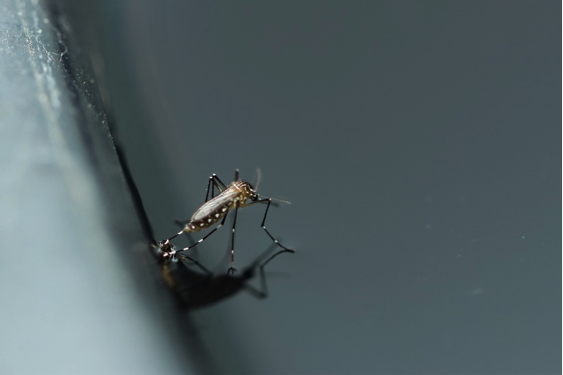
Mosquitoes
We’d like to be completely rid of mosquitoes forever, but that would be a difficult task! Let’s look at what you can do to reduce their occurrence in and around your home:
- Eliminate breeding grounds
- Be cautious of the time of day you plan your festivities; mosquitoes are most active early morning and late afternoon
- Minimize wearing floral prints and perfumes as they attract more mosquitoes
- Receive regular mosquito reduction service
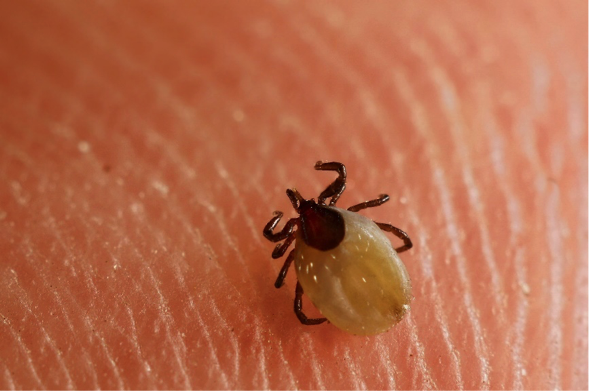
Ticks
We understand the concern that ticks can breed. Take a look at these tips to prevent one of these pests attaching to you:
- Wear light-colored clothing to help you see if you have picked up any ticks if you live in a wooded area
- Wearing long-sleeves, pants, and shoes without open toes is suggested if your festivities are in an area with tall grass. Ticks will use the tall grass to attach to you
- Keep grass cut low and inspect yourself thoroughly after working in the yard
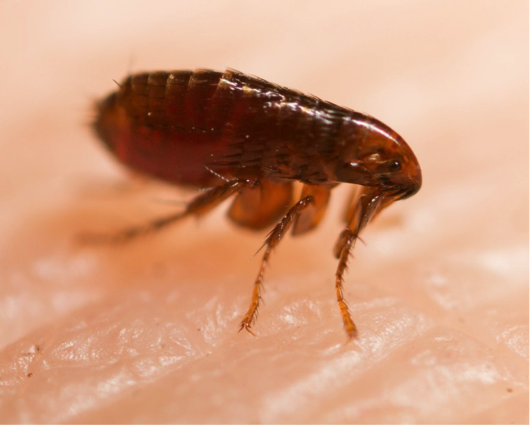
Fleas
Fleas are typically a nuisance for our furry friends, though they can still cause issues for you too. Here are a few suggestions to keep your home and pets flea-free:
- Check pets frequently for fleas and flea dust
- Vacuum carpets, mop floors, and clean furniture regularly
- Bathe pets frequently and speak with a vet about preventative medicine
- If you think you have a flea infestation in your home and/or yard, call your exterminator for a free flea treatment quote
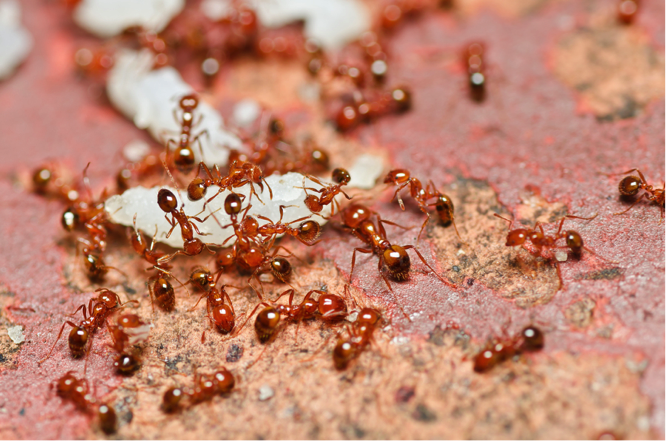
Fire Ants
Like mosquitoes, fire ants can be an unwanted fixture on your lawn during the warmer months. They leave painful bites and can be an issue for pets and humans alike. To prevent fire ants from ruining your summer fun, try these tips:
- Avoid all contact with fire ant mounds
- To stop them from coming into your home, seal any cracks and replace any weather-stripping
- If you see mounds around your home, call a pest control company to discuss a treatment plan
May 11, 2018 | Pest Control, Wildlife
Stinging pests are at most active during spring and summer months. With the sun out and spending more time outside, the chance of encountering a stinging pest that could potentially harm you and your family increases. Here are some common stinging pests to be on the lookout for:
Hornets
Hornets build nests in hollow trees and in the walls of houses and attics. They are also attracted to light and will fly into windows at night if they see light. They are actually a benefit since they help to control the population of other pests, but they are understandably not a benefit when they make their nest in your home. It is recommended to call a pest control professional if you notice a hornet’s nest near or inside your house, so it can be safely removed.
Yellowjackets
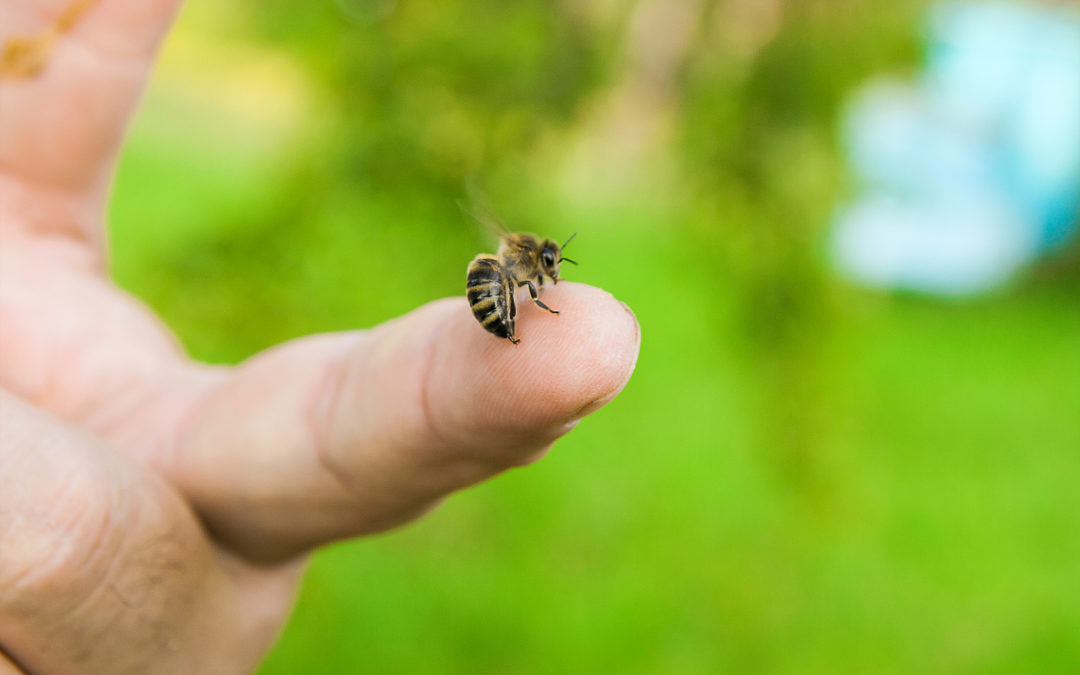
Yellowjackets are social insects and, unlike bees, have a smooth stinger. This stinger allows them to sting multiple times if threatened, and it’s painful. They are attracted to sweet foods and protein. When having picnics and BBQs, keep food covered tightly to not entice their presence.
Wasps
Wasps construct paper-like nests that can be found on branches, porch ceilings, eaves, and attic rafters. They can also sting multiple times and will call on reinforcements by emitting pheromones when they feel threatened. If you find yourself with a wasp flying around you, do not swat it away, as this may agitate it. Instead, calmly walk away and it should not follow.
How to Avoid Stinging Pests:
- When attending any functions outside, avoid using an excess of perfume.
- Seal any openings from the outside of your home.
- Floral and brightly colored clothing tend to attract; stick to dark colors and close-toed shoes.
May 11, 2018 | Pest Control
As summer approaches we kick off the start of vacation season. We’ll soon be taking advantage of warm weather, sunshine, and school getting out to take off to the beach, camping in the mountains, or just visiting out of town relatives. But people aren’t the only ones hitting the road – pests take advantage of our travels to hitch a ride back home with us too! What can you do to keep these pests from turning your home into an insect’s paradise? Check out these tips to keep your home pest free this summer.
In The Car:
Bed bugs, fleas, ticks, spiders, and roaches like to catch a ride with you from destination to destination, especially on road trips.
- Keep car windows closed as much as possible when you’re on the road, especially when you drive through wooded areas.
- Keep the interior of your car clean and dehumidified.
- Clean up any food and drink spills immediately.
- When you arrive at your destination check the sheets, carpet, curtains, and bathrooms for any signs of pests.
- Elevate your bags in the room and keep them sealed tightly when they’re not in use.
- Check your socks and the inside of your shoes every morning before you put them on.
On A Plane:
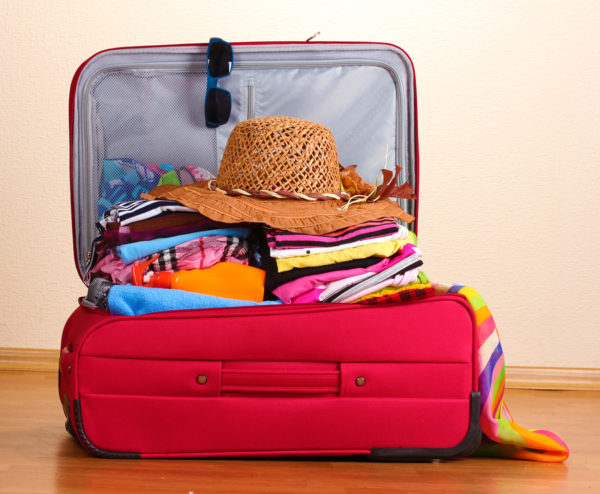
Silverfish, bed bugs, and even moths can hitch a ride in your suitcase. You can pick these up in hotels, your relatives’ homes, and even in the airport.
- Keep your bags sealed when you’re not using them, whether it’s in a hotel, in your car, in the airport, or on a plane).
- Wash and dry your clothes as soon as you get home.
- Don’t keep food in your carry-on bags.
- Don’t take any trash off the plane when you disembark.
- Once you unpack, put your bags in the dryer for at least 20 minutes.
- Inspect everything you bring home for pests, even after you wash and dry it.
In The Woods:
Camping is one of the most challenging environments for pest control. Let’s face it – pests live outdoors!
- Keep your food in sealed containers and make sure to store them at least 10 feet from your camp site and at least 8 feet in the air.
- Make sure you store your firewood at least 20 feet away from your camp site.
- Seal your sleeping bags inside your tent when you’re not using them.
- Check your sleeping bags for pests every night before getting in them.
- Sleep under a mosquito net.
- Wear bug spray.
- Dispose of any food scraps immediately.
- Wash and dry all of your things as soon as you get home, including your tent, your sleeping bags, your clothes, and even yourself).
- Check your whole body, especially any skin folds for ticks.
In Someone’s Home:
One place we don’t often think about picking up unwanted pests is in the homes of our relatives. Pests, however, don’t discriminate – they can be found in even the cleanest of homes.
- Inspect the furniture where you’re staying as soon as you arrive for signs of pests.
- Change the sheets upon arrival.
- Don’t hang your clothes up in the closet.
- Elevate your bags and keep them tightly sealed when they’re not in use.
- Wash and dry your clothes and bags immediately when you get home.
If you suspect a pest problem when you get back from vacation, contact a pest control professional for a thorough inspection.
May 4, 2018 | Mosquito, Pest Control, Termite Control
As we approach the warmer and more humid months, the chance of encountering pests increases. While some are more occasional invaders, there are some that will make it a point to stick around.
Cockroaches
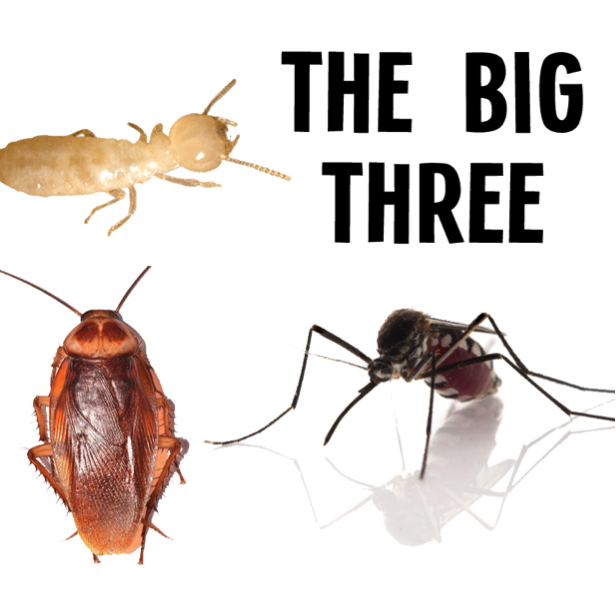
With the weather changing and a large amount of rain in the forecast, your home provides cockroaches with shelter and an ever-flowing food source. The larger roaches you may encounter are more than likely American cockroaches; an infestation that is normally easy to stop with a quarterly pest service. However, if you notice smaller roaches in the kitchen and/or bathroom of your home, you may be dealing with German cockroaches. They are a much harder infestation to control and will usually require a monthly treatment by your exterminator.
Mosquitoes
There is a consensus in the South that mosquitoes are despised, and we would all like them gone. Unfortunately, they seem to be here to stay, as they thrive in this area due to the humid climate. Also, because of where we are located, our mosquito season starts before other regions in the U.S. They are more of a hazard than just a casual annoyance; mosquito bites have the potential to spread diseases like Malaria, Dengue, and Zika. At Northwest, our Mosquito Reduction Service reduces adult mosquitoes and limits mosquito breeding around your home, reducing your risk of mosquito bites and mosquito diseases.
Termites
In the pest world, we refer to the warmer months as “swarm season.” This is when pests that have been overwintering emerge and begin to swarm. Termites only swarm once a year and, here in the South, the type you will see swarming are Subterranean termites. The ones you see flying around your home are not the ones that will cause destruction; however, it’s a sign that a termite colony is nearby. A termite inspection by a professional exterminator will not only look for signs of termite damage around your home but will also provide you with a personalized plan for treatment, if damage is found, and prevention moving forward.
Apr 26, 2018 | Pest Control
Summer brings hot temperatures and high humidity. It also brings some of the most annoying pests – fleas and ticks. These parasites can cause significant health issues for your pets including Lyme disease, anaplasmosis, and ehrlichiosis. Fleas and ticks are practically impossible to keep at bay and can take weeks to months to get under control. What can you do to protect your pets from these parasites? Check out these 8 tips to prevent fleas and ticks from taking over your pets and your home.
- Use a preventative year-round. While fleas and ticks are more common in the summer months, some can survive indoors during the winter. Check with your vet to see which preventative product is best for your pet and use it as directed. Make sure to check the expiration dates on products as they will lose their effectiveness after the expiration date. Check with your vet to see if there are any new products you can try that may not have been on the market before. Make sure to check the labels to ensure dog products are used on dogs and cat products are used on cats. Some products that are made for dogs contain an ingredient that is toxic to cats.
- Check regularly for ticks. You should perform tick checks on your pets regularly, especially if you have been in areas that may have ticks. Make sure to check all over your pet’s skin, in their ears, and under their armpits. Remove any ticks that you find immediately and notify your vet if your pet has been bitten.
- Groom your pet regularly. Comb your pet on a regular basis with a flea comb/brush. this allows you to bond with your pet while still giving you a chance to check for any parasites that may be hiding under their fur. Bathe them at least once a week with a flea and tick shampoo.
- Get regular checkups. Make sure to stay up to date with routine examinations with your vet. During the exam your vet will check for any signs of parasite problems to make sure the preventative product you are using is effective.
- Clean behind your pets. Clean crates and carriers at least once a week with warm, soapy water. Commit to a weekly wipe down of their equipment. Bedding should be cleaned in hot water at least once a week. Choose a pet bed that has washable, removable cushions and covers. If you can, try and have more than one cover so you can replace one while the other is washing. If your pet’s bedding looks or smells dirty even after washing, replace it and start a regular laundering schedule.
- Vacuum often. Fleas are known to live in carpets, rugs, and pet bedding. Try to vacuum at least once a week and more often if you actually spot fleas. Fleas also avoid high traffic areas so make sure to vacuum along baseboards, under furniture, under cushions, and anywhere your pets sleep or spend significant time. Change your vacuum bags frequently.
- Clean up your yard. Fleas prefer warm, moist, shady areas while ticks like to hide in tall grass. Mow your lawn regularly. Keep bushes and shrubs trimmed back. Rake leaves, brush, and clippings from your yard to give pests fewer places to hide and breed.
- Don’t attract wildlife. Wildlife like opossums, coyotes, raccoons, skunks, and feral cats can bring fleas and ticks into your yard. Try to limit the access these animals have around your house and in your yard. Don’t leave bowls of pet food and water outside. Keep pet food stored in sealed containers. Remove food from bird feeders nightly. Use trashcans with locking lids. Seal any openings to crawlspaces, garages, sheds, and decks.
If you suspect a flea or tick problem, call a professional pest control company who can come and thoroughly inspect your home and yard and provide you with a comprehensive treatment and prevention plan.
Apr 17, 2018 | LeafProof, Pest Control
With the weather thankfully getting more spring-like, it’s time for a good deep-clean of your home. While a good spring clean is great for your spirit, it will also aid in keeping pests out of the house, along with your quarterly pest service. That way, you get to enjoy a pest-free spring!
Kitchen
Ants, pantry pests, and other common spring pests will seek to invade your kitchen where they will find food and water with ease. A deep clean of your pantry and counters can greatly reduce the occurrence of pests. If it is feasible, clean out from behind your appliances; food will have fallen that pests will find. Also, place your trash can away from doors that lead in from outside and away from windows.
Bathroom
Roaches and silverfish tend to be attracted to bathrooms due to the excess moisture. Reducing sources of water is the best solution to ward off an infestation. Check around tubs, sinks, and toilets for any leaks, and wipe off standing water on any surfaces.
Basement
The perfect hiding place for pests is often your basement. Mice, spiders, and many others like the dark corners to hide from the outside. Instead of using cardboard boxes for storage, go for plastic tubs with secure lids. Also, make sure to seal any found cracks; mice only need ¼” opening to enter your home!
Yard Space
A spring clean of the exterior of your home is crucial. Start with moving any plants and vegetation away from your home to make it harder for pests to come in. Be sure to clean out clogged gutters to eliminate another pest hiding place. You may want to consider installing gutter guards to avoid the possibility of clogged gutters. Other tips to remember: dispose of leaf piles properly and keep grass cut low.
If you suspect a pest problem in your home, contact a pest control company. They will be able to evaluate your home, identify what kind of pest you are having issues with, and set you up with a comprehensive treatment plan.
Apr 6, 2018 | Mosquito, Pest Control
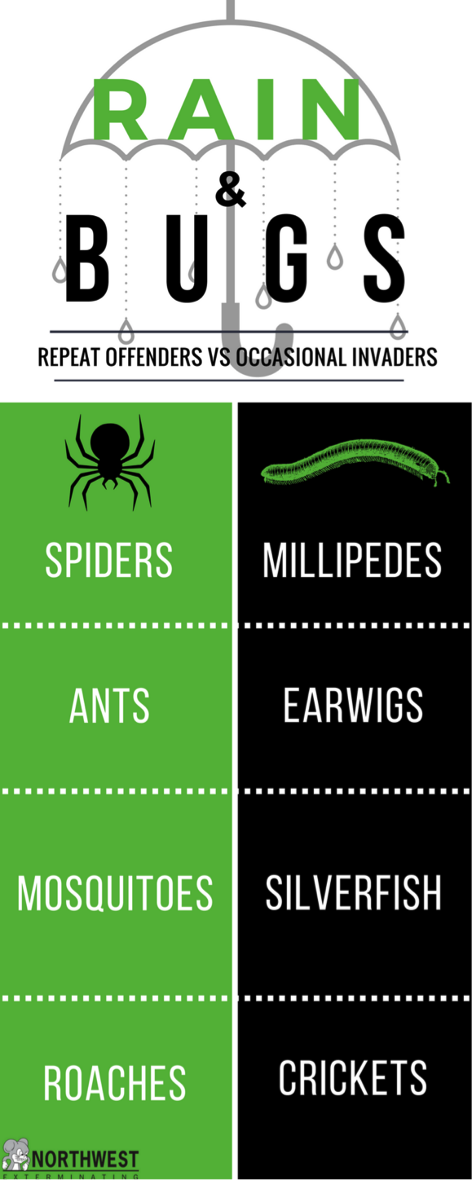
With pollen season in full swing, the rain is more than welcome in order to get some relief. However, when the rain has decided to overstay its welcome, it can lead to unwelcome visitors in your home and pests that overtake your yard.
The Repeat Offenders:
Spiders/Ants/Roaches – Once their shelter is compromised, these pests will seek refuge in homes, gaining access through small cracks that lead from the exterior of your home. Once these pests find that your home provides an excellent food source and shelter from the outside, they will attempt to establish a permanent residence.
Mosquitoes – Excessive rain leads to more sites of standing water that are perfect for mosquitoes to use for breeding, leading to mosquitoes progressively taking over your yard.
The Occasional Invaders:
Millipedes/Earwigs/Silverfish/Crickets – These pests thrive outside as their main source of food is decaying vegetation. While they like moisture, excess rain will push them out of their hiding spots, and the high levels of moisture in your basement will be an appealing new home.
You can take the following steps to make sure these unwanted guests stop invading your home:
- Seal off pest entry points
- Move leaf piles, mulch piles and other vegetation away from home
- Keep food sealed in tight containers
- Eliminate sources of standing water (inside or outside)
- Interior and exterior pest control treatments by a professional exterminator
- Monthly mosquito treatments
Apr 6, 2018 | Mosquito, Pest Control
With pollen season in full swing, the rain is more than welcome in order to get some relief. However, when the rain has decided to overstay its welcome, it can lead to unwelcome visitors in your home and pests that overtake your yard.
The Repeat Offenders:
Spiders/Ants/Roaches – Once their shelter is compromised, these pests will seek refuge in homes, gaining access through small cracks that lead from the exterior of your home. Once these pests find that your home provides an excellent food source and shelter from the outside, they will attempt to establish a permanent residence.
Mosquitoes – Excessive rain leads to more sites of standing water that are perfect for mosquitoes to use for breeding, leading to mosquitoes progressively taking over your yard.
The Occasional Invaders:
Millipedes/Earwigs/Silverfish/Crickets – These pests thrive outside as their main source of food is decaying vegetation. While they like moisture, excess rain will push them out of their hiding spots, and the high levels of moisture in your basement will be an appealing new home.
You can take the following steps to make sure these unwanted guests stop invading your home:
- Seal off pest entry points
- Move leaf piles, mulch piles and other vegetation away from home
- Keep food sealed in tight containers
- Eliminate sources of standing water (inside or outside)
- Interior and exterior pest control treatments by a professional exterminator
- Monthly mosquito treatments
Apr 3, 2018 | Mosquito, Pest Control
The South is known for many things like warm weather, sweet tea, and southern hospitality. Unfortunately, the south is also known for another thing – mosquitoes! Mosquitoes thrive in warm, humid climates like we have here in the southern United States. As the weather warms, mosquito season begins and peaks in the mid-summer months. Mosquitoes can breed in less than 1 inch of water so the South offers them a multitude of habitats to expand their populations.
Mosquito bites cause irritation and itching of the skin. Besides this nuisance, mosquitoes can also transmit diseases that can threaten the health of both humans and animals. Here are some of the most common diseases that can be spread by mosquitoes:
MALARIA
- Spread by Anopheles species of mosquito
- About 1700 cases per year in the US
- Most cases are from travelers returning from malaria infected countries
- Serious disease, sometimes fatal
- Symptoms include high fevers, chills, sweats, headache, body aches, nausea and vomiting
- Curable if diagnosed and treated promptly
- The potential for the disease to re-emerge in the US is present especially in the South
DENGUE
- Spread by the Aedes aegypti mosquito
- Rarely occurs in the US but rampant in Puerto Rico and Latin America
- Symptoms include high fever, severe headache, pain behind the eyes, joint pain, muscle and bone pain, rash, and mild bleeding (especially of the nose and gums)
- No vaccine to prevent in the US but there are vaccines registered for use in other countries
- No specific treatment; treat symptomatically with pain relievers, fever reducers, rest, and fluids
CHIKUNGUNYA
- Spread by the Aedes species of mosquito (Aedes aegypti and Aedes albopictus)
- Very similar to dengue and Zika
- Symptoms include fever, joint pain, headache, muscle pain, joint swelling, and rash
- Rarely fatal but extremely debilitating
- No vaccine to prevent
- Treatment is symptomatic with rest, fluids, fever reducers, and pain relievers
WEST NILE VIRUS
- West Nile Virus has been detected in over 30 species of mosquitoes
- Cases have been reported in all of the continental US
- Most people (8/10) do not have any symptoms at all
- 1/5 people have a high fever
- 1/150 people develop encephalitis which can be fatal
- No vaccine to prevent
- Treatment is symptomatic with fever reducers and pain relievers
ZIKA
- Spread by the Aedes species of mosquito
- Also spread by sexual contact and from pregnant mothers to their fetus
- Cases have been reported in all of the continental United States
- Symptoms include fever, rash, headache, joint pain, red eyes, and muscle pain
- Zika can also cause birth defects when passed to babies from their mothers during pregnancy
- No vaccine to prevent
- Treatment is symptomatic with rest, fluids, pain relievers, and fever reducers
PREVENTION:
Now that you know some of the diseases you can contract from mosquitoes what can you do to prevent them? Avoiding mosquito bites is the #1 way to prevent all of the diseases mentioned above. Check out these tips to avoid mosquito bites and help keep them away from yourself and your home.
- Eliminate standing water around your home, especially in old tires, buckets, plastic covers, toys, and any other containers that can hold water.
- Empty and change the water in bird baths, fountains, wading pools, and rain barrels at least once a week.
- Empty and change water in outdoor pet bowls daily.
- Check gutters for clogs which can cause water to pool. Clean them regularly, especially during the summer season. Consider installing gutter guards to help prevent clogs.
- Drain and fill any temporary pools of water around your home with dirt. Try to get your yard as level as possible.
- Keep swimming pool water treated appropriately and circulating.
- Make sure window and door screens are in good repair. Cover any gaps in walls, doors, and windows to keep mosquitoes from getting into your home.
- Keep doors and windows closed and stay indoors as much as possible, especially during the summer months.
- Keep your grass cut short and rake up any fallen leaves. Mosquitoes like to rest on grass during the day so keeping it short will eliminate this. Leaves can hold enough water for mosquitoes to breed so keep them raked up, as well.
- Replace your outdoor lights with yellow “bug lights.” These don’t eliminate mosquitoes but they do attract less of them than regular lights do.
- If you have to go outside, wear long sleeved shirts, long pants, and socks. Tuck your shirt into your pants and your pants into your socks to protect as much skin as possible.
- If you have to be outside in areas where there are a large number of mosquitoes, use head nets, long sleeves, and long pants.
- Use EPA-registered mosquito repellents but be sure to follow precautions and instructions carefully.
- Avoid using scented bath products if possible. While the connection is unknown, studies have shown that mosquitoes seem to be attracted to fragrances found in shampoo, perfume, cologne, and lotion.