Mar 3, 2021 | Pest Control
Spring is a perfect time to tackle home projects and deep clean the entire house! With warmer weather expected, it’s essential to get your home prepared and cleaned to make sure spring pests don’t infest!
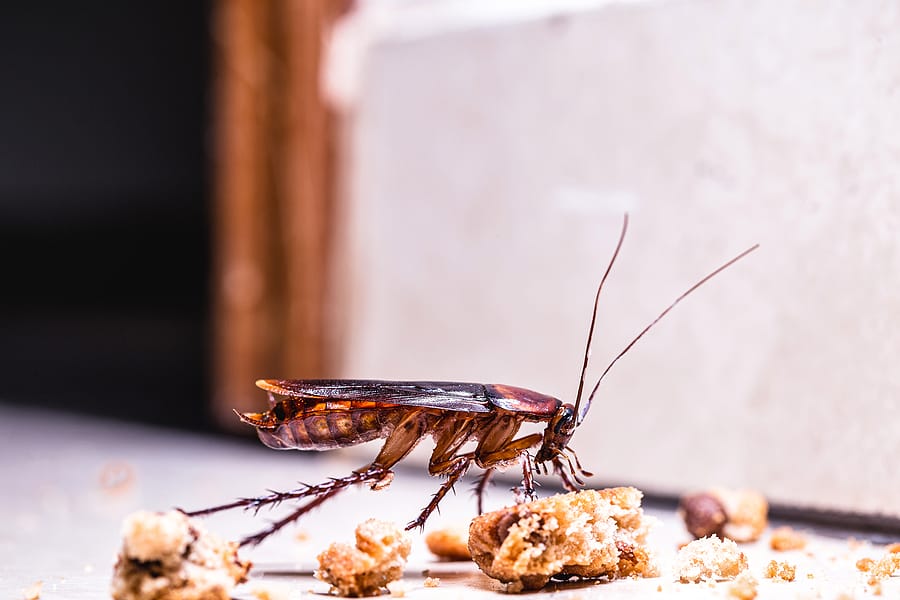
For many, the kitchen is the heart and main area of the household. Family members gather, cook, and eat in this space, making the kitchen the ideal place for pests to take advantage of both food and water sources that are left behind. Pests like ants are known to infest the kitchen for these things they need to survive. Beetles and Indian meal moths are also searching for a food source, usually in pantries. To keep all these pests out, homeowners should make cleaning a priority all year long. Wipe down countertops after any spills or mess and clean up any food crumbs that might have dropped. Consider going through the kitchen pantry monthly to discard any expired items and wipe down the pantry shelves.
Keeping moisture out of your bathroom can sometimes feel impossible. Roaches and silverfish are two pests that are highly attracted to moisture and often found in the bathrooms of homes. With a little preparation and cleaning, every homeowner can eliminate moisture to keep these pests at bay. Check under the sinks and around the tub to ensure there are no leaks. Keep the bathroom decluttered by cleaning out the medicine cabinet and washing the shower curtain and liner.
Basements and crawlspaces are both dark and cool, making them the perfect place for pests to take refuge. Rodents and spiders are commonly found in these places and will often seek clutter and dark corners to hide in. Going through and eliminating cluttered items and belongings stored in the basement will help keep deter these pests. If storage is needed, avoid using cardboard boxes and use plastic bins with secure lids instead.
Keeping pests out of your home can sometimes feel impossible. If you notice more pests in your house than you can handle, consider reaching out to your local pest control company. These trained professionals can help identify the pests, provide a prevention plan, and treat areas as needed.

Feb 2, 2021 | Pest Control
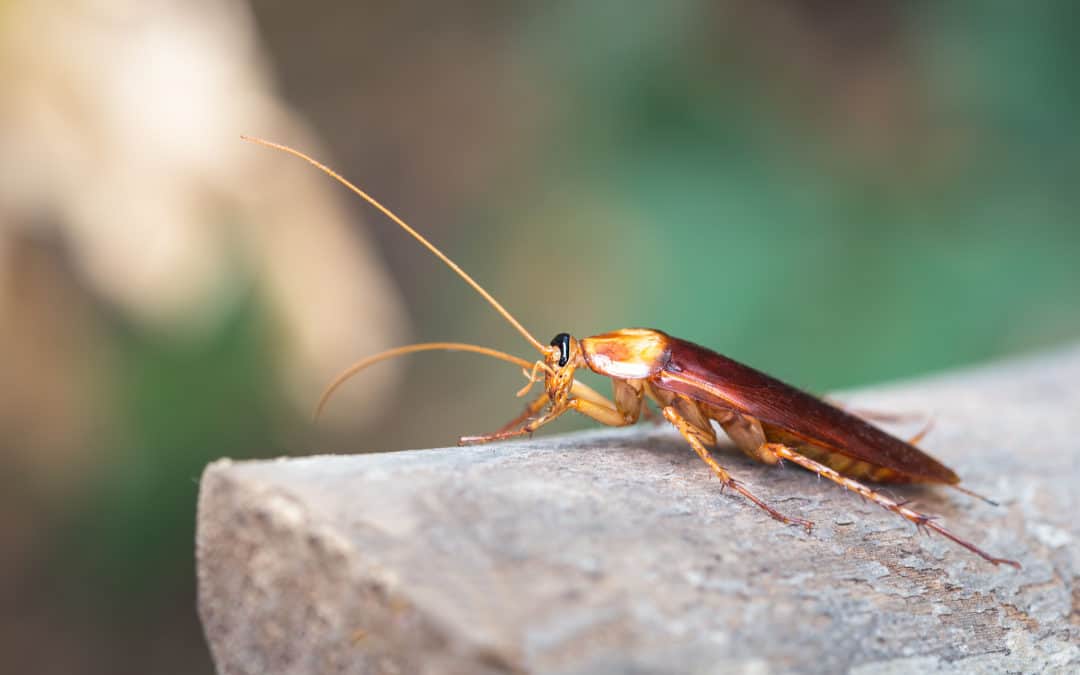
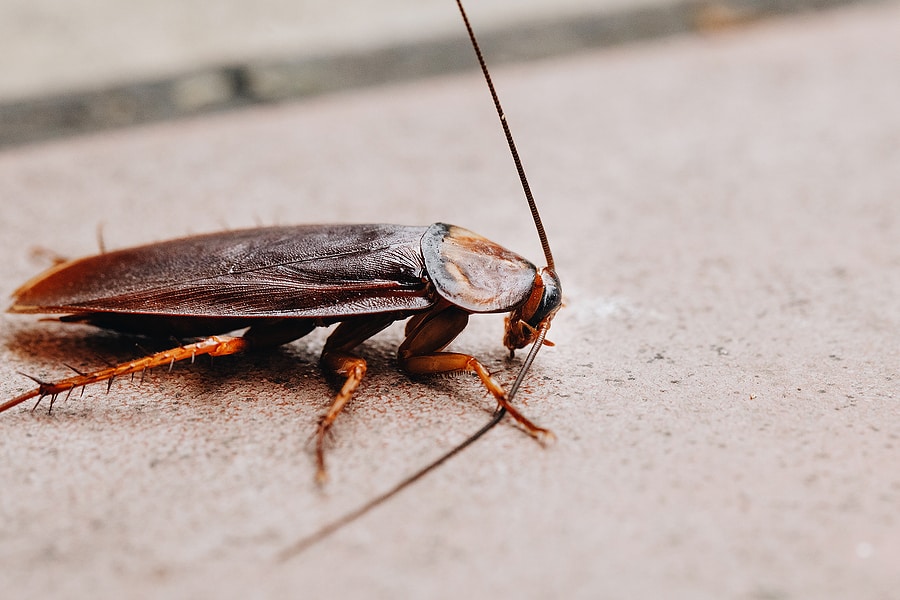
To most homeowners, cockroaches are all the same. They can sneak into homes, contaminate food, and be a nuisance to your entire household. While we tend to lump all cockroaches into one category, it’s essential to recognize that there are many different species of roaches around the world. Cockroach control methods depend on which species you are dealing with. Two popular roaches in southeastern states that get easily confused with one another are the Oriental cockroach and the American cockroach.
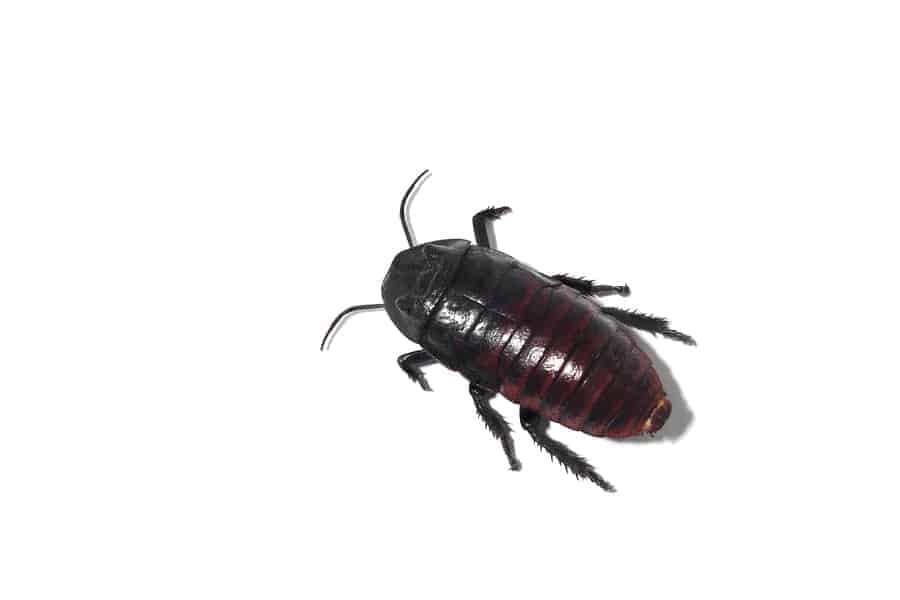
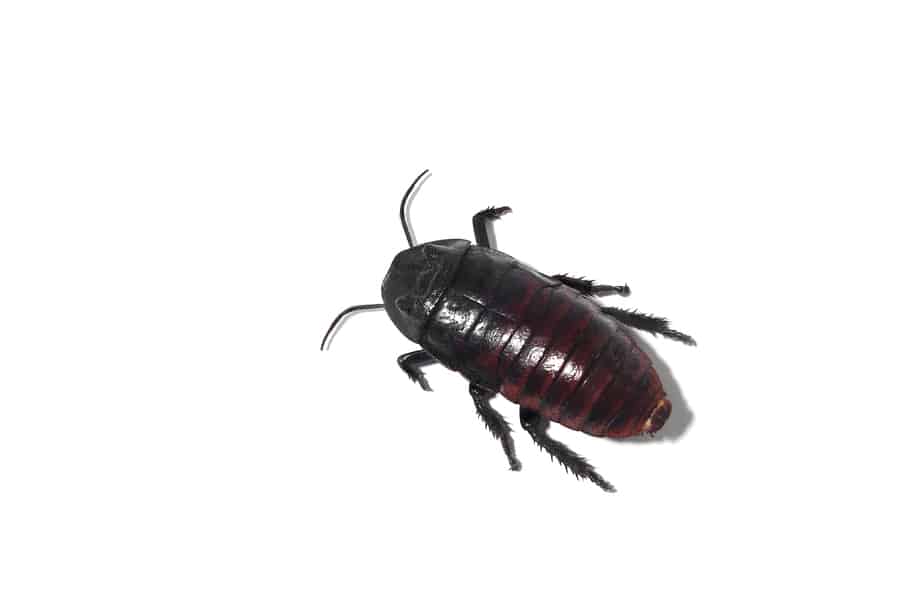
The oriental cockroach is a common species in the South. With a glossy body and cherry to black coloring, these roaches measure 1 to 1.25 inches in length. While they can cohabitate with American roaches, they usually prefer the outdoors rather than the indoors. Oriental roaches cannot live without water for more than two weeks, which means they are on a constant search for both a water and a food source. They often feed on decaying organic matter, starchy foods, and garbage.
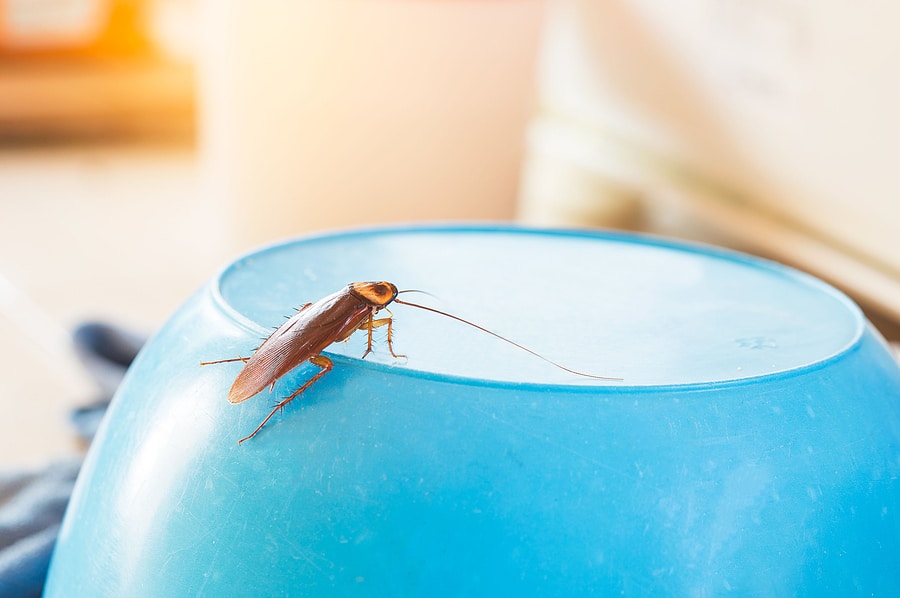
The American cockroach is quite a common species, especially in the state of Georgia. These roaches are chestnut to light brown color with a light-yellow band around the back of their head. Adults can get up to 2 inches in length and can live up to two years! Like the oriental cockroach, American roaches are in constant search of a water source and you will often find them near pipes, sewers, and basements. While they will feed on most foods, they particularly like fermenting material such as small insects, fungi, and algae. If they find themselves indoors, they will eat any crumbs or food found in appliances, kitchen cabinets, and floors.
Prevention is the key to keeping these pests from entering your house. Help prevent cockroaches by using these tips:
– Thoroughly clean your home each week.
– Store all food in tightly sealed containers.
– Clean up yard debris such as leaves or fallen tree limbs.
– Don’t let shrubs, trees, or woodpiles touch your home.
– Don’t forget to clean under forgotten spaces such as under the fridge, stove, and inside cabinets.
If you’ve done all the preparation you can but are still seeing roaches, consider contacting your local pest control company where they will help identify the roach, eliminate them, and keep them from coming back.
Jan 20, 2021 | Pest Control
During the wintertime, many homeowners worry less about pests that are common during the spring and summer months. Contrary to popular belief, however, some pests don’t just die off; instead they use their survival instincts to get through the winter. Here is a list of four common winter pests and what you can do to prevent them once the warmer weather arrives!
Ants
Seeing ants marching inside your home is typically uncommon during the winter months. Ants are still around, however, as they are great at overwintering and preparing for the cold! Ants prepare for the colder weather starting in the fall where they indulge in lots of food. This preparation technique helps them put on fat so they can survive for weeks at a time without eating. When winter finally arrives, their body temperature and activity will decrease. They will then seal up their colonies built deep in the soil or under rocks, where they will stay until springtime arrives!
Once the warmer weather hits, ants are full of energy and ready to invade your home in search of more food. To make sure these pests don’t come inside, seal all open gaps and holes, especially around areas where pipes and wires enter your home.
Bed Bugs
Bed bugs are active year-round, meaning they will invade your home whether it’s cold or warm outside. These pests are extremely resilient and can survive temperatures from nearly freezing to 122 degrees Fahrenheit! Because they can withstand these extreme temperatures, bed bug control can be difficult. Common signs of bed bugs include rusty, reddish-brown stains on bed sheets or mattresses, bites on exposed skin when sleeping, and eggs or egg casings.
After coming home from traveling, unpack your clothes and put them directly into your washing machine to clean. Always inspect your luggage for bed bugs and use a vacuum to clean it before storing it.
Cockroaches
Most cockroaches can survive year-round if they have access to a warm and moist environment. Unfortunately, this means your home is the perfect place for these pests to inhabit. German cockroaches are one species that are known to survive harsh weather conditions. When cold hits, these roaches are great at sneaking indoors through small gaps and holes.
Cockroaches prefer to live in humid habitats, especially in residential kitchens, bathrooms, and basements. To ensure these pests don’t infest your home, make sure to clean up any spills or food crumbs, vacuum often, and use weatherstripping to seal doorways.
Mosquitoes
It’s inevitable to see mosquitoes out during the summer months; but it may be surprising to most that these pests don’t die off when winter hits. Mosquitoes will, instead, overwinter or hibernate in protected areas such as hollow logs. When the temperatures increase, female mosquitoes will awaken and seek out a blood source to feed on to begin developing eggs.
Preparing for mosquito activity before summer arrives is crucial in protecting your home and family. Confirm your home is mosquito-proofed by eliminating any standing water, debris from your gutters, and sealing any holes or gaps leading inside the home.
To prevent these pests from invading your home when spring and summer hit, consider contacting your local pest control company. A trained professional can then provide you with an inspection, prevention, and treatment plan.
Nov 20, 2020 | Pest Control
One of the lesser known species of cockroaches, the oriental cockroach (Blatta orientalis), also known as the black beetle cockroach and the waterbug, is actually one of the largest next to its cousin, the American cockroach. These pests are great at hiding and fitting into tight locations and have adapted to thrive both indoors and outdoors. Let’s take a look at how to identify Oriental cockroaches, as well as some cockroach prevention tips.
Appearance
The Oriental cockroach is dark brown to nearly black in color with a smooth shiny exoskeleton. Although not quite as big as American cockroaches, these bugs do get up to 1 inch in length. Males are slightly shorter than females with stubbed wings and females are longer and skinnier without wings.
Habitat
These roaches are found throughout the United States and prefer warm, moist, dark locations. They thrive outdoors, often residing under piles of leaves, mulch, stone, wood, flower beds, and debris. They will travel through sewers and can come into your home through pipes and drains. Indoors, they can be found in rarely used sink drains, garbage disposals, under cabinets with plumbing, and in bathroom voids.
Diet
Oriental roaches are omnivores, eating nearly any type of food source but preferring decaying plants and rotting garbage. They will also make do with crumbs, pet food, and leftover human food, too. They are very dependent on water which is why they are usually found in areas with high moisture. They can survive up to 1 month with no food but only 2 weeks without water.
Behavior
These cockroaches are slower than most of their counterparts. They prefer to be active outdoors and are nocturnal. Males have wings but don’t fly. They have a lifespan of 1 to 6 months and their reproduction is seasonal – they produce more eggs in the spring and summer than they do the rest of the year.
Threats
Oriental cockroaches are dangerous to humans as they are known to transmit bacteria such as E. coli and salmonella. Because they eat decaying food and other material, they can contaminate food and other surfaces with the pathogens picked up from their food sources. They also excrete odors which can trigger allergies and asthma in those affected.
Signs
There are 3 main signs of Oriental cockroaches in your home:
- Seeing actual live bugs.
- Finding egg cases around your home.
- A wet, musty smell that gets stronger with larger cockroach infestations.
Prevention
- Keep your home clean and sanitized, especially areas with water (around drains, pipes, bathrooms, and basements)
- Seal doorways with weatherstripping
- Seal holes and cracks in foundations
- Vacuum often
- Use a dehumidifier to prevent moisture buildup
- Keep gutters clear or install gutter guards
- Divert water away from foundations with properly functioning downspouts, gutters, and splash blocks
If you have a problem with cockroaches of any kind, contact a professional pest control company for proper identification, potential points of entry, and the most up to date treatment options available.
You May Also Be Interested In:
Wildlife on the Move!
When Is Snake Season?
Kudzu Bugs vs. Brown Marmorated Stink Bug: What’s the Difference?
Is That Spider Poisonous?
Are Termites Active In Fall and Winter?
Aug 13, 2020 | Pest Control
You’ve prepped your home, made sure all messes are cleaned, and closed all open gaps, but you’re still seeing roaches in your home! Why are these pests still attracted to what’s inside your house and how do they keep entering?! We break down some common cockroaches you could be seeing and how they keep sneaking in!
The Species Matters
It’s important to note that there are several different species of cockroaches. Each species is attracted to and thrive off of very different environments. The Oriental cockroach prefers a dark, cool place to hideout. You can often find them in organic matter such as mulch, wood chips, and even between your home’s foundation. Brown-banded cockroaches, on the other hand, like warmer, drier environments. These cockroaches are commonly found in areas above eye-level, such as cabinets, pantries, and even TVs. Another common species is the American cockroach that prefers living in warm, moist areas. These pests can be found in homes, restaurants, grocery stores – basically anywhere food is prepped and stored!
Hitchhiking Roaches
What attracts roaches can be easily found inside anyone’s home. What if you’ve taken precautions, however, to ensure these pests won’t get into your house but they still keep coming back? There are several reasons why roaches keep finding their way back into your home. Roaches are extremely resilient and are excellent hitchhikers! These pests can be easily transported from one place to the other by hitching a ride in your grocery bags, luggage, and even cardboard boxes. Roaches can also travel from neighbor to neighbor, so if your neighbors aren’t taking great roach precautions they could be coming from next door!
What Next?!
Roaches are year-round pests making them extremely hard to control. Because of this, you’ll have to take precautions 12 months out of the year to keep them out of the house. Here are some tips to prevent roaches throughout the year.
- Eliminate any standing water in and around your home; check for leaks, seal gaps around your sink and tubs, and don’t leave pet bowls outside overnight.
- Inspect the interior and exterior of the home; seal any open gaps and tears throughout your house and use weatherstripping around all entryways
- Clean up all messes; clean up crumbs and food immediately, wipe down food prep surfaces, clean under appliances, and don’t leave dirty dishes out overnight
- If you’re still experiencing roach issues, call your local pest control company to provide a comprehensive plan to remove this nuisance pest from your home.