Aug 15, 2019 | Pest Control
Predictions for the 2019 Atlantic hurricane season have come in from the National Oceanic and Atmospheric Administration (NOAA). During what they are calling a “near-normal” season, the Southeast region could see 9-15 major storms, 4-8 hurricanes, and 2-4 mega-hurricanes. Storms and heavy rains can lead to an explosion in pest populations after these weather systems are long gone. From clogged gutters to excess moisture in and around your home, your property needs protection from storm damage. Follow these tips to prepare and protect your home in case the weather takes a turn for the worst.
- Windows on your property should be reinforced before the impending weather makes landfall. While you’re at it, look to also replace old weather-stripping and seal all cracks and crevices. Pests will seek out your home for shelter after being flooded out of their nests and will use these entry points to gain access inside.
- Once the storm makes its way further inland, your home will be left surrounded by standing water. This is when mosquito populations will thrive as the standing water provides the perfect breeding site. Eliminate all areas of standing water and look to invest in gutter protection to promote proper drainage.
- Should you experience prolonged power outages, all spoiled food should be removed from the home and stored in trash bins as far from the home as possible. Any waste or clutter can attract flies and rodents, so organizing all trash piles away from the home is crucial.
Once the clouds have cleared and you find that you have an issue with pests post-storm, contact your local, licensed pest control company for an inspection of your home. They can pinpoint areas of damage that can lead to more pest issues down the road.

Jul 15, 2019 | Fire Ant, Mosquito, Pest Control
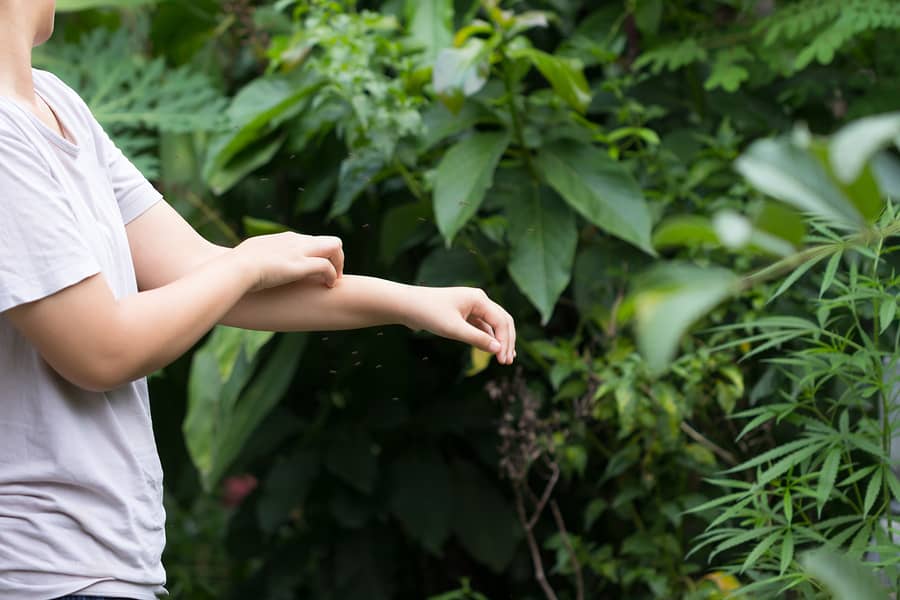
As the weather continues to pull you and your family towards more outdoor activities, the chances of getting bug bites increases. Here are some tips to prevent these bites and stings, and get back to enjoying your summer:
Mosquitoes
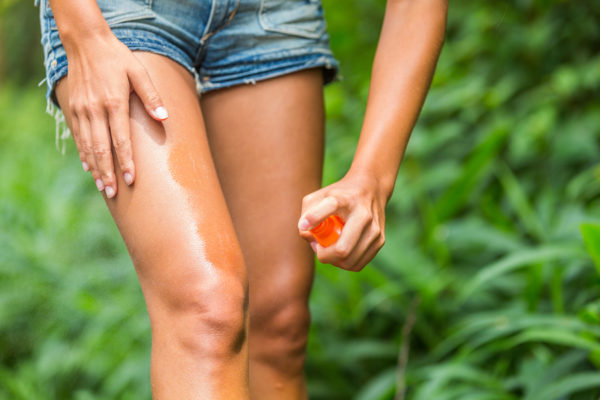
- Use EPA-registered mosquito repellant. Always make sure to follow the precautions and instructions carefully.
- Since mosquitoes are attracted to standing water, keep pools treated appropriately and keep the water circulating, and reduce or remove any other areas that accumulate water – bird baths, toys, buckets, flower pots, etc.
- Have your yard sprayed monthly for mosquitoes with professional mosquito control treatments – the best way to reduce mosquitoes and prevent mosquito bites.
Fleas & Ticks
- Avoid walking through tall grass. Be sure to keep grass cut low during the summer.
- Treat pets with year-round preventatives to prevent flea and ticks bites and infestations.
- If walking in wooded areas, wear light-colored clothing, long pants, and closed-toed shoes.
Fire Ants
- Keep vegetation and trash bins away from your home.
- If you spot nests in your yard, call your local exterminator to perform an inspection and provide a fire ant control plan, and keep away from mounds – especially young children and pets.
Treating bug bites and stings can put a damper on any outdoor activity. If you have issues with biting/stinging pests, call (866) 616-0862 or request a free pest inspection from your local pest control company.
May 10, 2019 | Mosquito
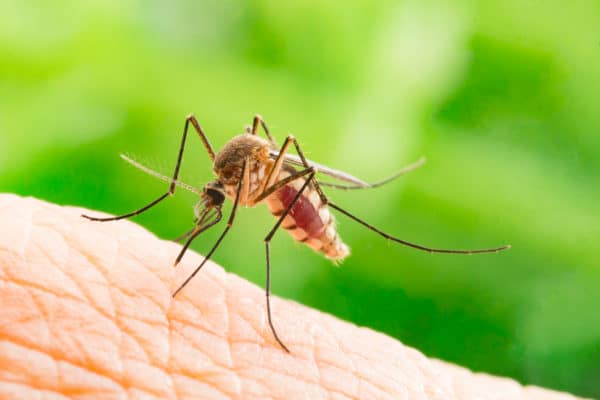
Mosquitoes are one of the most common pests active during the spring and summer months. While most consider them a nuisance with their incessant buzzing and itchy bites, mosquitoes can also be dangerous to both humans and pets, transmitting serious diseases like Zika and West Nile to humans and heartworms and encephalitis to pets. Peak season for mosquitoes is from April to October. What methods for mosquito control are out there? How long do they last? Find out the answers to these questions and more below.
When is Mosquito Season?
Mosquitoes will begin to lay eggs or previously laid eggs will begin to hatch when the temperature outside consistently reaches 50 degrees in the evenings. Peak mosquito season typically runs from April through October.
What is Included in a Mosquito Treatment?
There are several benefits included in a mosquito treatment. Green mosquito treatments use products derived from flowers and bacteria and are applied only to areas needed, reducing adult mosquito populations as well as mosquito larvae. A typical mosquito treatment program may include a property inspection to identify potential mosquito breeding and resting areas in and around your home and yard; a service guarantee to come back in between scheduled visits if needed at no charge; mosquito source reduction by eliminating areas of standing water such as clogged gutters, containers, bird baths, etc; larvicide mosquito treatments to target those potential breeding sites; and adulticide mosquito treatments to target adult mosquito resting areas like shrubs, ivy, weeds, small trees, shaded areas.
How Long Does a Mosquito Treatment Last?
Several factors affect the longevity of a mosquito treatment including weather, environment, application technique and the mosquito population levels around your home. A typical mosquito treatment lasts about 30 days. After this time, the material begins to degrade making your mosquito protection less effective. It is recommended that mosquito treatments should be applied monthly for the duration of mosquito season.
What Size Area is Treated?
In general, if your property is less than 1 acre the mosquito treatment will be applied to the entire yard. If your property is greater than 1 acre, technicians will usually start with a treatment area of about 1 acre and progress as needed. The treatment will specifically be applied to the perimeter of the yard in areas of foliage, woods, and shaded damp areas. These are the areas where mosquitoes prefer to rest during the day. This creates the largest impact while using the least amount of product.
What Can You Do To Prevent Mosquito Bites?
Mosquito bites are itchy and sometimes painful; they can also be dangerous as they can transmit serious diseases to both humans and animals. There are several steps you can take to prevent mosquito bites. Use insect repellent any time you will be outside. This repellent should include one of the following ingredients: DEET, Picaridin, IR3535, oil of eucalyptus (OLE), para-menthane-diol (PMD), or 2-undecanone. Cover up with long sleeves and pants. Tuck pants into your shoes if possible. Treat boots, pants, socks, and even tents with permethrin. Use air conditioning or window and door screens to keep mosquitoes out of your home. Make sure screens are in good repair with no holes or tears. Cover cribs, strollers, and carriers with mosquito netting. Once a week empty, scrub, turn over, cover, or throw out any items that can hold standing water such as buckets, planters, toys, pools, birdbaths, flower pots, and trashcans.
How Can You Treat Mosquito Bites?
Mosquito bites are not only painful, they can cause severe reactions if you have a mosquito allergy. There are several things you can do to treat mosquito bites. First and foremost, don’t scratch the bite. Scratching may temporarily relieve the itching but it also continues to irritate and inflame the skin and can lead to infection. Wash the bite with cool water and soap instead. Try calamine lotion or Caladryl on the bites; there are also several new products containing cortisone or other antihistamines such as AfterBite that can help relieve itching. Use a cold compress or ice pack on the bite to help reduce inflammation. Try an oral antihistamine like Benadryl to help with itching. These take longer to work but can also provide longer relief.
You May Also Be Interested In:
Home Remedies To Keep Snakes Away
Keeping Wildlife Out This Spring
Do I Really Need Termite Protection?
Tips For Preventing Cockroaches
Spring Clean Your Lawn
Sep 28, 2018 | Mosquito, Pest Control
Summer is drawing to a close and, even though the temperatures are cooling off, they haven’t reached the cold level yet. The time is drawing near for the last battle of the year – us versus mosquitoes! That’s right – just because we’ve moved into fall doesn’t mean the end of mosquito season – especially in the south. Mosquitoes are cold-blooded insects and won’t disappear until temperatures are consistently below 50 degrees. In fact, mosquitoes can even still breed in standing water, especially with the extra rain this time of year brings.
So what can you do to not only prepare yourself for this last battle but keep them at bay until the winter months? Make sure to include mosquito prevention in your fall home and yard preparations. Follow these tips to win the battle with mosquitoes!
- Remove any standing water from flower pots, bird baths, tires, tarps, and any other containers in and around your yard that can hold stagnant water.
- Remove piles of leaves and debris from your yard as these can give mosquitoes a place to hide out and possibly breed.
- Clean your gutters and fix leaky pipes. If cleaning gutters isn’t your thing, consider installing gutter guards to eliminate the hassle of cleaning them year after year.
- Continue to wear protective clothing and repellent when you are outdoors, especially in the early morning and at dusk.
- Make sure screens on doors and windows are in good repair without holes or tears, especially as we use our air conditioners less and enjoy the cooler temperatures outdoors.
- Contact a professional pest control company to help you eliminate mosquitoes from your home and property and help you with an ongoing prevention and treatment plan.
Jul 19, 2018 | Community News, Mosquito
We’ve reached the point in summer where random showers appear out of nowhere and end just as quickly as they start. The showers can sometimes occur back to back and the sun does not have time to dry up the puddles or standing water, leaving behind the perfect breeding sites for mosquitoes. Not only are mosquitoes one of the more annoying pests, they also carry disease, endangering you and your family. West Nile and Zika are the most well-known diseases that can be spread through mosquito bites. However, in recent news, another disease has surfaced in the media, the Keystone Virus.
- What is the Keystone Virus? This is a virus transmitted by mosquitoes. The first human case documented was in 2016 in North Central Florida. However, the virus was first discovered in Keystone, FL in 1964.
- Should my family and I be worried about the Keystone virus? The virus is not a cause for panic or concern like Zika. Humans infected by the Keystone virus, may exhibit a mild fever and rash, and in very rare cases it may cause encephalitis. However, it is very unlikely to exhibit any symptoms.
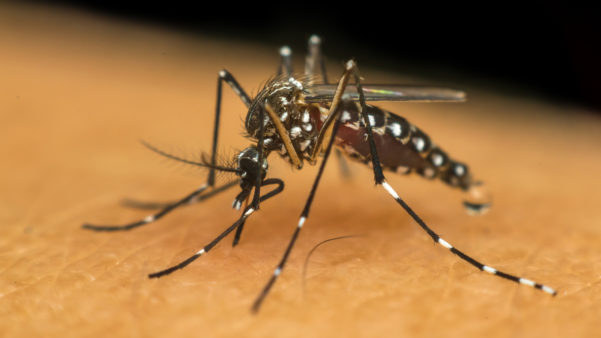
- What kind of mosquito spreads the Keystone virus? The virus is primarily transmitted by the floodwater mosquito. This mosquito is common throughout the southeastern U.S and is most active during dusk. Unlike, the Asian Tiger Mosquito, this mosquito does not breed in containers but prefers woodlands and swampy flooded areas.
- I think I was bitten by a mosquito and I do not feel well. What should I do? Contact your doctor or a medical professional.
Our products and mosquito reduction program have proven to help control this mosquito, but there are steps you can take in mosquito prevention as well!
- Keep gutters clear of debris and consider installing gutter guards.
- Eliminate any areas of standing water. If you live in an area that is prone to flooding, check that the water is draining properly.
- Peak mosquito activity is during dusk and dawn. Minimize outdoor activity during these periods. If this is unavoidable, make sure to use insect repellent, preferably one with DEET.
- Call a pest control professional if you suspect a problem with mosquitoes.