Aug 5, 2020 | Mosquito
Mosquitoes, known to be a top summer nuisance pest, are a huge problem when they invade your property. With consistently heavy rains and warm temperatures, it seems like these insects never go away. Why is it that these pests seem to come out excessively when it’s hot and raining?
It’s important to note that mosquito activity can vary from region to region, depending on the temperature of the area. Mosquitoes are cold-blooded insects; therefore, these pests won’t disappear until temperatures are consistently below 50 degrees. In areas of high temperatures, mosquito activity increases making summer peak mosquito season. Because of this, if it’s warm in the area you live in you’ll most likely see mosquitoes around.
When it comes to the rain, mosquitoes aren’t particularly attracted to the actual rainfall, but instead to what the rain leaves behind. Standing water brings mosquitoes for one reason – a place to lay their eggs. The water that’s left behind from rain provides the ideal place for their eggs to survive and hatch. It’s important to note that if any water is left undistributed for a long period of time, the eggs laid will eventually hatch and create even more mosquitoes to invade your property.
While rain and heat are inevitable during the summer months, they don’t mean there isn’t a solution to prevent mosquitoes. Here are some easy ways you can keep mosquitoes away from your property,
- Remove standing water from flowerpots, birdbaths, tarps, and any containers in or around your yard holding standing water
- Remove piles of leaves and debris from your yard and gutters, as these can give mosquitoes a place to hide and breed
- Cover any objects that can hold or collect standing water that can’t be removed, such as pools and boats
- If you’re constantly battling mosquitoes, it might be time to contact a professional pest control company to help eliminate them and provide an ongoing prevention plan.

Jul 10, 2020 | DIY Pest Control, Pest Control
A household pest is any undesired animal that has a history of living, invading, causing damage to, eating food from, acting as a disease vector for, or causing any other harm to a human habitat. While most are considered a nuisance, household pests become dangerous when they pose a risk to health, property, or lifestyle. Household pests aren’t just limited to insects; they also include arachnids, rodents, and wildlife.
While household pests can be found year-round, some are more common in the summer months. Here are 8 of the most common summer household pests and how you can prevent them.
Mosquitoes
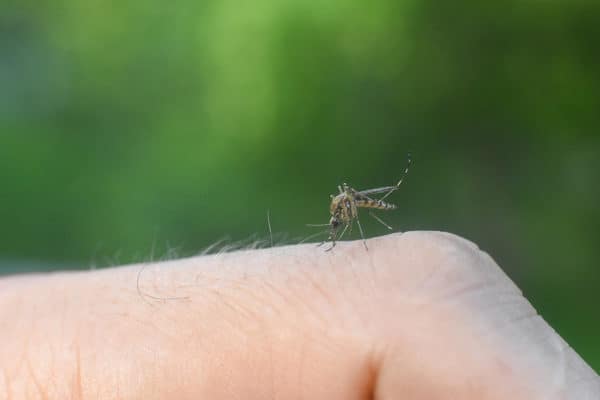
Mosquito season peaks in the summer months. The warm weather and humid environments accelerate their life cycle so they are able to reproduce in large numbers during this time. You are most likely to see mosquitoes when you have standing water on your property. Mosquitoes lay eggs in standing water and the hot, humid climate in summer is ideal for both breeding and to find food sources. Mosquitoes are dangerous to humans as they carry pathogens that can cause serious diseases like Zika and West Nile virus.
Mosquitoes can be prevented by:
- Avoiding the outdoors at dawn and dusk
- Wearing clothing that covers arms and legs
- Eliminating areas of standing water
- Repair or replace torn window screens
- Apply insect repellent
Ants
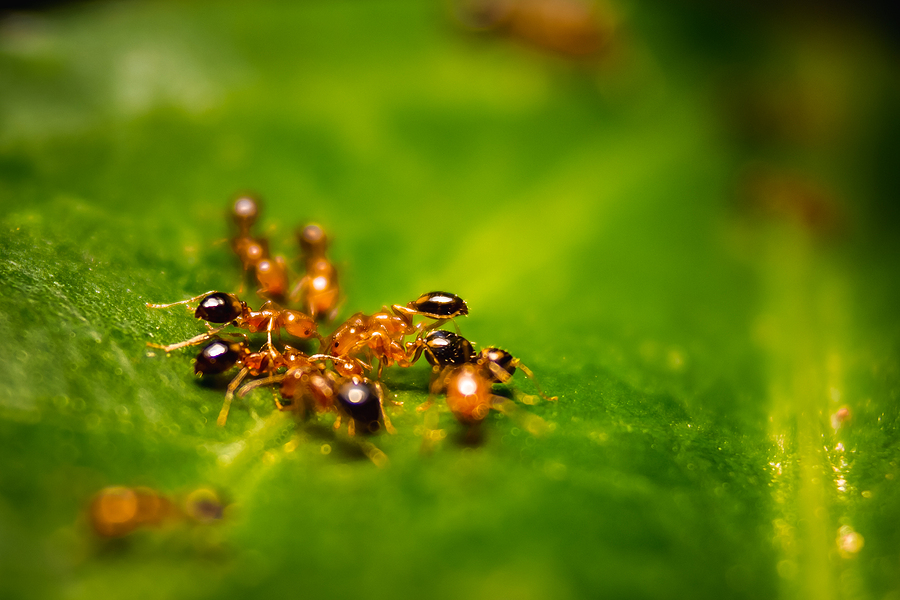
Ants hibernate in the winter and come out in full force over the summer. They have to forage in the summer months to feed their growing colonies and to build up their reserves for fall. Ants are usually seen indoors in the summer because they are searching for food and water as these can become scarce for them.
Ants can be prevented by:
- Keeping your home clean, especially the kitchen
- Not leaving pet food and water bowls outdoors
- Keeping trees and shrubs trimmed away from the house
- Sealing cracks and holes in your home’s exterior
Fleas
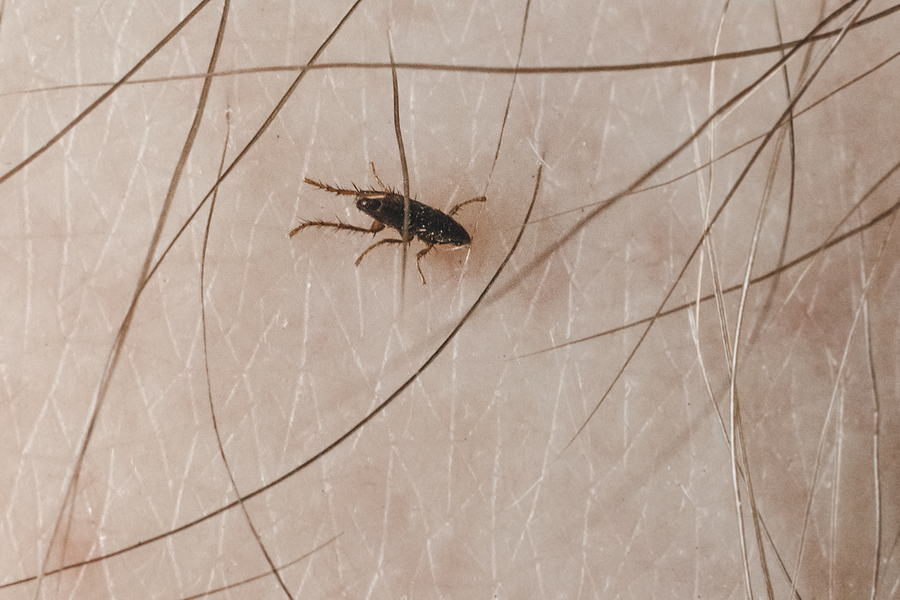
Fleas are prevalent in the summer months, although they can be found on pets year-round. Pets will indicate the presence of fleas by scratching and biting when they come in from outdoors.
Fleas can be prevented by:
- Treating pets for fleas with preventative medication
- Vacuuming frequently, especially in areas that pets frequent, and disposing of the bag immediately
- Treating your yard with outdoor flea spray
- Washing pet bedding and toys weekly in hot water
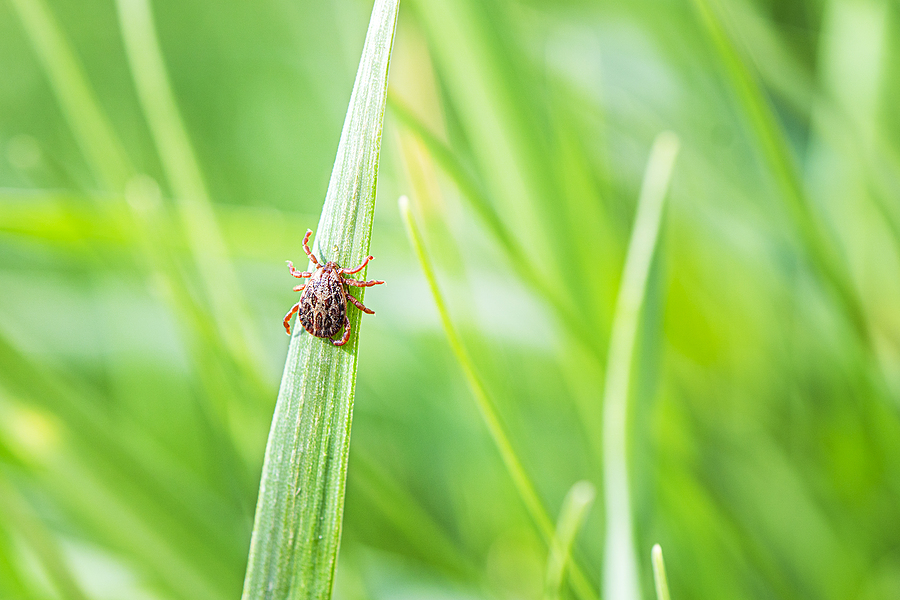
Ticks
Ticks are problematic to humans and pets because they spread diseases like Lyme disease and Rocky Mountain spotted fever. Tick bites increase in the summer because people and animals are spending more time outside. The US is also seeing an increase in ticks because of the combination of mild winters and an increased population of deer and rodents which are known to carry ticks.
Ticks can be prevented by:
- Using tick preventatives on pets
- Wearing long sleeves and closed toe shoes when outdoors
- Avoid areas with high grass or woods when possible
- Eliminating debris and wood piles from your property
- Wearing insect repellent
- Checking yourself and your pets for ticks immediately after coming in from outdoors
- Removing any ticks found immediately
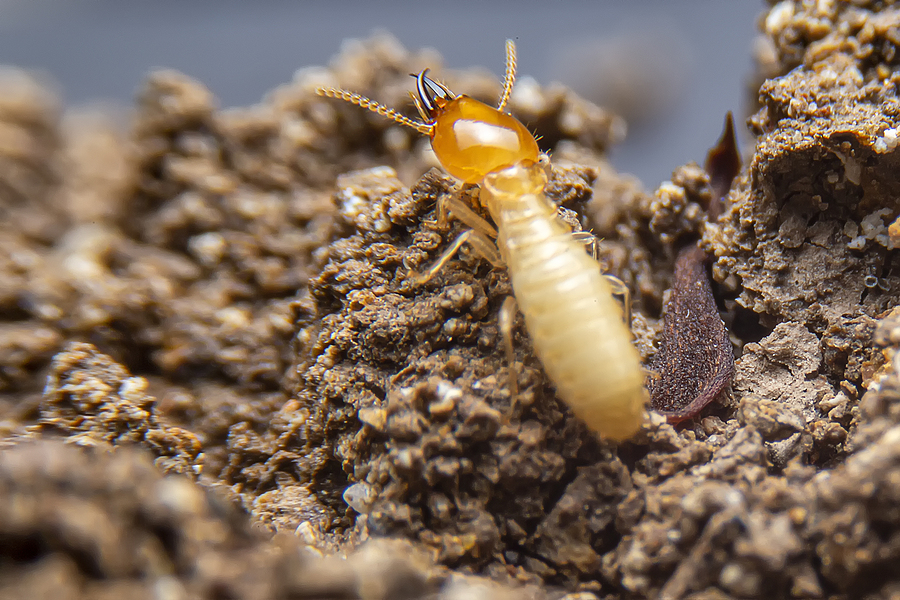
Termites
Termite swarming season is in the spring but these newly established colonies grow exponentially in the summer. Termites can go long periods of time undetected, causing significant damage to your home. It is important to keep an eye out for signs of termites so you can catch them early.
Termites can be prevented by:
- Eliminating wood to soil contact around foundations
- Creating a 4 inch barrier between wood mulch and your home
- Keeping plants a few feet away from your home
- Making sure storm drains point away from foundations
- Fixing leaks and eliminating any other sources of excess moisture
- Having an annual termite inspection performed
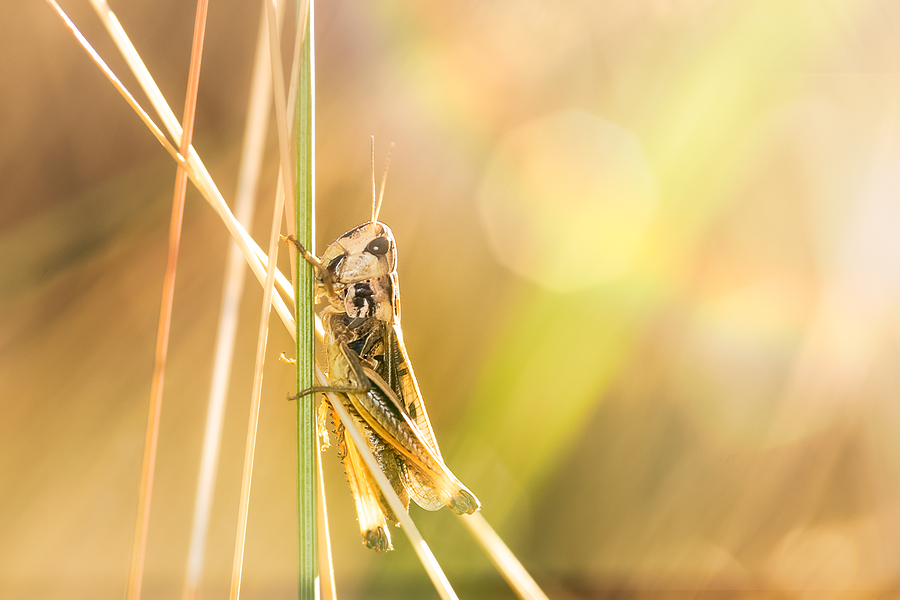
Grasshoppers
While most people view grasshoppers as just a nuisance pest, they can be devastating to gardeners and farmers. Grasshoppers can devour an entire field of crops in just a few days. Grasshoppers surge in large numbers in the summer months and are most prevalent in dry, hot summers. Grasshoppers can also cause damage to non-farmers as these are one of the only pests that can chew through screens.
Grasshoppers can be prevented by:
- Plant flowers that deter grasshoppers (lilac, crepe myrtle, verbena, sage, juniper)
- Plant vegetables that don’t attract grasshoppers (squash, peas, tomatoes)
- Introduce predators by making your garden attractive to birds
- Use floating row covers on crops and plants
- Consider natural products that kill grasshoppers without harming other animals or plants (Nosema locustae or Beauveria bassiana)
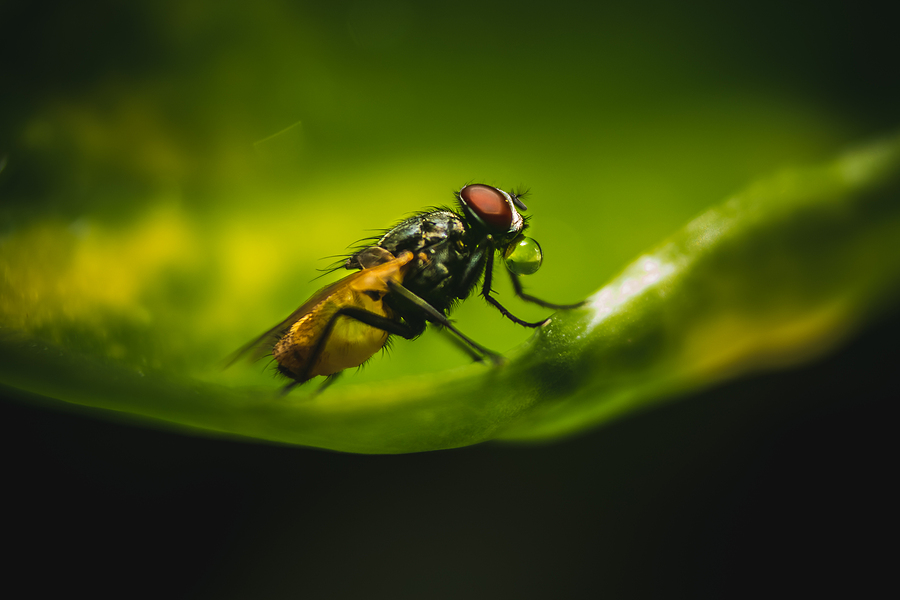
Flies
Flies invade your home in the summer months to escape the heat. They only reproduce during the hotter months and reproduce even more prolifically when they get indoors. Flies will stick around well into the fall months.
Flies can be prevented by:
- Keeping windows, doors, and vents sealed
- Using garbage cans with tight fitting lids
- Taking the garbage out when it is full
- Storing food in airtight containers
- Not leaving dirty dishes out
- Not leaving grass clippings in the yard
- Turning off outdoor lights at night
Stinging Insects
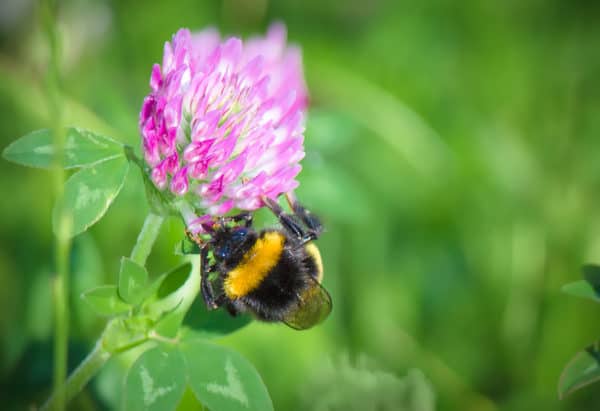
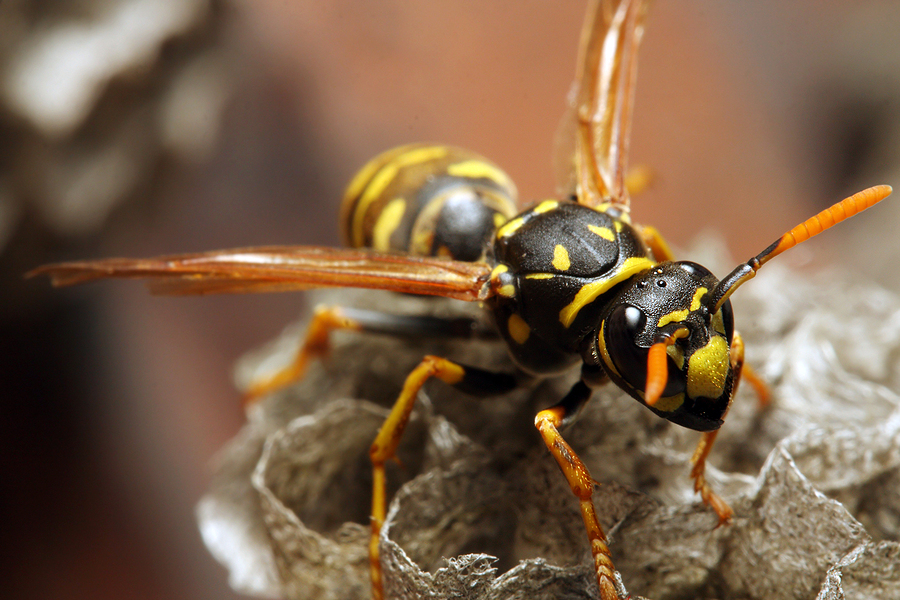
Stinging insects mate in the spring and their populations grow during the summer months. Hornets and yellow jackets are especially common in the summer because they have to establish new nests each year. These are usually found under decking or under piles of leaves. These stinging insects are potentially dangerous for people with allergies. Yellow jackets and bees can also get into the walls of homes, causing significant damage.
Stinging insects can be prevented by:
- Wearing shoes when outdoors
- Keeping trash cans tightly covered
- Eliminating dirt patches on your lawn
- Avoiding sweet smelling perfumes
- Don’t swat at stinging insects
Don’t let these common summer pests ruin your summer. If you have a problem with any of these pests, contact a professional pest control company who can help eliminate them safely and prevent them going forward.
You May Also Be Interested In:
Termites: How to Stop Their Damage
Keeping Cool for the Summer
Turning A Yellow Lawn Green
Fleas, Ticks, and Chiggers: What’s the Difference?
Pigeons, Sparrows, & Starlings: Nuisance Bird Control
May 19, 2020 | DIY, DIY Mosquito Control, Mosquito
Spending time outdoors is a great way to escape the hustle and bustle of everyday life. Whether it’s spending time by the pool, having a picnic, or just lounging in the yard, relaxing outside is a great activity for the whole family. But the last thing you want to have to deal with while spending time in your yard are mosquitoes. Mosquitoes can be a danger to your family and even pets as they survive by sucking blood from animals and humans. They are usually found in areas of high humidity looking for stagnant, standing water to breed. Luckily, there are ways you can prep your yard to prevent mosquitoes.
Remove Unnecessary Items
Since mosquitoes breed in standing water, it is essential to eliminate any items that could hold water. Items such as foundations, toy buckets, outdoor pet bowls, flowerpot sauces, tarps, pool covers, and more should not stay in your yard for a long period of time. It’s also important to remove excess grass, leaves, firewood, and yard clippings as mosquitoes tend to stay in grass and debris around your home.
Clean Your Gutters
Clogged gutters can not only create standing water but will also catch debris and leaves. This provides mosquitoes a perfect breeding location. Make sure that your gutters are clean and clear, especially after a thunderstorm. Consider installing gutter guards to help prevent clogs and clutter.
Fill Hollow Areas
Any low-lying areas like ditches can also collect standing water after rain or watering plants. Make sure to check around your yard that you don’t have these; if you do notice them you can simply fill them in with dirt. Additionally, check for any hollow logs and stumps throughout your yard. They not only can hold standing water but will also provide overwintering mosquitoes a place to hibernate during cold weather.
Maintain the Pool
If you have a well-maintained pool, mosquitoes will most likely avoid it. However, if a pool goes unused for a long period of time, these pests will be attracted to the stagnant water. Make sure to keep the pool maintained or covered if you’re planning to not use it for a while.
By utilizing these tips, you can start to enjoy your yard and worry less about mosquito bites! If you are still having an infestation of mosquitoes, it’s best to contact your local pest company to provide you with the best plan of action to eliminate mosquitoes. Request a Free Estimate now to get started.
Apr 20, 2020 | Mosquito, Pest Control
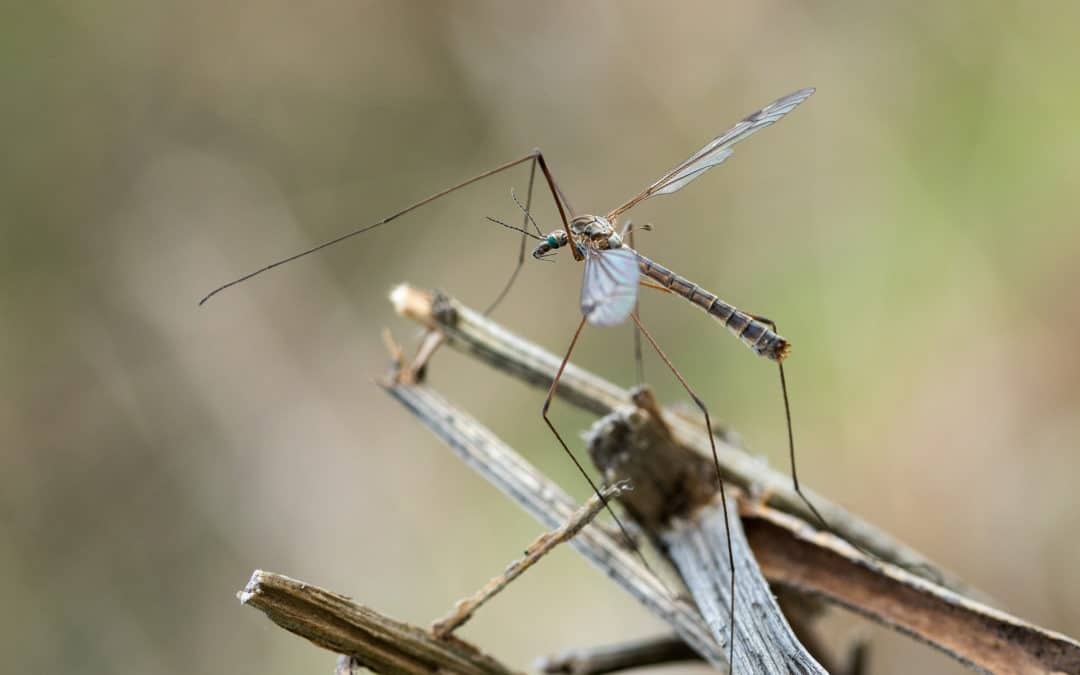
Imagine sitting outside, enjoying the weather with family, when you notice what looks to be a mosquito but it’s massive! No, this isn’t a super-sized mosquito, though it may look like one; it’s just a crane fly. Mosquitoes and crane flies can look very similar to one another, though they are very different by nature.
Crane flies can be black, red, or yellow in color depending on their species. Their wings can be transparent, brown, grayish-black or even brownish-yellow. They typically have extremely long legs and elongated faces opposed to the much smaller body of the mosquito. Active in the fall and spring, these creatures enjoy lawns near wooded areas or open fields where the females can lay eggs in the grass. They also tend to increase in numbers when there is a surge of dampness or heavy rainfall.
While mosquitoes can be considered a threat since they are known to survive off the blood of warm-blooded creatures, crane flies are deemed harmless and even gentle creatures. The only real damage that a crane fly can cause is in their larvae state after hatching when they will typically eat grass roots, leaving large brown patches on the lawn.
If you happen to see crane flies roaming around in your yard, don’t be too alarmed as they are no real threat to human health. If you are noticing more mosquitoes flying around, though, that could be a concern. It’s always best to contact a local pest control company who can help identify these pests and suggest a treatment plan if needed.
Feb 21, 2020 | Pest Control
A myth is defined as a widely held but false belief or idea. While myths are often based on some semblance of the truth, more often than not they are exaggerations or misunderstanding or even outright falsehoods. There are tons of myths regarding pests and pest control, some completely outrageous and others almost believable. Here are 10 of our favorite pest control myths.
1. Bees Can Only Sting Once
You’ve heard this one before. Once a bee stings you it can’t sting you again. This is one of those myths that is partly based in the truth. Honeybees, and ONLY honeybees, can only sting once. Other varieties of bees, wasps, hornets, etc. can sting as many times as they want. So be prepared – just because you’ve been stung once doesn’t mean there aren’t more stings coming along right behind that one.
2. Bees Will Only Attack When Provoked
This is another common myth you’ve probably heard – if you don’t mess with a bee it won’t mess with you. Once again, this is not the case. Bees, wasps, hornets, yellow jackets, and other stinging insects will sting you if they feel they or their colony are being threatened. This could be something as simple as walking too close to their nest. If a nest is spotted on or near your home, remove it safely or call a professional to remove it for you.
3. Bugs Won’t Come In A Clean House
This is a big misconception in pest control. Just because your house is clean doesn’t mean you are immune to bugs and other pests. While a dirty house can make a pest stay longer, a clean house doesn’t keep them out. Bugs come into a home in search of three things: food, water, and shelter. While an unkempt house can provide more opportunity for these 3 things, a clean house can provide them, as well. What is more important is sealing any entry points that pests can use to access your home.
4. Seeing A Cockroach Means Your House Is Dirty
This myth is similar to #3. Once again, cockroaches will come into your home for 2 main reasons: food and shelter. While they may find these in more abundance in a dirty home, they can also find them in a clean home too. Once a cockroach infestation is established it can be extremely difficult to get rid of. Cockroaches can enter through an opening the size of a quarter so sealing any possible entry points is critical in preventing them.
5. Mosquitoes Only Come Out At Dawn And Dusk
This is another myth that is based in part on the truth. Some species of mosquitoes are more active at dawn and dusk but mosquitoes can be active at all hours as long as there is food available. Best practice is to utilize mosquito prevention techniques anytime you will be outdoors.
6. Bug Zappers Can Eliminate Mosquitoes
This one is blatantly false. Bug zappers use ultraviolet (UV) light to attract insects into its cage. Mosquitoes aren’t attracted to UV light at all so they won’t be anywhere near the bug zapper. Bug zappers also don’t usually have enough power to actually kill the insects it attracts so it can have a reverse effect on insect populations around your home.
7. Mice Love Cheese
We’ve all seen or heard this one, either in a story or on TV. While mice will snack on the crumbs of just about any food, cheese actually isn’t their first choice. They would prefer to snack on foods that are high in sugar like peanut butter, candy, honey, or dried fruit. In fact, chocolate or peanut butter are the best choices to use in a mouse trap.
8. Bed Bugs Can Be Eliminated With DIY Techniques
Bed bugs are one of the most difficult pests to eliminate once they establish an infestation in your home. They are extremely small and only come out to feed at night, making them very hard to locate and identify. They can also multiply rapidly and can infest a structure very quickly. Because of this, they are extremely difficult to get rid of on your own and most cases require professional treatments to eradicate.
9. Termites Can’t Damage Brick Or Concrete Slab Homes
This is one of the biggest myths of pest control. While termites don’t actually eat brick or concrete, they have no trouble crawling over them to get to the wood beam structures that were used to build your home. For this reason, termites can, in fact, cause significant damage to brick and concrete slab homes.
10. If You Don’t See Any Bugs They Aren’t There
Just because you don’t see any bugs or any damage from them doesn’t mean they aren’t there. Termites and carpenter ants can cause damage for months before any signs of their damage become visible. Most infestations are well established before any damage is detected. Bed bugs are also hard to spot and often go unseen but leave devastating signs of their presence behind.
While all of these myths about pest control aren’t true, one thing that is true is prevention is the most effective way to avoid a pest infestation. If you suspect you have a pest control issue, contact a professional pest control company whose technicians are trained in the latest technologies and methods to help identify and eliminate your pest problem.
You May Also Be Interested In:
Is Orange Oil Effective As A Treatment For Termites?
How Much Does It Cost To Remove Animals From Your Attic?
Mosquitoes In The South
Don’t Bring Bed Bugs Home!
The Dangers of Flea and Tick Bites