Mar 27, 2020 | Pest Control
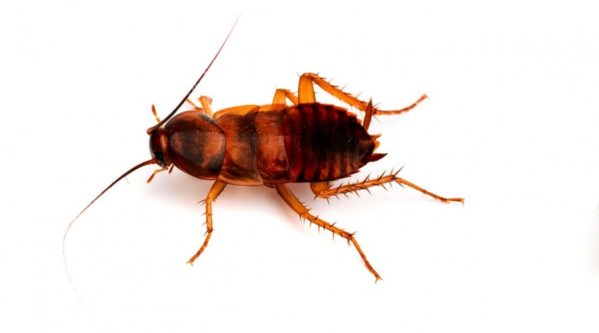
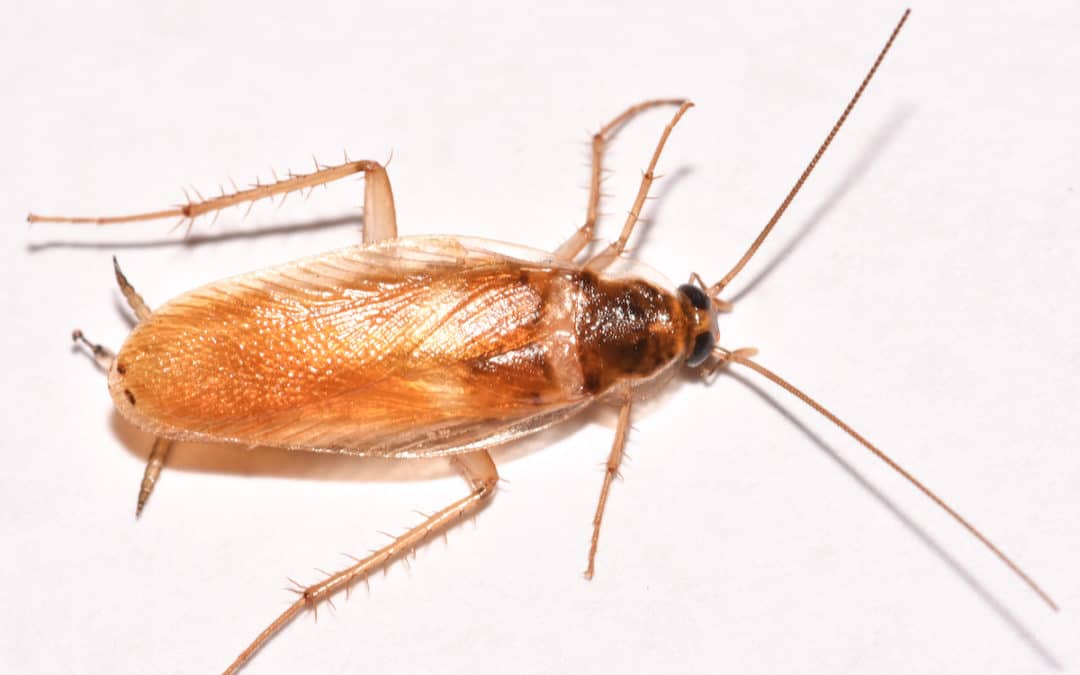
While they aren’t one of the most common cockroach species that are talked about, the brown banded cockroach (Supella longipalpa) can cause problematic infestations like their German and American counterparts. These roaches are one of the smallest species of invasive cockroaches with adults reaching lengths of about 11 to 14 mm. They are found throughout the United States. Brown banded cockroaches are named because of the light brown or tan double bands found on their bodies. These bands are found on the wings of adults and the bodies of the young. They are often confused with German cockroaches.
What attracts cockroaches is pretty simple: food, shelter, and water. These cockroaches need warm temperatures to survive and will often make their way into your home in search of food and shelter. They most often hitch a ride inside on infested furniture (where they often leave their egg casings), grocery items, deliveries, food products, and electronics. Once inside, they are commonly found in living areas where they have access to food supplies and hiding places. They tend to stay in drier locations that are at higher elevations, such as the upper cabinets in kitchens and bathrooms.
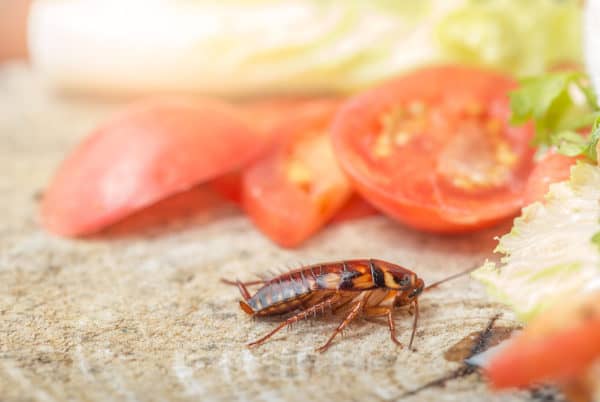
When you spot a cockroach in the house one of the first questions people ask is “are cockroaches dangerous?” The answer to that is yes, they can be. Brown banded roaches will feed on anything from trash and food crumbs to nylon stockings and glue. They are known to carry and spread 33 different bacteria, 6 different parasitic worms, and 7 kinds of human pathogens. They pick up these germs on the spines of their legs and bodies and spread them to any surface they touch. They are also known to trigger allergies and asthma in humans.
Once roaches have taken up residence in your home they can proliferate rapidly. They can be quite difficult to eliminate once they are there. The best way to handle roaches of any species is to prevent them from getting indoors in the first place. Check out these cockroach prevention tips:
- Properly Identify. The first step in preventing and treating cockroaches is to properly identify the species you are dealing with. Treatment techniques can vary by species. Brown banded cockroaches are not limited to high moisture areas like some other species are so a thorough inspection may be required to properly locate and identify them.
- Clean It Up. Brown banded cockroaches come indoors in search of food and shelter. Eliminating their food source will help deter them from their food search in your home. Vacuum often. Clean up crumbs and spills immediately. Wash dishes and put them away after meals instead of leaving them in the sink overnight. Store dry foods including pet food in airtight containers. Take the trash out regularly and use garbage cans with sealing lids.
- Seal Them Out. Roaches can also squeeze through openings smaller than 1/4″ in size. Seal all entrances around utility pipes and vents. Check for cracks in foundations and seal them also. Ventilate crawlspaces to prevent moisture buildup.
- Call A Professional. Roaches can be extremely difficult to get rid of on your own. If you suspect you have a cockroach infestation, contact a professional pest control company who can thoroughly inspect your home to properly identify the species of roach you are dealing with and help identify potential entry points into your home and then provide you with a comprehensive treatment and prevention plan to help eliminate existing infestations and prevent future ones.
You May Also Be Interested In:
Cockroaches: A Possible Allergy Trigger
Why Are Mosquitoes Inside My Home?
Mouse vs Rat: Can You Spot The Difference?
Getting Ready for Spring
10 Common Myths About Pest Control

Mar 25, 2020 | DIY, DIY Pest Control, Pest Control
As Springtime approaches, allergies are bound to follow. Many tend to blame the plant pollens for their sneezing and watery eyes. Although pollen can trigger your allergy symptoms, there could be another reason why your allergies are flaring up this Spring: Cockroach allergies.
Signs and Symptoms of a Roach Allergy
Cockroaches might not be the first reason you think of when you start to get allergies, surprisingly though, they can be the cause of your allergies and asthma. According to the American College of Allergy, Asthma & Immunology the saliva, feces, and shedding parts of cockroaches can trigger both asthma and allergies, acting like dust mites. The common symptoms of cockroach allergies can be coughing, sneezing, asthma attacks, nasal congestion, sinus and/or ear infection, itchy red or watery eyes, and skin rashes.
Preventing Roaches from Inside the Home:
In a survey conducted by the Asthma and Allergy Foundation of America (AAFA) and the National Pest Management Association (NPMA), the allergists surveyed believed that a pest-free home is the most important factor in preventing asthma and allergy systems.
Knowing what attracts roaches can help you prevent a roach infestations. Here are some preventative tips to keep roaches out of your home:
- Cover all trash cans
- Store foods in airtight containers
- Sweep up or vacuum all food crumbs
- Seal cracks in walls and floors
- Keep your yard neat and tidy
- Call a pest control professional
Cockroaches can be one of the most difficult pests to eliminate. If you find yourself using the tips above but are still seeing roaches in your house, contact a pest control company. An exterminator will be able to identify where and how the roaches are entering your home and eliminate them to protect you and your family’s health.
Nov 22, 2019 | Pest Control
Winter can be a difficult time for cockroaches. While they are adapted to thrive in warm temperatures, these cold-blooded pests cannot survive environments that are too hot or too cold. In fact, some species stop growing and reproducing when exposed to colder temperatures, usually consistently below 45 degrees, for extended periods of time. As temperatures drop, roaches will seek out shelter in warm places, most often in our homes and offices. These buildings provide them with everything they need to survive the winter – warmth, access to water, and an abundant supply of food.
Prevention is key when it comes to roaches. Here are 5 tips to prevent cockroaches from taking over your home this winter.
1. Clean Thoroughly.
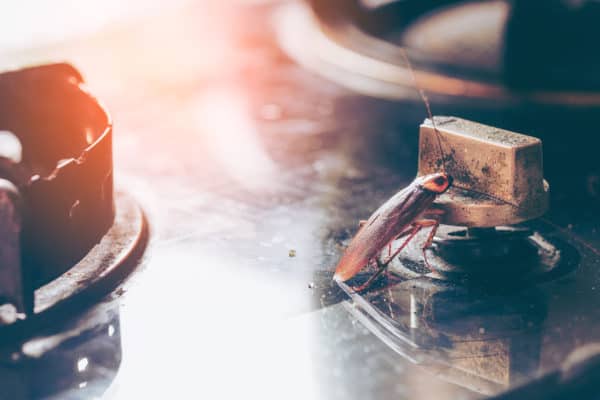
Roaches are attracted to dirt and crumbs as a source of food Make sure to always wash dishes after a meal and put them away. Clean up any crumbs and spills immediately. Take out the garbage before going to bed. Clean any grease from your stovetop. Keep food sealed in airtight containers. Sweep, mop, and vacuum on a regular basis. Don’t leave pet food, treats, and water out overnight.
2. Declutter
Clearing out clutter gets rid of places roaches can use to hide. Keep rooms clutter free and dusted often. Use plastic storage bins with lockable lids versus cardboard boxes. Eliminate newspapers and cardboard altogether as roaches love to breed in these materials.
3. Seal It Up
Roaches get into homes under doors and through cracks. Identifying these and sealing them up helps eliminate points of entry for cockroaches and other pests. Thoroughly inspect around windows and doors, along foundations and the roof, in attics and crawlspace vents, and around holes used for utility and plumbing lines. For small holes and cracks, use caulk to seal them. For larger holes, especially around pipes, use steel wool and foam to seal. Fine mesh wire can be used to seal around attic vents and chimneys.
4. Fix Leaks
Roaches, like most pests, need water and moisture to survive. Therefore, standing water or excessive moisture can attract roaches to your home. Regularly inspect your plumbing for leaks and repair them immediately. Make sure to check faucets, sinks, refrigerators, and appliances for leaks and excessive moisture. Crawlspaces are also a common source of excess moisture in homes. Consider crawlspace enclosure to help minimize moisture under your home.
5. Call A Pro
A cockroach infestation can be extremely difficult to control. Prevention can only go so far in the battle against roaches. If you suspect you have a problem with cockroaches, contact a professional pest control company who can help identify the type of roach you have, thoroughly inspect your home to identify points of entry or food sources, and help set you up with a comprehensive roach control treatment and prevention plan.
You May Also Be Interested In:
Is That Bird’s Nest Dangerous?
The Myth of the Granddaddy Long Legs
Bed Bug Holiday Surprise
Venomous vs Poisonous Spiders – What’s the Difference?
Mice, Rats, and Other Problem Rodents
Sep 6, 2019 | Pest Control
There are thousands of species of cockroaches in the world but only a handful are found in the United States. The most common species found in the US include the German cockroach, the American cockroach, the brown-banded cockroach, and the Oriental cockroach. While there are significant differences between these four species, there are some common features that are shared between ALL species of cockroaches. All roaches have flattened, oval-shaped bodies with antennae on their heads. They all move surprisingly fast and they all present a health risk for households. Roaches are known to spread more than 30 types of bacteria and even parasitic worms. One can find all of these species of cockroaches in the house. However, each species has its own characteristics and can be found in different parts of the home – making treatment methods vary from type to type. Let’s take a look at the different types of cockroaches and some ways to prevent them.
German Cockroach
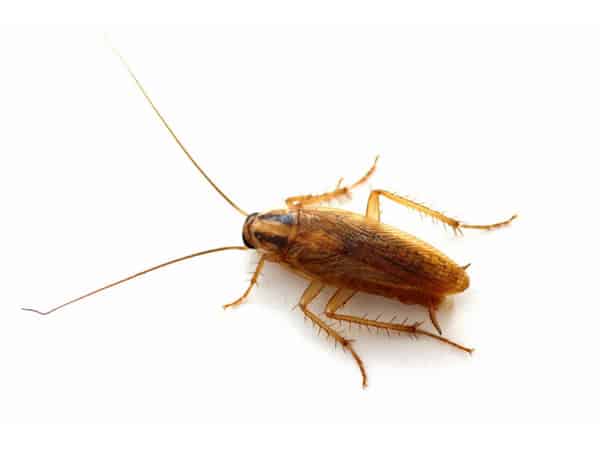
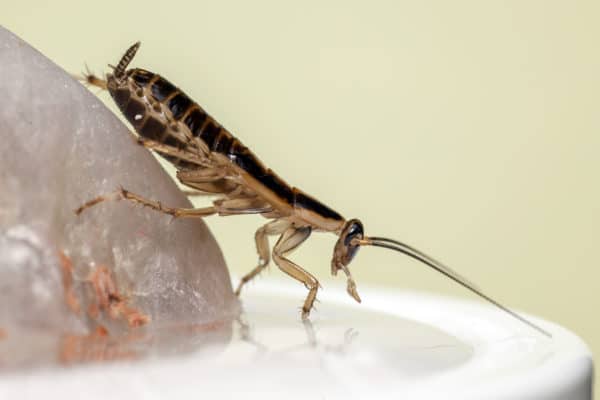
The German cockroach, also known as Blattella germanica, is a smaller species of cockroach, usually only growing to about 5/8″ in length. They are usually pale brown or caramel colored with two dark brown stripes behind their heads. They have wings but do not fly. German cockroaches are found across the United States and prefer warm, moisture-rich habitats. They are often found near dishwashers, sinks, and stoves and are mostly found in kitchens and bathrooms. German cockroaches can live up to 12 months and produce more eggs than any other cockroach species. They eat a wide variety of things but prefer meat, grease, and starchy foods. They are notoriously responsible for outbreaks of illness and triggering allergic reactions in humans. Their small size allows them better hiding capabilities making them harder to get rid of.
American Cockroach
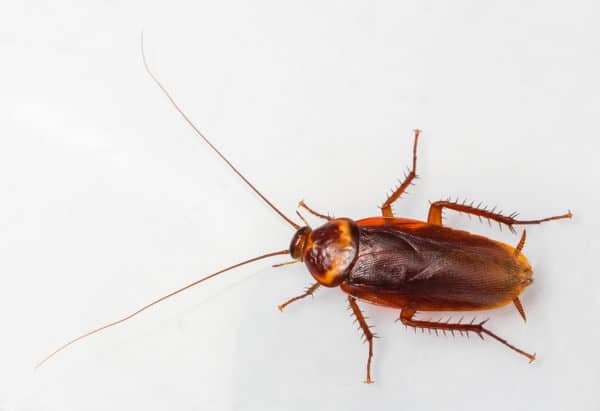
The American cockroach, also known as Periplaneta americana, is one of the largest cockroaches found in homes. American cockroaches grow up to 1-1/2″ in length. They are reddish-brown or brown in color and have light yellow bands around the shield behind their heads. American cockroaches have wings and can fly short distances. They are found throughout the United States and are often found in warm, dark areas like basements, crawlspaces, bathtubs, drains, and sewers. They are also common in households where food is stored. They will eat everything from plant material to garbage and contaminate any surfaces they walk across. American cockroaches can live up to 2 years. They are active when the temperature is 70 degrees or higher but have also adapted to survive at much lower temperatures with the right conditions.
Brown-Banded Cockroach
The brown-banded cockroach, also known as Supella longipalpa, is a smaller species of cockroach found throughout the United States. Brown-banded cockroaches are distinguished by 2 light yellow to brown bands across their bodies. Males have larger, dark brown wings that lighten in color as they extend to the tips. Females have smaller, reddish-brown to dark brown wings. Even though they both have wings, only males can fly. Brown-banded cockroaches like warm, dry environments that are higher than other species. They are often found in upper cabinets, behind pictures hanging on the walls, or in the hollow parts of furniture. In fact, they will often hide their egg casings in or under furniture. They will also gather near larger appliances like refrigerators and TVs because of the heat they give off. These cockroaches are often found in offices, apartments, kitchens, and hospitals. Brown-banded cockroaches prefer starchy foods like glue from envelopes and stamps and also paper products. They can live from 3 months up to 1 year and will jump when they have been disturbed.
Oriental Cockroach
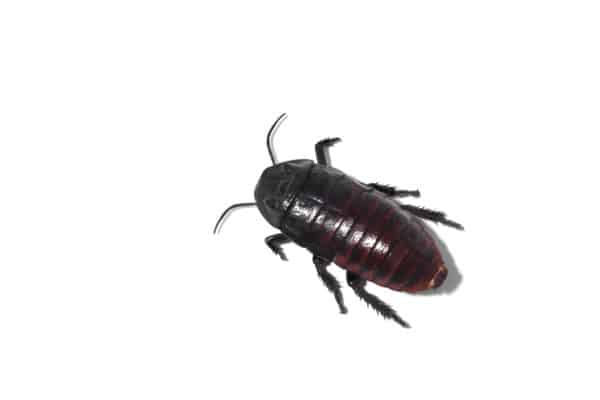
The Oriental cockroach, also known as Blatta orientalis, “water bugs,” and “black beetles,” has a glossy appearance that is dark brown or black in color. Oriental cockroaches can grow up to 1-1/4″ in length. These cockroaches cannot fly and are not as fast as other species. They prefer cool, dark, damp environments and are often found in basements, sewers, drains, and near woodpiles. They commonly enter homes through drains in search of food. Unfortunately they cannot climb smooth vertical surfaces and are often found stuck inside sinks and tubs. They primarily feed on decaying organic matter. Oriental cockroaches have a 6 month life span and give off a strong smell. They are considered one of the dirtiest species of cockroaches.
Prevention and Treatment
Seeing one or two cockroaches in the house usually means there are several more hidden out of sight. They are much more difficult to get rid of once a roach infestation is established. There are some steps you can take to help prevent roaches from taking over:
- Keep pet food stored in sealed containers and don’t leave it out overnight.
- Keep food sealed and stored properly, as well.
- Keep kitchen surfaces free from food debris and crumbs.
- Wipe down countertops often.
- Sweep often.
- Take out the trash frequently.
- Clean in, around, and under appliances.
- Check under sinks for leaks and drops.
- Vacuum carpets and mop floors on a regular basis.
- Keep basements and crawlspaces dry. Consider crawlspace enclosure to help prevent moisture buildup.
- Seal any cracks and crevices in your home’s exterior.
If you suspect you have a roach problem, contact a licensed pest control company. Professional pest control technicians can provide expert advice and thoroughly assess your home to help identify not only the type of cockroaches you have but also the most up-to-date treatment options and prevention techniques.
You May Also Be Interested In:
Mosquito Season: When Will It End?
How Much Damage Can Termites Really Cause?
Helpful Tips to Keep Wildlife our of Your Home
4 Diseases Caused by Rodent Droppings
How to Choose a Pest Control Company
Aug 9, 2019 | Pest Control
Cockroaches thrive in environments where they have adequate sources of three things: food, shelter, and water. Oftentimes our homes provide ample amounts of each of these which is what attracts cockroaches. The National Pest Management Association (NPMA) reports that 63% of all homes in the US have cockroaches even if the homeowner doesn’t realize they are there.
There are more than 4000 species of cockroaches worldwide. They are nocturnal pests and extremely versatile, adapting to almost any environment, making their populations extremely difficult to control. Roaches can survive up to a week without their heads and up to 30 days without food.
While roaches are nuisance pests in your home and quite unsightly when you stumble across one unexpectedly, are they dangerous to humans? Can they make you sick? Let’s answer these questions and more:
Do Roaches Bite/Sting?
While bites from roaches are extremely rare, they are, in fact, possible. Roaches are typically not aggressive pests and tend to flee rather than fight when faced with a predator. There have been rare instances, however, where roach bites did occur, most often when humans were sleeping or pets were too weak or debilitated to brush them off. Roaches don’t produce any form of poison and cannot sting.
Where Are Roaches Found?
Roaches come from areas that harbor bacteria, such as bathrooms, drains, and dumpsters. They feed on garbage, breed in sewage, and excrete waste over every surface they touch. Roaches are excellent hiders and particularly favor moist and confined areas. Roaches are thigmotropic which means they want to feel contact on all sides of their bodies. Because of this, roaches are commonly found nesting under sinks, in wall cracks, in drains, around water heaters, behind appliances, in cupboards and pantries, under stacks of paper and cardboard, and under undisturbed furniture.
Are Roaches Harmful to Human Health?
Roaches carry pathogens and microorganisms that can cause disease in humans. In fact, up to 30 different species of bacteria have been discovered on cockroaches. The World Health Organization (WHO) reports that roaches can carry pathogens that cause a variety of diseases including gastroenteritis (with diarrhea, nausea, and vomiting), dysentery, cholera, leprosy, typhoid fever, plague, poliomyelitis, and salmonellosis. Roaches can also exacerbate asthma and allergies through their saliva, feces, and shedding body parts. Roaches produce a protein that can trigger allergic reactions in humans. In fact, studies have shown that about 26% of the US population is sensitive to the German cockroach allergen.
How Can I Prevent Roaches?
- Seal any cracks around your home.
- Repair any water leaks.
- Remove any sources of standing water.
- Try not to overwater houseplants.
- Wipe down your kitchen counters after every meal.
- Put dirty dishes directly into the dishwasher or wash them immediately after using them instead of leaving them in the sink overnight.
- Wipe down your stove after cooking.
- Sweep daily and vacuum weekly.
- Keep firewood and compost as far away from your home as possible.
- Keep your grass and landscaping neat and tidy.
Roaches can be incredibly difficult to control and eliminate. If you have a roach problem, contact a professional pest control company or schedule a free pest inspection now. A pest control technician can thoroughly inspect your home to identify not only where and how roaches are getting into your home, but also the specific type of roaches to better treat and eliminate them, keeping the health of you and your family intact.
You May Also Be Interested In:
Fact or Fiction: Rats Can Make You Sick
Pest Control: Which Pests Are Active in Your Area?
Is Your Hotel on the Bed Bug Registry?
Why Termite Control is Valuable to Your Home
Keep Wildlife in the Wild, Not in Your Home