Sep 10, 2021 | Pest Control
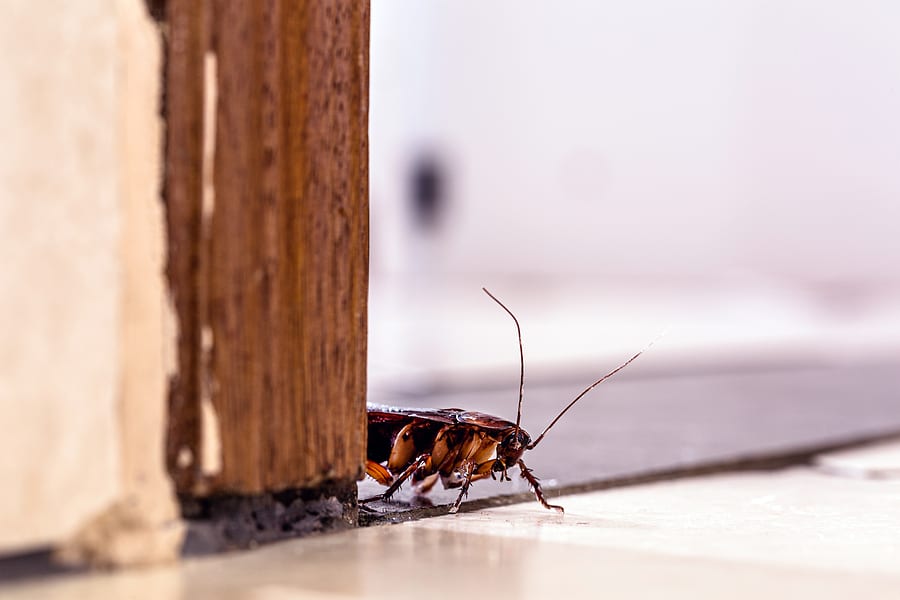
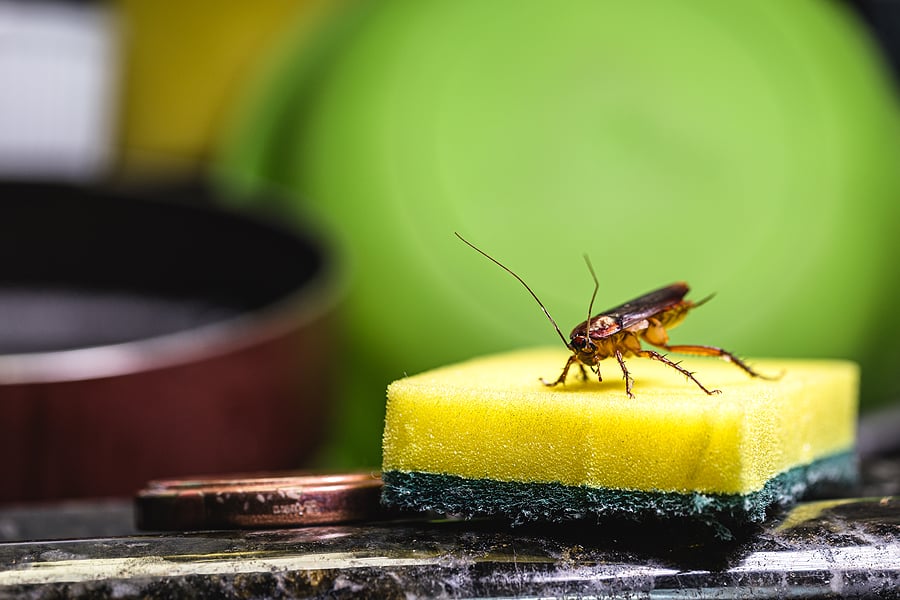
The last thing a homeowner wants to deal with is a pest infestation. One of the most common household pests is the cockroach, multiplying at a rapid rate and taking over in practically no time. The most common roaches found in households are American cockroaches, German cockroaches, and brown-banded cockroaches. Just because you see roaches in your home doesn’t mean you live in a dirty house; what attracts cockroaches may surprise you! Here are 5 common ways to attract cockroaches and how to prevent them.
Moisture
Roaches thrive in dark, warm, moist, humid environments. Some of the most common sources of water in your home include leaky pipes under sinks and tubs, damp basements, AC units that leak, roof leaks, standing water, and piles of wet leaves. It is important to manage any moisture problems as soon as possible. Routinely inspect these areas of your home for leaks and fix them immediately. Consider enclosing your crawlspace to help control moisture under your home. Make sure gutters are functioning and downspouts are pointed away from foundations. Consider installing gutter guards to help prevent clogs.
Crumbs
Roaches will also come into your home in search of food and they will eat anything they can find. Roaches will forage in the garbage can for food scraps, grab any crumbs or food residue left on counters or floors, and can even chew through thin plastic or cardboard food containers. Make sure to clean your floors regularly by sweeping, mopping, and vacuuming. Wipe down countertops and stoves each night. Wash dishes nightly and empty the garbage regularly. Store food in plastic or glass containers rather than cardboard boxes.
Paper and Cardboard
One of the main things roaches eat are fibrous, organic materials found in paper and cardboard. Roaches love to feed on cardboard storage boxes that go undisturbed for long periods of time in attics, garages, and basements. Declutter as much as possible, getting rid of old boxes, newspapers, and magazines. Try to use plastic storage containers rather than cardboard boxes when possible.
Pets
Roaches don’t just get their food and water from humans. They are notorious for hijacking pet food and water bowls, especially at night, in their quest for survival. Try to feed your pets multiple times throughout the day rather than once at night. Don’t leave pet food or water bowls out overnight. Store pet food in airtight plastic containers rather than pet food bags. Clean up any spilled pet food and water, especially at night.
Neighbors
If your neighbors have a problem with cockroaches, there is a good chance you’ll end up with them, as well. This is especially true for apartments and other attached homes but can also occur with single family homes that are in close proximity to each other. Unfortunately, there isn’t much you can do to prevent your neighbors from getting an infestation; but you can take the above preventative steps and schedule routine pest control for your home to help keep them away.
Roaches can be extremely difficult to control and eliminate once they have established themselves in your home. If you have a problem with cockroaches or any other pests, contact a reliable pest control company who can identify the type of pest you are dealing with and provide you with an appropriate treatment and prevention plan.
You May Also Be Interested In:
Preventing a Mosquito Infestation
When Should You Start Fall ?
Controlling Armyworms
The Essentials of Crawlspace Moisture Barriers
3 Reasons Why You Need a Gutter Cleaning System
Aug 27, 2021 | DIY Pest Control, Pest Control
The last thing any homeowner wants to deal with is pests. A household pest is any insect or animal that is commonly found in a household structure that can cause destruction to the property or to your health. While the occasional critter can make its way inside, routine occurrences indicates the likelihood of an infestation. Fortunately there are some DIY pest control tips you can use at home to help prevent these pests from taking over. Here are a few of the most common household pests and how to prevent them.
Ants
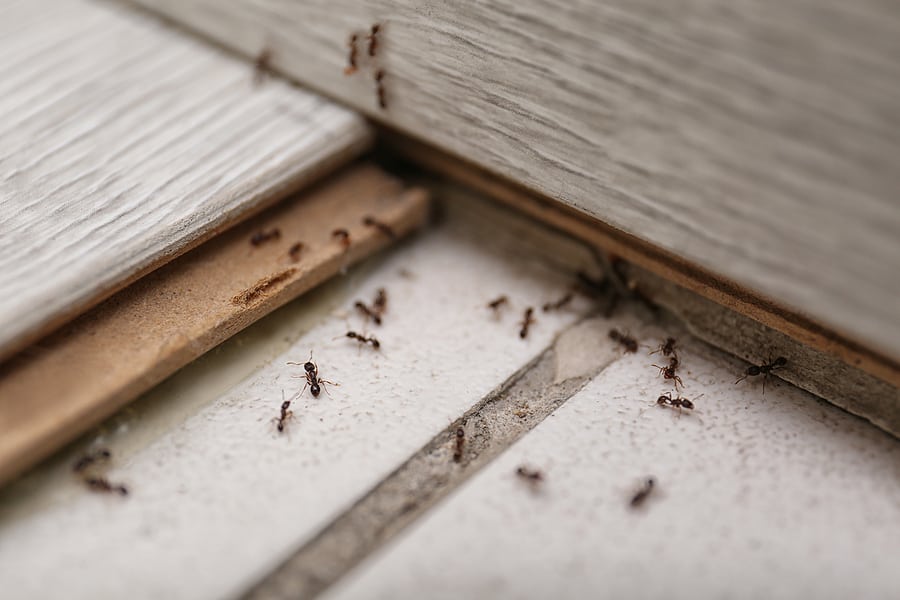
Most ants don’t cause any structural damage to your home (with the exception of carpenter ants). They are, however, the #1 nuisance pest in the United States. Ants are difficult to control because their colonies are so large. These pests typically come indoors in search of food and water and can usually be found near these sources in your home – especially in kitchens and bathrooms. Prevent ants by:
- Keeping your home clean.
- Wiping countertops daily.
- Cleaning up crumbs and spills immediately.
- Cleaning appliances regularly.
- Emptying trash daily and keep trash containers clean.
- Keeping food in sealed containers.
- Getting rid of overripe fruit.
- Repairing leaky pipes.
- Keeping gutters clear.
- Keeping shampoo and soap containers sealed and clean.
- Sealing any exterior holes, gaps, and cracks.
- Trimming back trees and shrubs from the house.
- Clearing your yard of debris.
- Using screens on doors and windows.
Birds
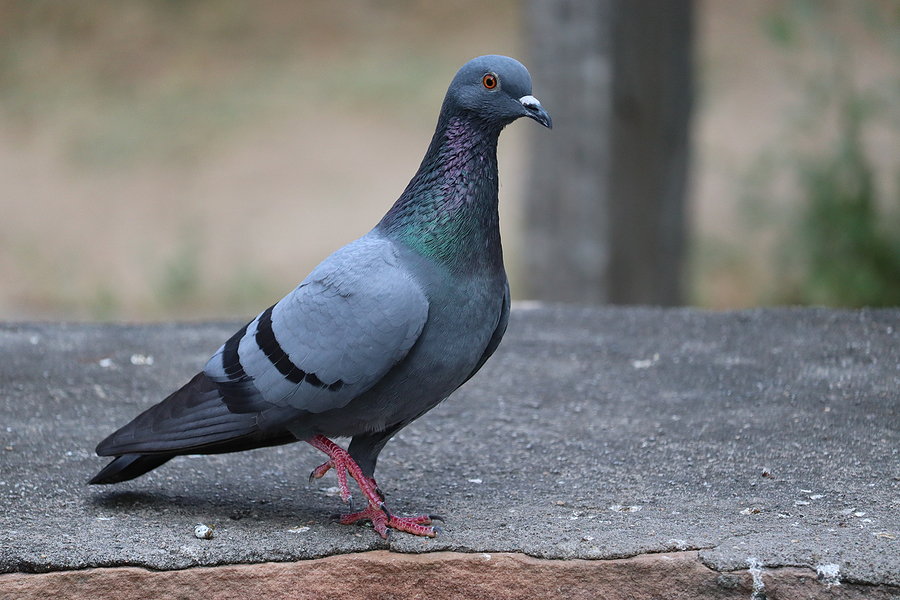
Birds are not usually considered nuisance pests but their nests can obstruct common areas of your home and their droppings can contaminate or damage other areas. Birds usually enter your home in search of food and shelter. Prevent birds by:
- Using saltwater vs freshwater in fountains and water features.
- Not leaving pet food out overnight.
- Keeping grass mowed and hedges trimmed.
- Dismantling nests IF they are actively being built (bird nest removal laws prevent touching nests that are already built or occupied).
- Sealing exterior gaps, cracks, etc. as birds can use these to access attics.
- Hanging strips of aluminum foil from trees or other high places to deter birds.
- Installing predator decoys (like owls and snakes) to scare off birds, moving them frequently.
Cockroaches
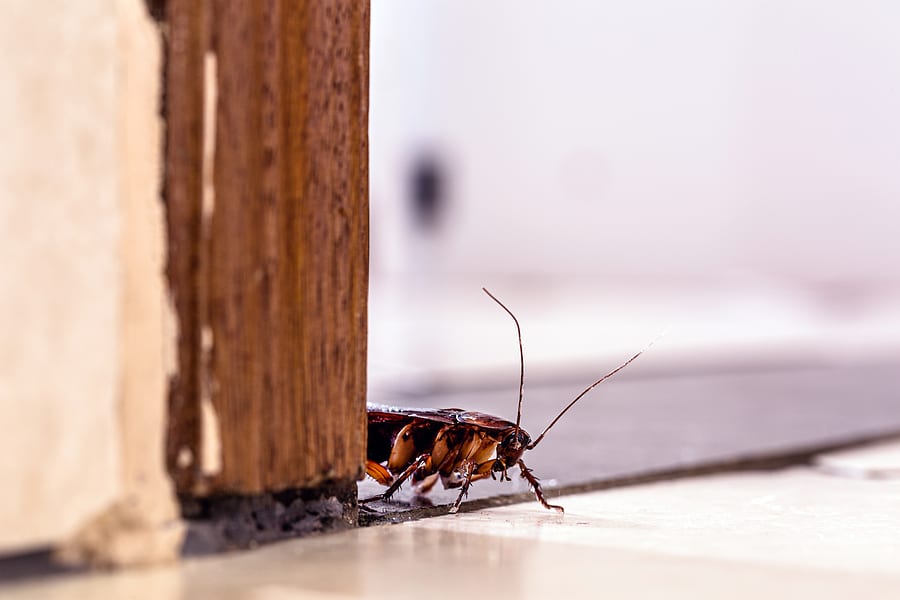
Cockroaches are dangerous to humans as they are known to carry serious diseases and trigger both allergies and asthma. These pests multiply quickly, making them very difficult to control. Roaches will come into homes in search of food, water, and shelter, with them often found in kitchens, bathrooms, and laundry rooms. Prevent roaches by:
- Cleaning up crumbs and spills immediately.
- Throwing away or storing leftover food at night.
- Cleaning surfaces nightly.
- Rinsing food cartons before throwing them away.
- Emptying trash nightly.
- Storing food and pet food in airtight containers.
- Not leaving pet food and water out overnight.
- Using plastic storage rather than cardboard.
- Getting rid of old newspapers and magazines.
- Sealing any exterior gaps and crevices.
- Using weatherstripping.
- Using stoppers or metal baskets in sink drains.
- Repairing leaks.
- Caulking around tubs and sinks to seal them.
- Hanging wet towels up after use.
- Keeping kitchen sponges dry and not storing them on the counter.
Termites
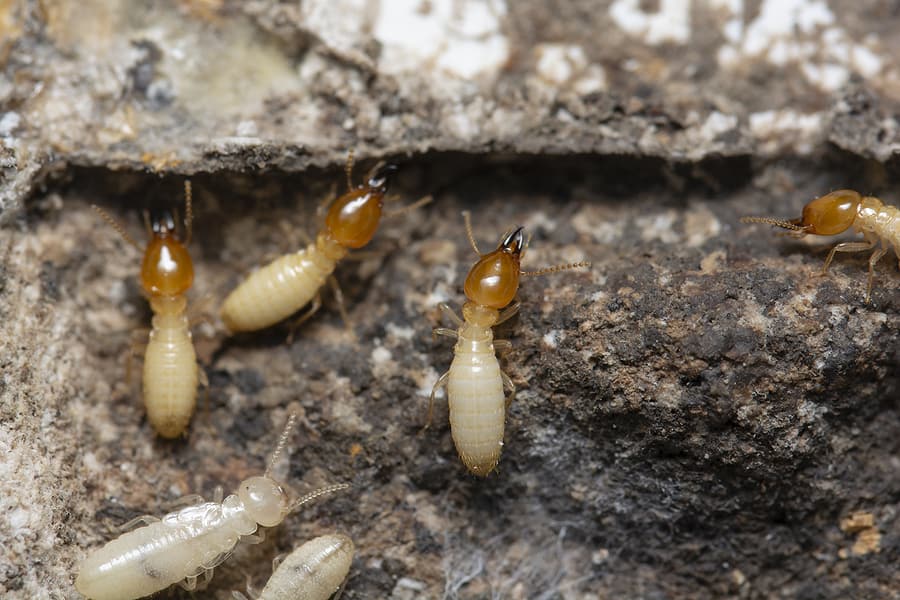
Termites are known as silent destroyers, eating wood from the inside out and going undetected for long periods of time. Common signs of termites include swarms; mud tubes; discarded wings; discolored drywall; peeling paint; wood with a hollow sound when tapped; squeaky floorboards; doors and windows that stick; damaged wood; loose tiles; and buckling floors. Prevent termites by:
- Using concrete foundations when building your home.
- Covering exposed wood with sealant or metal barrier.
- Keeping soil around foundations dry.
- Keeping gutters and downspouts clear and functioning.
- Filling cracks in cement foundations.
- Filling in gaps around where utilities come into your home.
- Fixing leaks immediately.
- Keeping vents unblocked.
- Keeping landscaping trimmed away from the sides of homes and foundations.
- Not storing firewood next to the house.
- Getting an annual termite inspection.
Rodents
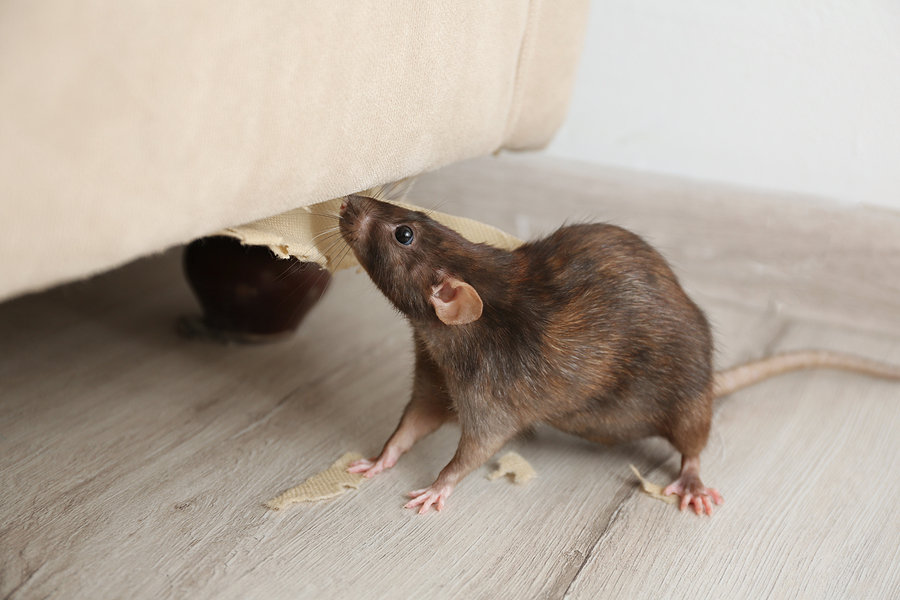
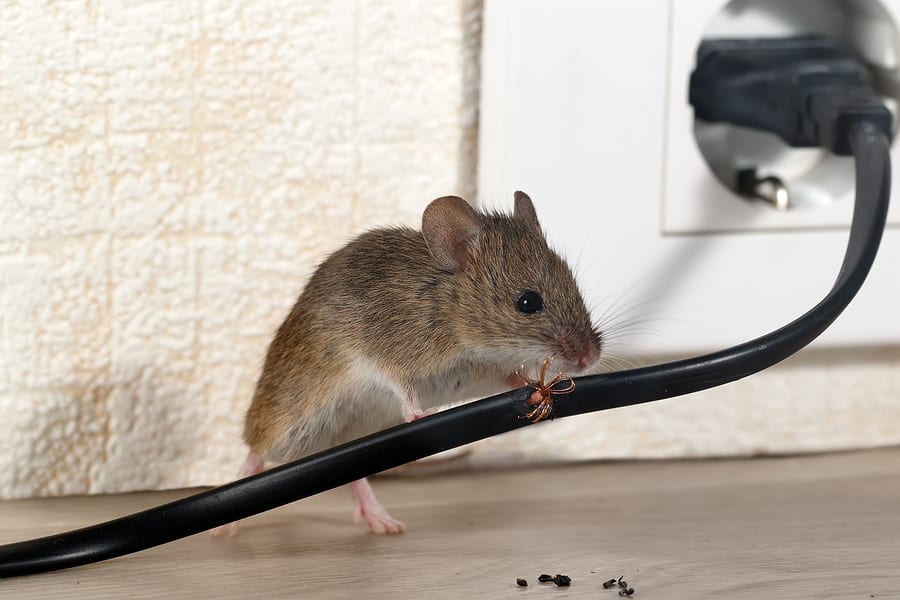
Rodents are common household pests and include rats, mice, squirrels, and raccoons. Rodents can cause significant damage to your property by chewing through electrical wires and insulation. They can also contaminate food and spread disease. Prevent rodents by:
- Using metal trashcans with tight-fitting lids.
- Storing pet food and birdseed in glass or metal containers with sealing lids.
- Picking up fallen fruit and birdseed from the ground.
- Removing standing water from bird feeders.
- Storing firewood away from the home and elevating it.
- Storing boxes in the garage off the ground.
- Storing food in containers.
- Cleaning up crumbs nightly.
- Sealing exterior openings.
- Keeping gutters clear.
- Screening attic vents.
- Screening windows and doors.
Centipedes and Millipedes
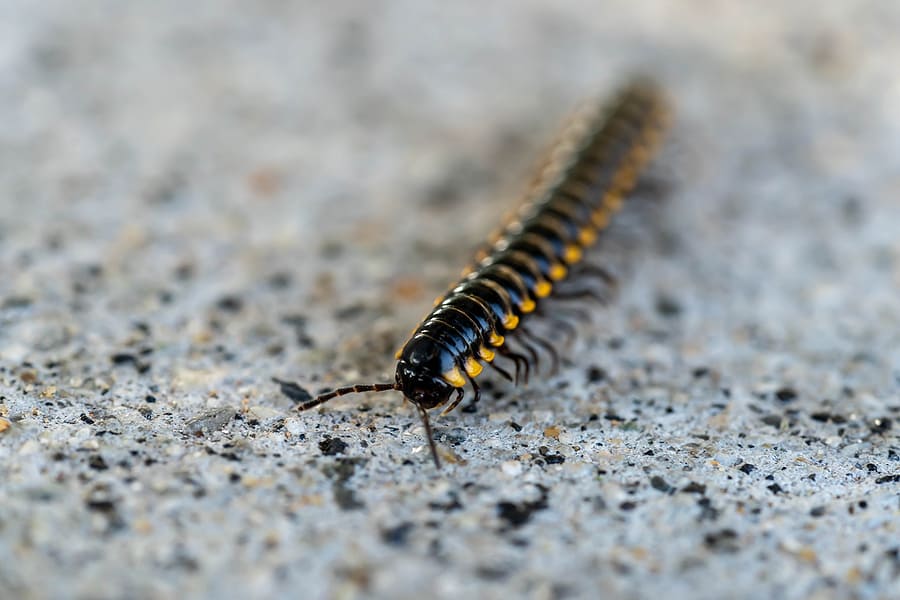
Centipedes are arthropods with 14 or more body segments and one pair of legs per segment. Millipedes are also arthropods but they have 2 pairs of legs on their body segments. Neither of these pests are considered dangerous and don’t cause damage or spread disease. They can, however, be annoying if they infest in large numbers. Both of these pests thrive in moisture-rich environments. Prevent centipedes and millipedes by:
- Repairing leaks.
- Removing standing water.
- Removing moisture-holding ground cover or mulch that is close to foundations.
- Storing firewood away from the house and elevating it off the ground.
- Inspecting firewood before bringing it in the house.
- Sealing doors and windows that are low to the ground to prevent entry.
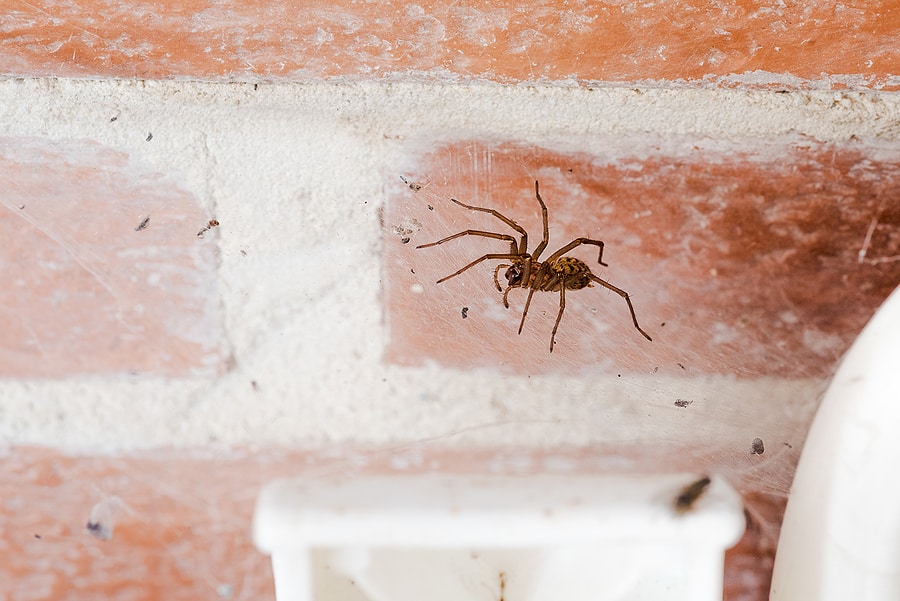
Spiders
Although there are a few venomous spider species in our area, most spiders that make their way into your home are harmless (and even beneficial by eating other pests)! Prevent spiders by:
- Sealing exterior cracks and crevices.
- Screening doors and windows.
- Vacuuming up spiders and eggs found in your home.
- Brushing down webs with a broom.
- Decluttering your home.
- Vacuuming and dusting frequently.
- Keeping shrubs and plants trimmed back from the sides of the home.
- Keeping mulch a few inches away from foundations.
- Using plastic rather than cardboard storage.
The key to household pest control is prevention. By taking these steps early, you can head off an infestation before it starts. If you have a problem with any household pests, contact your local pest control company for a free evaluation and comprehensive treatment plan.
You May Also Be Interested In:
Preventing Spiders
Termite Damage vs Wood Rot
Preparing for Fall Wildlife
: Maintaining Through Fall
Back To School Means Head Lice Season
Aug 5, 2021 | Pest Control
Cockroaches are household pests known for spreading bacteria and triggering allergies and asthma. These nocturnal pests come out at night to feed and hide in cracks and crevices during the day. Roaches are attracted to moisture and are most commonly found in bathrooms, kitchens, laundry rooms, basements, and drains. Because they are nocturnal, you may not notice you have a roach problem until a full blown cockroach infestation has set in. Spotting the signs of cockroaches can help you head off an infestation before it gets out of hand. Here are 7 signs you may have cockroaches.
Roaches Next Door
If your neighbors mention having a roach problem, especially if you live in an apartment, condo, or townhouse, the odds are likely that they will make their way over to your home, as well. One way to help prevent this is by getting rid of what attracts roaches in your home. Don’t put open food containers in the trash; don’t leave crumbs on the floor; clean up messes as they happen; keep garbage cans sealed; and try not to store outdoor trash cans near your home.
Smear Marks
Roaches are attracted to moisture so they are often found in areas of high moisture in your home. In these areas, they will often produce dark, irregularly-shaped smear marks as they rest or crawl along walls. These smears are often seen on horizontal surfaces and where the wall and floor meet.
Droppings
Roaches leave droppings behind wherever they are. The size and shape of droppings vary between species. Some species leave behind a small brown stain. German cockroaches leave behind pepper-like specks that can also resemble coffee grounds. The larger American cockroach species leaves behind droppings closer to a grain of rice. The most common places to check for droppings are floor corners, cabinets, under the fridge, and under the stove. It is important to clean any droppings up when you find them as they are known to spread bacteria.
Egg Casings
Egg casings are long, hollow, light brown tubes that hold cockroach eggs, anywhere from 20 to 50 at a time. Although most species leave egg casings behind once the eggs are laid, some species actually carry them with them until their offspring hatch. Egg casings are usually found at the base of the refrigerator, in cabinets that store food, and near leaky pipes. If you find a casing that still has eggs in it, dispose of it by flushing it down the toilet.
Musky Odor
Roaches and their feces give off a musky, unpleasant odor. While one roach usually doesn’t emit a strong enough odor to be detected by humans, when larger numbers of roaches get together the smell gets stronger and more easily detected. While the smell is usually associated with live roaches, dead cockroaches can also emit the odor as part of the decomposition process.
Allergy Symptoms
The feces and exoskeleton of cockroaches contain proteins that can trigger allergies and asthma. If you don’t usually have allergies and have symptoms appear without a known trigger; or your current allergy and asthma symptoms seem to get worse without a known trigger this may indicate the presence of cockroaches in your home. Symptoms include stuffy nose, wheezing, red itching eyes, shortness of breath, chest tightness, and the increased use of your inhaler.
Live Roaches
If you see one roach, the odds are likely that there are many others present. Roaches are nocturnal and usually spotted at night. If you are seeing roaches during the day, overcrowding from an infestation may be forcing them out in the open.
The best way to avoid a roach infestation is to prevent them in the first place. Prevent cockroaches by:
- Thoroughly cleaning your home each week.
- Storing all food in tightly sealed containers.
- Cleaning up yard debris such as leaves or fallen tree limbs.
- Not letting shrubs, trees, or woodpiles touch your home.
- Remembering to clean under forgotten spaces such as under the fridge, stove, and inside cabinets.
If you have a problem with roaches or any other pest, contact your local pest control company for a free analysis and comprehensive treatment plan.
You May Also Be Interested In:
Bed Bugs: Where Do They Come From?
5 Signs of Moles in Your Yard
How to Prevent Little Black Ants
Wildlife: Leaving a Mess Behind
Back To School Means Head Lice Season
Jul 6, 2021 | Pest Control
Summer can bring out a mass of pests looking for food, water, and shelter. If certain preventative measures are not put in place around your home, they can easily infest inside, making them difficult to get rid of. Here we break down the top three most popular summer pests to look out for and how you can prevent them.
Ants
Ants are small, sneaky, and looking for your leftover food crumbs! These pests can access your home through only a small gap or hole leading inside. Inspect and seal all cracks and crevices throughout the inside and outside of your home. Likewise, eliminating potential food sources they find attractive is a great way to prevent ants. Make sure that you are keeping a clean home by sweeping, mopping, taking the trash out regularly, and immediately cleaning up any spills.
Mosquitoes
Mosquitoes are most active during warmer, humid weather. It’s certain you will come across these pests in the summertime but preventing them from infesting is easier than you think. Mosquitoes will lay their eggs in any standing water. Avoid standing water throughout your property by getting rid of objects that can hold water such as toys, pet bowls, tarps, birdbaths, etc. If clogged, gutters will also hold water, so make sure they are clear of debris to avoid providing them a place to breed and lay their eggs.
Roaches
Roaches eat just about anything, making them difficult to get rid of once they’ve infested your home. These pests can be a health threat as they are known to spread bacteria and cause severe allergic reactions. Eliminating any food source available to them is key to discouraging these pests. After each meal, wipe down any grease from the stovetop and appliances, clean up any leftover crumbs and spills from the countertops, and seal leftover food in airtight containers. Always take the trash out regularly and use garbage cans with tight-fitting lids. Before bringing in any newspapers or packages, inspect them throughout to ensure these pests are not sneaking in.
Dealing with summer pests can be a hassle and take away from all the summer fun! If you are having a summer pest problem, consider calling your local pest control provider. These professionals can provide you with a thorough inspection, identify the type of pest you are dealing with, and provide a treatment and prevention plan fit for your property.
Jun 11, 2021 | Pest Control
Although cockroaches are considered a year-round pest, their populations swell in the summertime. Particularly in the southeast, roaches cause problems for both residential and commercial properties during these hot summer months. Cockroaches are hardy pests that are highly adaptable to a variety of conditions. They particularly thrive in warm, humid environments, which are readily available in the hot, muggy summer heat. Infestations are more likely in the summertime because this increase in temperature spurs them to feed and reproduce at a much faster rate. When the temperature gets too hot, even roaches that usually stay outdoors will make their way into your home or business in search of food, water, and shelter.
How can you prevent a cockroach infestation this summer? Check out these tips to prevent cockroaches from taking over your home.
1. Clean It Up
Roaches will come indoors in search of food and water. Eliminating their food source is one way to discourage them from coming into your home. Don’t leave dirty dishes in the sink overnight; wash them and put them away after each meal. Clean up any crumbs or spills immediately. Wipe up any grease from the stovetop and other appliances. Seal food, including pet food, in airtight containers. Mop and vacuum on a regular basis. Don’t leave pet food or water out overnight. Take out the garbage before going to bed. Use garbage cans with tight fitting lids. Wipe out the trashcan regularly. Make sure to check behind cabinets and appliances for spills/crumbs. Roaches like these areas because of the warmth the appliances give off combined with the likelihood of spilled food.
2. Clear It Out
Roaches hide out during the day so they will seek out dark, protected areas to hole up in until nightfall. Declutter your home and get rid of anything they can use for shelter. Roaches also love to breed in cardboard and newspaper. Recycle any old newspapers and get rid of unused cardboard boxes. Try to use plastic storage containers rather than cardboard boxes if possible.
3. Seal Them Out
Roaches are very creative when it comes to finding ways into your home. A good rule of thumb is if you can see daylight around a door or window, roaches can get in. Inspect at least once a year around windows and doors, along foundations and the roof, attic and crawlspace vents, and around holes used for electric, gas, and plumbing lines. Seal any cracks and holes you find. Use caulk to seal smaller holes, steel wool or foam for larger holes, and fine wire mesh on chimneys and attic vents.
4. Dry It Out
Roaches (along with many other pests) are attracted to moisture because they need water to survive. Regularly inspect your home for any leaking faucets, sinks, or pipes and check refrigerators and appliances to make sure they aren’t producing excess moisture. Get any known leaks or plumbing issues fixed immediately.
5. Call A Pro
Prevention can only get you so far when it comes to keeping roaches out. Nothing eliminates a pest as well as professional service. If you suspect you have a roach infestation, contact a pest control company who can thoroughly inspect your home to help identify which type of cockroach you are dealing with, help identify any potential areas where they are getting in, provide you with the most up-to-date elimination and control methods, and help you with a prevention plan going forward.
You May Also Be Interested In:
Why Do Mosquitoes Bite?
What Do Swarming Termites Mean?
How To Help Your Lawn During Late Summer
How to Save Money on Your Energy Bills
12 Reasons To Install A Gutter Guard