Oct 25, 2019 | Termite Control
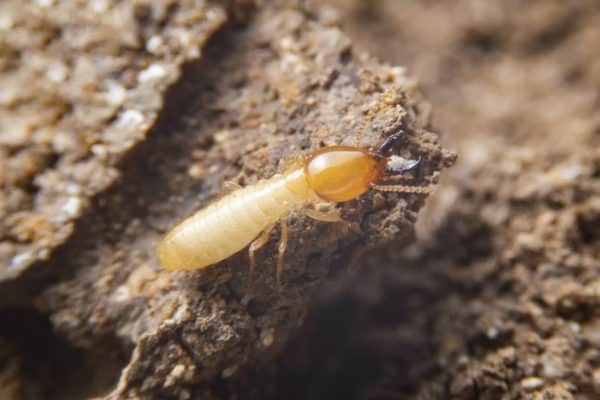
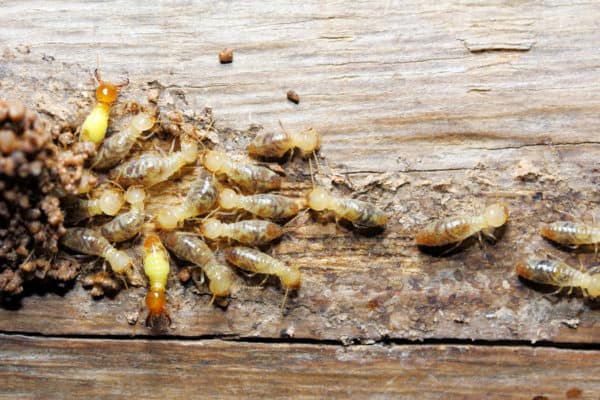
Are termites active in fall and winter? The answer is a resounding yes! All species of termites are active year-round, even in the cold weather of fall and winter. The only difference in termite activity when the weather cools off is a change in their routine – termites will nest deeper in the ground to access warmth and modify their tunnels for easier access to winter food sources. If termites have already colonized your home or office their routine won’t change at all. Heated buildings and their adjacent soil provide the ideal habitat for termites to thrive even in cold weather. Colony queens also lay their eggs year-round which means that not only are termites active during every season, their colonies are also consistently growing. Swarming termites are unlikely to be seen in the fall and winter months as termite swarming season typically begins in the spring.
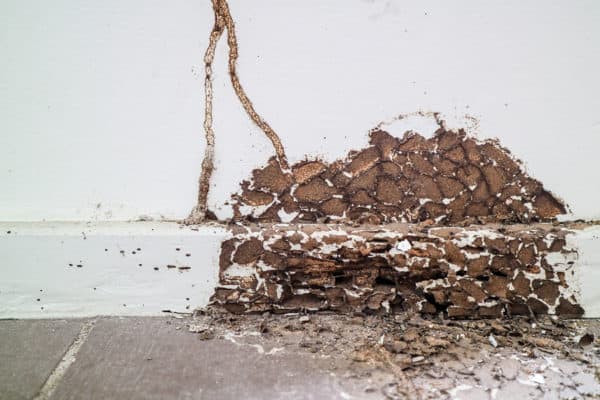
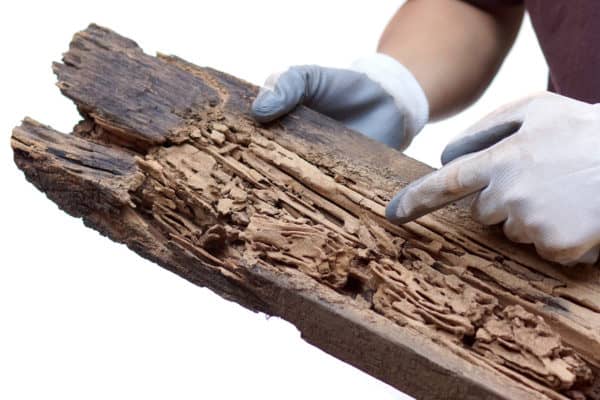
Regardless of the season, there are some common signs of termite infestations to look for in your home or office including:
- Crumbling wood
- Hollow windows and doors
- Bubbling or buckling floors
- Loose tiles
- Holes in drywall
- Sagging sheetrock
- Discoloration of ceilings or walls
There are a few steps for termite protection you can take in and around your home. Make sure all water and gas lines are sealed adequately. Fix any leaky faucets or appliances and get rid of any standing water. Try to eliminate any cellulose material as this is a termite’s primary food source.
If you suspect you have a problem with termites or want to make sure you stay ahead of any potential problems, contact a professional termite control company who can provide you with a free termite inspection and set you up with the most comprehensive termite protection for your situation.
You May Also Be Interested In:
Where Do Snakes Go in Cold Weather?
Mosquitoes Active Through Fall
8 Tips for Winter
Where Are All of These Roaches Coming From?
Steps to Keep Spiders Out of Your Home
Sep 13, 2019 | Termite Control
Termites can wreak havoc on a home without the homeowner even realizing it. By the time their presence is realized, the damage is extensive and costly. Termite colonies don’t just consist of hundreds of termites – they number in the millions! Termites can invade any type of home whether it is brick, stucco, wood, or other material. Termites will eat any material that contains cellulose, not just wood. These materials include cellulose insulation, framing timbers, and even drywall. An annual termite inspection can help prevent these devastating infestations by catching and eradicating them early, preventing significant damage and saving money in treatment and repair costs.
Termite inspections will typically begin with the inspector examining all possible points of entry to the home looking for common signs of termites. These signs include mud shelter tubes (pencil sized tubes termites use to travel), piles of frass (termite excrement), termite mazes on walls, discarded wings, etc. The inspector will also use a tool to gently tap on the interior and exterior walls of the home listening for hollow-sounding wood which in another sign of termite damage. The inspector will then check the exterior of the home, including crawlspaces, to check for wood to soil contact which is the easiest way for termites to gain access to a home. Wood to soil contact could be a stack of firewood that is too close to the home or deck posts not set in concrete. The inspector will also check trees, stumps, wooden retaining walls, fences, sheds, detached garages, and any other structures on the property. They will then notify you of their findings and recommend termite treatment options.
The best way to protect your home from termites is with a termite bond. This is a termite warranty between the termite company and the homeowner that is similar to a maintenance contract. They are usually made up of two components: an agreement for termite inspections during the lifetime of the bond and an agreement to provide termite control and treatment if termites are discovered. Bonds are especially important in real estate transactions. Most lenders will at a minimum require a termite inspection. Securing a termite bond provides you with a level of termite protection that can help you qualify for loans and also improve the marketability of your home.
If you suspect you have termites in your home or just want to be proactive in making sure these pests don’t invade your property, contact a professional termite control company and set up your annual termite inspection to give you peace of mind.
Aug 7, 2019 | Pest Control
Summer is here and as the temperatures are ramping up and the summer storms roll in, new pests are taking advantage of the conditions and becoming more active.
Let’s check which summer pests are stirring up trouble in your neck of the woods.
Yellow Fever Mosquitoes:
The 2019 Atlantic hurricane season officially started June 1 and storms will start to occur more frequently. This excessive moisture will lead to areas of standing water which are the perfect breeding sites for yellow fever mosquitoes. To help prevent mosquitoes this summer, try to:
- Eliminate areas of standing water around your home.
- Utilize insect-repellant that contains DEET.
Carpenter Ants:
Swarming season for carpenter ants is typically from May through August. Just like yellow fever mosquitoes, carpenter ants need water for survival and will be drawn to your home if there is excess moisture. To keep ants out of your home this summer try to:
- Seal cracks and openings around your home to keep carpenter ants from entering.
- Cut tree branches back away from your home as this is how carpenter ants can gain access.
Formosan Termites:
Formosan termites are sometimes called “super termites,” as they are known to be very aggressive. Formosans can chew through wood, floors, and even wallpaper without being detected. A few ways to prevent termites and their subsequent damage are to:
Pests are a hassle but preparation and treatment are key in stopping them in their tracks. Call to schedule a free home inspection and start your journey to a pest-free home.
Jun 17, 2019 | Termite Control
Owning a home is a huge responsibility. There are so many things to consider, but when making that list of important items, termite protection should be in the top 5. Termites cause an estimated $5 billion in damages each year in the U.S., and most homeowner insurance policies do not cover damage caused by termites. Additionally, if you are looking to sell your home, the seller is usually responsible for covering the damage during the sale of the home. Knowing all this, let’s look at what you can come to expect in your first year of choosing to invest in termite protection.
Initial Inspection
A comprehensive inspection of your property is done by a certified pest professional. They will look for signs of any existing or previous termite infestations and damage. After this is completed, they will go over their findings and best recommendations on the protection and warranties available for your home.
Installation
Once you’ve made your choice and signed on the dotted line, your local office will schedule your installation day. A licensed termite control professional will come out and strategically install your termite protection system. When they have completed the installation, they will go over what was completed and walk the property with you to make sure everything was completed to a standard to which you expect.
Annual Inspections
The best part about investing in a bait system like Sentricon is cutting out the need for continuous visits and worry. Since the bait is cellulose-based and combined with a slow-acting pesticide, it works 24/7. A year after your installation, your licensed termite control professional will come back out to check every station for signs of termite activity.
Choosing the right direction for you when it comes to protecting your most important assets is a big decision. If you still have more questions, give us a call. We’ll schedule your FREE home inspection to give you all the tools to decide.
May 31, 2019 | Termite Control
Termites cause billions of dollars in damage each year. There are two main types of termites: drywood termites and subterranean termites. Drywood termites are found in warm, southern climates. They establish their colonies deep within the wood that they eat. As they consume wood, they create mazes of tunnels and chambers within the walls and foundation of your home. Subterranean termites are found throughout the continental United States. These termites build their colonies underground and emerge in search of food. They can enter your home through cracked or unsealed foundations.
Because termites eat wood from the inside out, termite damage often goes undetected for long periods of time. Often in fact, by the time signs of termites appear, colonies are well established and significant damage has already been done. Because of this, it is recommended that you get a termite inspection at least once per year or any time you find signs of termite activity. The average termite inspection cost is usually free (if no termite report is required, as in the case of a real estate transaction), or can be anywhere from $45 to over $100 depending on the size of your home and the exterminating company hired. A licensed termite inspector will perform a visible inspection on the readily accessible areas of your home looking for evidence of termites. The inspection should include a visual inspection of the entire interior of the home (including crawlspace and basement) and the exterior of the property. If evidence of termites are found, a termite exterminator will be required to provide appropriate termite control options and treatment.
Spotting signs of termites is a good indicator that a well established colony is nearby. But what are these signs? What should you look for? Here are 6 common signs of termites:
- Sounds: Soldier termites will bang their heads against wood or shake their bodies when the colony is disturbed. They use these sounds to signal danger to the other termites in the colony. The sound is often heard as a quiet clicking sound emanating from the walls.
- Wings: Flying termites are usually the first sign of a termite infestation. While they are often mistaken for flying ants, they are, in fact, “swarmers” who leave the nest in search of a mate to establish a new colony. Swarming season is usually in the spring after the first freeze. Once the termites mate, they lose their wings. These discarded wings, often found near doors and windowsills, are another common sign of termites.
- Warping: Termites produce moisture when they tunnel through wood. When they make their way through window frames and doors it causes them to warp, making them difficult to get open, often resembling water damage. This can also cause uneven or bubbling paint.
- Wood Damage: Termites consume wood from the inside out, sometimes masking damage for long periods of time. When wood is damaged by termites, it will often make a hollow or papery sound when tapped on. This is one of the most common signs of termite damage.
- Frass: Frass is another name for termite feces. Subterranean termites use their feces to build tunnels; drywood termites, however, push their feces out of small holes near the entrances to their nests as they tunnel. This leaves small black marks and a dark powdery substance near sites of infestation and damage. Frass is often found as piles of pellets.
- Mud Tubes: Subterranean termites build mud tubes to provide moisture and protect them from predators while they travel between their colonies and their food sources. These tubes are often found near home foundations. Mud tubes are made of tiny pieces of soil, wood, and debris.
If you suspect you have a termite problem or if you spot signs of a termite infestation, contact a professional termite control company who can provide you with a thorough termite inspection and a comprehensive termite protection and treatment plan.
You May Also Be Interested In:
Summer Wildlife Removal: Common Home Invaders
What Are These Little Black Ants?
10 Ways To Care For Your Lawn In Extreme Heat
The 411 on Bed Bugs
Are You Ready for Termite Season?