Apr 27, 2023 | Florida Pest Control
As a resident of North Naples, Florida, you know hurricane season can bring many challenges, including an influx of pests. It’s important to both prepare your home for the high winds and heavy rain and place preventative measures to prevent a pest infestation that the hurricane season can bring. Check out our tips on preparing for pests during hurricane season:
Secure Your Home
Before a hurricane hits your area, it is crucial to ensure that the exterior of your home is secure. This means checking for any gaps or cracks where pests can enter your home. Look around your windows, doors, and roof for openings. Consider utilizing weatherstripping or caulking these areas to ensure they are sealed.
Keep Food Sealed
While stocking up on food and water before a hurricane hits your area is important, it can also attract pests. Ants and rodents are highly attracted to food, and it’s important to properly seal stored food you have inside your home. Consider utilizing airtight containers to avoid pests from invading them.
Remove Debris
After a hurricane hits, your yard could be littered with debris, leaves, tree limbs, and more. This clutter can be the perfect environment for pests to thrive. Remove any of these items from your property as soon as you can to help prevent pests from utilizing it as a nesting ground or hiding place.
Inspect Your Home
The aftermath of a hurricane can see various damages to your home, including broken windows, water damage, foundation damage, and more. It’s important to inspect your home for any of this damage after the storm. Inspect your home for any cracks in the walls, windows, or doors caused by high winds and debris. These openings will provide easy access for pests, making it essential to repair them as soon as possible.
Consider Pest Control
Sometimes, placing preventative measures throughout your home can only go so far. If you need extra support to deal with pests before, during, or after hurricane season, consider reaching out to your local pest control company. These professionals will identify the pest problem, identify entry points, and provide a treatment and prevention plan to prevent future pest infestations.
Apr 25, 2023 | Pest Control
Bumblebees and honeybees are both important pollinators that play a critical role in our ecosystem. However, they are different in several ways, from their physical appearance to their behavior and habitat. Let’s explore the differences between bumblebees and honeybees.
Physical Appearance
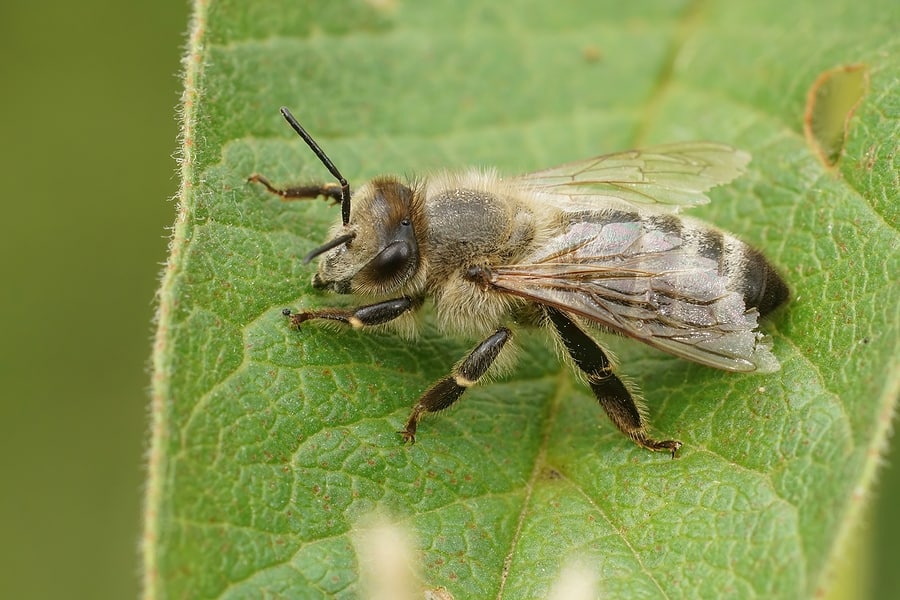
One of the most obvious differences between bumblebees and honeybees is their physical appearance. Bumblebees are larger and hairier than honeybees, with rounder bodies and more robust wings. Their bodies are covered in dense hair, which makes them look fuzzy, and they have a distinct black and yellow striped pattern.
Honeybees appear smaller and have slimmer bodies. These insects have a distinctive golden color and a more pronounced abdomen. Their wings are also narrower and more translucent than bumblebees.
Behavior
Both types of bees also differ in their behavior. Bumblebees are social insects that live in small colonies with a few hundred bees. They are active during the day and prefer to forage on flowers that are close to the ground. They are also excellent pollinators for plants that require a buzz pollination technique, such as tomatoes and blueberries.
Honeybees, on the other hand, are highly social insects that live in large colonies with tens of thousands of bees. They are active during the day and prefer to forage on flowers located higher up. They are also known for their ability to communicate with each other using a complex system of dances, which helps them find food sources.
Habitat
Honeybees and bumblebees have different habitat preferences due to their distinct nesting behaviors. Honeybees prefer to nest in cavities such as hollow trees or rock crevices; whereas bumblebees prefer to nest in underground burrows, such as abandoned rodent holes, or in above ground areas like abandoned bird nests.
If you believe you have found a honeybee or bumblebee nest on your property, give our team a call today for a safe bee relocation and removal.
Apr 21, 2023 | Termite Control
Termites can wreak havoc on your home, causing substantial and costly damage. These household pests are stealthy, often going undetected for long periods of time. Preventing termite damage is critical, and now is the time to get started.
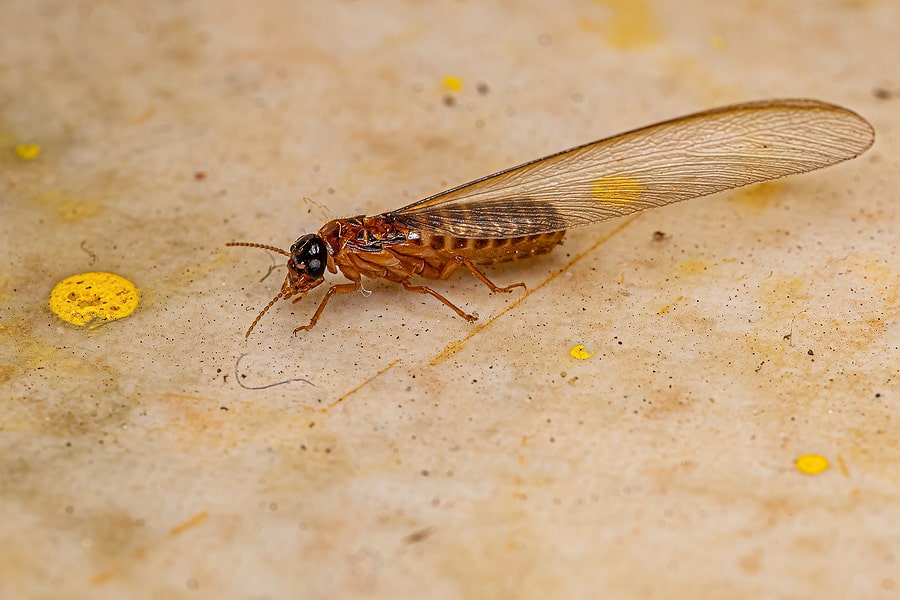
Termites begin swarming in the South in early spring. So, if you don’t already have a termite control plan, now is the time to consider acquiring one. While swarming termites may not cause structural damage, they are an indication that a termite colony is active nearby. This might result in catastrophic structural damage to your property, resulting in repair expenses in the hundreds of thousands of dollars. Although spring and summer are peak swarming season, termites can be active year-round, especially in warmer climates like ours.
Termite Control
There are various techniques of termite management, and determining which one is best for your property can be difficult. After all, we’re talking about safeguarding one of your most valuable investments! Because termite damage isn’t usually covered by homeowners insurance, it’s imperative to not only get your property treated, but also to have a solid termite guarantee.
Treatment Options for Termites
If you understand how termites work, you could try your hand at DIY termite control. There are a variety of options available for this, ranging from simple liquid barrier treatments to termite baiting systems. If you have any slabs linked to your home or a basement, this can be a difficult task. To keep termites out, a liquid barrier must be comprehensive with no gaps.
Liquid Barrier Treatment
If you have active termites or damage, several pest control firms will offer a liquid treatment. This offers both immediate and long-term termite protection. Make sure your termite treatment comes with a decent warranty, especially one that covers termite re-treatments and any damage caused after treatment.
Borate Wood Treatment
This method of termite treatment is great if your home is still under construction. The wood structure is coated with borates, which are soil elements that provide long-term termite protection while also repelling common domestic pests.
Termite Bait Treament
Baiting systems have been shown to be efficient at eliminating entire termite colonies underground around your home, are less invasive than liquid treatments, are suitable for both new and existing structures, and typically come with a lifetime warranty. It is also the most environmentally friendly solution to defend your home from termites, as it eliminates the need for hundreds of gallons of chemicals. Monitoring devices are placed strategically around your property’s perimeter. The stations have a bait tube that termites are drawn to.
Termite Prevention:
- Keep mulch away from the perimeter of your home. Termites consume this as food.
- Keep any wood items away from your home. Termites can feed on firewood, crossties, and the building project you’ve been working on.
- Maintain your gutters. Termites thrive in damp environments, so keeping the ground surrounding your home dry is critical.
If you have a problem with termites or any other household pests, contact your local pest control company for an evaluation.
You May Also Be Interested In:
Common Rats and Mice You Might See this Spring
Do Water Moccasins Swim on Top of Water?
What Kind of Fly is That?
Are Spiders Worse In The Summer?
Don’t Let Fire Ants Ruin Your Summer
Apr 20, 2023 | Florida Pest Control
Hurricanes are bound to happen, especially in Florida. These natural phenomena can cause severe damage to our community, homes, and the environment around us. Unfortunately, hurricanes will also affect pest activity, as homeowners might see the emergence of even more pests. After a hurricane, we will often experience a population increase of pests that thrive in warm, moist environments. Check out our list of pests to look out for after a hurricane and what you can do for hurricane pest control.
Mosquitoes
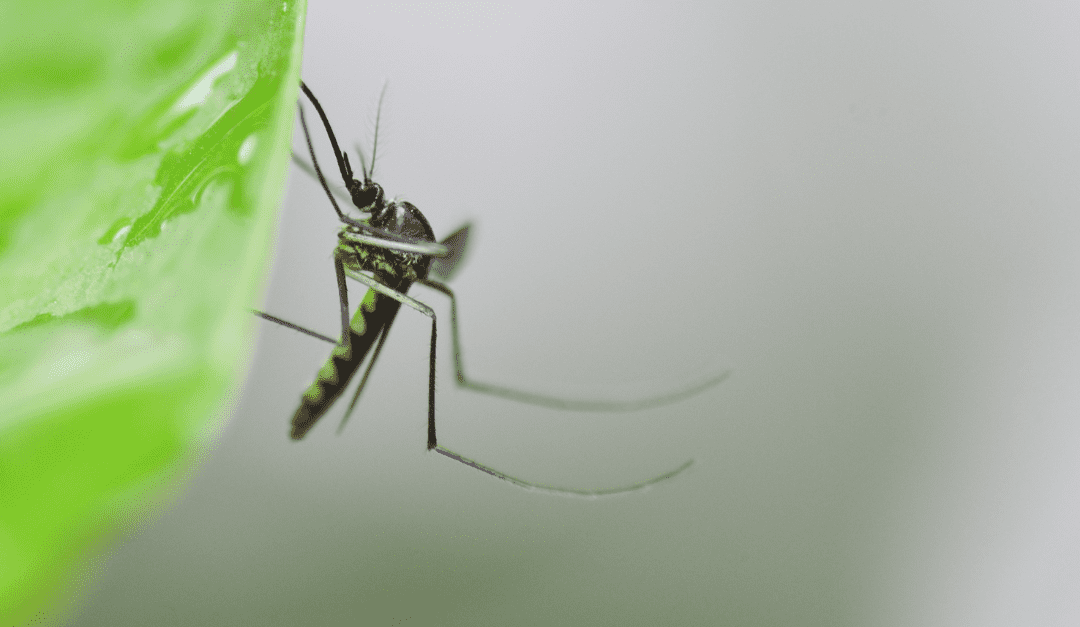
One of the most common pests that emerge after a hurricane is mosquitoes. The water that’s left behind by the storm will provide the perfect breeding ground for these pests. While mosquitoes are a nuisance, they can spread diseases such as the West Nile virus, Zika virus, and dengue fever. To prevent these pests, remove objects that can collect rainwater, including toys, buckets, tarps, old tires, and more. Likewise, look to remove all leaves and yard debris to keep mosquitoes from invading your yard.
Ants
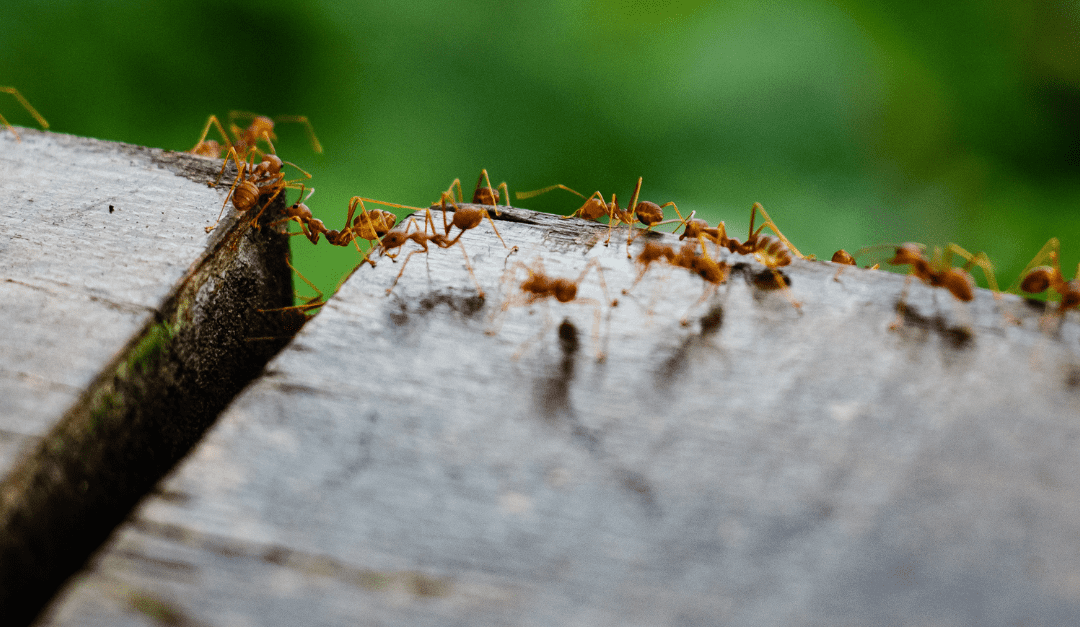
Other pests that will emerge after a hurricane are ants. When an area becomes flooded, it forces ants to seek out a new place to inhabit, often leading them to our homes. Ants, such as fire ants, pavement ants, and carpenter ants, can all be difficult to control, as they can establish their new colony quickly and are highly adaptable. To keep ants from invading your home after a storm, seal all cracks or gaps found on the interior and exterior of the home. Remove and clean up any food source that may attract ants inside.
Roaches
Cockroaches will thrive in the aftermath of a hurricane. A home or building that’s flooded provides the perfect environment for these pests, where they can settle, breed, and multiply. Roaches are known to carry diseases and even trigger allergic reactions. To deter roaches from your home, eliminate as much moisture as possible by regularly checking for leaky faucets or sinks. Take the trash out on a regular basis, placing it in a tightly sealed trashcan with a lid.
Hurricanes can have a significant impact on our environment and the activity of household pests. Utilizing hurricane pest control measures throughout your home before a hurricane or rainstorm will help to prevent a full-blown pest infestation. If you’re still seeing pests after taking precautions, it could be time to contact your local pest control company for help. These professionals will inspect your home, identify the pest, identify areas of entry, and provide you with a treatment and prevention plan that’s fit for your home.
Apr 18, 2023 | Pest Control
As we gear up for spring, most homeowners are looking forward to spending time with family in their yards. Unfortunately, spring pests will also emerge as the weather warms up. While spotting one near your home is not a big deal, if they’ve infested in large numbers, they can quickly become a nuisance and cause property damage. Check out our list of common spring pests and how you can avoid them.
Termites
In Alabama, termite activity increases in early spring. These pests can cause severe property damage by destroying the structural integrity of your home. Once termites infest your home, it can be extremely difficult to eliminate them, and their repair often costs billions of dollars. Common termite types include subterranean and drywood termites. Drywood termites will inhabit sound wood and will infest wood furniture. Subterranean termites need soil to live, creating mud tubes for a food source above the surface and invading the foundations of homes.
Ants
Ants thrive in humid, hot weather. During the spring, ants are looking for any food source for their nests, often invading our homes to find it. These pests can be extremely persistent and take over our yards. Common ant species found in the Alabama area include fire ants, pavement ants, crazy ants, and more. You can often find these ants near their food sources, behind window frames, under appliances, in the bathroom, and the kitchen.
Wasps
Wasps are common during the springtime and can become a problem when they have nested on your property. There are several wasp types common to the Alabama area, including the blue-winged wasp, cuckoo wasp, spider wasp, paper wasp, and more. Depending on the type of wasp, you can find their nests underground or hanging from branches, eaves, door frames, railings, and more. While not always aggressive towards humans, wasps will attack if their nest is disturbed. If stung, it can be extremely painful and will sometimes need medical attention, depending on the severity.
Mosquitoes
Alabama’s weather during the spring months is hot and humid, making it the ideal environment for mosquitoes to breed. Mosquitoes only need a small amount of water to lay their eggs, and if found on your property, you will soon have a full-blown blown mosquito infestation. Mosquitoes can not only be a major nuisance if they invade your yard, but they also pose a health risk to humans, dogs, cats, and horses by transmitting diseases. Mosquitoes need a blood meal to survive, often looking at us and our pets to get it. If they feed off a diseased host, they can spread pathogens that can infest other hosts they bite later.
Preventing Spring Pests from your Alabama Home
Being on top of pest prevention is one of the best ways to keep spring pests from invading your yard. Consider the following do-it-yourself preventative measures for keeping pests away:
- Keep your trees and shrubs trimmed away from your home
- Seal any cracks and holes in your home’s exterior
- Bring in your pet food and water bowls overnight
- Fix any leaks and eliminate any other sources of excess moisture
- Take the trash out regularly and place them in trashcans that have a tightly sealed lid
- Eliminate wood-to-soil contact around foundations; consider creating a 4-inch barrier between wood mulch and your home
- Remove standing water around your property, including items that can hold water, such as buckets, old tires, tarps, etc.
Don’t let these common spring pests invade your home! If you notice an increase in pest activity or want to get ahead of prevention, consider contacting your local pest control company which can help identify entry points and pests, recommend a treatment plan, and prevent them in the future.