Apr 5, 2023 | Going Green, Pest Control
Macon Pest Control: Benefits of Green Pest Control
Green pest control is an environmentally friendly approach to managing pests that utilizes natural and organic methods to prevent and eliminate pests. In Georgia, this approach to pest control is becoming increasingly popular due to the many benefits it offers.
One of the biggest benefits of Northwest’s green pest control is that it is a safer option for both humans and the environment. Unlike traditional chemical pesticides, which can be toxic and harmful to the environment, these alternative pest control methods use natural ingredients that are derived from botanicals and are safer for both humans and the environment. This means that you can protect your home and family from pests without risking their health.
Another benefit of this eco-friendly pest control is that it is effective at controlling a wide range of pests, including common pests like ants, termites, and roaches. In the long run it is more of an affordable option because it is more sustainable and often requires less frequent treatment.
Pests are a nuisance and can be detrimental to both your home and your health. Protecting your family is of utmost importance, regardless of the pest control service you choose to use. Reach out to your local pest control company to receive the care you deserve.
Apr 4, 2023 | Pest Control
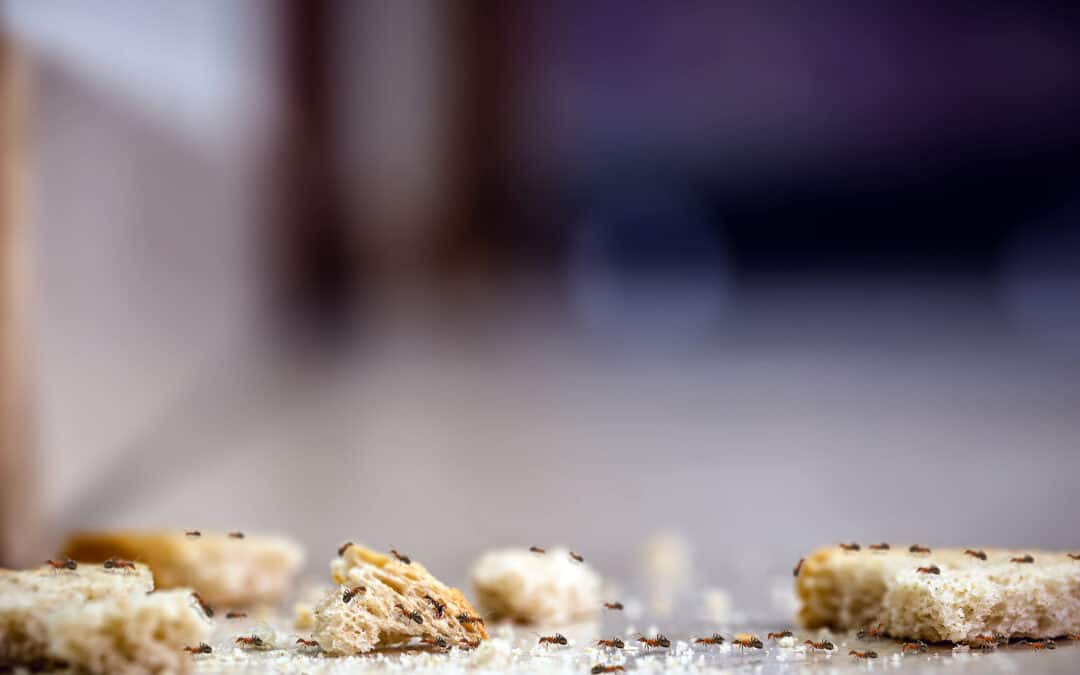
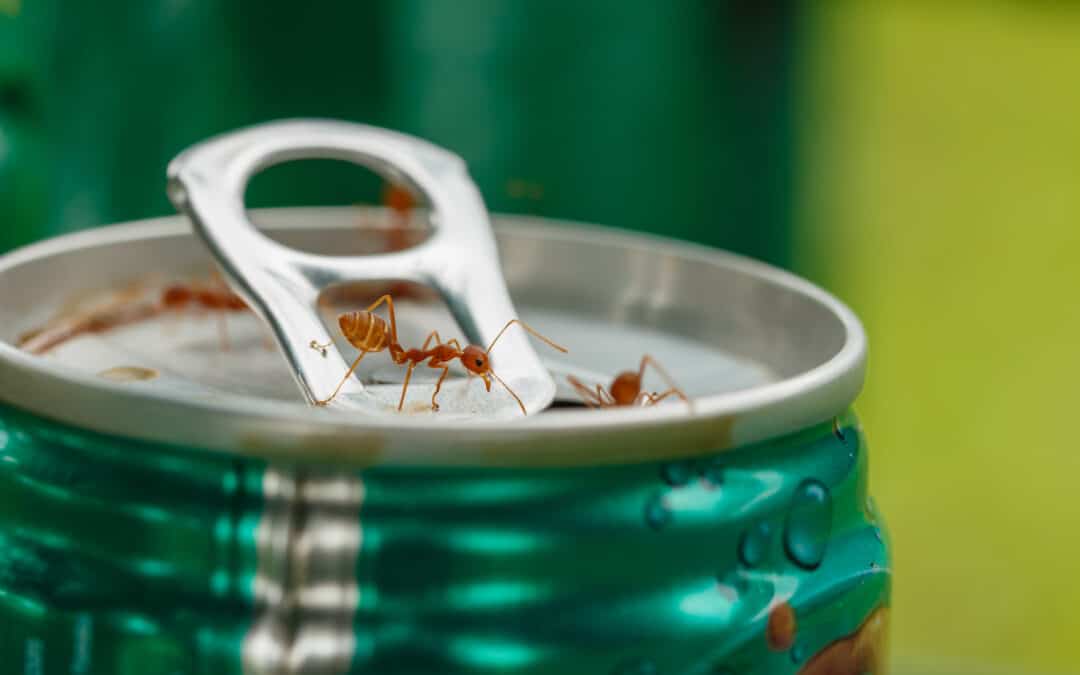
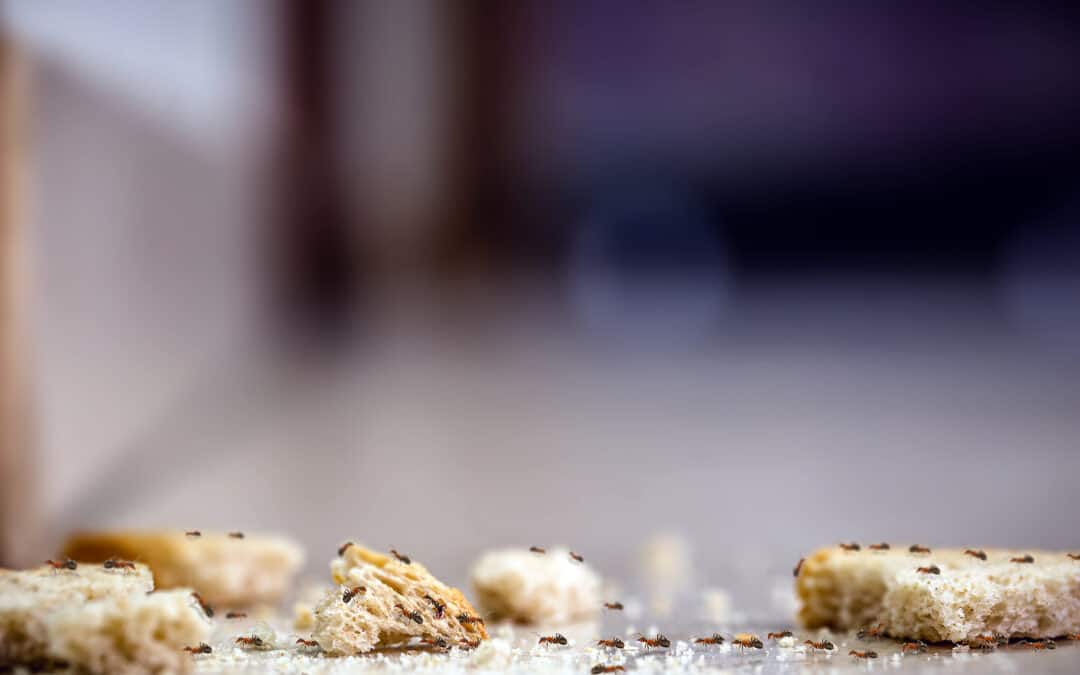
If you have never encountered ants in your Alabama home, then count yourself lucky. These household pests have a knack at being some of the most annoying pests to infest – taking over your pantry, kitchen, bathroom, you name it! Here are the best methods of ensuring your home is never taken over by ants!
Know Where They Hang Out
It’s not surprising to hear that ants prefer to invade kitchens; after all, they provide food, water, and everything ants (and other pests) need to survive. Bathrooms, bedrooms, living rooms, basements, inside walls, and in or around air conditioning and heating units are also known to attract these nuisance pests.
Eliminate Water Sources
Moisture and standing water are big attractants for ants and many other pests. Be sure to repair any leaky pipes, and routinely check for excess moisture. If your basements, crawlspaces, or attics appear to be damp, then utilize a dehumidifier. On the outside of your home, ensure gutters and downspouts are functioning properly.
Eliminate Food Sources
Keep your kitchen tidy by cleaning up after cooking and eating to lessen the chance of crumbs being left out. Utilize airtight containers to keep opened food items safe from these tiny pests. Also, make sure to clean up pet food that’s left out, as this is also an attractant for pests.
Eliminate Access Points
If ants are finding their way inside, then that means there are entry points on the exterior of your home. Take the time to find where ants are making their way indoors and seal any cracks, gaps, or openings. Utility pipes are usually the number one place where ants can find any potential openings.
Reach out to your local pest control company and they can provide an ant-free home!
Apr 3, 2023 | Pest Control
Tennessee Pest Control: Ant Control
There are several types of ants that can infiltrate your Tennessee home. Some of the most common are carpenter ants, Pharaoh ants, and odorous house ants. If you aren’t sure what kind you’re dealing with, here’s a quick breakdown of these three:
- Pharaoh Ants: About 1/8 inch long, these light brown or yellow colored pests are often found near water sources. If you see them in your home, check for leaks or standing water. They are known to carry diseases, such as salmonella or staphylococcus, so be sure to rid them from your home immediately.
- Carpenter Ants: They are larger than the pharaoh ant, measuring up to ½ inch long. If you see them in your home, there’s likely a nest nearby. They are known to damage wood in homes, so it’s important to prevent an infestation.
- Odorous Ants: Black in color and measuring up to 1/8 inch long, these pests got their name from the odor they emit when crushed. They are often found near food sources, so discovering them in your kitchen or pantry isn’t uncommon.
How to Prevent Ants:
- Seal cracks and crevices around windows, doors, foundation, or exterior walls
- Keep your plants and shrubbery trimmed back and away from your home
- Store firewood and other yard debris at least 20 feet away from your home’s exterior
- Consider utilizing a routine pest control service to help identify entry points, treat infestations, and prevent future infestations.
Give your local pest control company a call today for a FREE inspection!
Mar 31, 2023 | Pest Control
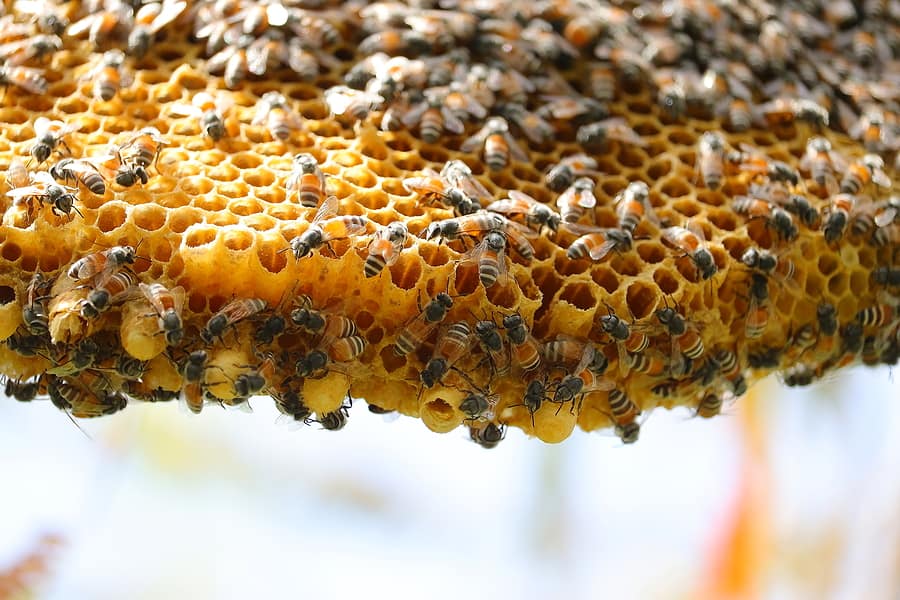
Honeybees play a vital role in our ecosystem, as they are responsible for pollinating various crops we eat daily, including fruits, vegetables, and nuts! Unfortunately, sometimes these insects will build their colonies in inconvenient places, such as inside our walls, eaves, and roofs. Luckily, there is a safe and sustainable solution when these situations happen for both our home and the bees with Honeybee Relocation Services. Learn more about honeybee relocation services and how they can support your home!
What is Honeybee Relocation Services?
Relocation services involve carefully removing honeybees and their colonies from unwanted locations and relocating them to more suitable environments for them to produce their honey and live. This service must be performed by a certified beekeeper who has the knowledge, skills, and equipment required to handle these insects safely and effectively.
What are the Benefits of Honeybee Relocation Services?
Relocation services help the preservation of honeybees. These insects are essential to our food system, making it important to continue efforts to maintain a healthy bee population! Instead of eliminating these insects, their preservation will help continue their pollination of our crops and sustain our environment.
How Does Honeybee Relocation Services Work?
A certified beekeeper will arrive at your home to inspect and locate the honeybees and other factors before removing the colony. On the day of the relocation, your beekeeper will begin accessing the colony if it’s found in walls or attics. Once the beekeeper has access, they will carefully remove the honeybees from their current location, which may involve physically removing the bees from their colony or using special tools to place them into the bee box. Once they have been safely removed, the beekeeper will transport them to a new location where a hive will be set up to provide a suitable environment for the bees to thrive!
Honeybee relocation services aim to safely remove and relocate these insects without harming them or damaging your home. If you’re interested or would like more information on Honeybee Relocation Services, reach out to your local pest control company.
Mar 31, 2023 | Pest Control
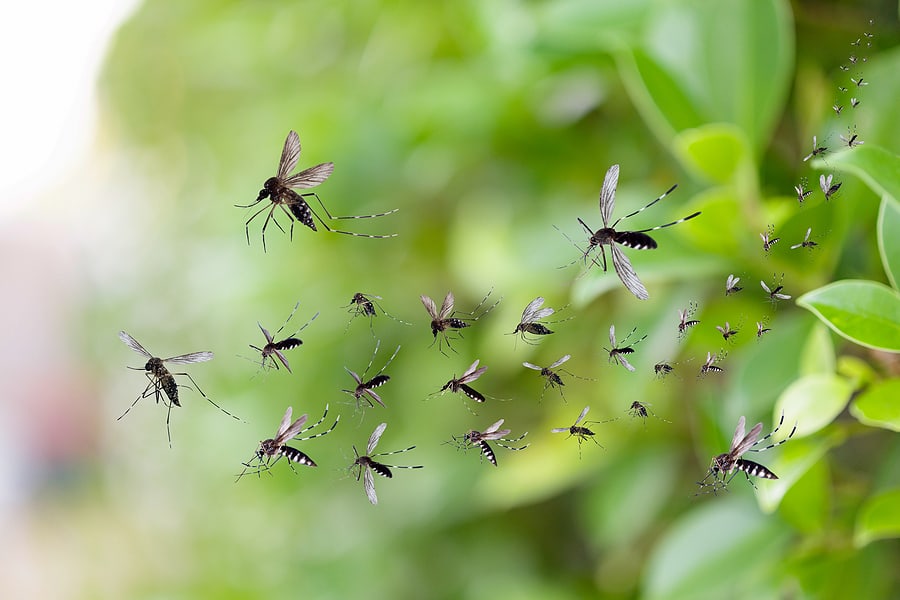
Spring brings new life, warmer weather, and pests! Because of the spring weather, household pests such as ants, roaches, mosquitoes, termites, rodents, and other pests emerge from hibernation in search of a food source and a place to nest. Now is the ideal time to prevent these pests from multiplying. Check out our tips for spring pest control!
Seal Entry Points
Pests can enter your home through the smallest crack, crevice, or hole. Examine the exterior of your home for these areas, including the foundation, pipes, windows, doors, and HVAC units. Cockroaches, rodents, wasps, ants, and other pests will gain entry and cause a variety of problems in your home. Seal any openings with caulk if you find them. Consider using a sweep to seal the gap between the floor and the door for doors. Use screens on doors and windows and keep them in good condition.
Remove Stagnant Water
Warmer weather and standing water will attract pests such as mosquitoes and roaches to your property. Standing water attracts pests and allows them to multiply and thrive, so it is critical to remove it. Check for leaks on the outside and inside of your home. Pests can be attracted by dripping faucets and loose fixtures. Remove any items in your yard that could collect water, such as flowerpots, old tires, tarps, toys, and so on. Consider enclosing your crawlspace to help control moisture and temperature inside your home.
Keep Your Woodpiles Safe
Many pests will use our firewood to make their way into our homes. Keep your woodpiles at least 20 feet away from your house. To prevent termites and roaches from living in them, consider placing them in plastic containers with lids and elevating them off the ground. Inspect it for pests and brush them off before bringing it inside.
Remove Clutter
Starting your spring cleaning early could help keep pests at bay! Consider starting at the ground floor and working your way up to declutter your home. Clean the floors, dust, sweep, mop, vacuum, and empty your closets and drawers of unnecessary items. Remove old newspapers and cardboard boxes from storage, as these can attract rodents looking for a nesting site. Remove old tree stumps, twigs, and other debris from your yard. Similarly, rake up all the leaves and keep mowing on a regular basis.
Clean Up and Store Food Properly
Mice and rats are looking for food and have infiltrated our kitchens to find it. It is critical to clean your kitchen and store leftover food safely. Wipe down your counters after each meal and clean up any leftover crumbs or spills. Sweep and mop your kitchen floors on a regular basis, and don’t forget to clean under your appliances. Use trashcans with lids to dispose of your garbage on a regular basis. Make use of airtight containers when storing food.
While following these spring pest control tips can help keep bugs out of your home, it is sometimes necessary to call a professional for extra protection. Your local pest control company can inspect your home, identify potential pest sources, and recommend a pest control and prevention strategy.
Mar 24, 2023 | Pest Control
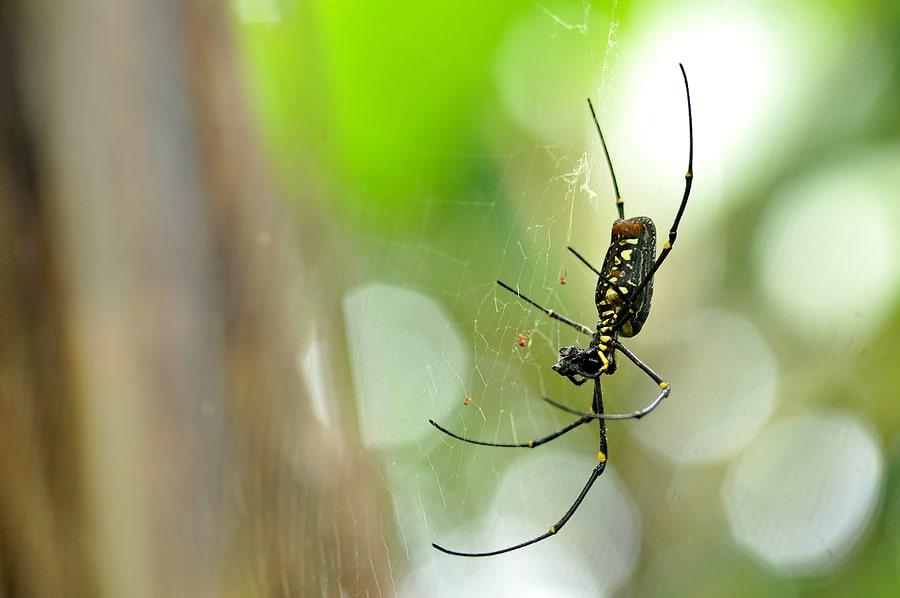
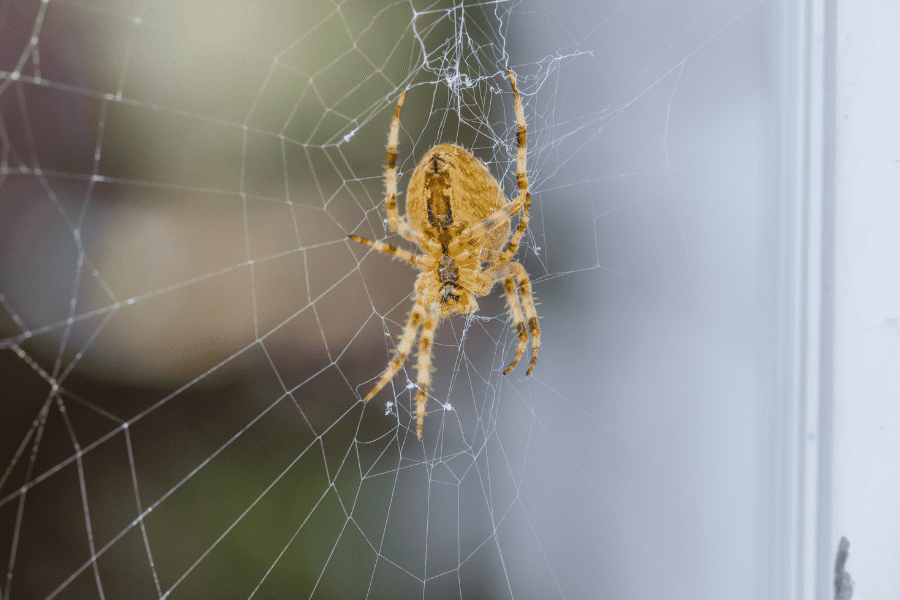
Orb weavers are a broad family of spiders found throughout the United States and Canada. The orb weaver is known for the large, majestic web it weaves. These webs are commonly found on tree branches, in tall grass, bushes, and around light fixtures. They are often found where abundant food sources are available (in your yard or garden, near lights that are on at night, etc.).
Most orb weavers appear in the spring when their eggs hatch, but they aren’t really noticed until late summer and fall (when the males go out in search of their mates). Female orb weavers hang out in their webs, eating and waiting on a male to come find them. Males are always on the move, rarely building webs, searching for a partner. At the end of fall, females will lay their eggs and then die during the first frost. Males typically die after mating. Because of their structure, orb weaver eggs can survive the cold weather of winter. When the weather warms up in the spring, the eggs hatch, releasing a new brood of orb weaver babies.
These spiders are known to be docile and non-aggressive. They rarely bite and aren’t considered dangerous to humans or pets. In fact, they can be beneficial to have around as they trap and eat other pests that can infest your home.
Prevention is unnecessary with orb weavers unless their web is built in an inconvenient location or a location with high human traffic. They cause no structural damage. You can lessen your chances of encountering orb weavers by:
- Removing their food sources by keeping other pest populations under control around your home
- Sealing any cracks, gaps, and crevices in your home’s exterior
- Removing ground litter
- Trimming grass and bushes
If you have a problem with orb weavers or any other pests, contact your local pest control company.
You May Also Be Interested In:
Common Winter Wildlife to Lookout For
How To Identify A Water Moccasin
Keep Ants Out of Your Home this Spring
Is Green Mosquito Treatment Effective?
How to Manage Your Lawn & Prevent Lawn Diseases
Mar 21, 2023 | Pest Control
Spiders are often found in secluded areas where they are rarely disturbed. Your home offers the perfect place to hunker down during the winter and provides them with food, shelter, and even a mate.
Spiders feed off other insects, so they can be beneficial for you over time. If you do begin seeing an influx of other insects, it might mean you have a higher population of spiders as well. Your home offers warmth, which is what these overwintering pests are really in search of once winter hits. They will also enter your home due to how easy it can be for them. Any crack, crevice, or opening is an invitation for these pests to enter your home.
Spiders can be considered a form of natural pest control but can be unsightly if discovered in your home. Check out these tips to keep spiders out of your home:
- Clear Clutter: Messy environments create the perfect oasis for spiders. Be sure to keep clutter at bay to lessen the chances of a hiding spider.
- Seal Doors and Windows: Monitor the exterior of your home for any potential openings and get this fixed as soon as you can. It won’t only keep spiders out, but also any other household pests.
- Trim Bushes: Keeping hedges, tree limbs, or any other plant trimmed away from your home will make it more difficult for these arachnids to gain access to your home.
- Inspect Items: Before bringing any outdoor items inside, inspect them for any hiding pests.
If you suspect a spider problem, then reach out to your local pest control company for a free inspection today!
Mar 21, 2023 | Pest Control
Alabama Pest Control: Spring Pests
Spring is just around the corner and so are more pests! It’s the perfect time of year to begin prepping your home to keep spring pests away. Mosquitoes, termites, ants, and wildlife are common in the spring time, so it’s best to follow these tips to hopefully lessen your chances of a spring pest infestation.
Seal Up Gaps and Cracks
Pests can fit through the tiniest of holes or cracks in your home. Be sure to examine your home for any potential openings in your foundation, windows, doors, and walls. You can use a silicone caulk to seal any discovered gaps.
Store Food in Sealed Containers
Avoid leaving open food containers out in the open where it’s easy for pests to find. If possible, transfer open food containers to airtight containers that are plastic or glass. This will make it more difficult for some pests to chew through.
Remove Moisture Around Property
Mosquitoes and other spring pests utilize standing water to breed. It only takes the smallest amount of water to attract them to your home. Moisture is also an attractant for cockroaches, termites, and wildlife. Some ways to lessen moisture is to clean out bird baths and pet water bowls daily and check for any other objects, such as HVAC pans or old tires that can house an excess amount of water.
Hire a Professional
If you believe that your home has been taken over by any spring pests, be sure to reach out to your local Birmingham, Alabama pest control company to receive a plan of action today.
Mar 17, 2023 | Pest Control
As the weather starts to warm up, many of us look forward to spring and all that it brings. Unfortunately, one of the things that it brings is ants. In the springtime, these household pests become more active and start to look for sources of food and water. If you’re not careful, you may find yourself dealing with an infestation. Let’s discuss the different types of ants you’ll encounter in the springtime and how to prevent them from returning.
Different Types of Ants
- Pavement Ants: These pests are typically found in cracks and crevices in concrete or pavement. They are small, black, or brown, and can form large colonies.
- Carpenter Ants: Carpenter ants are larger than other species and are typically black or red. They can cause significant damage to wood structures, as they excavate tunnels to build their nests.
- Argentine (Sugar) Ants: Argentine ants are light to dark brown and are known for forming massive colonies. They are attracted to sweet foods and can quickly become a nuisance.
- Odorous House Ants: Odorous house ants are dark brown or black and emit a foul odor when crushed. They are attracted to sweets and can quickly infest your kitchen.
How to Prevent Ants:
- Keep your home clean: They are attracted to food, so keeping your home clean and free of crumbs is essential. Wipe down countertops, sweep and mop floors, and make sure all food is stored in airtight containers.
- Seal cracks and crevices: These tiny pests can enter your home through the tiniest of cracks and crevices. Seal any openings around windows, doors, and baseboards with caulk.
- Remove sources of water: They also need water to survive, so fixing leaky pipes, and keeping pet bowls and sink dishes dry is essential.
- Use natural remedies: These creatures dislike certain scents, including peppermint, vinegar, and citrus. You can use these scents to deter them from entering your home by placing cotton balls soaked in the scent around the perimeter of your home.
- Call a professional: If you have a severe infestation, it’s best to call a professional pest control service. They have the tools and knowledge to eliminate them and prevent them from returning.
If an ant problem has become more than you can handle, be sure to give your local pest control company a call for a free inspection today!