Dec 28, 2022 | Pest Control
Pest control might not be top of mind when it comes to planning for the New Year, but it should be! Get ahead of the game in preventing pests and consider the importance of investing in pest control. Let’s go over some of the top benefits of having a pest control plan.
Preventing Pest Problems Before They Occur
With the help of a pest control company, your home will be set up to properly prevent pests year-round and help to eliminate popular Southeast pests such as mosquitoes, termites, ants, and more. A pest professional will work with you to provide the best plan of action for your home to ensure the health of your property and family going into the new year.
DIY Pest Prevention Tips:
- Clean the Kitchen: After each meal, wipe up any crumbs or spills left on the dining room table, countertops, and stovetop.
- Seal Gaps: Be sure to examine your exterior walls, looking for any cracks and gaps, and sealing them immediately with caulk.
- Eliminate Moisture: Most pests need water to survive, be sure to check around your home for any water leaks and look for dripping faucets.
Dealing with a pest problem in the New Year is never a homeowner’s idea of fun. If you need further assistance with pests, consider reaching out to your local pest control company to get a customized pest control plan for a pest-free year!
Dec 26, 2022 | Pest Control
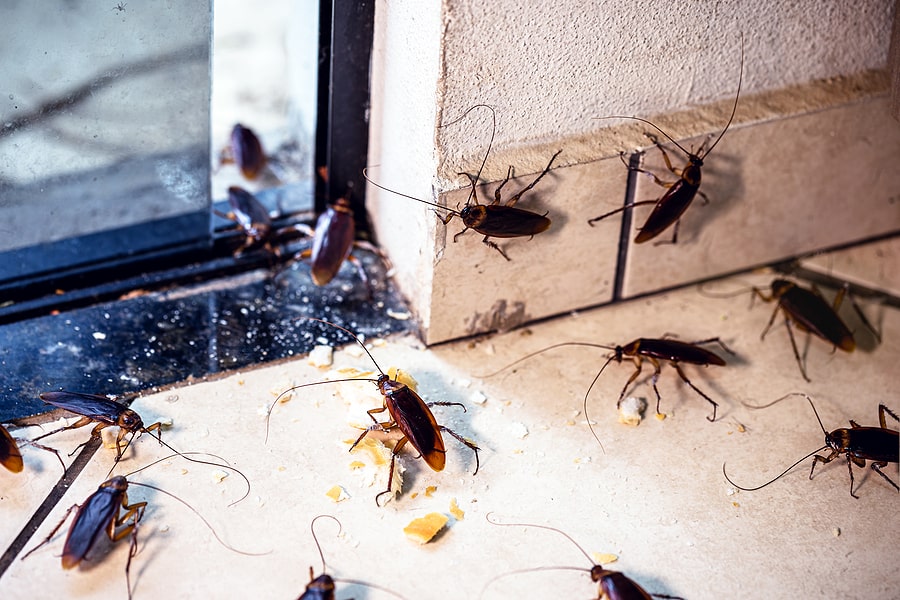
Cockroaches have a negative connotation in the minds of the general public, but this is not always the case. Cockroaches are attracted to a tidy home because of the availability of food, water, and shelter. Although the sight of even a single cockroach in your home is likely to cause some level of alarm, it is unlikely that this lone insect is indicative of a widespread problem. Roaches are social pests that can quickly multiply. It’s likely that if you see one, there are others hiding in the shadows or in some crevices, and the situation could quickly escalate into a full-blown infestation.
Humans should avoid coming into contact with cockroaches because the bacteria they carry on their bodies and feet can spread to any surface they walk across. They also have the potential to bring on allergic reactions and asthma attacks. A cockroach infestation might exist even if you don’t spot any of the insects yourself. Signs of cockroaches include dead bodies, small, brown, oval-shaped eggs or eggshells, dark, powdery droppings that resemble ground coffee, and a persistent musty odor.
Preventative measures are the most effective means of cockroach control. Cockroach prevention can be accomplished by:
Cleaning Thoroughly
The crumbs and dirt that humans leave behind are a magnet for roaches. After each meal, clean the dishes and put them away. Get rid of the crumbs and mop up the spills right away. Get rid of the trash every night. Remove all grease from cooking surfaces. Put perishables in containers that can’t be opened easily. Make regular use of a broom, mop, and vacuum. Do not leave pet supplies out overnight.
Declutter
Remove potential hiding spots for roaches by clearing away any clutter. Keep rooms decluttered, especially those that aren’t used frequently, and maintain a regular dusting schedule. Skip the cardboard boxes and opt instead for plastic containers with secure lids. Roaches thrive in cardboard and newspaper, so get rid of it.
Seal Them Out
Roaches can enter homes through crevices and under doors. By locating these entry points and sealing them, you can prevent cockroaches and other pests from entering your home. The areas around the windows and doors, the foundation and the roof, the attic and the crawlspace vents, and the openings for the utility and plumbing lines should all be thoroughly inspected. Caulk can be used to fill in tiny cracks and holes. Use steel wool and foam to seal larger holes, especially those near pipes. It is possible to use fine mesh wire to create a seal around roof vents and chimneys.
Eliminate Moisture
Moisture is essential for the survival of roaches and most other pests. For this reason, roaches can be lured into your home by the presence of standing water or an abundance of moisture. Make it a habit to routinely check for leaks in the plumbing system and to fix any you find. Inspect for leaks and excess moisture around the faucets, sinks, refrigerator, and other appliances in the home. Extra moisture in homes often originates in the crawl space. If you’re worried about moisture under your house, an enclosed crawlspace may be the answer.
Call The Professionals
It can be very challenging to get rid of a cockroach infestation. In the fight against roaches, prevention can only go so far. Get in touch with a professional pest control company if you think you have an infestation so they can help you figure out what kind of roaches you have, where they are getting in, and what they are eating, and then create a customized plan for cockroach control and elimination in the future.
You May Also Be Interested In:
Why Are Spiders In My Home?
How to Keep Pests Away from Your Stored Holiday Decorations
Termite Bond vs Termite Warranty
5 Winter Tips for Southern Homes
Why Enclosing Your Crawlspace Matters
Dec 21, 2022 | Pest Control
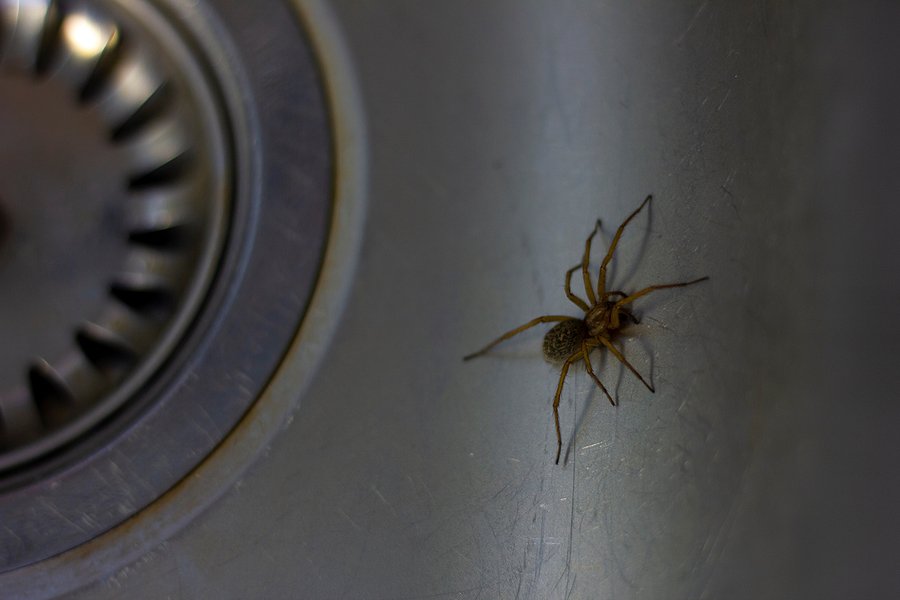
Spiders are common overwintering pests, coming inside your home in search of food, shelter, and even a mate. They prefer quiet, secluded places where they won’t be disturbed, making your home the ideal place for them to hide out.
Spiders are attracted to households for several reasons. Spiders eat other insects, such as mosquitoes, flies, and roaches; if you have an overabundance of these other household pests, spiders will also come in search of a food supply. Spiders will also come inside for a warm place to stay until warmer weather arrives. During mating season, spiders will also come indoors in search of a mate, especially if you already have spiders present in your home.
Spiders are beneficial to have around your home because they can be a form of natural pest control against other pests. However, if you want to keep spiders out of your home, consider these spider prevention tips:
- Check your foundations for cracks and repair them immediately.
- Check windows and doors each season. Repair any cracks and check seals.
- Declutter, especially in basements, attics, closets, and pantries; this limits the places they can hide.
- Vacuum and dust frequently, especially in rooms that are seldom used.
- Check any items before bringing them indoors, including pets, firewood, plants, boxes, decorations, etc.).
- Invest in routine pest control. Eliminating other pests limits food sources for spiders, leaving them to search other places for a meal.
If you have a problem with spiders or other household pests, contact your local pest control company for an evaluation.
You May Also Be Interested In:
How to Keep Pests Away from Your Stored Holiday Decorations
Termite Bond vs Termite Warranty
6 Winter Essentials
The Essentials of Crawlspace Moisture Barriers
5 Holiday Pest Control Tips
Dec 21, 2022 | Pest Control
The holidays are winding up, with many of us getting our decorations out of storage for the season. Hopefully, your storage boxes were able to avoid pests this year! If not, then we have some holiday pest control tips to have better luck next year!
- Use Plastic Containers: Cardboard boxes are easy for bugs and rodents to chew through, so they aren’t the best method to store items for the year. If you’re in a pinch, you can store smaller cardboard boxes wrapped in a plastic bag.
- Store Scented Items Separately: Any candles or other holiday-scented items should be stored in their own plastic container since they can draw in pests or rodents.
- Check for Pests Before Clean Up: Before putting items into boxes, look them over for any hitchhiking pests, especially if they are used outdoors. These items can include garlands, wreaths, and string lights.
- Dispose of Food Items: Gingerbread houses, popcorn garlands, or any other décor made from edible items will need to be thrown out rather than storing them. It’s better to remake the food-based decorations on a yearly basis.
Another quick tip for when the holidays are over is if you have opted for a real tree, make sure that you dispose of it quickly, and don’t let it sit on your curb for multiple days. It can become a home for rodents.
If you discover a pest problem after the holidays, then give your local pest control company a call, and they’ll be able to assist you with a customized plan to help rid your home of unwanted guests!
Dec 9, 2022 | Pest Control
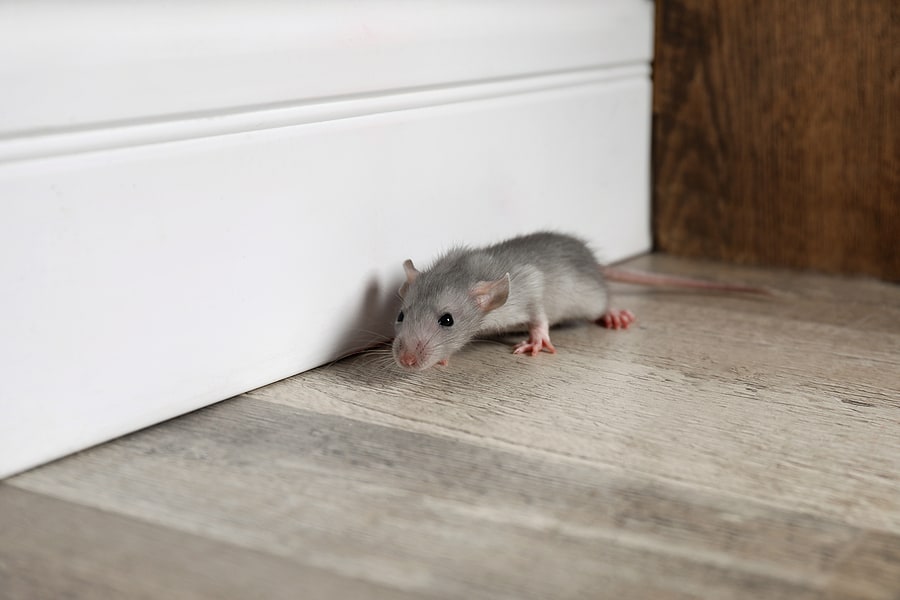
Rats are one of the most destructive household pests, chewing through wires, walls, and insulation and contaminating your home with their feces and urine. They also carry some pretty serious diseases, putting both you and your family at risk. These risk factors make identification and rodent control an important part of your household pest control plan.
Rats are mostly nocturnal pests and it is rare for them to come out during the day. Their activity typically begins around dusk. Because rats commonly inhabit areas near humans, it is safer for them to come out after dark when there is less chance of them being caught. They will make an appearance during the daytime if they feel safe enough to do so and especially if food supplies are scarce.
Video Transcript
Rats are more than an unpleasant surprise. They’re one of the most damaging pests a home can have. They chew through wires and insulation, contaminate food, and spread harmful bacteria that can put your family’s health at risk. What makes them tricky is that you rarely see them. Rats are nocturnal, hiding during the day inside walls, attics, crawl spaces, and behind appliances. If one shows up in daylight, it’s often a sign the infestation is already growing. Instead, they leave clues behind. Small droppings, chewed food packaging, shredded paper or fabric, and a strong musty odor are all warning signs. Even spotting just one rat usually means there are more hiding nearby. When you’re ready to call a professional for a peaceful home, feel free to reach out to our team at Northwest Exterminating.
If they aren’t coming around during the day, where are they hiding? Rats prefer to hide in places that are tucked out of the way and that aren’t often disturbed. Outdoors they will hide under piles of debris, under trash piles, in dumpsters and trash cans, in trees, and in sewers. They can also be found under bushes and shrubs, in woodpiles, and in gutters. Inside, rats can be found hiding out in holes, cracks, and crevices; climbing up through drains in bathrooms and kitchens; behind cabinets; behind and under appliances; in air ducts and ventilation systems; in piles of clutter; in storage containers; in hollow walls; and in crawlspaces, attics, garages, and basements.
Seeing a rat during the day can be an indication of a larger rodent infestation. Seeing one rat may not be cause for alarm; seeing more than one or seeing one in conjunction with other signs of rodents can be cause for concern. Some common signs of a rodent infestation include rat droppings, especially in one specific area; chew marks or chewed through wires, food packages, and other household surfaces; nesting material like fabric and paper; and a musty smell.
If you suspect you have a problem with rats or any other rodents, contact your local pest control company who can provide you with a thorough evaluation and an ongoing treatment and prevention plan to keep your home pest free.
You May Also Be Interested In:
Winter Tips for Your Georgia Lawn
The Effects of Wildlife Activity on Your Attic’s Insulation
Preventing Wildlife in Attics
Do Roaches Die Off In Winter?
Crawlspace Enclosure: The Cure For Cold Feet
Nov 23, 2022 | Pest Control
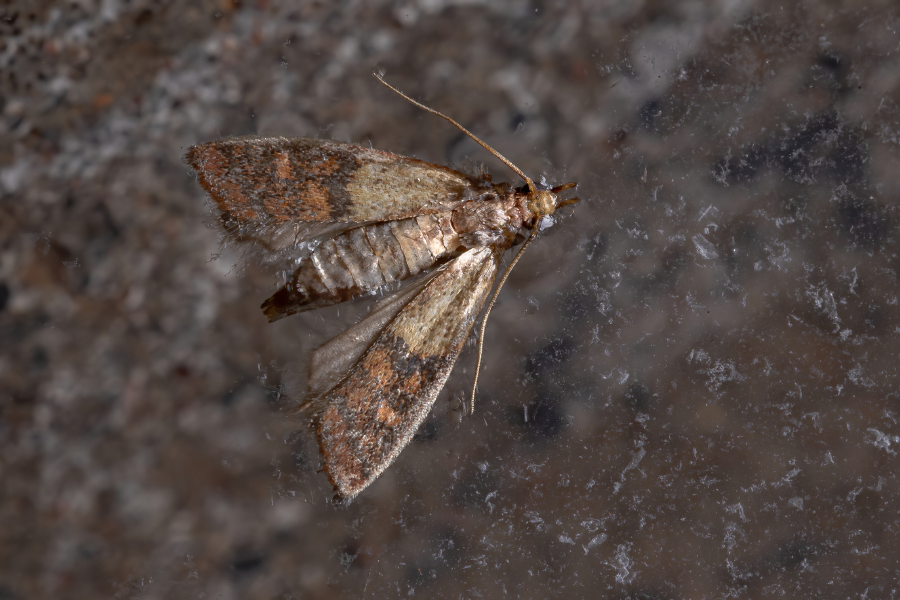
It’s the season for cold weather, good food, and quality time spent with family. Don’t let pests ruin this special time, especially on Thanksgiving! Pantry pests are known to infiltrate dry goods that are key ingredients for this food-crazed holiday. Here are some tips to make sure pantry pests, or other insects, don’t sneak in to ruin your holidays.
- Check Expiration Dates. Utilize the first-in, first-out method to ensure none of your dry goods don’t expire. The older the package of food the more likely it is to be discovered and consumed by grain and flour beetles. Be sure to check any open packages before using.
- Inspect Items at Grocery Stores. Sometimes food packages can accidentally be cut open or damaged, without knowledge and this can create a good opportunity for pantry pests to find their way inside. Be sure to do a visual inspection of dry goods for any openings – just to be sure.
- Keep Dry Items Sealed. It’s not only aesthetically pleasing to have airtight plastic containers in your pantry, but they also provide a protective barrier against pantry pests for opened packages of food. Cardboard, plastic bags, even rice bags, can easily be chewed through by pests, so be sure to put anything opened into a sealed container.
- Clean Up Any Spills. Crumbs are likely to happen while baking or cooking; just be sure to clean up after yourself to deter any type of pest. Wipe down countertops and sweep up any fallen food crumbs to have a pest-free Thanksgiving.
If you see an increase in pest activity this time of year, call your local pest control company so you can have peace of mind during the holidays.
Nov 21, 2022 | Pest Control
Contrary to popular belief, pests don’t just disappear when colder weather sets in. Overwintering pests are those that find a warm place to shelter during the winter, most often inside your home! Some household pests thrive year-round because the warmth, water, and food supply in your home allow them to survive even in the harshest weather conditions. Some common winter pests include rodents, roaches, spiders, and bed bugs. For this reason, it’s important that you don’t forget about winter pest control! Here are a few of our favorite winter pest control tips you can use to make your home pest-free.
- Seal cracks and crevices outside your home to keep pests from being able to get in, especially where pipes and utility lines come into the house.
- Replace any loose mortar.
- Replace weather stripping around doors and windows.
- Store firewood at least 20 feet from your home and elevate it if possible.
- Keep your home decluttered.
- Use plastic storage instead of cardboard when possible.
- Eliminate moisture and standing water in and around your home (leaky pipes, clogged drains).
- Use door sweeps.
- Repair or replace screens on windows and doors.
- Use chimney screens.
- Ventilate and keep attics, basements, and crawlspaces dry.
- Clean up any food and crumbs.
- Invest in routine pest control from a professional pest control company.
You May Also Be Interested In:
What Causes A Termite Infestation?
Prevent Bed Bugs this Holiday Season
Where Do Rodents Go In Winter?
Why Identifying Spiders is Important for Prevention
Preventing Common Wildlife
Nov 10, 2022 | Pest Control
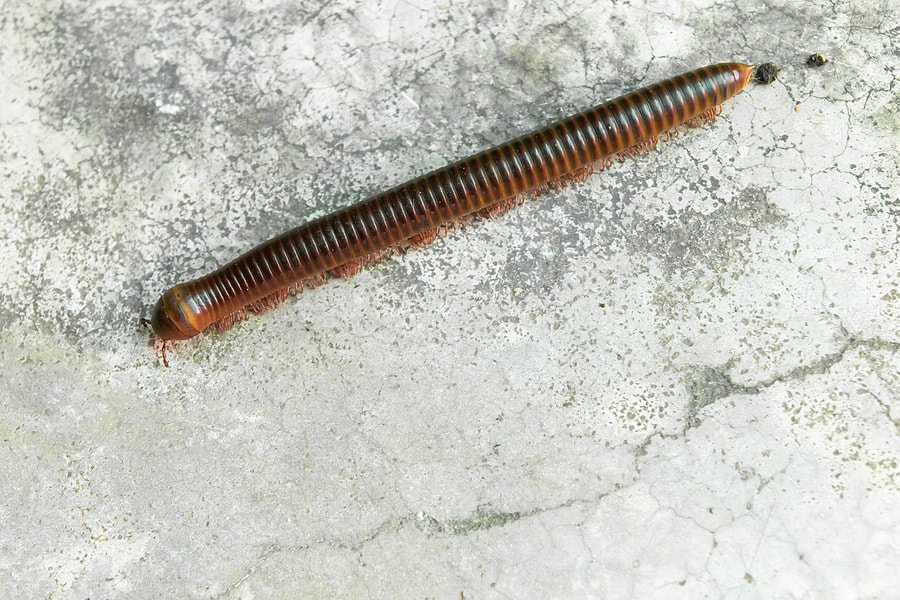
While often mistaken for each other, millipedes and centipedes are distinctly different pests. Although commonly referred to as insects, they are actually not – in fact, they are more closely related to lobsters and shrimp. Centipedes have bodies composed of many segments with one pair of legs on each segment. These long legs extend from the sides of their bodies and trail backwards behind them, making them very visible. Millipedes, on the other hand, are the opposite. These arthropods have only 1 pair of legs on their first 3 body segments but then two pairs of legs for each body segment after those. Their legs are shorter and do not trail behind their bodies like centipedes do.
Both of these land dwelling creatures prefer moist environments with high humidity. Most are nocturnal, as well. While neither carry diseases that can harm humans or pets, they can be a nuisance when they make their way into your home. Centipedes can bite, although this is rare. They do have poison glands and can cause skin irritation when a bite occurs. Millipedes feed on stems and leaves and can cause damage to gardens. They can also leave a stain if crushed. Both species can be a nuisance when they invade your home in large numbers.
Although there is no set season for millipedes and centipedes, they do come out in large numbers twice per year: in the spring when they lay eggs and in the fall when they prepare to overwinter.
Preventing centipedes and millipedes can be accomplished with these tips:
- Remove their hiding places. Get rid of any trash or debris piles, rocks, boards, and leaf or compost piles that can hide them.
- Seal them out. Make sure windows and doors seal tightly and cracks and crevices are caulked.
- Get rid of water. Repair any leaks and remove standing water from around your home. Remove any moisture-holding ground cover and organic material that is close to your home’s foundation. Moisture is necessary for the survival of both of these species.
- Call the pros. If you have a problem with centipedes, millipedes, or any other household pests, contact your local pest control company for a customized treatment and prevention plan.
You May Also Be Interested In:
Do I Need Termite Treatments in the Winter?
How Dangerous Are Orb Weavers?
What To Do If You See Roaches
Winter Essentials
13 Energy Saving Tips For Winter
Nov 4, 2022 | Pest Control
Orb weavers can be scary looking with their large size and the giant webs they weave. But are they dangerous to humans or pets?
The short answer is no. Although these spiders can bite, they lack the potent venom needed to cause serious damage to humans or larger animals. Their bites are comparable to bee stings. These pests are quite docile and usually non-aggressive; they are more likely to flee from you than to attack and bite you if disturbed.
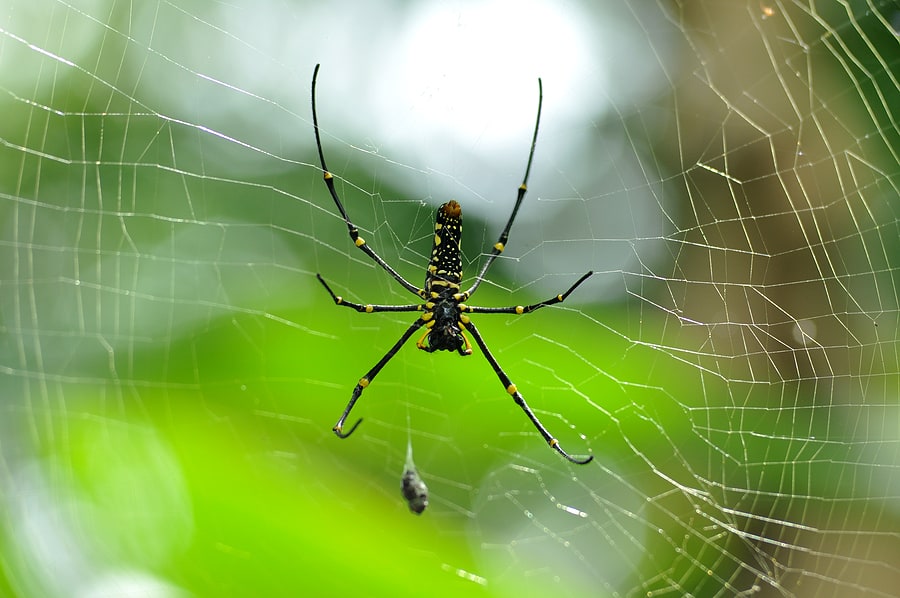
Orb weavers are garden pests, often found in bushes, trees, wood piles, yard debris, under porches, under roofs, and under eaves. They get their name from the large, circular, wagon wheel shaped webs they weave. Because their family is so diverse, these spiders come in a variety of colors and markings, with some of the more common ones being bright yellow and black.
Orb weavers eat a variety of small insects such as mosquitoes, beetles, moths, flies, and wasps. They are quite beneficial to have around as they help keep other pest populations under control.
If you have an issue with spiders or other pests, contact your local pest control company for an evaluation and treatment options.
You May Also Be Interested In:
What To Do If You See Roaches
Add Some Shine to Your Crawl Space
Benefits to Winter Pest Control
Preventing Wildlife in Attics
Where Do Rodents Go In Winter?