Oct 20, 2022 | Pest Control
Last updated: October 30, 2026
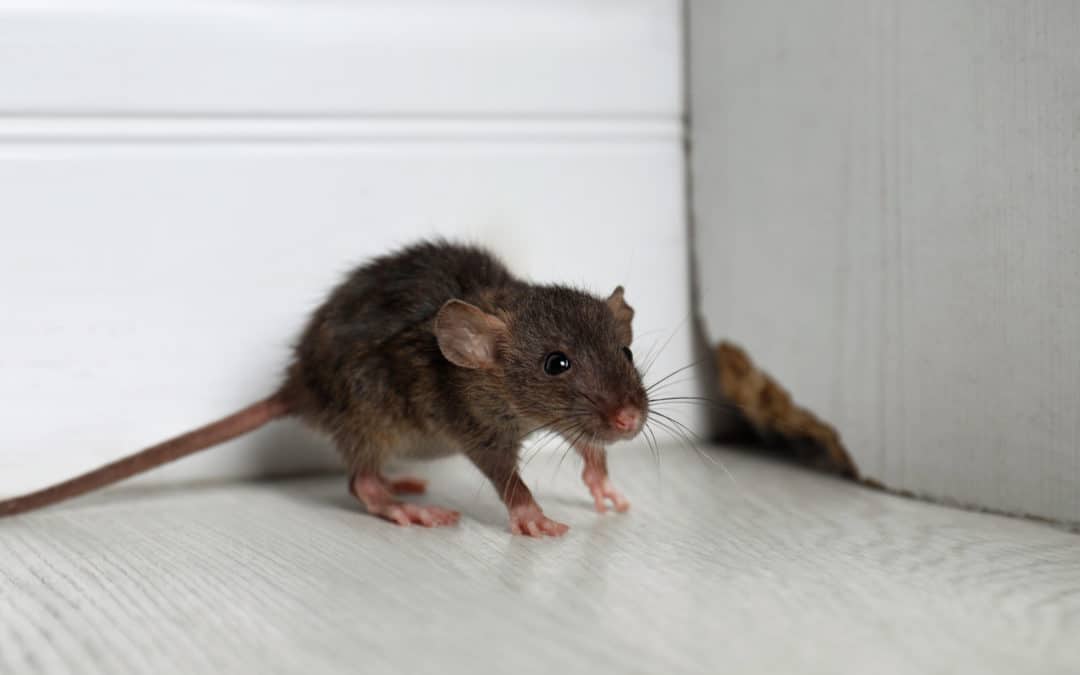
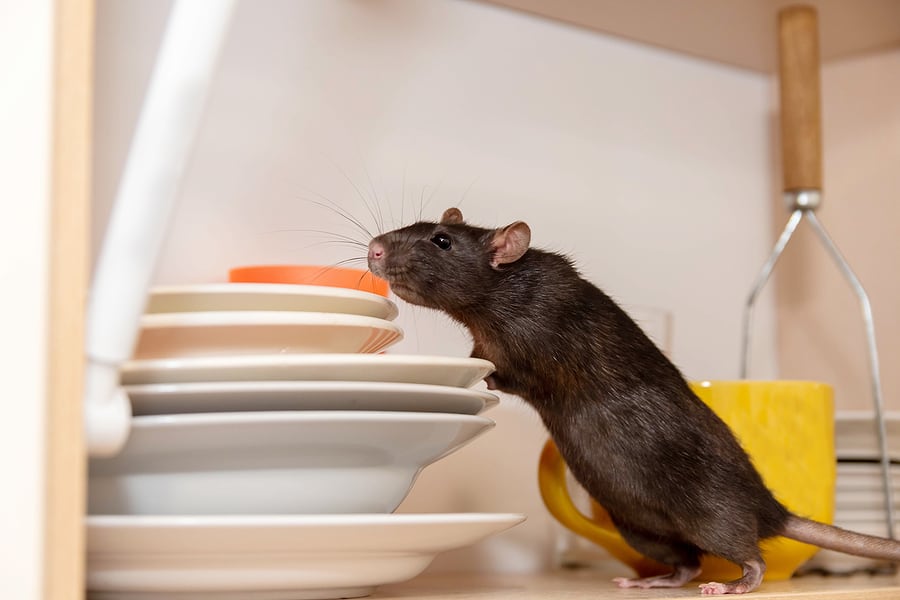
The rodent control methods that work best at home come in a set order: find out how rats or mice are getting in, take away the food and water that brought them, seal the entry points, then trap the rodents that are already inside. Trapping alone rarely ends the problem, because new rodents keep using the same openings. If you’re hearing scratching in the walls or finding droppings in the pantry, this guide walks you through each step and shows you when it’s time to call a professional.
Signs You Have Rats or Mice
Most homeowners notice rodents through what they leave behind before they ever see one. Look for:
- Droppings near food, in cabinets and drawers, under sinks, and along walls
- Gnaw marks and chewed packaging on food boxes, bags and pet food
- Nesting material such as shredded paper, fabric or insulation
- Holes chewed through walls, floors or around pipes
- Scratching or scurrying sounds in walls, ceilings or the attic, often at night
- A stale, musty smell coming from closed-off spaces
Knowing whether you have mice or rats matters. Roof rats, Norway rats and house mice behave differently and get trapped differently, so the right method depends on what’s in your home.
Why Rodents Come Inside
Rats and mice move indoors for food, water and shelter. Common draws include unsealed food, pet food and water left out overnight, open trash cans, compost, bird feeders, leaky pipes, and clutter they can nest in. As temperatures drop in fall and winter, rodents move into structures, and a heated house with a food source is exactly what they’re looking for.
Method 1: Remove Food, Water and Nesting Spots
Start by making your home less attractive. Inside:
- Store food in thick plastic, metal or glass containers with tight lids.
- Clean up spills and wash dishes soon after meals.
- Put pet food away after feeding. Don’t leave food or water bowls out overnight.
- Use trash cans with tight lids and empty them often.
- Fix leaky pipes and keep attics and crawl spaces dry.
- Clear out stacks of paper, cardboard and fabric.
Outside:
- Keep grills and outdoor cooking areas clean.
- Keep compost bins and woodpiles well away from the house, and raise firewood off the ground.
- Move bird feeders away from the house.
- Trim shrubs and grass close to the home, cut back vines climbing the walls, and prune branches that reach the roof.
This step won’t remove rodents already living in your home, but it makes every other method work better.
Method 2: Seal Entry Points (Rodent Exclusion)
Sealing the gaps rodents use to get in is called exclusion, and it’s the part that actually solves the problem. Trapping without exclusion just creates a vacancy for the next rodent.
Rodents need very little room. A house mouse fits through a hole the size of a dime, and a young rat fits through a quarter. Check these spots first:
- Gaps around pipes, wires and other utility lines
- Unsealed weep holes in brick
- Damaged soffits and roof-return corners
- Gaps under garage doors
- Uncapped chimneys and vents
- Cracks in the foundation and gaps around windows and doors
For small holes, fill the gap with steel wool and hold it in place with caulk. For larger openings, use hardware cloth, metal sheeting or cement. Rats can chew through plastic, foam, wood and caulk on their own, so metal is the better choice where gnawing is a risk.
Roof rats climb well, so they often get in above ground level along the roofline, which makes their entry points harder to find and reach.
Method 3: Trap the Rodents Already Inside
Once entry points are sealed, trapping removes the rodents that are still inside.
- Use snap traps. Public health guidance recommends traditional snap traps for homes. Mice and rats need different sizes, and a small mouse may not set off a rat trap.
- Place them where rodents travel. Set traps flat against the wall with the baited end touching the wall, in spots where you’ve found droppings, gnaw marks or nesting material: behind the stove and refrigerator, in the back of cabinets, and in attics, basements and crawl spaces.
- Bait lightly. A small amount of peanut butter works well.
- Check traps every day and keep them out of reach of children and pets.
- Be patient with rats. They are cautious and may avoid new traps for several days.
- Skip glue traps and live traps. They can frighten rodents into urinating, which raises your risk of getting sick.
Keep trapping until you catch nothing for a week and see no new signs of activity.
Method 4: Be Careful With Poison Baits Indoors
Poison baits are not a good first choice inside a home. A rodent that eats bait can die inside a wall void, and then the smell becomes its own problem. That’s why Northwest prefers trapping over rodenticide inside the structure. If baits are used outdoors, they belong in tamper-resistant bait stations, placed so children, pets and wildlife can’t reach them, with every label direction followed.
Method 5: Clean Up Safely
Rodent urine, droppings and nests can carry disease, so clean them up the right way:
- Wear rubber or plastic gloves.
- Don’t sweep or vacuum droppings or nests. That can put particles in the air you breathe.
- Spray the area with a household disinfectant or a fresh bleach solution (1 part bleach to 9 parts water) until it’s very wet, and let it soak for 5 minutes.
- Wipe it up with paper towels, throw them away, then disinfect the area.
- Wash your hands well after you take off your gloves.
When rodents have lived in an attic or crawl space for a long time, the insulation is often contaminated and may need to be removed and replaced.
DIY Rodent Control vs. Calling a Professional
|
DIY methods |
Northwest Wildlife Services |
| Finding entry points |
Visible gaps you can reach |
Full property inspection to find where and how rodents get in |
| Sealing |
Steel wool, caulk and hardware cloth on gaps you can reach |
Sealing entry points and rodent-proofing the areas that need it |
| Trapping |
Snap traps you set and check |
Traps and stations placed in key spots, checked often, moved or added as needed |
| Cleanup |
Small areas with gloves and disinfectant |
Removal of urine, droppings and debris, cleaning and sanitizing, and insulation replacement if needed |
| Ongoing protection |
Up to you |
Optional routine station monitoring after exclusion |
DIY methods can handle a mouse or two in a kitchen cabinet. Call a professional if:
- You keep catching rodents after a week or two of trapping.
- You hear activity in the attic, walls or crawl space where you can’t safely reach.
- You can’t find where they’re getting in, or the gaps are along the roofline.
- You’ve found chewed wiring, damaged insulation or a lot of droppings.
Timing matters. The longer rodents stay in your home, the more damage they can do and the harder they are to get rid of.
How Northwest Handles Rodent Control
When you call Northwest for professional rodent pest control, a member of our Wildlife Services team starts with a thorough inspection to find where and how rodents are getting into your home. From there, we:
- Build a plan with you. We walk you through what we found and work out a plan and budget that fits your home.
- Trap and remove. We place traps and stations where they’ll work best, check them often, and remove rodents.
- Seal them out. We seal entry points and rodent-proof the areas that need it so rodents stay out.
- Point out damage. We tell you about any damage or contamination we find and recommend repairs or cleanup.
- Keep watch, if you want it. Ongoing rodent control with routinely monitored stations is available.
Our service centers are locally operated by teams who live in the communities they serve, across Georgia, Tennessee, Alabama, Florida, North Carolina and South Carolina.
Frequently Asked Questions
What is the most effective rodent control method?
Sealing entry points (exclusion) combined with trapping. Trapping removes the rodents inside, but without sealing the gaps, new rodents keep coming in through the same openings.
How small a hole can a mouse get through?
A house mouse can fit through a hole the size of a dime. A young rat can fit through a hole the size of a quarter.
Should I use poison to get rid of mice in my house?
It’s usually not the best choice indoors. A poisoned rodent can die inside a wall and cause an odor problem. Snap traps are the recommended first step for homes, and any bait should go in a tamper-resistant station out of reach of kids and pets.
How do I know the rodents are gone?
Keep traps out until you catch nothing for a week and see no new droppings, gnaw marks or sounds.
When should I call a professional for rodents?
Call if trapping isn’t working after a week or two, if you hear rodents in the attic or walls, if you can’t find how they’re getting in, or if you’ve found chewed wiring or contaminated insulation.
Does Northwest offer free rodent inspections?
Yes. Northwest offers a free inspection and estimate for rodent control.
Get a Free Rodent Inspection
Hearing noises in the attic or finding droppings in the pantry? Don’t wait for the problem to grow. Call Northwest at (888) 466-7849 or request your free inspection and estimate online. We’ll find how rodents are getting in, remove them, and seal them out.
Aug 29, 2022 | Florida Pest Control
Miami Pest Control: Identifying Common Rodents
Whether you find them in your attic, basement, crawlspace, or just near your property, spotting any rodents on your property is never ideal. These pests can cause significant property damage and pose health risks to you and your family. To avoid these sneaky creatures, it’s important for each homeowner to be aware of the different types of common rodents that will invade their Miami homes.
Norway Rat
One of the largest species of rats, Norway rats measure from 13 to 18 inches in body length, are known to have thick fur, and are usually brown in color. These rats prefer to live closer to humans, searching for any food source available. They will eat any food type but usually prefer high-quality foods such as meat and fresh grains. Rats also need a water source to survive since they don’t get moisture needed from their food source and will look for any standing water.
Norway rats will burrow to make their nests underneath buildings, concrete slabs, around ponds, in garbage dumps, and more. In homes, they will typically look to areas that usually go undisturbed, such as crawlspaces or basements. These creatures will cause property damage, such as gnawing through plastic materials or lead pipes. Norway rats will bring fleas and mites into the home.
House Mouse
Only ranging from 5 to 7 inches in length, the house mouse has a fur coloration ranging from light brown to black with a tan or white belly. You can usually tell the difference between a house mouse and a rat by looking at their tails; mice tails are long, rough, and have little to no fur. House mice will eat any food to survive, but they usually like to feed on cereal grains. While rats need water to survive, house mice do not, as they get most of their water from the food they eat.
If these rodents find a food source, they typically stick around that area, establishing a territory 30 to 50 feet from it. House mice are incredible climbers, allowing them to jump and reach isolated or withdrawn areas. If they get inside the home, they can be a threat as they are known to create electrical fires by gnawing on wires.
Roof Rat
Slightly smaller than a Norway rat, the roof rat measures around 13 inches in length, including the tail. These rodents are brown, black, or gray with a scaly, snaked tail which is longer than the head and body. They are excellent climbers and prefer to nest in high places within structures, including higher levels of homes, trees, and buildings. Roof rats prefer to eat fruit, vegetables, and cereal products. Roof rats eat a lot all at once and will return to that place time after time for food.
If you suspect any of these rodents inside your home, consider contacting your local Miami pest control company for a rodent control plan that will help remove, exclude, and prevent them in the future!
Aug 5, 2022 | Florida Pest Control, Pest Control
Bonita Springs Pest Control: Keeping Household Pests Out
Whether it’s stinging pests invading your porch, rats inside your crawlspace, or mosquitoes taking over your yard, dealing with an infestation of household pests can be a major headache. With hot, humid weather present in the Bonita Springs area during most of the year, it seems as though pests never go away. Unfortunately, as humans, we can sometimes bring a pest infestation upon ourselves. Check out the top 5 reasons you’re attracting pests into your Bonita Springs home.
Trash
Pests such as roaches, rats, and ants are all looking for a food source. Our leftover trash is their dinnertime and, if access is gained, they can create an unwanted mess. If your outside trash can is not secured, these pests can easily get inside and keep coming back for more. Ensure that your trashcan lid is tightly sealed and trash bags are without rips or tears. Don’t forget your inside trash too, making sure that all trash cans have lids to avoid exposed food scraps.
Stagnant Water
Stagnant or standing water attracts a dreaded pest we’re all trying to avoid: mosquitoes. Female mosquitoes only need a small amount of water to breed, which can often be found throughout your yard without your knowledge. Toy buckets, pet bowls, tarps, old tires, and more are all items that can hold water and make a perfect breeding site for mosquitoes. To avoid this, remove these items from your yard, especially after a rainstorm. Additionally, look for any ditches or uneven spots in your yard that can pool and consider leveling them or filling the areas in.
Clutter
Clutter makes a great home and hiding place for pests and rodents. Decluttering and cleaning items out to eliminate these hiding places will help prevent pests in the long run. Remove old newspapers, utilize plastic containers instead of cardboard, and make sure that clothes aren’t piled on the floor.
Dirty Kitchen
If you leave dirty dishes in the sink, even for one night, it can attract pests like flies, ants, and cockroaches into your home. After each meal, wash and put your dishes away to help combat these pests. Likewise, it’s best to clean up any leftover crumbs or spilled liquids, especially if they contain sugar, as soon as possible. Don’t forget behind and under your kitchen appliances too. Pests like to hide behind stoves and refrigerators, waiting for their chance to consume an available food source.
Excessive Moisture
Most pests need water for survival and prefer a damp environment. Sometimes factors throughout our homes can give them a water source, leading to an infestation. Certain termites eat damp wood, causing significant structural damage and costly repairs. A leaky faucet can attract pests like mice, who are known to return to areas if they’ve found a food or water source. Check throughout your home for any leaky pipes, faucets, or even AC units and repair them as soon as possible. Also dry areas in your basement, utilizing a dehumidifier if needed. If you have a crawlspace, consider crawlspace enclosure to ensure no moisture is found.
If you notice an influx of pests throughout your home or want to stay on top of your pest prevention, consider contacting your local Bonita Springs pest control company to provide you with a comprehensive treatment and prevention plan.
Jul 21, 2022 | Pest Control
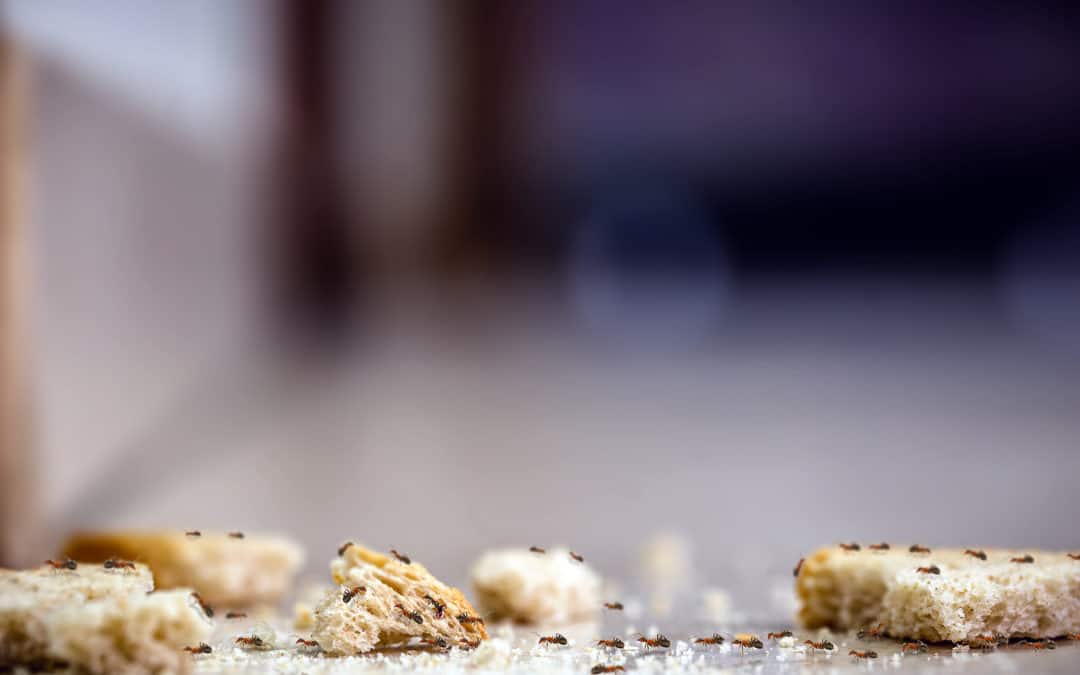
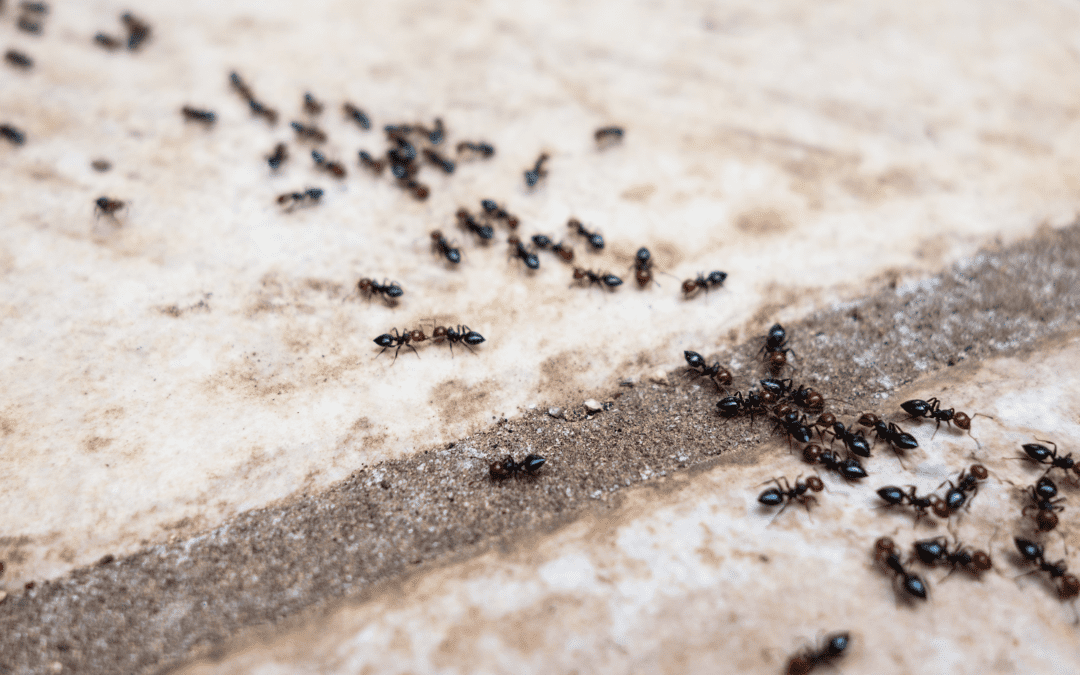
Ants are known for being annoying and persistent, especially when taking over your yard. It’s important to know what type of ant you’re dealing with to determine how to get rid of them outside your home. Removing them from your yard will lessen the chances of seeing them inside your home. We have broken down the most common ants found in the South and how to remove them from your yard.
Fire Ants
These bright or dark red ants love the warm climates of the South. They’re one of the smallest ants around but can be found in very large groups. Since they love the warmth so much, you’ll see fire ants building large underground nests in the sunniest parts of your yard.
They typically don’t become household pests, but because of their sting and the large groups they are found in, they deter families from enjoying time outside. They are known to attack in groups and their sting can become very uncomfortable.
Get Rid of Fire Ants:
- Douse the fire ant mound with boiling water. This old-school approach works about 60% of the time, but it won’t hurt to try.
- Bait worker ants in order to kill the fire ant queen. Ideally, the worker ants will pick up bait that is placed around the mound and bring it to the queen.
- Hire professional help. If you have tried everything and it didn’t work, be sure to reach out to a local pest control company to provide the best fire ant control and prevention method.
Pavement Ants
These types of ants can be red or black and can often be mistaken for carpenter ants, although they are much smaller. They only have two parts to their body instead of the usual three. Often found in driveways, along sidewalks, or in other concrete structures, pavement ants can eventually become house pests.
They become house pests due to their continuous search for food and shelter. If they end up inside your home, that usually means there is a nest nearby. They aren’t as aggressive as the fire ant, but they can bite.
Get Rid of Pavement Ants:
- Keep tree branches and shrubs cut away from the home. This allows them to access your home.
- A store-bought pesticide should be enough. Spray the perimeter of your yard and home to get rid of these types of ants.
If the problem of ants has become more than you can handle, be sure to reach out to your local pest control company and they’ll be able to come up with the best plan of action to rid your yard of ants.
Jan 20, 2022 | Pest Control
Roaches are resilient pests that have survived millions of years on Earth. Cockroaches are naturally tropical pests, preferring warm, humid habitats to thrive in. In fact, most species of roaches will die off at temperatures below 15 degrees Fahrenheit. Roaches have learned to adapt and are expert overwintering pests, making their way indoors to avoid exposure to cold temperatures and survive the winter.
There are four species of cockroaches in the United States that can survive year-round with the appropriate overwintering environment.
- American Cockroach: The American cockroach usually lives outdoors but will come inside during the winter months. These roaches like water and are often found hiding out in bathrooms and laundry rooms. If they overwinter outside they can be found in decaying trees and woodpiles.
- German Cockroach: The German cockroach is found throughout the United States. They commonly invade homes and can be difficult to eliminate once an infestation is established. They reproduce quickly, exploding their populations in your house. German roaches can survive winter as long as they find a humid environment and a food source (such as in your kitchen or under your appliances).
- Oriental Cockroach: The Oriental cockroach is an indoor species but they will venture outside in search of food. These roaches must have water to survive and can often be found in basements, crawlspaces, and floor drains. If they overwinter outdoors they will hide out in rock walls or other areas that offer shelter and warmth. Oriental roaches only reproduce in the winter so their survival through the colder months is critical. They can tolerate lower temperatures than most other species.
- Brown-Banded Cockroach: The brown-banded cockroach is found throughout the United States but is not as common as their German counterparts. These roaches are attracted to heat and can be found in near appliances, heaters, or anything else with an electric motor. They are often found in kitchens and prefer to hide out in high cabinets.
To answer the question above, roaches don’t necessarily die off in the winter. As long as they can find a warm place to shelter with a food source they can survive and reproduce year-round. The next question to ask yourself is, “How are they getting into my home?” Roaches can squeeze through openings as small as 3/16″ and will use any opening they find in your walls, siding, baseboards, and ceilings to get inside. Roaches are also notorious hitchhikers and will catch a ride indoors on bags, boxes, firewood, furniture, and appliances.
Keep roaches out this winter by:
- Emptying your trashcans often and keeping them clean.
- Cleaning up crumbs from counters and floors daily, including spilled pet food.
- Sweeping daily.
- Vacuuming frequently.
- Making sure food is not left in sink strainers.
- Running the garbage disposal frequently.
- Keeping food (including pet food) sealed in airtight containers.
- Not leaving dirty dishes in the sink overnight.
- Keeping appliances clean of food and grease.
- Cleaning out clutter in your garage and attic, especially cardboard.
- Using plastic storage boxes rather than cardboard when possible.
- Sealing entrances around utility pipes.
- Ventilating crawlspaces to prevent moisture.
- Storing soap out of reach.
- Not leaving pet food out in bowls overnight.
- Drying all sinks, tubs, and showers before bed each night.
- Using a dehumidifier in your home.
- Carefully inspecting items before bringing them into your home.
If you have a problem with cockroaches or any other household pest, contact your local pest control company for an evaluation and treatment plan.
You May Also Be Interested In:
Preventing Wildlife in Attics
Mouse vs Rat: 5 Differences Explained
Cockroaches: Types and Prevention Tips
Where Can Bed Bugs Hide?
Preparing for Spring