May 17, 2019 | Wildlife
While we most often think of wildlife being a problem in the winter months, these animals don’t just disappear when the weather gets warm. Wildlife can still be quite active in the summer, wreaking havoc on our homes and gardens. Whatever the time of year, preventing and controlling these nuisance pests is of the utmost importance, as they not only cause damage to homes and property, but can also pose significant health risks to both humans and pets. Wildlife prevention (also known as wildlife exclusion) is the first line of control against critters; however, once they have established themselves in or around your home, wildlife removal becomes a more necessary option. Let’s look at some common summer wildlife, as well as ways to exclude them from your home.
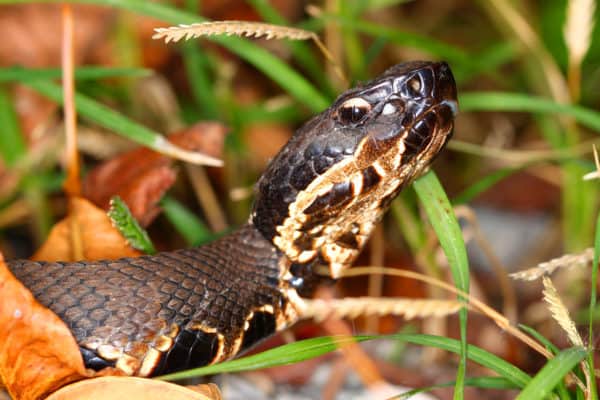
Snakes

Snakes are cold-blooded animals that require heat and sunlight for energy. They are more active in the summer months because they require more energy for mating. Too much exposure can overheat them so snakes are typically more active in the early morning and late evenings or at night in the summertime. They will also seek out shelter during the hottest parts of the day in cool, dark places like underneath rocks and decks or in basements. Snakes will choose where they live based on the availability of food, shelter, and shade.
To prevent snakes this summer:
- Clear away yard clutter, piles of leaves, and wood.
- Keep your grass mowed short to eliminate coverage.
- Trim bushes and hedges regularly.
- Make sure birdseed doesn’t fall on the ground and clean it up if it does.
- Block access to any potential hibernation areas.
- Walk the perimeter of your home and seal, cover, or repair any crack or crevice that is greater than 1/4″.
- Check your garage, garage doors, windows, and exterior doors for gaps and seal them.
- Seal any gaps around water pipes, electrical lines, sump pumps, and other spots that utilities enter your home.
- Ventilate crawlspaces and repair leaky faucets and pipes as these attract pests which, in turn, attract snakes.
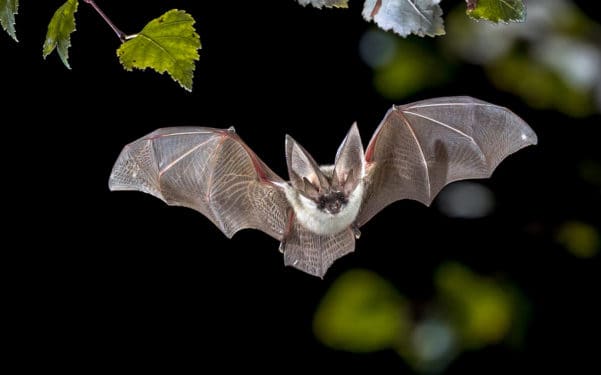
Bats
While bats are scary to many people, they are actually quite beneficial at keeping insect populations down. In the southern United States, many bat species are active year-round. Bats enter homes through openings. They can cause damage in homes by ruining insulation, causing structural damage when their urine soaks through to sheet rock or particle board, and their urine and feces causing health concerns for occupants of the home. Bats also carry serious diseases such as rabies, with 1 to 3 cases of bat transmitted rabies occurring each year. Bats are nocturnal and emerge at dusk in search of food. Female bats search for summer roosts where they stay until they have their young. For this reason, unless there is a threat to public health, eviction or exclusion of bats should not take place between April and August. Colonies will disband in late summer as bats leave for their winter roosts.
To prevent bats in the summer:
- If you have a bat in your home, locate any openings leading to living spaces in your home from attics, garages, walls, etc and seal them off.
- Close all doors to the room where the bat is and open all windows and exterior doors to allow the bat to escape.
- Inspect and caulk any openings on the exterior of your home that are larger than 1/4″.
- Use window screens, chimney caps, and screen vents.
- Fill any electrical and plumbing holes with steel wool or caulk.
- If you find an entry point, cover it with plastic sheeting or bird netting and then once all the bats are gone, seal it off completely.
- Professional removal is recommended. Professional wildlife pest control will:
- Assess any entry points.
- Install one-way systems to allow bats to exit but not return.
- Seal any entry points.
- Clear, decontaminate, and deodorize the affected area.
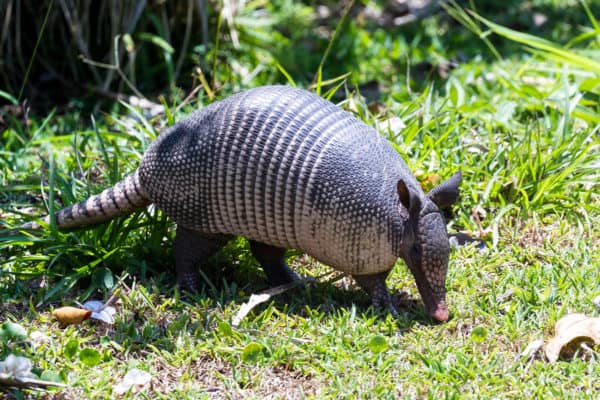
Armadillos
Armadillos mate in the fall, with their young born in the spring, making them very active in the summer months. They prefer habitats near streams or other water sources with sandy or clay soil. They are often found in forests, woodlands, prairies, salt marshes, coastal dunes, pastures, cemeteries, parks, golf courses, and crop lands. They love to nest in rock piles, around trees and shrubs, and under rock slabs. Armadillos dig burrows that can be up to 25 feet long, which can significantly damage tree roots. These burrows can also cause flooding if they are dug around crawlspaces, patios, or walkways. Armadillos have poorly developed teeth and limited mobility. they have poor eyesight but a keen sense of smell. They have very few natural predators. They are strong diggers which they rely on to find shelter and food and causing most of the damage around your home and property. Armadillos will eat fruit (especially from gardens and compost piles), grubs, worms, beetles, wasps, ants, millipedes, centipedes, and snails.
To prevent armadillos in the summer:
- Eliminate food sources by getting rid of insects around your home.
- Clean up any rotten fruit that may fall to the ground.
- Maintain proper landscaping by keeping grass mowed and shrubs and trees trimmed.
- Install sturdy fencing that goes at least 1 foot into the ground and at a slight angle.
- Eliminate any areas of excess moisture in your yard as this leads to more grubs and worms.
- Set traps and relocate the armadillos.
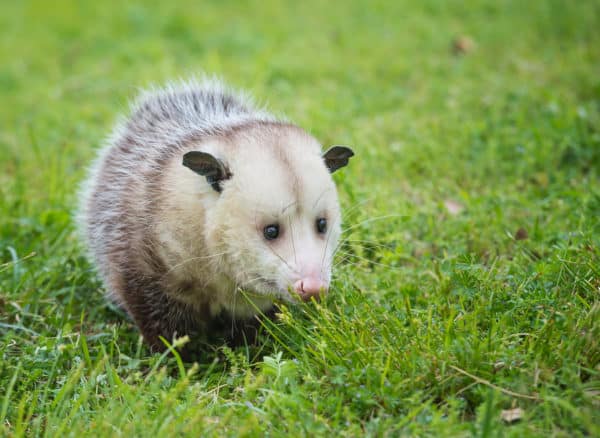
Opossums
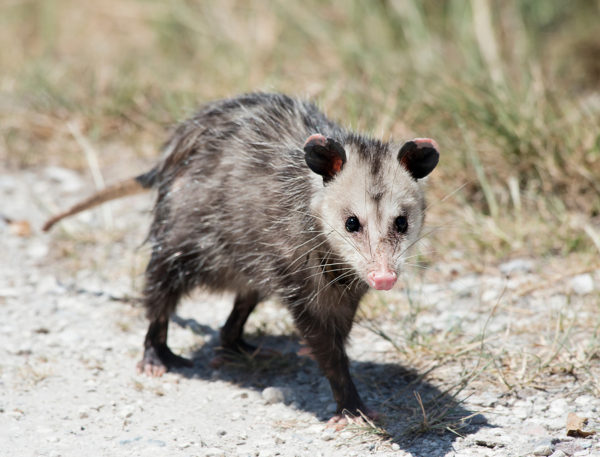
Opossum females are laden with their young in the summer months, making them more active in their search for food. Opossums are found throughout the United States. They live in trees and will stay in them as much as possible. They also prefer wet areas like marshes and swamps. Opossums are nocturnal and will forage for food at night. They are beneficial in they eat harmful and unwanted pests around your home. They prefer to eat snails, slugs, spiders, cockroaches, rats, mice and snakes. They will also eat nuts, grass, fruit, roadkill, and garbage. They are rarely aggressive and will play dead when they feel threatened.
To prevent opossums this summer:
- Don’t leave pet food or water out overnight.
- Don’t leave garage doors, pet doors, or unscreened windows open at night.
- Pick up any fruit that has fallen from trees.
- Cover garbage cans at night.
- Clear out any dense bushes, shrubbery, or woodpiles.
- Keep swimming pools and hot tubs covered at night.
- Keep trees and shrubbery trimmed away from fences.
Raccoons
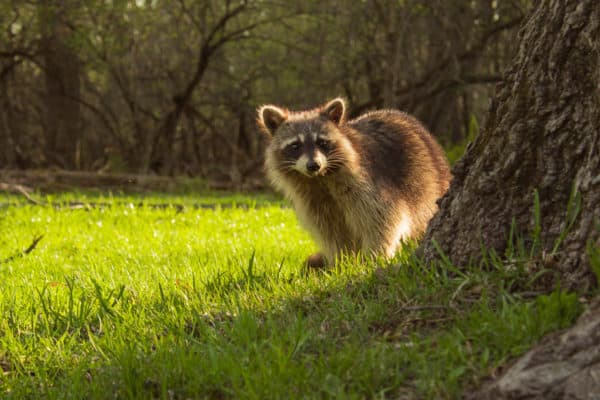
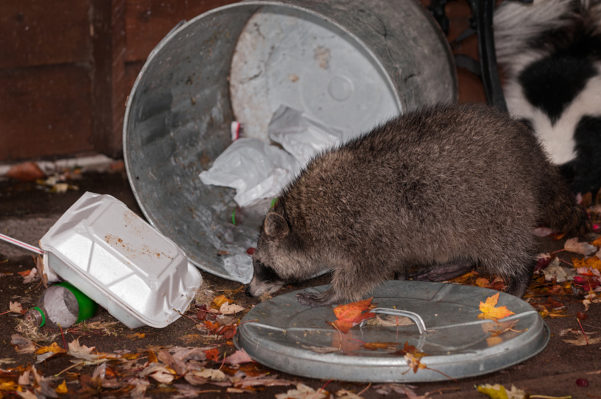
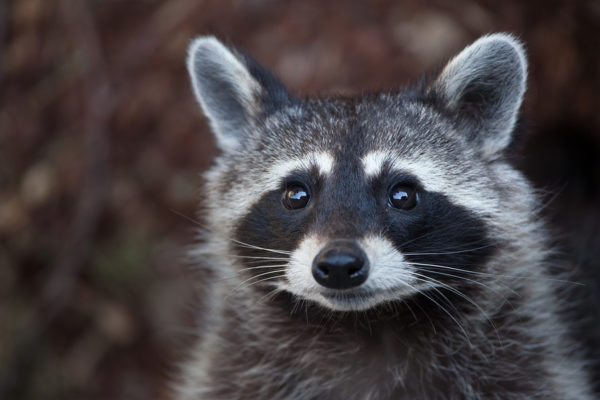
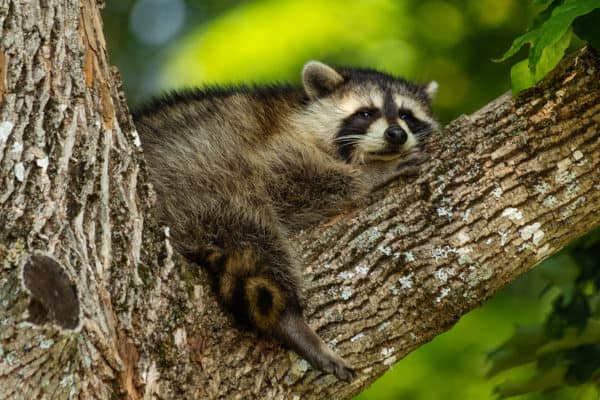
Raccoons are highly intelligent and curious animals. They typically give birth to their young in April and May, making them very active in the summer months. They are found throughout the United States. They prefer to live in heavily wooded areas with access to trees, water, and vegetation. They are extremely adaptable, however, and will make their homes in attics, sewers, barns, and sheds. They are dexterous, capable of opening doors, jars, bottles, and latches. They are known to carry several bacterial diseases. Raccoons are nocturnal animals, searching for food at night. They will eat almost anything including birds, eggs, fish, shellfish, frogs, fruit, insects, nuts, seeds, and even snakes. They are known to destroy gardens, tip over garbage cans, and cause structural damage in their quest for food.
To prevent raccoons this summer:
- Secure trash can lids, especially at night.
- Double bag any trash that contains meat.
- Remove brush and keep shrubbery trimmed.
- Keep grass mowed short.
- Seal any entry points to chimneys, eaves, and attics.
- Install motion detecting sprinklers or strobe lights.
- Remove any fallen fruit from trees.
- Bring bird feeders and pet food in at night.
- Seal pet doors at night.
Rats
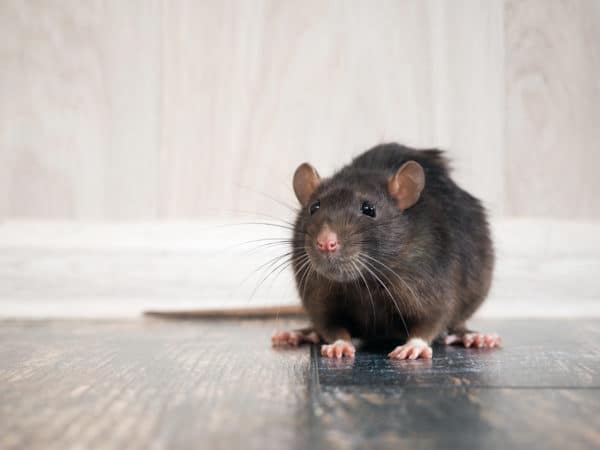
Rats are active year-round. The summer provides them with ample sources of food making them very active. They are also busy making burrows and storing food in preparation for the winter. Rats can reproduce very quickly so control and elimination can be extremely difficult. They are excellent climbers and are well adapted to living in human environments. Rats can contaminate food, cause fire hazards by chewing through wires, and their urine and feces can cause serious health concerns.
To prevent rats this summer:
- Fill or seal any cracks, crevices, and holes found in foundations or siding.
- Install chimney caps and cover vents with screens.
- Replace any torn screens on windows and doors.
- Remove clutter from garages and storage areas.
- Try to use plastic storage bins versus cardboard boxes.
- Store firewood away from your home.
- Remove bird feeders and pet food at night.
- Keep food and pet food stored in airtight containers.
- Use trash cans with lids.
- Keep your kitchen clean from crumbs and spills.
- Empty the trash regularly.
Prevention is always a good first step at keeping wildlife away. Once you have a wildlife issue, however, prevention usually needs to shift to removal and exclusion. Consider contacting a professional wildlife control company who can assess your wildlife issue and provide you with the safest and most appropriate treatment and prevention options.
You May Also Be Interested In:
How Long Does A Mosquito Treatment Last?
Summer’s HOT Temperatures Damage Your Lawn?
Are You Ready For Termite Season?
The American Cockroach
How To Protect Yourself From Bed Bugs on Spring Break
Jan 11, 2019 | DIY, DIY Wildlife Prevention, Wildlife
The winter months can bring wildlife indoors as they search for food and shelter from the cold weather, causing property damage by chewing through the wood, insulation, and wiring in your home, and can also carry diseases that threaten the health of you and your family. What critters should you be concerned about? Most wildlife control services include the exclusion, removal, and control of animals such as squirrels, rodents, raccoons, snakes, bees, and birds. Safe removal of the nuisance critter is always the first priority when it comes to wildlife, but what can you do to prevent these animals from getting into your home or property to begin with? Keep reading for tips on wildlife prevention and bird control.
- Install door sweeps on exterior doors.
- Repair or replace any damaged window and door screens.
- Replace loose mortar around foundations and weatherstripping around windows and doors.
- Inspect the exterior of your home including the siding for damage, holes, and leaks and repair them immediately.
- Repair any holes under exterior stairs, porches, balconies, etc. to keep animals from taking up residence underneath them.
- Install chimney caps.
- Cover the openings to exhaust fans, soffits, attic vents, and utility pipes.
- Inspect your roof annually for water damage and loose or damaged shingles.
- Keep your attic, basement, and crawlspace well ventilated and dry.
- Clean eaves and gutters regularly to prevent debris from building up.
- Don’t leave your garage door open for prolonged periods of time or overnight.
- Keep tree limbs cut back at least 6 to 8 feet from your roof line.
- Store your firewood off the ground and at least 20 feet from your home.
- Keep your grills or barbecues clean and grease-free.
- If you have fruit trees make sure you pick or dispose of ripe fruit and clean up any spoiled fruit that may collect at the base of the trees.
- Clean up leaves and brush and don’t leave them in piles around your property.
- Store your birdseed in secure containers and don’t leave birdseed in your feeders overnight.
- Bring in your pet’s food and water dishes at night.
- Store food in airtight containers.
- Dispose of your garbage regularly and use cans that have secure lids.
If you suspect a wildlife problem, contact a professional wildlife control company. A wildlife removal expert will inspect your home to identify the animal nuisance, determine where they are getting in, remove them, and prevent the wildlife from getting into your home in the future. They can also inform you of any existing damage or contamination and provide you with a recommendation for repairs or clean-up.
You May Also Be Interested In:
: 7 Tips For A Healthy Winter Lawn
What Is Green Pest Control?
Termite Control: Do I Really Need Termite Protection?
Pest Control: Mosquitoes In The South
Exterminating Tips: Keeping Out Winter Pests
Nov 15, 2018 | Wildlife
When you think of pest control the most common critters that come to mind are roaches, rats, bed bugs, mosquitoes, and other traditional pests. Wildlife may not be at the top of your list but these sneaky pests can wreak havoc on your home and your health. Two wildlife pests that often get into your home are possums and raccoons. While they are noticeably different in appearance, these two animals share many similarities. They are both highly adaptable to their surroundings and can be quite creative in seeking out food sources. They are both also known to carry diseases that can be harmful to humans. Do you know how to identify a possum or a raccoon? What can you do to prevent these pests from damaging your home and property?
POSSUMS
Possums are North America’s only marsupial species. They can range from 14″ long to over 3 feet long. Their tails make up 50% of their total body length. They can weight up to 13 lbs. Possums are scavengers and will forage in trashcans and dumpsters for food. They are omnivores but prefer insects and carrion over fruits and nuts. Possums are highly nocturnal and are rarely seen by humans. They prefer to live near water. Possums are found throughout eastern North America. Possums are slow movers but are highly skilled climbers. They can get into attics and under houses, especially in crawlspaces. They will play dead as a defensive tactic.
RACCOONS
Raccoons can range from just under 2 feet long to just over 3 feet long. They can weigh up to 23 lbs. They have a distinctive black mask coloring on their faces. Raccoons are scavengers and will often forage in trashcans and dumpsters for food. They are quite dexterous and can use their paws to open doors and lids. They are omnivores but prefer fruits and nuts over meat. They are nocturnal and are rarely seen by humans. If you spot a raccoon during the day be aware – this is often (but not always) a sign of rabies or other abnormal condition in the raccoon. Raccoons are found throughout most of the United States, southern Canada, and northern South America. Raccoons are creatures of habit. Once they discover a food source at your house they will keep coming back over and over. They often access attics and roofs of homes causing significant damage.
PREVENTION
- Seal any garbage cans and compost bins at night.
- Use locking lids on trashcans if possible or place a weight on top to keep the lids closed.
- Pick up any fruit or other food items from your yard.
- Make sure to bring your pet’s food and water bowls indoors at night and empty bird feeders.
- Keep the outside of your home well lit at night – possums and raccoons are nocturnal and shy away from lights.
- Examine the outside of your home for possible entry points and seal them off. Make sure to check chimneys, attic vents, and seams along roofs and foundations.
- Keep your yard clear of debris and keep the grass mowed.
- Spray a mixture of half ammonia and half water on your trashcans or soak rags in the mixture and scatter them around your property. The smell will repel these pests.
- Consider enclosing your crawlspace to eliminate their ability to get under your home.
- If you think you have a wildlife issue, contact a licensed pest control expert who can provide you with a thorough evaluation and treatment plan.
Oct 8, 2018 | CrawlSpace
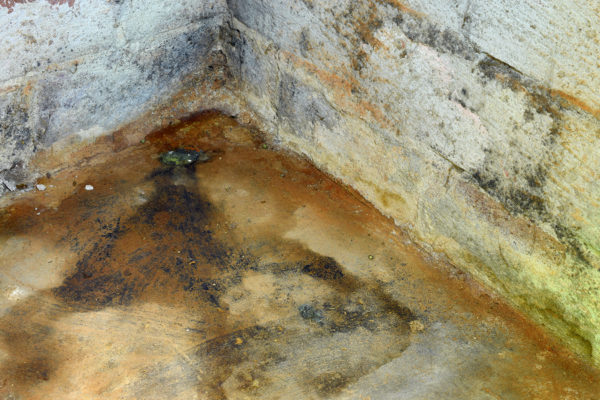
If you’re like most of us you don’t spend too much time inspecting your crawlspace. But did you know that moisture that makes its way into your crawlspace can cause significant problems not only for your home but for your health, as well? Dampness in your crawlspace is a common problem in homes without a proper moisture barrier system. Without a proper barrier, your crawlspace carries humid air that condenses and settles on the pipes, walls, and even the subflooring. This moisture provides the ideal environment for mold, mildew, and pests. A moisture barrier prevents this moisture from evaporating and seeping into the air beneath your home. Moisture barriers are composed of either foil or plastic material that helps prevent moisture from penetrating your crawlspace air.
So why should you have a moisture barrier installed in your crawlspace? Check out these 7 benefits of moisture barrier installation.
1. TEMPERATURE CONTROL
The moisture that gets into your crawlspace affects the temperature in your home. It can make your home too hot, too cold, too stuffy, or too dry depending on the weather, the season, and other factors. The moisture either absorbs the warmth from your house or keeps it from escaping. In turn, this causes your HVAC unit or furnace to run too long trying to maintain a steady temperature indoors. Installing a moisture barrier seals those spaces and keeps the moisture out of your crawlspace, helping to regulate the temperature inside.
2. ENERGY CONSERVATION
As we mentioned above, the moisture in your crawlspace can affect the temperature inside your home. As your HVAC unit or furnace runs longer to help maintain the temperature inside, it uses more electricity which, in turn, increases your electricity bill. This also puts additional strain on the HVAC unit, causing them to wear out faster and need costly repairs and/or replacement. A moisture barrier acts as a sealant, controlling the moisture levels and easing the strain of your HVAC system, making your home more energy efficient and saving you money on your energy bills.
3. MOLD AND ODOR PREVENTION
High moisture levels in your crawlspace provide the ideal environment for mold and mildew growth. Mold and mildew in your air system can be detrimental to your and your family’s health. Mold can also cause significant damage to your home. Installing a moisture barrier greatly reduces these moisture levels, preventing mold and mildew from forming. Mold and mildew are often the cause of foul odors in your home, as well. A moisture barrier can also help eliminate these stale, musty odors from your house.
4. PIPE PROTECTION
Your crawlspace is home to a number of pipes that supply both water and power to your home. When moisture infiltrates your crawlspace, it can cause rotting inside and around these pipes, leading them to burst or break. Moisture barrier installation helps keep your pipes dryer, which increases their lifespan and decreases costly repairs.
5. ELECTRICAL HAZARDS
As we mentioned above, many of the pipes in your crawlspace house electricity that runs to your home. Moisture and electricity don’t mix! Moisture in and around these pipes can lead to electrical shorts, rusted wires, and even fire. Installing a moisture barrier eliminates the moisture that can infiltrate these pipes, keeping your home safer from electrical hazards.
6. STRUCTURAL PROTECTION
The foundation of your home is vital to its structure and soundness. Moisture in your crawlspace can lead to wood rot, especially on joists and beams. Rotting wood can lead to significant structural damage to your home which can, in turn, stick you with a huge repair bill. Moisture barrier installation reduces the amount of moisture in your crawlspace which helps prevent wood rot, protecting the structural integrity of your home.
7. PEST CONTROL
Your unsealed crawlspace is an open invitation to pests and wildlife in search of shelter, food, and water. Once inside, these pests can cause significant damage to your home and your health. Rodents and other wildlife can chew through wood and electrical wires. Roaches and other insects can use the crawlspace to gain access to your home, posing potential health risks to you and your family. Installing a moisture barrier completely closes off your crawlspace, eliminating this entry point for pests into your home.
Apr 12, 2018 | Wildlife
As winter comes to an end, many animals are starting to emerge from hibernation. You may not have realized it but these animals will often take up residence over the winter in your home. Now that the weather is warming, they will start moving around in search of food and water and to try and get out. Some wildlife that get into your home are harmless but some can cause significant damage both to your home and to your health. They can leave feces behind that can contaminate the air in your home. They can chew through wires and wood in your attics and walls. So what can you do to keep these animals from seeing your home as a safe haven? Check out these tips to keep the wildlife out this spring.
- Check the outside of your home for any possible entry points and seal them.
- Repair any leaks or damaged and rotted wood around your home.
- Repair or replace damaged window and door screens.
- Use chimney caps.
- Use screens over dryer vents, air vents, and stove vents.
- Trim back trees from your roof line and shrubs from the sides of your home.
- Seal trash in containers with lids and don’t put it out until the day of trash pickup.
- Don’t leave pet food or water out overnight.
- Store unused pet food in sealed containers.
- Empty bird feeders daily.
- Keep your gutters clear or consider installing gutter guards.
- If you suspect you have a wildlife problem, contact a professional wildlife control company to safely remove any animals you may have.