Nov 18, 2021 | Pest Control
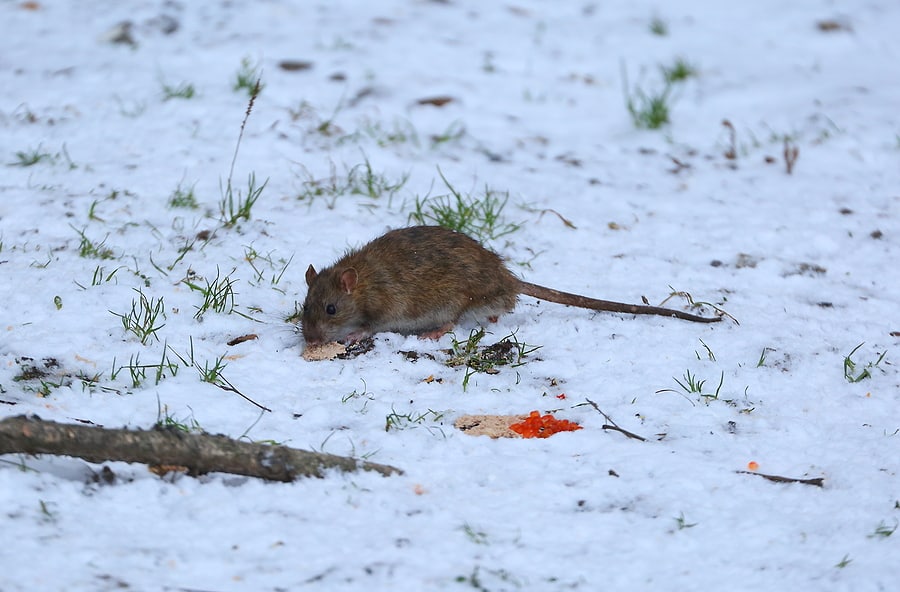
A common myth is that rodents like rats, mice, and even squirrels hibernate in the winter. Unfortunately for us, this is not true. While their activity may slow down while outside in the colder months, rodents are actually active year-round. Rodents can survive a wide range of places and climates. They are also known to carry diseases that can easily be spread to humans. Rodent-borne diseases like hantavirus and salmonella can be serious when contracted by people.
Rodents have developed several survival mechanisms to get through the winter.
Increasing Food Intake
In late summer and fall, rodents will start gathering as much food as possible to store in their burrows and nests for the winter. While they don’t hibernate, they will stockpile resources to help limit the number of times they have to venture out in the cold in search of food. They also have to increase the amount of food they eat to help retain their body temperature.
Burrowing
Rodents need a warm place to spend the winter. Like other overwintering pests, they will try and access your home to seek shelter from the cold. Rats, in particular, are capable of chewing through cinder blocks, lead, glass, aluminum, vinyl, brick, and even concrete in order to access your home. If they can’t get indoors, they are also great at digging tunnels and will burrow for shelter, usually under walls or near utility lines that come into your home.
Taking Advantage of Opportunities
Rodents are extremely creative when it comes to survival. They can adapt to most any situation. Our homes provide the ideal opportunity for rodents to overwinter by providing convenient cavities in walls, attics, crawlspaces, and between floors that protect them from the elements. These hiding spots are usually filled with insulation, as well, which gives them the perfect nesting material. Add in the heat we turn on in the winter and the food crumbs and other food sources we provide and they have an ideal living situation during the winter.
To keep these pests out this winter, try these rodent prevention tips:
- Empty garbage regularly and put it in cans with tightly fitting lids.
- Keep your house clean and decluttered.
- Avoid using open compost piles.
- Store food in sealed containers.
- Only leave enough pet food out for one sitting.
- Keep pets, especially cats, around the house.
If you have a problem with rodents, contact your local pest control company who can help identify the type of rodent you are dealing with and set you up with the appropriate rodent control program.
You May Also Be Interested In:
Prevent Bed Bugs this Holiday Season
How to Deal with a Pest Delivery at Your Business
Preventing Pantry Pests
Why Are German Roaches Hard to Get Rid Of?
Avoiding A Winter Wildlife Invasion
Nov 9, 2021 | Pest Control
As we start to gear up for the holidays, many of us begin gathering and storing food supplies for the upcoming months. Unfortunately, these essentials could also be providing stored product pests or “pantry pests” a supply of their own! The most common of these pantry pests, Indianmeal moths and merchant grain beetles, will infest and eat a variety of pantry items such as grains, nuts, chocolates, cake mixes, cookies, and more.
We break down some easy ways to prevent these pests this holiday season so you can get back to what matters most: family time.
Invest in Proper Storage
Utilizing Tupperware-type containers is a great way to keep your pantry organized and keep pantry pests away! Place your grains, uncooked pasta noodles, cookies, or seeds in these containers to protect against pests. Make sure that the containers are made from either glass or plastic, with a tight-fitting lid. Also, consider placing a bay leaf in dry goods such as flour, rice, and other grains – the bay leaf’s smell will help repel many pests.
Inspect Your Groceries
Most of the time, pantry pests are brought into the home from items that have already been infested, such as cardboard, plastic bags, or paper grocery bags. Before purchasing groceries, inspect the food packaging prior to placing them into your cart to buy. If you notice that there is an opening, do not purchase and let an employee know. Before entering your home with groceries, inspect and go through ingredients to make sure there hasn’t already been a pest infestation.
Seal Cracks
Sealing cracks and crevices throughout your home is essential for not letting these pests in. Check around your stovepipes and water pipes for any openings and seal them if needed. Additionally, moisture is a major attraction to any pests. Eliminate any water coming from leaking pipes or clogged drains. Consider investing in a dehumidifier to help with moisture control.
If you suspect pantry pests or have seen them, throw out anything infested and do a thorough cleaning of the entire area. Contact a local pest control company to help identify the pest and provide the best treatment and prevention plan.
Nov 9, 2021 | Pest Control
German roaches are one of the most common household pests and also one of the most difficult to get rid of. It is important to understand how to identify these cockroaches live and what they are attracted to in order to understand how to get rid of them.
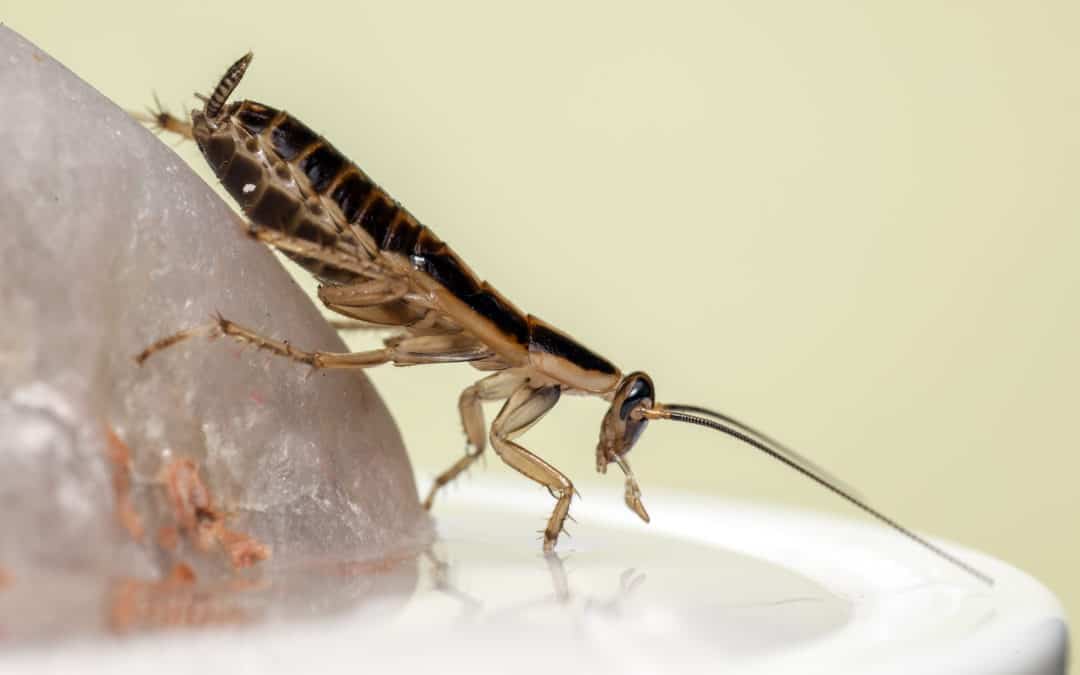
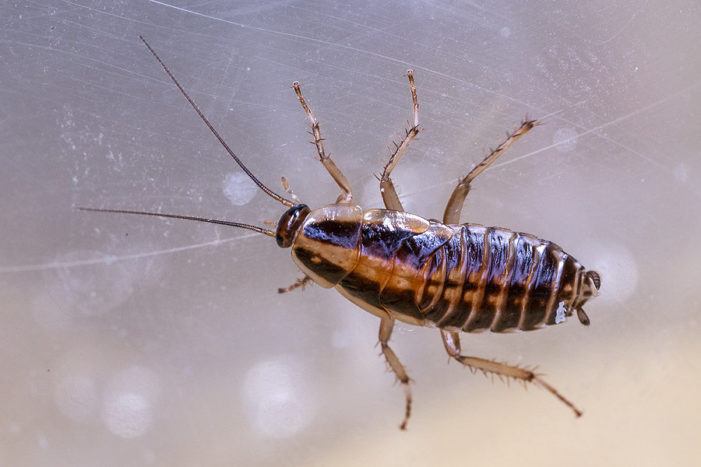
These roaches are light brown to tan in color with 2 black horizontal stripes behind their heads. They are smaller in size (adults usually grow to about 1/2″ in length) and although they have wings, they rarely fly and prefer to run instead. They are most often found indoors, preferring warm humid environments like the ones found in your kitchen or bathroom. They will eat almost anything but prefer crumbs, spills, pet food, book bindings, soap, and toothpaste. German cockroaches are often brought into your home on dry goods, such as bags, boxes, cardboard, used appliances, and furniture.
German roaches are dangerous to humans because they can spread bacteria and contaminate surfaces with salmonella and E. coli. Their feces, cast skins, and saliva can cause allergic reactions which can subsequently trigger asthma.
Common signs of German cockroaches include droppings which are small and black and look like pepper, commonly found in drawers and cabinets and on the tops of doors; egg cases left behind by females; and a mild, musty odor that gets stronger as their populations grow.
These pests are nocturnal and usually only scavenge at night, making it difficult to know you have a cockroach infestation until it is already established. Once inside, German roaches can reproduce quickly, making them very difficult to eradicate. Each female is capable of producing 4 to 6 egg cases per life cycle and can live anywhere from 100 to 200 days.
Because they can be so hard to get rid of, the best way to eliminate German roaches is to prevent them in the first place. Here are some German roach prevention tips you can use in your home.
- Empty your trashcans often and keep them clean.
- Clean up crumbs from counters and floors daily, including spilled pet food.
- Sweep daily.
- Vacuum frequently.
- Make sure food is not left in sink strainers.
- Run the garbage disposal frequently.
- Keep food (including pet food) sealed in airtight containers.
- Don’t leave dirty dishes in the sink overnight.
- Keep appliances clean of food and grease.
- Clean out clutter in your garage and attic, especially cardboard.
- Use plastic storage boxes rather than cardboard when possible.
- Seal entrances around utility pipes.
- Ventilate crawlspaces to prevent moisture.
- Store soap out of reach.
- Don’t leave pet food out in bowls overnight.
- Dry all sinks, tubs, and showers before bed each night.
- Use a dehumidifier in your home.
If you have a problem with roaches or any other pests, contact your local pest control company to properly identify the type of pest you are dealing with and recommend the most appropriate treatment plan going forward.
You May Also Be Interested In:
What Is A Joro Spider?
Are Carpenter Ants Active During the Winter?
Why Do I Have Centipedes?
Keep Your Lawn Healthy This Winter
Be Ahead Of The Energy Cost Surge
Nov 5, 2021 | Pest Control
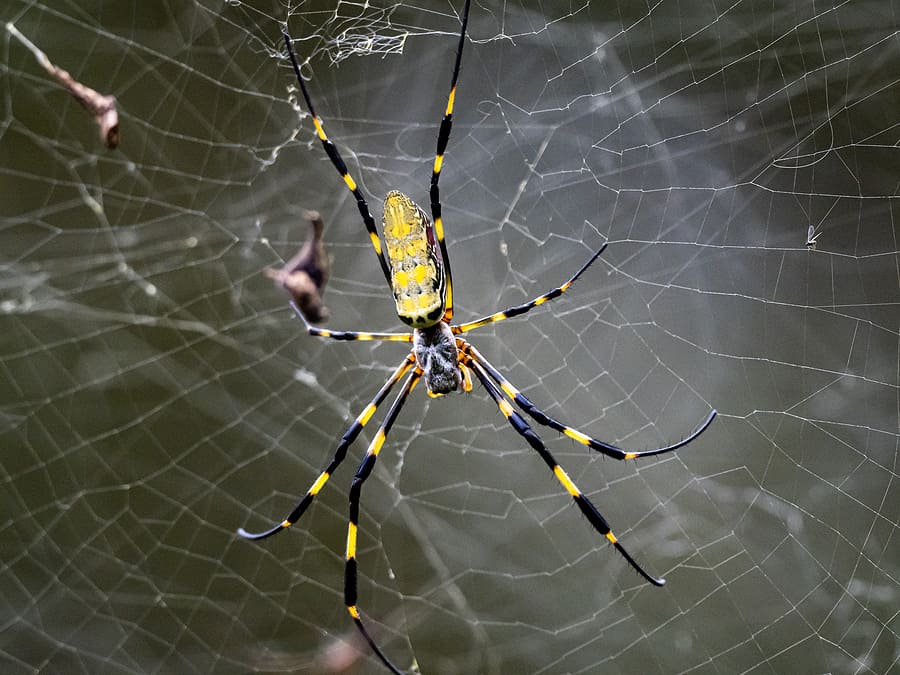
The Joro spider, also known as Trichonephila clavata, is a member of the recognizable orb weaver family. These particular spiders are characterized by their large size (up to 3 inches in length with their legs extended) and yellow and blue-black striped backs with red undersides. Joro spiders are known for constructing large, wagon-wheel shaped webs that are a golden color. These webs can be several feet in length.
Joro spiders are native to Asia, particularly Japan, China, Korea, and Taiwan. In 2014, the first instance of the Joro spider in North America was confirmed in North Georgia. Subsequent sightings have been confirmed as far away as Greenville, South Carolina. It is unclear how and when these spiders first arrived here in Georgia but researchers believe they are here to stay. In fact, researchers have confirmed their presence in at least 25 counties in the state.
Joro spiders are not considered harmful to humans or pets. They will bite when provoked but are not considered a threat. Joros are beneficial to have around as they are one of the only species known to eat adult brown marmorated stinkbugs. They also help keep mosquito and other nuisance pest populations in check. Joro spiders do have predators in our area; both birds and wasps will eat them.
The jury is still out on whether or not there will be any long-term ramifications on local ecosystems. One thing all the researchers agree on is that the Joro spider is likely here to stay.
You May Also Be Interested In:
Are Carpenter Ants Active During the Winter?
Why Do I Have Centipedes?
Why Identifying Spiders is Important for Prevention
5 Pests That Can Destroy Your Lawn
Which Season is Worst for Bed Bugs?
Nov 2, 2021 | Pest Control
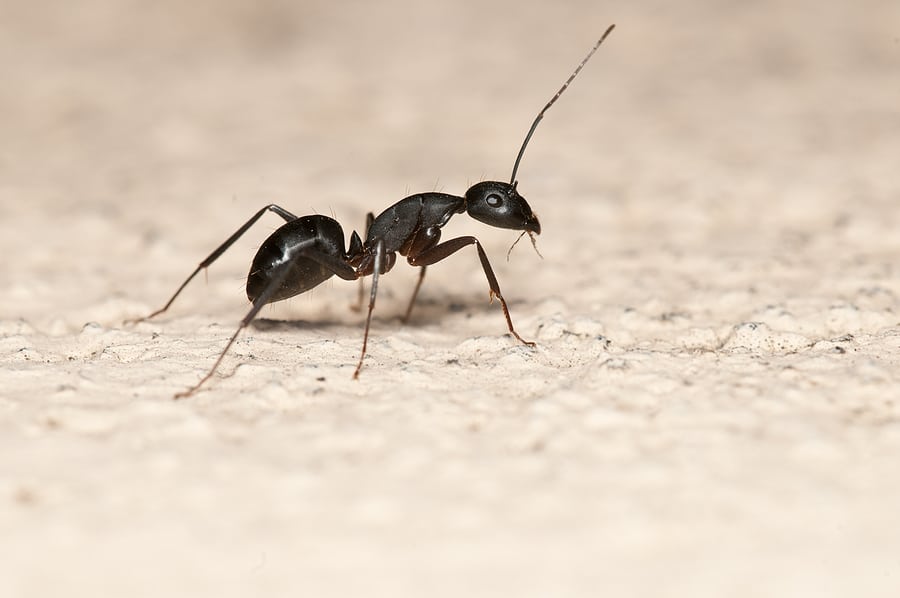
Ant season peaks in the spring and summertime, with these pests oftentimes finding their way inside your home. But did you know that carpenter ants remain active throughout the year? In return, they can cause damage to your home and infest.
Carpenter ants will nest in damaged wood, usually softwood damaged from water. Carpenter ant damage includes excavating wood to expand their nests, often making holes throughout exposed wood. If these ants are found inside, it is also an indication that there is a water issue, such as a leak.
While these ants are most active in the spring and summer, they are also known to infest homes during the winter months, as well. They will forage for food and water, looking for proteins, fats, and sugars. Once inside, these ants will look for a moist environment to help them survive. They can often be found in bathrooms, kitchens, pipes, and roof vents.
While carpenter ants do not die off in the winter months, they will instead become dormant when the temperatures drop. This usually depends on where they have built their nests and how much the temperature has dropped. If they have already found themselves inside, they will remain active or revive from their dormant state once the heat from the house has risen.
To prevent ants from entering your home this fall and winter, consider placing these preventative measures throughout your house,
- Eliminate moisture using a dehumidifier in crawl spaces, basements, and attics to help with dampness.
- Trim your tree branches and shrubs away from your home to eliminate access points.
- Check around your property and seal any gaps or holes with caulk.
- Reach out to your local pest control company to provide you with the best prevention and treatment options.
Oct 27, 2021 | Pest Control
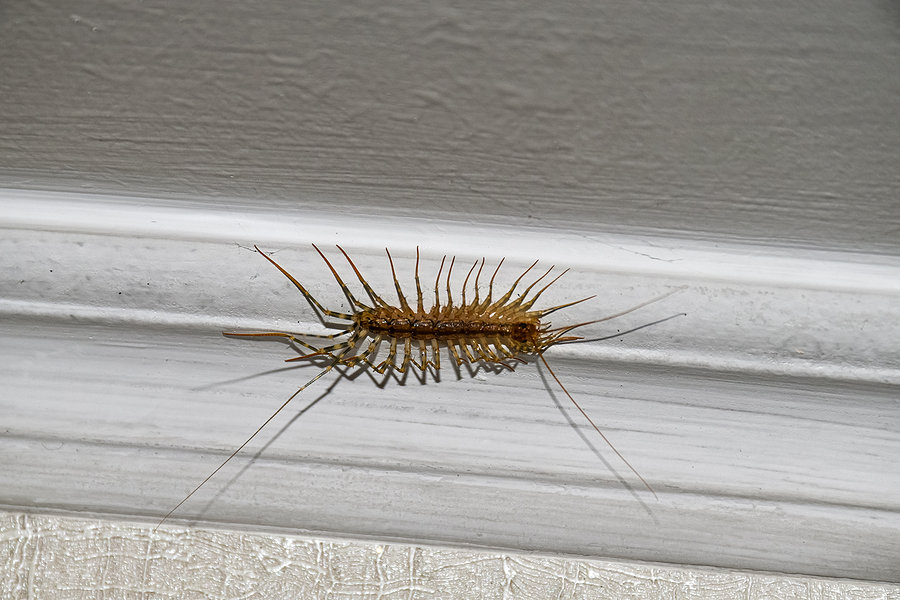
Centipedes are a common household pest. Although they range in color, the most common species are grayish-yellow with dark stripes. Most centipedes grow up to 1″ long although the largest species has been recorded at a whopping 6″ in length. Each body segment on a centipede contains a pair of legs and they can range anywhere from 15 pairs to 177 pairs. They also have hairy antennae which they can use to detect their prey. Centipedes can move fast – up to 16 inches per second!
Centipedes can be found in a variety of climates – desert, temperate, wetlands, and even forests. Like most pests, they are in search of three things: food, moisture, and warm shelter. For this reason they will often make their way into your home. Centipedes thrive in dark, cool, damp environments that are close to a food source. They can often be found under rocks, logs, and under debris. They are nocturnal, coming out at night to search for prey that includes beetles, roaches, crickets, spiders, worms, and silverfish. Unlike their millipede cousins, they do not eat wood or decaying material.
Centipedes will make their way indoors through drains, holes, cracks, gaps, and poorly sealed windows and doors. Once inside, they are commonly found inside cement walls, in boxes, under clutter, in drains, and under sinks in kitchens, bathrooms, and basements. What makes centipedes take up refuge inside your home? Centipedes are attracted to homes by three major things:
- Food Sources: Centipedes feed on other pests that are commonly found in and around your home. An infestation of roaches, ants, spiders, or other insects provides a feast for incoming centipedes.
- Heat: While centipedes typically prefer to stay outdoors, drought or cold weather can send them indoors in search of warmth. Heated homes provide the ideal environment for overwintering pests to come indoors.
- Moisture: Centipedes love moist environments. Leaks and standing water will draw in these pests, along with many of their friends.
While centipedes are capable of biting and injecting venom (which they use to subdue their prey), they rarely bite humans and, when they do, their bites don’t usually puncture the skin. Centipedes are considered beneficial to have around since they help keep other pest populations in check.
Centipedes can be prevented by getting rid of the things that are attracting them in the first place. Seal any cracks, holes, and gaps in foundations and around doors and windows. Repair any leaks and get rid of standing water. Keep piles of wood and leaves away from your home. Declutter your house, garage, and basement. Keep pests under control with routine pest control service.
If you have a problem with centipedes or any other pests, contact your local pest control company for a comprehensive analysis to help identify any pest problems and recommend the most appropriate treatment options.
You May Also Be Interested In:
Why Identifying Spiders is Important for Prevention
Identifying Three Common Roaches
9 Warning Signs Of A Rodent Infestation
What Is The Most Effective Termite Treatment?
Crawlspace Enclosure: The Cure For Cold Feet
Oct 27, 2021 | Pest Control
Nothing says “Halloween” like spotting a few cobwebs around the house! While it’s always fun to see cobweb decorations during this time of year, it’s not as fun having to deal with them year-round. Since the temperatures have cooled off, many spiders are looking indoors to inhabit a warmer environment. It’s important to understand common types of spiders in order to provide the best treatment if they’ve infested your home.
Brown Recluse
The brown recluse spider is light to dark brown, with a signature brown violin shape on its backs. If threatened, these spiders will bite, which can be painful and leave an open sore. If bitten, some can experience fever, restlessness, and difficulty sleeping. Brown recluse spiders can be found in debris and woodpiles. If they’ve snuck inside your home, they can often be found under furniture, inside storage items, in baseboards, closets, and crawlspaces.
Wolf Spider
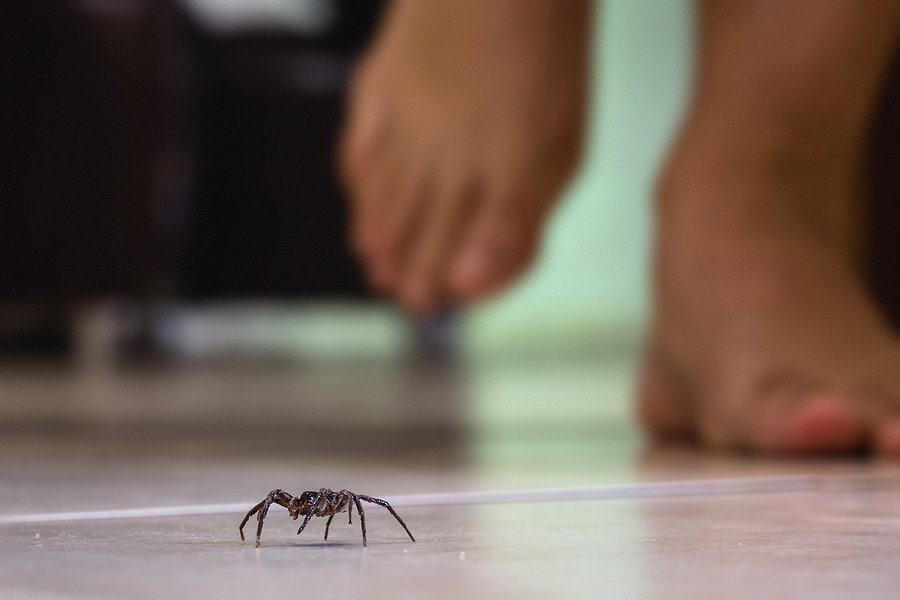
Wolf spiders are dark brown with paler stripes or markings and long, spiny legs. These spiders are large and hairy across their bodies. While these spiders will bite, it’s rare that they do and are not a significant threat to humans. Inside homes, wolf spiders tend to stay near or on the floor, especially along walls and under furniture where they chase their prey instead of capturing them in their webs. If outside, they like to inhabit firewood piles, leaves, yard debris, and stones.
Common House Spider
House spiders can vary in color but are usually yellow to brown with elongated abdomens. Although not a threat to humans, they are a nuisance to have in the home as they can produce and leave behind webs throughout the house. They can often be found in ceiling corners, under furniture, and inside closets, basements, garages, and crawlspaces. If outside, you will commonly find them spinning webs around windows, under eaves, and near light sources that attract food.
By recognizing each spider species and knowing where they most often inhabit, you can utilize the correct preventative measures to eliminate the chance of an infestation. Check out some of these easy do-it-yourself spider prevention tips:
- Keep garages, attics, and basements clutter-free.
- Avoid leaving clothes and shoes on the floor.
- Seal any cracks and crevices around the home.
- Call a professional pest control company. They will perform an inspection and provide you with the correct treatment and prevention plan for any spiders seen throughout your property.
Oct 20, 2021 | Pest Control
When a cockroach is seen inside your house, the first reaction is to figure out how to get it out; and the second is how to prevent it from coming back inside in the future! Understanding the difference between and identifying common roach species can help ensure proper treatment and prevention for your home, keeping your family and property safe and healthy. Here we break down the three most common roaches that could be infesting your home.
American Cockroaches
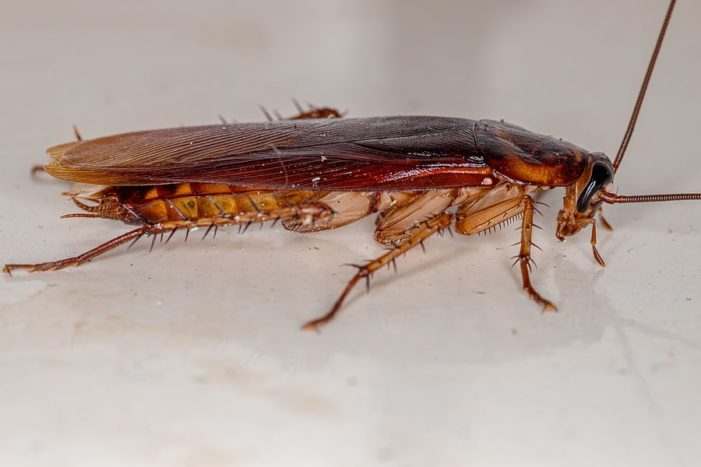
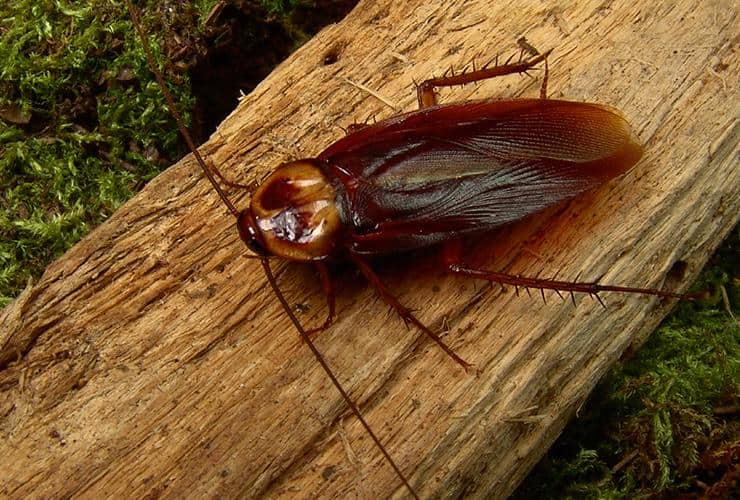
The American cockroach is the largest species in the U.S. These pests are reddish-brown with a shield-like structure that covers their head. Both males and females have wings and can fly short distances. They are also considered the fastest running insects, as they will quickly scamper out of sight when someone enters the room! While these roaches prefer warmer temperatures, they can survive the cold, often looking indoors for warmth. Common places American cockroaches are found are in basements, woodpiles, attics, and crawlspaces.
German Cockroaches
A very recognizable cockroach, the German cockroach is tan with dark brown parallel stripes on the back of its upper thorax. Smaller than the American roach, German roaches measure about ½” to 5/8”. They produce more eggs than any other roach species. While they do have wings, they rarely fly and prefer to run instead. German cockroaches prefer warmer environments, such as bathrooms or basements, but typically can be found in areas where people eat, such as the kitchen.
Smokybrown Cockroaches
Smokybrown cockroaches are dark cherry or red with a long body length of around 1.5 inches. These roaches prefer areas of humidity and will shelter in neighborhoods with mature hardwood trees to protect them from the winds. Usually active at night, these cockroaches can be found in warm habitats such as tree holes, under mulch, and in sheds.
To avoid any type of cockroach, every homeowner should take preventative measures to keep them out of your home. Some roach prevention tips include:
- Avoiding clutter in basements and attics
- Cleaning up any spills or leftover food crumbs
- Fixing any leaks to eliminate moisture
- Sealing all cracks and crevices throughout the home’s interior and exterior
If you have an issue with roaches, call your local pest control provider who can help properly identify the type of roach(es), locate points of entry, place preventative measures, and effectively eliminate them.
Oct 20, 2021 | Pest Control
Rodents can wreak havoc on your home, chewing through wires and insulation and contaminating surfaces with their urine and feces. Rodents are also known for carrying and transmitting serious diseases to humans. You may not see a live rodent in your home until an infestation is already established. It is important to know the signs of a rodent infestation so you can identify the problem before it gets out of control. Here are 9 warning signs of a rodent infestation to look for in your home.
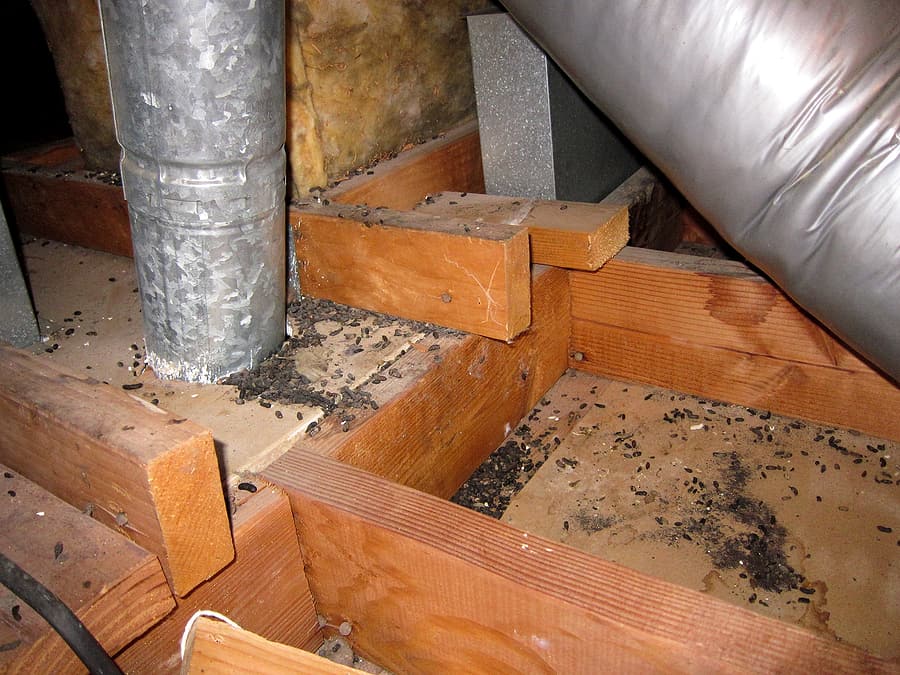
- Rodent droppings around food packages, in drawers and cupboards, and under sinks.
- Nesting material such as shredded paper, fabric, string, and dried plant matter.
- Signs of chewing on food packaging.
- Holes that have been chewed through floors and walls that these critters can use as an entry point.
- Stale smells coming from hidden areas of your home such as wall voids, attics, crawlspaces, etc.
- Rub marks, which are oily marks left behind where rodents travel along walls.
- A strong, musky urine odor.
- Scampering, scratching, or gnawing sounds, especially at night.
- Unusual pet behavior such as becoming extremely alert or anxious, excessive barking, or pawing at surfaces under appliances or furniture.
Prevention is critical to keeping rodents and other pests from taking over your home. Keep them out of your home with these rodent prevention tips:
- Seal any holes inside or outside your home with steel wool, lath screen, lath metal, cement, hardware cloth, or metal sheeting. Some common areas to check for holes include in the roof among rafters, gables, and eaves; around windows and doors; around foundations; in attic and crawlspace vents; under doors; around holes for electrical, plumbing, cable, and gas lines; inside and under cabinets; inside closets near floor corners; around fireplaces; around pipes under sinks and washers; around hot water heater and furnace pipes; around floor and dryer vents; in basement and laundry room floor drains; and between floor and wall junctures.
- Remove potential nesting sites such as leaf piles and deep mulch.
- Keep garbage in containers with tight-fitting lids.
- Turn compost piles to cover any newly added food.
- Bring pet food and water bowls in overnight and empty birdfeeders daily. Try to avoid feeding outdoor birds, if possible, while you have an active infestation.
- Fix gaps in trailer skirting and use flashing around the base of your home.
- Store food in thick plastic or metal containers with tight-fitting lids.
- Keep outdoor cooking areas and grills clean.
- Elevate woodpiles, hay, and garbage cans at least 1 foot off the ground.
- Get rid of any old tires, vehicles, etc from your property.
- Keep your grass mowed short and shrubbery well trimmed, especially if it is within 100 feet of your home.
If you suspect you have a problem with rodents or any other pest, your local pest control company can perform a thorough home inspection which will help determine the type of rodent you are dealing with, their patterns of activity, what’s attracting them to your home, and which treatment method is best for elimination and ongoing prevention.
You May Also Be Interested In:
What Is The Most Effective Termite Treatment?
Preventing Rats This Fall
5 Pests That Can Destroy Your Lawn
Avoiding A Winter Wildlife Invasion
Is Mosquito Control Needed in Winter?