Aug 10, 2021 | Pest Control
While we soak up the last of the summer weather, many of us are hiking mountains, exploring parks, or just enjoying our backyard. While these activities are great for the whole family, there is a chance of being exposed to fleas and ticks. These pests are extremely small, making them hard to spot and dangerous if not treated in enough time. We break down the difference between these two pests and how you can prevent their bites.
Ticks
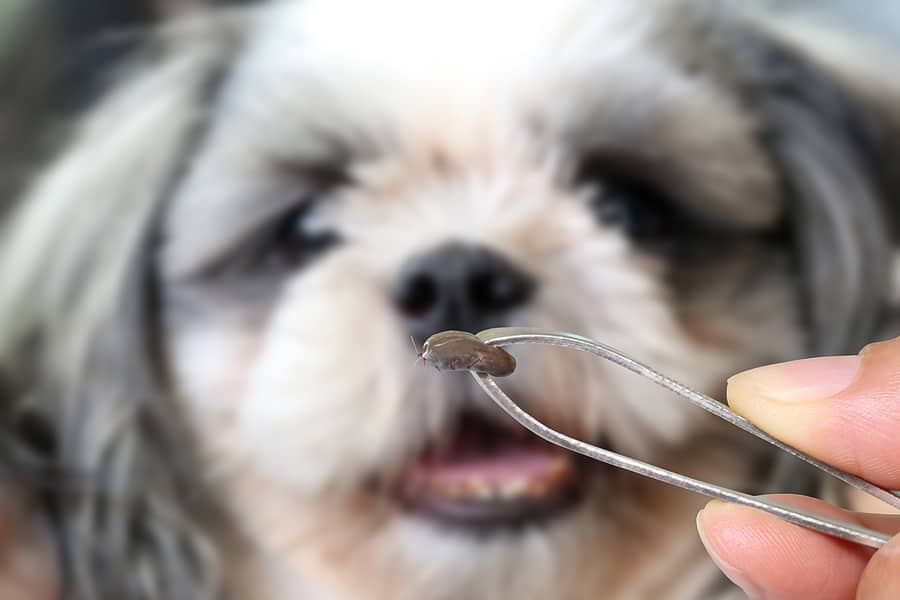
Ticks are about 1/8 of an inch and can be a wide range of colors, often dark. These insects usually live in low-lying areas such as grass, shrubs, and bushes. To survive, they need blood and will often feed on humans, squirrels, raccoons, birds, dogs, and more. Their bites can cause irritation or even an allergic reaction. Their mouthparts will even remain on the host’s skin.
These pests can be dangerous as they will transmit diseases such as Lyme disease, anaplasmosis, and babesiosis.
Fleas
Dark reddish-brown in color, fleas are also only 1/8 of an inch long. These pests are found in various environments, but they prefer and are most active in warm, humid temperatures. Like ticks, fleas feed on a host for blood, including humans, but would prefer to feed on hairy animals such as dogs, cats, rats, opossums, and more. Fleas can be tough to spot as they move from host to host very quickly.
If bitten, they can cause small, red, itchy spots on the skin. If the spot is scratched too many times, it can begin to bleed.
Preventing both fleas and ticks from biting you can seem daunting since they can be hard to find, but it’s all about taking precautions before you head out on your next adventure! Here are a couple of easy things to do to prevent fleas and ticks from biting you and your family:
- If exploring in tall grass or wooded areas, make sure to wear long pants, long sleeves, and closed-toed shoes.
- Always use insect repellent that contains DEET before you leave your house.
- If you take your pets, treat them with repellent products to reduce their risk of getting bitten.
- After your adventure, check yourself and your pets for any ticks or fleas. Some common places they like to latch onto are the backs of knees, armpits, scalp, the back of the neck, and behind the ears.
- If you’ve noticed these insects are infesting your yard or getting inside the house, consider calling your local pest control company where they can inspect and provide a prevention plan.

Aug 5, 2021 | Pest Control
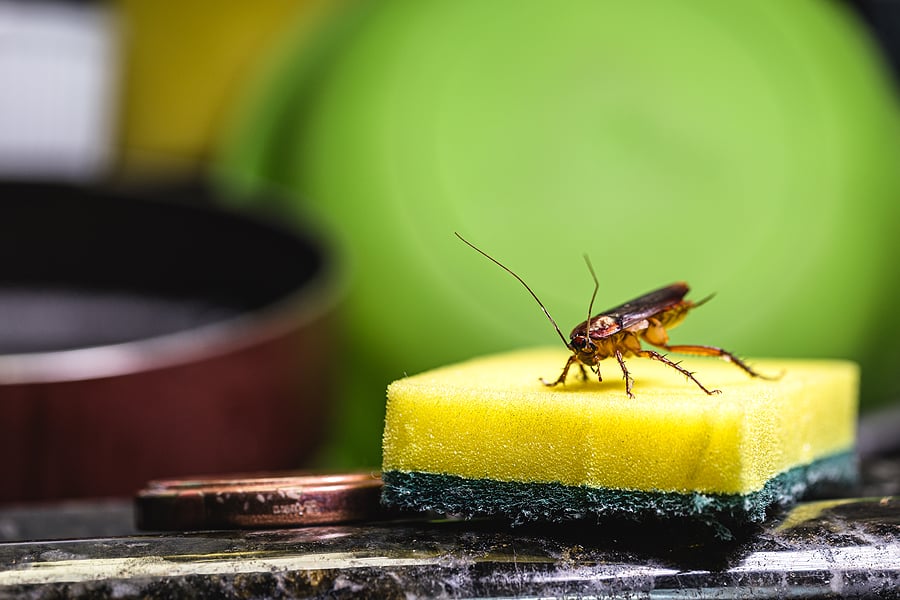
Cockroaches are household pests known for spreading bacteria and triggering allergies and asthma. These nocturnal pests come out at night to feed and hide in cracks and crevices during the day. Roaches are attracted to moisture and are most commonly found in bathrooms, kitchens, laundry rooms, basements, and drains. Because they are nocturnal, you may not notice you have a roach problem until a full blown cockroach infestation has set in. Spotting the signs of cockroaches can help you head off an infestation before it gets out of hand. Here are 7 signs you may have cockroaches.
Roaches Next Door
If your neighbors mention having a roach problem, especially if you live in an apartment, condo, or townhouse, the odds are likely that they will make their way over to your home, as well. One way to help prevent this is by getting rid of what attracts roaches in your home. Don’t put open food containers in the trash; don’t leave crumbs on the floor; clean up messes as they happen; keep garbage cans sealed; and try not to store outdoor trash cans near your home.
Smear Marks
Roaches are attracted to moisture so they are often found in areas of high moisture in your home. In these areas, they will often produce dark, irregularly-shaped smear marks as they rest or crawl along walls. These smears are often seen on horizontal surfaces and where the wall and floor meet.
Droppings
Roaches leave droppings behind wherever they are. The size and shape of droppings vary between species. Some species leave behind a small brown stain. German cockroaches leave behind pepper-like specks that can also resemble coffee grounds. The larger American cockroach species leaves behind droppings closer to a grain of rice. The most common places to check for droppings are floor corners, cabinets, under the fridge, and under the stove. It is important to clean any droppings up when you find them as they are known to spread bacteria.
Egg Casings
Egg casings are long, hollow, light brown tubes that hold cockroach eggs, anywhere from 20 to 50 at a time. Although most species leave egg casings behind once the eggs are laid, some species actually carry them with them until their offspring hatch. Egg casings are usually found at the base of the refrigerator, in cabinets that store food, and near leaky pipes. If you find a casing that still has eggs in it, dispose of it by flushing it down the toilet.
Musky Odor
Roaches and their feces give off a musky, unpleasant odor. While one roach usually doesn’t emit a strong enough odor to be detected by humans, when larger numbers of roaches get together the smell gets stronger and more easily detected. While the smell is usually associated with live roaches, dead cockroaches can also emit the odor as part of the decomposition process.
Allergy Symptoms
The feces and exoskeleton of cockroaches contain proteins that can trigger allergies and asthma. If you don’t usually have allergies and have symptoms appear without a known trigger; or your current allergy and asthma symptoms seem to get worse without a known trigger this may indicate the presence of cockroaches in your home. Symptoms include stuffy nose, wheezing, red itching eyes, shortness of breath, chest tightness, and the increased use of your inhaler.
Live Roaches
If you see one roach, the odds are likely that there are many others present. Roaches are nocturnal and usually spotted at night. If you are seeing roaches during the day, overcrowding from an infestation may be forcing them out in the open.
The best way to avoid a roach infestation is to prevent them in the first place. Prevent cockroaches by:
- Thoroughly cleaning your home each week.
- Storing all food in tightly sealed containers.
- Cleaning up yard debris such as leaves or fallen tree limbs.
- Not letting shrubs, trees, or woodpiles touch your home.
- Remembering to clean under forgotten spaces such as under the fridge, stove, and inside cabinets.
If you have a problem with roaches or any other pest, contact your local pest control company for a free analysis and comprehensive treatment plan.
You May Also Be Interested In:
Bed Bugs: Where Do They Come From?
5 Signs of Moles in Your Yard
How to Prevent Little Black Ants
Wildlife: Leaving a Mess Behind
Back To School Means Head Lice Season
Jul 28, 2021 | Pest Control
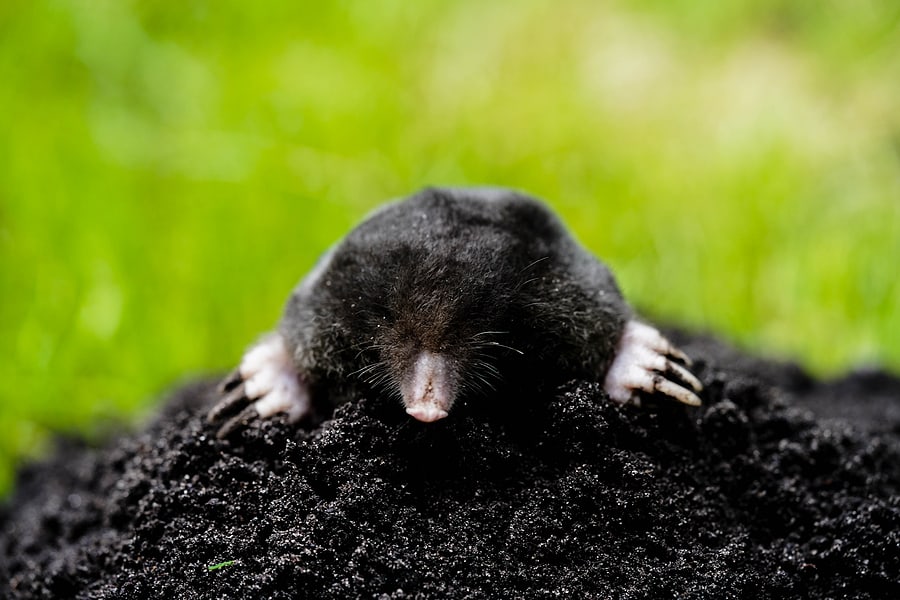
Moles can destroy your perfectly manicured lawn in a matter of days. These small, burrowing insectivores can be found in North America, Europe, and Asia. While they don’t actually eat plants and roots, their burrowing causes significant damage to both lawns and flower beds. Moles can dig up to 18 feet per hour and are most active in early morning and evening.
Moles are small in size, ranging between 4 and 11 inches in length and weighing up to 8 ounces. They are most notable for their long, thin, hairless snouts, small eyes, and lack of external ears. They are usually greyish-brown in color. Moles have large, powerful front feet with webbed toes that they use for burrowing underground while their hindfeet are narrow with slender claws. Moles are nearly blind but they make up for their lack of vision with an exceptional sense of smell.
Moles come into your yard in search of one thing – food! Their diet consists primarily of earthworms and grubs but they will eat other soil-dwelling insects, as well. Moles leave behind a trail of damage when they burrow in your yard, leaving visible trails and brown patches and holes in your lawn. Their tunnels cave in easily, leaving you at risk for injury when you step on them.
Some of the most common signs of moles in your yard are:
- Raised ridges that crisscross across your yard
- Areas of discolored or dead grass
- Raised mounds of dirt (molehills) that mark the entrance/exit of tunnels, usually less than 6″ tall and shaped like a football or volcano
- Areas of loose or squishy soil on your lawn
- An abundance of weeds; moles detach plant roots when they burrow, allowing weeds to take over and flourish
Because moles live underground they can be extremely difficult to prevent. The best treatment for moles is targeted elimination usually through trapping or baiting. It is also important to treat existing tunnels so new moles don’t replace the previously removed moles.
If you have a problem with moles or any other pests, contact your local pest control company who can properly assess your situation and treat it appropriately.
You May Also Be Interested In:
How to Prevent Little Black Ants
Is Green Mosquito Control Safe?
Keeping Cool for the Summer
What Threat Do Rodents Pose To Humans?
Back To School Means Head Lice Season
Jul 28, 2021 | Pest Control
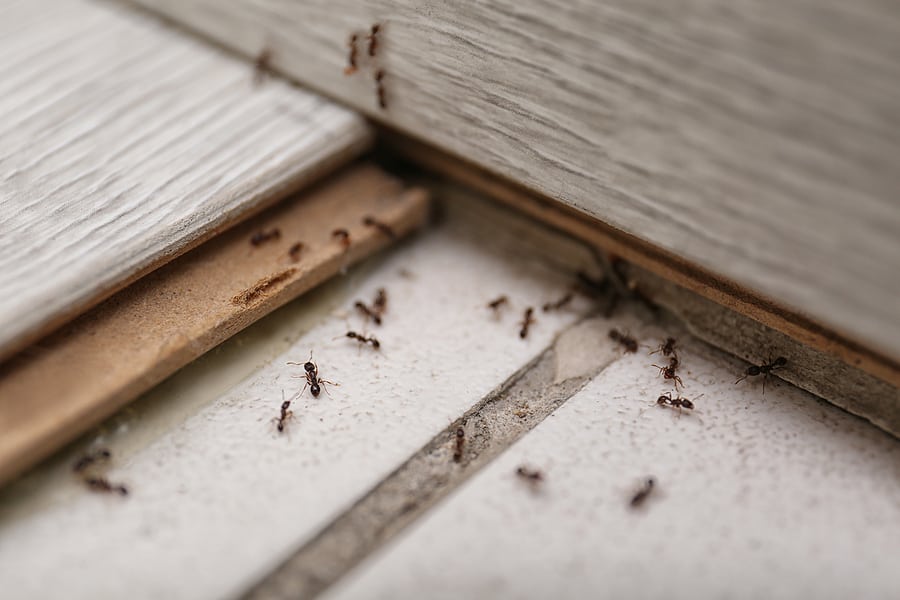
Little black ants are a common household pest usually seen in larger swarms during the warmer months of the year. These ants can be a huge nuisance, commonly infesting areas such as the bathroom and kitchen, searching for food and a place to nest. Once ants become a problem, it can be difficult to control them; but with some easy preventative measures, you’re less likely to encounter these pests!
Ants are always in search of food. Eliminating any food source that they have easy access to will be a major part of preventing them. After every meal, wipe down countertops and tables of any food crumbs or spills left behind. Don’t forget about your appliances either; ensure that your stove, microwave, and sink are also cleaned frequently. To prevent these pests from infesting your pantry, use sealed containers for any dry goods. Consider placing a bay leaf in canisters of dry food like flour to repel ants.
To survive, ants need water. Eliminating moisture throughout your home is key to ant prevention. Take some time to look around the interior and exterior of your home. If you notice any leaks, make sure you repair them immediately. Check your gutters often to make sure there are no clogs. Consider installing gutter guards to help prevent clogs. Additionally, make sure that the downspout is directing away from your foundation.
Being as little as they are, ants only need a small gap or hole to make their way inside. It’s essential to identify entry points and seal them properly to avoid infestation. Look around the interior and exterior of the home to look for these gaps. Popular places include areas where pipes and wires enter your home. Check your windows and door screens for any open holes and replace weatherstripping frequently.
Preventing ants can be difficult and feel impossible. If you’ve noticed an increase in ant activity around your home, consider contacting your local pest control provider. These professionals will complete a thorough and comprehensive treatment and control plan.
Jul 20, 2021 | Pest Control
Dealing with a rodent is never an ideal situation for a homeowner. These creatures can pose serious health risks and property damage issues for your home and family. Different factors can attract varied species of rodents. To avoid these pests, every homeowner should be aware of the different types of rodents that can invade, along with how to prevent each one.
Norway Rats
Norway rats are one of the largest species of rats, measuring around 10 inches in body length. These rats have thick fur, usually brown with black shading. Norway rats are nocturnal and will often burrow into piles of garbage to search for food. If these creatures invade homes, it’s usually due to sparse food sources. They will typically invade areas in the house that go undisturbed such as crawlspaces or basements.
Norway rats can cause serious property damage by gnawing through materials like plastic and lead pipes. They can also bring house fleas and mites into homes. To prevent these rodents, make sure to tightly seal all trash cans outside your home. Check around the exterior and foundation of the home to search for any holes or gaps leading inside and seal them if needed.
Roof Rats
Roof rats are about 8 inches long with slender bodies. Their fur is smooth with gray coloring and black shading throughout. A great way to identify them is that their tails are darker than Norway rats and they are usually hairless and scaly. These rats are known to be extremely agile and skilled climbers. They live in colonies and prefer to nest in higher levels of buildings, trees, and homes. While they do prefer to eat fruit, they will still eat any available food source they can find.
If you happen to have fruit trees on your property, it’s important to clean up any fallen fruit as soon as possible as it will attract these creatures to your yard. Repair any roof damage such as broken tiles or gaps under eaves as these rats can sneak into any gap or hole that is as small as a quarter.
House Mouse
Light to gray in color, house mice weigh around 1 ounce or less! These small rodents like to nest in dark, secluded areas inside structures. House mice are excellent climbers and can jump up to a foot in height, which allows them to reach isolated or withdrawn areas.
House mice can be a threat to homes as they are known to spark electrical fires by gnawing on wires inside the house. They can also pose serious health threats as they can contaminate stored food and spread diseases such as salmonella. House mice often like to hide throughout household clutter. It’s essential to keep storage areas clean and well-organized and keep the boxes off the floor.
If you start to see signs of rodents in your home, contact a professional pest control company to ensure they don’t multiply and cause severe damage!
Jul 9, 2021 | Pest Control
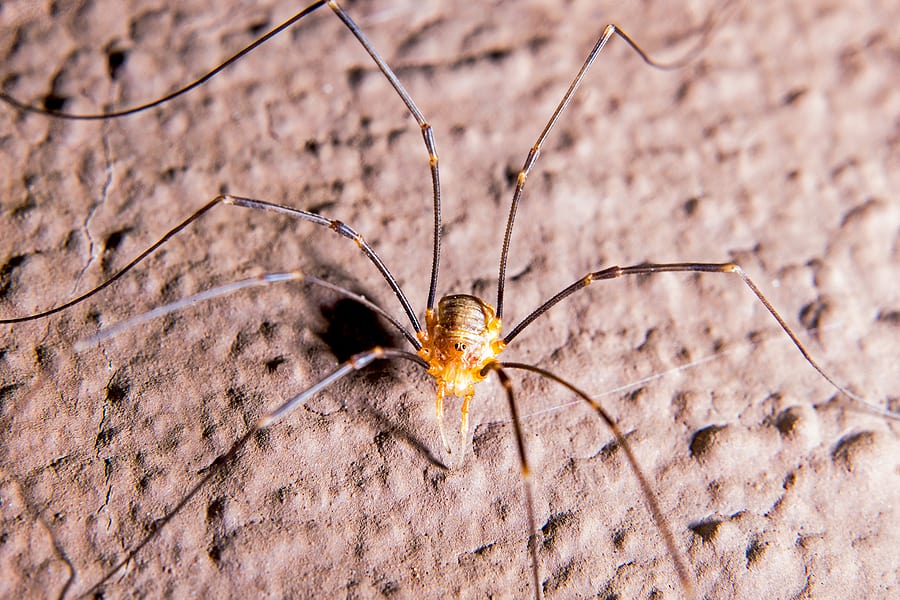
Daddy long legs, also known as harvestmen, belong to the arachnid family but they aren’t, in fact, spiders. They are cousins of spiders, mites, and scorpions. There are several differences between harvestmen and spiders. One of the most prominent is that harvestmen have one pair of eyes while spiders have 8 pairs of eyes. Harvestmen also cannot spin silk to make webs, so they can’t capture their food like spiders do. They have to ambush their prey instead.
Daddy long legs are omnivores and mostly eat spiders, earthworms, and other insects. When their food supply is limited, however, they will scavenge for whatever they can find like dead insects, insect eggs, and even decaying plants. In fact, these creatures are considered beneficial to have around your house and garden because they eat both garden and household pests.
Harvestmen prefer dark, moist environments so they are most often found in basements, crawlspaces, and garages. They have a unique ability to escape their predators by two different means: they can detach their legs (which will continue to twitch for up to an hour after they fall off) to trick their predators and escape; and they can also secrete a foul-smelling, bad-tasting chemical to deter their attackers.
Now you’ve found a daddy long legs inside your house. Should you be worried? Are these pests poisonous? It is important to distinguish the difference between poisonous and venomous. Poisonous pests cause harm when they are touched or ingested. Venomous pests cause harm by injecting venom through a bite. Although harvestmen do have fangs (also called chelicerae), they are primarily used to grasp and chew food. These arachnids are not known to bite humans and are not considered dangerous to either the health or structure of your home.
Because harvestmen are considered beneficial pests, it’s ok to leave them be if you find them lurking around your house. If you just can’t stomach the thought of sharing your personal space with them, the best way to get rid of them is to sweep or vacuum them up. If you have a problem with any other pests, contact a professional pest control company for a thorough evaluation and pest control plan.
You May Also Be Interested In:
Preventing the Top Three Summer Pests
How to Easily Deter Snakes Away from Your Property
Millipede vs Centipede – Which Is More Dangerous?
Orb Weaver Spiders: Dangerous or Not?
Green Mosquito Control: An Eco-Friendly Alternative
Jul 6, 2021 | Pest Control
Summer can bring out a mass of pests looking for food, water, and shelter. If certain preventative measures are not put in place around your home, they can easily infest inside, making them difficult to get rid of. Here we break down the top three most popular summer pests to look out for and how you can prevent them.
Ants
Ants are small, sneaky, and looking for your leftover food crumbs! These pests can access your home through only a small gap or hole leading inside. Inspect and seal all cracks and crevices throughout the inside and outside of your home. Likewise, eliminating potential food sources they find attractive is a great way to prevent ants. Make sure that you are keeping a clean home by sweeping, mopping, taking the trash out regularly, and immediately cleaning up any spills.
Mosquitoes
Mosquitoes are most active during warmer, humid weather. It’s certain you will come across these pests in the summertime but preventing them from infesting is easier than you think. Mosquitoes will lay their eggs in any standing water. Avoid standing water throughout your property by getting rid of objects that can hold water such as toys, pet bowls, tarps, birdbaths, etc. If clogged, gutters will also hold water, so make sure they are clear of debris to avoid providing them a place to breed and lay their eggs.
Roaches
Roaches eat just about anything, making them difficult to get rid of once they’ve infested your home. These pests can be a health threat as they are known to spread bacteria and cause severe allergic reactions. Eliminating any food source available to them is key to discouraging these pests. After each meal, wipe down any grease from the stovetop and appliances, clean up any leftover crumbs and spills from the countertops, and seal leftover food in airtight containers. Always take the trash out regularly and use garbage cans with tight-fitting lids. Before bringing in any newspapers or packages, inspect them throughout to ensure these pests are not sneaking in.
Dealing with summer pests can be a hassle and take away from all the summer fun! If you are having a summer pest problem, consider calling your local pest control provider. These professionals can provide you with a thorough inspection, identify the type of pest you are dealing with, and provide a treatment and prevention plan fit for your property.
Jun 25, 2021 | Pest Control
Although they are often confused with each other, millipedes and centipedes are two completely different pests. While both are classified as arthropods, the similarities end there. Which one is more dangerous to humans – millipede vs centipede?
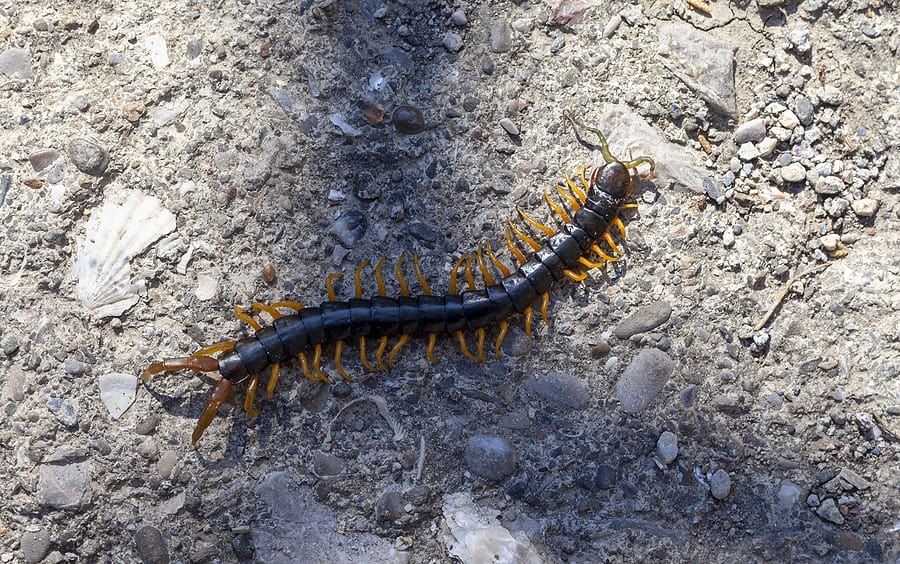
Centipedes have bodies composed of many segments with one pair of legs on each segment. These long legs extend from the sides of their bodies and trail backwards behind them, making them very visible. These legs enable centipedes to move very quickly. They also have long antenna. Centipedes do have the capability to bite and are classified as predators, killing and eating their prey.
Millipedes, on the other hand, are the opposite. These arthropods have only 1 pair of legs on their first 3 body segments but then two pairs of legs for each body segment after those. Their legs are shorter and do not trail behind their bodies like centipedes do. These shorter legs make millipedes move much slower than their long-legged counterparts. Millipedes are also unable to bite. They are scavengers and do not kill prey to feed.
So which one is more dangerous? When millipedes are disturbed they will curl into a tight ball similar to a pill bug or “roly poly.” Since they are unable to bite, they emit a foul-smelling fluid that can cause irritation to the skin and eyes of humans if handled. Centipedes, on the other hand, will bite humans on occasion if they are disturbed. A centipede bite is similar to that of a bee sting, leaving behind a red bump that can swell, itch or sting. Despite these defensive mechanisms, neither millipedes nor centipedes are considered dangerous to humans or pets. Neither of these pests are known to transmit diseases or contaminate food, furniture, or plants either.
Although they aren’t considered harmful to humans, we still tend to be a little leery of their presence. You can prevent millipedes and centipedes by:
- Repairing any leaks and removing standing water from around your home. Remove any moisture-holding ground cover and organic material that is close to your home’s foundation. Moisture is necessary for the survival of both of these species.
- Store firewood away from the house and elevated off the ground. Inspect it for any pests prior to bringing it into your home.
- Seal any doors or windows that are low to the ground to help prevent easy entry into your home.
If you have a problem with millipedes or centipedes, contact your local pest control company who can help identify which of these pests you have, as well as help identify how they are getting into your home and the best method to eliminate them and prevent them from returning.
You May Also Be Interested In:
Avoiding Stinging Pests at Your Business
Controlling Birds During the Summer Months
What Attracts Termites?
Mosquito Control For Warmer Weather
Keeping Cool for the Summer
Jun 23, 2021 | Commercial, Pest Control
Spotting stinging pests around your business can be alarming. Yellowjackets, wasps, and hornets are all active during the warmer season as they go in search of a food source and a place to establish their colony. These pests can pose a serious health risk to your customers and business. We break down the most common stinging pests and the best ways to avoid them.
Wasps
Wasps will build their paper-like nests on eaves, porch ceilings, branches, and windowsills. These pests search for food during the summer months. They are highly attracted to any food found outdoors, along with anything with a fragrant smell such as candles or flowers. When threatened, these pests will sting multiple times and eventually call on reinforcements from other wasps by emitting pheromones.
Hornets
Hornet nests are built in hollow trees or the walls of buildings and attics. These pests are attracted to light and will often fly into open windows at night if they see a light. Hornets like to eat fruit and honeydew, causing them to congregate in areas where these foods are found. While they are non-aggressive near their nests, they will sting if they feel threatened. When stings occur, the stinger can get lodged in the skin.
Yellow Jackets
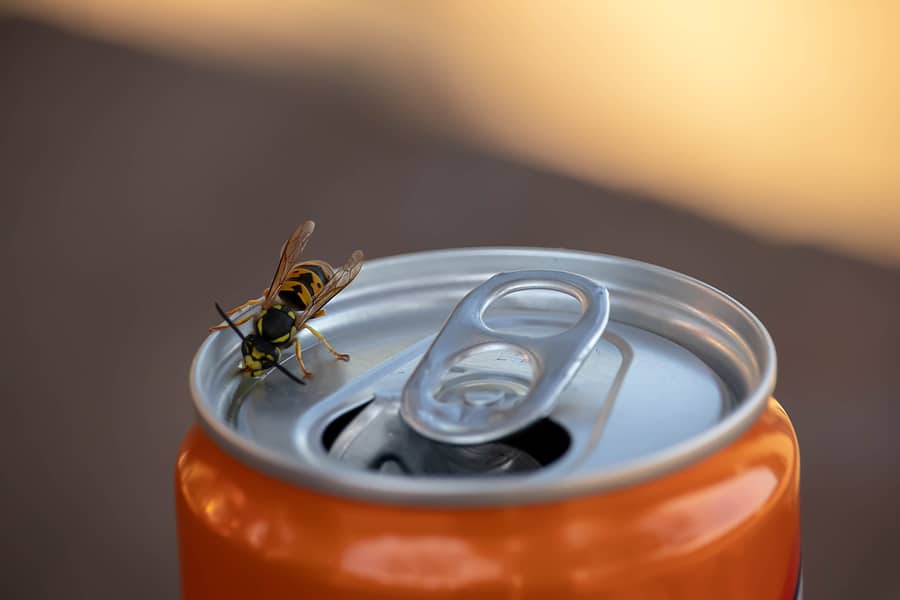
Yellowjackets are social insects and can be found wherever humans are. These pests like to eat sweets and proteins and will invade outdoor events to find these foods. Yellowjackets build their nests in high places, such as on trees and buildings, or on the ground. If they feel threatened, they will sting multiple times which can be extremely painful.
Stinging Pest Prevention for Your Business
- Always keep outside food areas clean, wiping up any leftover food debris.
- Keep garbage cans tightly sealed and emptied regularly.
- Untreated wood can attract stinging pests; make sure to stain, seal, or paint wood throughout your business exterior.
- Perform weekly inspections throughout your business property to keep an eye on these pests.
- If you have a public area where customers can eat, use signage to remind them to throw away food scraps and clean up spills.
If you have a problem with stinging pests, contact Commercial Services for an inspection and treatment plan.