Jun 18, 2021 | Pest Control, Wildlife
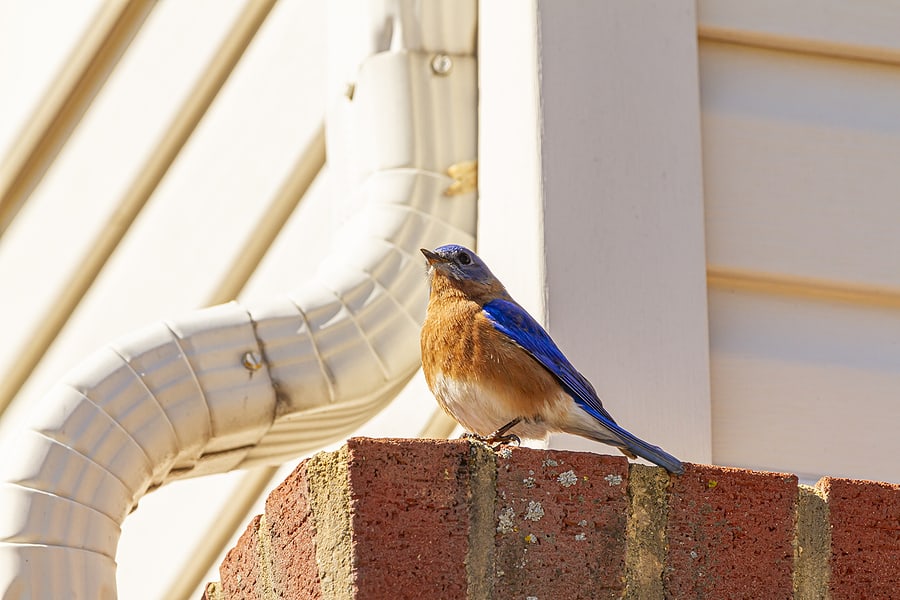
As the weather starts to warm up, you may see an increase in bird activity around your home. Birds will often leave a mess on your patio or deck and can even be found taking a dip in your swimming pool. Nuisance birds will build nests in the most inconvenient places putting you and your family in harm’s way. Here are a few tips on how to prevent birds from taking over your outdoor fun this summer.
Protect Your Pool
There are several things you can try to keep birds away from your pool and deck. One of the easiest is to install a decoy bird near your pool. Owl statues are the most common but hawks and falcons will also work well. These statues make other nuisance birds think a predator has already claimed that territory and they will take up residence somewhere else. Remember to move the statue occasionally, especially if birds get used to it or start ignoring it.
You can also use automatic pool vacuums in your swimming pool to help deter birds. Automatic vacuums are constantly moving which discourage birds from landing in the water. Leaving brightly colored toys and floats in the pool can also help keep these pesky birds away. Keep your pool covered if possible. You can even use a simple solar cover instead of a traditional cover to help protect your pool from droppings and feathers.
Guard Your Grill
Birds will often nest in your grill or in the eaves around your patio. To protect your grill in between uses, invest in a high quality cover and use it any time the grill is not in use. If that’s not an option, cover your grill with bird netting when it’s not in use. Clean the grill after use and make sure there is no food residue left over. Birds will keep coming back if they continue to find food in the area.
Defend Your Deck
If you’re finding birds flocking to your deck or patio area, try installing bird spikes on fences or in gutters. It is difficult for birds to land on them, making it undesirable for birds to nest. You can also try wind chimes or ultrasonic noise machines which are also helpful and driving nuisance birds away. The noise machines give off a high-pitched sound that is undetectable to humans but will annoy any lingering birds.
Prepare Your Property
Taking preventative measures against birds will help in your bird control efforts. Discourage people from feeding birds in and around your home. Clean up any spilled grain or birdseed from feeders daily. Block any openings in your home (lofts, vents, eaves, window sills, etc.). Change your ledge angles to 45 degrees or more to prevent birds from roosting on them. Screen the underside of rafters with netting or wire mesh screening.
While birds aren’t usually a dangerous problem, they can become quite a nuisance, especially when you are trying to enjoy time outdoors. If you have a problem with birds or any other pests, contact your local pest control company who can provide you with a thorough evaluation and treatment plan.
You May Also Be Interested In:
What Attracts Termites?
Does Hot Weather Bring Out Cockroaches?
8 Ways To Protect Your Pets From Fleas And Ticks
Summer Without Bed Bug Worry
Snake Repellent: What Works and What Doesn’t

Jun 11, 2021 | Pest Control
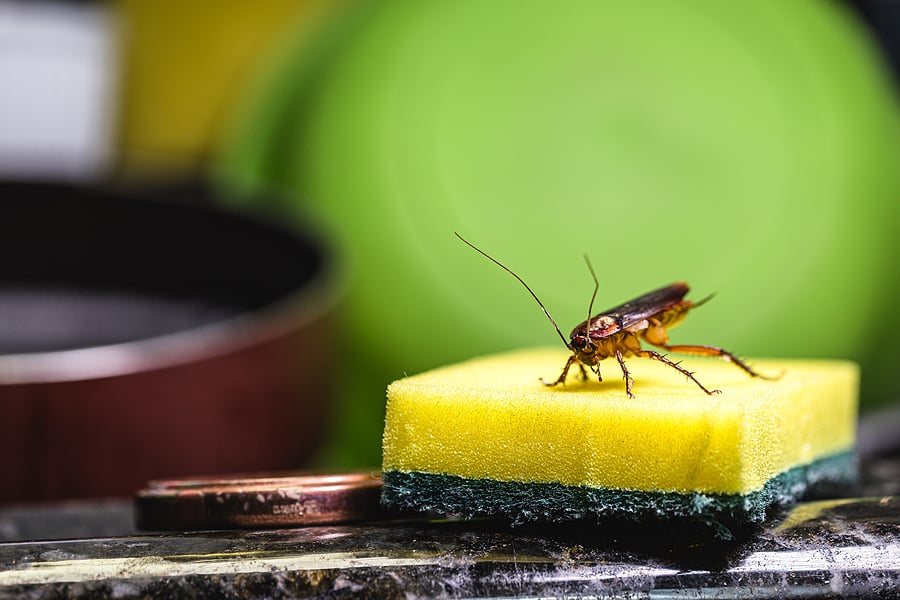
Although cockroaches are considered a year-round pest, their populations swell in the summertime. Particularly in the southeast, roaches cause problems for both residential and commercial properties during these hot summer months. Cockroaches are hardy pests that are highly adaptable to a variety of conditions. They particularly thrive in warm, humid environments, which are readily available in the hot, muggy summer heat. Infestations are more likely in the summertime because this increase in temperature spurs them to feed and reproduce at a much faster rate. When the temperature gets too hot, even roaches that usually stay outdoors will make their way into your home or business in search of food, water, and shelter.
How can you prevent a cockroach infestation this summer? Check out these tips to prevent cockroaches from taking over your home.
1. Clean It Up
Roaches will come indoors in search of food and water. Eliminating their food source is one way to discourage them from coming into your home. Don’t leave dirty dishes in the sink overnight; wash them and put them away after each meal. Clean up any crumbs or spills immediately. Wipe up any grease from the stovetop and other appliances. Seal food, including pet food, in airtight containers. Mop and vacuum on a regular basis. Don’t leave pet food or water out overnight. Take out the garbage before going to bed. Use garbage cans with tight fitting lids. Wipe out the trashcan regularly. Make sure to check behind cabinets and appliances for spills/crumbs. Roaches like these areas because of the warmth the appliances give off combined with the likelihood of spilled food.
2. Clear It Out
Roaches hide out during the day so they will seek out dark, protected areas to hole up in until nightfall. Declutter your home and get rid of anything they can use for shelter. Roaches also love to breed in cardboard and newspaper. Recycle any old newspapers and get rid of unused cardboard boxes. Try to use plastic storage containers rather than cardboard boxes if possible.
3. Seal Them Out
Roaches are very creative when it comes to finding ways into your home. A good rule of thumb is if you can see daylight around a door or window, roaches can get in. Inspect at least once a year around windows and doors, along foundations and the roof, attic and crawlspace vents, and around holes used for electric, gas, and plumbing lines. Seal any cracks and holes you find. Use caulk to seal smaller holes, steel wool or foam for larger holes, and fine wire mesh on chimneys and attic vents.
4. Dry It Out
Roaches (along with many other pests) are attracted to moisture because they need water to survive. Regularly inspect your home for any leaking faucets, sinks, or pipes and check refrigerators and appliances to make sure they aren’t producing excess moisture. Get any known leaks or plumbing issues fixed immediately.
5. Call A Pro
Prevention can only get you so far when it comes to keeping roaches out. Nothing eliminates a pest as well as professional service. If you suspect you have a roach infestation, contact a pest control company who can thoroughly inspect your home to help identify which type of cockroach you are dealing with, help identify any potential areas where they are getting in, provide you with the most up-to-date elimination and control methods, and help you with a prevention plan going forward.
You May Also Be Interested In:
Why Do Mosquitoes Bite?
What Do Swarming Termites Mean?
How To Help Your Lawn During Late Summer
How to Save Money on Your Energy Bills
12 Reasons To Install A Gutter Guard
Jun 2, 2021 | Pest Control
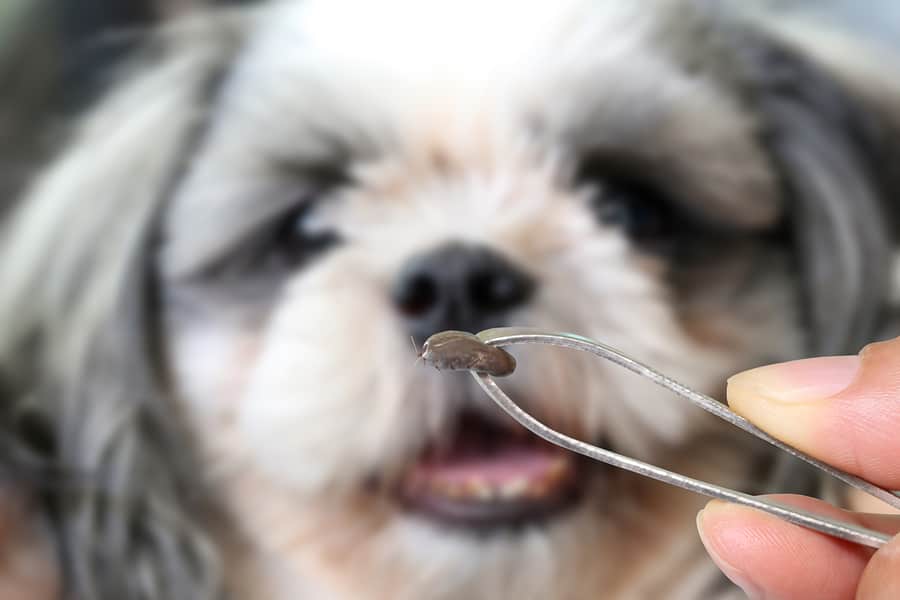
Fleas and ticks are small, annoying, and can be a major health risk to both your family and pets. These parasites can transfer diseases such as Lyme disease, anaplasmosis, and ehrlichiosis. While it can be difficult to prevent these pests, it is possible. We break down our tips and tricks on keeping these pests away!
Vacuum Frequently
Fleas like to live in carpets, rugs, and pet bedding. To keep these pests from infesting, consider vacuuming at least once a week and even more often if you spot fleas. Fleas also avoid high traffic areas and will live in harder-to-reach spots such as baseboards, under furniture, under cushions, and anywhere your pets like to sleep too.
Check Your Pets
Pets are highly susceptible to flea and tick exposure. Both fleas and ticks will jump onto pet’s skins, easily making their way inside your home. Perform tick and flea checks on your pets regularly. Make sure that you’re checking all over your pet’s skin, in ears, and under their armpits. If you find a tick or flea, remove them immediately and notify your veterinarian to provide the best treatment plan for your pets.
Stop Attracting Wildlife
Opossums, raccoons, skunks, coyotes, and even feral cats will bring fleas and ticks into your yard. It’s essential to keep this wildlife from entering your property to help avoid a flea and tick infestation. Check around your property for any items that might be attracting these animals, such as pet bowls, water bowls, opened trash cans, and even bird feeders. Check around your house for any open holes in gaps that lead to your garage, sheds, decks, and crawlspaces.
It can be difficult to prevent fleas and ticks on your own. If you suspect that you have a flea and tick infestation, consider calling your local professional pest control company to inspect your property and provide you with the best plan of action.
May 26, 2021 | Pest Control
It’s officially barbeque season! Many of us are looking forward to getting together with family and friends during this warm weather for a backyard cookout. Unfortunately, we’re not the only ones who love our outside parties; summer pests are also likely to show up and ruin the fun! While it’s impossible to get rid of all pests outside, it is possible to reduce the chance of them crashing your party by taking a few precautions before your next backyard BBQ!
Prepare Before the Party
Before your party day arrives, put preventative measures in place to avoid pests. Check your doors and windows for any gaps or holes and secure them if needed. Check your yard for items that can hold water such as buckets or toys, which can act as a breeding ground for mosquitoes and empty or remove them.
Choose the Party Time Wisely
Many pests, like mosquitoes, are most active at dusk and dawn. If your party will take place before sunset, plan to have plenty of insect repellent on hand, especially those that contain DEET. Consider putting citronella candles outside near the party area where they can help minimize the presence of mosquitoes.
Secure the Food
Be prepared for pests to swarm the food and drinks you serve. Some pests, like ants, are looking for any food source such as fruit or sweets. Consider serving your food and drinks indoors and use your outdoor space for eating and entertaining. Try to keep your food in sealed containers when possible and, throughout the party, try to wipe and sweep up any food crumbs or spills to keep pests from infesting.
After the Party
As important as it is to prepare for a party, it’s equally important to clean up afterwards to keep pests from taking over your property afterward. Make sure you clean up any trash that’s been left behind, along with sweeping up crumbs and wiping spills. Wash dishes right after the party instead of letting them lay in the sink overnight. Make sure that you’ve placed your trash in sealed, tightly closed garbage containers outside of your house.
Preparing for a party can be stressful enough, but when pests become a problem they can definitely add to your stress. To ensure a pest-free party, consider calling your local pest control company who can provide you with an inspection and a treatment plan.
May 21, 2021 | Pest Control
One thing we look forward to in the summer is warmer weather which lets us spend more time outdoors. Unfortunately for some, this also means summer pests come out full force to ruin your outdoor plans. Some of the most common summer pests are flies, ants, mosquitoes, roaches, gnats, ticks, rodents, and stinging insects like wasps and hornets.
There are five major reasons these pests become more prominent in the summer months. The first is temperature. The temperature outside can affect both the behavior and development of pests. Many of these creatures favor the warmer temps, increasing their activity. Other pests, however, will make their way into your home in an effort to escape the heat. Moisture also contributes to pests invading in the summer. Most pests need water to survive and will thrive in moist environments. The increased humidity and summer rain showers provide ideal conditions for pests to thrive during this season. During times of drought, they will make their way indoors in search of water.
Summer also means longer days and shorter nights. More daylight means more time for pests to stay active in their search for food. Food is another motivator for summer pest activity. Grass and other vegetation grows in abundance in the summer months, providing a literal feast for many pests. This also provides them with an ideal place to hide out. Finally, for many pests summer is one of the busiest seasons of their life cycle. They reproduce at a rapid rate during these months in order to grow their populations before the slow down of the winter months. Many also go in search of food to store away for their upcoming winter hibernation or brumation.
Summer pests don’t have to ruin your good times. Here are some Dos and Don’ts of summer pest control.
Do:
- Remove any sources of standing water like bird baths, buckets, and toys.
- Keep drainage areas and gutters clear and freeflowing.
- Consider installing gutter guards.
- Make sure rain water is diverted from foundations.
- Repair loose mortars around foundation.
- Keep your yard tidy and grass cut short.
- Replace weatherstripping around windows and doors.
- Keep counters clean and floors swept.
- Keep food and pet food put away in sealed containers.
- Keep basements, attics, and crawlspaces well ventilated and dry.
- Consider crawlspace enclosure.
- Throw away overripe fruits and vegetables.
- Use trashcans with tight fitting lids and clean them regularly.
Don’t:
- Leave pet food and water bowls out overnight.
- Let garbage pile up.
- Leave dirty dishes in the sink.
- Store firewood or other materials up against the house.
- Ignore cracks and openings in your home’s exterior.
- Let sprinklers spray toward foundations.
- Store piles of newspapers or other materials.
- Use cardboard boxes for storage; use plastic when possible.
If you have a problem with pests this summer, contact your local pest control company who can evaluate your home, identify the type of pest you are dealing with, find how and where they are getting into your home, and provide you with the best treatment and prevention plan for your situation.
You May Also Be Interested In:
Watch Out for These Stinging Pests
Mosquito Control For Warmer Weather
Preventing Common Wildlife
The Summer Big Three: Roaches, Mosquitoes, & Termites
Summer Without Bed Bug Worry
May 19, 2021 | Pest Control
An encounter with a stinging pest can always be alarming, as they are known to have a painful sting. Since stinging pests are most active during the spring and summer, it’s important to know the most commons ones to look out for and how you can protect yourself and your family.
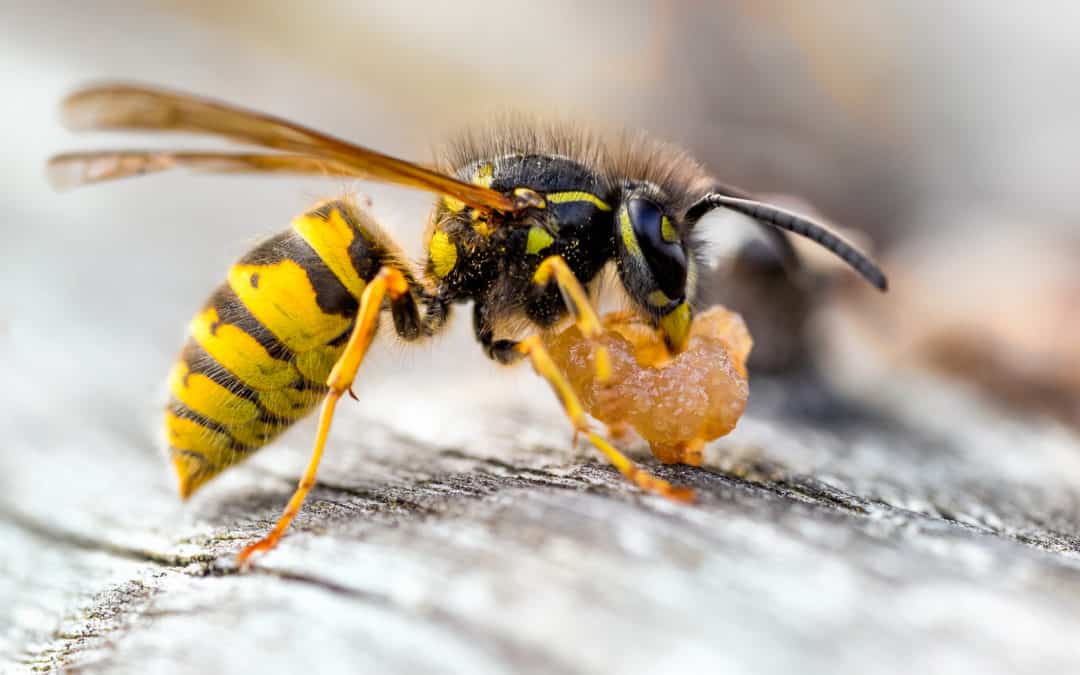
Social in nature, the yellowjacket can live in nests or colonies containing anywhere from 1,000 to 4,000 workers. Yellowjackets tend to build their nests on trees, buildings, and in the ground. Unlike bees, these insects have smooth stingers where they can sting several times if they start to feel threatened, which can be severely painful. These insects are highly attracted to sweet foods and proteins. If you plan on having a picnic or BBQ outside, make sure to keep your food covered tightly to eliminate the chance of attracting them.
Another popular stinging insect you should be aware of this spring and summer is the hornet. Hornets can sometimes be a benefit to homeowners as they can help control common household pests; although, they can quickly become a nuisance as they will often build nests throughout your property, such as in hollow trees, in the walls of houses and attics, and even in abandoned beehives. Like yellowjackets, these insects have smooth stingers. If stung by a hornet, the stinger can get lodged in the skin at the site of the sting. Hornets will eat tree sap, fruit, and honeydew. To prevent an encounter with these insects, keep both your food and garbage sealed in containers.
Known to build construction paper-like nests on branches, porch ceilings, eaves, and attic rafters, wasps can easily infest your entire property. These pests live in small colonies and like to eat nectar, along with common household pests such as flies and caterpillars. If these insects feel threatened or their nest is disturbed, they will sting multiple times. Their stings can be painful and often cause an allergic reaction. If you encounter hornets, don’t swat at them as this will only agitate them; instead calmly walk away and they generally will not follow.
If you’ve noticed these popular stinging insects around and inside your home, it’s best to reach out to your local pest control company to inspect and safely remove these insects.
May 7, 2021 | Pest Control
While cockroaches are active year-round, the humidity and warm weather of spring make this a prime time of year for these pests to invade your home. Roaches prefer environments that are warm and contain moisture which is why they are most often seen in kitchens and bathrooms inside your house. They can also multiply quickly and can adapt to just about any environment, making them extremely difficult to get rid of. Cockroaches are dangerous to humans in that they are known to carry and transmit serious diseases, can contaminate food and other surfaces in your home, and trigger allergies and asthma.
The most common types of roaches in our area are the German cockroach, the American cockroach, the brown-banded cockroach, and the Oriental cockroach. What attracts roaches are food, water, and warm shelter, all of which can be found in your home. Roaches are commonly drawn to crumbs, spills, dirty dishes, garbage, pet food, open food containers, cardboard, paper, glue, and excess moisture. In order to keep cockroaches out of your home, the goal is to make it as unattractive to them as you can. Check out these tips to help prevent cockroaches.
1. Keep It Clean
Roaches are attracted to dirt and filth because they provide a source of food for them. Keeping your home clean helps eliminate these food sources, making them go elsewhere in search of something to eat. Wash your dishes and put them away after meals. Clean up any crumbs and spills. Empty the garbage before going to bed. Clean grease from your stovetop. Seal any leftover food in containers. Sweep, mop, and vacuum on a regular basis. Don’t leave pet food out overnight.
2. Clear It Out
The less clutter in your home, the fewer places roaches have to hide. Besides that, cockroaches love to breed in newspaper and cardboard. Keep your home as clutter free as possible. Dust regularly. Get rid of any old newspapers and magazines. Use plastic storage bins instead of cardboard boxes whenever possible.
3. Seal It Up
Roaches can squeeze through the tiniest of holes, especially around windows and doors, along foundations and roofs, in attics and crawlspaces, through vents, and into holes used for gas, electric, and plumbing. Inspect your home for any possible entry points and seal them up. For smaller holes seal with caulk; for larger holes seal with steel wool or foam; and for vents and chimneys cover with fine wire mesh.
4. Dry It Out
Roaches love moisture and need water to survive. Routinely check your home for leaks and plumbing issues, especially around faucets, sinks, refrigerators, and other appliances. Repair any leaks you find immediately. Keep basements and crawlspaces dry and well ventilated. Consider enclosing your crawlspace to help keep these pests at bay.
5. Go Green
Cockroach prevention doesn’t have to rely solely on chemicals. There are several natural roach repellent and elimination products available today. Some of the most common include:
- Boric acid. Mix equal amounts of boric acid, sugar, and flour to make a dough. Roll out balls of dough and place them around your home. Roaches are attracted to the flour and sugar and the boric acid kills them. Use caution with boric acid – it is not recommended for use in areas with children or pets.
- Fabric softener. Roaches don’t like the smell of fabric softener so it makes a good repellent. Mix with water in a spray bottle and apply where you see roach activity.
- Fresh coffee grounds. Roaches are attracted to the caffeine but it is toxic to them. Place coffee grounds wherever you see roach activity.
- Baking soda and sugar. This combination works the same as boric acid but is safer to use with children and pets. Mix equal parts baking soda and sugar and sprinkle in areas where you’ve seen roaches. The sugar attracts them and the baking soda kills them.
- Cayenne, Garlic, and Onion Powder. Roaches hate the smell of each of these spices. Sprinkle it around your home for an effective roach repellent.
- Essential Oils. The most effective essential oils to use against roaches are tea tree, mint, and clove oils. Dilute each of these with water and spray anywhere you see roaches in your home.
6. Leave It To The Pros
For the most effective preventative and ongoing roach control, have your home inspected and treated on a regular basis – usually monthly or quarterly – by a professional pest control company. These professionals can provide you with a thorough inspection to help identify what type of pest you are dealing with, the most likely points of entry they are using, and the most up-to-date treatment and prevention options available.
You May Also Be Interested In:
Common Ant-Infested Areas
Preparing for Spring
Signs of a Rodent Infestation
How To Get Rid Of Nuisance Birds
Is That Spider Poisonous?
May 5, 2021 | Pest Control
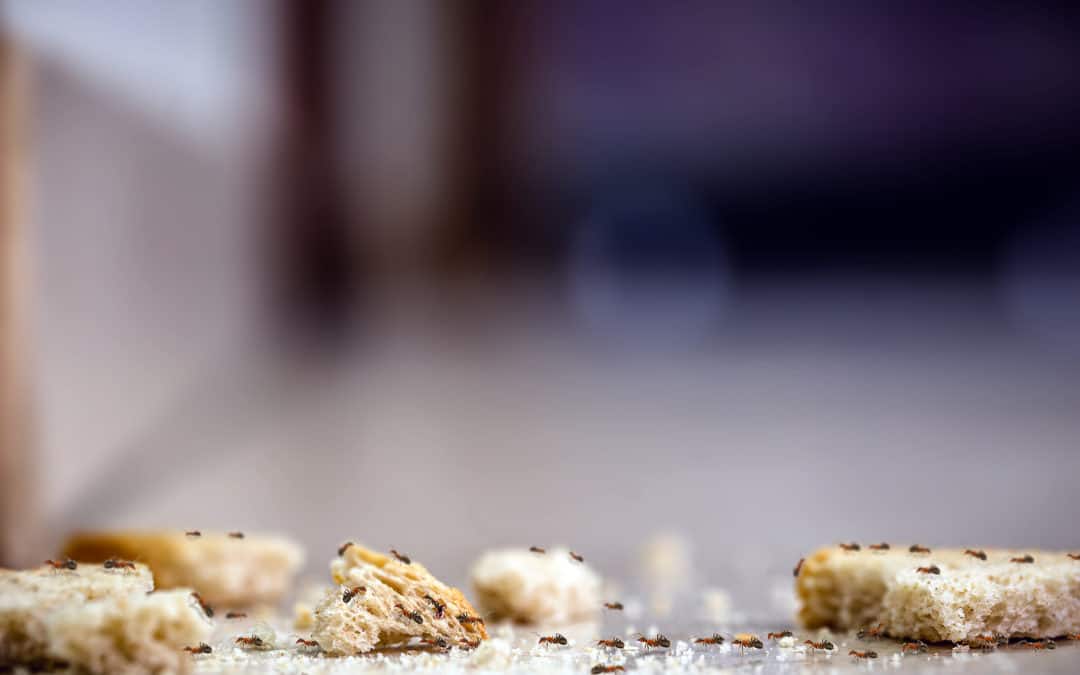
Ants are considered one of the most pesky nuisance pests homeowners must deal with. Ants will often enter homes during the winter, seeking water and food for survival. Now, with the weather warming, is the perfect time to start putting preventative measures in the most common places ants are found – the kitchen and the bathroom!
The kitchen is an ideal place for ants to infest. These pests are constantly searching for a water source, and the kitchen is the perfect place to find it. If the kitchen isn’t cleaned frequently and thoroughly, ants will invade quickly. Use these ant prevention tips to keep ants out of your kitchen:
- Store sweet food items, like maple syrup and honey, in plastic containers that seal tightly. Wipe them down after use to remove any sticky residue.
- Clean up all grease spills from your countertops, floors, and stove.
- Throw out any ripe fruit, as it is a major attraction to ants.
- If you have pets, pick up any leftover food and wash their bowls frequently.
The bathroom is highly vulnerable to an ant infestation as all the excess moisture will attract them. Carpenter ants will build their nests in damp areas, such as behind bathroom tiles or under sinks. To prevent ants from infesting your bathroom, take these preventative measures:
- Always inspect your sink, toilets, and tubs for any leaks and drips to avoid excess moisture.
- Give your bathroom a good, thorough cleaning by scrubbing the floors with disinfectant cleanser and wiping down the insides of your drawers.
- Frequently check that your shampoo, lotion, and soap bottles are tightly sealed and no contents have spilled out.
If you’ve noticed an influx of ants inside your home, consider calling your local pest control company. Trained service professionals will set you up with a prevention and treatment plan to help prevent these pests during peak ant season.
Apr 28, 2021 | Pest Control
While rodents will typically infest your home during the colder months of the year, it is still possible for these pests to be found inside the home during the warmer months too. If a rodent, like a mouse or rat, is found inside a house during spring and summer months, it’s likely that they’ve been there since winter! Rodents can cause expensive damage to your property. Learning some common signs of rodents in your home is the first step in identifying an infestation and establishing a rodent control plan.
One of the most common and telling signs that a rodent is in your home is finding their droppings. Measuring around 1/8 to ¼” long, droppings are left behind in places where food is stored, such as the kitchen and pantries. Rodent feces can be dangerous as it can carry harmful bacteria and transmit dangerous diseases such as salmonella. When looking for these droppings, make sure to check under the sink, in pantries, in cabinets, along baseboards, and on top of wall beams.
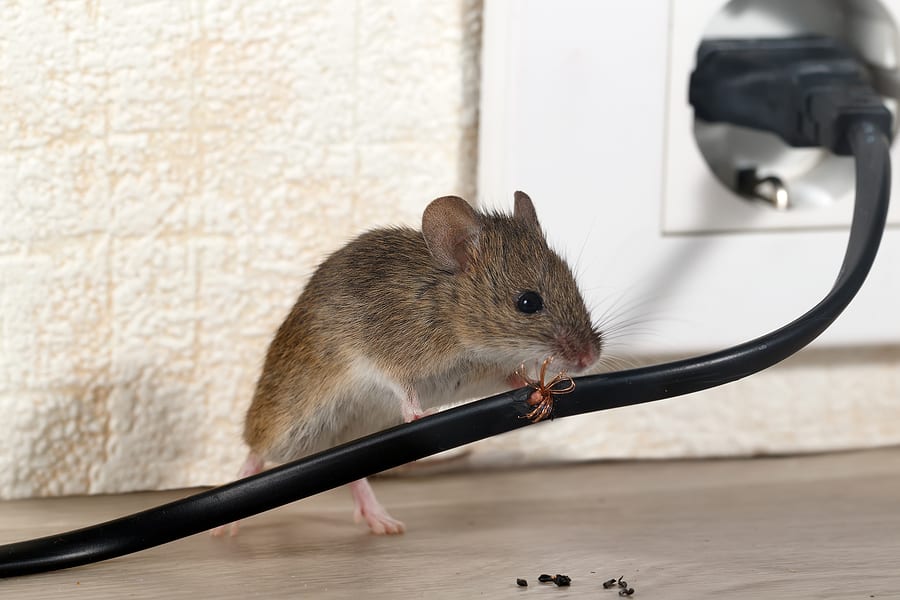
Mice and rats are always in search of food and water and will often chew their way to it. Both rodents can cause serious damage by chewing through materials found throughout the house, such as plastic and lead pipes. House mice and Norway rats are known to gnaw on wires that are behind walls, causing the dangerous risk of a fire. Check throughout the house for any suspicious chewing marks on wires, pipes, or even plastic containers as these can be an indication that a rodent is inside your home.
Hearing strange noises at night is always concerning, but it’s also a common indicator that rodents have made their way inside. These pests are typically active during the night and, if inside, hearing them scurry around the house is common. Rodents usually prefer dark, secluded spots to build their nests, such as in attics or in between walls. Checking these areas could give you the answer on whether rodents have been infesting!
If you suspect a rodent infestation in your house, contact your local pest control company who can safely remove them from your home.