Mar 24, 2022 | Wildlife
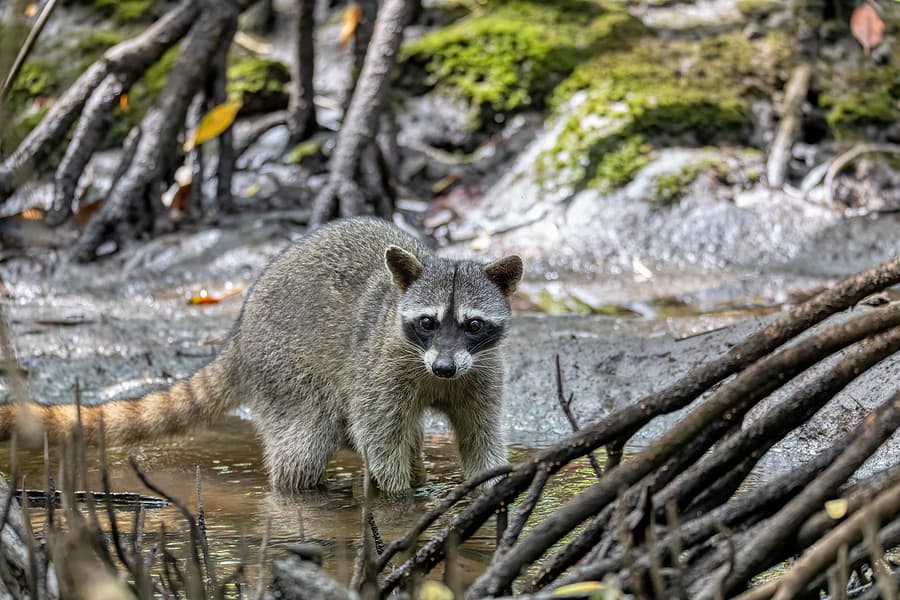
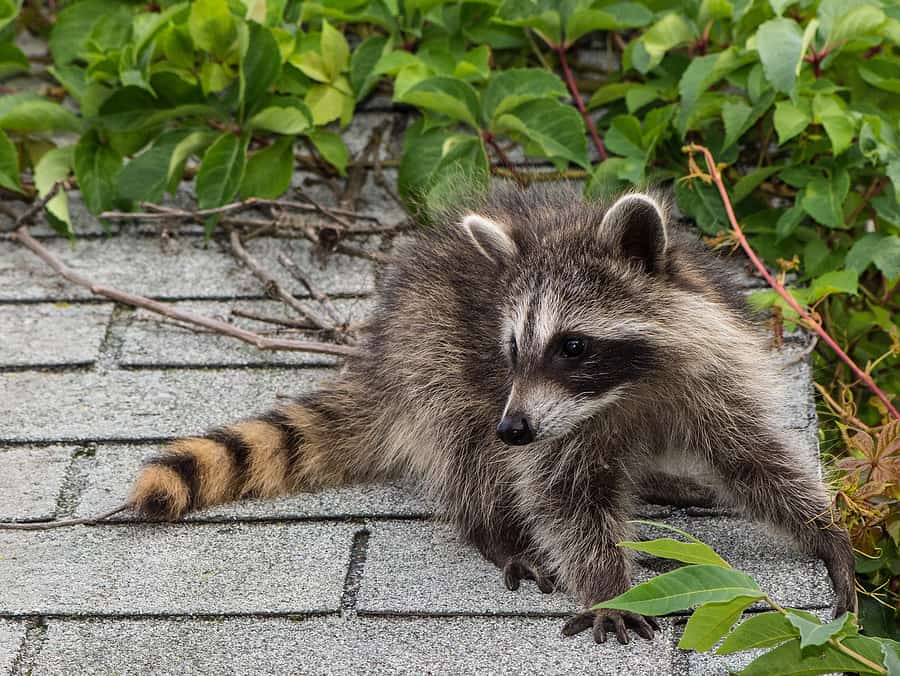
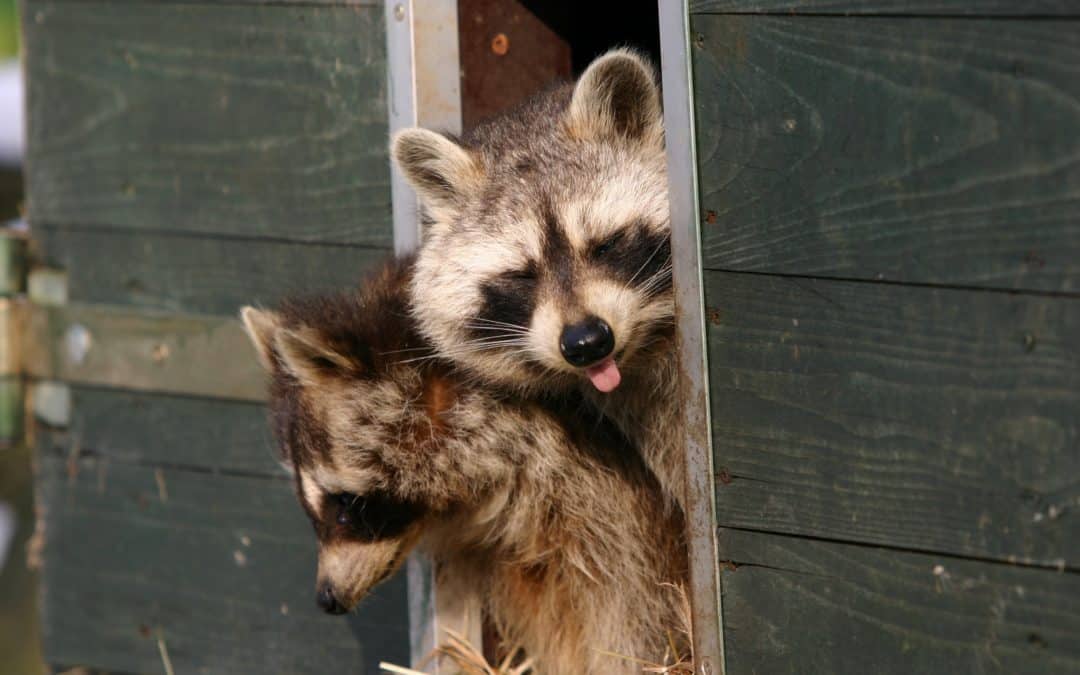
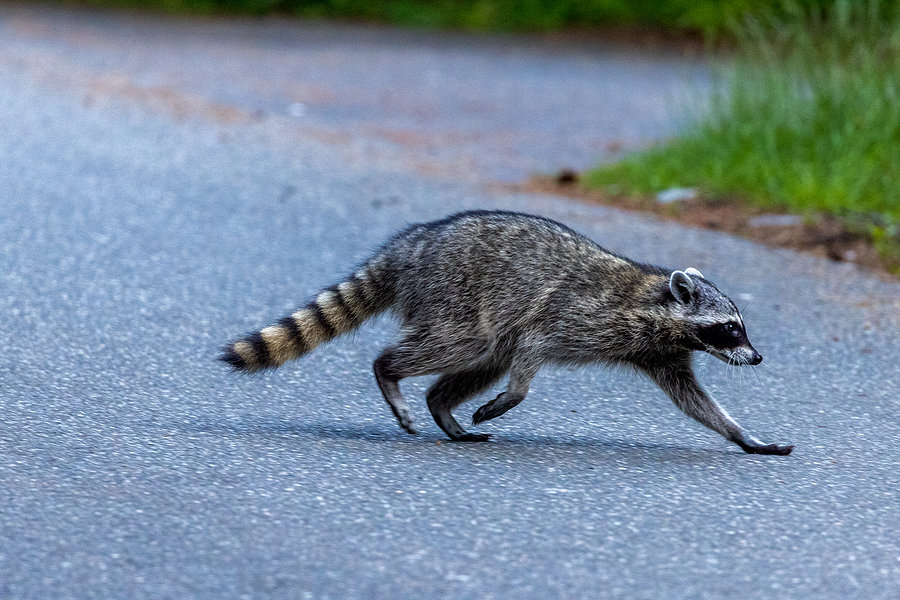
Raccoons are one of the most easily recognizable pests that homeowners deal with. These common wildlife are known for their distinctive black masks over their eyes and ringed tails. Raccoons have gray and black fur and are about the size of an average housecat or small dog. They have 5 fingers on each hand and are extremely coordinated. They are highly intelligent with excellent memories. Raccoons are found in every state of the US.
Raccoons are scavengers and mostly hunt for food at night. They will eat almost anything. They are also highly adaptable allowing them to live in a wide variety of habitats (urban, suburban, rural, forest, mountain, coastal, and more).
When raccoons nest in or near your house they can cause significant damage to both your property and your health. Their damage isn’t just limited to tipped over trashcans. In their search for a nesting site they will rip off shingles, fascia boards, and even chimney vents. Once inside your home, they can destroy insulation, chew through electrical wires, and contaminate your home with urine and feces. They will dig up your yard in search of grubs and even tear off decking to get under porches and decks.
Signs of raccoons on or near your property include:
- Tipped over trash cans
- Damage to gardens or fish ponds
- Spilled or empty pet food bowls
- Knocked over bird feeders
- Disturbed compost piles
- Tracks or paw prints
- Calls that sound like an owl whistling at night
- Droppings (resembling small dog droppings, dark in color with a foul smell and often containing undigested seeds or other food)
Getting rid of raccoons can be difficult. They are crafty and can be difficult to trap. Here are some ways to prevent raccoons from taking over your home or yard.
Eliminate Food Sources
Nearby food sources will attract females to the area to nest and also allow populations to grow rapidly. Eliminating food sources makes your property less attractive to raccoons and other wildlife. Make sure to use heavy trashcans with secure lids. You may consider putting your cans in a rack or tying them to a secure post to prevent tipping. If your lids aren’t secure, use bungee cord or wire to make sure lids are secure. Bring in pet food before nightfall. Try to deter raccoons from bird feeders by using raccoon-proof feeders, hanging from shepherd’s hooks, or bringing them in overnight. Pick up any fallen fruit or nuts from the ground. Consider installing fencing around gardens, ponds, or compost piles. Electric fence is preferable as raccoons can climb over or dig under regular fencing. Don’t intentionally feed raccoons as this will only attract more and increase the population.
Eliminate Nesting Sites
Without a place to nest, raccoons will likely move on to a more hospitable environment. Clean up your yard and keep your grass mowed. Remove wood piles and thin out any overgrown shrubbery. Trim branches away from your roof, providing at least a 5′ gap between the roof and any trees. Get rid of any trellises or arbors that may allow access to your roof.
Eliminate Entry Points
Raccoons like to nest in chimneys so make sure it is sealed when not in use with a chimney cap that is tightly secured. Make sure there are no animals inside your chimney before sealing it off. Inspect the exterior of your home and identify any other possible entry points, as well. Close off spaces under porches, decks, and sheds with wire mesh. Make sure the bottom edge of the wire is buried at least 6 inches deep and extends out at least 12 inches. Make sure to back-cover the wire with soil.
Consider Other Remedies
There are several repellents and products designed to scare raccoons with motion and light. Raccoons are highly intelligent and these products will only be effective until they realize there is no threat. Trapping can also be dangerous for homeowners as these nuisance wildlife carry a wide range of parasites and diseases that can be harmful to both humans and pets. Raccoons will bite or scratch if they feel threatened or if they have their young near them. They are known to carry rabies, roundworm, and canine distemper.
If you have an issue with raccoons or any other wildlife, consider contacting a professional pest control company who specializes in wildlife control and wildlife exclusion. They can identify where raccoons may be feeding or nesting and safely and legally trap and relocate them.
You May Also Be Interested In:
Identifying and Controlling Armyworms
No Spray, Mosquitoes Away!
How to Bring Your Lawn Back to Life This Spring
How to Protect Yourself from Bed Bugs on Spring Break
Swarm Season – Termites Vs Flying Ants

Mar 11, 2022 | Wildlife
With spring upon us we can look forward to nicer weather, fresh air, and more time spent outdoors. The same is true for wildlife. This time of year these pests are emerging from hibernation in search of food, water, and the perfect nesting spot to have their first litter of the year. Here are some of the most common spring wildlife creatures and some general tips on wildlife prevention.
Skunks
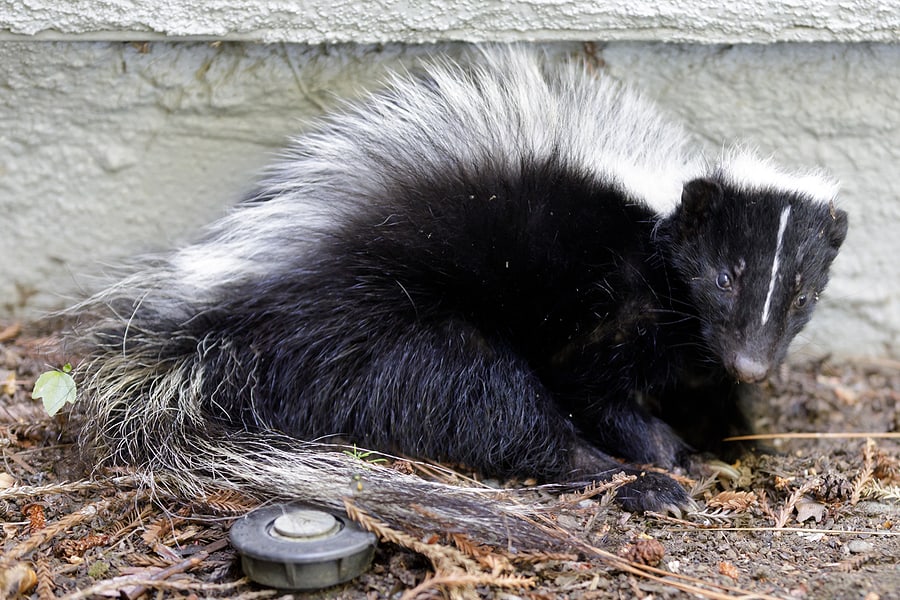
Skunks emerge from hibernation and become much more active in the spring. Skunks usually birth their first litters in early to mid-spring, as well. Skunks can cause damage to your property by burrowing under buildings. They are also known to spray noxious fumes when they feel attacked or cornered. Skunks are also the second most common carriers of rabies.
Squirrels
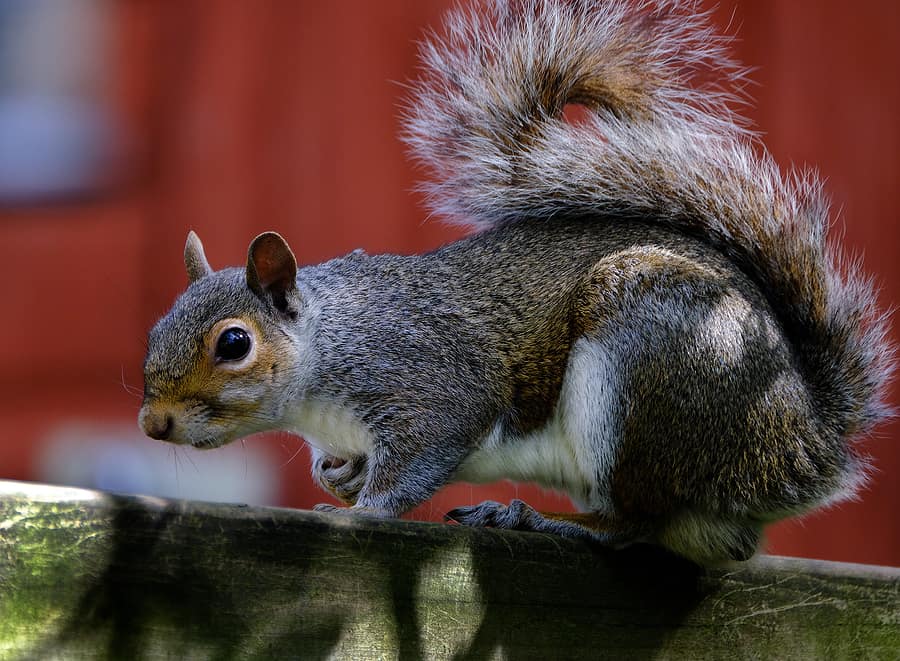
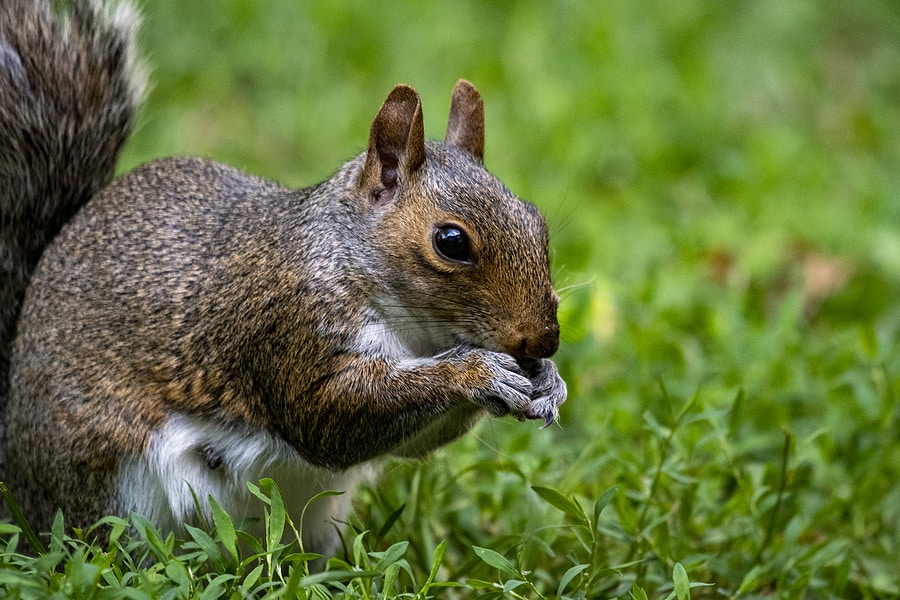
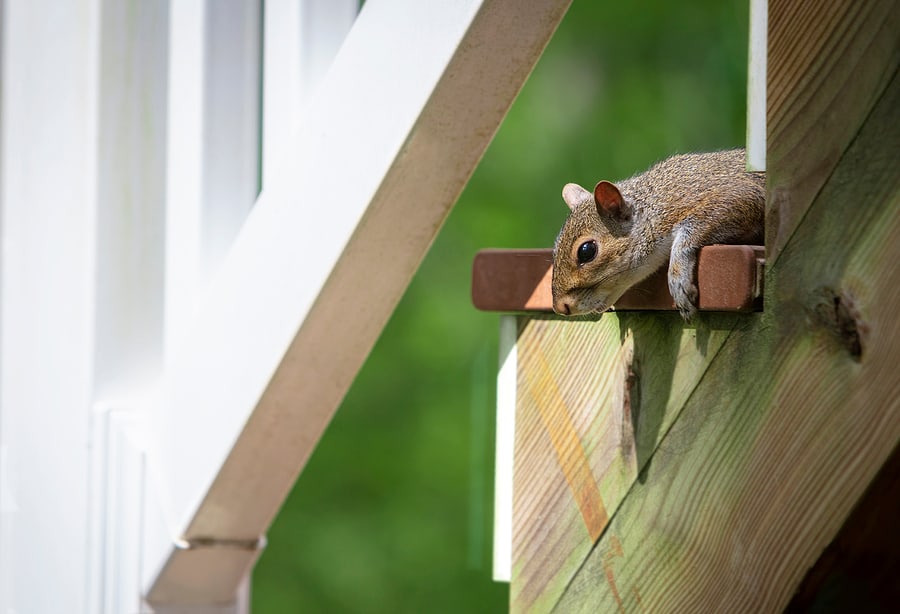
Although squirrels are not as common indoors as their other rodent cousins (mice and rats), once their hibernation period is over they will awaken looking for food and nesting sites. Squirrels also have their first litters in the spring. Squirrels can get into attics and wall voids, chewing holes, electrical wires, and phone cables.
Raccoons
Raccoons don’t usually hibernate but they are much less active in the winter. They have their young in the spring, often going in search of food and water to nourish them. Raccoons are very smart and will often get into trashcans at night. They can also be destructive to homes and lawns and will attack if they feel cornered. Raccoons are also known carriers of rabies.
Snakes
Snakes start emerging from brumation/hibernation in early to mid-spring when they start laying their eggs. Snakes will often look for nesting sites in wood piles, under porches, under rock piles, and other shady, secluded areas around your home.
Wildlife Prevention
Most wildlife are generally harmless to humans but can become problematic if they get inside your home. Wildlife control starts at home with prevention. Help keep wildlife out with these handy tips:
- Keep garbage stored in tightly sealed trashcans or use bungee cords to strap lids closed.
- Remove any outdoor food sources such as birdseed and pet food.
- Block off any openings under porches, decks, patios, and garages with wire mesh or chicken wire.
- Keep windows locked and screened.
- Trim tree branches and shrubs away from your home.
- Clean gutters to prevent water pooling and potential nesting sites.
If you suspect a problem with wildlife or other pests, contact a professional pest control company for a full analysis and treatment plan.
You May Also Be Interested In:
What is the Red Imported Fire Ant?
Do Swarming Termites Mean an Infestation?
How Do I Know if I Have Bed Bugs?
5 Pests That Can Destroy Your Lawn
The Myth of the Grandaddy Long Legs
Feb 14, 2022 | Pest Control, Wildlife
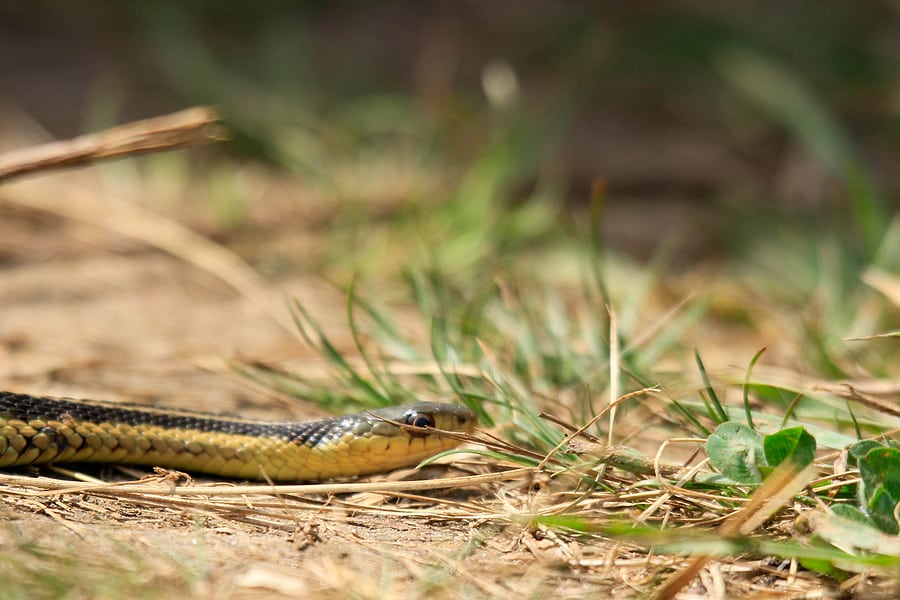
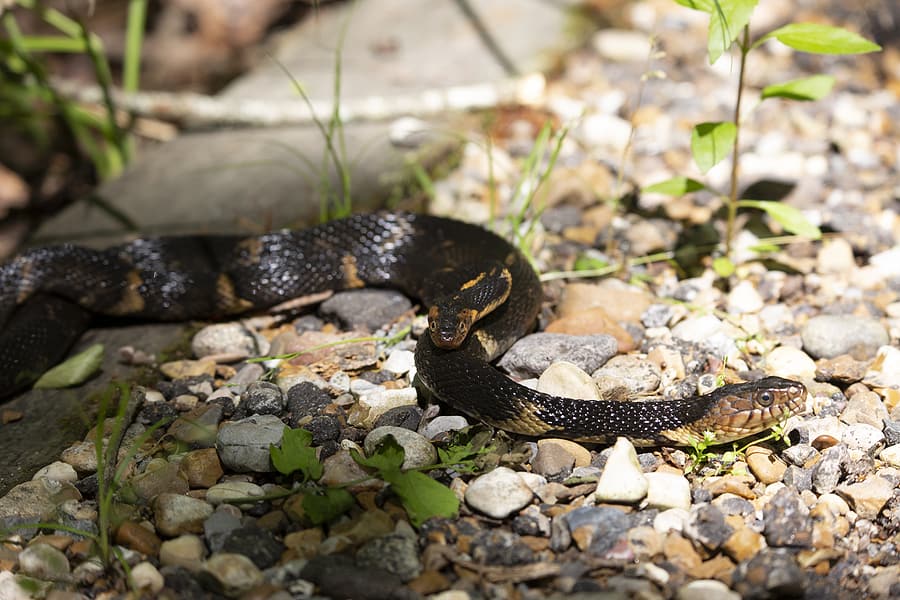
As the weather warms up, snakes will begin to emerge from brumation (a state of deep sleep that reptiles and amphibians enter during periods of cold weather). Although it can be scary encountering a snake in your yard or in your home, the majority of them mean you no harm. In fact, most don’t want anything to do with humans at all! Most North American snakes are harmless and, in fact, there are only 5 venomous snakes in the state of Georgia.
The first step in preventing snakes is to figure out what is attracting them to your yard and home in the first place. Snakes will typically come around in search of either food or shelter. By eliminating these attractants, snakes will be less likely to hang around your personal space.
Shelter
Snakes will often come around in search of a place to hide out from predators or to lie in wait for their own prey. Try to avoid debris and rock piles in your yard. Don’t pile rocks up in your landscaping or let other debris accumulate in your yard. Snakes will also use tall grass to hide in so keep grass mowed short and mow it frequently. Mulch attracts both snakes and their food sources. Try to use less mulch or use another type of ground cover if possible. Store firewood away from your home and elevate it if possible as snakes will hide in the cracks and crevices.
Food
Snakes will primarily come around looking for or chasing food. Snakes are known to feed on rodents, birds, insects, and amphibians so eliminating these pests from your home and yard will also help keep snakes away. Excessive moisture attracts all of these food sources so try to avoid overwatering your lawn and getting rid of any standing water. Pick up fallen fruit as rodents and other pests love to eat them. The same goes for spilled birdseed from birdfeeders. Feed pets indoors if possible and, if not, don’t leave pet food out overnight. Keep trashcans clean and seal them tightly. Keep garages clean and clutter free. Inside, keep kitchens and other food areas clean.
Entry Points
Snakes will use a variety of methods to get into your home, garage, attic, or basement. Routinely inspect the exterior of your home and try to identify any potential entry points. Seal any cracks around your foundations, walkways, and porches. Consider installing fencing made of rigid mesh that is at least 2 feet tall and buried 4″ to 6″ into the ground. You can also attach aluminum flashing to the outside bottom portion of the fencing. Make sure the screens on your doors and windows are tightly sealed and in good repair. Use galvanized screens to cover your vents and drains. Close up cellar doors, broken gutters, pet doors, unsealed basement windows, open crawlspaces, and holes in your roof or siding. Keep tree branches trimmed back away from your home. Use gravel or other uneven ground cover as snakes cannot move or hide as easily on these.
When snakes are spotted around your home your first instinct is usually to either run away or get rid of it. While they can be disturbing, most snakes are actually beneficial to have around – eating other pests and keeping their populations under control. If you have an issue with snakes, contact your local pest control company who can help identify what type of snake you are dealing with and help catch and relocate it safely and humanely.
You May Also Be Interested In:
Controlling Millipedes In and Around Your Home
Stinkbugs: What Are They?
How To Keep Wildlife Out of Your Yard
Getting Ready for Spring
Are Termites Active Right Now?
Feb 2, 2022 | DIY Wildlife Prevention, Wildlife
While some may have an idyllic picture of wildlife on their property (deer roaming across their yards, cute bunnies hopping through the garden), these nuisance wildlife can decimate your lawn or garden overnight. Squirrels digging holes, deer eating shrubs, and rabbits chowing down on your vegetables can leave you with a mess to deal with. If you don’t want to have to share your outdoor living space with these pests, consider these simple wildlife exclusion tips to prevent wildlife from taking over your yard.
Identify Your Wildlife
The first step in wildlife control is identifying which critter you have.
- Deer love plants, flowers, and edibles. Common signs include missing buds, half eaten fruits and veggies, and torn or ripped leaves. Deer droppings are pellet-shaped and their tracks look like upside down hearts.
- Groundhogs eat plants, leaves, flowers, fruits, and vegetables. They love to tunnel and their burrows have round openings with piles of dirt (and oftentimes flies) near them. Groundhogs will leave wide teeth marks on plants, fruit, and bark. Their tracks have 4-clawed toes on their front paws and 5-clawed toes on their back paws.
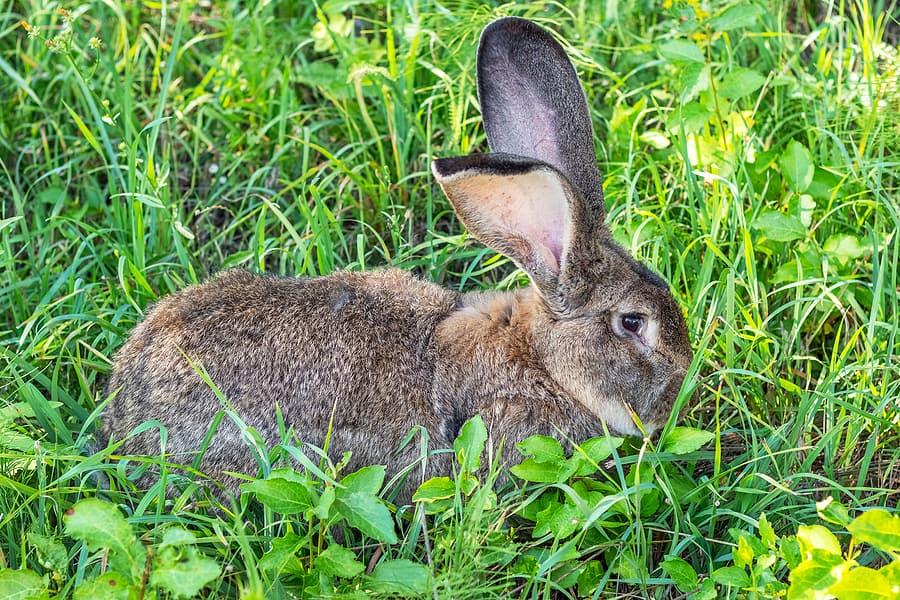
- Rabbits can destroy your flower or vegetable garden overnight. Signs of rabbits include piles of pea-sized droppings; neat, razor-trimmed leaves and stems; and missing plants. If they are bedding down in your mulch, you might see tufts of fur or slight depressions in the mulch.
- Raccoons are nocturnal pests that will often dig through your trash cans in search of food. They will also dig up your lawn or mulch looking for insects to eat. Signs of raccoons include torn trash bags, tipped over trashcans, missing fish from fountains or ponds. empty bird feeders, and holes in your mulch or yard.
- Squirrels will leave small holes in your planting containers or beds. You will often find half eaten or missing seedheads, fruits, and vegetables. Squirrels also love birdfeeders and can often be found raiding them.
Clean Up Your Yard
Wildlife are less likely to hang out in your yard if they don’t have a place to hide. Getting rid of wood piles, brush, and overgrown shrubbery will eliminate the majority of their hiding spots. Open spaces and neatly trimmed flower beds help to discourage them, especially rabbits and groundhogs.
Get Rid of Their Food
Another thing wildlife look for in your yard is a food source. Getting rid of their food or discouraging them from it will go a long way in keeping them out. Fill your garden with plants that deer and rabbits dislike. Pick any edible fruits and vegetables as soon as they are ripe. Collect fallen fruit and nuts before the squirrels can get to them. Don’t leave pet food sitting out overnight. Strap or bungee trash can lids onto your cans.
Repel Them
There are several plants you can include in your landscaping that help deter wildlife. Most animals will be repelled by the smell of garlic plants. Daffodils are a pretty addition to your garden but most animals dislike the bitter taste of their leaves. Lavender is great for repelling deer and rabbits. Marigolds work well at repelling moles. You can also use distasteful substances to spray or sprinkle around your garden or individual plants to help repel wildlife. Some substances that are effective include hot pepper extract, predator urine, castor oil, garlic clippings, cayenne pepper, putrid egg whites, and coffee grounds.
Scare Them Off
Putting deterrents in your yard can help scare these pests away. Dogs who have free run in your yard are great at keeping these wildlife away. You can also use noisemakers, motion-activated sprinklers and lights, automated sprinklers, garden spinners, decoy animals, and pinwheels to help scare them away.
Wildlife Exclusion
You can also keep wildlife at bay by making it physically impossible (or at least much more difficult) for them to get into your yard or garden. You can put up a barrier to protect your yard or even individual plants you want to protect. Netting or chicken wire around plants or a wire cloche over plants can protect them from rabbits, groundhogs, squirrels, and deer. Putting electric fencing around your vegetable gardens can exclude most wildlife as long as they can’t go over or under it. To keep deer out, fences should either be extremely high (8 feet or taller) or short, doubled, and wide (such as 2 shorter fences spaced 5 feet apart). Use sturdy wire or hardware cloth to close any openings under your shed and deck to help keep out rabbits and groundhogs, Make sure to bend the wire into an L-shape and bury it several inches under the ground to keep them from digging underneath it.
If you have a problem with wildlife, contact your local wildlife control company who can help you identify which type of pest you are dealing with and provide you with the best wildlife exclusion methods for your situation.
You May Also Be Interested In:
How Common is the American Cockroach?
5 Winter Tips for Southern Homes
Do I Need to Treat for Termites in Winter?
Spring Wildlife Control
Where Are These Stinkbugs Coming From?
Jan 19, 2022 | Wildlife
Now that winter is here, it is time to make sure your attic is not harboring wildlife from the cold. The most common pests that find refuge in attics are racoons, squirrels, bats, birds, and mice. These pests can cause severe damage to your home and pose a significant threat to your health.
There are many ways for wildlife creatures to get into your home. The most obvious ways are through vents and construction gaps. These can sometimes be unavoidable, since rodents can squeeze through cracks as small as half an inch wide. Some of the pests can be taken care of with DIY pest control, but some do need professional attention. Bats are a pest that you should not take care of yourself. They can carry rabies and some species are protected.
The damage that can be caused in your attic can be anything from chewed wires to disturbance to your insulation, which can end up being costly for you. There are many ways to implement wildlife control in your attic. Here are a few of our favorites below:
- Regularly inspect the exterior of your home to ensure there is no damage to the roof or siding. If you notice any damage or openings, look to seal them immediately. Fixing issues before they escalate is the best way to prevent pests from entering the attic.
- Keeping branches trimmed back away from the house will help keep wildlife like squirrels and raccoons from potentially jumping onto your roof. This will not keep them fully away, as they are both good climbers, but it will hinder their options.
- Consider investing in some roof vent covers to keep wildlife from accessing your attic. These will help to block entryways on the roof and are built to resist erosion and weather conditions, so they have lasting effects.
- If your home has a chimney, getting a chimney cap is a terrific addition. This will help to keep creatures, such as squirrels, from entering through the chimney into your main living space.
If you believe that you have wildlife in your attic, consider calling your local pest control company to help locate entry points, safely remove them, and prevent them from entering your house in the future.
Dec 15, 2021 | Wildlife
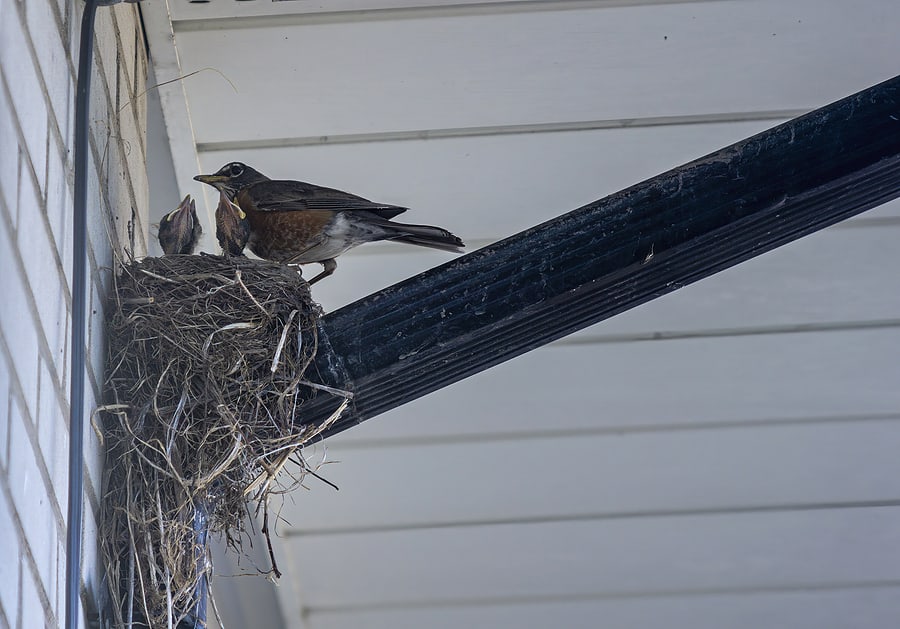
Birds have been known to build their nests in the most inconvenient places around your home – above doors, over your garage, inside your shed, on top of your lawnmower, in heat pumps, and any number of other high traffic or hazardous areas. Although birds don’t typically pose a serious threat to humans, they can cause damage to your roof, car, and property. Their nests can block stove, dryer, and fan vents causing fire hazards and rendering them useless. Their nests can also clog gutters and drains, leading to standing water and potential damage to your roof. Their droppings contain uric acid which can damage the paint on your car. Bird droppings also contain pathogens that are dangerous to humans like histoplasmosis. Bird nests can also contain other pests such as mites, parasites, and ticks that can stick around long after the birds have left the nest.
Your first reaction when encountering a nuisance bird may be to just remove the nest. However, there are Federal laws regarding bird nest removal that make it illegal to remove certain species of birds or their nests. Best practice is always to check with a wildlife control company before attempting to remove any bird nests from your home.
Here are some steps to take to ensure both proper and safe bird nest removal and/or relocation.
1. Prevent Them
The best way to eliminate bird nests from your property is to prevent them from building in the first place. Remove any food scraps and open trash from around your home as this invites them to feed. Make sure trash is secured tightly in containers. Place any bird feeders and birdbaths away from the home and further out in the yard. Only put out enough food for a few birds and clean up any spills regularly. Consider installing gutter guards to prevent nesting in gutters and downspouts. Vents are a common nesting place for birds so install vent covers and screens. Use perch repellents if necessary; these are rows of bird spikes installed on ledges, window sills, and around the perimeter of the roof to prevent birds from alighting on perches. You can also use visual repellents such as plastic owls, hawks, snakes, and even coyotes. If you use visual repellents, make sure to move them often as the birds will get used to them being in one place. Hang reflective bird diverters from strings on your porch also.
The best time to remove a nest is when it is still in the building stage. If you notice a bird nest already built or remove one this season, keep an eye out in the same area next season and stop it before it is fully completed.
2. Check for Activity
Always make sure a nest is inactive before removing or relocating it. Never attempt to remove or relocate a nest if there are birds or eggs present. It is best to wait until after nesting season for any removal or relocation. Eggs in a nest without signs of the parents don’t necessarily mean the nest has been abandoned. The parents may be out feeding or they may have left to allow the eggs a chance to cool down.
3. Wait For the End of Nesting Season
The best time to remove or relocate a nest is after nesting season is over. Most birds only nest once per year; however, some species will nest 4 to 5 times. The time varies with the species of bird. Without knowing the specific species of bird, it is difficult to determine the best time to remove or relocate the nest. A professional wildlife exclusion expert can help identify the species you are dealing with and help determine the best time to remove the nest.
4. Use Proper Precautions
Once you have positively identified the species of bird you have, confirmed it is legal to remove the nest, and have made sure the nest is inactive and no eggs are present, you can proceed with removing or relocating the nest. Bird nests can harbor other pests and residual bird droppings that can contain dangerous pathogens for humans. Make sure to wear long sleeves, long pants, latex gloves, and a respiratory mask to protect yourself. Carefully inspect the nest to make sure it is empty of eggs and birds. Spray the nest with an antibacterial spray. Once dry, remove the nest and dispose of it in a securely sealed container or exterior trash bag. Dispose of it in the trash away from the home. Clean the area where the nest was with a strong disinfectant. Remove and dispose of your gloves. Remove your clothing and wash them immediately in hot water. Wash your hands thoroughly.
5. Call A Professional
It can be difficult to determine whether or not the bird nest in or on your home is legal to remove or the best way to remove it. If you have a bird nest that is causing problems in or on your property, contact a professional wildlife exclusion company who can positively identify the species of bird you have, properly remove or dispose of the nest, and help you identify areas where nesting could be a potential issue in the future.
You May Also Be Interested In:
3 Holiday Pest Control Tips
Can You Have Rats and Mice at the Same Time?
Wildlife Creatures to Lookout for this Winter
Is Your CrawlSpace Effecting the Health of Your Home?
Are Carpenter Ants Active During the Winter?
Dec 9, 2021 | Pest Control, Wildlife
By Anna V., Editorial Lead — Pest Education · Last updated: May 2026
The short answer: yes, a single home can have rats and mice at the same time. It happens more often than most Georgia and Alabama homeowners realize, especially in larger homes, older homes, and homes with crawl spaces, attics, and basements that give the two species enough territorial separation to coexist. At Northwest, we typically find dual-species infestations in about one of every six rodent calls we run during the late fall and winter months, which is peak rodent season in the Southeast.
Co-infestation matters because the treatment plan changes when both species are present. Mice and rats respond to different bait, different trap placements, different timing, and different exclusion strategies. A control plan designed for one will leave the other behind. Here’s how to recognize when you have both, why it happens, what the combined health risks look like, and how to handle it without the two-species problem becoming a year-long battle.
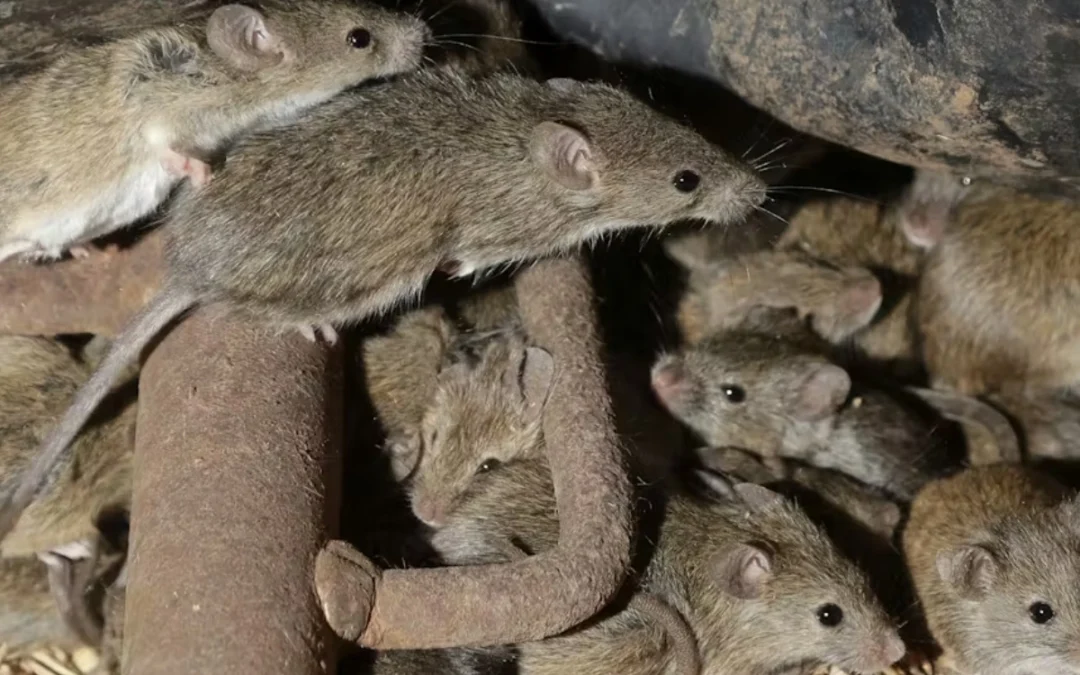
Larger Southeast homes can support both species at once, especially through the winter.
Understanding Rats and Mice as Different Species
Mice and rats are both rodents but they’re meaningfully different animals. Recognizing the differences is the foundation of effective dual-species treatment.
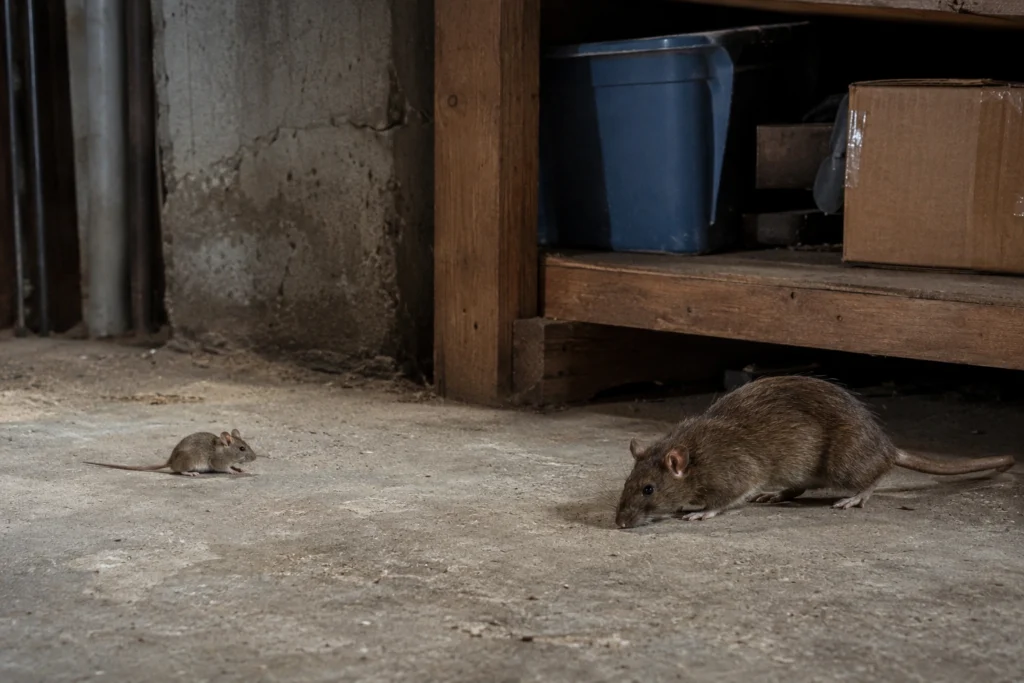
Mice (house mouse, deer mouse) are small, slender, and curious. Adult body length is 2 to 4 inches not counting the tail. They reproduce fast (5 to 10 litters per year per female), build small nests in wall voids and stored boxes, and explore new objects in their territory within hours.
Rats (Norway rat, roof rat) are much larger, heavier, and cautious. Adult body length is 7 to 10 inches. They reproduce more slowly than mice (2 to 5 litters per year) but produce larger litters. They build bigger nests, prefer outdoor burrows or basement-level indoor spaces, and will avoid new objects in their territory for days before approaching.
For the full physical and behavioral identification breakdown, see our companion guide on how to tell a mouse from a rat.
Signs of a Rat and Mouse Co-Infestation
The clearest evidence that both species are present is finding signs of both at the same time. Here’s what to look for.
When you see both small rice-grain droppings AND larger capsule-shaped droppings, you likely have both species.
Two Different Sizes of Droppings
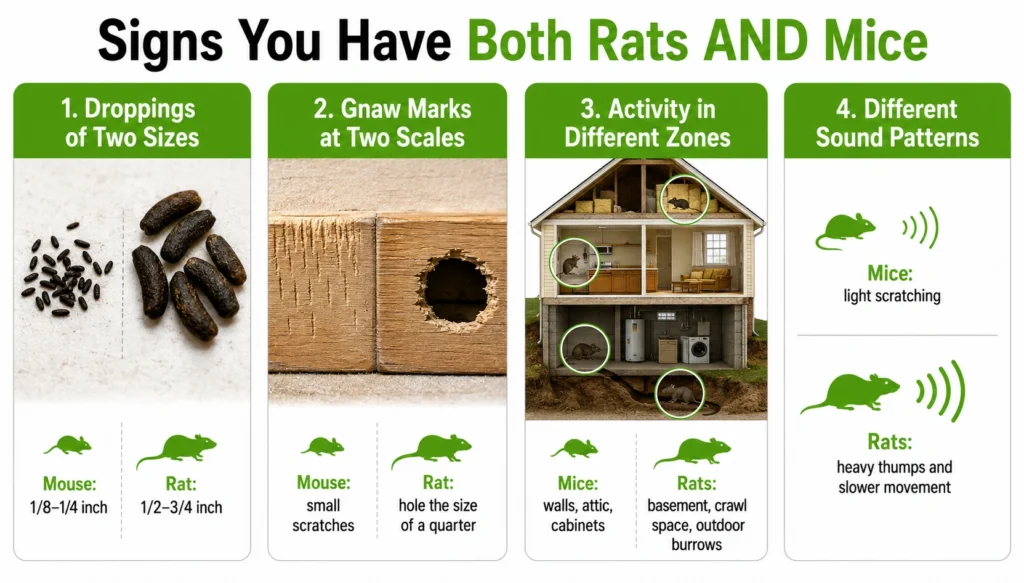
The most reliable sign of dual-species infestation is finding both sizes of droppings in your home. Mouse droppings are tiny (1/8 to 1/4 inch, shaped like rice grains with pointed ends). Rat droppings are much larger (1/2 to 3/4 inch, capsule-shaped). If you’re finding both in the same week, you almost certainly have both species.
The droppings often appear in different rooms because each species typically occupies different territory in the home. Mouse droppings concentrate in pantries, cabinets, drawer backs, and along baseboards on upper floors. Rat droppings concentrate in basements, crawl spaces, garages, and near food storage on lower levels.
Gnaw Marks at Two Different Scales
Mouse gnaw marks are small and scratchy: fine tooth marks on food packaging, the corners of cardboard boxes, and the edges of wooden trim. Rat gnaw marks are dramatically larger, including chewed holes the size of a quarter or larger, gnawed-through electrical wiring, and damaged plumbing or HVAC ducts. Finding both scales of damage in the same home suggests both species are present.
Activity in Different Parts of the House
Because rats are territorial and tend to exclude mice from their immediate range, the two species often partition the home rather than share the same nesting space. Common patterns:
- Rats in the basement or crawl space, mice in the upper-floor walls and attic.
- Rats in the garage and behind the kitchen appliances, mice in the pantry and bedroom closets.
- Rats outdoors in burrows (around the foundation or under decks), with mice indoors year-round.
Sounds at Two Different Volumes
Mice produce light scurrying and scratching sounds, usually high in walls or above ceilings. Rats produce much heavier, slower sounds, often including audible thumps when they jump from surface to surface. If you’re hearing both light scratching and heavier thumping at night, you may have both species in different parts of the home.
Why Rats and Mice Sometimes Coexist
Rats normally exclude mice from their territory. Where one rat is established, mice usually move out or get killed. So how do dual-species infestations happen?
Three factors make co-infestation common in Southeast homes:
Abundant Food and Water
When food is unlimited, competition between species drops. A home with overflowing trash, accessible pet food, an unused pantry, or an unsecured garbage can outside provides enough resources that rats don’t need to actively chase off mice. Both species can sustain populations without fighting for territory.
Separated Territories Within the Home
Larger homes, multi-story homes, and homes with multiple “zones” (basement, crawl space, attic, garage, main floor) give each species its own preferred space. Rats stake out the basement or crawl space. Mice take the attic, upper walls, and pantry. The two populations rarely overlap, so the rats don’t displace the mice.
Different Entry Strategies
Mice enter through holes the size of a dime (around 1/4 inch). Rats need holes the size of a quarter (around 1/2 inch). A home can have both small and large entry points active simultaneously: rats coming in through a garage gap or compromised crawl space vent, mice slipping in through a gap around the dryer vent or a small foundation crack. Each species has its own door, so to speak.
Risks of Co-Infestation
Having both species at once compounds the typical rodent risks in three ways:
Doubled Health Risk Exposure
Mice can transmit hantavirus (especially deer mice), salmonella, and allergens that trigger asthma. Rats can transmit leptospirosis, rat-bite fever, salmonella, and pathogens carried by the fleas that often travel with them. A dual-species infestation exposes your household to the full pathogen profile of both. The CDC’s rodent disease guidance documents the specific risks for each species and recommends professional cleanup of any active rodent contamination, especially when both species are present.
Faster Property Damage Accumulation
Rats cause significant structural damage (chewed wiring, torn insulation, gnawed plumbing). Mice cause widespread food contamination and minor damage to packaging and trim. Together, they produce both types of damage simultaneously, which means repair costs accumulate faster and across more categories than single-species infestations.
More Complex Treatment
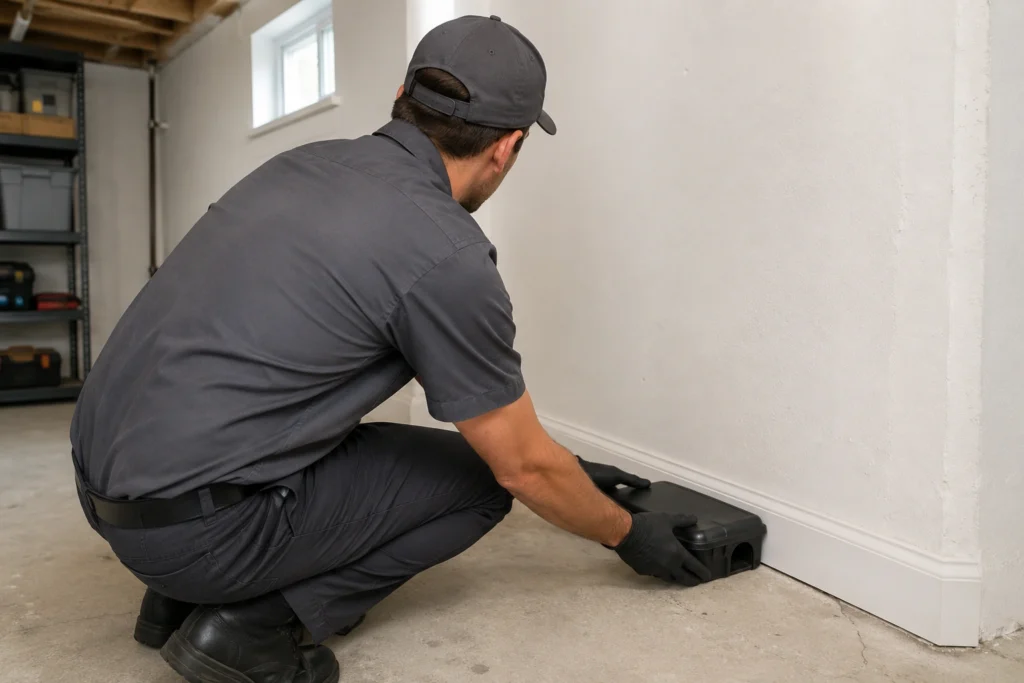
The treatment plan for mice doesn’t work as effectively against rats, and vice versa. Mouse-sized snap traps won’t catch a Norway rat. Rat-sized snap traps placed for rat trails will be ignored by mice on completely different routes. Bait stations sized for one species often go untouched by the other. Treating both species at once requires planning trap and bait placement for two different size profiles, two different behavior patterns (mice are curious, rats are cautious), and two different territory maps.
Natural and Preventive Measures
The good news: the prevention measures that work for either species work for both. Co-infestation prevention is the same as single-species prevention, just applied more thoroughly.
Seal Entry Points (at Two Different Sizes)
- Walk the foundation and look for any opening larger than 1/4 inch. Mice can squeeze through anything bigger.
- Seal small gaps with steel wool and caulk. Steel wool is the only material rodents can’t gnaw through.
- Look for larger openings the size of a quarter or bigger. Garage door gaps, compromised crawl space vents, unsealed utility line penetrations, and damaged soffits are common rat-sized entry points.
- Install door sweeps and weatherstripping. Worn weatherstripping on garage side doors and basement hatches is a leading cause of rodent entry in older Southeast homes.
- Screen every crawl space vent with galvanized 1/4-inch hardware cloth.
Cut Off Food and Water
- Store all food (including pet food) in airtight glass or hard plastic containers, not bags.
- Take out trash daily during warm months and use lidded cans both indoors and outdoors.
- Fix slow drips and leaky pipes. Both species need water and seek it out.
- Don’t leave standing water in pet bowls overnight in active rodent areas.
Reduce Harborage
- Cut clutter in basements, attics, garages, and stored areas. Both species nest in undisturbed clutter.
- Move cardboard storage to plastic bins. Mice and rats both gnaw through cardboard easily.
- Trim outdoor vegetation back from foundations and rooflines. Rats use vegetation as cover; mice travel along it.
- Store firewood at least 20 feet from the house on raised racks.
Outdoor Yard Maintenance
- Keep grass short along the foundation.
- Remove fallen fruit under pecan, fig, or persimmon trees promptly.
- Don’t leave pet food bowls outside overnight.
- Block burrow entrances under decks and sheds with hardware cloth.
Dual-species infestations need traps and bait stations sized for both rat and mouse activity in different parts of the home.
When to Call a Professional for Dual-Species Rodent Control
Dual-species infestations are one of the situations we strongly recommend professional treatment for. The reason isn’t the rodents themselves (DIY can handle individual species), it’s the complexity of treating two species simultaneously without one undermining the treatment for the other.
Call Northwest for professional dual-species rodent control if:
- You’ve found droppings of two different sizes in the same week.
- You’ve heard both light scratching and heavier thumps in different parts of the house.
- Sightings or signs have appeared in both upper and lower levels of the home.
- DIY traps caught some rodents but the activity hasn’t stopped.
- You’re seeing rodents during daylight hours, which usually indicates a large hidden population.
- You’ve found gnaw marks at both small and large scales.
Northwest’s rodent control approach for co-infestations uses integrated pest management (IPM): identifying species and territory, setting appropriately-sized traps and bait stations for each species, sealing entry points at both 1/4-inch and 1/2-inch+ scales, and following up to confirm both populations have cleared before closing out the treatment.
(Suspect both rats and mice are present? Request a free Northwest rodent inspection and we’ll identify both species, map their territories, and lay out the dual-species treatment plan.)
What Happens If You Treat Only One Species
This is the most common mistake we see in homes that have tried DIY rodent control before calling us. A homeowner spots a few small droppings, identifies mice, sets mouse-sized snap traps in the pantry, catches three or four mice, and concludes the problem is solved. Two weeks later they’re hearing thumps in the basement at night and finding much larger droppings near the water heater.
That happens because rats and mice often coexist quietly in different parts of the home. Treating only the mice leaves the rat population fully intact. Within a few months, the rat population grows large enough to become noticeable on its own, and what felt like a successful single-species treatment turns into a much bigger second problem.
Effective rodent control assumes co-infestation is possible and treats accordingly: traps and bait stations sized for both species, placed throughout the entire structure, with follow-up to confirm both populations have cleared.
Rodent Control Drives Other Pest Outcomes
One last point worth knowing. Rodent populations don’t sit in isolation. They drive other pest outcomes in your home:
- Fleas and mites ride in on rodents and establish indoor populations of their own.
- Snakes follow rodent populations as a food source. The single most common reason snake sightings spike in a Southeast yard is an unaddressed rodent problem in or under the house. See our snake repellent guide for more on the rodent-snake connection.
- Stored product pests (pantry moths, weevils, beetles) thrive in the contaminated food residues rodents leave behind.
Solving a dual-species rodent infestation often clears two or three secondary pest issues at the same time.
Frequently Asked Questions About Rats and Mice
Can rats and mice live in the same area at the same time?
Yes. When food, water, and shelter are abundant and the two species can occupy separated territories within the home (rats in basements or crawl spaces, mice in walls or attics), they can coexist. About one of every six rodent calls we run involves both species in the same home.
How do I know if I have rats or mice or both?
The clearest sign is finding droppings of two different sizes. Mouse droppings are tiny (1/8 to 1/4 inch) and rice-shaped. Rat droppings are larger (1/2 to 3/4 inch) and capsule-shaped. Two different scales of gnaw marks, two different sound patterns (light scratching plus heavier thumps), and activity in different parts of the house also indicate co-infestation.
Are rats more dangerous than mice?
Rats cause more structural damage and carry a broader range of diseases than mice. Both species warrant treatment, but rat problems should be addressed faster. When both species are present, the combined health-risk and damage profile is more serious than either alone.
How quickly can rodents multiply?
Mice reproduce very fast: 5 to 10 litters per year per female, with each litter containing 5 to 8 pups. A single pair can become dozens within a few months. Rats reproduce more slowly (2 to 5 litters per year) but produce larger litters of 8 to 12 pups each. In a dual-species infestation, the mouse population usually grows faster than the rat population.
What’s the best way to remove rats and mice from a home?
Effective dual-species removal combines exclusion (sealing entry points at both 1/4-inch and 1/2-inch+ scales), sanitation (removing food and water access), and species-appropriate trapping and baiting. Professional integrated pest management is the most reliable approach when both species are confirmed present, because the treatment plan needs to address two different size profiles, behavior patterns, and territory maps simultaneously.
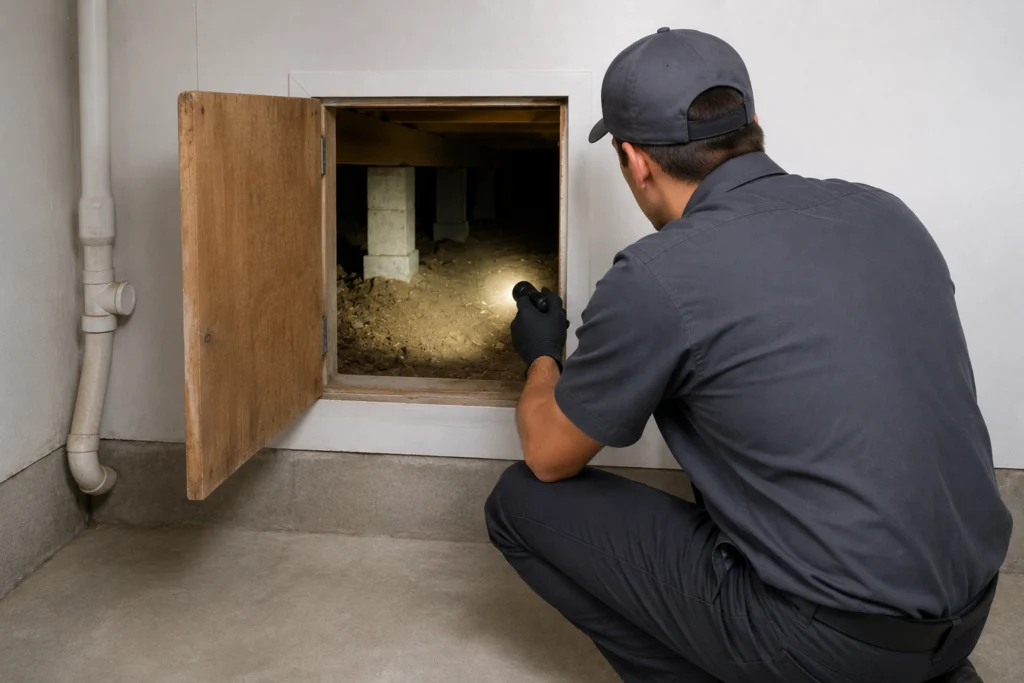
A dual-species inspection looks for entry points at two different sizes in two different parts of the home.
Schedule a Rodent Inspection
If you suspect both rats and mice are in your home, or you just want a professional confirmation of which species you’re dealing with, the smartest move is an inspection before the populations grow further. Dual-species infestations are very treatable when caught early, and Northwest’s team has been clearing rodent problems out of Georgia, Alabama, Tennessee, and South Carolina homes for decades.
About the Author
Anna Vaccaro, Editorial Lead — Pest Education leads pest education content for Northwest Exterminating, working with senior technicians and service center managers across our Georgia, Alabama, Tennessee, and South Carolina service areas to translate field expertise into homeowner-friendly guides. The focus: accurate, regionally-specific answers to the pest questions Southeast homeowners are actually searching for.
Dec 8, 2021 | Wildlife
Food, water, and a warm place to live are three things wildlife creatures are in search of this winter season. For them, our house can give them direct access to these needs, where they often find their way into our chimneys, attic, basements, and crawlspaces. It’s important to know what pests to look out for and what preventative measures to take, to help prevent a wildlife infestation.
Rats
Seeing a rat inside is always alarming. These rodents are known to live in crawlspaces and between the side beams of walls, often accessing inside through the smallest hole and gap. Once inside, rats will chew on electrical wire, causing property damage and an increased risk of fires. Their droppings are also a risk, as they contain pathogens dangerous to humans.
Raccoons
Nocturnal omnivores, raccoons are dexterous and can use their paws to open lids and doors. These animals will use their hands to dig for food, especially in garbage cans. A creature of habit, once raccoons discover food sources in a particular area, such as your house, they will keep coming back over and over, causing both a risk of an infestation and damaged property.
Squirrels
Squirrels are one of the most common wildlife creatures homeowners see. While they are cute from afar, if found inside your home, they can cause considerable damage. Squirrels will take refuge in basements and attics, often bringing acorns to store for the wintertime. Like rats, these rodents will also chew on electrical wire, creating a risk of a fire. Both squirrels themselves and their droppings can contain diseases and pathogens.
To avoid a winter wildlife invasion, prevention is key. Here are a few wildlife prevention tips to help with wildlife control:
- Seal garbage cans and compost bins at night.
- Bring pet food and water bowls indoors at night.
- Trim tree limbs and shrubs away from your house.
- Place a grated screen on top of your chimney.
- Consider enclosing your crawlspace to eliminate entry points.
- Examine your home exterior for any holes and gaps. If holes or gaps are found, seal them immediately.
Sep 28, 2021 | Wildlife
While many of us deem squirrels as cute and cuddly, the moment they start to invade our homes, we soon lose that fondness for wanting them around. As the weather begins to cool down, these pests will look towards houses, specifically attics, to create a nest and keep warm. Once inside, squirrels can cause major damage, such as chewing on electrical wires, destroying insulation, and leaving behind their droppings and urine. Luckily, there are a few ways to deter these creatures from your house. Check out these squirrel control tips you can use at home.
Trees and limbs can give squirrels easy access to your roofline. To prevent squirrels from gaining access, make sure that your tree limbs are cut back and trimmed away from the roofline. By cutting these access points, it’s an easy way to keep them away from your attic, chimneys, and any open holes or gaps leading inside the house.
Cleaning up around your home can also help to prevent these squirrels from entering your property. Squirrels are omnivores, meaning they will eat both meat and plants, including fruits, nuts, and small insects. To prevent them from scavenging for food around your house, make sure to dispose of garbage regularly while always using a sealed container. If you have any fruit trees on your property, try to look out for any ripe fruit and dispose of or pick them promptly.
Getting rid of squirrels can be difficult, and it can often take a trained professional who has the expertise to help prevent and eliminate them. If utilizing preventative measures fails and squirrels have invaded your property, consider reaching out to your local wildlife control company where they can provide you with the most effective trapping and removal methods for these rodents.