Aug 22, 2022 | Florida Pest Control, Wildlife
Pompano Beach Pest Control: Wildlife Exclusion
Wildlife creatures can be cute from afar, but once they’ve invaded our homes, they quickly become a nuisance! While wildlife typically invade homes in the winter, they are still highly active in the summer, as well, searching for food and water sources. Check out our list of common wildlife creatures in Pompano Beach and how you can prevent them.
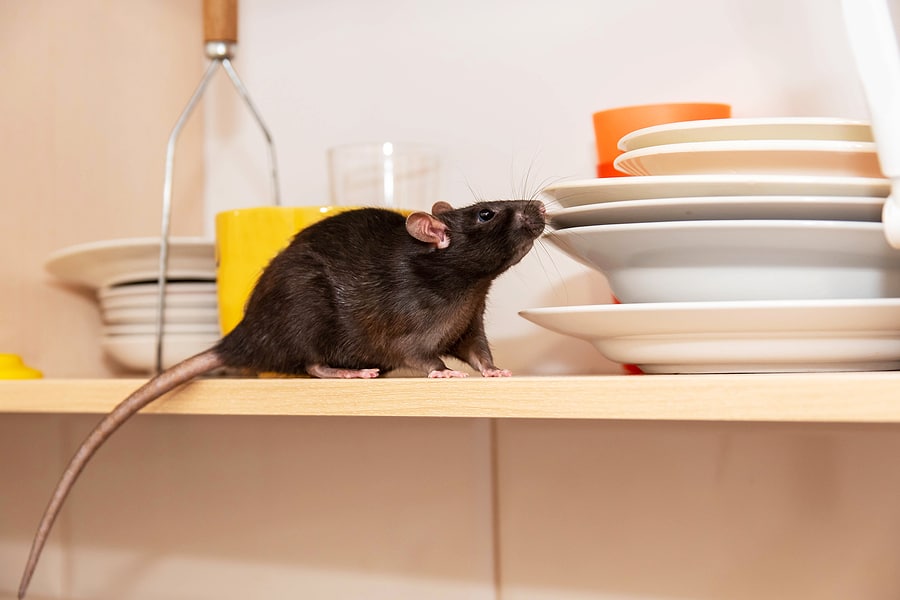
Rats
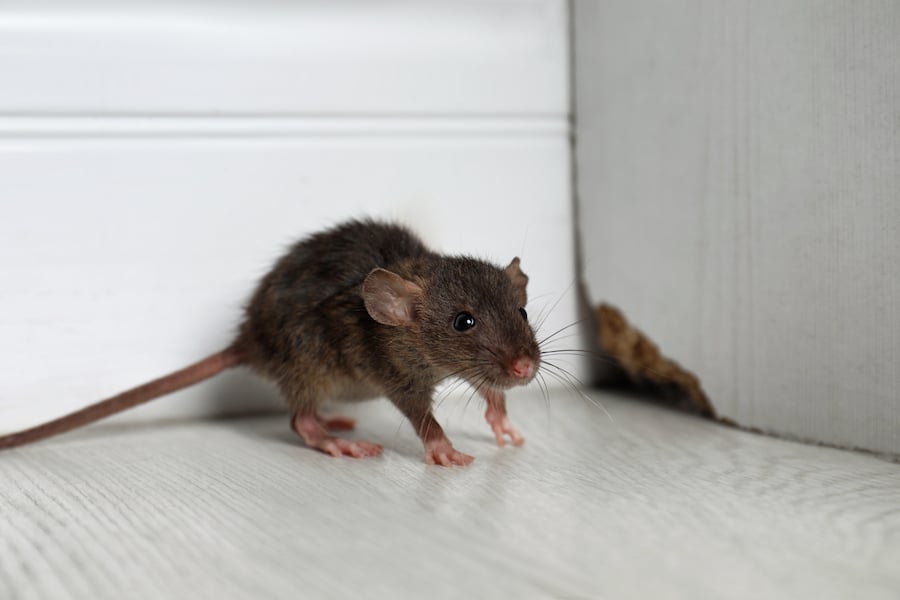
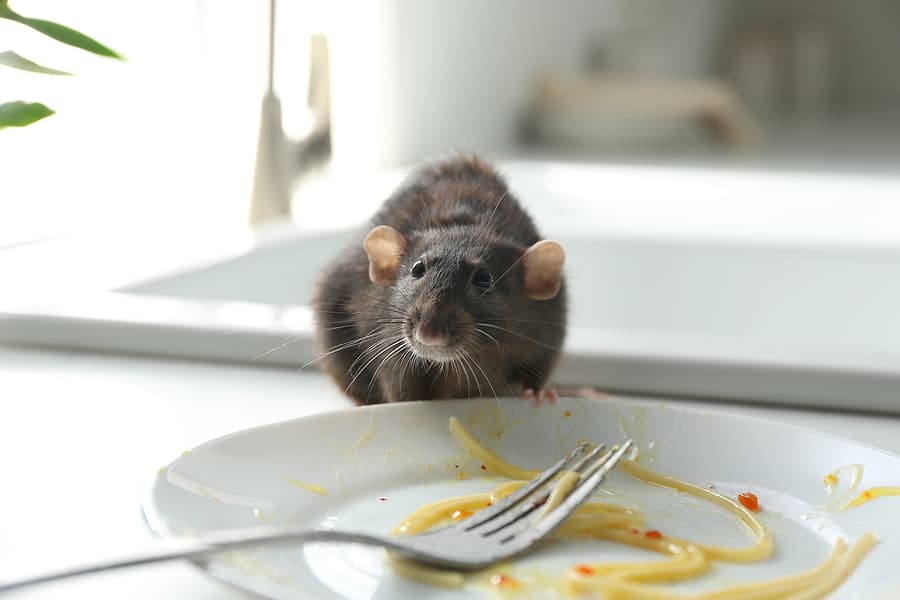
Active year-round, rats are excellent climbers and will adapt to human environments. They often seek out undisturbed areas such as attics, basements, and crawlspaces. For survival, these rodents will need a food source and will look in your home for grains, nuts, fruits, seeds, and vegetables. Harmful to humans, rats are known to contaminate food, cause fire hazards by chewing wires, and leave their droppings that can lead to disease.
Opossums
During the summer, opossums are actively hunting for food for their young. During the day, these pests will hide in trees until the evening arrives. As nocturnal pests, opossums look for their food source primarily at night. Opossums will scour your trashcans for nuts, fruits, grains, and even insects.
Raccoons
Raccoons give birth to their young during the summer and, like opossums, they are actively looking for food for their babies. While raccoons prefer wooded areas to inhabit with trees, water, and vegetation, they can be found in human areas too. They often seek out shelter in our attics, barns, and sheds. Raccoons are also nocturnal, searching for food at night. These creatures eat fruits, nuts, seeds, fish, and even snakes. Raccoons can become a nuisance if they find their way onto our property, often knocking over garbage cans or destroying gardens.
Preventing wildlife starts with the preventative measures put in place around your home. Consider utilizing these do-it-yourself wildlife control tips:
- Keep garbage stored in tightly sealed trash containers
- Remove any food source outside, including your pet food bowls
- Seal any open holes or gaps found in garages, windows, or exterior doors
- Contact your local Pompano Beach pest control company to assess your wildlife issue, provide a treatment plan, and recommend wildlife exclusion options.

Aug 15, 2022 | Wildlife
August is here and as much as we don’t want to think about it, fall is right around the corner. As the days begin to get shorter and temperatures drop, wildlife creatures begin to prepare for the fall and winter seasons. Fall is the time when wildlife search for warm shelter and begin to stock up on food, sometimes leading them right to your home!
Here are some of the most common wildlife critters that can find refuge in your home for winter, along with some ways to prevent them from taking up residence in your home.
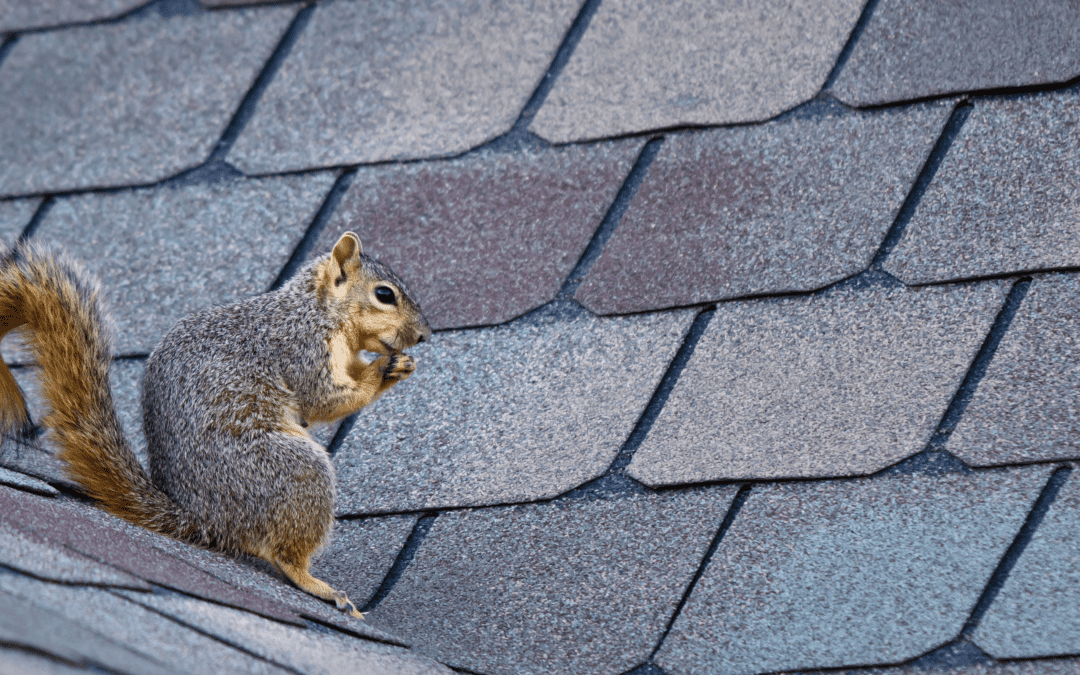
Squirrels
Squirrels like to “fatten” up in the fall as they get ready for the colder months. They often seek shelter in attics where they will make their nests and store their food. They are especially hazardous in homes because they have a tendency to chew through wires and wood, creating significant damage to your home.
Some ways to prevent squirrels:
- Install chimney caps or screens
- Don’t leave pet food and water out overnight
- Take down bird feeders in the fall as squirrels love to scavenge these for seed
- Trim back any limbs or branches that extend within 10 feet of your home
Raccoons
Like squirrels, raccoons also like to “fatten” up for the winter. Raccoons are nocturnal, which means they are more active at night. When the weather gets cooler, this causes raccoons to become more active and creative in their search for food. They will often find food in your trash cans and home and can often enter your house through the roof. They are known to seek shelter in either your attic or crawl space.
You can prevent raccoons by:
- Keep trash in bins with secure, locking lids
- Seal any entry points on the exterior of your home
- Rinse out trash cans once a month to help eliminate odors
- Install bright exterior lights to deter them from your yard at night
Rodents
Rodents, like mice and rats, will begin to be more active in the fall and you can usually hear them in your walls or attic. They seek shelter in your home because it supplies them with an available food supply throughout the winter.
Prevent rodents this fall by:
- Storing food in plastic or metal containers with tight lids
- Sealing up holes inside and outside the home
- Cleaning up spilled food immediately and washing dishes soon after use
- Keep compost bins as far away from the house as possible
Bats
Once the temperature dips below 45 degrees Fahrenheit, bats will begin their hibernation. While some species of bats do migrate south once the weather cools off, some will be in search of warm, dark spaces to roost that are hidden from predators. Unfortunately, they will often roost in the attic or chimney of your home.
You can prevent bats by:
- Installing chimney screens
- Using window screens and draft guards on doors and windows that go into the attic
- Sealing any openings in shingles and weatherstripping
- Making sure insulation isn’t worn down
Wildlife removal can be a difficult task to handle on your own, as there are some regulations for certain species. It is often best left to the professionals. If you suspect you have a wildlife problem, contact your local professional wildlife control company. These professionals will inspect your home to identify the animal problem. They will also provide you with the best plan of action to remove nuisance wildlife and prevent it in the future.
Aug 11, 2022 | Pest Control, Wildlife
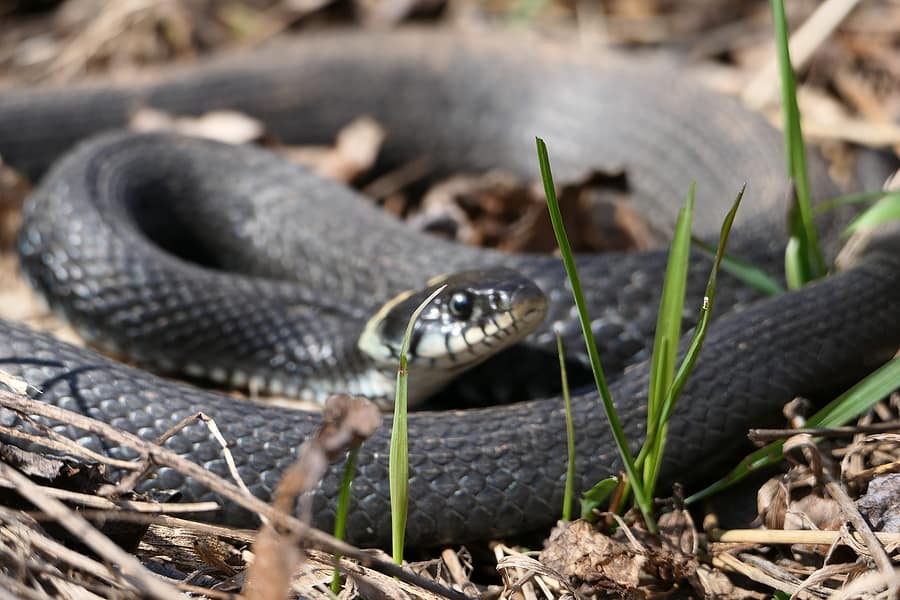
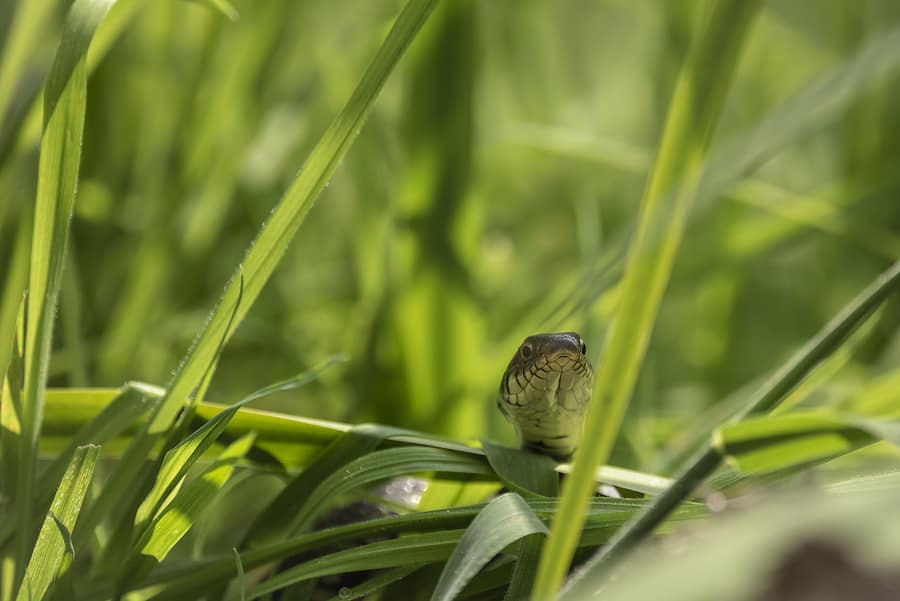
As the season shifts from summer to early fall, cooler weather is around the corner. Many pests begin the hustle and bustle of preparing for winter – scavenging and storing food, finding a place to hibernate, or making their way into your home to overwinter. This time of year sees an increase in one pest in particular – snakes! Fall is a time for high snake activity and encounters with humans become more common.
There are many reasons snake control is important in the fall. As the leaves begin to change colors to red, orange, and brown and fall to the ground, they provide the ideal camouflage for snakes. Fall is also the time snakes begin to prepare for brumation and/or hibernation. Most snake species breed in the spring and eggs are hatched by the time autumn rolls around. These juvenile snakes are curious and more likely to be seen by humans. There are 6 venomous snake species in the southeastern United States and each of them actually breed in the fall. This means this time of year males will be actively seeking females to breed with, increasing your chance of an encounter with them. Overdevelopment in many areas has also depleted the natural habitats of many snakes, also increasing their chances of encounters with humans.
Because we see such an increase in snake activity during the fall, snake control becomes much more important. Here are some of our favorite snake prevention tips you can utilize this snake season.
- Familiarize Yourself. Identifying snakes is critical to avoiding and preventing them. Do some research and find out which snakes are common in your area, what they look like, and where to find them. Identify any areas you spend time in outdoors that could potentially house snakes and try to avoid them.
- Be Aware. Be aware of your surrounding when spending time outdoors. Look down when walking and check overhead when in wooded areas. Try to spot snakes before you walk right up on them.
- Avoid Habitats. Snakes like to hide in areas that provide them protection and coverage from predators. They can often be found in tall grass, overgrowth, on or under large rocks, rock piles, and wood piles. If you have to walk through these areas, keep your feet and legs protected, keep your eyes open
- Walk With Confidence. Snakes don’t have ears so they can’t actually hear you coming but they do respond to vibrations in the ground and can feel you coming before they actually see you. When walking outdoors walk with strong, confident steps and make your presence known.
- Cover Up. If you choose to spend time outdoors, make sure to wear closed-toe shoes and long pants if possible. Try to avoid sandals and flip flops as they leave your feet and toes exposed to potential snakebites.
- Look Up. Some types of snakes can actually climb trees and will even use overlapping branches to move from tree to tree without ever touching the ground. When walking or boating through wooded areas make sure to look up and keep an eye out for overhead snakes.
- Clean Up. Making your home and yard less inviting to snakes will help keep them from coming in. Seal any cracks and crevices on the outside of your home to keep snakes out in search of warmth and food. Remove any debris and clutter from your yard and garage. Keep woodpiles elevated and stored away from your home. Clear any overgrowth from your yard.
- Use snake repellent. There are many commercial snake repellent products on the market today. If you prefer a more green snake control option, there are also natural snake repellents you can make at home. Choose whichever option works best for you.
- Call the Pros. Snake control can be a daunting task. If you have a problem with snakes around your home, contact your local pest control company who can help identify what type of snake you are dealing with and help safely and humanely get them away from your property.
You May Also Be Interested In:
Are Mosquitoes Still Active in the Fall?
What Attracts Centipedes To Your Home?
10 Ways To Care For Your Lawn In Extreme Heat
Preparing for Fall Wildlife
Back To School Means Head Lice Season
Jul 27, 2022 | Florida Pest Control, Wildlife
South Florida Rodent Control
Seeing any wildlife creature in your South Florida home is always alarming! While both are harmful to our home and the health of our family. These creatures will contaminate homes, chew wires, and transmit diseases to humans and pets. It’s important to understand their key differences to help prevent both rodents.
House mice are smaller than rats, ranging from four to six inches in length, and can be light grey, white, or brown. While rats are double the length of the average house mice, Norway rats are around 10 inches long. A difference seen between the two rodents are their tails. Mouse tails are equal in length to their body and are thin, long, and hairy. Rat tails can be 7” to 9” in length and are long, thick, scaly, and hairless.
If you have rodent infestation, you’ve probably seen their droppings. The difference between rat and mice droppings is noticeably different. Mice have smaller droppings, only about an eighth to a quarter of an inch long. Rat droppings are larger, about a half to three-quarters of an inch long.
Both rats and mice will happily nest inside or around your property, but their difference is the location they choose to nest in. Mice are great at climbing, typically making their nests in wall voids, attics, sheds, cabinets, and barns. While rats, such as Norway rats, will choose to live in burrows underground like crawlspaces, attics, and basements. Other rats, such as roof rats, are also great climbers but prefer to habitat in upper parts of buildings, trees, or attics.
Whether you’re dealing with a mouse or rat, proper identification and treatment are essential to remove them. It’s best to contact your local South Floria pest control company who will identify the rodent, locate entry points, and provide a treatment and prevention plan.
Jul 21, 2022 | Georgia Blogs, Pest Control, Snake Control, Wildlife
By Anna Vaccaro, Editorial Lead — Pest Education · Last updated: April 2026
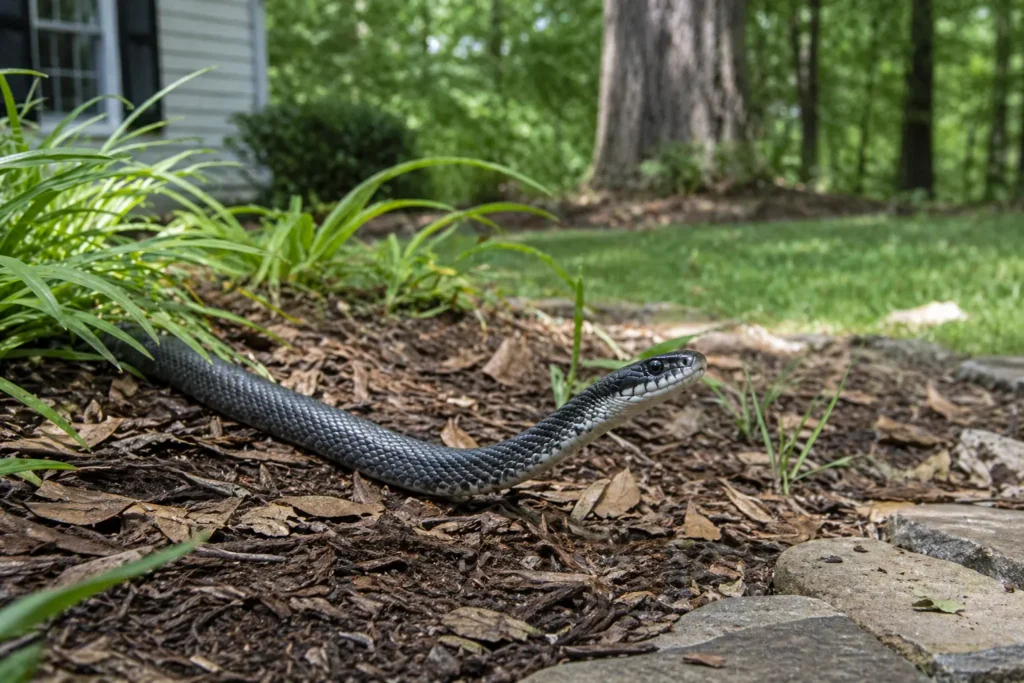
If you’ve spotted a snake coiled near your back steps or sliding through the mulch by your flower bed, the first question is almost always the same: How do I make sure that doesn’t happen again? At Northwest, we get asked about snake repellent almost every day during warm-weather months in Georgia, and the answer surprises most homeowners. Most sprays, powders, and home-remedy scents don’t do much. What does work is changing your yard so snakes stop choosing it in the first place.
Video Transcript
Snakes are usually after just two things. Food and a safe place to hide. If your yard offers either, they may stick around longer than you’d like. The good news, a few simple steps can make a big difference. First, reduce food and moisture. Keeping rodents and insects under control helps, and fixing leaks or standing water is key. Snakes are drawn to damp areas. Second, remove hiding spots. Trim grass, clear brush, and leaf piles. Elevate firewood and fill in old holes around your yard. Third, use natural deterrence. Plants like maragolds and lemongrass or scents like clove and cinnamon oil can help make your space less inviting. When you’re ready to call a professional for a peaceful home, feel free to reach out to our team at Northwest Exterminating.
This guide walks you through exactly that. We’ll break down what a real snake repellent strategy looks like in the Southeast, the seven natural methods that actually move the needle, the myths to skip, and how to know when a sighting means it’s time to call a pro.
Most snakes you see in a Georgia yard are non-venomous and quietly help control rodents.
Can You Actually Repel Snakes Naturally?
Short answer: sort of. You can make your property a much less attractive place for a snake to hang out, but you can’t spray a scent line that a snake won’t cross. Here’s why that matters.
Snakes navigate the world with a specialized organ in the roof of their mouth called the Jacobson’s organ. It reads chemical cues in the air. That’s very different from how a mammal smells, and it’s the reason most of the “strong scent” tricks you see online underperform. A snake doesn’t process cinnamon oil or garlic the way we do. If there’s a rodent to chase or a warm crawl space to hide in on the other side of that scent, the snake keeps going.
The most effective natural snake repellent isn’t a product. It’s a habitat change. Take away food, shelter, and moisture, and snakes move on.
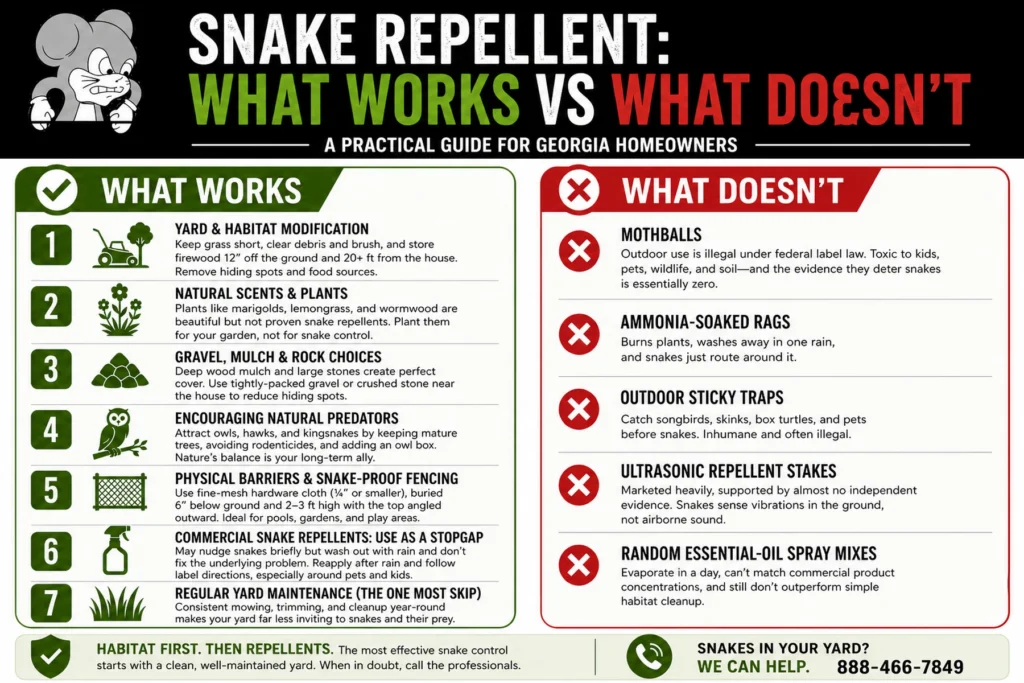
7 Natural Snake Repellent Methods That Actually Work
These are the seven moves that consistently reduce snake activity around Southeast homes. Use them together, not one at a time. Snake prevention works by stacking small changes.
The yards we treat for repeat snake problems almost always share one thing: too many places for snakes to hide.
1. Yard & Habitat Modification
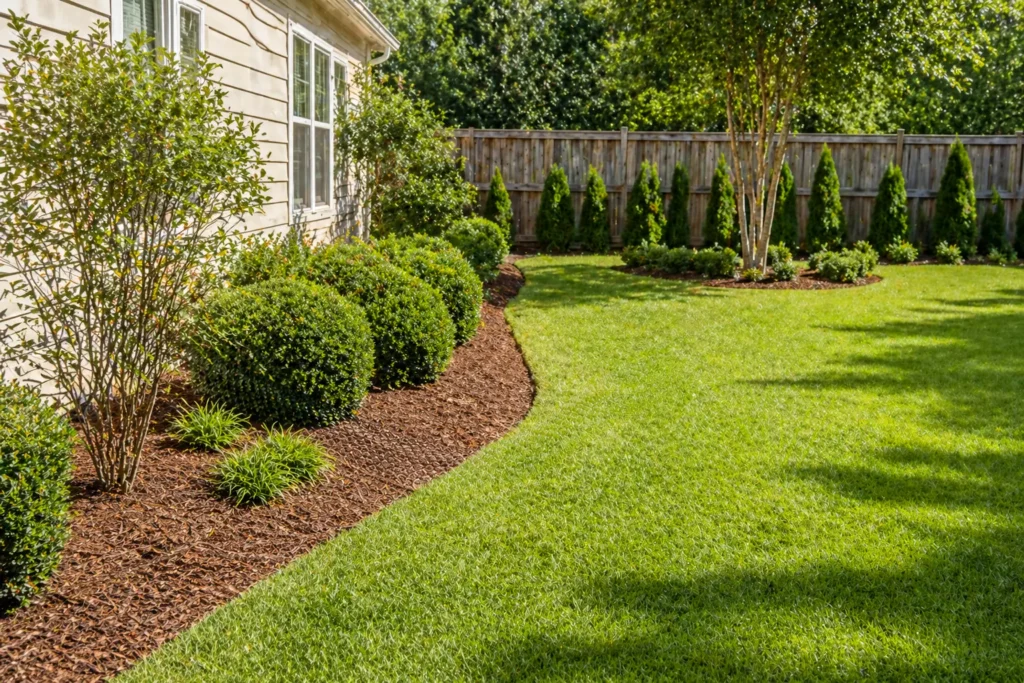
Snakes show up because something else is there first, usually rodents, frogs, or big insects. Cut off the buffet and the snakes stop visiting. Keep your grass short so snakes can’t cross the yard unnoticed. Clear tall grass along fence lines, brush piles, fallen branches, and leaf debris. Store firewood on a rack at least 12 inches off the ground and at least 20 feet from the house. Every pile of stuff in a Georgia yard is potential snake real estate.
2. Natural Scents & Plants
You’ve probably read that marigolds, lemongrass, or wormwood keep snakes out of a yard. They make a pretty border, but don’t count on them as a standalone snake repellent. Independent research on scent-based plant repellents is thin, and a snake that’s locked onto a mouse isn’t going to be turned back by a flower bed. Plant them for the garden, not for the reptile protection.
3. Gravel, Mulch & Rock Choices
Thick wood mulch and big decorative stones are exactly what snakes love: damp, dark, warm, and easy to slip under. If you’ve had repeat sightings along a bed line, swap the deep wood mulch closest to the house for tightly-packed gravel or crushed stone. The sharp, irregular surface is uncomfortable for snakes to cross and offers nowhere to burrow.
4. Encouraging Natural Predators
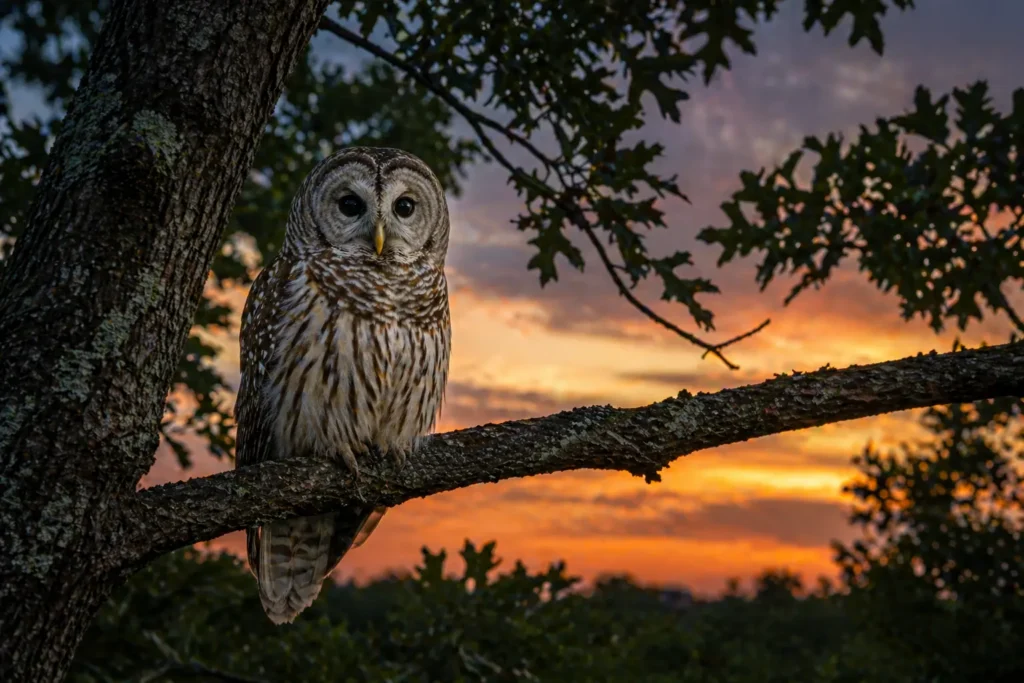
Owls, hawks, and kingsnakes are the original snake control crew in the Southeast. You can’t install them, exactly, but you can make your property more hospitable to them: keep mature trees, avoid broad-spectrum rodenticides that poison the food chain, and consider a simple owl box on the back of the property. This won’t clear an active snake problem overnight, but over a season it tips the balance.
Owls, hawks, and kingsnakes are the original snake-control crew in the Southeast.
5. Physical Barriers and Snake-Proof Fencing
If you live backed up to a field, creek, or wooded lot, which is a very common setup in the Georgia and Alabama suburbs we serve, a physical barrier is one of the few methods that physically stops a snake. Snake-proof fencing uses fine-mesh galvanized hardware cloth (quarter-inch or smaller), buried at least 6 inches below grade and rising 2 to 3 feet up, with the top angled outward. It’s not right for an entire property line, but it’s excellent around a pool deck, a play area, or a garden gate.
6. Commercial Snake Repellents: Do They Work?
Walk into any hardware store and you’ll see granular and liquid snake repellents on the shelf. Most use cinnamon oil, clove oil, sulfur, or naphthalene derivatives. The research on them is mixed at best. They can nudge a snake off a specific path for a short window of a few days after application, but they wash out with rain, fade in heat, and do nothing to address the reason the snake came in the first place. If you use one, treat it as a stopgap around a problem area, reapply after every rain, and read the label carefully if you have pets or small kids.
7. Regular Yard Maintenance (The One Most People Skip)
The yards we see with recurring snake problems almost always share one thing: they look great once a month and neglected for the three weeks in between. Snake repellent is really a maintenance habit. Walk the property every couple of weeks in spring and summer. Trim back anything touching the foundation. Pick up fallen fruit under pecan or fig trees (rodents follow fruit; snakes follow rodents). Check for new burrows along the fence line. Ten minutes of weekly attention beats a hundred dollars of repellent.
(If snakes keep showing up after you’ve tightened up the yard, it’s usually a sign something bigger is going on underneath, often rodents in a crawl space or moisture you can’t see. Schedule a free Northwest inspection and we’ll walk the property with you.)
What Doesn’t Work — Snake Repellent Myths to Skip
A few “classic” home remedies for keeping snakes away are worse than ineffective. Some are illegal, unsafe for pets, or actively bad for your soil. Save your weekend.
- Mothballs. Outdoor use of mothballs as a snake repellent is actually against federal label law. Naphthalene and paradichlorobenzene are toxic to kids, pets, wildlife, and soil, and the evidence they deter snakes is essentially zero.
- Ammonia-soaked rags. Burns plants, washes away in one rain, and snakes just route around it.
- Outdoor sticky traps. They catch songbirds, skinks, box turtles, and sometimes the family cat before they catch a single snake. Inhumane and often illegal.
- Ultrasonic repellent stakes. Marketed hard, supported by almost no independent evidence. Snakes rely on vibration through the ground, not airborne sound.
- Random essential-oil spray mixes. Evaporate in a day, can’t match the concentration a commercial product uses, and still don’t outperform simple habitat cleanup.
Habitat changes outperform every commercial snake repellent on the market.
Snake Prevention Tips for Homes & Yards
A good snake repellent plan for your home isn’t just yard work. It’s also sealing the house itself. Two-thirds of the “snake in the garage” or “snake in the laundry room” calls we get trace back to the same kinds of openings that let rodents in.
- Walk the foundation and seal gaps around utility penetrations, dryer vents, and brick weep holes with hardware cloth. Never use expanding foam alone, because snakes push right through it.
- Screen every crawl space vent with galvanized ¼-inch mesh. Replace any torn screens. This alone will stop most garage and crawl-space snake sightings.
- Re-caulk door thresholds and replace worn weatherstripping, especially on garage side doors and basement hatches.
- Fix leaky outdoor faucets, redirect gutter runoff away from the foundation, and don’t over-water the lawn. Moisture pulls in frogs and insects, which pull in snakes.
- Treat rodent control as snake control. If you have mice in the crawl space, snakes are just the next chapter. Take care of the rodent problem with professional rodent control and the snake issue often resolves itself.
When to Call a Professional for Snake Control
Most snakes in Georgia and Alabama yards are harmless, and actually beneficial. A black racer or garter snake eating the mice by your shed is doing you a favor. But there are three situations where it’s time to stop DIY-ing and pick up the phone:
- Venomous species on the property. The Southeast is home to Copperheads, Cottonmouths (Water Moccasins), Timber Rattlesnakes, Pigmy Rattlers, and along the coast, Eastern Diamondbacks and Coral Snakes. If you can’t confidently identify what you’re seeing, back up and call.
- A snake inside the house. Inside the living space, garage, crawl space, or attic is never a “just wait it out” situation. It means an entry point that needs finding and sealing.
- Repeat sightings in the same spot. More than two sightings in the same part of the yard within a season means there’s a harborage or food source you haven’t found yet. That’s what a professional inspection is for.
Snakes in the Southeast — What You’re Likely Seeing
Knowing what lives in a typical Georgia or Alabama yard takes a lot of the panic out of a sighting. The vast majority of what we encounter is non-venomous. The UGA Extension guide to Snakes of Georgia is the best free resource for identifying any snake you see on the property.
- Eastern Rat Snake (Black Rat Snake). Long, black, often climbs into shrubs or attics chasing rodents. Non-venomous and one of the best natural rodent controls you can have.
- Black Racer. Slender, fast, jet-black. Harmless to humans, feeds on insects, lizards, and small rodents.
- Garter Snake. Small, striped, very common near gardens and water features.
- Kingsnake. Non-venomous, and remarkably, it actually eats venomous snakes. Leave it alone if you can.
- Copperhead (venomous). Tan and dark-brown hourglass banding. Hides beautifully in pine straw and leaf litter, which is the cause of most venomous bites in the region. Call a pro.
- Cottonmouth / Water Moccasin (venomous). Thick-bodied, found near water. Will stand its ground. Call a pro.
Peak activity in the Southeast runs April through October, with two noticeable spikes: early spring (emerging from brumation) and late summer (looking for food before the cooler months).
Frequently Asked Questions About Snake Repellent
Do snake repellents really work?
Commercial snake repellents offer limited, short-term help at best, and most scent-based home remedies don’t work at all. The most reliable “repellent” is removing what attracts snakes in the first place: rodents, tall grass, standing water, and hiding places around the foundation.
What scent keeps snakes away?
Snakes may avoid strong-smelling compounds like cinnamon oil, clove oil, and cedarwood in close range, but these won’t stop a snake that’s tracking prey. Use scents as a supplement to habitat cleanup, never as the whole plan.
Are snake repellents safe for pets?
It depends on the active ingredient. Many granular snake repellents use essential oils with reasonable safety profiles, but always check the label. Do not use mothballs or ammonia as a snake repellent. Both are genuinely toxic to dogs, cats, and children.
How do I keep snakes out of my yard permanently?
There’s no one-time fix. Long-term snake control in a Southeast yard comes from stacking three things: consistent yard maintenance, rodent control inside and around the home, and physical snake-proof fencing around the areas you most want protected (play areas, pool decks, garden entries).
When should I call professional snake control?
Call right away for any venomous snake, any snake inside the home, or repeat sightings in the same part of the yard. Northwest Exterminating handles inspection, humane removal, exclusion, and the underlying rodent and moisture issues that drive most snake problems.
Northwest’s wildlife team handles the entry points and rodent issues that drive most snake problems.
Ready to Keep Snakes Out of Your Yard for Good?
If you’ve seen a snake on your property more than once this season, the odds are good there’s a rodent or moisture issue feeding the problem. Our team has been clearing snake problems out of Georgia and Alabama homes for decades, and we handle the thing that caused it, not just the snake you saw.
About the Author
Anna Vaccaro, Editorial Lead — Pest Education leads pest education content for Northwest Exterminating, working with senior technicians and service center managers across our Georgia, Alabama, Tennessee, and South Carolina service areas to translate field expertise into homeowner-friendly guides. The focus: accurate, regionally-specific answers to the pest questions Southeast homeowners are actually searching for.
Jul 11, 2022 | Florida Pest Control, Wildlife
South Florida Pest Control Tips
Purchasing and owning a home is a serious investment for every homeowner. Ensuring that it’s aesthetically pleasing, in good repair, and healthy is at the top of our minds. The last thing we want to deal with is a pest infestation, though it’s likely to happen from time to time. While spotting one or two pests is not usually a big deal, if the problem becomes bigger than we can handle, it could be time to call an exterminator. Check out our top 5 signs that it’s time to contact your local South Florida pest control company.
Rodent Droppings
Finding rodent droppings is one of the first indications that a rat is inside your home. Rat droppings are found in dark, undisturbed places in the home, including basements, attics, or crawlspaces. If these creatures find their way inside, they can cause serious destruction, such as chewed electrical wires that can lead to house fires. They’re also known to carry diseases, putting your family’s health at risk.
Nests
Nests are usually found in basements, attics, or even old cabinets. Pests such as mice, birds, or rats will nest in your home to find a safe place to search for a food source, keep warm, and breed. Finding a nest usually means that the pest population inhabiting your home is getting larger.
Noises & Smells
Have you ever woken up in the middle of the night to scratches, tapping, or squeaking coming from the walls or attic? No, you are not in a horror movie, it’s an indication of a rat, rodent, bird, or termite infestation. These sounds can follow with strange, alarming smells such as the pest’s droppings or urine.
Property Damage
If you start to notice your home or the items in your home are damaged, it’s a sign that pests have snuck in. Spotting chewing or gnawing marks on our furniture, clothes, or walls indicates that rodents such as rats or mice are inside. Ants and termites are likely to destroy wood throughout the home, affecting your home’s structural integrity. Other pests, such as bed bugs, will often eat our bedsheets and mattresses.
Recurring Pest Problems
Many pests can be easily removed or controlled through some do-it-yourself pest control. But, sometimes, as much as we try to remove these pests ourselves, it might be time to call in the professionals for routine pest control service. Pest Control includes a thorough inspection of your home, pest identification, locating pest entry points, and ongoing treatment and pest prevention. Request a free pest control estimate now to get started.
Jul 5, 2022 | Florida Pest Control, Wildlife
South Florida Rodent Control
While rodents are known to infest during the winter months that doesn’t mean they won’t sneak into your Florida home during the summer months. Once inside, rodents can cause significant damage to your home, including destroying insulation, chewing electrical wires, and leaving their droppings behind. Every homeowner should be aware of the types of rodents popular to their area and how to prevent them from infesting.
Norway Rats
Norway rats are larger rats with hairless tails and grey coloring. These rats tend to be ground dwellers, meaning they like to habitat in sewers or burrows, especially within the coastal communities in Florida. You can usually find their nests near homes or businesses, as they will forage for food in open garbage cans. These rats find their way inside through entry points close to the ground, such as your indoor plumbing drain system. Once infested, a female Norway rat will produce tons of offspring, growing an infestation very quickly!
Roof Rats
Smaller than Norway rats, a roof rat can weigh a half a pound or less! These rats are usually identified by their tail as it is longer than the distance of their body. Because of their slender body and longer tail, they are great at climbing, utilizing this skill to climb onto roofs through trees, shrubs, or power lines, typically nesting in the attics. These rats tend to stay in a familiar area, avoiding exploration. If an area provides shelter and a food source, they will stay close or habitat there.
House Mouse
Ranging from 5 to 7 inches in length, a house mouse has a long, rough tail with light brown to black coloring. These creatures are also known to be great climbers with a keen sense of hearing, touch, taste, and smell! The house mouse is known to live around homes, farms, and businesses. When they find a food source, they will establish a territory 10 to 30 feet in size. If they infest a home, they will gnaw on surfaces to wear them down, causing extensive damage and contamination.
If you have a rodent infestation or want to get on top of rodent prevention, reach out to your South Florida wildlife control company for a Rodent Control Inspection and Estimate.
Jun 27, 2022 | Commercial, Florida Pest Control, Wildlife
Commercial Pest Control in South Florida: Restaurant Rodent Control
Florida continues to be a hot spot for food and dining. With popular tourist and local spots in Fort Myers, Bonita Springs, Naples, Miami, and many more, the restaurant industry continues to boom. As summer approaches, we can expect an uptick in restaurant reservations from those visiting. Now is the perfect time to ensure that your restaurant has placed proper preventative measures to avoid rodents.
Have a Garbage Routine
This one might be obvious, but it is one of the most crucial factors in avoiding rats and mice. Food scraps and leftovers that restaurants discard is a major attraction to these creatures. Look to remove all leftover food as soon as possible, emptying the trash cans several times a day. You will want to ensure that all trash cans and dumpsters have secure lids. Look to position the outside trash containers away from your restaurant building and entrances to help discourage rodents from entering.
Protect & Clean
In a restaurant, it’s impossible to remove all food and water that rodents are attracted to. However, you can protect and secure the food inside your restaurant. Look to cover all food until it is ready to be prepared and ensure that you’re dining, and kitchen areas are clean throughout the day. If any food spills occur, make sure you clean them up as soon as possible, remembering to check crumbs settled into crevices and along baseboards.
Keep Up Repairs
Keeping your restaurant up to date in repairs will help to prevent rodents from entering. Rats can enter buildings through gaps small as a size of a quarter, while mice only need an opening the size of a dime! To help prevent their entry, make sure that all exterior cracks and crevices are sealed, install door sweeps, repair torn window screens, and fix any water leaks.
A rodent infestation can be extremely harmful to any business, risking a negative reputation in the process. Consider investing in Commercial Wildlife Control for your South Florida restaurant, as these professionals will provide your business with a customized prevention and treatment plan.
Jun 25, 2022 | Florida Pest Control, Wildlife
South Florida Bird Control
As much as we enjoy the beauty of birds, they can start to become a nuisance when they destroy our property. These creatures will often leave behind their droppings, harming your home and posing a health threat. Learn more about the hazards birds can pose to your home and how you can deter them away.
Bird Droppings
Seeing bird droppings all throughout our property is never ideal, causing considerable damage. Their droppings can corrode and stain roofing, gutters, paints, shingles, and more. Other bird damage includes electrical equipment, causing costly repairs. While their droppings can be overall irritating to clean, they are also known to carry over 60 diseases including E. coli, salmonellosis, and cryptococcosis.
Bird Nesting
When birds create their nest in your home, the location can cause noise and further damage. Their nests will clog gutters, cause roof damage, block chimneys or air ducks, ruin insulation, and more. Birds nest may also carry various pests such as lice, mites, and other insects that could potentially invade your home.
Preventing Birds
There are some easy, do-it-yourself preventative measures that every homeowner can place around their property to help deter birds away including:
- Install a decoy bird in your yard such as owl, hawks, or falcon statues.
- Place wind chimes or ultrasonic noise machines throughout your property
- Clean any spilled grains or birdseed from feeders daily
- Block all openings in your home, including lofts, vents, and windowsills
- Consider contacting a professional pest control company in South Florida who can provide you with a customized inspection and treatment plan
South Florida Pest Control Locations Near You