Mar 22, 2019 | Termite Control
Termites cause billions of dollars in damage each year. Because they work from the inside out, infestations are often not found until significant damage has already been done. Spring marks the beginning of the termite swarming season and these destructive pests are found in most of the United States (except for Alaska). What do you need to know before swarming season starts to help control termites? Find out the answers to many of your termite questions below.
What Time Of Year Do Termites Come Out?
Termites swarm as the weather begins to warm, usually at the beginning of spring or summer and usually after a rain event. Termites swarm when they go in search of a location to establish a new colony. Colonies typically don’t produce a swarm until they have been established for at least 3 years.
Do Swarming Termites Mean An Infestation?
If a swarm happens inside your home, most of them will not survive to establish a new colony but it does mean that your home is likely infested. If a swarm happens outside your home or if you notice just a few stragglers inside, your home is most likely not infested but a colony (or multiple colonies) are present nearby.
Do Swarming Termites Cause Damage?
Swarming termites have one purpose – to reproduce and establish a new colony. In fact, they don’t have biting or chewing mouthparts to cause damage to your home. Several hundred swarmers are produced by each colony but only a small percentage of these actually survive to start the new colony.
What Is The Difference Between Swarming Termites And Flying Ants?
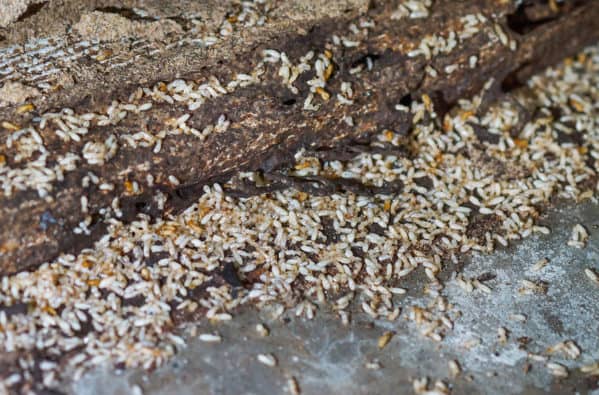
Termites have straight antennae and wide bodies without pinched waists. They are usually black or dark brown in color. Swarming termites have wings that are the same length and clear in color. Termites are found in decaying stumps, trees, wood debris, lumber, and other wooden structures. They cause structural damage by eating wood and other cellulose-based products like paper.
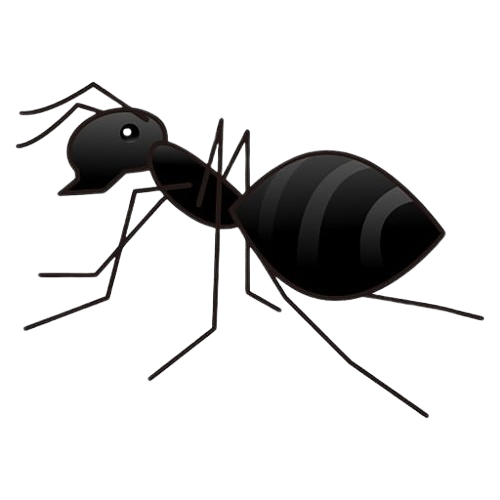
Flying ants (also known as carpenter ants) have elbowed antennae and pinched waists. They can be black, brown or reddish in color. They have 2 pairs of wings that differ in size and are tinted brown in color. Carpenter ants also inhabit wood and wood structures; however, they don’t eat wood and therefore do not usually cause any structural damage. They do eat nectar, seeds, other insects, and food debris in and around your home.
Both termites and flying ants swarm as part of their mating process.
What Attracts Termites To Your Home?
The main attractant to termites is food. Termites love to eat anything wood or cellulose-based including lumber, firewood, newspaper, and more. They also like warm, dark places that are undisturbed such as your crawlspace. They also thrive in moist soil, especially around your foundations.
What Is The Most Effective Termite Treatment?
While there are some do-it-yourself options you can do around your home, these are more suitable for termite prevention rather than termite control. Getting rid of termites is a job best left to the professionals. Some things you can do around your home to help prevent termites include:
- Getting rid of decayed lumber and firewood and moving wood products away from your foundations.
- Reduce moisture in crawlspaces.
- Repair leaky faucets and pipes.
- Divert excess water from foundations with properly functioning gutters, downspouts, and splash blocks.
- Position sprinklers to spray away from foundations.
There are two major types of termite treatment: liquids and baits.
Liquid termite treatments have been around for years. Their purpose is to provide a long-lasting barrier in the soil that keeps termites from entering and infesting buildings. This treatment also helps eliminate termites that are already inside structures as it prevents them from getting back to the soil for supplemental moisture.
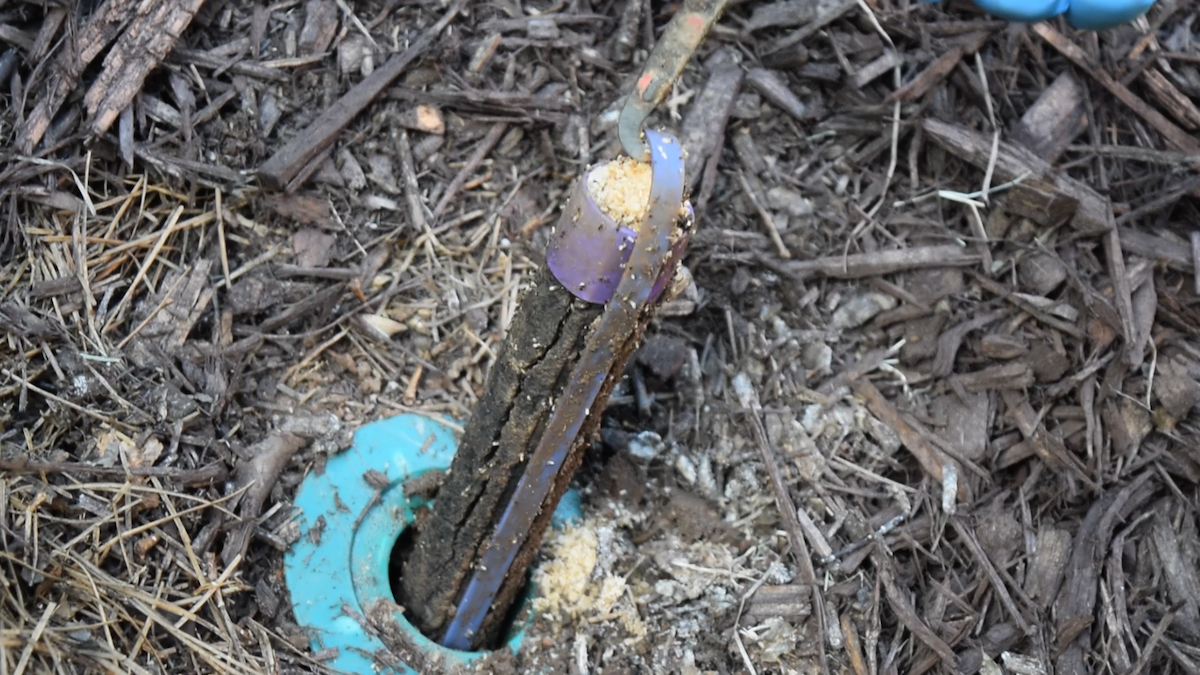
Bait termite treatments use a cellulose-based food product combined with a slow acting pesticide. The bait stations are installed below the ground where termites eat the bait and share it with other termites in their colony. This leads to a gradual decline in the termite population infesting the structure.
If you suspect you have a termite problem, contact a professional termite control specialist. A thorough termite inspection by a trained pest control professional is critical in identifying and eliminating a termite infestation from your home.
You May Also Be Interested In:
: How to Keep Your Grass Green in the Summer
10 Common Spiders in Georgia
5 Ways To Prevent Bed Bugs When Traveling
Do I Really Need Termite Protection?
Wildlife Control: How to Keep Animals Out Of Your Home

May 25, 2018 | LeafProof, Mosquito, Pest Control
One of the perks of summer is spending more time doing what we enjoy outdoors – barbecues, picnics, gardening anyone? But, you know that all of these fun activities come with another risk – pests! Nothing ruins a picnic faster than ants or mosquitoes. What can you do to make sure you can still enjoy all the fun times outside this summer? Check out these 9 ways to protect your outdoor fun from pests.
- Remove standing water. Standing water is the perfect breeding ground for mosquitoes. Walk around your yard and fill in any areas where water is prone to pooling. Use pumps in ponds and fountains. Empty out any containers that contain standing water like wading pools, flower pots, buckets, toys, wading pools, and more. Check gutters and rain spouts for clogs and clear them. Consider using gutter guards to help prevent clogs. Check around AC units for leaks.
- Clear out clutter and debris. There are lots of items around your yard that can hold rainwater like toys, tires, and even half empty bags. Make sure these are empty and cleared away or, if you can’t get rid of them, turn them over so they can’t collect water. Piles of leaves, fallen branches, and rotting fruit can attract pests to your yard by providing them with food and shelter. Make sure these are cleared out of your yard.
- Landscape your yard. Tall grass and weeds can harbor ticks, fleas, and ant hills. Mow your lawn regularly in spring and summer so pests have less places to hide. Overgrown shrubbery and tree branches that are in contact with the side of your home can provide a clear pathway for roaches and other pests. Keep trees and shrubs trimmed with at least 1 foot between the branches and the walls of your home.
- Store firewood properly. Firewood provides food and shelter for many different pests, especially termites. Make sure firewood is dry before storing it. Keep firewood stacked above the ground and use a rack or a platform if possible. This way ants and termites can’t easily access the wood. Make sure firewood is stored at least 5 feet away from any structures like houses or sheds. If possible, store firewood with a cover or roof over it.
- Use screens. Keep windows and doors closed as much as possible. Make sure doors and windows have screens on them. Check screens regularly for holes and tears and repair or replace them as needed. Check around doors and windows for gaps and replace weatherstripping as needed.
- Inspect your outdoor equipment. Regularly check the chains of swing sets and the corners of outdoor furniture for spiders and egg sacks and remove them immediately. Check under your porch, in your eaves, or near your grill for wasp nests and remove them immediately. Keep outside toys outside and inside toys inside. If you have to bring outside toys items inside make sure to wipe them down beforehand.
- Cover your food. Keep all food and beverages in sealed covers and containers. Keep food covered at all times. Keep garbage containers sealed. Bring utensils and dishware indoors shortly after the meal. Clean trash, spills, and crumbs immediately from tables and other surfaces. Rinse all beverage bottles and cans and dispose of them in tightly closed garbage containers. Use clear plastic cups for drinks since aluminum cans and plastic bottles provide hiding places for stinging insects.
- Use insect repellent. Mosquitoes are most active from dusk to dawn. If you must be outdoors during this time, use insect repellent that contains DEET. Use repellent on both exposed skin and on your clothes. Wear long sleeves and pants to avoid bites. Use citronella candles around decks and patios.
- Call a professional. If you suspect you have a pest problem, call a professional pest control company who can provide you with a thorough evaluation and a comprehensive treatment and prevention program for pests.
May 4, 2018 | Mosquito, Pest Control, Termite Control
As we approach the warmer and more humid months, the chance of encountering pests increases. While some are more occasional invaders, there are some that will make it a point to stick around.
Cockroaches
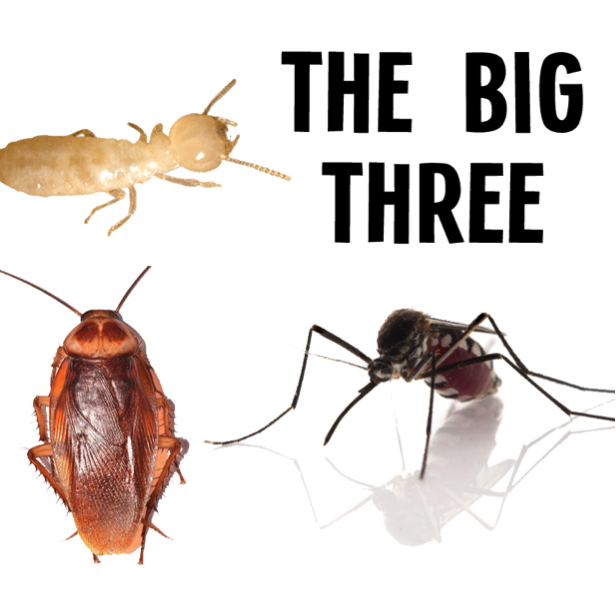
With the weather changing and a large amount of rain in the forecast, your home provides cockroaches with shelter and an ever-flowing food source. The larger roaches you may encounter are more than likely American cockroaches; an infestation that is normally easy to stop with a quarterly pest service. However, if you notice smaller roaches in the kitchen and/or bathroom of your home, you may be dealing with German cockroaches. They are a much harder infestation to control and will usually require a monthly treatment by your exterminator.
Mosquitoes
There is a consensus in the South that mosquitoes are despised, and we would all like them gone. Unfortunately, they seem to be here to stay, as they thrive in this area due to the humid climate. Also, because of where we are located, our mosquito season starts before other regions in the U.S. They are more of a hazard than just a casual annoyance; mosquito bites have the potential to spread diseases like Malaria, Dengue, and Zika. At Northwest, our Mosquito Reduction Service reduces adult mosquitoes and limits mosquito breeding around your home, reducing your risk of mosquito bites and mosquito diseases.
Termites
In the pest world, we refer to the warmer months as “swarm season.” This is when pests that have been overwintering emerge and begin to swarm. Termites only swarm once a year and, here in the South, the type you will see swarming are Subterranean termites. The ones you see flying around your home are not the ones that will cause destruction; however, it’s a sign that a termite colony is nearby. A termite inspection by a professional exterminator will not only look for signs of termite damage around your home but will also provide you with a personalized plan for treatment, if damage is found, and prevention moving forward.
May 4, 2018 | Termite Control
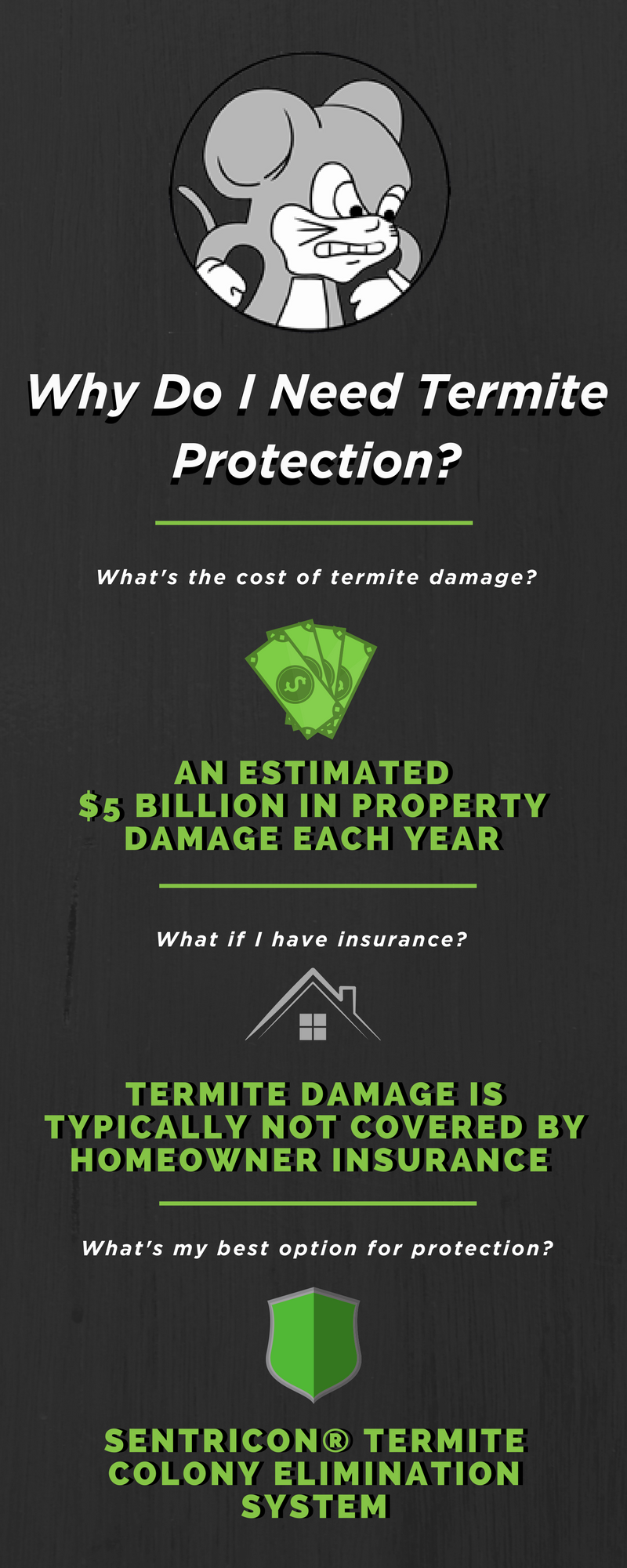
Spring is the time of year when termites swarm, emerging to mate and establish new colonies. Unfortunately, these new colonies are often established inside our homes. An average of 5 million US homes are infested each year by termites, causing an average of $5 billion in damage annually. What many people don’t realize is that termite damage isn’t covered by homeowner’s insurance policies. What’s a homeowner to do? One thing to consider is the Sentricon Always Active bait system for termite control. Sentricon is a highly effective, environmentally responsible treatment option for termites. What is included with the Sentricon system?
- Immediate Prevention. Sentricon bait is scientifically engineered to naturally enter the termite food chain and destroy both the queen and her entire colony. Sentricon begins working immediately upon installation.
- Home Termite Inspection. When you have Sentricon installed, a comprehensive property inspection is performed checking for signs of existing or previous termite infestations and damage.
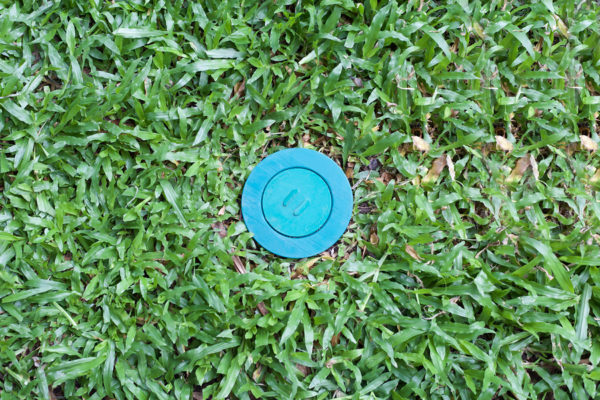
- Bait Station Installation. Bait stations containing Recruit HD termite bait are installed in the soil around your home’s perimeter.
- Termite Colony Elimination. Recruit HD termite bait works 24/7 to protect your home from termites and damage.
- Continuous Monitoring. Bait stations are monitored as needed to protect your home against future termite invasions.
- Annual Termite Inspections. Annual interior home inspections for termites and pests are included at no additional charge.
- Lifetime Termite Warranty. Every installation of The Sentricon System with Always Active comes with a lifetime warranty against termite infestations and damage.
- Green Termite Control. Sentricon Always Active bait, Recruit HD, poses no hazard to groundwater and has no label restrictions for use around wells and cisterns. The Sentricon system was registered under the Reduced Risk Pesticide Initiative of the US Environmental Protection Agency and is the only termite control product ever to receive the Presidential Green Chemistry Challenge Award.
If you suspect you have a termite problem contact a professional pest control company who can provide you with a thorough inspection and recommend a comprehensive termite treatment and prevention plan.
Apr 25, 2018 | Termite Control
Termite season is here! You may be seeing many ads for termite protection for your home, but you’ve gone years without termite protection. Is it even worth it?
Well, let’s look at the facts when it comes to termites and your home.
While you may not notice any signs of termite damage in your home currently, that doesn’t mean there’s not a silent, ongoing termite infestation causing damage to the structural integrity of your home. By having your home inspected, you may be able to catch the damage before it’s too late or prevent damage from ever impacting your largest investment.
When you sign up for Northwest Termite Service, here is what you can expect:
- Inspections of the property for signs of termites
- Placement of Sentricon® stations containing Recruit® HD termite bait in the soil around the home
- Once termites enter the station, the Recruit® HD termite bait is immediately available
- Continued monitoring of Sentricon® stations as needed to protect against future invasion
- Lifetime Termite Warranty
Don’t wait until you’re stuck with an insurmountable repair bill. Call (888) 466-7849 and set up a free termite inspection today!