May 26, 2022 | Pest Control
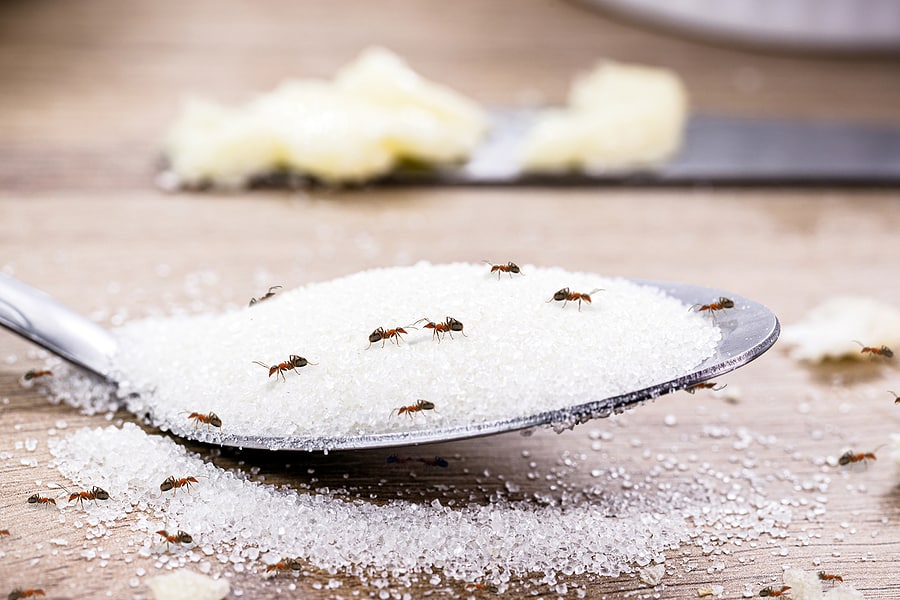
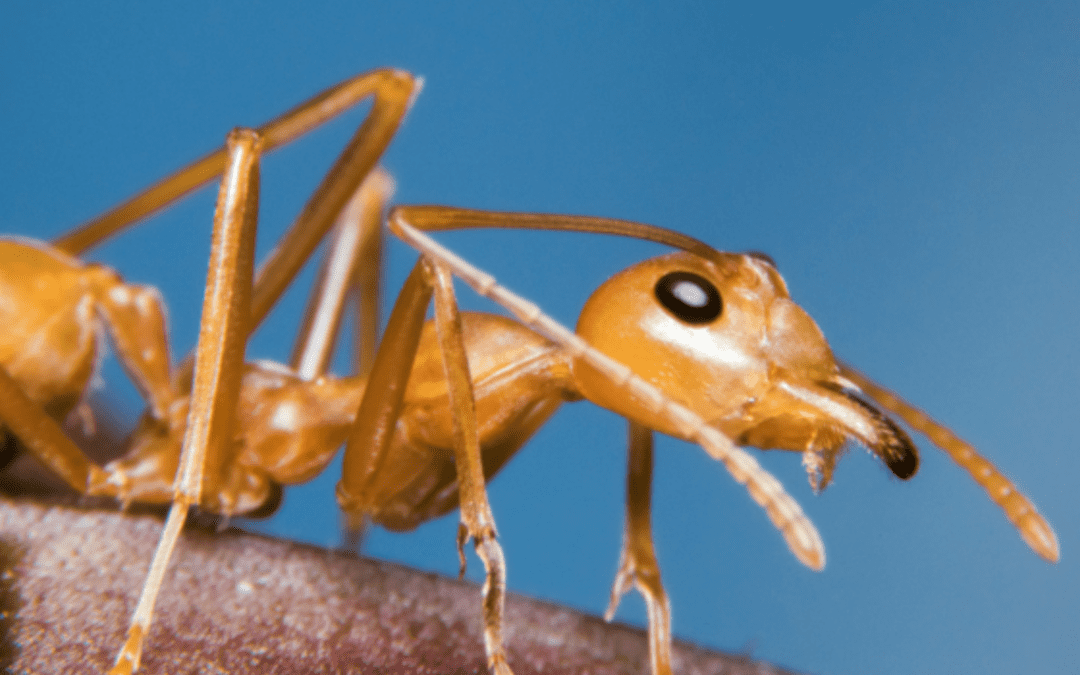
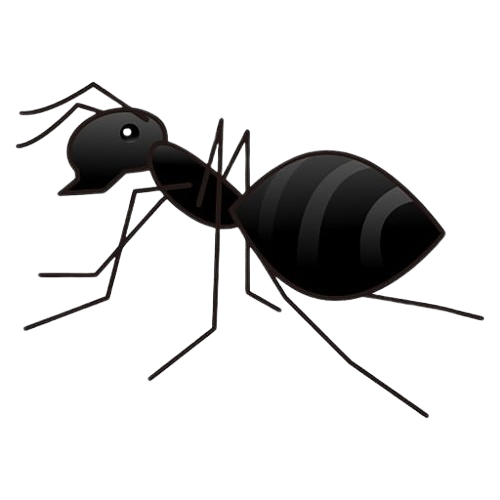
The kitchen is one of the most common rooms in your home to have ants, closely followed by the bathroom. The most common ants found indoors are odorous house ants, also known as nuisance ants. While these ants don’t cause structural damage and aren’t considered dangerous to humans or pets, they can contaminate your food and become quite a nuisance to deal with. Carpenter ants are larger black ants that can also get into your home. These ants do cause structural damage by boring through the wood components of your house.
The ants you find in your home don’t actually live there; they build colonies outdoors and come in looking for food and water to take back. These elements are necessary for the colony to live and grow. Scout ants who find these sources leave a pheromone trail for the rest of the colony to follow which is why you will often see ants traveling in a single line. Because they can scale walls and travel between stories in your home, they can spread quickly and be extremely difficult to get rid of.
Ants are attracted by a number of things found in your home. They use crumbs, spills, loosely sealed food packages, dirty dishes, and even pet food bowls to find food. They use leaky pipes, pet water bowls, and standing water for hydration.
What can you do to keep ants from taking over your kitchen? Prevent ants by:
- Sweeping and mopping floors regularly.
- Cleaning up crumbs and spills immediately.
- Wiping down counters and stovetops daily.
- Not leaving dirty dishes out overnight.
- Emptying trash regularly.
- Using trashcans with lids.
- Throwing away uneaten pet food or putting it in a sealed container overnight.
- Storing pet food in sealed containers versus non-sealing bags.
- Cleaning around your pet’s food and water bowls often.
- Dumping and replacing pet water frequently from their bowls.
- Storing pantry food in sealed containers versus boxes and bags when possible (e.g. cereal, grains, sweets). This also helps prevent other common pantry pests.
- Getting rid of overripe food stored on counters.
- Repairing leaky pipes.
- Eliminating standing water.
- Repairing cracks and gaps in foundations.
- Not storing firewood next to your home.
Killing just the ants you find in your home won’t eliminate the entire infestation. You must eradicate them at the source – at their colonies. These ants can be difficult to eliminate because individual colonies can number in the thousands and they can be spread out all over your property. For assistance in dealing with ants or any other pests you may find in your home, contact your local pest control company for an evaluation.
You May Also Be Interested In:
Mosquito Bites 101
9 Easy Ways to Keep Birds Away
Keeping Summer Pests Away
Wildlife: Leaving a Mess Behind
What’s the Difference Between Centipedes and Millipedes?
May 19, 2022 | Pest Control
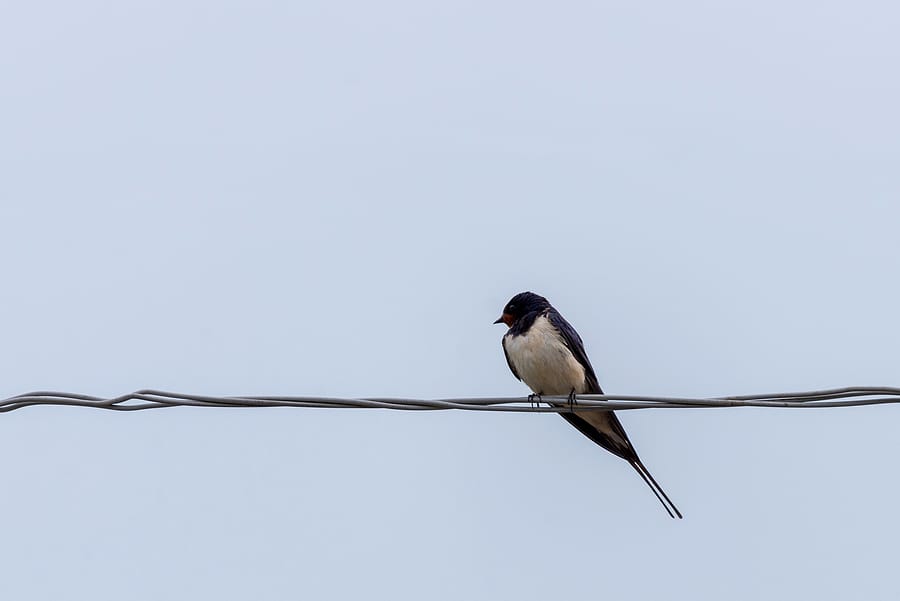
Did you know birds can be just as much of a nuisance (and potential health threat) as roaches and rodents? Common nuisance birds include pigeons, woodpeckers, sparrows, starlings, and Canadian geese.
Birds can cause a whole host of problems around your home and property. They can fly into your home and windows. They can build nests on or near your home, causing damage to your house or just being a noisy pest. Nests can clog gutters, downspouts, drains, vents, and chimneys. Bird droppings contain uric acid and can eat away at paint and building materials on cars and homes.
Birds and their droppings are known to carry over 60 diseases including E. coli, salmonellosis, and cryptococcosis.
Anytime you’re dealing with birds it’s important to remember that many species are protected by federal and/or state regulations, as is bird nest removal.
Here are 9 of our favorite DIY bird deterrents:
#1. Bird Deterrents
Visual bird deterrents are products designed to scare off birds or prevent them from landing or roosting where you don’t want them to. Their efficacy depends on the type of bird you are dealing with and the type of deterrent you are using. There is a wide range of choices when it comes to these deterrents. Many include gel because its reflective surface looks like fire to birds. It also feels sticky if birds land on it. Some of these deterrents are also scented, many with peppermint oil, to also help deter birds from getting near them.
#2. Predator Decoys
Predator decoys can be effective for a short period of time but aren’t usually good for long-term use. It is important to choose a realistic predator for the bird species you are dealing with. If owls aren’t a natural predator of the bird you are dealing with, a decoy owl won’t work very well. It is also important to rotate or move the decoy frequently so birds don’t realize it isn’t real.
#3. Reflective Deterrents
There is a wide range of products you can use as a reflective deterrent, from prefabricated spirals to DIY aluminum foil strips. The most important thing to remember is to use something highly reflective that also moves with the wind. It also helps to move it around frequently or even take it down for a while to trick the birds into thinking it’s real.
#4. Bird Spikes
These are narrow spikes that attach to window sills, roofs, eaves, or any other large areas you want to keep birds off of. They can attach to concrete, wood, or other surfaces with screws or glue. The spikes can be metal or plastic. These deterrents are most effective against pigeons, crows, and gulls and are less effective against smaller types of birds.
#5. Bird Coils
Bird coils are similar to spikes. They are extendable stainless steel coils that stretch along ledges to deter birds from landing on them. If they do, the coils move and make the bird feel unstable, making them less likely to perch and roost.
#6. Bird Wire
Bird wire is a tension wire system that creates an unstable landing area to deter birds from landing. Bird wire is more low profile compared to spikes or coils and can be used on exposed ledges, beams, and pipes. The negative to bird wire is that it can be time-consuming and difficult to install.
#7. Bird Netting
Bird netting is commonly used in gardens or on fruit trees but can also be used under roofs and around eaves. Bird netting is less expensive than other deterrent methods. It is important to remember when installing bird netting that you don’t cut out sections of the net to fit around obstructions; instead, cut a slit in the netting, slide the obstruction through it, and then reseal it when it’s above the object. One negative to netting is that birds can get stuck in the net.
Eliminating Food and Water Sources
Birds usually come to your home or yard in search of a nesting site, food, or water. Eliminating these things will make your property less appealing to them. Install bird netting over gardens to keep them from getting to your fruit. Keep trash cans covered. Clean your gutters to prevent standing water or install gutter guards. Don’t use birdfeeders in the warmer months. If you do use birdfeeders, don’t use suet or corn in them. Instead, replace with whole peanuts, safflower seeds, or sunflower seeds in the shell.
Exclusion
The best way to keep birds out of your home is to make sure they don’t have a way in. Carefully inspect the exterior of your home or other outbuildings and seal any openings you find, especially those that lead to the attic. Block any openings to eaves or vents with 1/4″ wire mesh or netting.
Bird and bird nest removal can be a difficult (and sometimes illegal) job. If you have a problem with birds this season, contact your local pest control company who can properly identify the types of birds you are dealing with, along with the most appropriate elimination and prevention methods for you.
You May Also Be Interested In:
Keeping Summer Pests Away
What Attracts Snakes to Your Yard?
Keeping Cool for the Summer
Why Rain and High Temperatures Bring Mosquitoes
Pest Prevention Tips After It Rains
May 18, 2022 | Pest Control
The warmer weather can bring out a mass of pests looking for food, water, and shelter. If certain preventative measures are not placed around your home, pests can easily find their way indoors, making it difficult to get rid of them. Check out our top summer pests and how to prevent them below.
Mosquitoes
These tiny pests are most active in the summer months due to the warm, humid weather. You will certainly come across mosquitoes and preventing them is easier than you might think. They lay their eggs in standing water, so make sure your property is clear of standing water, including pet bowls and birdbaths. Emptying these items daily will help lessen the possibility of mosquito breeding.
Ants
Another small and pesky insect is the ant. These pests love getting into your home to look for leftover food or crumbs. It’s best to vacuum weekly to help alleviate the crumbs leftover in your home. Ants can gain access through the smallest crack or crevice, so be sure to find and seal these as soon as possible.
Cockroaches
These pests will eat just about anything, making them hard to get rid of once they’ve invaded your home. Cockroaches can pose a health threat to your family as they are known to spread bacteria and cause severe allergic reactions. The key to discouraging these pests is to eliminate any food sources that are readily available to them. After each meal, wipe down all countertops, stovetops, and spills. Take the trash out regularly and use trash cans with tight-fitting lids.
Dealing with summer pests can be a hassle and take away from your summer fun. If the pest problem is bigger than you can handle, then reach out to your local pest control company to find a prevention plan fit for your home.
May 12, 2022 | Pest Control
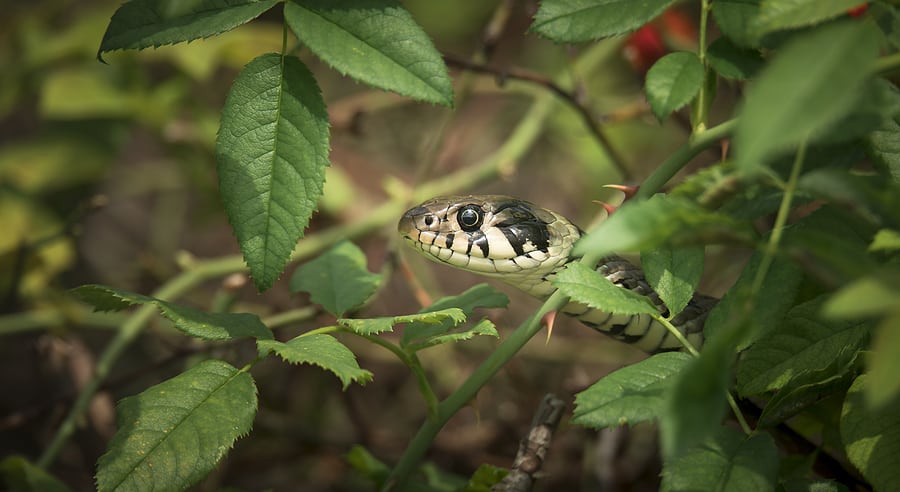
With warm weather here to stay in the South, snakes are out in full force. Spring marks the beginning of snake season as they emerge from their winter dens in search of food. While most snakes are harmless (there are only a few venomous snake species in Georgia), it can be disconcerting to come across one in your yard.
What many homeowners don’t realize is that they could be inadvertently attracting snakes to their property. Here are some of the most common things that attract snakes to your yard along with some ways to prevent them.
Food Sources
Snakes typically eat a few times per week when food sources are available. While their diet varies by species, most snakes feed on small rodents (like mice) and birds. Having an abundance of these favorite foods around your home will draw snakes to your yard.
- Inspect your yard for signs of rodents. Because they are usually not seen during the day, these pests can be present without you even realizing it. Look for holes and burrows in the ground which they use to hide from predators. Sometimes you can even find droppings in your yard. If the population is large enough, you may even see visible tracks in the grass.
- Clean up your property. Don’t leave any old food or garbage lying around rodents can use to feed on. Clean up grills regularly and keep them covered, as well.
- Keep your lawn mowed and bushes and shrubs trimmed.
- Rodents will also hide in piles of wood or in sheds/garages. Block any entrances they can use to access exterior buildings. Keep wood piles covered and elevated.
- Bring in bird feeders overnight and clean up any spilled birdseed.
- Don’t leave pet food and water out overnight.
Water Sources
Snakes need water to survive. Some species even thrive in wet environments. Common water sources include rain puddles, water features, birdbaths, pools, and ponds/lakes.
- Birdbaths not only provide a source of water but they also attract birds, another common food source for snakes. If possible, raise your birdbaths and keep them farther away from your home.
- After a rainstorm, take note of where puddles form in your yard. Use dirt or soil to fill them in or even these low lying areas out.
- Keep pools maintained with appropriate treatments and cleaning.
- Lakes and ponds house fish, frogs, and birds which are another source of food for snakes. Trim the grass and plants around any bodies of water on your property. Consider building a small fence around it that snakes cannot climb over.
Ground Cover
Snakes will seek shelter wherever they can find it. Tall grass and overgrown shrubs provide the perfect cover for snakes from predators and also allows them to camouflage themselves when sneaking up on their prey.
- Keep landscaping maintained throughout the season.
- Keep grass mowed short. The blades of your grass should be short enough that they don’t arch over. This creates a tunnel snakes can use to move through.
- Use an edger or weedwhacker to trim tall grass and weeds from fence lines, as well.
- Avoid overwatering your lawn. Not only does overwatering make the grass grow faster and need to be mowed more often, it also attracts frogs, toads, and other pests that are a good alternative food source for snakes.
- Keep shrubs and bushes trimmed so that there is no contact between the shrubs and the ground. This helps eliminate hiding spots for snakes.
Cool Environments
Snakes are coldblooded and prefer to spend most of their time when not hunting in cool, dark, humid environments. This keeps them from overheating and allows them to cool off after a hunt. Snakes can often be found hiding in wood piles, bushes, garages, and sheds.
- Try to make these common hiding places less attractive to snakes.
- Keep open spaces cleared. Clean up woodpiles, debris, rock piles, pool toys and accessories, children’s toys, etc. Snakes will look for anything that can pile up and remain undisturbed to hide out in.
- Most snake species thrive when humidity is between 40 and 50%. Consider using a dehumidifier in garages and sheds to keep humidity levels lower.
- Check your foundations and the exterior of your home/other buildings. Gaps and cracks in foundations, exterior walls, garages, and sheds provide the ideal hiding spot for snakes. Repair gaps, cracks, and holes immediately.
Most snakes aren’t harmful to humans and, in fact, can be beneficial to have around as they help keep other pest populations under control. If you have a problem with snakes, contact your local pest control company for a snake removal and prevention plan that best suits your situation.
You May Also Be Interested In:
How to Avoid Stinging Insects at Home
How Fast Do Termite Treatments Work?
What Types of Grasses Work for My Georgia Lawn?
Controlling Birds During the Summer Months
Which Pests Are Active In Your Area?
May 9, 2022 | Pest Control
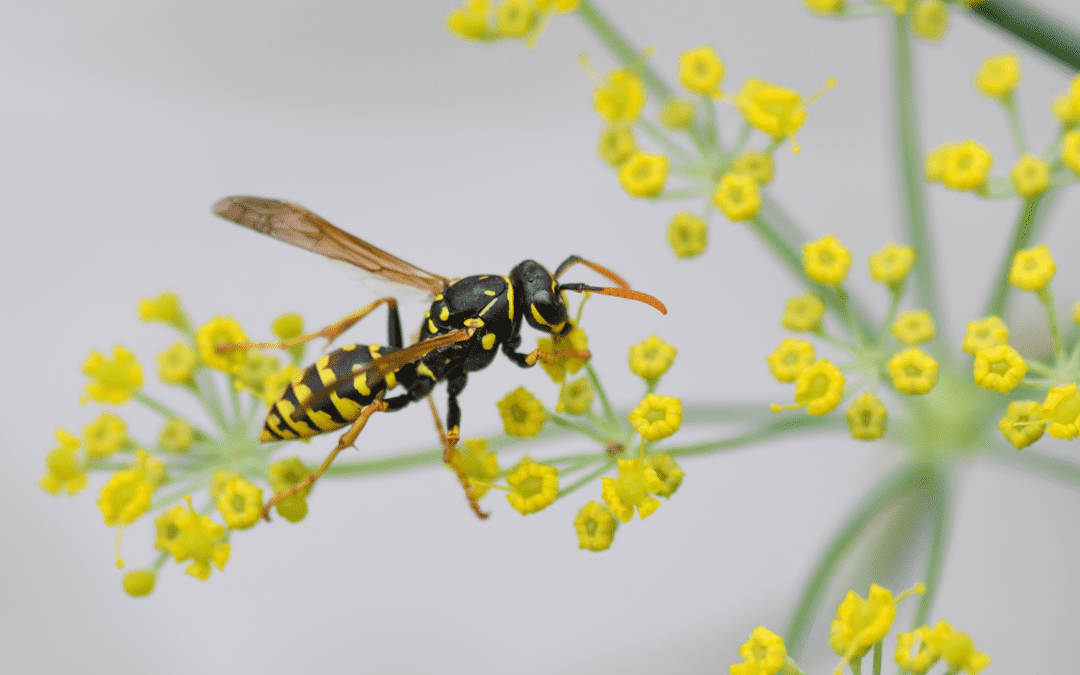
Stinging insects, such as yellowjackets, wasps, and hornets, send more than 500,000 people to the emergency room each year. With the weather warming up, these pests are looking for a food source. While you’re enjoying your backyard barbecues and relaxing by the pool, remember these tips to help keep stinging pests from ruining your outdoor fun.
Wasps
These slim-bodied insects have six legs and two wings. They are busy at work scavenging for food during the summer months. They will typically build their nests in branches, porch ceilings, and attic rafters. They are highly attracted to picnics and backyard barbecues, increasing your chance of being stung.
Yellow Jackets
These social insects are found anywhere with human activity. They feed on sweets and proteins, often invading outdoor events. They have a non-fuzzy black and yellow striped body and measure less than an inch long. Sometimes they build their nests in high places, like the side of a building. Most of the time, yellow jackets’ nests are built in or near the ground, including shrubs, timber, and logs.
Hornets
These insects typically prefer a forested environment and are known to build nests in hollow trees or walls of houses and attics. They are attracted to light and will try to fly into your windows at night if a light is on. They are generally non-aggressive near their nests, but if they feel threatened, they will potentially sting.
Stinging Insect Prevention:
- Avoid wearing strong fragrances and opt for an unscented sunscreen
- Keep outside food covered and sealed tightly
- Stick to darker colors since florals and bright-colored clothing tend to attract these pests
- Seal cracks and crevices on the outside of your home to prevent these insects from building a nest inside
- Remain calm if you find yourself near one of these pests to avoid an aggressive attack
If the stinging insect problem is bigger than you can handle, then calling your local pest control company might be the next step in prevention.
Apr 28, 2022 | Pest Control
Spring marks the beginning of the season for many common household pests. Mice, ants, wasps, roaches, bed bugs, and more increase their activity when the weather warms up. While a pest sneaking into your home here and there is normal, how do you know when it’s time to call in the professionals? Here are 5 signs it may be time to call an exterminator.
The Problem is Intensifying
A random pest sighting here and there in your home is normal. They can sneak in through open doors and windows or through the tiniest gaps and holes in the exterior of your home. They can also hitch a ride on luggage or boxes that are brought in from outside. There is a difference, however, between an occasional sighting and a daily presence. Seeing 2 to 3 ants in your kitchen once isn’t a big deal; seeing a trail of hundreds of ants going from the wall to the pantry is. Seeing one mouse outside in your yard isn’t a big deal; seeing multiple in your home, trapping several, or seeing the presence of droppings is. If the pest problem is escalating, it may be time for an exterminator.
Your Best Efforts Aren’t Working
Once you identify the pest problem, the next step is to try and get rid of them. Many homeowners prefer to try DIY pest control methods first before calling in a pro. If you continue to have a problem with pests despite your best efforts, it may be time to call an exterminator.
Concern for Safety
Pests can pose serious health risks to your family, your pets, and even your home. Termites can cause structural damage that can compromise the integrity of your house. Rodents are known to chew through electrical wires putting you at risk for a fire. Rodent feces contains harmful pathogens that can make your family sick. Cockroaches are known to trigger allergies and asthma. Some homeowners aren’t comfortable using DIY methods or have concerns about using over-the-counter chemicals around their children or pets. For these reasons, it may be time to call an exterminator.
The Problem Requires an Expert
Some pests are nearly impossible to eradicate on your own or require professionals to get rid of them. Bees are protected and must be relocated appropriately. Some bird species are protected, as well, and bird nest removal must be handled professionally. Roaches, termites, and bed bugs can be extremely difficult to eradicate on your own. If you have an issue with any of these pests, it may be time to call an exterminator.
The Signs Are There
When the signs of an infestation become too big to ignore, it may be time to call in a professional. Some common signs of pests in your home include:
- Unusual noises (scratching, flapping, whining, gnawing), especially at night.
- Gnaw or scratch marks on wood, wires, or fabric.
- Feces or urine present in the home.
- Dead pests.
- Live pests.
- Unusual or musty smells.
- The presence of nests.
- Pets start behaving oddly, especially at night.
If you have a problem with any kind of pest, contact a professional pest control company for an inspection to help identify what kind of pest you are dealing with, how they are getting in, and how to get rid of them quickly and safely.
You May Also Be Interested In:
The Return of Mosquitoes
Flowers and Plants That Attract Honeybees
Spider Control for Spring
DIY vs Professional Pest Control
Does Hot Weather Bring Out Cockroaches?
Apr 19, 2022 | Pest Control
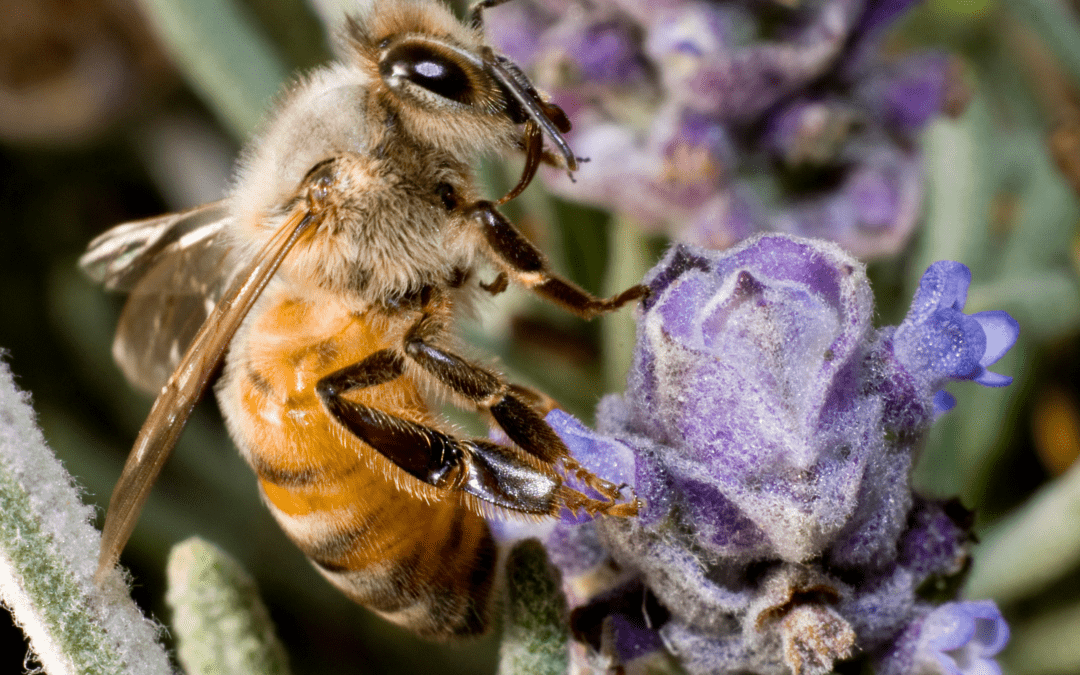
When you’re planning and planting your garden this year, every homeowner should consider adding some plants that attract honeybees to your yard. Allowing honeybees to enter your yard can help assist them with the very important job they have – pollinating. Honeybees alone can pollinate up to 80 percent of all flowering plants, including fruits and vegetables. It’s vital to give them the space they need to complete this task.
Honeybees have incredible ultraviolet vision. They are unable to see the color red but can see colors that are on the ultraviolet spectrum. They can also use odor cues to locate flowers nearby. Many flowers attract bees, including bee balm, echinacea, snapdragon, hostas, and evening primrose. Continue reading to discover which flowers you should plant in your garden next.
- Bee Balm: This fragrant foliage is also known as wild bergamot and will attract these little pollinators to your yard. Keep these planted in a sunny spot for spring and summer blooms.
- Marigold: These golden flowers are typically planted alongside food-producing plants to keep unwanted pests away, but they still attract honeybees to the area. This will help aid in the growth of your other plants.
- Mint: This is a great herb that any gardener should keep in their garden, but it is also a good attractant for honeybees. Don’t forget to place this herb in a pot by itself, as it is known to choke nearby plants.
- Pansy: These year-round flowering plants love the cool weather, so it’s best to plant them in early fall and spring. They are great for an added touch of color and keep the bees happy.
- Lavender: Bees love this fragrant plant and will make a beeline for it. Lavender also provides many other benefits for your health and can be used in many recipes.
- Sunflower: These flowers are best planted in the spring for summer blooms. They can be placed in the back of the garden or dispersed throughout, but they supply a great place for honeybees to work.
These are just a few of the flowers that attract honeybees to your garden to help elevate pollinating. Making sure honeybees have a place to work is important for all humans and the environment. Even planting just one of these plants in your yard is enough to assist the bees.
If you notice a bee colony is nearby and needs to be moved to a safer location, then reach out to your local pest control company that can provide a safe bee relocation.
Apr 19, 2022 | Pest Control
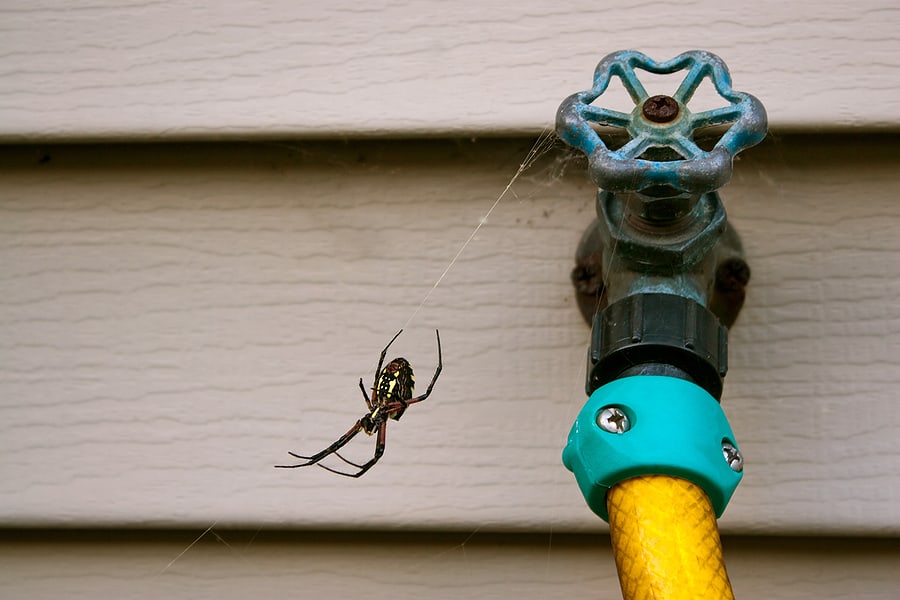
Although spiders are considered a year-round pest, they become more visible and active in the spring. Overwintering pests like spiders emerge as the weather warms up to lay eggs for the approaching season. Spiders are predators, preying on smaller insects for food. They are usually not a huge threat to humans with only a few venomous species in our area. In fact, they can be quite beneficial to have around your home, working as a form of natural pest control by eating other insects you may have around.
If the thought of sharing your home with spiders creeps you out, don’t fret! Here are some spider prevention tips you can use this spring to help keep these pests out.
- Keep your outdoor lights off at night. Many bugs are attracted to light at night, providing a feast for spiders who are hanging around.
- Keep vegetation trimmed and your lawn mowed. Overgrown bushes, grass, and other debris give spiders the ideal place to hide.
- Don’t stack wood or install mulch to close to the sides of your home. Spiders will not only hide out in these places but will also use them as a bridge to crawl into your house.
- Make sure trees, shrubs, and other landscaping aren’t touching your home. Spiders will also use these to get indoors.
- Clean up food and crumbs immediately, both indoors and outdoors.
- Get rid of stacks of old newspapers, magazines, etc.
- Dust frequently and vacuum weekly.
- Make sure windows and door screens are intact. Spiders will use holes and tears to get inside.
- Get rid of cobwebs both indoors and outdoors. Spiders will use these to store food once they catch their prey.
- Apply diatomaceous earth to your yard. This is a nontoxic option for outdoor pest control that is harmless to humans.
- Consider natural remedies to prevent spiders. Some common methods include the use of mint, citrus, and vinegar.
- Contact a professional. Spiders can be difficult to get rid of on your own. A professional pest control company can help identify the type of spider you are dealing with; where they may be hiding, nesting, or getting inside; and the most effective way to treat them in your home.
You May Also Be Interested In:
4 Types of Termite Control
Protecting Your Pets from Fleas and Ticks
What Happens During the Bee Relocation Process?
When Should Mosquito Treatments Start?
Millipede vs Centipede – Which Is More Dangerous?
Apr 13, 2022 | Pest Control
With the arrival of warmer weather, most of us will be spending more time outside with our pets. But while we enjoy being outdoors more, it can expose us and our pets to certain pests, such as fleas and ticks. These parasitic insects carry many diseases, including Lyme disease, anaplasmosis, and ehrlichiosis.
Fleas and ticks can be difficult to keep at bay, often taking weeks to control. There are many ways to protect you and your pets from these pests; continue reading to find out how.
Year-Round Preventative
While fleas and ticks are more common in the summer months, this doesn’t mean they are completely gone. Some tend to survive the winter months indoors, causing havoc year-round. To prevent your pets from being exposed throughout the year, check with your veterinarian to see the best treatment methods for them. Always properly administer and check the expiration date on any treatments given to your pets.
Check your Pets Regularly
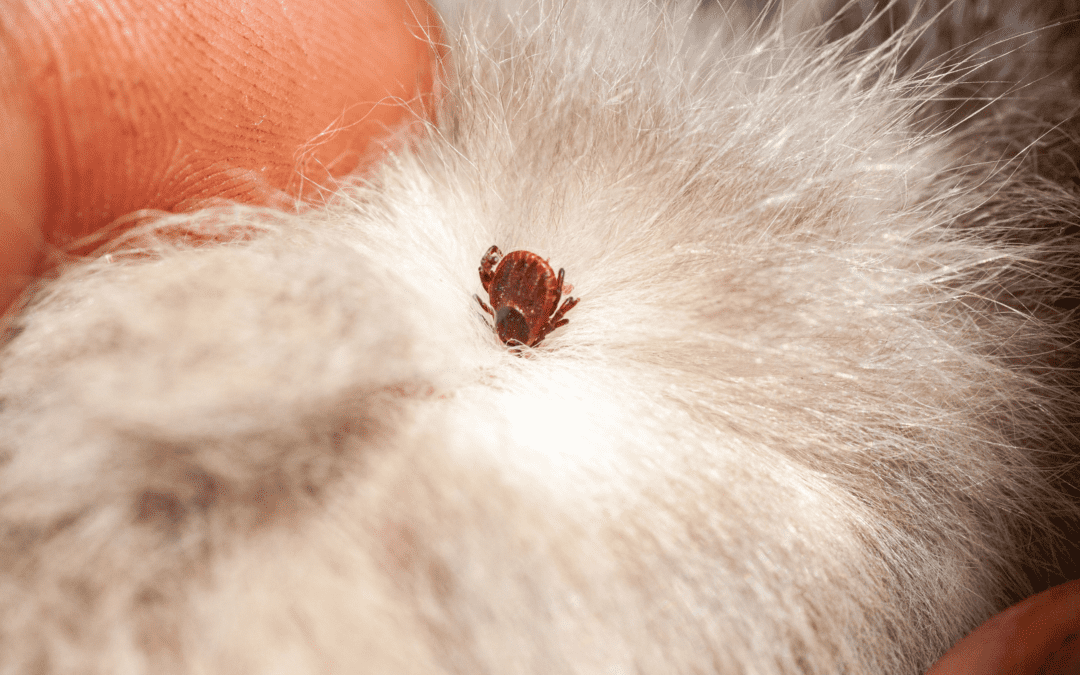
If your pet frequents the outdoors, inspecting them before returning indoors will help keep the fleas and ticks away. Ticks like to find warm spots, so checking your pet’s ears, skin, and under armpits are the best places to search. Remove any ticks you might find and reach out to your vet if your pet has been bitten.
Clean-Up Weekly
Cleaning up your pet’s sleep area at least once a week is a good way to deter or get rid of any pests that have shown up. Get a dog/cat bed that is washable and wipe down their areas frequently. Vacuuming often is also a good way to keep fleas away.
Fleas are known to live in carpets, rugs, and pet bedding. They also avoid high traffic areas, so don’t miss vacuuming near baseboards, under furniture, under cushions, and anywhere your pets sleep or spend significant time.
Keep Your Yard Clean and Don’t Attract Wildlife
Fleas prefer warm, moist, shady areas, while ticks like to hide in tall grass. Mowing your lawn regularly and keeping shrubs trimmed back will give them fewer places to hide in your yard.
Attracting wildlife will surely bring more ticks and fleas into your yard. Try not to leave food and water bowls outside overnight. Keep pet food sealed in containers, use trash cans with locking lids, and seal crawlspaces, garages, sheds, and decks.
If you have taken these preventative measures but are still experiencing a tick and flea problem, it might be time to reach out to your local pest control company for further assistance.