Jul 5, 2022 | Pest Control
With summer finally here, it’s the perfect time to clean out old food in your pantry and prepare for the end of the year. Now is the perfect time to refresh the baking supplies and replace any snack bags that have been open for a while.
Pantry pests don’t cause structural damage to your home and don’t pose much of a threat to people or pets, but they can penetrate through plastic and cardboard, leaving food in your pantry vulnerable. Once a food source is affected, these pests can multiply quickly and can spread to other food items.
Do I have Pantry Pests?
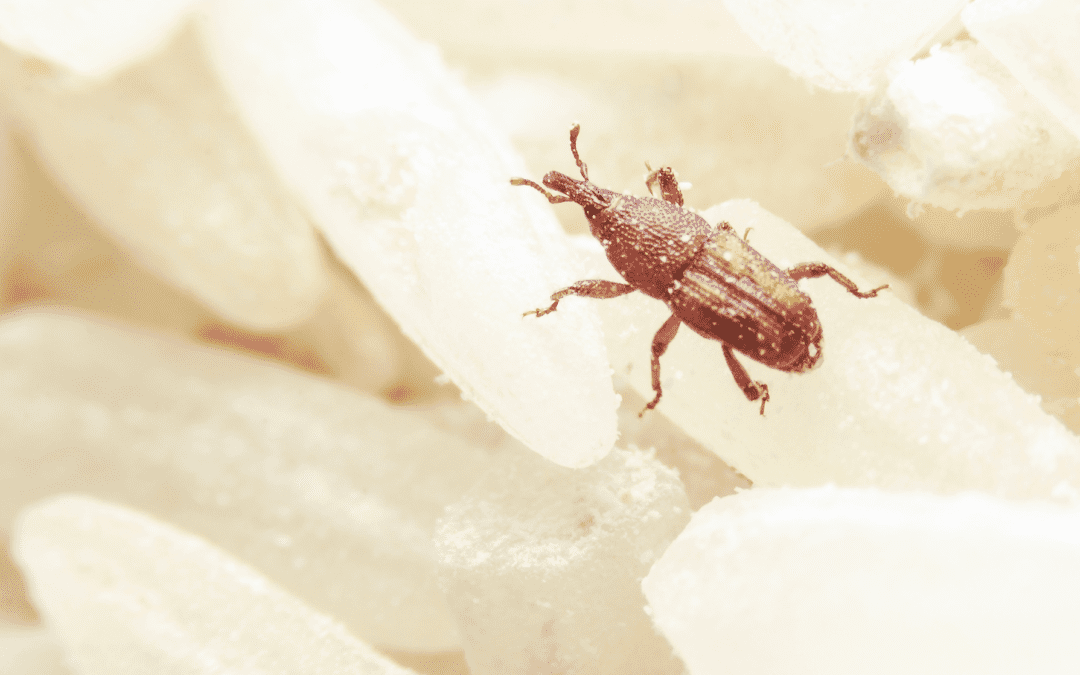
A good way to determine if you have pantry pests is if you notice beetle-like pests near food sources or moths flying around the kitchen. If you suspect you have pantry pests, inspect your dry food immediately, throw out anything infested, and do a thorough cleaning throughout the area.
How to Prevent Pantry Pests
- Buy dried foods in quantities that can be used up in 2 to 4 months.
- Use up your older products before your newer ones.
- Properly store food items, including pet food, in tightly sealed containers, preferably with plastic or glass.
- Wipe down shelves and floors regularly.
- Thoroughly clean cracks and corners of cupboards and doors with a vacuum cleaner.
- Inspect all packages before buying them or bringing them home.
If you suspect your kitchen has been invaded by pantry pests and need assistance with the problem, reach out to your local pest control company. A pest professional can assist with locating, eliminating, and providing suggestions for future pest prevention.

Jul 5, 2022 | Pest Control
We all know how long the summer heat stays with us here in the south, allowing us to enjoy our patios for an extended period. Whether you’re relaxing with a refreshing drink, barbecuing with friends, or playing water games with the kids, our exterior spaces get a lot of use this time of year.
Unfortunately, we aren’t the only ones enjoying the outside world. The major drawback is pests. From wasps to mosquitoes to ants, they’re everywhere. Fortunately, there are ways to deter these summer pests and allow you to enjoy the summer outdoors.
Get Rid of Standing Water
A known breeding ground for female mosquitoes is standing water. Check around your home for any places that could house water. Bird baths should be changed daily, remove old flowerpots, and ensure A/C drip pans are draining properly.
Add a Patio Fan
Keep cooled off and keep mosquitoes and flies away by utilizing an outdoor fan. Neither of these pests are strong enough fliers to withstand the strong winds from fans, so it will keep them from bothering you while relaxing.
Utilizing Patio Plants
Placing certain plants around your patio to repel insects is a natural deterrent. They can also make your outdoor space cozier and more beautiful. Some known flowers that are said to keep pests away are chrysanthemums, marigolds, and rosemary.
Keep Your Yard Tidy
A clean and well-manicured lawn goes a long way in deterring summer pests. Keeping your grass short makes it more difficult for pests, including ticks, to make a home. Also, keeping tree limbs and bushes trimmed away from your home can help keep access points out of reach for pests to come inside.
These tips may help keep pests away; however, if you do suspect a major problem or infestation, it’s best to contact your local pest control company for extra help. The pest professionals can provide you with the best treatment methods to protect your property.
Jul 5, 2022 | Pest Control
Packing is typically the most dreaded part when it comes to moving. Some popular pests that can be present at your current or new home include roaches, bed bugs, and fleas. It’s important to know how to avoid them when you’re moving out or in. Whether it’s a cockroach sneaking into your home, a bed bug hitchhiking from a recent hotel stay, or fleas leftover at your new home, we can help!
Discover how to avoid each pest and get rid of these unwanted roommates!
Cockroaches
Cockroaches can be difficult to get rid of, so being adept at keeping them away is key. To prevent these nasty pests in your new home, thoroughly inspect all boxes before packing away your belongings. Once moved into your new home check the perimeter of your new house for small cracks and crevices and seal them off with caulk to keep the roaches from being able to enter.
Bed Bugs
Bed bugs are the type of pest that warrant a call to a pest control company. These invasive pests can be difficult to remove yourself, and you don’t want to wait for the removal process to start. If you need to stay in a hotel while moving be sure to inspect any furniture or bedding you sleep on or bring into your home. This means checking the bed frame, mattress, and even headboard for bed bugs or the telltale brownish-red spots they leave behind.
Fleas
Fleas are normally looked at as a pet-based pest, but they can lay their eggs on the carpet and can remain dormant before you realize it’s too late. Consider your vet’s recommendation for flea control medication for your pet. At home, look to keep your carpet vacuumed regularly. If you see a flea, the best plan of action is to act immediately!
Remember these tips when it’s time to make the big move. If the problem becomes more than you can handle, be sure to reach out to your local pest control company to learn the best option in getting your new home back from these nasty roommates.
Jun 30, 2022 | Florida Pest Control, Pest Control
South Florida Pest Control: Fig Whiteflies
While fig whiteflies are relatively new to the South Florida area, they have noticeably begun to create severe damage to the plants around us. While these whiteflies are not harmful to humans, they can destroy our favorite tropical plants in our yard. Learn more about the whitefly and how you can prevent them from destroying your plants!
What is a Fig Whitefly?
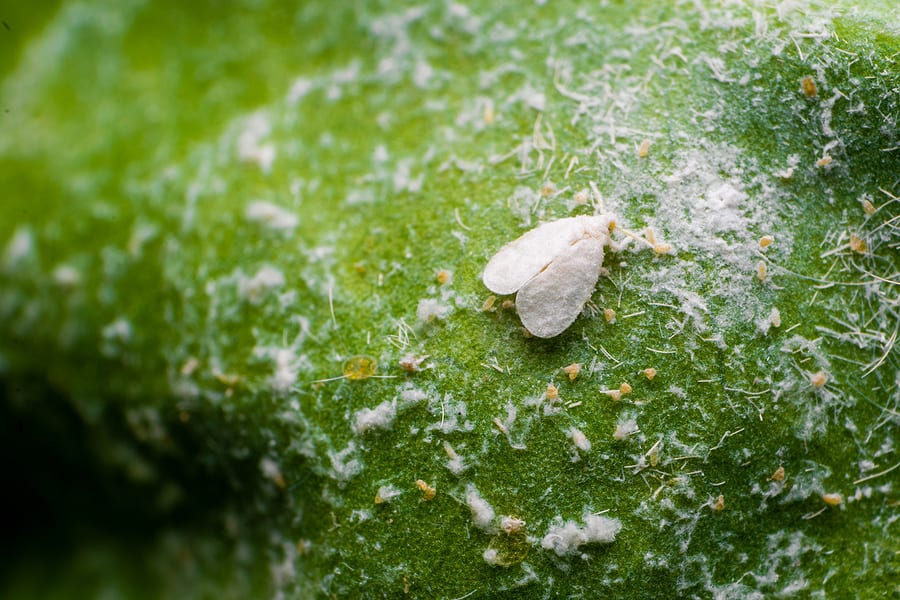
The Ficus whitefly their biology is still being studied by experts. What is certain about these pests is that they have an attraction to certain plants and their leaves. These pests will lay their eggs on the underside of leaves, hatching into a crawler stage. Once hatched, these crawlers will begin to feed on the leaves. As they feed, they emerge into adults and remain on the leaf. When these pests eat the leaves, they injure the host plant by drinking their juices, causing wilting, yellowing, and stunting. Whiteflies can affect a variety of plants such as Palm trees, mango trees, live oaks, Ficus trees, and more.
What Are the Signs of Fig Whiteflies?
Noticeable signs that whiteflies have infested are a buildup of white, waxy substance on the underside of leaves. This substance can weaken the plants and eventually turn into black mold. Another common sign of an infestation is noticing that the plant leaves are gone or have become yellow. You can also look underneath the infested leaves for small, silver, or white spots dotted throughout.
While these pests can affect plants, they can also clog pools and leave their excrement on cars and outdoor patio furniture.
How Can I Prevent Fig Whiteflies?
The best plan of action to prevent these pests is to closely monitor your plants for early signs of an infestation to get ahead of the damage. If you notice infested plants, trees, or hedges, look to trim them immediately. After trimming, bag the leaves to reduce the chance of spreading the whitefly.
If you feel whiteflies have taken over your property, consider reaching out to your local South Florida pest control provider, who can provide you with the best treatment plan to help prevent and eliminate these pests.
Jun 29, 2022 | Florida Pest Control, Going Green, Pest Control
South Florida Pest Control
There are several methods that homeowners might choose to reduce and eliminate pests, including traditional pest control and green pest control. Whichever method you choose for your Florida home or property, it’s important to know the difference between each.
Traditional Pest Control
Traditional pest control can provide similar benefits as green pest control, but instead of utilizing natural elements, it tends to have synthetic chemicals to eliminate and control pests. While the chemicals are used sparingly, there is enough used to target a pest issue.
Green Pest Control
Green Pest Control is a great alternative to traditional pest control, utilizing more natural ingredients within their pest control efforts, such as flowers and plants, rather than harsh chemicals. Green pest control focuses on eliminating household pests while maintaining the lowest environmental impact possible.
Pests can bring health risks to your family and harm the structural integrity of your home. Whether you choose green or traditional pest control, it’s the right choice for your home and family. If you’re interested in either of these options, contact your local pest control company in South Florida for more details and a free pest control estimate!
Jun 23, 2022 | Pest Control
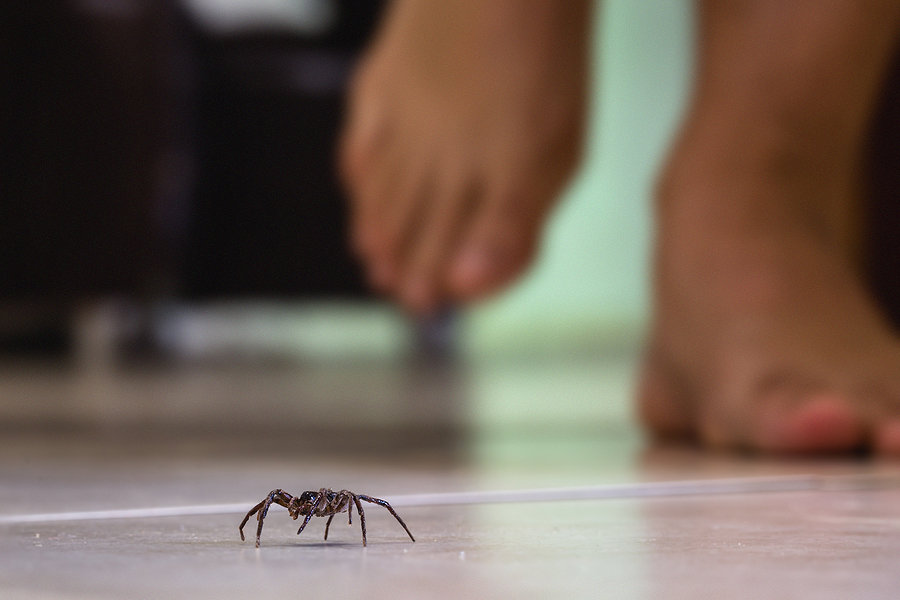
Spiders are considered year-round pests, but they seem to come out in full force during the summer months. Some common spiders you may encounter this summer include wolf spiders, orb weavers, garden spiders, house spiders, brown recluse spiders, and black widow spiders. While most of these are harmless, brown recluses and black widows can be dangerous to humans with their venomous bites.
The spiders you see in the summer most likely aren’t just now making their way into your home; there’s a good chance they’ve already been hiding out inside for a while. They will commonly emerge in large numbers in the summer for two main reasons:
- It’s mating season for male spiders
- It’s peak season for most of their food sources (mosquitoes, flies, ants)
Seeing a spider here and there inside your home is usually nothing to worry about; they can sneak in through open windows, doors, etc. Seeing them in large numbers, however, can indicate a much bigger problem. Spider infestations can be the result of:
- Weather. Summer weather is ideal for spiders with warm temperatures, adequate shelter, etc. If the weather gets too hot, spiders will seek relief, often inside your home. The same thing applies if the summer is overly dry or overly wet. Your home provides the perfect place to hide out until conditions outdoors improve.
- Food. If food sources outdoors become scarce (due to weather or consistent pest control around your home), spiders may make their way indoors on their search for nutrition. Conversely, if you have an infestation of other household pests that spiders like to eat, they will also come inside to take advantage of the all-you-can-eat buffet.
- Water. Spiders must have water to survive. If outdoor water sources dry up (due to drought, etc.), they will go in search of hydration indoors.
Having a spider infestation in your home can leave you with webs everywhere, the risk of spider bites that can be painful and potentially dangerous, and the possibility of other pest infestations, as well. You can keep spiders out by:
- Eliminating Entry Points. Spiders can access your home through the smallest cracks and crevices. Use weatherstripping around doors and windows and make sure it is kept in good repair. Caulk or seal any gaps, holes, and openings. Use screens on doors and windows and make sure they stay in good repair, as well.
- Eliminating Hiding Places. Spiders prefer dark, undisturbed places to hide out (corners, cabinets, closets, storage containers, piles of paper or cardboard, and cluttered areas). Declutter your home and get rid of any old papers, magazines, newspapers, and boxes. Shake out anything you haven’t used in a while before using it. Vacuum and dust regularly, especially rooms and areas that you don’t use often. Outside, trim overgrown bushes, hedges, and trees. Keep grass mowed short and mow regularly. Get rid of trash and debris in your yard that spiders can use for shelter. Store firewood and lumber away from your home.
- Eliminating Food Sources. Spiders eat other pests. Maintain routine pest control in and around your home with a professional pest control company. Eliminating other pests mean spiders will look for food elsewhere.
If you have a problem with spiders, contact your local pest control company for a thorough inspection and treatment plan.
You May Also Be Interested In:
Keep Cool This Summer
What Are Red Bugs?
Controlling Birds During the Summer Months
Summer Wildlife Removal: Common Home Invaders
Don’t Let The Bed Bugs Bite!
Jun 23, 2022 | Florida Pest Control, Pest Control
South Florida Pest Control
Florida summers can bring fun activities like lounging by the pool, sitting by the beach, hiking new trails, or spending time in your yard. Unfortunately, with summer comes a host of pests ready to ruin your outdoor plans. Now is the perfect time to look for summer pest signs and start your prevention! Check out three signs that you have a summer pest infestation.
Finding Entry Points
When looking for a pest infestation, the first thing a homeowner should check for is entry points leading into the home. Pests such as ants, cockroaches, house mice, spiders, and more can enter through these openings. Once these pests get inside the home, they can infest anywhere, making it difficult to find them. Check throughout the exterior of your home to find any entry points. If found, this is a good indication that pests have probably already infested. These entry points can include openings in the siding, gaps leading into the attic, or simply leaving your garage open throughout the day.
Hearing Unusual Sounds
Have you ever woken to scratches or taps coming from your walls? While terrifying, this is an indication of pests such as rats, mice, and even termites! Depending on the pest, the sound heard could vary. Rats or mice will usually scratch or scurry in the walls, while termites tend to make a tapping noise. You might even hear birds or bats flapping above you in the attic. Whichever sound you hear, it’s best to get your home inspected by your local South Florida pest control company as soon as possible.
Noticing Structural Changes
Unfortunately, sometimes pests can cause severe and lasting damage to our homes. Pests such as termites, carpenter ants, and carpenter bees can burrow deep into the wood of your home, creating holes and damage. Inspect the interior and exterior of the home for soft flooring, peeling paint, or holes. These pests can cause damage quickly, so it’s best to get rid of them as soon as possible.
If you notice these pest signs above, an exterminator can conduct an inspection to determine the type of pest, and entry points, remove active pests and provide a pest preventative treatment plan. Request a free inspection now, or click on a location near you below.
Jun 16, 2022 | Pest Control
If you live in the south, chances are you’ve been bitten by a bug you can’t even see, leaving you with an itchy, red rash. Chiggers, AKA red bugs, are known scientifically as trombiculid mites. These pests aren’t even technically bugs – they’re actually arachnids and related to spiders and ticks.
Chiggers are found in every country around the world. They prefer environments that are moist and grassy, such as fields, forests, berry patches, and lawns. They are tiny and can usually only be seen with a microscope. Adults are 1/60″ in length and have 8 legs. Larvae are smaller, usually less than 1/50″ and are wingless and red with 6 legs. The larvae will turn yellow after eating. Chiggers are common in late spring, summer, and early fall. They are active when temperatures are between 77 and 86 degrees Fahrenheit and will die off when temperatures drop below 42.
Adult chiggers don’t bite. The larvae will hatch and then clump together on leaves and grass. As you walk through these areas, they attach to you. They then crawl around until they find bare skin and use their claws to make tiny holes in your skin. They inject saliva into the hole that turns your skin cells into mush which they then eat, leaving you with an itchy, red rash. They can bite anywhere on your body but will typically cluster around legs or waists.
Chiggers don’t spread disease to humans but scratching the rash can lead to infection.
Because they’re so hard to see, it can be difficult to even realize you have a problem with them until after you’ve already been bitten. Prevent chigger bites by:
- Use insect repellent that contains DEET or wear clothing that has been treated with permethrin. Be especially vigilant to apply around cuffs, necklines, and the tops of socks.
- Use natural remedies to get rid of them, including oils made of citronella, tea tree, jojoba, eucalyptus, geranium, and lemon grass.
- Wear long sleeved shirts and long pants tucked into socks.
- Walk in the center of trails rather than along the sides.
- Shower as soon as you return indoors from outside.
- Wash clothes in hot water and dry on high heat.
If you have a problem with chiggers or any other pests this summer, contact your local pest control company for an inspection and appropriate treatment plan.
You May Also Be Interested In:
How to Care for Your Crawlspace
Signs of A Centipede Infestation
Termite Control Tips for Summer
Why Do Mosquitoes Bite?
DIY Pest Control Tips for Household Pests
Jun 8, 2022 | Pest Control
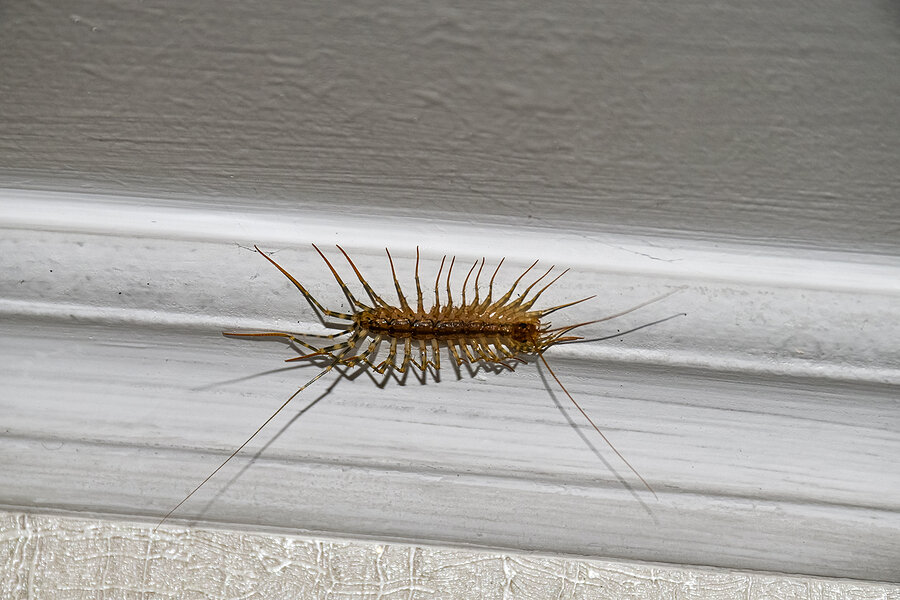
While centipedes can be unsettling to find in your home, they aren’t actually harmful to humans and can be quite beneficial to have around. Centipedes will eat almost any other kind of bug (even other centipedes!) and can help keep other pest populations down. While they can bite humans, these instances are rare. They also don’t cause damage to your home. How do you know if you’re just seeing a random bug or if you’re dealing with a full-fledged infestation? Here are some common signs of a centipede infestation.
Seeing Centipedes Inside
The most common sign of a centipede infestation is seeing them in your home. Centipedes are yellow to dark brown with elongated bodies, about 1″ to 1-1/2″ in length. They also have dark stripes running down their backs. They can have up to 15 pairs of legs extending from their bodies with their hind legs longer than the other legs (often mistaken for antennae). Centipedes are usually seen at night and are commonly found near damp areas of your home.
Seeing Other Pests Inside
Centipedes will eat other bugs like ants, roaches, spiders, bed bugs, and silverfish. As the populations of these other pests increase in and around your home, so will centipedes looking for a meal. On the flip side, seeing an increased number of centipedes in your home could also indicate you have a problem with other pests, as well.
Time of the Year
Centipede infestations are more common in spring and fall than they are in summer and winter. Spring is the time of year when centipede eggs hatch. Any overwintering pests that have laid eggs inside your home will emerge in abundance when the weather warms up. Centipedes also become more prevalent in the fall when temperatures start dropping. They can’t survive temps below freezing so they will make their way indoors looking for warmth and shelter during the winter. They are especially attracted to moisture and will often be found in basements and bathrooms.
Centipedes can get into your home through cracks in the exterior or in foundations. Once inside, they’ll then hide out in dark damp places, such as drains, cracks, crevices, bathtubs, and sinks.
Getting rid of centipedes can be a challenge. If you have a problem with centipedes in your home, try:
- Using traps. Sticky traps work best and can be bought at your local hardware store.
- Drying out your home. Centipedes are attracted to moisture. Repair any leaks immediately. Use a dehumidifier when possible.
- Sealing cracks and crevices. Centipedes love to sneak in through small cracks and crevices. Seal or repair these as soon as possible. Use weatherstripping around doors and windows. Use window and door screens when possible, also.
- Pest Control. Because centipedes feed on other pests, consider routine pest control to help keep all of these nuisance pests away from your home. Contact your local pest control company for an evaluation and recommendations.
You May Also Be Interested In:
Termite Control Tips for Summer
Why Do I Have Ants in My Kitchen?
Is Green Mosquito Control Safe?
7 Signs You Have Cockroaches
Keeping Cool for the Summer