Jan 14, 2021 | Termite Control
Termites are one of the most feared and difficult pests to get rid of. Every homeowner is weary of having termites as they can destroy your home from the ground up; but as the colder weather continues, many wonder if termites are even active right now?
Unfortunately for many homeowners, termites are out right now, with some termite species active year-round! This means that even on the coldest day termites are active. Fortunately, during colder weather termites do tend to go deeper into the ground to find warmth. If they’ve already infested your home, however, they will continue their activity. Termites will search for food throughout your house with the potential of significant damage, costing thousands of dollars in repairs. It’s extremely important to understand and recognize the signs of termites to catch them early.
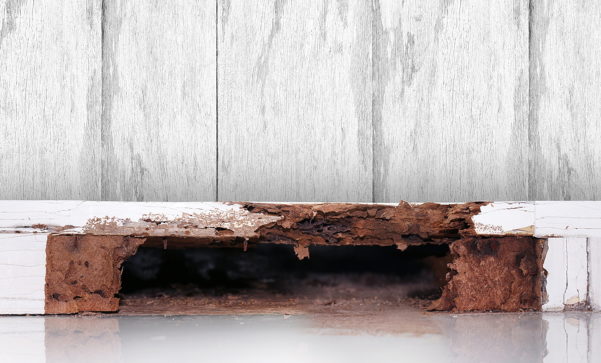
One sign of termite activity is crumbling wood. Crumbling wood is a major indicator that these pests are infesting your property. Termites will eat wood from the inside out, so if the wood in your house sounds hollow when tapped on, you could have termites. Likewise, seeing uneven or bubbling paint is a sign of moisture build-up. This means the potential for two scenarios: water damage, which can attract termites; or existing termites inside your home. An obvious sign that termites are roaming is the presence of discarded wings inside your house. You can often find these near windowsills and doors.
Termite-proofing your house or property now can help prevent termites in the future. Take precautions with these tips:
- Ensure that all water and gas lines are sealed.
- Fix any leaky faucets or appliances and get rid of any standing water.
- Try to eliminate any cellulose material as this is a termite’s primary food source.
If you suspect you have termites or are just ready to get prepared this year, reach out to your local pest control company who can set you up with a prevention and termite treatment plan.

Jul 8, 2020 | Termite Control
Termites are known to cause significant and expensive home and property damage each year. These pests can easily go undetected for a long period of time and, in return, cause substantial damage to your property. Dealing with termites can be a huge undertaking and while you should always reach out to a professional if you have been infested with them, you can take steps to help prevent an invasion.
Keep Dry!
Subterranean termites need an abundant amount of water to survive. These pests will seek out moist and wet areas in or around your home for a new colony site. It’s extremely important to check for any leaky faucets, pipes, and appliances inside your home. Additionally, storm drains should be directed away from your house and draining at least a few feet from your home’s foundation. Making sure there is no available moisture is an easy way to prevent a termite infestation and subsequent damage.
Beware the Mulch!
Mulch can be a great tool to landscape your yard, but not many know that it can attract termites right into your home! Mulch, which is comprised of wood chips, can retain moisture, making it a perfect food source for termites. If you do decide to use mulch, try to keep at least a 4-inch barrier between the mulch and the side of your home. Along with mulch, try to keep shrubbery, lumber, and wood away from the foundation of the house.
Inspect It!
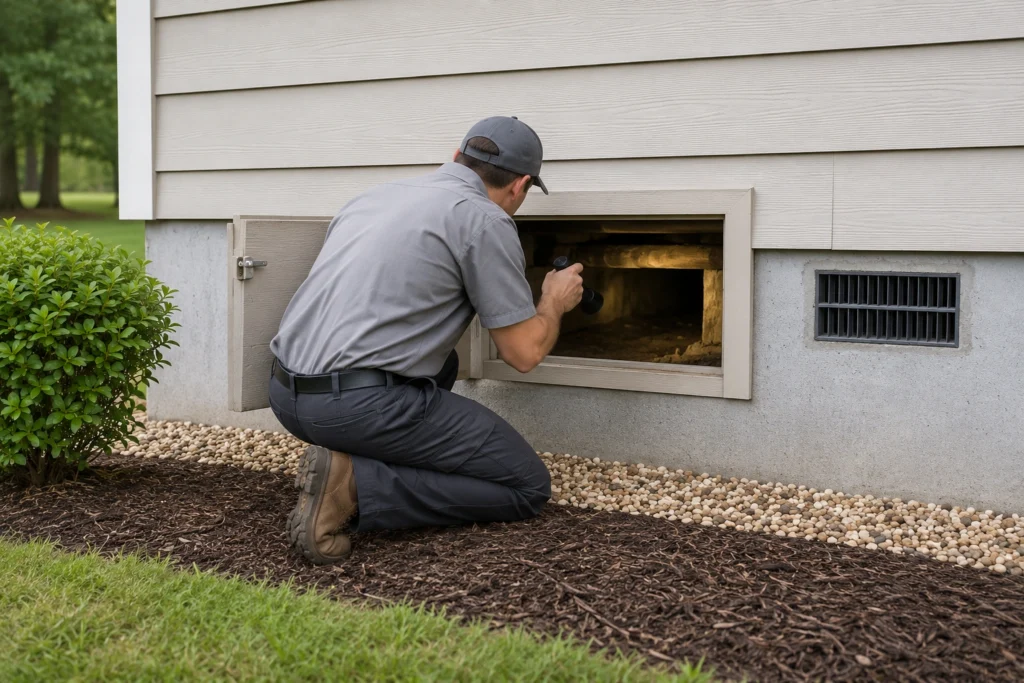
Inspecting your own home is probably the easiest way to prevent termites. Since termites like to consume wood, check for wood damage throughout your home. When wood is damaged it will make a hollow or papery sound when tapped on. Periodically check the exterior of the home. Maintaining your home’s wood siding and window frames help prevent termites from sneaking in. Some signs you have termites are blistering sheetrock, mud tunnels, cracks in the foundation, and discarded termite wings.
If you’ve determined that termites have infested your home, it’s best to call a professional. A local pest control company can provide you with an inspection and the best plan of action for termite control.
Jun 12, 2020 | Termite Control
Swarming termites are also known as alates. Swarming termites are usually a seasonal nuisance as they cannot bite, sting, or even chew wood. While they don’t usually cause damage themselves, they do, however, indicate that there is an established colony nearby. These seasoned termites are capable of causing extensive damage to your home.
When dealing with swarming termites there are three important questions to ask: When do they swarm? Where do they swarm? Why do they swarm?
When Do They Swarm?
Termite swarming season varies by species. Subterranean termites swarm during daylight hours in the spring. Drywood termites swarm in late summer to early fall. Dampwood termites swarm in the summer. Most species of termites have specific conditions they wait for in order to start swarming. They usually wait for the day after a rainstorm, overcast weather, and wind speeds less than 6 mph.
Where Do They Swarm?
Swarming termites are found anywhere termites colonize. Termites can swarm indoors or outdoors, although they cannot survive indoors as there is no soil for them to create their colonies in. Swarming termites are attracted to light and are often found near windows and light fixtures. As termites get ready to swarm, they prepare a swarm tube which they use to launch. When the conditions are right, they use the tube to swarm. After a brief flight which lasts for only a few seconds, they land and break their wings away from their bodies. They then pair with a mate. Those pairs that survive then create a chamber underground that they use to breed and the new colony is formed. Swarm launches are usually spread out over a few days with a large release on the first day and smaller launches on subsequent days.
Why Do They Swarm?
The sole purpose of termite swarms is reproduction and expansion of the colony. The original termite colony reaches capacity and needs to expand. This is usually done once per year, hence termite swarming season. Both males and females swarm at this time. The number of termites that swarms each season varies depending on the size of the colony and the species of the termite.
Because a termite swarm indicates a nearby colony, homeowners should take precaution when one is spotted nearby. A thorough inspection of your home and property should be performed looking for signs of termites. This is also a good time to set up your annual termite inspection if you haven’t already. If you suspect you have a termite infestation, contact a professional pest control company who can inspect your property and set up a termite control plan.
You May Also Be Interested In:
Venomous Summer Snakes
7 Things You Didn’t Know About Cockroaches
How Much Does A Mosquito Treatment Cost?
Common Spiders: Poisonous or Painful?
5 Ways to Prevent a Millipede Invasion
Apr 3, 2020 | Termite Control
A home is one of the biggest investments one can make and termite damage can be one of the most costly. Termites can colonize your home and cause significant destruction undetected over a long period of time. This can cost a homeowner thousands of dollars in treatment and repairs.
Termites will colonize near readily available food sources, typically soft or rotting wood. They will seek out these moist areas in and around your home in search of a new colony site. The best plan is always termite prevention. The first step in prevention is recognizing what attracts termites to your home in the first place. Here are five things that could be attracting termites to your home:
Wood Piles
Firewood and other wood piles are a huge termite attractant and also provide them with a quick and easy ride into your home. Firewood should be stored at least 20 feet from your home and elevated at least 5 inches off the ground.
Dead Trees
As trees die and rot, the dead trees and stumps will attract termites. They will then move from these stumps and trees to your home. Remove and clear any dead trees and stumps from your property.
Moisture
Poor drainage, lack of airflow, and leaking pipes all contribute to moisture problems in the home AND create conditions conducive to termite infestations. Subterranean termites need an abundant source of nearby water to survive, so reducing moisture is an easy way to help prevent a termite infestation and damage. Consider enclosing your crawlspace to further enhance the overall health of your home, by reducing excess moisture, decreasing humidity, preventing mold and wood rot, controlling pests (including termites!), and lowering utility bills.
Landscaping
While aesthetically pleasing, mulch can actually be a big attractant for termites. Mulch is comprised of wood chips which can retain moisture, making them an attractive food source for termites. Consider replacing mulch with another medium or, if you do use it, try to keep it at least 15 inches from your foundations.
Gutters
Clogged gutters can lead to damage to your home on their own but they can also be an attractant to termites. As leaves, twigs, and other debris build up in your gutters, the excess moisture can soften your roof and cause it to rot. These soft spots attract termites and also provide them with an easy access point into your home. Keep your gutters cleaned out regularly or consider installing gutter guards to prevent clogs.
Another component of termite control and prevention is the professional termite inspection. There are three circumstances where a termite inspection should be performed:
- As a prospective home buyer. During the buying process, potential homeowners should request a termite inspection which can show any potential termite damage and provide time for treatment and repairs during the negotiation phase of the transaction.
- As a homeowner. All homeowners should have a professional termite inspection every 3 to 5 years. By doing this, homeowners can catch infestations early and appropriate treatments or prevention techniques can be implemented before the damage progresses.
- If termite treatment has been performed previously. Homeowners who have had termite treatments done in the past should also schedule ongoing, routine termite inspections to maintain treatment and monitoring going forward. Most termite control companies offer these services as part of their termite protection plan with their treatments.
If you suspect you have a termite problem, contact a professional pest control company who can provide you with a thorough inspection and comprehensive treatment and prevention plan.
You May Also Be Interested In:
Imported Red Fire Ants
How Do You Get Rid of Brown Banded Cockroaches?
Cockroaches: A Possible Allergy Trigger
Why Are Mosquitoes Inside My Home?
Mouse vs Rat: Can You Spot The Difference?
Mar 6, 2020 | Termite Control
Termite infestations can cause significant (and expensive) structural damage to your home and property. What makes termites even worse is they usually cause significant damage for a long period of time without being detected.
Spring is an especially critical time for identifying and dealing with termites because that is the time of year when termites swarm to establish new colonies. These swarmers are winged adult termites that mature and fly away from their colonies to continue reproducing. Termite swarming season begins at different times for different species but all of them typically begin when the weather warms up following a significant rain event. For most species like subterranean termites, this falls in early spring. Age is also a factor in determining when termite colonies will swarm. While there is no specific age for a colony to swarm, most colonies aren’t mature enough until they are at least 3 years old.
Swarming termites often gather in areas with low-wind and diffuse light. Swarms can occur over a period of several days. Termite swarms are often confused with flying ant swarms. There are 3 major differences between termites and flying ants: antenna, wings, and body segments. Termites have straight antennae with a slight drooping look while flying ants have antenna that are bent at a 90 degree angle as they come out the side of their heads. Termite wings are basically equal in length while flying ants have front wings that are noticeably longer than their hind wings. Finally, termites have 2 body segments with straight abdomen while flying ants have 3 distinct body segments that narrow at the waist.
Odds are if you notice a termite swarm in or around your property the initial nesting site is not too far away. Termite swarms are a good indication that a termite infestation is imminent. Swarming termites also discard their wings after their new colony is established. Finding piles of discarded wings is also another sign that a new active termite colony is close by.
It is important to periodically check for signs of termites in your home to try and catch an infestation before the damage is significant (and costly).
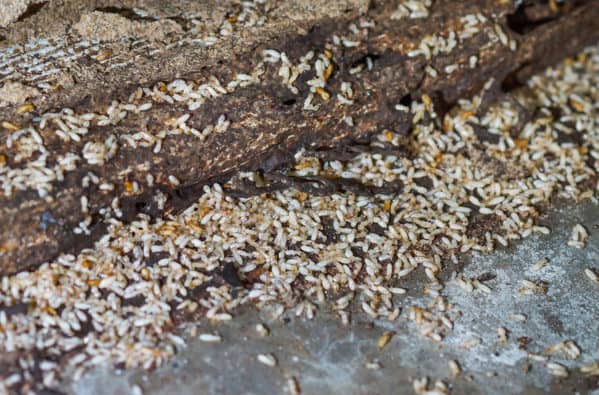
- Check the exterior of your home and look for mud tubes and small white insects going up the outside of your foundation.
- Tap or probe any exposed wood for hollow sounds.
- Learn to identify termite swarms and keep an eye out for them in the spring.
- Look for other signs of termites in your home such as buckling wood, damaged wood, etc.
- Keep the ground around foundations dry with proper drainage techniques.
- Seal off any points of entry by filling in cracks in concrete foundations and any holes or openings where utility lines and pipes enter the home.
- Consider investing in an annual termite inspection where a professional termite control technician can thoroughly check your home for all of these signs and more.
If you notice a termite swarm this spring or any of these other signs of termites, it’s not too late to act but action should be taken sooner rather than later. With the help of a professional pest control company, you can take quick action for termite treatment while avoiding the costly headache of structural damage to your home. Whether you’ve dealt with termites in the past or just want to avoid dealing with them in the future, investing in termite protection now is always a good idea.
You May Also Be Interested In:
Where Are These Stinkbugs Coming From?
10 Common Myths About Pest Control
Keeping Wildlife Out This Spring
How to Prep Your Yard for a Mosquito Bite-Free Summer
Where Are All of These Roaches Coming From?
Feb 11, 2020 | Termite Control
Termites cost homeowners billions of dollars each year in damages, treatments, and repairs. While traditional termite treatments are extremely effective at eliminating and controlling termite populations, environmentally sensitive homeowners often go in search of more green pest control options. One popular trend on the market today is orange oil treatments. Orange oil is an extract from orange rinds and is commonly used in cleaning solutions and food additives. The active ingredient in orange oil treatment is D-limonene which kills termites on contact by breaking down their exoskeleton and destroying their eggs. Orange oil treatments are the most common no-tent, no move out, organic termite control solutions.
Let’s look at some of the pros and cons of orange oil termite treatments:
Pros
- Low toxicity and more environmentally friendly than other termite control options
- Effective against drywood termites, carpenter ants, and wood-boring beetles
- No need to move out at night during treatment
- No need to remove plants or board pets during treatment
- No need to bag up food or medicinal supplies during treatment
- No potential damage from treatment to roof tiles
Cons
- Not effective against subterranean termites
- Although low toxicity, should not be ingested. Prolonged exposure to oil or fumes can cause skin and eye irritation, nausea and vomiting, lung irritation, and other symptoms
- Product is flammable and combustible once wicked into wood
- Only kills termites on contact and will not kill any undetected infestations
- Treatment requires drilling holes into your walls and other wood components of your home
- Multiple treatments are required as the entire colony is usually not exterminated during a single treatment
- Treatment of larger infestations can be more expensive than fumigation methods
- Treatment can only be applied to existing infestations; there is no residual protection against future infestations
Orange oil treatments are only effective against drywood termites because these pests live and colonize the wood they are infesting. They are not effective against subterranean termites as these pests live in the soil and only come up to feed on wood. Orange oil treatments will begin with a termite inspection to determine the type of termite and the extent of the infestation. Once the areas of termite damage and activity are identified, the technician will drill a hole into the wood and treat the infested areas. Orange oil is then injected into these drilled holes where it spreads throughout the wood beams via capillary action, passing through porous cells in all directions. This kills any termites and eggs on contact. This does not, however, kill any termites that don’t come in contact with the oil treatment. After treatment, the holes are then patched and painted.
In summary, orange oil does, in fact, kill termites but it is limited in its effectiveness. It is considered a secondary spot treatment as it is only effective when it is applied to areas with active infestations. Any termites that remain undetected and untreated will continue to eat, continuing the damage to your home. Because of this, multiple treatments are usually required. These treatments don’t eliminate the entire termite colony, leaving your home vulnerable. Whole structure treatment (fumigation) is a guaranteed method of completely exterminating termites from a structure. During fumigation, the whole house is treated at once. Fumigant gas is used to penetrate the walls, floor, lumber, and other surfaces where termites reside. If you suspect you have a termite issue, contact a professional pest control company who can help identify the type of termite you have, the scope of the infestation, and the best treatment options for your home.
You May Also Be Interested In:
How Much Does It Cost To Remove Animals From Your Attic?
Is Mosquito Control Needed in Winter?
Cold Weather Sends Roaches Indoors: 5 Tips to Prevent Them This Winter
Is Green Pest Control Worth The Investment?
Winterize Your Home With TAP Insulation
Jan 9, 2020 | Termite Control
Home projects ramp up with the new year; out with old and in with new renovations. One thing homeowners should consider is pest protection that secures not only those new projects, but also their largest investment: their home.
Termites work in secret: staying out of sight, tunneling underneath homes, or even worse, inside the home’s structure. Depending on the region where the home is located, weather will play a crucial role in the type of termite species that can invade.
Subterranean termites are considered to be one of the most destructive types of termites. Found in every state in the U.S., they use “mud tubes” from the ground reaching up to the structure. They work to damage structures, weakening them bit by bit by eating 24 hours a day, every day.
Formosan termites are the most destructive of the subterranean species. Working and invading from the ground up, Formosans make up large colonies. Found mostly in the southeast, they can chew through insulation, utility poles, and even wires and cables.
Drywood termites are the sneakiest species as they do not need soil to survive. They are brought into homes in wood furniture, so caution and careful inspection should be taken when purchasing secondhand furniture.
Homeowners should take special care to eliminate areas of moisture as this is a huge attractant to the home for termites. An annual termite inspection with a licensed pest control company is highly recommended to find areas of damage and potential infestation sites and determine a proper prevention and treatment plan.
Dec 20, 2019 | Alabama Blogs, Georgia Blogs, Termite Control
By Anna V., Editorial Lead — Pest Education · Last updated: May 2026
Termites cause an estimated $5 billion in property damage across the U.S. every year, and the Southeast accounts for a disproportionate share because of our warm, humid climate. At Northwest, we inspect for termites year-round across Georgia, Alabama, Tennessee, and South Carolina, and the pattern we see over and over is the same: homeowners assume they’re either lucky or unlucky when it comes to termites. They’re neither. Termite damage is largely preventable, and the homes that get hit hardest almost always have one or more risk factors that could have been addressed years earlier.
Here’s the full termite prevention playbook for Southeast homes, including the conditions that attract termites, the DIY steps that actually move the needle, when professional treatment is worth it, and how often you should be inspecting.
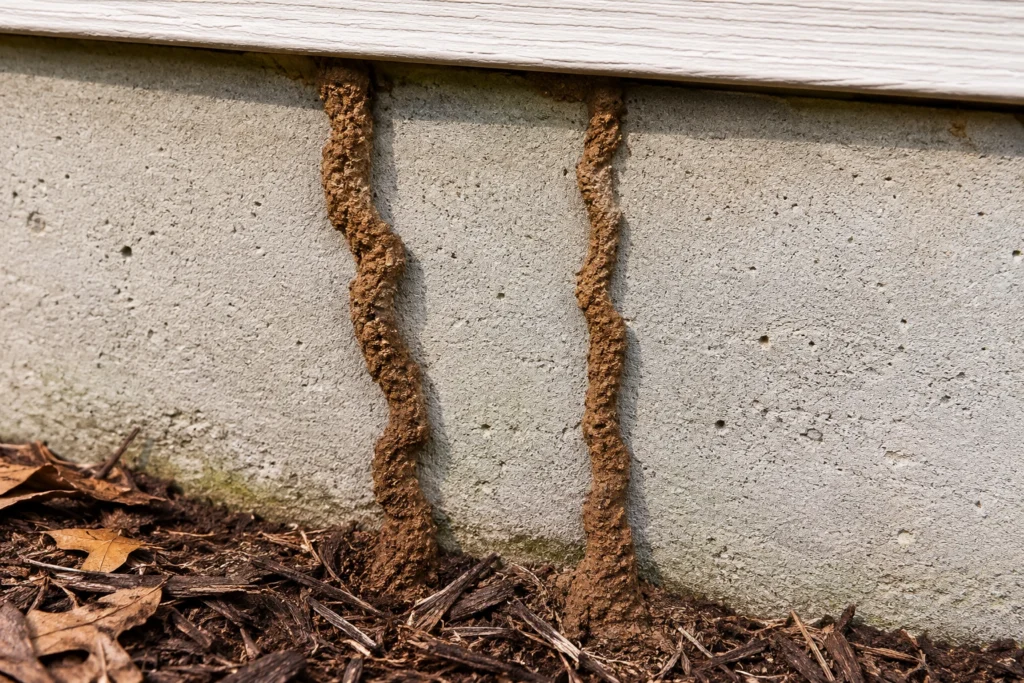
Mud tubes on a foundation wall are the most reliable early warning sign of subterranean termite activity.
Why Termite Prevention Is Essential in the Southeast
Three facts make termite prevention non-optional for Southeast homeowners:
- Eastern subterranean termites are present in every county of Georgia and Alabama. They’re not a “what if,” they’re a “when.” The question for most homes isn’t whether termites are nearby, it’s whether your house has the conditions that let them in.
- Damage is usually invisible until it’s significant. Termites work inside wood from the interior outward. By the time you can see visible damage on a wall, sub-floor, or window frame, you’re typically looking at thousands of dollars in repair on top of treatment.
- Most homeowner insurance does not cover termite damage. Repair costs come out of your pocket. Average treatment + repair for a moderate infestation in the Southeast runs $3,000 to $8,000.
Common entry points: wood-to-soil contact around the foundation, cracks in slab foundations or concrete blocks, expansion joints, leaky pipes or excessive moisture, mulch or firewood piled against exterior walls, and gaps where utility lines penetrate the foundation.
Identifying Termite Risk Factors on Your Property
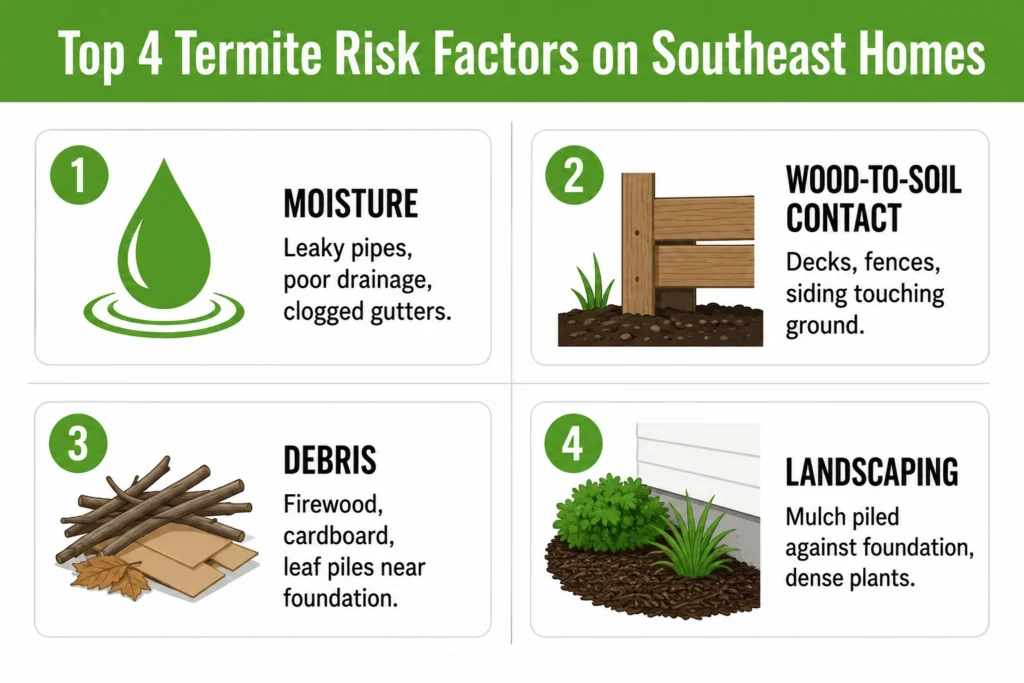
Four risk factors account for most Southeast termite calls. Fix these and you remove the conditions termites need.
Four conditions account for the majority of termite activity in Southeast homes. If you have one or more of these, you’re at elevated risk regardless of what neighbors are seeing.
1. Moisture and Water Issues
Subterranean termites need consistent moisture to survive. Anything that creates a damp microclimate near or under your home raises the risk:
- Leaky exterior faucets, hose bibs, or irrigation lines
- Clogged or missing gutters that dump water at the foundation
- Landscaping graded toward the house rather than away from it
- Air conditioner condensate lines that discharge near the foundation
- Plumbing leaks under sinks, in crawl spaces, or in slab penetrations
2. Wood-to-Soil Contact
Wherever wood touches soil directly, you’ve given termites a no-effort entry path:
- Wooden deck posts set directly in the ground without concrete footers
- Wooden fence posts touching the house
- Wood siding that extends below grade level
- Trellises or arbors attached to the house with the base in soil or mulch
- Wooden steps or porch supports without termite shields
3. Clutter and Yard Debris
Debris near the foundation provides food, shelter, and a launching point for termite colonies:
- Firewood stacked against the house or within 20 feet of the foundation
- Cardboard boxes, lumber, or pallets stored next to the house
- Leaf piles and yard waste against exterior walls
- Old tree stumps within 20 feet of the foundation (subterranean termites love decaying stumps)
4. Landscaping Decisions
Mulch is great for gardens but problematic near foundations:
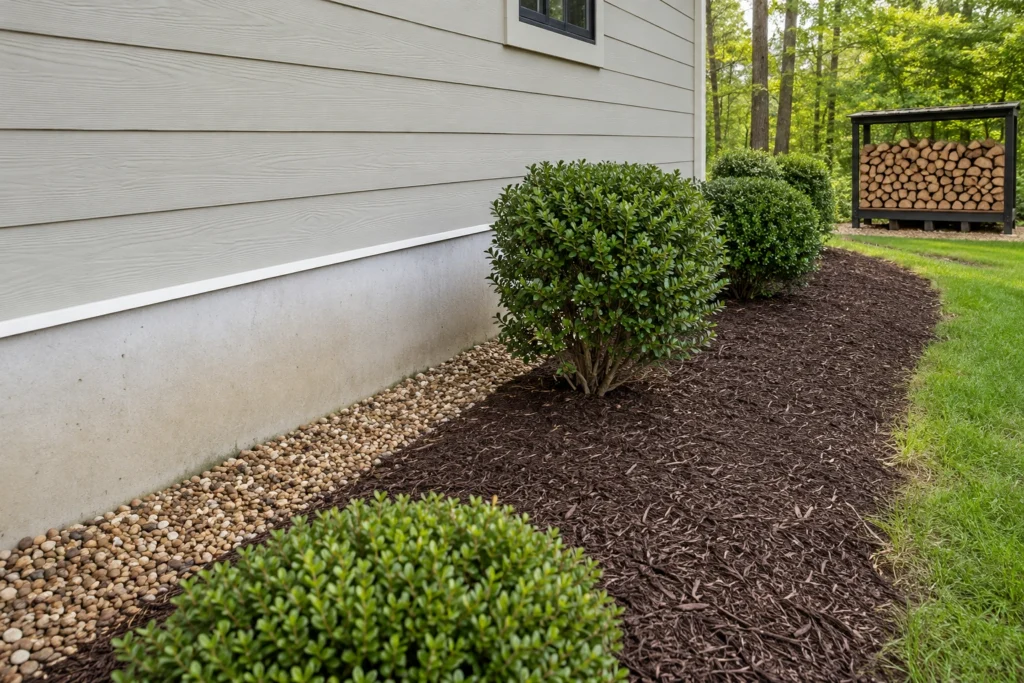
- Maintain a 2- to 3-foot gap between mulch and the foundation
- Use pea gravel or river rock in the 2-foot zone immediately adjacent to the foundation
- Trim shrubs back from exterior walls (dense vegetation traps moisture and hides mud tubes)
- Avoid heavy irrigation right at the foundation
DIY Termite Prevention Tips
Most prevention work is structural and seasonal. Done right, these steps significantly lower your risk without specialized equipment.
Regular Inspections
Walk your property twice a year (spring and fall) and look for:
- Mud tubes (pencil-thick brown tunnels) running up foundation walls or in crawl spaces
- Wood that sounds hollow when tapped or has blistering paint
- Small piles of what looks like sawdust or fine pellets near wood structures (frass from drywood termites or carpenter ants)
- Discarded wings near windows or doors after a warm rainy day (termite swarmer evidence)
- Sagging or warped flooring that wasn’t there before
Moisture Control
- Clean gutters twice a year and install gutter guards if you have heavy tree cover
- Add downspout extensions to direct water 4+ feet from the foundation
- Run a dehumidifier in basements and conditioned crawl spaces (target 50% RH or below)
- Fix any plumbing leak within 48 hours
- Re-grade landscaping if water pools near the foundation after rain
Remove Wood and Debris Near the Home
- Move firewood to a rack at least 20 feet from the house and elevated off the ground
- Remove old tree stumps within 20 feet of the foundation
- Store lumber, cardboard, and yard tools off the ground in a shed or garage
- Rake fallen leaves away from foundation walls
Natural Deterrents (Supplementary Only)
These don’t replace professional treatment for active infestations but can complement prevention:
- Orange oil or neem oil treatments on exposed exterior wood
- Diatomaceous earth along the foundation perimeter (works on a range of pests including some termites)
- Borate-based wood preservatives on accessible structural wood (decks, fences)
Professional Termite Prevention Methods
For Southeast homes, professional termite prevention is the highest-ROI structural investment most homeowners make. It’s also the only thing that meaningfully protects against a heavy subterranean termite year.
Chemical Barrier (Liquid Termiticide) Treatments
Pest control technicians trench around the foundation and apply a long-lasting termiticide (typically fipronil or imidacloprid) into the soil. This creates a continuous chemical barrier that subterranean termites can’t cross to reach the structure. Modern non-repellent termiticides are particularly effective because the termites don’t detect them and carry the active ingredient back to the colony, often eliminating it. Typical protection lasts 5 to 10 years.
Termite Bait Systems
In-ground bait stations placed around the foundation contain cellulose attractive to subterranean termites. Foraging termites find the bait, share it with the colony through grooming and food exchange, and the active ingredient (typically hexaflumuron or chlorfluazuron) disrupts molting and eliminates the colony. Sentricon and similar systems require ongoing monitoring (typically quarterly or annually) and offer long-term colony elimination rather than just a barrier.
Inspection and Monitoring Services
Professional inspections detect early signs homeowners miss: subterranean mud tubes in inaccessible crawl spaces, drywood damage inside wall voids, moisture issues that create termite-favorable microclimates. Annual inspections are the minimum recommendation for Southeast homes. Twice yearly is more appropriate for homes with risk factors or in heavily wooded areas.
When to Call a Professional Immediately
- Mud tubes on the foundation, in crawl spaces, or inside the home
- Discarded swarmer wings near windows or doors
- Hollow-sounding or visibly damaged wood
- Frass (fine wood-colored pellets) near wood structures
- Sagging floors or doors that suddenly don’t close properly
- You’re buying a home in the Southeast (a pre-purchase termite inspection is essentially required by every reputable lender)
Carpenter Ants vs Termites: Don’t Confuse Them
Carpenter ants and termites both damage wood, but they’re different pests with different treatments. Homeowners often confuse the two:
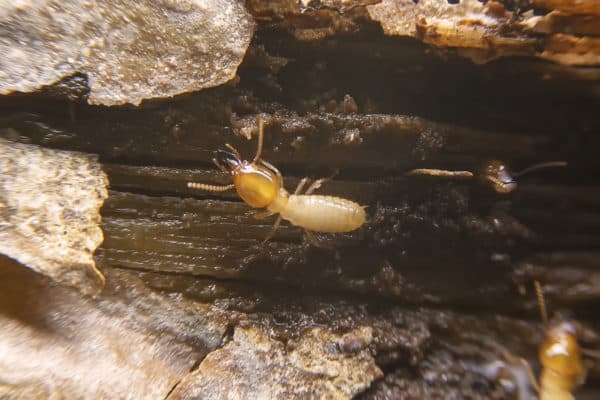
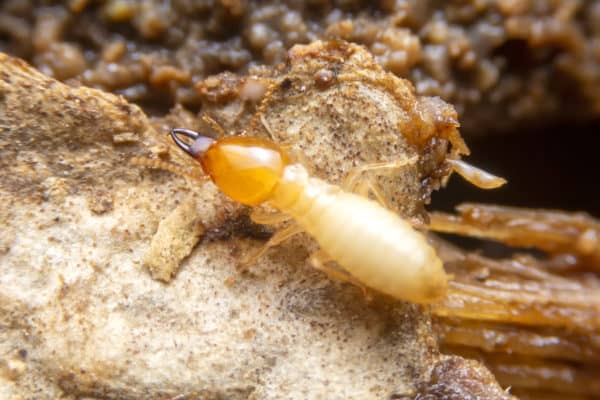
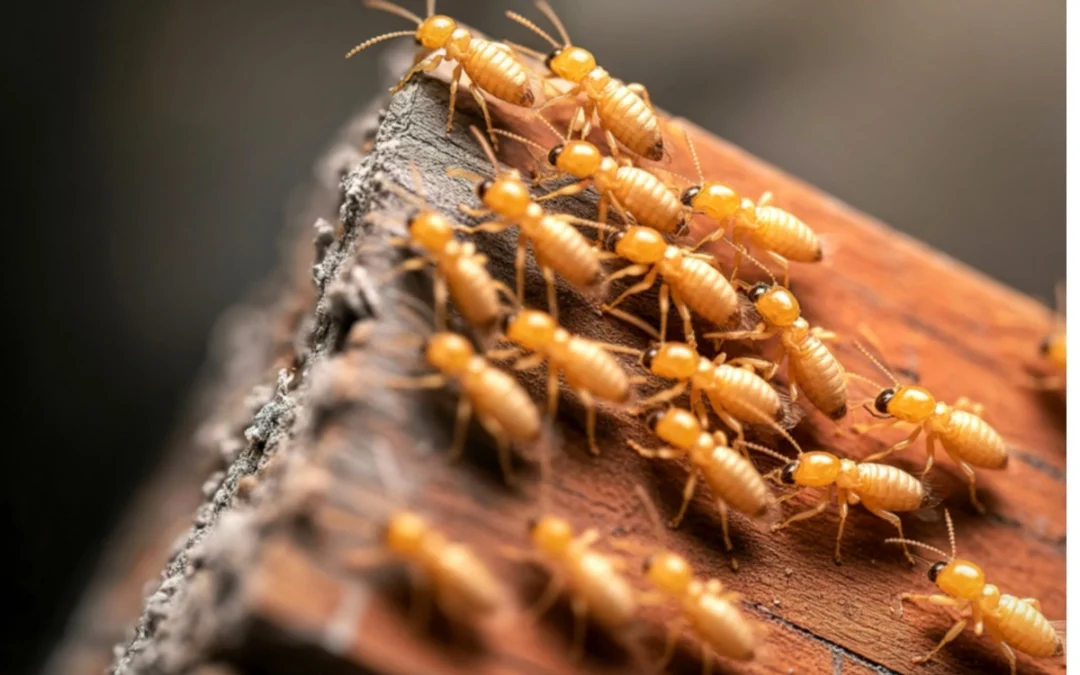
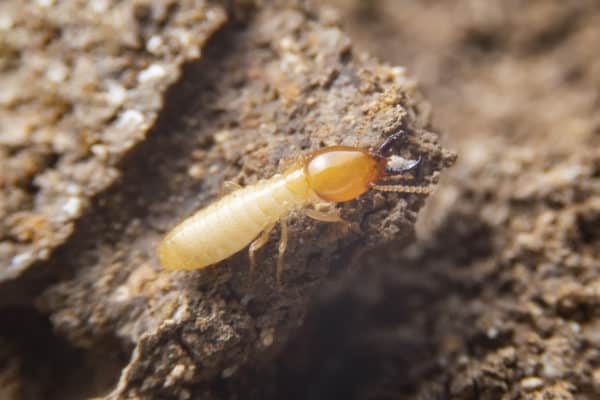
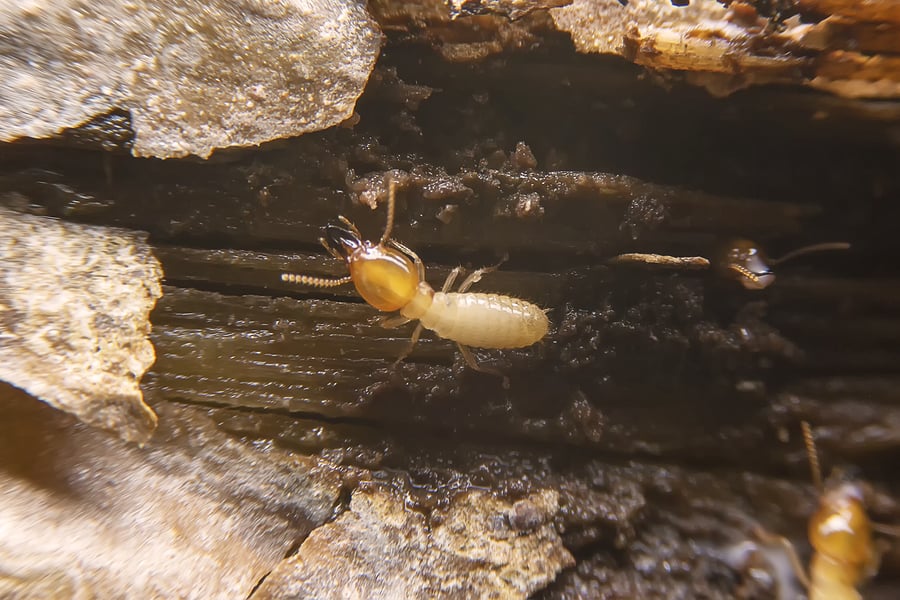
- Termites eat wood for nutrition. Damage looks smooth and follows the wood grain. Bodies are pale/cream-colored with straight antennae and equal-length wings (in swarmers). They build mud tubes.
- Carpenter ants excavate wood for nesting (they don’t eat it). Damage looks like clean tunnels with sawdust-like frass nearby. Bodies are dark, segmented, with bent antennae and wings of unequal length. No mud tubes.
Both warrant professional treatment, but the methods differ. If you’re unsure which you’re dealing with, see our ants in the kitchen guide for carpenter ant identification details.
Seasonal and Regional Considerations
A foundation with proper drainage, mulch clearance, and no wood-to-soil contact is the structural baseline for termite prevention.
Termite activity follows distinct seasonal patterns in the Southeast:
- Late winter through spring (February-May): Peak swarming season. Subterranean termite swarmers emerge after warm rains, mate, and start new colonies. Most homeowner discoveries happen during this window.
- Summer (June-August): Colonies are at maximum foraging activity. Damage progresses fastest during these months.
- Fall (September-November): Reduced swarming but continued foraging. Good time for prevention work because next year’s swarmers haven’t emerged yet.
- Winter (December-February): Slowed but not dormant in the deep South. Indoor heated environments can keep populations active year-round.
Schedule professional inspections in late winter (January-February) so you catch any new activity before peak swarming season.
Termite Prevention Cost vs Damage Cost
A perspective on the math:
- Annual termite inspection: $75 to $200
- Initial liquid termiticide treatment (typical Southeast home): $1,200 to $2,500
- Bait system installation: $1,500 to $3,000, plus $300 to $600 annual monitoring
- Average damage repair from moderate infestation: $3,000 to $8,000
- Severe damage repair (structural beams, sub-floors): $10,000 to $25,000+
Prevention almost always costs less than treatment + repair, often by a factor of 5 to 10x. For a deeper authoritative reference, UGA Extension’s subterranean termite management guide covers the biology and treatment options in technical detail.
(Worried about termites or due for an inspection? Schedule a free Northwest inspection and we’ll assess your risk factors and recommend the right protection level.)
Frequently Asked Questions About Termite Prevention
Can termites be prevented entirely?
No method is 100% foolproof, but the combination of structural prevention (sealing entry points, controlling moisture, maintaining wood-to-soil separation), professional barrier or bait treatment, and regular inspections reduces risk by an enormous margin. Properly protected Southeast homes are very rarely the ones we see with serious termite damage.
How often should I have a termite inspection?
Annual inspections are the minimum for Southeast homes. Twice yearly (spring and fall) is more appropriate for homes with elevated risk factors (heavily wooded lots, moisture issues, older construction, history of prior termite activity). Pre-purchase termite inspections are essentially required when buying or selling a home in our region.
Are DIY prevention methods effective?
Yes for risk reduction, no as a complete substitute for professional treatment. DIY moisture control, debris removal, wood-to-soil separation, and structural maintenance significantly lower the conditions termites need to establish. Professional treatment (liquid barrier or bait system) is what actually protects against active subterranean colonies that exist in your soil regardless of what you do at the surface.
What’s the best way to protect a new home?
New construction in the Southeast benefits enormously from pre-construction termiticide application (the slab and footings are treated before concrete is poured) or physical barrier installation. Ongoing annual inspections and proper landscaping maintenance preserve that protection. Many Southeast builders include the initial treatment, but the long-term maintenance is on the homeowner.
What does a termite inspection actually involve?
A thorough inspection covers the foundation perimeter (interior and exterior), crawl spaces, basements, accessible attic space, plumbing penetrations, exterior wood structures (decks, porches, fences attached to the home), and any moisture issues. Inspectors look for active mud tubes, damaged wood, frass, discarded wings, and conducive conditions. A typical inspection takes 45 to 90 minutes depending on home size.
Most termite damage starts in places homeowners can’t easily see.
Schedule a Termite Inspection Today
If you haven’t had a termite inspection in over a year, you’re seeing any of the warning signs above, or you’re buying a home in the Southeast, Northwest’s team handles the full termite workflow: inspection, treatment selection, application, and ongoing monitoring. Most termite protection programs pay for themselves many times over in avoided damage.
About the Author
Anna V., Editorial Lead — Pest Education leads pest education content for Northwest Exterminating, working with senior technicians and service center managers across our Georgia, Alabama, Tennessee, and South Carolina service areas to translate field expertise into homeowner-friendly guides. The focus: accurate, regionally-specific answers to the pest questions Southeast homeowners are actually searching for.
Oct 25, 2019 | Termite Control
Are termites active in fall and winter? The answer is a resounding yes! All species of termites are active year-round, even in the cold weather of fall and winter. The only difference in termite activity when the weather cools off is a change in their routine – termites will nest deeper in the ground to access warmth and modify their tunnels for easier access to winter food sources. If termites have already colonized your home or office their routine won’t change at all. Heated buildings and their adjacent soil provide the ideal habitat for termites to thrive even in cold weather. Colony queens also lay their eggs year-round which means that not only are termites active during every season, their colonies are also consistently growing. Swarming termites are unlikely to be seen in the fall and winter months as termite swarming season typically begins in the spring.
Regardless of the season, there are some common signs of termite infestations to look for in your home or office including:
- Crumbling wood
- Hollow windows and doors
- Bubbling or buckling floors
- Loose tiles
- Holes in drywall
- Sagging sheetrock
- Discoloration of ceilings or walls
There are a few steps for termite protection you can take in and around your home. Make sure all water and gas lines are sealed adequately. Fix any leaky faucets or appliances and get rid of any standing water. Try to eliminate any cellulose material as this is a termite’s primary food source.
If you suspect you have a problem with termites or want to make sure you stay ahead of any potential problems, contact a professional termite control company who can provide you with a free termite inspection and set you up with the most comprehensive termite protection for your situation.
You May Also Be Interested In:
Where Do Snakes Go in Cold Weather?
Mosquitoes Active Through Fall
8 Tips for Winter
Where Are All of These Roaches Coming From?
Steps to Keep Spiders Out of Your Home