Jan 11, 2019 | DIY, DIY Wildlife Prevention, Wildlife
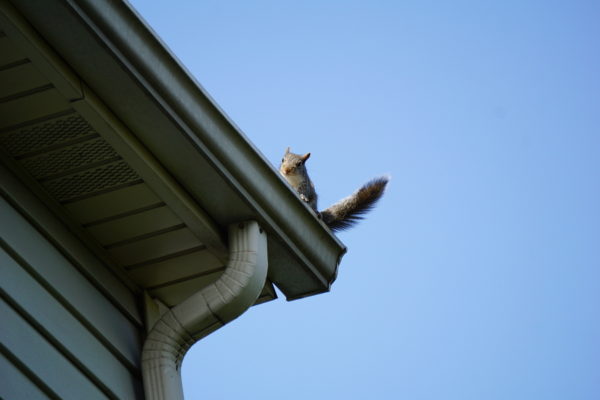
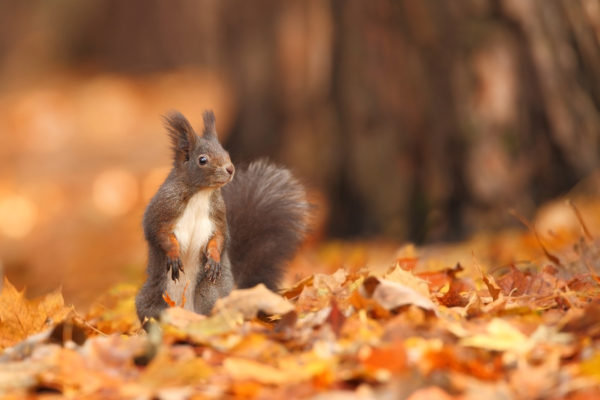
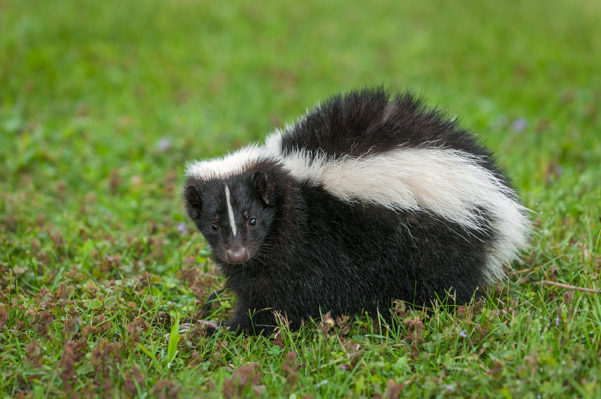
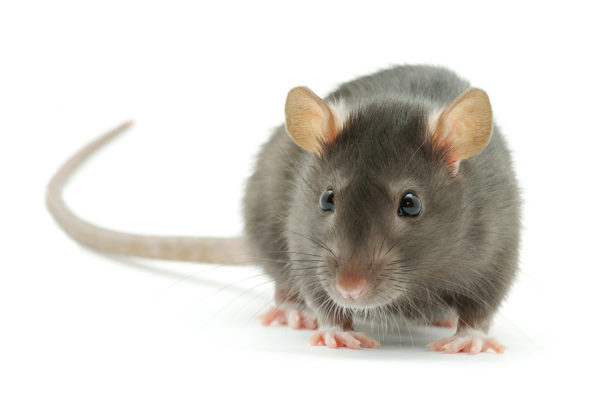
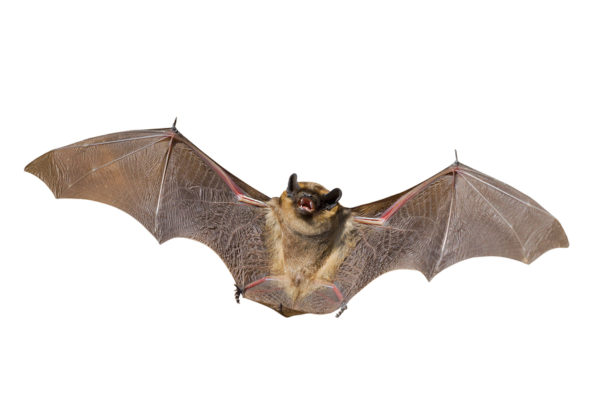
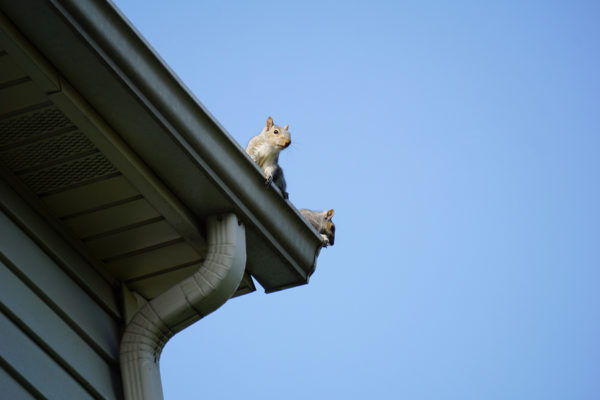
The winter months can bring wildlife indoors as they search for food and shelter from the cold weather, causing property damage by chewing through the wood, insulation, and wiring in your home, and can also carry diseases that threaten the health of you and your family. What critters should you be concerned about? Most wildlife control services include the exclusion, removal, and control of animals such as squirrels, rodents, raccoons, snakes, bees, and birds. Safe removal of the nuisance critter is always the first priority when it comes to wildlife, but what can you do to prevent these animals from getting into your home or property to begin with? Keep reading for tips on wildlife prevention and bird control.
- Install door sweeps on exterior doors.
- Repair or replace any damaged window and door screens.
- Replace loose mortar around foundations and weatherstripping around windows and doors.
- Inspect the exterior of your home including the siding for damage, holes, and leaks and repair them immediately.
- Repair any holes under exterior stairs, porches, balconies, etc. to keep animals from taking up residence underneath them.
- Install chimney caps.
- Cover the openings to exhaust fans, soffits, attic vents, and utility pipes.
- Inspect your roof annually for water damage and loose or damaged shingles.
- Keep your attic, basement, and crawlspace well ventilated and dry.
- Clean eaves and gutters regularly to prevent debris from building up.
- Don’t leave your garage door open for prolonged periods of time or overnight.
- Keep tree limbs cut back at least 6 to 8 feet from your roof line.
- Store your firewood off the ground and at least 20 feet from your home.
- Keep your grills or barbecues clean and grease-free.
- If you have fruit trees make sure you pick or dispose of ripe fruit and clean up any spoiled fruit that may collect at the base of the trees.
- Clean up leaves and brush and don’t leave them in piles around your property.
- Store your birdseed in secure containers and don’t leave birdseed in your feeders overnight.
- Bring in your pet’s food and water dishes at night.
- Store food in airtight containers.
- Dispose of your garbage regularly and use cans that have secure lids.
If you suspect a wildlife problem, contact a professional wildlife control company. A wildlife removal expert will inspect your home to identify the animal nuisance, determine where they are getting in, remove them, and prevent the wildlife from getting into your home in the future. They can also inform you of any existing damage or contamination and provide you with a recommendation for repairs or clean-up.
You May Also Be Interested In:
: 7 Tips For A Healthy Winter Lawn
What Is Green Pest Control?
Termite Control: Do I Really Need Termite Protection?
Pest Control: Mosquitoes In The South
Exterminating Tips: Keeping Out Winter Pests

Nov 15, 2018 | Wildlife
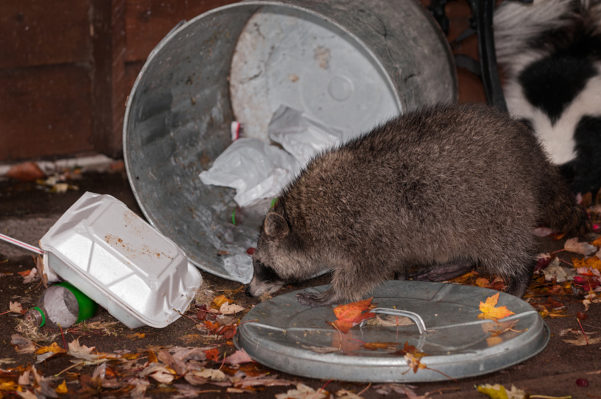
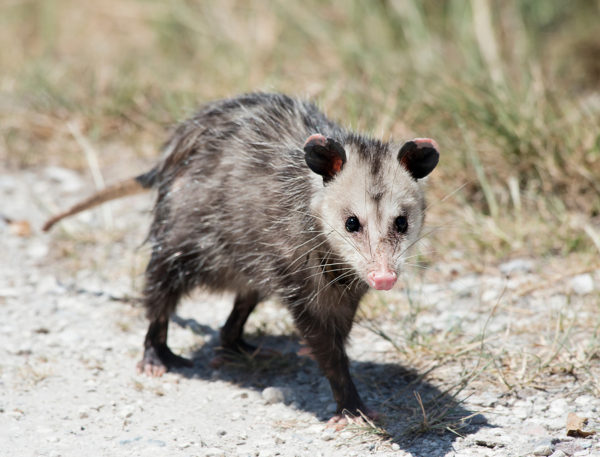
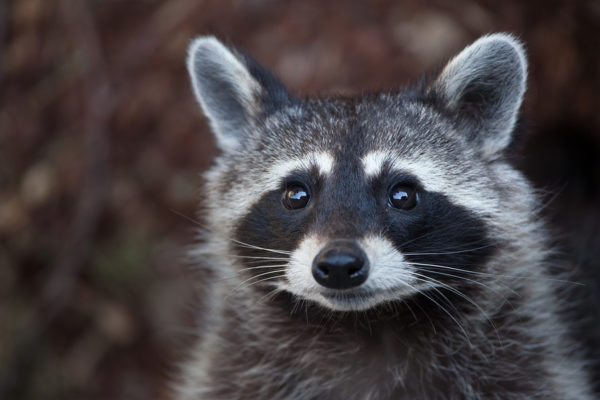
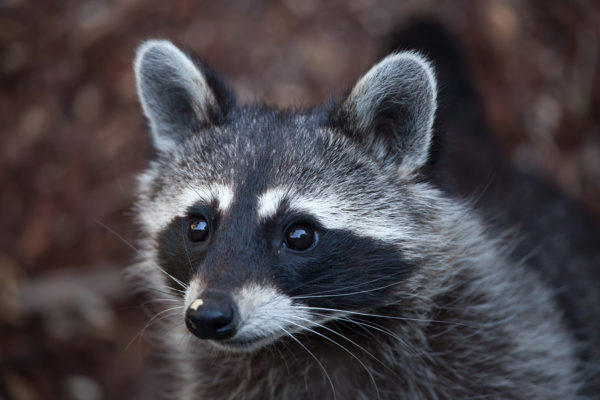
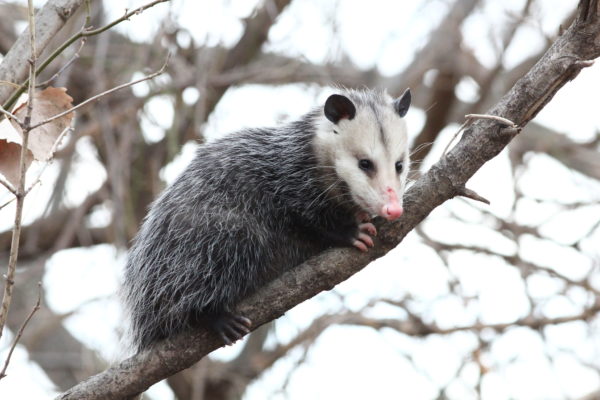
When you think of pest control the most common critters that come to mind are roaches, rats, bed bugs, mosquitoes, and other traditional pests. Wildlife may not be at the top of your list but these sneaky pests can wreak havoc on your home and your health. Two wildlife pests that often get into your home are possums and raccoons. While they are noticeably different in appearance, these two animals share many similarities. They are both highly adaptable to their surroundings and can be quite creative in seeking out food sources. They are both also known to carry diseases that can be harmful to humans. Do you know how to identify a possum or a raccoon? What can you do to prevent these pests from damaging your home and property?
POSSUMS
Possums are North America’s only marsupial species. They can range from 14″ long to over 3 feet long. Their tails make up 50% of their total body length. They can weight up to 13 lbs. Possums are scavengers and will forage in trashcans and dumpsters for food. They are omnivores but prefer insects and carrion over fruits and nuts. Possums are highly nocturnal and are rarely seen by humans. They prefer to live near water. Possums are found throughout eastern North America. Possums are slow movers but are highly skilled climbers. They can get into attics and under houses, especially in crawlspaces. They will play dead as a defensive tactic.
RACCOONS
Raccoons can range from just under 2 feet long to just over 3 feet long. They can weigh up to 23 lbs. They have a distinctive black mask coloring on their faces. Raccoons are scavengers and will often forage in trashcans and dumpsters for food. They are quite dexterous and can use their paws to open doors and lids. They are omnivores but prefer fruits and nuts over meat. They are nocturnal and are rarely seen by humans. If you spot a raccoon during the day be aware – this is often (but not always) a sign of rabies or other abnormal condition in the raccoon. Raccoons are found throughout most of the United States, southern Canada, and northern South America. Raccoons are creatures of habit. Once they discover a food source at your house they will keep coming back over and over. They often access attics and roofs of homes causing significant damage.
PREVENTION
- Seal any garbage cans and compost bins at night.
- Use locking lids on trashcans if possible or place a weight on top to keep the lids closed.
- Pick up any fruit or other food items from your yard.
- Make sure to bring your pet’s food and water bowls indoors at night and empty bird feeders.
- Keep the outside of your home well lit at night – possums and raccoons are nocturnal and shy away from lights.
- Examine the outside of your home for possible entry points and seal them off. Make sure to check chimneys, attic vents, and seams along roofs and foundations.
- Keep your yard clear of debris and keep the grass mowed.
- Spray a mixture of half ammonia and half water on your trashcans or soak rags in the mixture and scatter them around your property. The smell will repel these pests.
- Consider enclosing your crawlspace to eliminate their ability to get under your home.
- If you think you have a wildlife issue, contact a licensed pest control expert who can provide you with a thorough evaluation and treatment plan.
May 11, 2018 | Pest Control, Wildlife
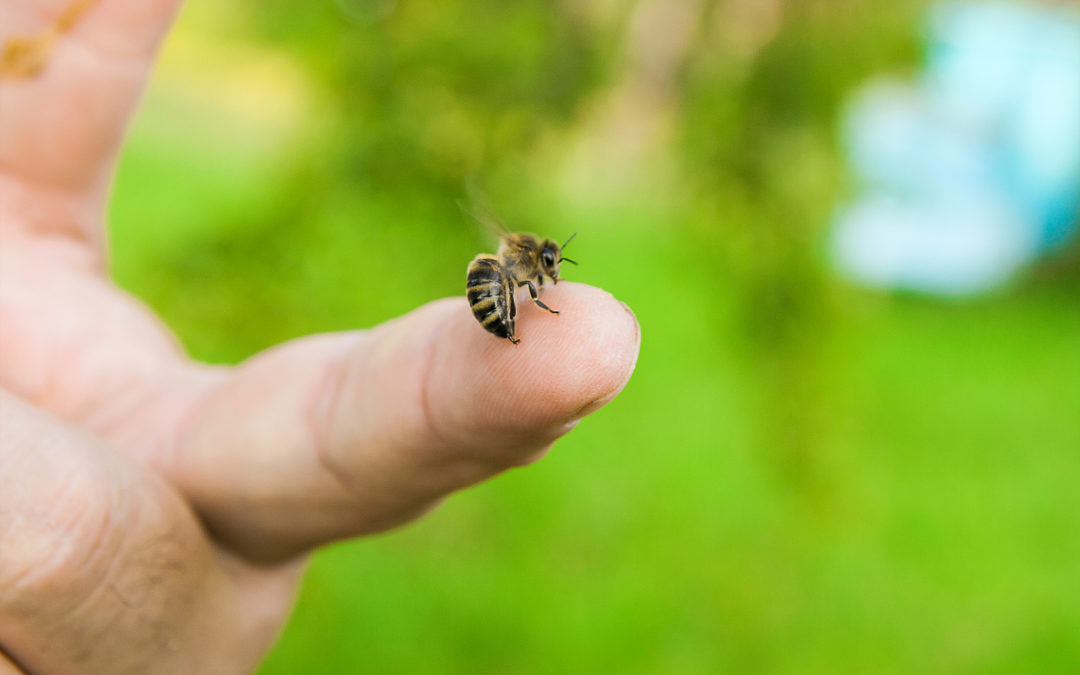
Stinging pests are at most active during spring and summer months. With the sun out and spending more time outside, the chance of encountering a stinging pest that could potentially harm you and your family increases. Here are some common stinging pests to be on the lookout for:
Hornets
Hornets build nests in hollow trees and in the walls of houses and attics. They are also attracted to light and will fly into windows at night if they see light. They are actually a benefit since they help to control the population of other pests, but they are understandably not a benefit when they make their nest in your home. It is recommended to call a pest control professional if you notice a hornet’s nest near or inside your house, so it can be safely removed.
Yellowjackets
Yellowjackets are social insects and, unlike bees, have a smooth stinger. This stinger allows them to sting multiple times if threatened, and it’s painful. They are attracted to sweet foods and protein. When having picnics and BBQs, keep food covered tightly to not entice their presence.
Wasps
Wasps construct paper-like nests that can be found on branches, porch ceilings, eaves, and attic rafters. They can also sting multiple times and will call on reinforcements by emitting pheromones when they feel threatened. If you find yourself with a wasp flying around you, do not swat it away, as this may agitate it. Instead, calmly walk away and it should not follow.
How to Avoid Stinging Pests:
- When attending any functions outside, avoid using an excess of perfume.
- Seal any openings from the outside of your home.
- Floral and brightly colored clothing tend to attract; stick to dark colors and close-toed shoes.
Apr 12, 2018 | Wildlife
As winter comes to an end, many animals are starting to emerge from hibernation. You may not have realized it but these animals will often take up residence over the winter in your home. Now that the weather is warming, they will start moving around in search of food and water and to try and get out. Some wildlife that get into your home are harmless but some can cause significant damage both to your home and to your health. They can leave feces behind that can contaminate the air in your home. They can chew through wires and wood in your attics and walls. So what can you do to keep these animals from seeing your home as a safe haven? Check out these tips to keep the wildlife out this spring.
- Check the outside of your home for any possible entry points and seal them.
- Repair any leaks or damaged and rotted wood around your home.
- Repair or replace damaged window and door screens.
- Use chimney caps.
- Use screens over dryer vents, air vents, and stove vents.
- Trim back trees from your roof line and shrubs from the sides of your home.
- Seal trash in containers with lids and don’t put it out until the day of trash pickup.
- Don’t leave pet food or water out overnight.
- Store unused pet food in sealed containers.
- Empty bird feeders daily.
- Keep your gutters clear or consider installing gutter guards.
- If you suspect you have a wildlife problem, contact a professional wildlife control company to safely remove any animals you may have.
Mar 23, 2018 | Pest Control, Wildlife
Pollination is when pollen grains are transferred from one flower to another. Pollination allows plants to produce seeds which is how they reproduce. Pollinators are animals and insects that are responsible for helping with the pollination of over 80% of the world’s flowering plants. Animal pollinators are vital in the reproduction of flowering plants and the production of most fruits and vegetables. They accomplish this by getting their food from flowers (think nectar and pollen) and collecting pollen on their bodies in the process. They then move on to another plant and leave the hitchhiking pollen behind, providing the new plants with the pollen they need to reproduce.
Some of the most common animal pollinators that come to mind are bees and butterflies. But did you know there are several other animals you might not have known who are expert pollinators? Here are a few animal pollinators along with the types of plants they pollinate:
ANTS:
Ants love nectar. Because they don’t fly they have to crawl into flowers to get to this nectar. Once inside the flower, pollen sticks to their bodies, allowing them to transfer it to other flowers when they move on. Tropical plants have nectar outside their flowers to attract ants to them. They then use these ants as “protectors” from other insects.
Ants pollinate flowers that:
- Are low growing
- Are small and inconspicuous
- Have flowers close to their stems
BATS:
Bats are known as one of the “night shift” pollinators. They are most common in tropical and desert climates. They are prevalent in the southwest US, Africa, Southeast Asia, and the Pacific Islands as pollinators. In fact, mangoes, bananas, and guavas depend on bats for pollination. In the US and Central America, the agave plant (which is used to make tequila) and the Saguaro cactus are also dependent on bats for pollination.
Bats pollinate flowers that:
- Open at night
- Are large in size
- Are pale or white in color
- Are very fragrant
- Have copious nectar
BEES:
Bees are known as the “champion” pollinators and are also the most common. There are over 4000 species of bees in the United States alone. Bees purposefully visit flowers to collect pollen and nectar which they use to feed themselves and their young. Many flowers that bees pollinate have an area of low UV reflection near their centers. Humans can’t see UV reflection so we don’t notice them. Bees, however, use them as a target to guide them to the center of the flower.
Human Perspective Bee Perspective
Photos courtesy of Apalachicola National Forest.
Bees pollinate flowers that:
- Are full of nectar
- Are brightly colored (usually blue or yellow) (bees can’t see red)
- Have a sweet or minty flavor
- Are open in daytime
- Provide landing platforms
- Have tubular flowers with nectar at the base
BEETLES:
Beetles were among the first insects to visit flowers. They are important pollinators for ancient species like magnolias. They are known as “mess and soil” pollinators because they eat through flower petals to get to the nectar and then defecate inside the flowers. Fossil records show that beetles were abundant as far back as 200 million years ago.
Beetles pollinate flowers that:
- Are bowl shaped with their sexual organs exposed
- Are white to green in color
- Have a strong fruity fragrance
- Are open during the day
- Have a moderate amount of nectar
- Have large, solitary flowers
BIRDS:
Birds are important pollinators of wildflowers. Hummingbirds are the most important bird pollinators in the United States. In the eastern United States there is only one species that acts as a pollinator and that is the ruby throated hummingbird. Hummingbirds have good eyesight and are extremely attracted to red flowers. They use their long bills to collect nectar and the pollen then dusts their heads and faces.
Hummingbirds pollinate flowers that:
- Are tubular with recurved petals
- Have tubes, funnels, and cups
- Are brightly colored red, yellow, and orange
- Are odorless
- Are open during the day
- Have prolific amounts of nectar
- Have a modest amount of pollen
BUTTERFLIES:
Butterflies are very active during the day. Their body structure doesn’t allow them to pick up as much pollen as bees and other insects but they can see red where bees can’t. Butterflies produce scents that attract other butterflies of the opposite sex. This scent they produce smells like the flowers that they are attracted to.
Butterflies pollinate flowers that:
- Have flowers with clusters and landing platforms
- Are brightly colored (red, orange, yellow)
- Are open during the day
- Have ample nectar
TWO-WINGED INSECTS:
Two winged pollinators include flies, gnats, and mosquitoes. These insects aren’t as fuzzy as bees so they don’t pick up as much pollen. They are still, however, important pollinators, especially for some species of orchids.
Two-winged insects pollinate flowers that:
- Are pale and dull to dark brown or purple in color
- Are sometimes flecked with translucent patches
- Have a putrid odor
- Produce pollen
- Have funnel-like pollen
MOTHS:
Moths are the other member of the pollination “night shift” along with bats. Some moths are also active as pollinators during the day. The yucca plant is one important plant that is dependent on moths for survival.
Moths pollinate flowers that:
- Have clusters and landing platforms
- Are white or dull in color
- Are open in late afternoon or at night
- Have ample nectar
- Have nectar that is deeply hidden
WASPS:
Wasps look like bees but have much less hair. This makes them less efficient as pollinators because pollen is less likely to stick to their bodies. Wasps need pollen and nectar for energy. Fig wasps are responsible for pollinating almost 1000 species of figs.
Wasps pollinate flowers that:
- Are full of nectar
- Are brightly colored (usually blue or yellow) (bees can’t see red)
- Have a sweet or minty flavor
- Are open in daytime
- Provide landing platforms
- Have tubular flowers with nectar at the base
OTHER POLLINATORS:
There are several other uncommon pollinators. Lizards, geckos, and skinks can be pollinators. They climb inside flowers to drink the nectar and the pollen then sticks to their scales. Lemurs and possums can also pollinate. They use their snouts and tongues to get nectar from plants and then have their faces and snouts dusted with pollen.
We consider most of the animals and insects that are pollinators as nuisances and pests. As much as we don’t want them in our homes, they do play a very critical role in the survival of plants and food. It is important that while we should take steps to prevent them from invading our homes, we should be very careful with how we handle them should they make themselves at home in our area. If you suspect you have a problem with any of these pollinators, contact a professional pest control company who can give you a thorough evaluation and provide you with a treatment plan that both benefits you and protects these important species.
Feb 16, 2018 | Pest Control, Wildlife
When the weather turns cold we tend to spend more time indoors enjoying the warmth from our heaters and blankets. Animals are no different! Fall and winter are the time of year when animals invade our homes in search of warmth, shelter, food and water. One of the most common pests we see in cold weather season is rodents. While rats and mice are the most common rodents we see in our area, they aren’t the only ones that can cause a problem. Chipmunks and squirrels can also cause significant damage to our homes if they get inside. Here are a few of the most common rodents in our area, as well as some tips to keep them from invading your home.
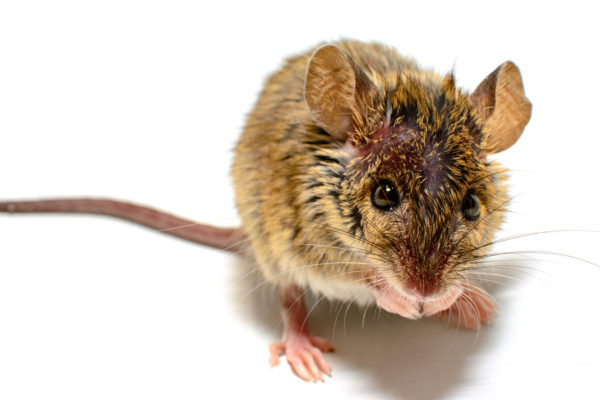
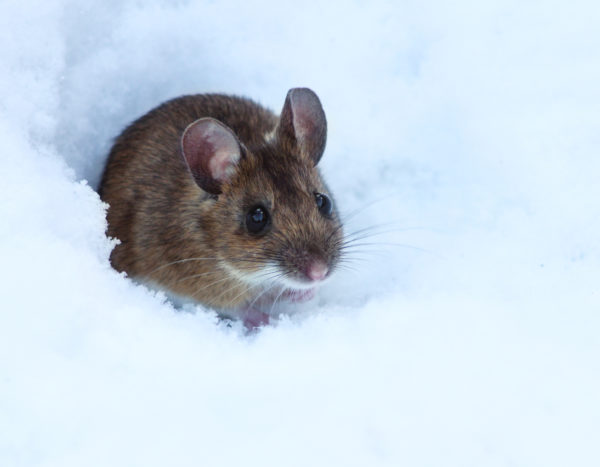
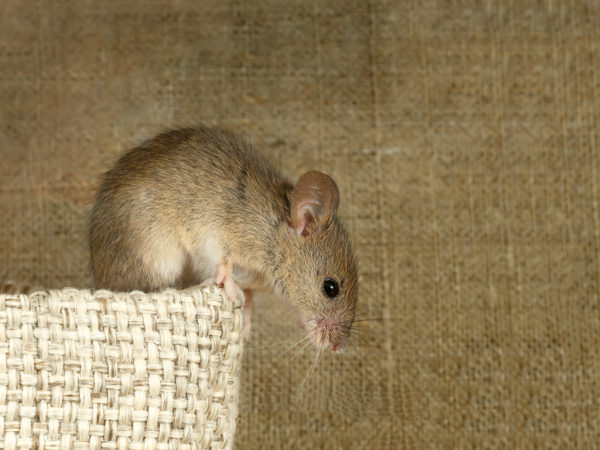
HOUSE MOUSE
- Light to dark gray in color
- Weighs 1 ounce or les
- Small and slender
- Rod shaped droppings
- Live in and around homes, farms, and commercial buildings
- Prefer foods high in fat, protein, and sugar
- Teeth grow continuously
- Cause damage by gnawing on wood and electrical wires
- Can contaminate your home with urine and feces
- Can fit through an opening the size of a dime
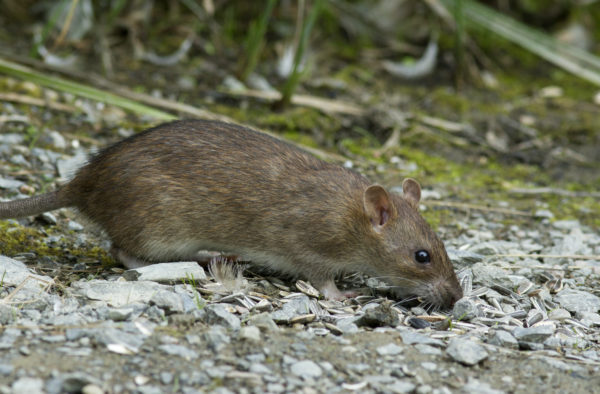
NORWAY RAT
- Gray in color
- Small ears
- Tail is short in relation to its head and body
- Blunt ended droppings
- Exist in large numbers
- Live in and around homes, in basements, in stores, in warehouses, on docks, in sewers, and in dumpsters
- Burrow to nest under buildings, under concrete slabs, around lakes and ponds, and near garbage
- Line their nests with shredded paper, cloth, and other fibrous material
- Nocturnal
- Eat nearly any type of food but prefer cereal grains, meat, fish, nuts, and fruit
- Can fit through an opening the size of a quarter
ROOF RAT
- Dark in color
- Weighs less than 1 lb
- Large ears
- Tail is longer than its head and body
- Spindle shaped droppings
- Spends 90% of its time above ground
- Nests in trees and sometimes attics
- Run on power lines or along the tops of fences
- Nocturnal
- Can fit through openings the size of a quarter
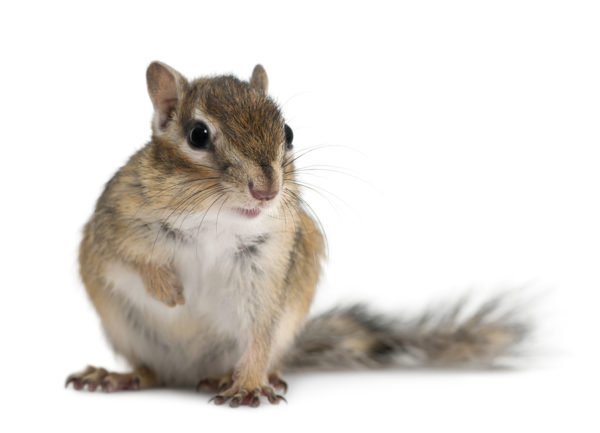
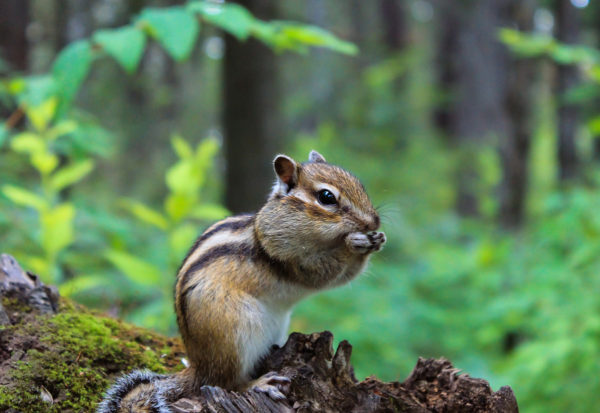
CHIPMUNK
- Small squirrels
- Tan and brown with dark and light stripes
- Make a series of high pitched chirps and flip tail back and forth to attract attention
- Active during the day
- Sleep in underground burrows
- Attracted to homes with gardens, flowers, bird feeders, pet food, and nut trees
- Can damage electrical lines, cable, and AC pipes
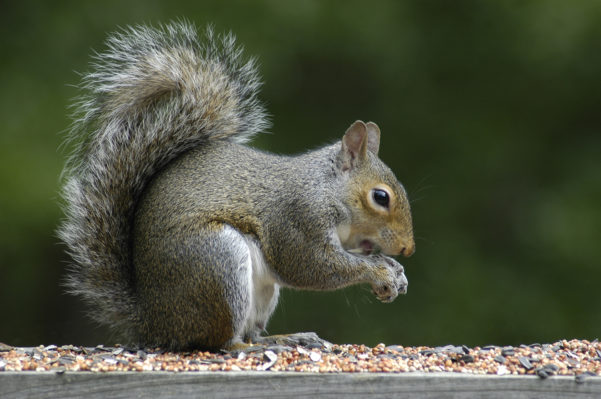
GRAY SQUIRREL
- Predominantly gray with white markings
- Short thick fur
- Bushy tail
- Weighs 1 to 1.5 lbs
- Sends most of its time looking for food
- Active year round
- Active in mornings and evenings
- Nests in attics or garages
- Also invade bird feeders and garbage cans
- Can cause significant damage to electrical wires and telephone cables
- Can also cause damage to wood, insulation, wires, and storage boxes in your attic
- Can contaminate your attic with urine and feces
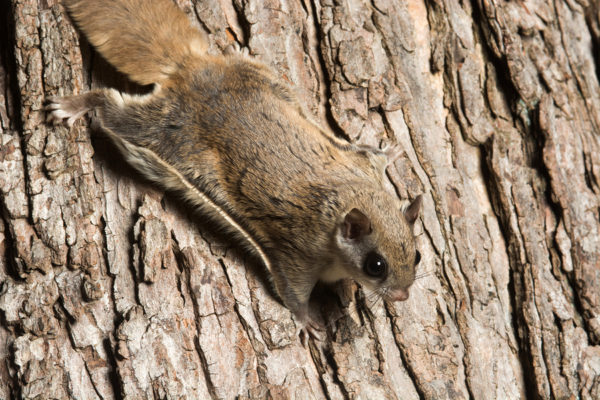
FLYING SQUIRREL
- Grayish brown body
- White belly
- Soft thick fur
- 4 to 6.5 ounces
- Up to 12″ long with tail
- Large eyes
- Low soft chirp
- Nocturnal
- Eat mostly plants, seeds, nuts, leaves, bark, flowers, roots
- Nest in tree cavities
- Occasionally nest in attics (enter through roof gaps)
- Will nest in your insulation
- Can cause contamination with urine and feces
So now that you know some common rodents, what can you do to keep them from coming into your home? Check out these tips to prevent a rodent infestation.
- Clean up spilled food immediately.
- Put away all food at night, including pet food and bird feeders.
- Keep food, including pet food and bird seed, in sealed, airtight containers.
- Keep garbage can lids tightly sealed.
- Declutter your attic and basement, especially anything made of cardboard.
- Store any items you can on shelves rather than in the floor.
- Keep your yard clear of debris.
- Keep grass and shrubs cut short.
- Trim shrubs and trees away from the sides of your home.
- Store firewood off the ground and a safe distance from your home.
- Repair holes in your foundation, garage, and interior walls and any gaps in your roof.
- Seal any openings larger than 1/4″.
- Use rubber seals under garage doors.
- Use door sweeps on exterior doors.
- Use weatherstripping around windows and doors.
- Use screens that are in good repair on doors and windows.
- Seal around pipes, drains, and vents.
- Use chimney caps.
- If you suspect you have a rodent problem, contact a pest control professional.
Jan 26, 2018 | DIY, DIY Pest Control, DIY Wildlife Prevention, Pest Control, Wildlife
During the colder months of winter, most of us like to stay bundled up and warm – with warmer clothes and inside our cozy homes. Unfortunately, many animals also seek this same shelter and warmth in the winter – oftentimes in our homes! Do you know which animals can cause problems for you during these colder months? What can you do to prevent them from seeking shelter in your home? Check out these common winter wildlife pests and 6 ways you can prevent them.
SQUIRRELS
Squirrels can be a problem year round. They don’t hibernate in the winter and stay very active. They like to seek shelter and warmth in attic spaces. They may also seek out your attic as a storage space for their winter stash of nuts, grains, and seeds so they don’t have to search for food in the cold winter months. Squirrel nests are easy to spot in the winter in bare trees. Squirrels are notorious chewers – so if you have them in your attic you can expect your wood, insulation, and electrical wiring to suffer damage.
SKUNKS
Skunks live in the same areas during the winter as they do in the summer. They like to burrow under our decks, patios, and stoops. Skunks don’t technically hibernate, but they do lower their body temperature and heart rate in the winter to conserve energy and therefore become less active. They can go up to a week without food and water but will venture out on a semi-regular basis in search of sustenance. They live in larger communities in the wintertime for warmth.
RATS/MICE
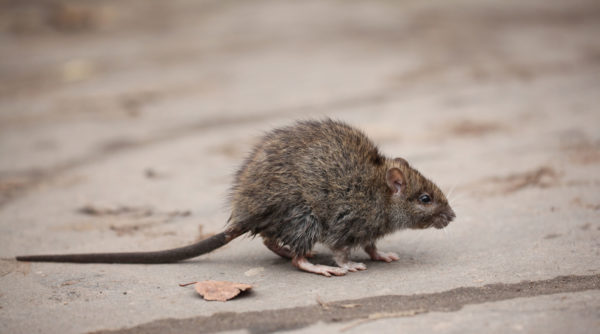
Rats and mice are also year round pests but they can become more of a problem in the winter. These rodents seek out warmth, food, shelter, and water inside our homes during the harsh winter months. They can squeeze into your home through extremely small openings. Like squirrels, they are also notorious for chewing through insulation, wiring, and wood.
BATS
There are at least 40 different species of bats in the United States. Bats are mostly active in the summer months and will hibernate in the winter. They will, however, hibernate in your attic! Bats like to roost in attics, belfries, behind shutters, and loose boards. They are carriers of rabies and can spread disease.
RACCOONS
Raccoons are nocturnal and rarely seen during the day. Raccoons can cause significant damage to roofs and chimneys in their search for den sites. They will also get into crawlspaces in search of den sites. They are a major carrier of rabies.
CHIPMUNKS
Chipmunks are like squirrels in that they gather and store their food in the fall. They are less active in the colder weather, lowering their body temperatures and heart rates to conserve energy. They usually make their nests in underground burrows that can be up to 10 feet long. They will venture out every few days to eat, drink, and go to the bathroom. Oftentimes they will use attics as a storage space for their winter stash.
OPOSSUMS
Opossums are the only marsupial found in North America. They will occasionally make their dens in attics and garages. They are known to make very messy nests. Opossums have very sharp teeth and will show them, as well as hiss, when they feel threatened. They are known to bite in very rare cases.
PREVENTION:
Winter wildlife can be a problem especially if they build a nest or store food in or near your home in the wintertime. The cold weather also doesn’t eliminate the diseases that they carry and spread. If these pests get into your home they can cause significant damage to your roof, insulation, foundation, wiring, and more. What can you do to prevent winter wildlife from making your home theirs? Check out these 6 tips to prevent winter wildlife.
- Eliminate Entry Points. Winter wildlife can’t get into your home if they don’t have a way in. Carefully inspect your home for any openings that animals can use to get in. Check and proof any weep vents in your bricks. Seal around HVAC and utility lines, in gaps in the foundation and siding, in gaps between your roof and soffits, and gaps between the soffits and fascia. Check your roof vents, as well. Seal gaps around windows and doors, including your garage door. Many rodents can chew through rubber or thin plastic seals so consider using heavy duty metal seals or caulk. Check screens on doors and windows to make sure they are in good repair. Use chimney caps. Consider enclosing your crawlspace to prevent unwanted critters, as well.
- Clean Your Gutters. Clogged gutters can block the drainage of rain and melting snow and ice. This can not only cause damage to your home, but also invites birds and other wildlife to build their nests here. Make sure drains are clean and that your spouts are far enough away from your foundation. Consider installing Leafproof XP Gutter Guards to make gutter cleaning and maintenance easier for you.
- Clear Out The Clutter. Now is the time to reorganize your belongings. This not only lets you get your garage or attic cleaned out, but also allows you to inspect areas of these spaces that you might not normally have access to. If possible, get rid of cardboard storage boxes and use plastic containers with lids instead. Get rid of old newspapers or other paper products as these invite rodents and other pests to make nests.
- Get Rid Of Their Food. Winter wildlife will eat anything they can get their hands on. If you have birdfeeders, take them down in the evenings and put them back out in the mornings. Clean up any spilled birdseed from the ground underneath them. If you do keep your birdfeeders out all the time, consider squirrel proofing them. Use trash and compost bins with locks and store them in the garage if possible. Make sure outdoor composts are well sealed. Store food in airtight containers and refrigerate them if possible. Don’t leave pet food out overnight, especially outdoors. Clean up any spilled food and crumbs daily and sweep and vacuum often.
- Clean Up Your Yard. Clutter and debris in your yard can invite all sorts of pests to invade. Keep your yard clean and free of debris. Trim shrubs and branches away from your home as pests can use these to access your house. Stack firewood at least 2 feet off the ground to keep animals from nesting underneath. Dead trees, brush piles, and tall grasses should be put in yard waste bags and kept in the garage until garbage day.
- Call The Pros. If you suspect you have a wildlife problem, call a professional wildlife control company. They can come out and inspect your home, remove any unwanted critters, and provide you with a prevention and treatment plan to keep them from coming back.
Dec 22, 2017 | DIY, DIY Wildlife Prevention, Pest Control, Wildlife
Rodents are one of the most common pests that come into our homes in the winter. Rodents are in search of 3 things – food, water, and shelter – and they can find all 3 of them in and around our homes. Squirrels, raccoons, rats, and mice are some of the most frequently seen rodents in the colder months. Rodents can cause significant damage to property and can also be a big health risk to humans. Prevention is critical in managing and preventing an infestation of rodents. Check out these tips to keep the rodents out this winter:
- Put A Lid On Your Trash: If possible, use trashcans made of metal with snug fitting lids. If you must use plastic, make sure there are no holes in it.
- Put Up Your Pet Food: Store pet food and birdseed in glass or metal containers with tight lids. Make sure to remove them at night and store them away until morning. Make sure to pick up any fallen fruit or nuts off the ground outside your home, as well. Remove standing water from bird feeders.
- Elevate Your Compost: Raise your compost container at least 1 foot off the ground.
- Keep Your Garage Clean: Rodents like to eat lawn seed, tulip bulbs, bone meal, and other items frequently used in gardening. Make sure they are stored in glass or metal containers with tight lids. Keep firewood a good distance from the house. Organize and store boxes in the garage off the ground to eliminate nesting places.
- Clean The Kitchen: Keep food stored in tightly sealed containers. Clean up spilled food and crumbs nightly.
- Keep Your Home Maintained: Make sure openings around your home are properly sealed. Keep your gutters clear of debris and water. Screen your attic vents. Keep screens on windows and doors in good repair and replace when needed.
- Call A Pro: If you suspect you have a rodent problem, call a professional pest control company or a professional wildlife removal company who can evaluate your home and provide you with a comprehensive treatment plan.
Dec 8, 2017 | Community News, Wildlife
Here at Northwest, we consider ourselves experts in Wildlife Control & Removal and can handle any critter problem – from squirrel invasions, rodent damage and contamination, to snake removal, raccoon trapping, and dead animal removal (just to name a few!). Every wildlife exclusion or removal job is unique and takes a special skill set and training to safely and effectively remove the animals and prevent them from coming back. As a homeowner, it’s important to be well-informed on your service options if and when the need for critter control arrives. That’s why we’ve put together a list of what we consider to be the top wildlife control companies in the Savannah, GA area. And while we’re highly-rated and equally equipped for the job, it’s nice to have options! Our goal is to help homeowners and business owners find solutions that work, even if it’s not through our services.
- First Coast Wildlife Services/Expel Wildlife Service: First Coast is a full service wildlife control company that serves Savannah and the surrounding areas. They specialize in urban and suburban wildlife removal and damage management in both residential and commercial settings. They are licensed by the GA Fish and Wildlife Commission. Established in 2010, they provide animal trapping, wildlife exclusion, dead animal removal, pest control, and insulation replacement services.
- Critter Control: Critter Control has been in business since 1983, serving Savannah and the surrounding areas with both residential and commercial wildlife management services. They provide humane wildlife management and specialize in vertebrate pests such as squirrels, raccoons, bats, and birds. They also offer other related environmental products and services like their Wildlife Management Supplies and Eco-Wise, their green pest control services.
- TruTech Wildlife Service: TruTech has been servicing Savannah and the surrounding areas for over 30 years. They offer environmentally safe animal removal services, odor control, and wildlife exclusion.
- Preferred Pest Control: Preferred Pest Control is a locally owned and operated pest control company that has served Savannah and the surrounding areas for over 25 years. They are licensed in the state of Georgia and use Georgia Department of Natural Resources approved methods for wildlife management and removal. They offer services for all wildlife types from alligators (up to 4 feet in length) to raccoons and snakes. They specialize in humane wildlife management techniques.
- Yates Astro: Yates Astro is a locally owned and operated pest control company. They were founded in 1928 and service Savannah and all its surrounding areas. They provide wildlife management and removal services and claim that “if it crawls or flies and doesn’t belong in your house” to give them a call.
- Trapper Jack Douglas: Trapper Jack has 45 years of experience in predator control and nuisance wildlife management. He is a licensed trapper in both Georgia and South Carolina. He will service anywhere within 100 miles of Savannah or South Carolina. He specializes in alligators, coyotes, beavers, fox, bobcats, otters, raccoons, armadillos, and wild hogs. He also offers ride along opportunities at a cost for any wildlife management requests that he gets.
In addition, here are some wildlife resources you might find helpful:
Or try these links for specific wildlife nuisance questions:
If you suspect a wildlife nuisance problem and need fast service, click below to request a quote today.
Click Here For A Wildlife Estimate