Nov 17, 2017 | Wildlife
As the cold winter months descend upon us, our first instinct is to head indoors for warmth and shelter. Animals have this same instinct during winter and will start looking to escape from the elements. They will usually look for holes, tunnels, logs, rock or leaf piles to burrow in but, if they are near neighborhoods, your home might look just as inviting to them.
Did you rake and bag your leaves this fall? Did you repair those holes in your deck, garage, or siding? Did you enclose your crawlspace and cap your chimney? If the answer is no, then you may have left an open invitation for critters to come into your home. Common winter wildlife invaders include squirrels, rats and mice, raccoons, and spiders. But don’t forget some lesser known winter animals, as well. Check out these four unusual winter pests and what you can do to prevent them.
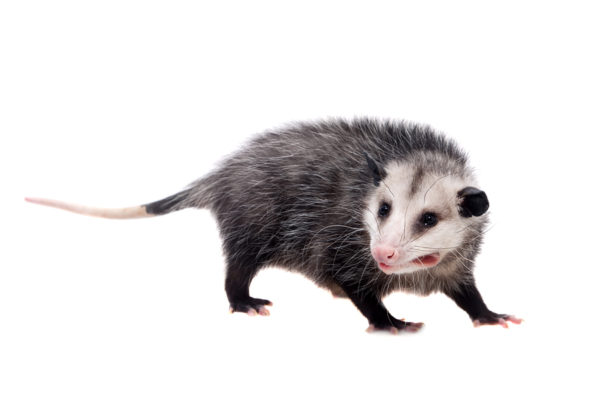
OPOSSUMS:

APPEARANCE:
- About 2 feet long
- About 10 lbs.
- Long, light grey hair
- Hairless round ears
- Scaly tail
- Five fingers on their front feet, four fingers and opposable thumbs on their rear feet
HABITAT:
- Establishes home within existing structures (hollow logs, garages, crawlspaces, under buildings, inside burrows)
- Lives close to their food sources
DIET:
- Omnivore
- Will eat anything it can find
- Usually eats fruit, grass, insects, mammals, birds, and fish
BEHAVIOR:
- Marsupial (carries young in a pouch)
- Sluggish and slow
- Nocturnal
- Excellent climbers
- Produces a repulsive smell
- Plays dead as a defensive mechanism
THREAT:
- Not dangerous to humans as long as they aren’t cornered
- May carry diseases of concern to humans (e.g. rabies) but transmission is extremely rare
- Always handle (dead or alive) with gloves and wash hands thoroughly afterwards
SIGNS:
- You see them out, especially at night
- Usually see or hear around garbage cans or in attics
- Damage to lawns and gardens from digging for food
- Eaten pet food or birdseed
PREVENTION:
- Opossums are protected species in many areas so check local laws and regulations before trapping or relocating
- Eliminate food sources by keeping pet food inside and removing uneaten birdseed at night
- Keep garbage cans closed and secure with bungee cords, cinder blocks, or latches
- Put garbage cans out for pickup in the morning rather than overnight
- Keep pets inside at night
- Keep outdoor grills and grease catch cans clean
- Secure under decks, eaves, and chimneys with wire mesh and use chimney caps
- Trim tree limbs to prevent roof access
- Enclose your crawlspace
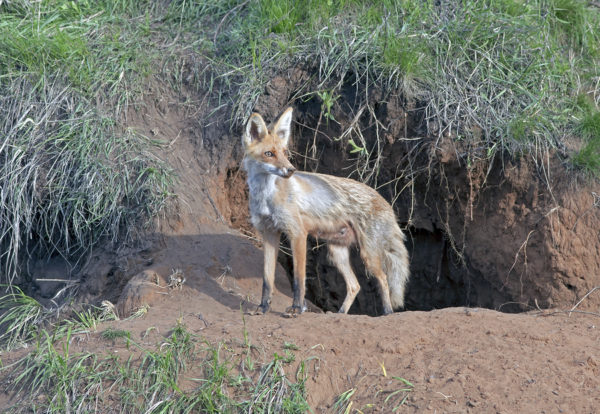
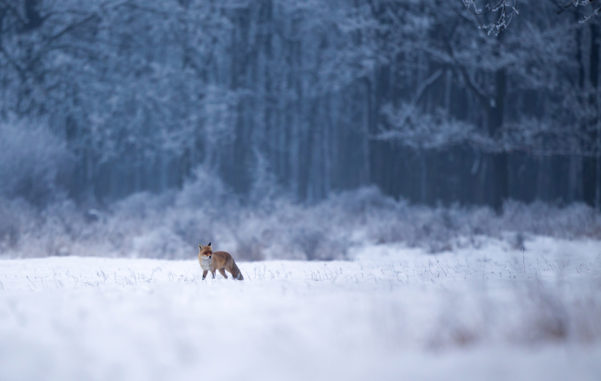
FOXES:
APPEARANCE:
- 3 to 3-1/2 feet in length
- Reddish brown to grey fur
- Tails have black or white tips
- Yellowish eyes
HABITAT:
- Will make dens under porches, decks or sheds
- Found in suburban areas and near farms
- Often seen near wooded areas, open fields and meadows
- Will dig their own dens or use abandoned burrows and hollow trees
DIET:
- Prey on small pets and livestock (rabbits, guinea pigs, chickens)
- Prefer rodents, rabbits, insects, and fruit
BEHAVIOR:
- Natural fear of humans
- Like to dig
THREAT:
- Not dangerous unless rabid (which is very rare)
- Dangerous if captured or handled (they will bite or attack)
SIGNS:
- See them (daytime or night)
- Small animals/pets are carried off
- Twisted droppings with hair or berries
- Distinct odor left behind (almost like a skunk)
PREVENTION:
- Keep pets indoors or in sturdy structures
- If they have established a den under or near your home:
- Loosely pack leaves, soil or mulch in the opening
- Place urine soaked kitty litter, a sweat soaked shirt, smelly socks, or old sneakers in or near the opening
- Spread capsicum-based repellent around the entry
- Bury an L-shaped footer around the perimeter of fencing or enclosures to prevent them from digging into them
- Scare foxes them away by making noise near their dens, shouting, or increasing activity near the den
- Get rid of food sources like garbage, compost piles, and outdoor pet food
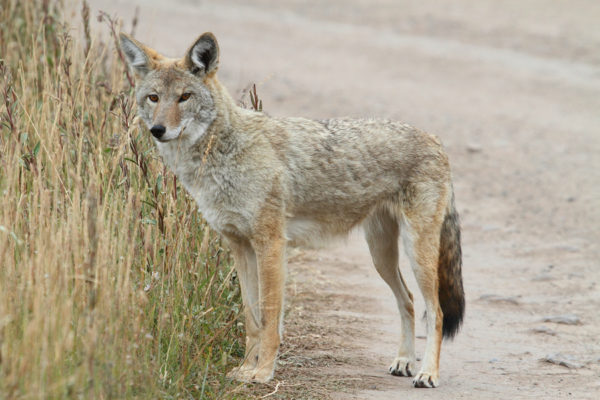
COYOTES:
APPEARANCE:
- 4 to 5 feet in length
- 15 to 45 lbs
- Tawny grey fur with dark areas and a black strip along their back
- Backs of their ears are yellowish
- Throat and belly are white
- Tails have a black tip
HABITAT:
- Prefer forests, grasslands, deserts, and swampy areas (they are very adaptable)
- Accustomed to humans so they can be found in rural, urban, and suburban areas
DIET:
- Mainly prefer small animals (rabbits, squirrels, mice)
- Will also occasionally eat birds and insects
BEHAVIOR:
- Nocturnal – they usually hunt after dark and in the early morning
- Will kill house cats, small dogs, and livestock
- They run with their tails down (this distinguishes them from dogs and wolves)
THREAT:
- Can carry distemper, hepatitis, parvovirus, rabies, mange, and tularemia
- They have occasionally attacked humans if threatened
SIGNS:
- Spotting them, especially at night
- Hearing them (yip, yelp, howl, growl, and bark)
- Dead or missing animals
- Damage to gardens
- Tracks – more elongated than dogs and more uniform in shape
- Twisted droppings with hair and berries
- Signs of prey (carcasses or bones that have been eaten clean)
PREVENTION:
- Remove food sources like garbage cans and dumpsters or secure them with latches or straps
- Feed pets and birds during the day and clean up stray food
- Remove bird feeders at night as they will eat both the seeds and the animals who come to feed
- Keep an eye on pets and young children as coyotes will attack if they are left alone
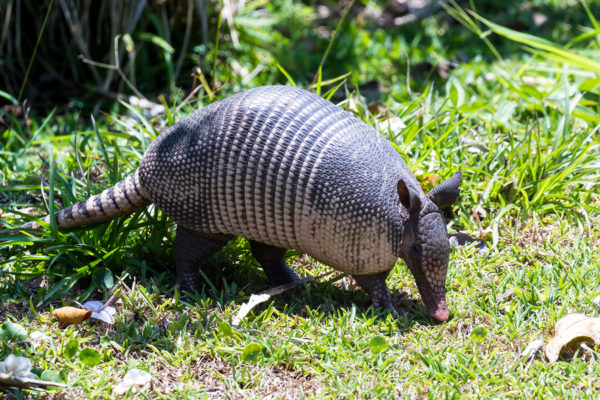
ARMADILLOS:
APPEARANCE:
- Anywhere from 6 inches to 5 feet in length
- 8 to 17 lbs
- Color ranges from black to red, grey, or yellowish patterns and coloring
- Tough shell with knobby scales
HABITAT:
- Live in wooded areas and prefer loose, sandy, or clay soil since it is easier to dig
- Will dig multiple burrows, some up to 15 feet deep
- Can burrow under patios and driveways
- Burrow entrances are usually hidden under brush, stumps, and rock piles
DIET:
- Insects, insect larvae, earthworms, snails, and scorpions
BEHAVIOR:
- Nocturnal – feed at night and hide in burrows during the day
- Excellent diggers
- Poor eyesight and hearing
- Move swiftly
- Good swimmers
THREAT:
- Not usually dangerous to humans
- Can carry the bacterium that causes leprosy but can only be transmitted by eating undercooked meat
SIGNS:
- Seeing them, especially at night
- Structural damage from burrowing under driveways and patios
- Damage to flowerbeds, gardens, and landscaping
PREVENTION:
- Eliminate food sources by decreasing the amount of water and fertilizer used on your lawn; this rich, moist soil brings worms and other insect larvae to the surface which attracts armadillos
- Install fences around gardens at least 2 feet high and 18 inches into the ground
- Remove brush, woodpiles, low lying bushes and shrubs as these are used to cover burrows
- Clean up any fallen berries or fruit
- Use a castor-oil based repellent around your yard
Oct 13, 2017 | Wildlife
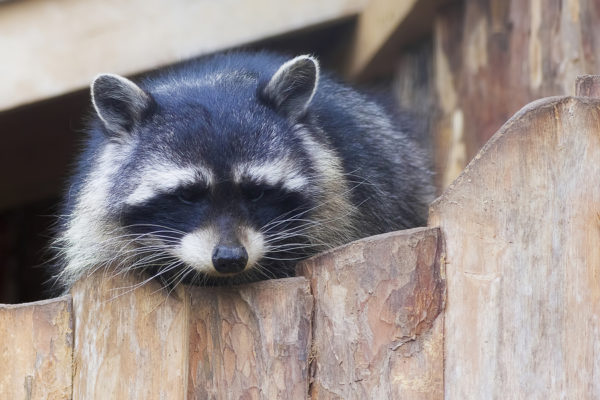
Most of us have seen a raccoon, whether in person or as a cute, cuddly cartoon character. Unfortunately, these furry animals are not only dangerous to humans, but can cause significant damage and destruction to both your home and your yard. Raccoons are known to carry several bacterial diseases and parasites including rabies, salmonella, and roundworms.
Although raccoons are wild animals, they are becoming more and more common in urban areas as our population grows and their food and shelter sources diminish. They prefer to make their dens in hollowed out trees but these are fewer and far between in urban areas so they are forced to be more creative in their hunt for a home. Raccoons are now more often getting inside OUR homes, especially in the attic in search of shelter and food.
Raccoons are very dexterous animals and can use their hands to open doors, jars, bottles, and latches. They are also excellent climbers. These skills allow them to access our attics much more easily than other animals. But how do you know if you have a raccoon in or around your home? You can look for any of these signs:
- Sounds of movement in the attic like scurrying, chewing, crying, or growling, especially at night
- Tipped over trashcans
- Emptied or damaged bird feeders
- Damage to gardens
- Uncapped chimneys
- Torn shingles
- Urine or feces, especially in the attic
- Tracks which have 5 long toes and fingers, much like human prints
Once you have determined there is a raccoon in your attic, how do you get rid of it? While many people prefer to remove raccoons themselves, it’s not recommended. A wildlife removal company can not only safely remove the raccoons, but also clean up any contamination and offer exclusion methods to prevent them from returning. One thing to consider is that there is often a nest of babies along with the adult raccoon. Baby raccoons must be removed by hand. Wearing thick leather gloves, babies can be picked up by hand and carried out in a pillowcase. They can then be used to trap the adult raccoon or safely relocated. You can also trap the adult by scaring it into a pre-set trap or by catching it with a snare pole and putting it in a cage. Once the raccoons have been caught and removed, inspect your home to find entry points and then seal all areas to prevent raccoons and other pests from getting back into your home.
Most of us would prefer to avoid the process of removing raccoons (or having them removed) from our homes. So what can you do to prevent them from coming into your attic in the first place? Here are 5 tips for keeping raccoons out of your home:
- Hide your trash. Store trashcans and recycling bins indoors or in sealed areas such as locked sheds (raccoons can open unlocked doors even if they are closed). If you must keep your trashcans outdoors, use animal proof lids on them.
- Hide their food. Remove sources of food and shelter from your property. Cut down old trees that may be hollow. Remove bird feeders at night and be sure to clean underneath them. Don’t leave pet food and water containers out overnight. Keep pet food sealed and preferably inside.
- Eliminate their entry points. Inspect the outside of your home for possible access points and repair them. Look for holes in your roof or siding, loose siding and shingles, and holes in your porches or skirting. Cover chimneys with a wire mesh cover or cap. Cover any other exposed openings with wire mesh, as well. Install mesh beneath porches and decks and around your gardens. Consider crawlspace enclosure.
- Don’t forget your pets. Lock your pet doors at night. If your pets need access to outside overnight, consider investing in a pet door that operates by a remote sensor in your pet’s collar so that it stays locked until your pet activates the door.
- Light up the night. Raccoons are nocturnal animals and prefer the cover of darkness when they roam. Because most raccoons are used to humans, your regular porch light is often not enough to scare them off. Install motion-sensor floodlights in several areas around your home.
Sep 29, 2017 | Pest Control, Wildlife
What’s the difference between a mouse and a rat? Identifying the type of rodent you have is the first and most important step in controlling your rodent problem. What works to control mice won’t necessarily work to control rats. Here are the differences between mice and rats along with some tips to prevent and get rid of them.
MICE:
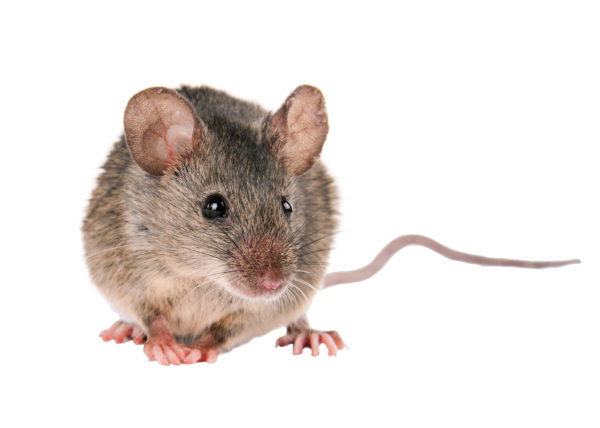
The most common mouse found in the United States is the house mouse.
What Do They Look Like?
- Small size, usually 1-4 inches long.
- Adults weight about 0.5 ounces.
- Small head, small feet, pointed snout.
- Large ears with some hair.
- Light brown body with some gray shading and dark tail.
- Larger ears and longer tail compared to their body size than rats.
- Musky odor
- Color blind
- Droppings shaped like rods
Where Do They Live?
- They usually live on the ground or in nests in burrows.
- Will build nests near food source.
- Will use nearly any soft material or finely shredded paper to build their nest.
- Can be found indoors or outdoors, in cities or rural areas.
What Do They Eat?
- They prefer to eat cereals but will feed on almost anything.
- They tend to seek food in the same place everyday.
- They don’t need to drink water but will if it is available.
How Do They Move?
- They can climb, jump, and swim.
- They can jump up to 13 inches.
- They can run along wires, cables, and ropes.
- They are nocturnal and most active from dusk until dawn.
- They are curious and will come out to investigate.
- Mice can enter buildings through openings as small as 1/4″ in diameter.
RATS:
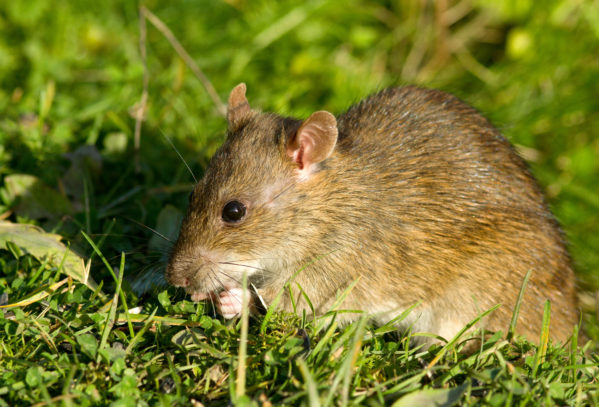
The two most common rats found in the United States are the brown rat (Norway rat) and the black rat (roof rat, ship rat).
Brown Rat (Norway Rat)
Black Rat (Roof Rat, Ship Rat)
What Do They Look Like?
- Brown rats have a heavy, thick body, a blunt snout, and short ears with dark hair.
- Brown rats have brown bodies with black shading and shaggy coats.
- Brown rats have tails that are dark on top and pale underneath.
- Adult brown rats weigh about 11 ounces.
- Brown rat droppings are shaped like capsules.
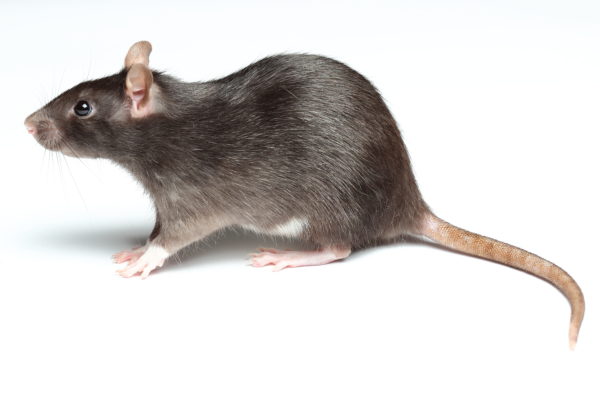
- Black rats have light, slender bodies, pointed snouts, and large ears with no hair.
- Black rats have gray bodies with black shading and smooth coats.
- Black rats have dark tails.
- Adult black rats weight about 7 ounces.
- Black rat droppings are shaped like spindles.
- Rats have longer body lengths, measuring about 8″ in body length with another 9″ of tail length.
- Rats have larger feet and heads compared to body size than mice do.
Where Do They Live?
- Rats will dig under buildings, along fences, and under plants and debris.
- The brown rat usually lives on the ground or in burrows.
- The brown rat is usually seen in buildings, sewers, and outdoors.
- The black rat is usually seen in buildings around ports and in ships.
- The black rat will nest high up in roofs, attics, and trees.
What Do They Eat?
- Brown rats prefer cereals.
- Brown rats tend to seek food in the same place everyday.
- Brown rats drink about 2 ounces of water a day.
- Black rats prefer moist fruits.
- Black rats tend to seek food in different places each day.
- Black rats drink about 1 ounce of water a day.
How Do They Move?
- Rats can enter a building through a hole as small as 1/2″ in diameter.
- Rats are strong swimmers and can live in sewers.
- Rats can enter buildings through broken drains and toilets.
- Rats will climb to get food, water, and shelter.
- Rats follow regular routines and paths everyday.
- Rats usually stay within 300 feet of their nest or burrow.
- Rats are nocturnal.
- Rats have poor eyesight.
How Do You Get Rid Of Rodents?
Now that you know the difference between mice and rats, what can you do to get rid of them? Check out these 7 tips for getting rid of both mice and rats:
- Know The Signs. Signs of both mice and rats include droppings, gnaw marks, tracks, and burrows. These signs can especially be seen around food sources.
- Keep It Clean. Mice and rats will come into your home in search of food. Store food in airtight containers. Don’t leave food or dirty dishes out overnight. Wipe crumbs off the counters. Sweep and vacuum floors regularly. Secure your garbage. Don’t leave pet food out overnight and store it in airtight containers, also.
- Don’t Let Them In. Eliminate any entry points into your home. Seal any cracks in your foundation. Seal around any openings in the walls, especially around utility pipes and vents. Use weather stripping for gaps in doors and windows.
- Don’t Forget Outside. Remove debris from around your home. Keep your yard mowed and weeded. Trim shrubbery away from the sides of your home. Keep woodpiles away from your home.
- Use Your Pets. Cats and even some dogs will hunt rodents. Use them as a ready made form of pest control.
- Use Traps. There is never just one moue or rat so it is best to use several traps at a time. It is also a good idea to use different types of traps. Use whatever food the pests have been feeding on as bait in your traps. Place traps perpendicular to the walls and near where you have seen signs of their presence.
- Call The Pros. If you suspect a mouse or rat problem in your home, contact a pest control professional. They will be able to evaluate your home, identify what kind of rodent you have, and set you up with a comprehensive treatment plan.
Sep 29, 2017 | Pest Control, Wildlife
What’s the difference between a mouse and a rat? Identifying the type of rodent you have is the first and most important step in controlling your rodent problem. What works to control mice won’t necessarily work to control rats. Here are the differences between mice and rats along with some tips to prevent and get rid of them.
MICE:
The most common mouse found in the United States is the house mouse.
What Do They Look Like?
- Small size, usually 1-4 inches long.
- Adults weight about 0.5 ounces.
- Small head, small feet, pointed snout.
- Large ears with some hair.
- Light brown body with some gray shading and dark tail.
- Larger ears and longer tail compared to their body size than rats.
- Musky odor
- Color blind
- Droppings shaped like rods
Where Do They Live?
- They usually live on the ground or in nests in burrows.
- Will build nests near food source.
- Will use nearly any soft material or finely shredded paper to build their nest.
- Can be found indoors or outdoors, in cities or rural areas.
What Do They Eat?
- They prefer to eat cereals but will feed on almost anything.
- They tend to seek food in the same place everyday.
- They don’t need to drink water but will if it is available.
How Do They Move?
- They can climb, jump, and swim.
- They can jump up to 13 inches.
- They can run along wires, cables, and ropes.
- They are nocturnal and most active from dusk until dawn.
- They are curious and will come out to investigate.
- Mice can enter buildings through openings as small as 1/4″ in diameter.
RATS:
The two most common rats found in the United States are the brown rat (Norway rat) and the black rat (roof rat, ship rat).
Brown Rat (Norway Rat)
Black Rat (Roof Rat, Ship Rat)
What Do They Look Like?
- Brown rats have a heavy, thick body, a blunt snout, and short ears with dark hair.
- Brown rats have brown bodies with black shading and shaggy coats.
- Brown rats have tails that are dark on top and pale underneath.
- Adult brown rats weigh about 11 ounces.
- Brown rat droppings are shaped like capsules.
- Black rats have light, slender bodies, pointed snouts, and large ears with no hair.
- Black rats have gray bodies with black shading and smooth coats.
- Black rats have dark tails.
- Adult black rats weight about 7 ounces.
- Black rat droppings are shaped like spindles.
- Rats have longer body lengths, measuring about 8″ in body length with another 9″ of tail length.
- Rats have larger feet and heads compared to body size than mice do.
Where Do They Live?
- Rats will dig under buildings, along fences, and under plants and debris.
- The brown rat usually lives on the ground or in burrows.
- The brown rat is usually seen in buildings, sewers, and outdoors.
- The black rat is usually seen in buildings around ports and in ships.
- The black rat will nest high up in roofs, attics, and trees.
What Do They Eat?
- Brown rats prefer cereals.
- Brown rats tend to seek food in the same place everyday.
- Brown rats drink about 2 ounces of water a day.
- Black rats prefer moist fruits.
- Black rats tend to seek food in different places each day.
- Black rats drink about 1 ounce of water a day.
How Do They Move?
- Rats can enter a building through a hole as small as 1/2″ in diameter.
- Rats are strong swimmers and can live in sewers.
- Rats can enter buildings through broken drains and toilets.
- Rats will climb to get food, water, and shelter.
- Rats follow regular routines and paths everyday.
- Rats usually stay within 300 feet of their nest or burrow.
- Rats are nocturnal.
- Rats have poor eyesight.
How Do You Get Rid Of Rodents?
Now that you know the difference between mice and rats, what can you do to get rid of them? Check out these 7 tips for getting rid of both mice and rats:
- Know The Signs. Signs of both mice and rats include droppings, gnaw marks, tracks, and burrows. These signs can especially be seen around food sources.
- Keep It Clean. Mice and rats will come into your home in search of food. Store food in airtight containers. Don’t leave food or dirty dishes out overnight. Wipe crumbs off the counters. Sweep and vacuum floors regularly. Secure your garbage. Don’t leave pet food out overnight and store it in airtight containers, also.
- Don’t Let Them In. Eliminate any entry points into your home. Seal any cracks in your foundation. Seal around any openings in the walls, especially around utility pipes and vents. Use weather stripping for gaps in doors and windows.
- Don’t Forget Outside. Remove debris from around your home. Keep your yard mowed and weeded. Trim shrubbery away from the sides of your home. Keep woodpiles away from your home.
- Use Your Pets. Cats and even some dogs will hunt rodents. Use them as a ready made form of pest control.
- Use Traps. There is never just one moue or rat so it is best to use several traps at a time. It is also a good idea to use different types of traps. Use whatever food the pests have been feeding on as bait in your traps. Place traps perpendicular to the walls and near where you have seen signs of their presence.
- Call The Pros. If you suspect a mouse or rat problem in your home, contact a pest control professional. They will be able to evaluate your home, identify what kind of rodent you have, and set you up with a comprehensive treatment plan.
Sep 7, 2017 | Wildlife
Fall will soon be upon us! As the temperatures cool down we want to get outdoors and enjoy the milder weather at the turn of the season. But BEWARE! Snakes are also active during this time of the year. Most snakebites occur between April and October when the weather is still warm and outdoor activities are popular. Fall is breeding and hatching season which makes males more aggressive as they are trying to get the attention of female snakes. Newly hatched snakes are also aggressive as they are trying to avoid predators. Snakes are also preparing for hibernation or brumation (where they don’t actually sleep but instead slow their metabolism to acclimate to the cooler temperatures) which makes them more active during this time of the year. Here are some common snakes you may encounter in southern states and what you can do to keep them away from your home.
COMMON SNAKES IN THE SOUTHEAST:
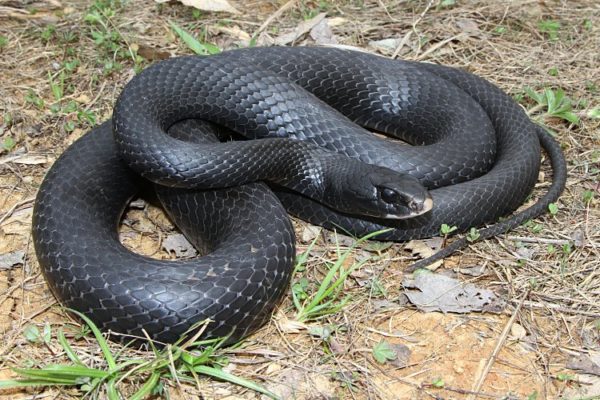
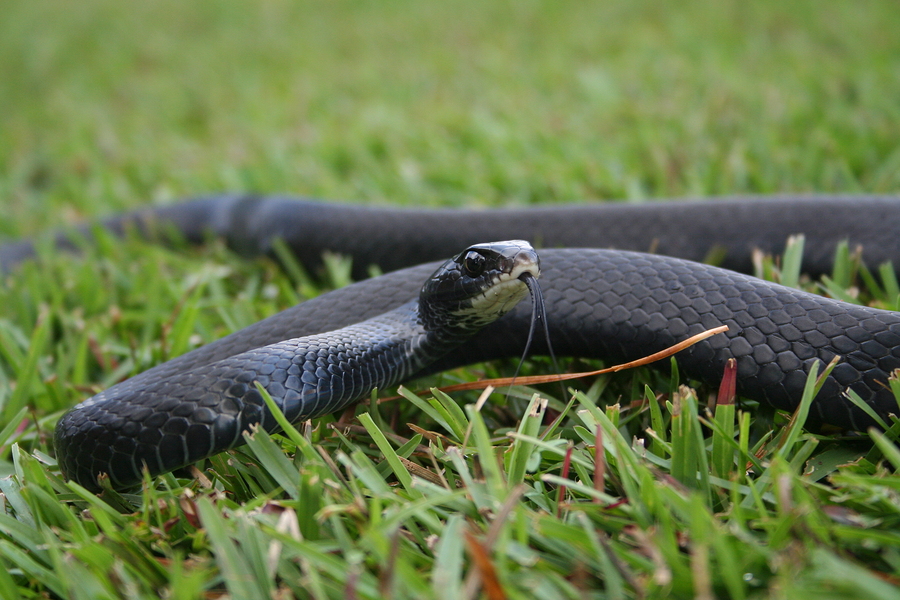
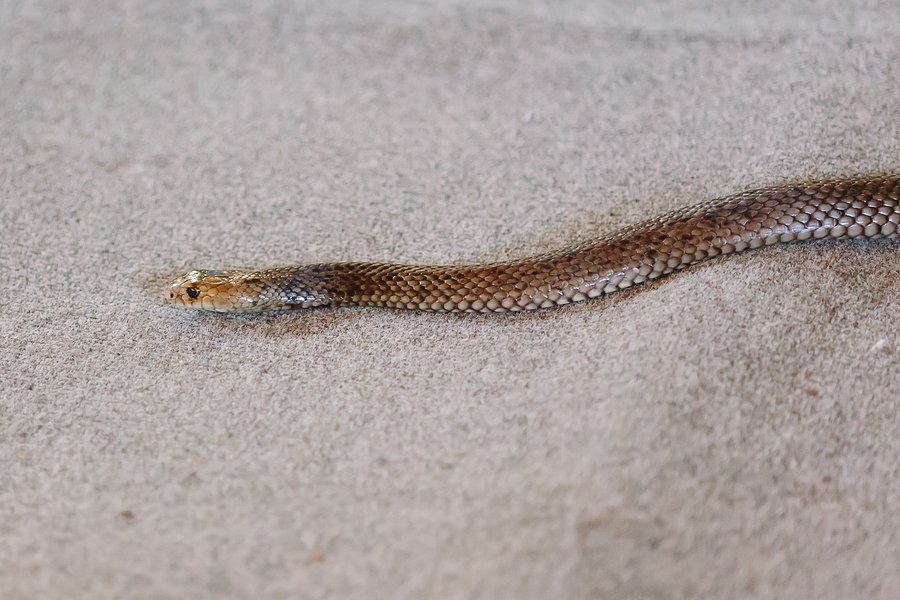
Black racers are large snakes (usually over 5 feet long). They are slender and solid black in color, although some may have a white chin. They are often mistaken for other large, black snakes. Juveniles look completely different, usually gray in color with darker blotches. They tend to flee quickly when threatened. They are found throughout the eastern US. They can be found in any habitat but are more common in old fields, near forest edges, and the edges of wetlands. They are non-venomous but may bite if handled.
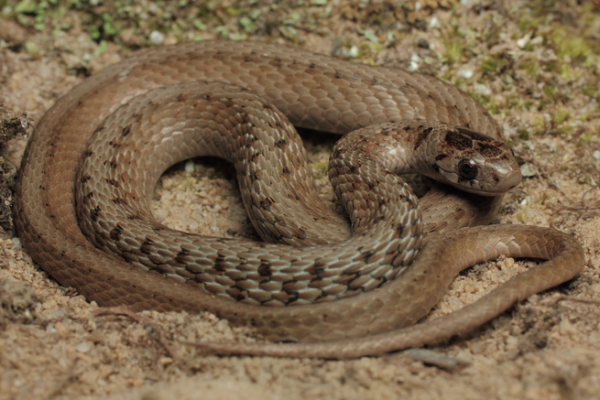
Brown snakes are small (usually only 6-13 inches in length). Most of them are brown in color but they can yellow, reddish, or grayish brown and can have darker spots on their backs. They can be found in wooded areas, near wetlands, and in urban areas. They are not found in areas of high elevation. They like to live under debris in residential areas or any other area with enough groundcover. They are non-venomous but may bite if handled.
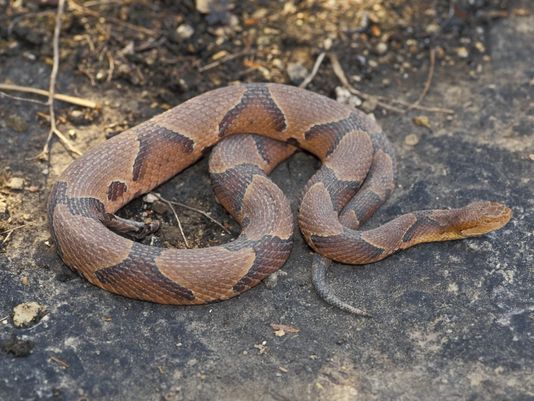
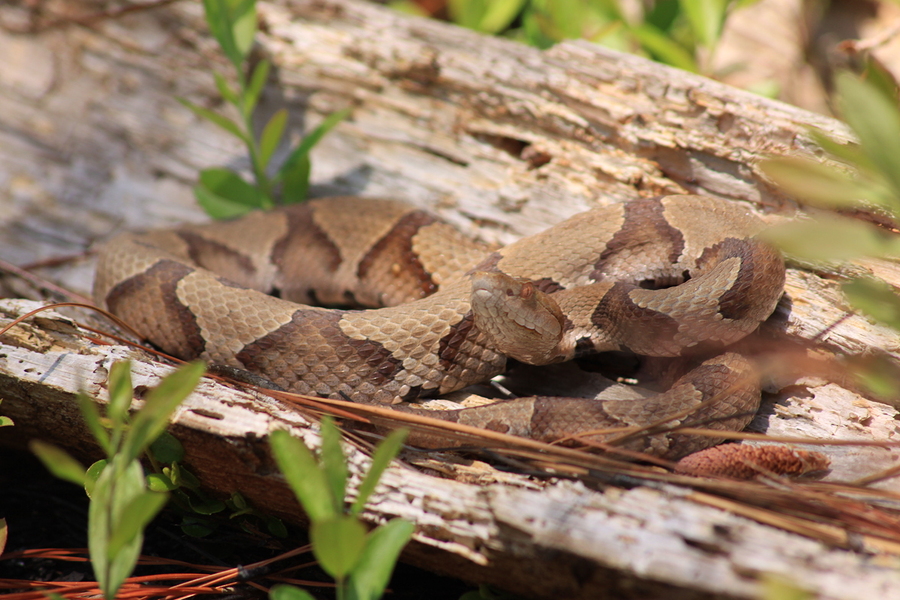
Copperheads are large snakes (usually 2-4 feet long). They have a distinctly triangular shaped head. They are tan to brown with darker hourglass shaped bands on their bodies. Juvenile copperheads have a distinct yellow-tipped tail. They are found in semi-protected areas like woods and swamps but may also be found in urban areas. They are found throughout the central and eastern US, with the exception of some parts of South Georgia and the entire state of Florida. They are venomous and may bite if they feel threatened.
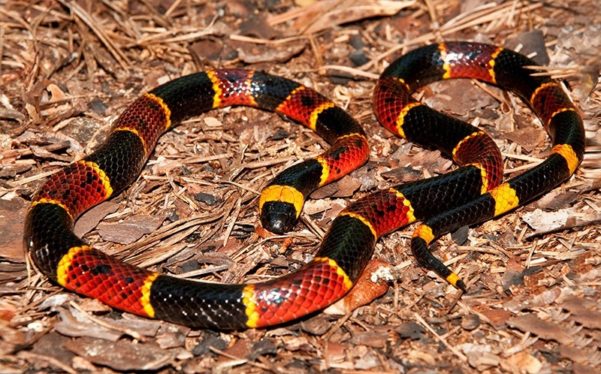
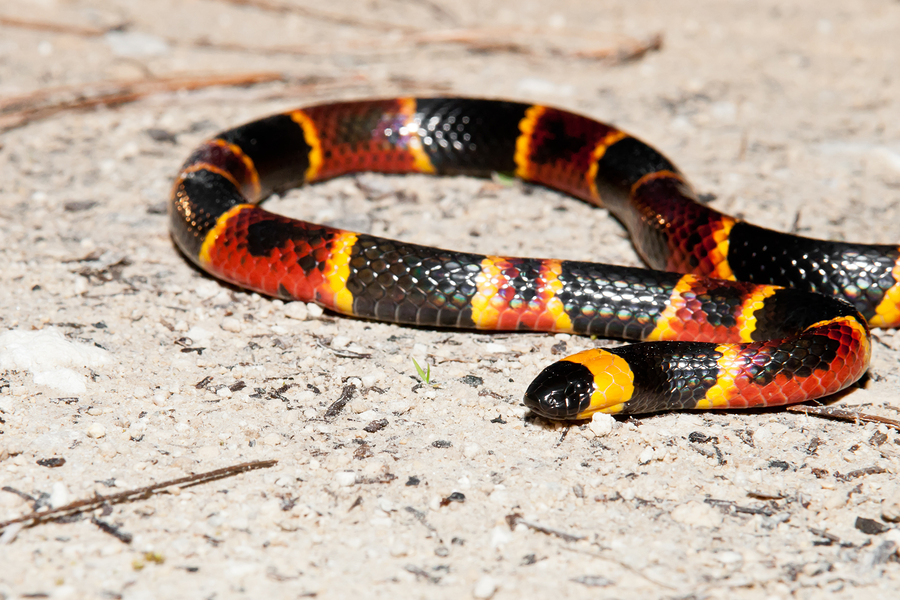
Coral snakes are medium sized (1.5 to 2.5 feet long). They are brightly colored red, yellow, and black. If they feel threatened, they will lift up their tail and curl the tip over. Although they spend the majority of their time underground, they can be found in pine and scrub sandhill habitats, hardwood forests and pine flatwoods, and in suburban areas. They are found throughout much of the southern coastal plain, although they are most common in Florida. They are venomous and may bite if they feel threatened.
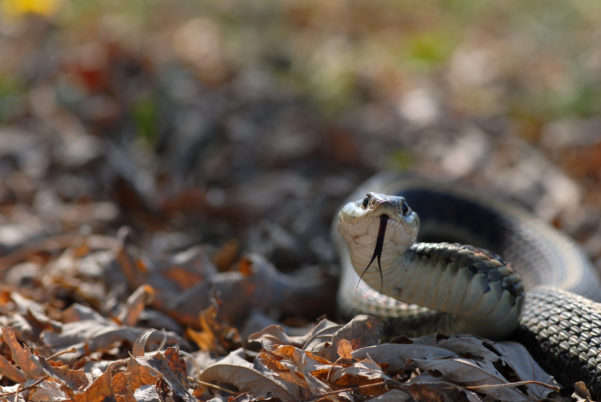
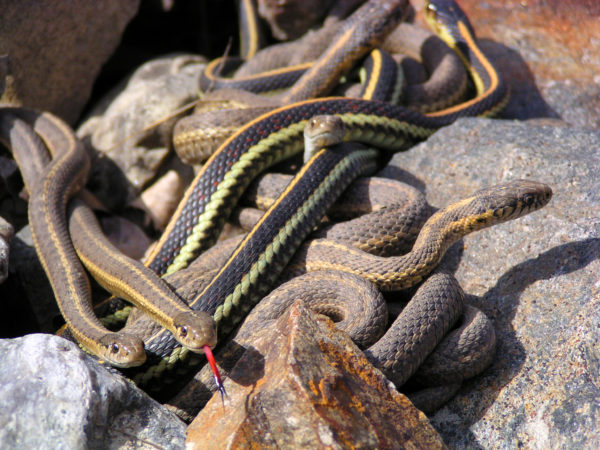
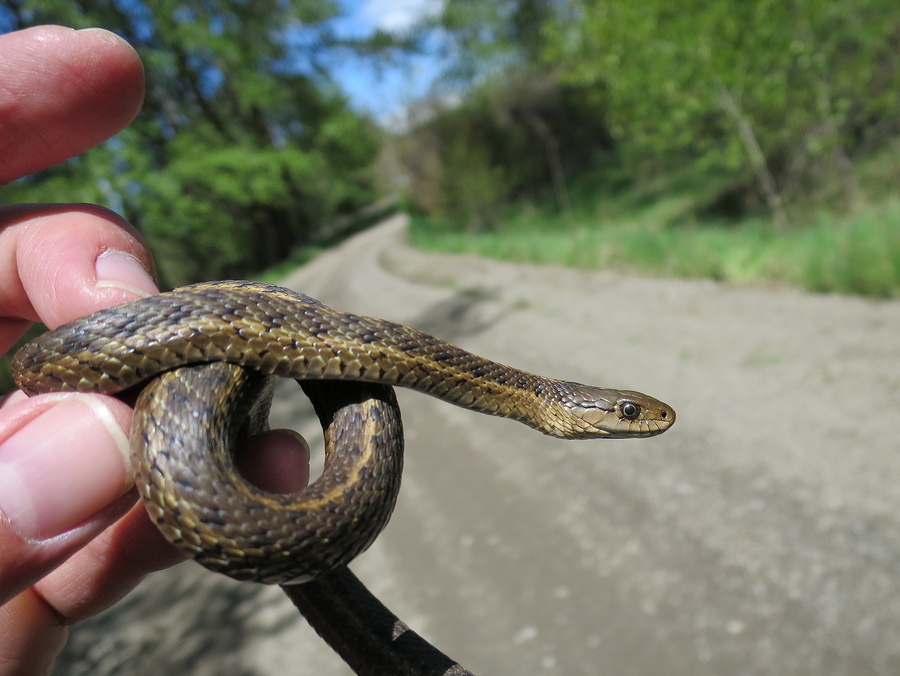
Garter snakes are small to medium sized (1.5 to 4 feet long). They have dark colored bodies with three yellow stripes running vertically. They prefer protected areas such as woods or marshes but are also common in grassy areas and around water. They are very common in suburban areas as long as there is adequate cover for them. They are common throughout the Southeast and most of the US. They are non-venomous but may bite if handled.
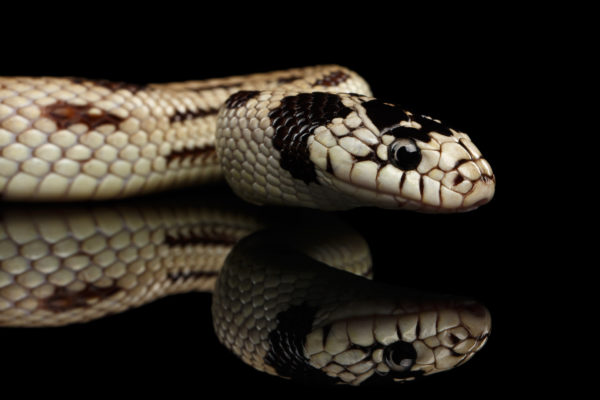
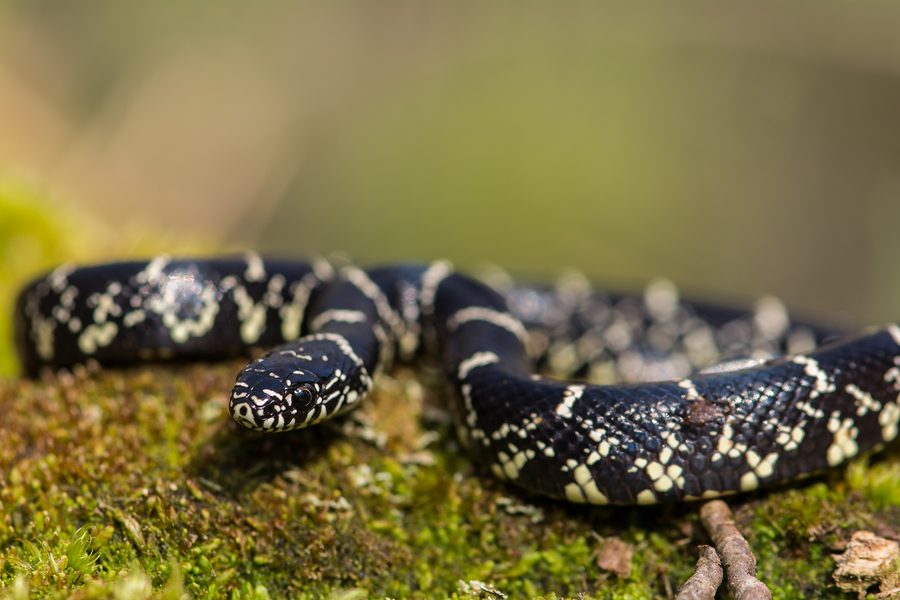
King snakes are large snakes (3-4 feet long). They are a shiny black color with white or yellow bands. They have a rectangular looking head with a short, blunt snout. They are found in protected areas such as woods, overgrown vegetation, and cluttered areas. They are found throughout the southeast US. They are non-venomous but may bite if handled or threatened.
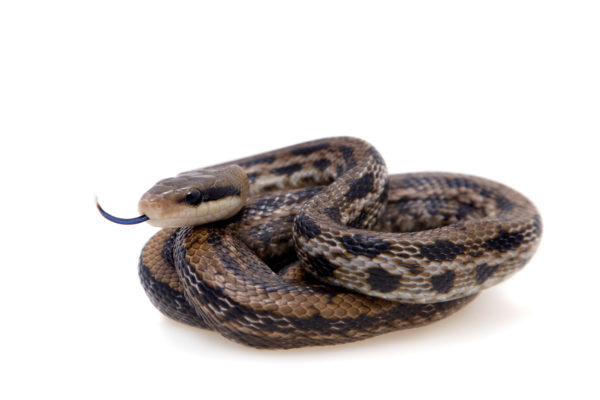
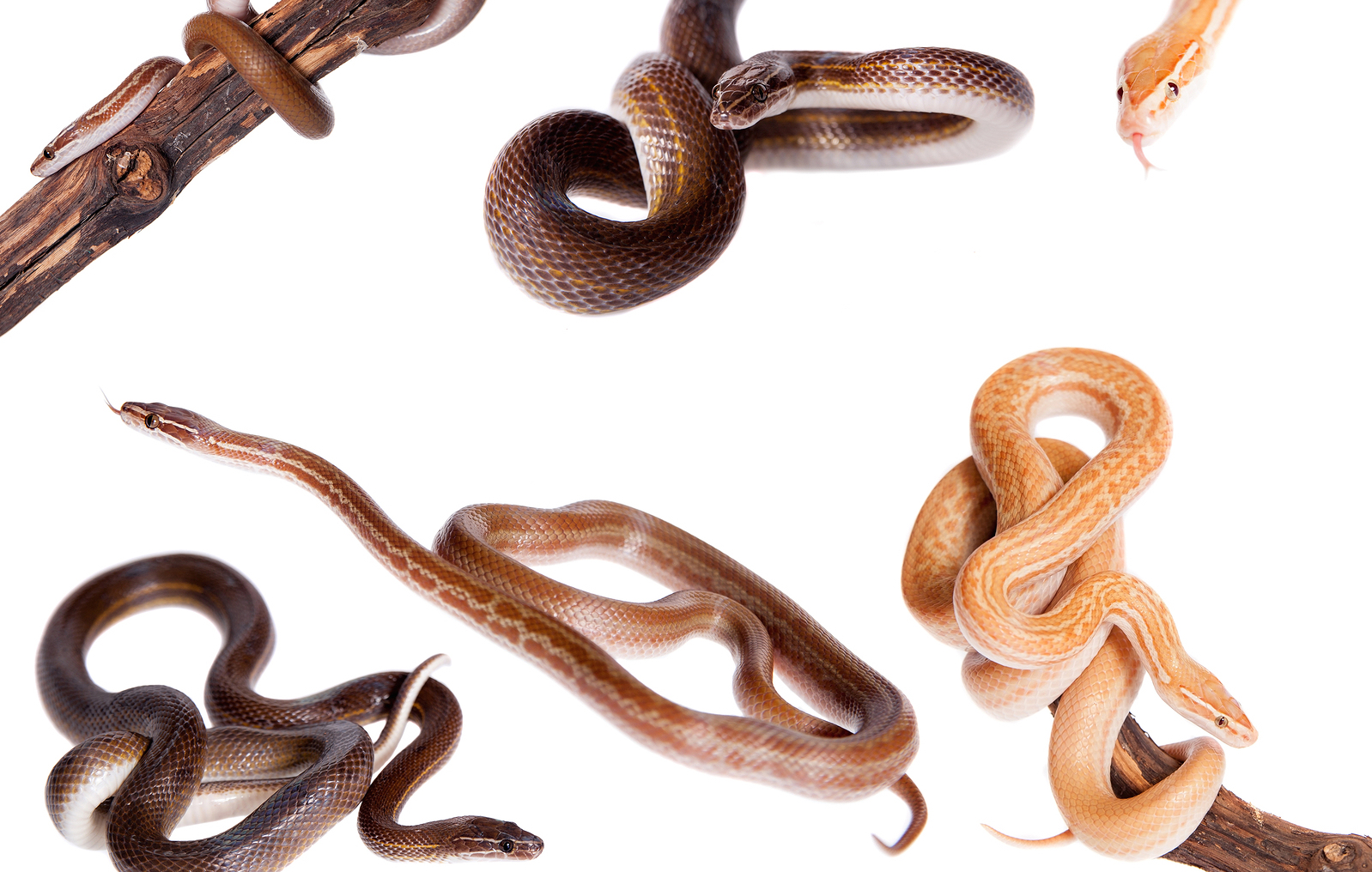
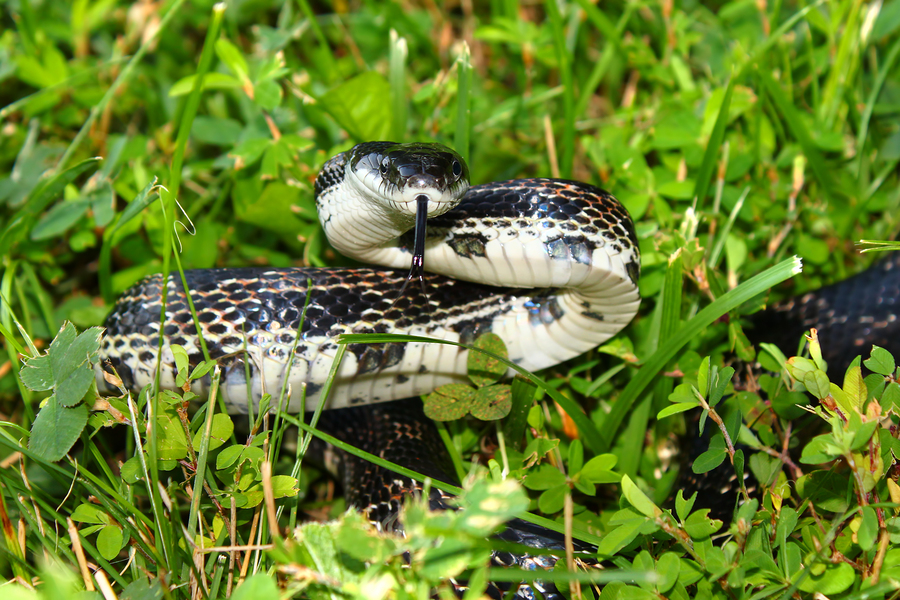
Rat snakes are large snakes (most 3-5 feet long but some longer than 6 feet). Their coloring depends on the region they live in and can be black, yellow with stripes, or gray with darker patches. They are found in semi-protected areas such as woods, overgrown vegetation, swamps, or abandoned and vacant buildings. They are found throughout the southeast US. They may climb for food. They are non-venomous but may bite if handled or threatened.
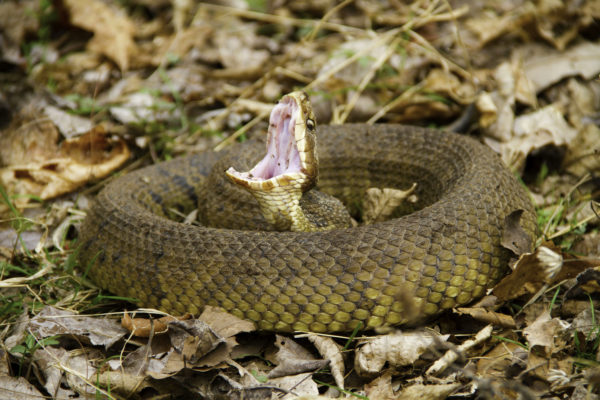
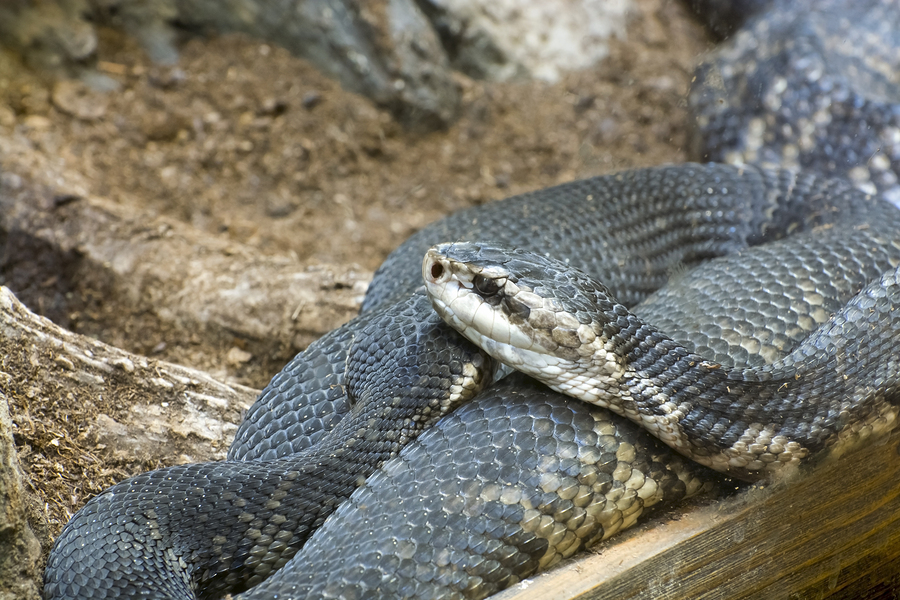
Water moccasins are also known as cottonmouths. They are large snakes (2-4 feet long). Their color varies from solid brown to yellow with dark crossbands. Juveniles have a yellow-tipped tail. Their head is distinctly triangular. When threatened they have a characteristic display with their head in the middle of their coiled body and their mouth wide open. They are found in freshwater habitats, cypress swamps, river floodplains, and heavily vegetated wetlands. They are found throughout the southeast US but are more common in coastal regions. They are venomous snakes and may bite when threatened.
HOW TO AVOID SNAKES
While it is impossible to prevent snakes, there are things you can do to avoid them and prepare yourself and your family when you are enjoying the outdoors. Check out these 10 tips to avoid snakes:
- COVER YOUR FEET. If you are going to be outdoors in areas that are prone to snakes, don’t wear flip flops or sandals. Wear closed toed shoes, preferably hiking boots and long pants.
- AVOID TALL GRASS. If possible, avoid areas with tall grass when you are outdoors. If you must walk through tall grass, keep your feet and legs protected, keep a vigilant watch around you and make your presence known.
- DO SOME RESEARCH. Check out our snake facts above and try to avoid areas that are likely to have snakes. Do some research ahead of time and find out what snakes are most common in your area, what they look like, and what habitats they live in.
- LOOK UP. Many snakes can climb trees and can move from tree to tree by adjacent branches. Make sure to look up when you are walking in wooded areas and wear a hat if possible. This also applies if you are boating in areas with overhanging trees.
- WALK WITH CONFIDENCE. Snakes respond to vibrations from the ground so they can feel you coming before they can see you. Walk with strong steps to make your presence known. They will often flee before you even see them.
- PAY ATTENTION. Look around. Be aware of your surroundings. Look down when you are walking.
- AVOID HABITATS. Familiarize yourself with habitats common to snakes in your areas and avoid them. Stay away from large rocks, rock and wood piles, areas with heavy overgrowth, or any other area that snakes can use for cover.
- CHECK YOUR CAR. Snakes are known to take cover under cars, especially if you park your car in an area prone to snakes. They seek protection from predators while still having a warm surface to lay on.
- PROTECT YOUR HOME. Seal any cracks and crevices around your home that might allow snakes to come in seeking warmth and food. Remove debris and clutter from your yard and garage. Keep wood piles away from the house. Clear overgrowth from your yard. Remove anything that could potentially be used as cover for snakes.
- USE REPELLENT. There are many commercial snake repellents on the market today, as well as several natural methods of snake repellent. Find the one that works best for you.
Jul 28, 2017 | Pest Control, Wildlife
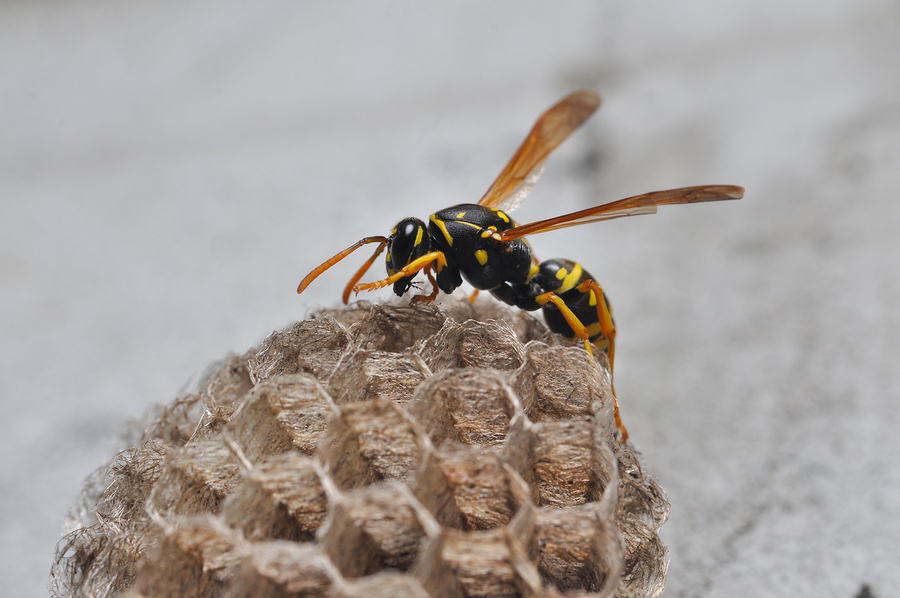
Paper wasps can be a nuisance during the summer. While they do not set out to sting intentionally, they will if they feel threatened. Their narrow bodies are most commonly dark brown in color, with black wings and yellow markings. Some even appear similar to yellow jackets in coloration. Here are some facts on paper wasps!
- Unlike bees, wasps can sting repeatedly. Only females have stingers, which are actually modified egg-laying organs.
- Paper wasp nests are made from plant material combined with saliva and appear to be made from paper. They chew up strips of plant material and spit it out again to form a rough paper. Some wasps make nests in basements, sheds or dark, cool places.
- A queen starts a new colony each spring. She raises a few worker wasps first to make the nest larger and bring food. Then she starts laying eggs. A colony can grow to 50,000 wasps in one summer.
- All the wasps die except for a few new queens during the start of winter. The new queens spend the winter in an old log or burrow. Once spring comes around, they start to make new colonies.
Removing a paper wasp nest can be a dangerous task. It is advised to proceed with caution if you encounter a nest and contact a pest control company to assist with the removal of the nest.
Apr 19, 2017 | Wildlife
Common Snakes in the South: Identification, Threats & Snake Control Tips
Eastern Kingsnakes
What do they look like?
- Large snakes, usually 3-4 feet long
- Shiny black color with white or yellow bands
- Short, blunt snout and rectangular looking head
- Small beady eyes
Where do you find them?
- Protected areas such as woods, overgrown vegetation, cluttered areas, etc.
- Prevalent throughout the southeast U.S.
- Most active during summer months in the morning hours
How dangerous are they?
- Strong constrictors
- Non-venomous
- May bite if handled or threatened
How do you prevent and/or control them?
- Keep food sources away from your home – other snakes, lizards, rodents, and birds
- Limit clutter and stored wood near your home
- Use a product that snakes find repellent to prevent them
- Professional snake control by a licensed pest control company
Rat Snakes
What do they look like?
- Large snakes, 3-6+ feet long
- Black, yellow with stripes, or gray with darker patches
Where do you find them?
- Semi-protected areas such as woods, over grown vegetation, swamps, abandoned or vacant buildings, etc.
- Prevalent throughout the southeast U.S.
How dangerous are they?
- Non-venomous
- May bite if handled or threatened
- May climb for food
How do you prevent and/or control them?
- Keep food sources away from your home – rats, mice, squirrels, birds, and bird eggs
- Use a product that snakes find repellent to prevent them
- Professional snake control by a licensed pest control company
Garter Snakes
What do they look like?
- Small to medium sized snakes, 1.5-4 feet long
- Three yellow stripes running vertically down a dark colored body
Where do you find them?
- Protected areas such as woods and marshes, but are also very common in grassy areas and around water
- Suburban areas where areas of cover/shelter are available
- Active day or night and often found under boards or debris
- Common throughout the southeast and most of the U.S.
How dangerous are they?
- Non-venomous
- May bite if handled or threatened
How do you prevent and/or control them?
- Keep food sources away from your home – worms, slugs, frogs, toads, salamanders, fish and tadpoles
- Limit items that can be used as cover/shelter around the home like scraps pieces of wood and debris
- Use a product that snakes find repellent to prevent them
- Professional snake control by a licensed pest control company
Black Racer Snakes
What do they look like?
- Large snakes, 5+ feet long
- Slender, solid black color and may have a white chin
- Often confused for other large, black snakes
- Juveniles look very different from adults; they are grayish colored with darker blotches
Where do you find them?
- Thrive in nearly any habitat, but are more abundant near forest edges, old fields, or wetland edges
- Common throughout the eastern U.S.
- Active during warmer months in the daytime hours
How dangerous are they?
- Usually flee from threats
- Non-venomous
- May bite if handled or threatened
How do you prevent and/or control them?
- Keep food sources away from your home – insects, lizards, snakes, birds, rodents, and amphibians
- Use a product that snakes find repellent to prevent them
- Professional snake control by a licensed pest control company
Brown Snakes
What do they look like?
- Small snakes, 6-13 inches long
- Most are brown but may be yellowish, reddish, or grayish-brown with rows of darker spots on the back
Where do you find them?
- Wooded areas, near wetlands, and urban areas
- Not found in areas of high elevation
- Under wood, leaves and debris in residential areas and any other area with adequate groundcover
- Most common snake in urban environments
- Most active during evening or night hours, occasionally seen crossing roads
How dangerous are they?
- Non-venomous
- May bite if handled or threatened
How do you prevent and/or control them?
- Keep food sources away from your home – slugs, earthworms or other soft-bodied invertebrates
- Use a product that snakes find repellent to prevent them
- Professional snake control by a licensed pest control company
Copperhead Snakes
What do they look like?
- Large snakes, 2-4 feet long with a heavy body
- Head is distinctly triangular shaped
- Tan to brown with hourglass shaped darker bands running across the body
- Juvenile copperheads have a distinct yellow tail tip
Where do you find them?
- Semi-protected areas such as woods and swamps
- May be found in suburban areas
- Throughout central and eastern U.S. except some southern portions of Georgia and all of Florida
How dangerous are they?
- Venomous
- Do not handle or approach, may bite if threatened
- Use caution when outdoors at night in the summer
How do you prevent and/or control them?
- Keep food sources away from your home – mice, small birds, lizards, small snakes, amphibians and insects
- Use a product that snakes find repellent to prevent them
- Professional snake control by a licensed wildlife control company
Water Moccasins (Cottonmouth Snakes)
What do they look like?
- Large snakes, 2-4 feet in length with a very heavy body
- Color varies from solid brown or brown or yellow with dark crossbands
- Juveniles have a yellow tail tip
- Head is distinctly triangular (due to venom glands)
- Characteristic threat display with the head in the middle of the coiled body with the mouth wide open (mouth is white on the inside, hence the cottonmouth nickname)
Where do you find them?
- Freshwater habitats, cypress swamps, river floodplains, and heavily vegetated wetlands
- Throughout the southeast U.S. but are slightly more common in coastal regions
- Active day or night but most often seen foraging at night for food in warmer months
How dangerous are they?
- Venomous
- Do not handle or approach, may bite if threatened
- Use caution when around fresh water habitats
How do you prevent and/or control them?
- Keep food sources away from your home (bodies of water) – amphibians, lizards, snakes (including smaller cottonmouths), small turtles, baby alligators, mammals, birds, and fish
- Use a product that snakes find repellent to prevent them
Coral Snakes
What do they look like?
- Medium sized snakes, 1.5-2.5 feet long
- Brightly colored, red, yellow, and black
- When threatened the tail is lifted up and the tip is curled over
Where do you find them?
- Pine and scrub sandhill habitats
- Hardwood forests and pine flatwoods that flood
- Suburban areas
- Throughout much of the southern coastal plain (most common in Florida)
- Rarely seen, they spend the majority of their time underground
- Most sightings occur in the Spring or Fall
How dangerous are they?
- Venomous
- Do not handle or approach, may bite if threatened
How do you prevent and/or control them?
- Keep food sources away from your home – other snakes and lizards
- Use a product that snakes find repellent to prevent them
Jan 20, 2017 | Pest Control, Wildlife
Squirrels
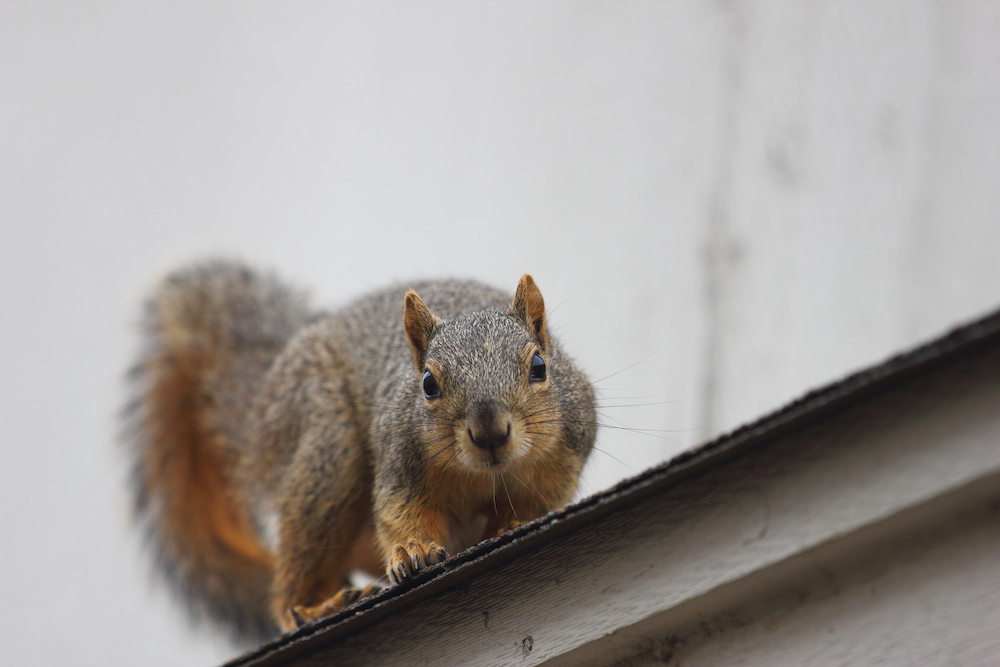
Hearing noises at night? You may have squirrels nesting in the attic, looking for shelter from the cold. To get rid of squirrels, first you have to determine how they’re getting in. This can be tricky if you don’t have easy access to your roof and since squirrels can sneak into small spaces. Contact a wildlife removal company to fully inspect your home for squirrel access points, set up traps, and correct any damage caused by squirrels. It’s also a good idea to keep trees trimmed and away from your roofline to cut off direct access.
Raccoons
Raccoons are common home invaders in the winter months, looking for refuge in crawl spaces, attics, and chimneys. Similar to squirrels, effective raccoon control requires professional expertise – to identify and seal entry points, trap and remove the raccoons, and prevent them from coming back with exclusion techniques. To prevent a raccoon invasion, eliminate food sources that attract them by using outdoor trash bins with lids and removing pet food when it’s not being eaten.
Mice
Mice are year-round pest nuisances that typically nest in attics, basements, cabinets, and closets. And because mice can fit through gaps as small as 1/4 inch, keeping them out can be difficult. As with other rodent control methods, the first step is to inspect your home for cracks, gaps, holes, or any other openings and correct them. Secondly, eliminate food sources and hiding places by keeping a clean house, removing clutter, and storing food in sealed containers. If you see small, dark-colored droppings anywhere, call an exterminator – quarterly pest control treatments are recommended to get rid of mice and prevent a future infestation.
Rats
Similar to mice, rats are common winter invaders, searching for food and warmth inside your home, needing holes as small as a quarter to get in. To prevent this, and other rodent invasions, seal any gaps or holes in your home’s foundation, around your roof, in the crawl space or basement, or around doors and windows, keep garbage away from your home’s exterior in sealed bins, and check for evidence of rats – usually indicated by droppings (larger than those left by mice), gnawing, or footprints and tail tracks.
Roaches
Cockroaches, too, are looking for food and warmth during colder months. The best way to prevent roaches is with preventative pest control and by eliminating what attracts roaches – food left out, crumbs, pet food and water, clutter, and water leaks.
Spiders
Common house spiders will start making their ways indoors starting in the cooler, Fall months. Prevent spiders with ongoing pest control treatments, by eliminating clutter (spiders like to hide in dark, undisturbed places), and by knocking down cobwebs regularly.
Jan 20, 2017 | Pest Control, Wildlife
Squirrels
Hearing noises at night? You may have squirrels nesting in the attic, looking for shelter from the cold. To get rid of squirrels, first you have to determine how they’re getting in. This can be tricky if you don’t have easy access to your roof and since squirrels can sneak into small spaces. Contact a wildlife removal company to fully inspect your home for squirrel access points, set up traps, and correct any damage caused by squirrels. It’s also a good idea to keep trees trimmed and away from your roofline to cut off direct access.
Raccoons
Raccoons are common home invaders in the winter months, looking for refuge in crawl spaces, attics, and chimneys. Similar to squirrels, effective raccoon control requires professional expertise – to identify and seal entry points, trap and remove the raccoons, and prevent them from coming back with exclusion techniques. To prevent a raccoon invasion, eliminate food sources that attract them by using outdoor trash bins with lids and removing pet food when it’s not being eaten.
Mice
Mice are year-round pest nuisances that typically nest in attics, basements, cabinets, and closets. And because mice can fit through gaps as small as 1/4 inch, keeping them out can be difficult. As with other rodent control methods, the first step is to inspect your home for cracks, gaps, holes, or any other openings and correct them. Secondly, eliminate food sources and hiding places by keeping a clean house, removing clutter, and storing food in sealed containers. If you see small, dark-colored droppings anywhere, call an exterminator – quarterly pest control treatments are recommended to get rid of mice and prevent a future infestation.
Rats
Similar to mice, rats are common winter invaders, searching for food and warmth inside your home, needing holes as small as a quarter to get in. To prevent this, and other rodent invasions, seal any gaps or holes in your home’s foundation, around your roof, in the crawl space or basement, or around doors and windows, keep garbage away from your home’s exterior in sealed bins, and check for evidence of rats – usually indicated by droppings (larger than those left by mice), gnawing, or footprints and tail tracks.
Roaches
Cockroaches, too, are looking for food and warmth during colder months. The best way to prevent roaches is with preventative pest control and by eliminating what attracts roaches – food left out, crumbs, pet food and water, clutter, and water leaks.
Spiders
Common house spiders will start making their ways indoors starting in the cooler, Fall months. Prevent spiders with ongoing pest control treatments, by eliminating clutter (spiders like to hide in dark, undisturbed places), and by knocking down cobwebs regularly.