Jul 10, 2020 | DIY Pest Control, Pest Control
A household pest is any undesired animal that has a history of living, invading, causing damage to, eating food from, acting as a disease vector for, or causing any other harm to a human habitat. While most are considered a nuisance, household pests become dangerous when they pose a risk to health, property, or lifestyle. Household pests aren’t just limited to insects; they also include arachnids, rodents, and wildlife.
While household pests can be found year-round, some are more common in the summer months. Here are 8 of the most common summer household pests and how you can prevent them.
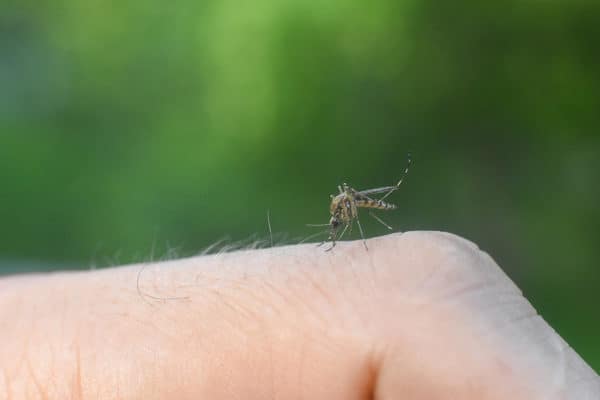
Mosquitoes
Mosquito season peaks in the summer months. The warm weather and humid environments accelerate their life cycle so they are able to reproduce in large numbers during this time. You are most likely to see mosquitoes when you have standing water on your property. Mosquitoes lay eggs in standing water and the hot, humid climate in summer is ideal for both breeding and to find food sources. Mosquitoes are dangerous to humans as they carry pathogens that can cause serious diseases like Zika and West Nile virus.
Mosquitoes can be prevented by:
- Avoiding the outdoors at dawn and dusk
- Wearing clothing that covers arms and legs
- Eliminating areas of standing water
- Repair or replace torn window screens
- Apply insect repellent
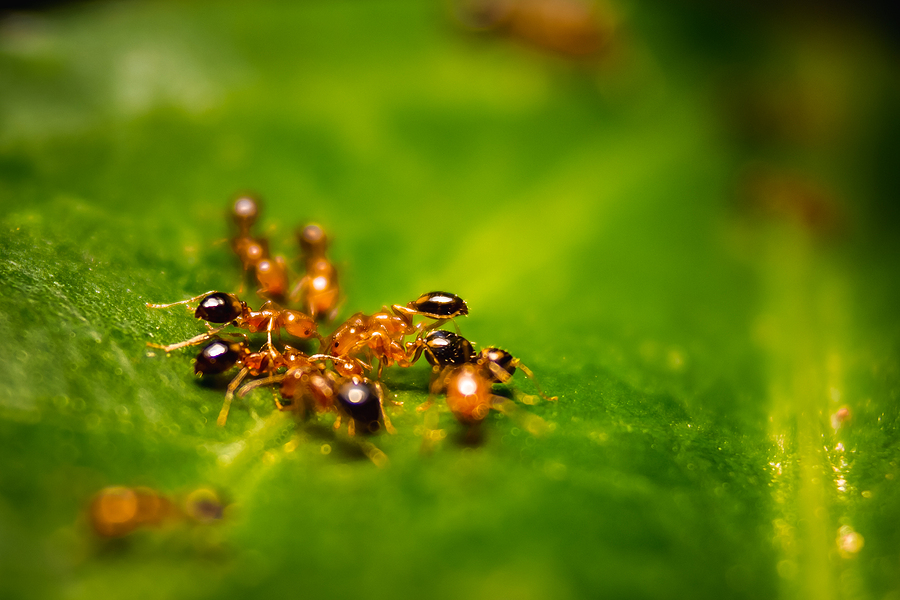
Ants
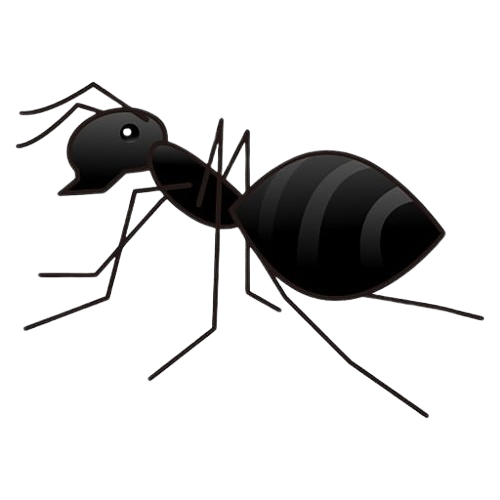
Ants hibernate in the winter and come out in full force over the summer. They have to forage in the summer months to feed their growing colonies and to build up their reserves for fall. Ants are usually seen indoors in the summer because they are searching for food and water as these can become scarce for them.
Ants can be prevented by:
- Keeping your home clean, especially the kitchen
- Not leaving pet food and water bowls outdoors
- Keeping trees and shrubs trimmed away from the house
- Sealing cracks and holes in your home’s exterior
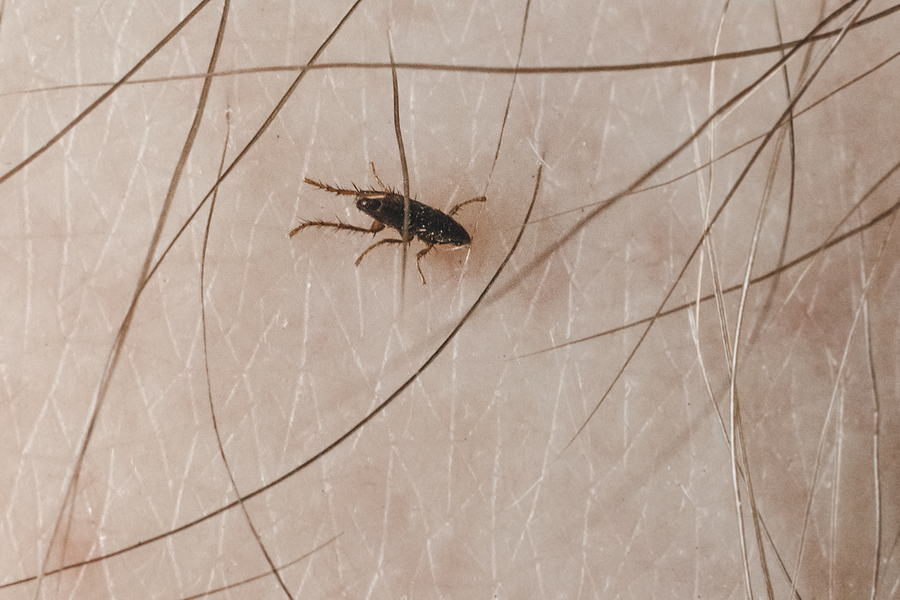
Fleas
Fleas are prevalent in the summer months, although they can be found on pets year-round. Pets will indicate the presence of fleas by scratching and biting when they come in from outdoors.
Fleas can be prevented by:
- Treating pets for fleas with preventative medication
- Vacuuming frequently, especially in areas that pets frequent, and disposing of the bag immediately
- Treating your yard with outdoor flea spray
- Washing pet bedding and toys weekly in hot water
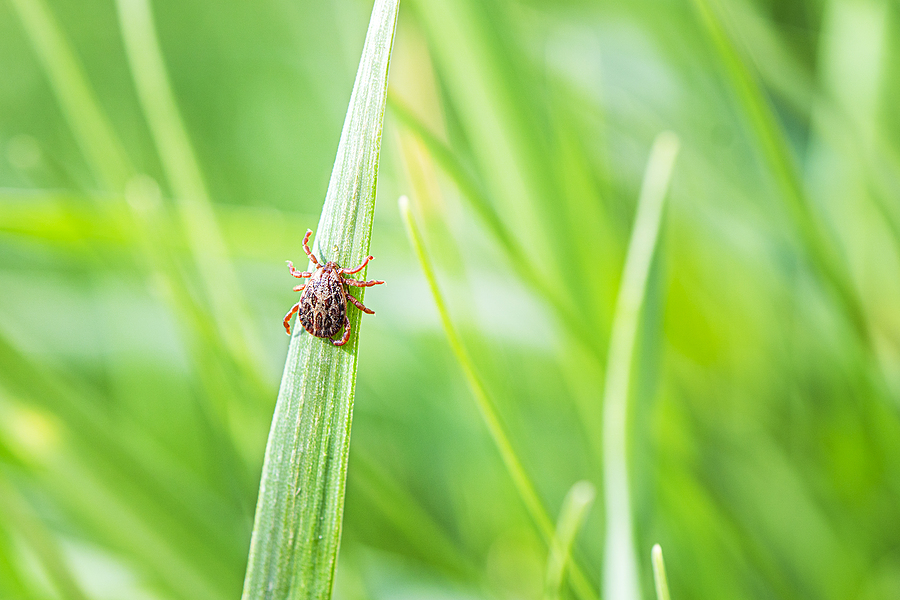
Ticks
Ticks are problematic to humans and pets because they spread diseases like Lyme disease and Rocky Mountain spotted fever. Tick bites increase in the summer because people and animals are spending more time outside. The US is also seeing an increase in ticks because of the combination of mild winters and an increased population of deer and rodents which are known to carry ticks.
Ticks can be prevented by:
- Using tick preventatives on pets
- Wearing long sleeves and closed toe shoes when outdoors
- Avoid areas with high grass or woods when possible
- Eliminating debris and wood piles from your property
- Wearing insect repellent
- Checking yourself and your pets for ticks immediately after coming in from outdoors
- Removing any ticks found immediately
Termites
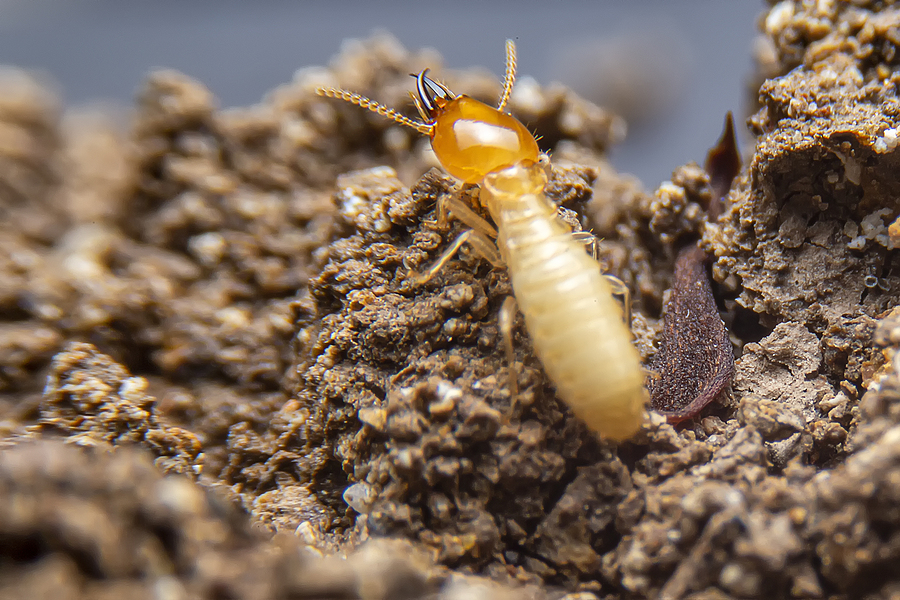
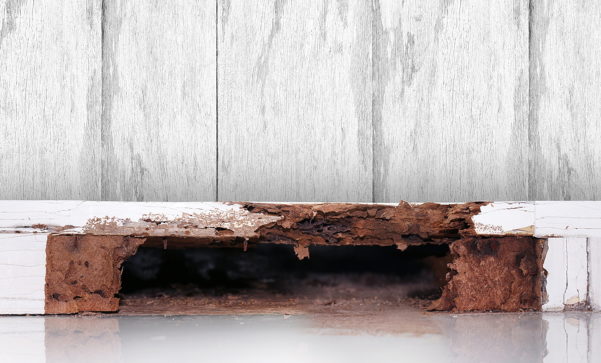
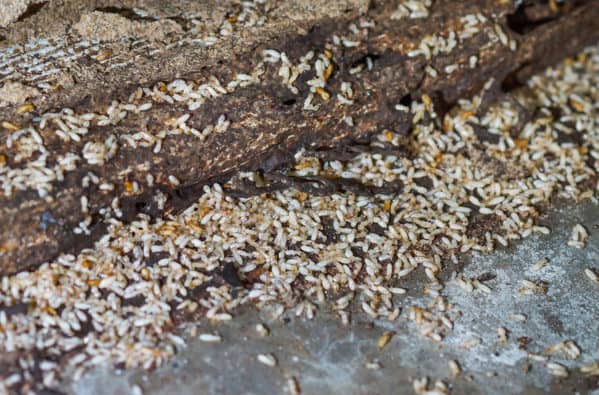
Termite swarming season is in the spring but these newly established colonies grow exponentially in the summer. Termites can go long periods of time undetected, causing significant damage to your home. It is important to keep an eye out for signs of termites so you can catch them early.
Termites can be prevented by:
- Eliminating wood to soil contact around foundations
- Creating a 4 inch barrier between wood mulch and your home
- Keeping plants a few feet away from your home
- Making sure storm drains point away from foundations
- Fixing leaks and eliminating any other sources of excess moisture
- Having an annual termite inspection performed
Grasshoppers
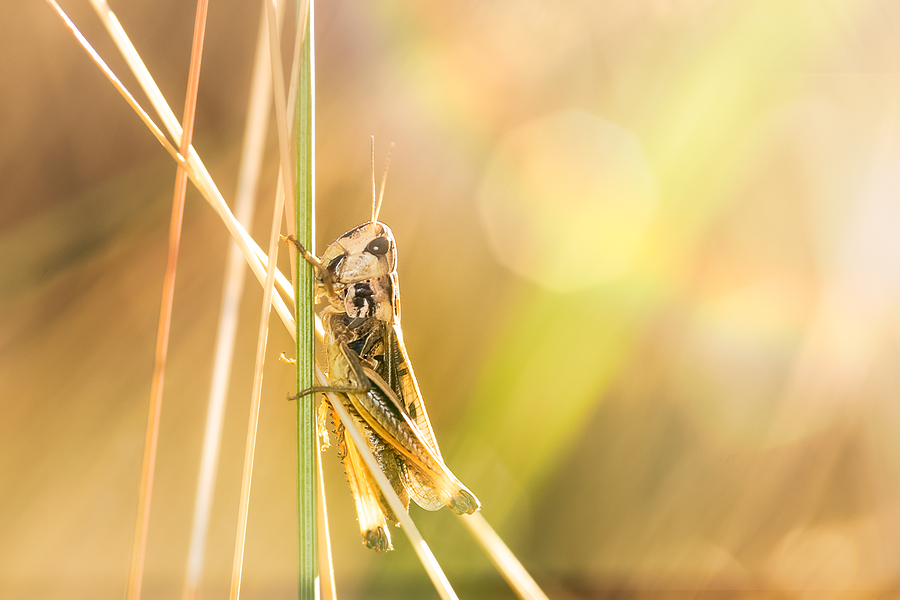
While most people view grasshoppers as just a nuisance pest, they can be devastating to gardeners and farmers. Grasshoppers can devour an entire field of crops in just a few days. Grasshoppers surge in large numbers in the summer months and are most prevalent in dry, hot summers. Grasshoppers can also cause damage to non-farmers as these are one of the only pests that can chew through screens.
Grasshoppers can be prevented by:
- Plant flowers that deter grasshoppers (lilac, crepe myrtle, verbena, sage, juniper)
- Plant vegetables that don’t attract grasshoppers (squash, peas, tomatoes)
- Introduce predators by making your garden attractive to birds
- Use floating row covers on crops and plants
- Consider natural products that kill grasshoppers without harming other animals or plants (Nosema locustae or Beauveria bassiana)
Flies
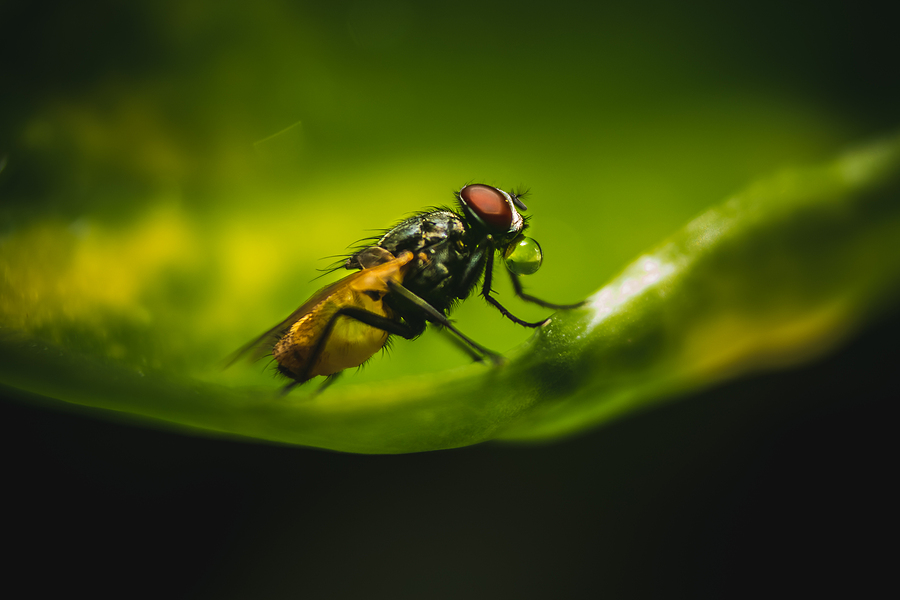
Flies invade your home in the summer months to escape the heat. They only reproduce during the hotter months and reproduce even more prolifically when they get indoors. Flies will stick around well into the fall months.
Flies can be prevented by:
- Keeping windows, doors, and vents sealed
- Using garbage cans with tight fitting lids
- Taking the garbage out when it is full
- Storing food in airtight containers
- Not leaving dirty dishes out
- Not leaving grass clippings in the yard
- Turning off outdoor lights at night
Stinging Insects
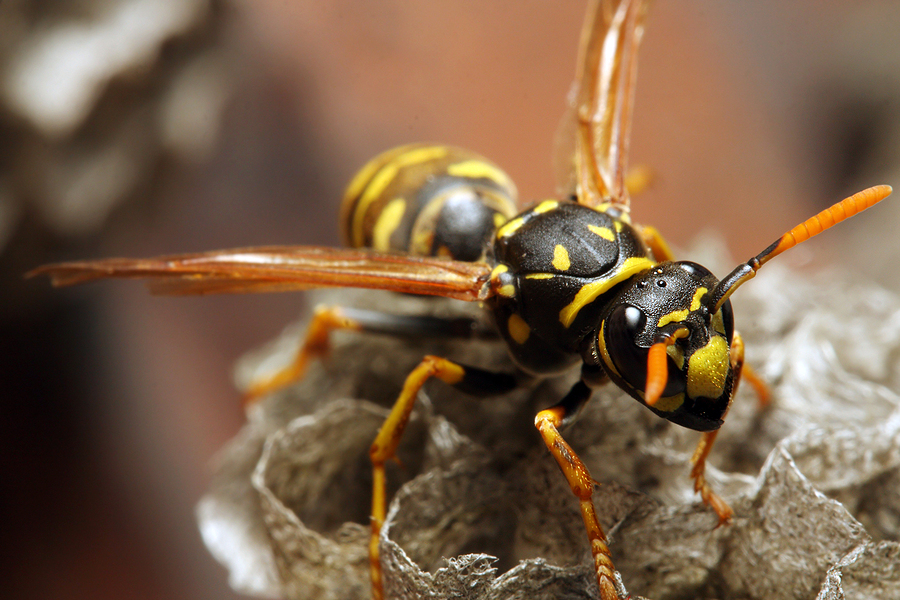
Stinging insects mate in the spring and their populations grow during the summer months. Hornets and yellow jackets are especially common in the summer because they have to establish new nests each year. These are usually found under decking or under piles of leaves. These stinging insects are potentially dangerous for people with allergies. Yellow jackets and bees can also get into the walls of homes, causing significant damage.
Stinging insects can be prevented by:
- Wearing shoes when outdoors
- Keeping trash cans tightly covered
- Eliminating dirt patches on your lawn
- Avoiding sweet smelling perfumes
- Don’t swat at stinging insects
Don’t let these common summer pests ruin your summer. If you have a problem with any of these pests, contact a professional pest control company who can help eliminate them safely and prevent them going forward.
You May Also Be Interested In:
Termites: How to Stop Their Damage
Keeping Cool for the Summer
Turning A Yellow Lawn Green
Fleas, Ticks, and Chiggers: What’s the Difference?
Pigeons, Sparrows, & Starlings: Nuisance Bird Control
Jul 8, 2020 | Termite Control
Termites are known to cause significant and expensive home and property damage each year. These pests can easily go undetected for a long period of time and, in return, cause substantial damage to your property. Dealing with termites can be a huge undertaking and while you should always reach out to a professional if you have been infested with them, you can take steps to help prevent an invasion.
Keep Dry!
Subterranean termites need an abundant amount of water to survive. These pests will seek out moist and wet areas in or around your home for a new colony site. It’s extremely important to check for any leaky faucets, pipes, and appliances inside your home. Additionally, storm drains should be directed away from your house and draining at least a few feet from your home’s foundation. Making sure there is no available moisture is an easy way to prevent a termite infestation and subsequent damage.
Beware the Mulch!
Mulch can be a great tool to landscape your yard, but not many know that it can attract termites right into your home! Mulch, which is comprised of wood chips, can retain moisture, making it a perfect food source for termites. If you do decide to use mulch, try to keep at least a 4-inch barrier between the mulch and the side of your home. Along with mulch, try to keep shrubbery, lumber, and wood away from the foundation of the house.
Inspect It!
Inspecting your own home is probably the easiest way to prevent termites. Since termites like to consume wood, check for wood damage throughout your home. When wood is damaged it will make a hollow or papery sound when tapped on. Periodically check the exterior of the home. Maintaining your home’s wood siding and window frames help prevent termites from sneaking in. Some signs you have termites are blistering sheetrock, mud tunnels, cracks in the foundation, and discarded termite wings.
If you’ve determined that termites have infested your home, it’s best to call a professional. A local pest control company can provide you with an inspection and the best plan of action for termite control.
Jun 12, 2020 | Termite Control
Swarming termites are also known as alates. Swarming termites are usually a seasonal nuisance as they cannot bite, sting, or even chew wood. While they don’t usually cause damage themselves, they do, however, indicate that there is an established colony nearby. These seasoned termites are capable of causing extensive damage to your home.
When dealing with swarming termites there are three important questions to ask: When do they swarm? Where do they swarm? Why do they swarm?
When Do They Swarm?
Termite swarming season varies by species. Subterranean termites swarm during daylight hours in the spring. Drywood termites swarm in late summer to early fall. Dampwood termites swarm in the summer. Most species of termites have specific conditions they wait for in order to start swarming. They usually wait for the day after a rainstorm, overcast weather, and wind speeds less than 6 mph.
Where Do They Swarm?
Swarming termites are found anywhere termites colonize. Termites can swarm indoors or outdoors, although they cannot survive indoors as there is no soil for them to create their colonies in. Swarming termites are attracted to light and are often found near windows and light fixtures. As termites get ready to swarm, they prepare a swarm tube which they use to launch. When the conditions are right, they use the tube to swarm. After a brief flight which lasts for only a few seconds, they land and break their wings away from their bodies. They then pair with a mate. Those pairs that survive then create a chamber underground that they use to breed and the new colony is formed. Swarm launches are usually spread out over a few days with a large release on the first day and smaller launches on subsequent days.
Why Do They Swarm?
The sole purpose of termite swarms is reproduction and expansion of the colony. The original termite colony reaches capacity and needs to expand. This is usually done once per year, hence termite swarming season. Both males and females swarm at this time. The number of termites that swarms each season varies depending on the size of the colony and the species of the termite.
Because a termite swarm indicates a nearby colony, homeowners should take precaution when one is spotted nearby. A thorough inspection of your home and property should be performed looking for signs of termites. This is also a good time to set up your annual termite inspection if you haven’t already. If you suspect you have a termite infestation, contact a professional pest control company who can inspect your property and set up a termite control plan.
You May Also Be Interested In:
Venomous Summer Snakes
7 Things You Didn’t Know About Cockroaches
How Much Does A Mosquito Treatment Cost?
Common Spiders: Poisonous or Painful?
5 Ways to Prevent a Millipede Invasion
Apr 3, 2020 | Termite Control
A home is one of the biggest investments one can make and termite damage can be one of the most costly. Termites can colonize your home and cause significant destruction undetected over a long period of time. This can cost a homeowner thousands of dollars in treatment and repairs.
Termites will colonize near readily available food sources, typically soft or rotting wood. They will seek out these moist areas in and around your home in search of a new colony site. The best plan is always termite prevention. The first step in prevention is recognizing what attracts termites to your home in the first place. Here are five things that could be attracting termites to your home:
Wood Piles
Firewood and other wood piles are a huge termite attractant and also provide them with a quick and easy ride into your home. Firewood should be stored at least 20 feet from your home and elevated at least 5 inches off the ground.
Dead Trees
As trees die and rot, the dead trees and stumps will attract termites. They will then move from these stumps and trees to your home. Remove and clear any dead trees and stumps from your property.
Moisture
Poor drainage, lack of airflow, and leaking pipes all contribute to moisture problems in the home AND create conditions conducive to termite infestations. Subterranean termites need an abundant source of nearby water to survive, so reducing moisture is an easy way to help prevent a termite infestation and damage. Consider enclosing your crawlspace to further enhance the overall health of your home, by reducing excess moisture, decreasing humidity, preventing mold and wood rot, controlling pests (including termites!), and lowering utility bills.
Landscaping
While aesthetically pleasing, mulch can actually be a big attractant for termites. Mulch is comprised of wood chips which can retain moisture, making them an attractive food source for termites. Consider replacing mulch with another medium or, if you do use it, try to keep it at least 15 inches from your foundations.
Gutters
Clogged gutters can lead to damage to your home on their own but they can also be an attractant to termites. As leaves, twigs, and other debris build up in your gutters, the excess moisture can soften your roof and cause it to rot. These soft spots attract termites and also provide them with an easy access point into your home. Keep your gutters cleaned out regularly or consider installing gutter guards to prevent clogs.
Another component of termite control and prevention is the professional termite inspection. There are three circumstances where a termite inspection should be performed:
- As a prospective home buyer. During the buying process, potential homeowners should request a termite inspection which can show any potential termite damage and provide time for treatment and repairs during the negotiation phase of the transaction.
- As a homeowner. All homeowners should have a professional termite inspection every 3 to 5 years. By doing this, homeowners can catch infestations early and appropriate treatments or prevention techniques can be implemented before the damage progresses.
- If termite treatment has been performed previously. Homeowners who have had termite treatments done in the past should also schedule ongoing, routine termite inspections to maintain treatment and monitoring going forward. Most termite control companies offer these services as part of their termite protection plan with their treatments.
If you suspect you have a termite problem, contact a professional pest control company who can provide you with a thorough inspection and comprehensive treatment and prevention plan.
You May Also Be Interested In:
Imported Red Fire Ants
How Do You Get Rid of Brown Banded Cockroaches?
Cockroaches: A Possible Allergy Trigger
Why Are Mosquitoes Inside My Home?
Mouse vs Rat: Can You Spot The Difference?
Mar 6, 2020 | Termite Control
Termite infestations can cause significant (and expensive) structural damage to your home and property. What makes termites even worse is they usually cause significant damage for a long period of time without being detected.
Spring is an especially critical time for identifying and dealing with termites because that is the time of year when termites swarm to establish new colonies. These swarmers are winged adult termites that mature and fly away from their colonies to continue reproducing. Termite swarming season begins at different times for different species but all of them typically begin when the weather warms up following a significant rain event. For most species like subterranean termites, this falls in early spring. Age is also a factor in determining when termite colonies will swarm. While there is no specific age for a colony to swarm, most colonies aren’t mature enough until they are at least 3 years old.
Swarming termites often gather in areas with low-wind and diffuse light. Swarms can occur over a period of several days. Termite swarms are often confused with flying ant swarms. There are 3 major differences between termites and flying ants: antenna, wings, and body segments. Termites have straight antennae with a slight drooping look while flying ants have antenna that are bent at a 90 degree angle as they come out the side of their heads. Termite wings are basically equal in length while flying ants have front wings that are noticeably longer than their hind wings. Finally, termites have 2 body segments with straight abdomen while flying ants have 3 distinct body segments that narrow at the waist.
Odds are if you notice a termite swarm in or around your property the initial nesting site is not too far away. Termite swarms are a good indication that a termite infestation is imminent. Swarming termites also discard their wings after their new colony is established. Finding piles of discarded wings is also another sign that a new active termite colony is close by.
It is important to periodically check for signs of termites in your home to try and catch an infestation before the damage is significant (and costly).
- Check the exterior of your home and look for mud tubes and small white insects going up the outside of your foundation.
- Tap or probe any exposed wood for hollow sounds.
- Learn to identify termite swarms and keep an eye out for them in the spring.
- Look for other signs of termites in your home such as buckling wood, damaged wood, etc.
- Keep the ground around foundations dry with proper drainage techniques.
- Seal off any points of entry by filling in cracks in concrete foundations and any holes or openings where utility lines and pipes enter the home.
- Consider investing in an annual termite inspection where a professional termite control technician can thoroughly check your home for all of these signs and more.
If you notice a termite swarm this spring or any of these other signs of termites, it’s not too late to act but action should be taken sooner rather than later. With the help of a professional pest control company, you can take quick action for termite treatment while avoiding the costly headache of structural damage to your home. Whether you’ve dealt with termites in the past or just want to avoid dealing with them in the future, investing in termite protection now is always a good idea.
You May Also Be Interested In:
Where Are These Stinkbugs Coming From?
10 Common Myths About Pest Control
Keeping Wildlife Out This Spring
How to Prep Your Yard for a Mosquito Bite-Free Summer
Where Are All of These Roaches Coming From?