Jul 12, 2024 | DIY Wildlife Prevention, Wildlife
If you live in Georgia, encountering wildlife around your home is common. While Georgia’s rich biodiversity is something to celebrate, it can also bring some challenges, particularly when it comes to raccoons. These nocturnal creatures are intelligent and resourceful, often creating problems for homeowners. In this comprehensive guide, we will explore how to identify raccoons, recognize signs of their presence, understand the types of raccoon traps available, and learn the best bait to use. We’ll also share tips to prevent raccoons from returning to your property.
Identifying Raccoons
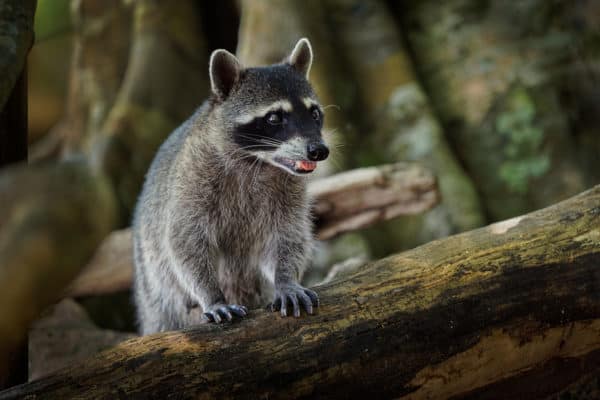
Raccoons are medium-sized mammals known for their distinctive black “mask” across their eyes and their ringed tails. Here are some key characteristics to help you identify them:
- Size and Weight: Adult raccoons typically weigh between 10-20 pounds, though some can be larger, especially in urban areas with abundant food sources. They stand about 1.5-2 feet tall when on all fours.
- Fur and Coloration: Raccoons have dense, greyish-brown fur, with a darker area around their eyes that resembles a mask. Their tails have several black rings.
- Behavior: Raccoons are primarily nocturnal, meaning they are most active at night. They are excellent climbers and swimmers, often found near water sources.
Video Transcript
If you live in Georgia, spotting wildlife around your home is pretty normal. But raccoons can cross the line from curious to destructive fast. These smart nocturnal animals are excellent climbers and problem solvers, which means addicts, trash cans, and crawl spaces often become their favorite hangouts. Common warning signs include nighttime scratching or thumping, tipped over trash cans, scattered pet food, or tracks that look like tiny handprints. While some homeowners try trapping, raccoons can carry health risks, and local laws often regulate removal, making DIY solutions stressful and risky. The best long-term protection starts with prevention. Securing trash bins, removing outdoor food sources, sealing entry points, and addressing attractants before damage spreads. If raccoons keep coming back or have made their way inside your home, that’s your sign to bring in experienced help. When you’re ready to call a professional for a peaceful home, feel free to reach out to our team at Northwest Exterminating.
Signs of Raccoons Around Your Home
Identifying the presence of raccoons early can help you mitigate any potential damage. Here are some common signs:
- Tracks: Raccoon tracks are distinct with five toes on both their front and hind feet. Their tracks resemble tiny human handprints.
- Droppings: Raccoon droppings are similar in appearance to those of a small dog, often containing undigested seeds or other food remnants.
- Noise: Raccoons can be noisy, especially when they have made a den in your attic or chimney. You might hear thumping or scratching noises at night.
- Damage: Raccoons are known to raid trash cans, tear up insulation, and chew on wires. They can also damage gardens by digging up plants and eating crops.
- Scattered Food: If you find pet food, birdseed, or garbage scattered around, it could be a sign of raccoons foraging for food.
Types of Traps Used to Catch Raccoons
There are several types of traps used for raccoon control, but live traps are the most common and humane method. Here’s a look at the different types:
- Live Traps: These are designed to capture raccoons without harming them. They are typically made of metal wire and have a door that closes when the raccoon enters the trap.
- Foot-Hold Traps: While effective, these traps are more controversial due to concerns about animal welfare. They catch the raccoon by the foot and should only be used by professionals.
- Body-Grip Traps: Also known as conibear traps, these are lethal traps that quickly kill the raccoon. They should be used with caution and are often regulated by local laws.
Best Bait to Use in Raccoon Traps
Choosing the right bait is crucial for successfully trapping raccoons. Here are some effective bait options:
- Marshmallows: The sweet smell of marshmallows is highly attractive to raccoons. Place a few inside the trap to lure them in.
- Canned Fish or Sardines: The strong odor of canned fish or sardines is irresistible to raccoons. Ensure the bait is securely placed so the raccoon has to fully enter the trap to retrieve it.
- Cat Food: Wet cat food is another great option due to its strong smell and appealing taste.
- Fruit: Raccoons are omnivores and enjoy a variety of fruits. Apples, grapes, and berries can work well as bait.
- Peanut Butter: Spread peanut butter on bread or crackers. The smell and taste are very enticing to raccoons.
How to Set a Raccoon Trap
Setting a raccoon trap requires some preparation and knowledge. Follow these steps for the best results:
- Choose the Right Location: Place the trap near areas where you’ve noticed raccoon activity, such as near trash cans, gardens, or entry points to your attic.
- Secure the Trap: Ensure the trap is stable and won’t tip over when the raccoon enters. You can anchor it with stakes if necessary.
- Bait the Trap: Place the bait at the back of the trap to ensure the raccoon fully enters before triggering the door.
- Check the Trap Regularly: It’s important to check the trap frequently, at least twice a day, to ensure the raccoon doesn’t suffer from exposure or stress.
- Handle with Care: Once a raccoon is trapped, approach with caution. Wear gloves and use a blanket to cover the trap and calm the animal. Relocate the raccoon according to local wildlife regulations.
Preventing Raccoons from Returning
After successfully trapping and removing raccoons, take steps to prevent them from coming back:
- Secure Trash Bins: Use raccoon-proof trash cans with tight-fitting lids. Consider using bungee cords to keep them securely closed.
- Remove Food Sources: Don’t leave pet food outside overnight, and clean up any fallen fruit from trees. Secure bird feeders to prevent raccoons from accessing them.
- Seal Entry Points: Inspect your home for potential entry points, such as holes in the roof, attic vents, and chimneys. Use metal mesh or hardware cloth to seal these areas.
- Install Motion-Activated Lights: Raccoons prefer dark areas. Installing motion-activated lights can deter them from approaching your home.
- Use Repellents: Commercial raccoon repellents or homemade solutions, such as a mixture of water and hot sauce, can be sprayed around your property to deter raccoons.
When to Call a Wildlife Control Company
While trapping and preventing raccoons can often be managed on your own, there are situations where it’s best to call a professional wildlife control company:
- Persistent Problems: If raccoons keep returning despite your best efforts, a professional can provide more advanced solutions.
- Health Concerns: Raccoons can carry diseases such as rabies and roundworm. If you’re concerned about health risks, it’s safer to involve a professional.
- Complex Situations: If raccoons have made a den in a difficult-to-reach area, such as your attic or chimney, a professional wildlife removal expert can safely handle the situation.
Raccoons can be a challenging nuisance for homeowners in Georgia, but with the right knowledge and tools, you can effectively manage and prevent these wildlife intrusions. Identifying the presence of raccoons early, using the right traps and bait, and taking preventive measures are key steps in successful raccoon control. Remember, if the situation becomes too complex or risky, don’t hesitate to contact a professional wildlife control company. Their expertise and experience can help ensure your home remains raccoon-free and your family stays safe.
By following this comprehensive guide, you’ll be well-equipped to handle raccoon issues and maintain a peaceful, wildlife-free home environment. Happy trapping!
Sep 14, 2021 | Wildlife
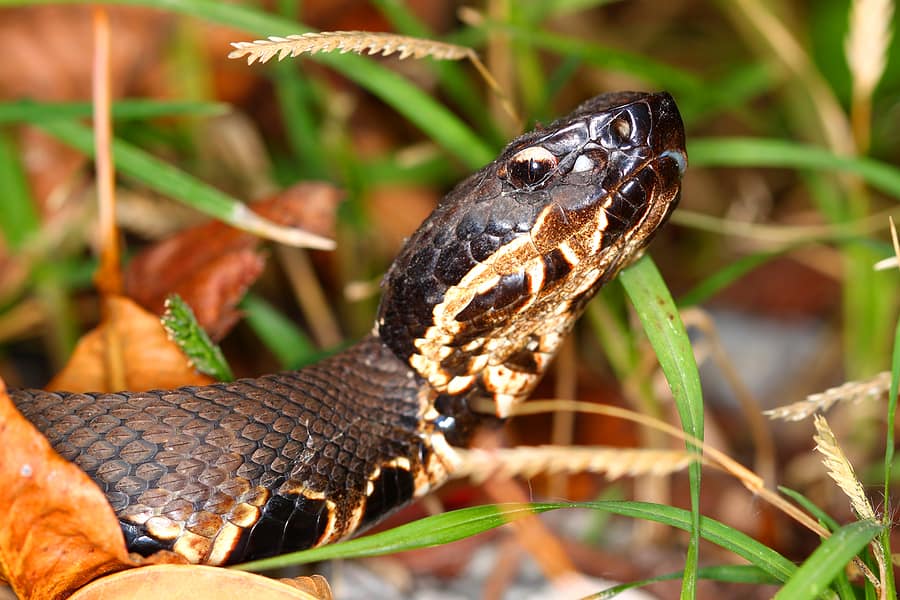
As the weather cools off and fall peeks around the corner, many people are taking advantage of the milder weather and spending more time outside. Unfortunately, many pests and wildlife, including snakes, are also enjoying the milder weather, preparing for the impending winter. Although most snakes encountered in Georgia are nonvenomous, there are a few species of venomous snakes to keep an eye out for. These include the copperhead, the timber rattlesnake, the cottonmouth, the eastern diamondback rattlesnake, the eastern coral snake, and the pigmy rattlesnake.
When spending time outdoors, keep an eye out for snakes in backyards, parks, and areas near the woods. They also like to frequent areas that border streams, lakes, swamps, and ponds. Snake season begins in the spring, usually March to April. Snake season doesn’t end until late fall or even winter, depending on weather patterns and where you’re located. Snakes in the southern states will stay active much longer than up north where the cold sets in sooner.
If you run into a snake, keep these tips in mind:
- Familiarize yourself with the venomous snake species common in your area and how to recognize them.
- Try to identify the snake without getting too close to it.
- Give the snake space.
- If spending time outdoors, wear closed-toed shoes and long pants.
- Remove any brush, log piles and other attractants for rodents from around your home.
- Seal up any cracks, gaps, and holes that snakes can use to get into.
- Remember that non-venomous snakes are protected by law in Georgia.
Because snake season hasn’t quite ended yet, it’s still important to take precautions when spending time outdoors. It’s best to leave snake removal to the professionals, especially if you aren’t sure what type of snake you’re dealing with. If you have a problem with snakes or any other pests, contact your local pest control company for proper identification and safe elimination of the offending creature.
You May Also Be Interested In:
Two Reasons You’re Attracting Termites
5 Common Ways to Attract Cockroaches
Preventing a Mosquito Infestation
5 Reasons To Install Gutter Guards
Fire Ants: Still Active in Fall?
Nov 8, 2019 | Wildlife
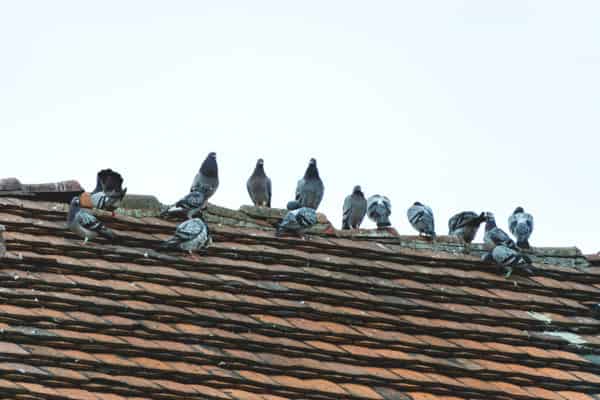
Nesting birds can cause much more damage than one may realize, making bird nest removal a top priority for some homeowners. But why would birds want to build their nests so close to humans? Nesting near, in, or on homes actually provides birds with protection from dangerous predators and helps protect them from extreme temperatures in the environment. Birds will build their nests anywhere that fits the criteria they are looking for. They prefer to nest at higher locations so they can survey the area around them for potential predators while keeping their nests relatively hidden. Bird nests can be found just about anywhere on or around your home. In fact, small birds will even nest in gaps in siding, behind shutters, or even on light fixtures.
So a bird built a nest on your home. Is that bird’s nest dangerous? They can be! Bird droppings contain acid that can corrode metal and concrete and even damage car paint. Debris from nests and bird feathers can clog drains and gutters leading to moisture issues. When nests are built in dryer, fan, or stove vents, they can cause clogs that restrict air flow, cause lint to buildup, and significantly increase the risk of fire. Nests that are built inside attics can cause damage to insulation.
Besides the physical damage to your home, bird nests can also cause health issues for humans. Birds carry pathogens that can be dangerous to the health of you and your family. Nests also contain bird droppings which can carry all sorts of bacteria and other pathogens like histoplasmosis. Nests can also contain parasites, ticks, mites, and other pests that can remain long after birds have vacated a nest.
There are also several federal, regional, and local laws and regulations that restrict or prohibit the relocation, removal, or destruction of bird nests. Without knowing for certain what species of bird has inhabited your home, bird nest removal could be considered illegal and put you at risk for legal ramifications.
The best way to get rid of bird nests is to prevent them from being built in the first place. Here are some steps you can take at home to help prevent birds from nesting in, on, or near your home.
- Eliminate food sources. Birds often nest near homes because they provide an ample supply of food without having to travel far from their nests. Remove food scraps and trash from around your home. Make sure your trash containers are sealed tightly. Keep bird feeders and baths farther out in your yard and only fill them with enough feed for a few birds at a time. Make sure to clean up any spilled birdseed regularly.
- Keep it covered. Birds are notorious for building nests in dryer vents, fan vents, stove vents, and chimneys. Install covers or screens over any open vents. You can also install chimney caps on chimneys. Seal any gaps in siding and shutters.
- Scare them away. Consider installing perch repellents on window sills, ledges, and around the perimeter of your roof. These spikes will prevent birds from alighting on these areas. Consider placing plastic predators like coyotes, snakes, owls, and hawks) on your porch and around your yard. These will spook birds away from your home. Make sure to move them around periodically so the birds don’t get used to them being there. You can also use visual hanging repellents on your porches.
Due to the laws and regulations surrounding bird nest removal and bird protection, it is usually best to call a professional wildlife exclusion company to handle any bird nest issues you may have. These bird control professionals can properly identify the species of bird nesting at your home and properly, humanely, and legally remove it or relocate it from your property.
You May Also Be Interested In:
Which Season is Worst for Bed Bugs?
Pest Control for Businesses: Everything You Need to Know About Commercial Pest Control
Mosquitoes in the South
What Are the Signs of Termites in Your Home?
What Attracts Cockroaches to A Clean House?
Oct 18, 2019 | Wildlife
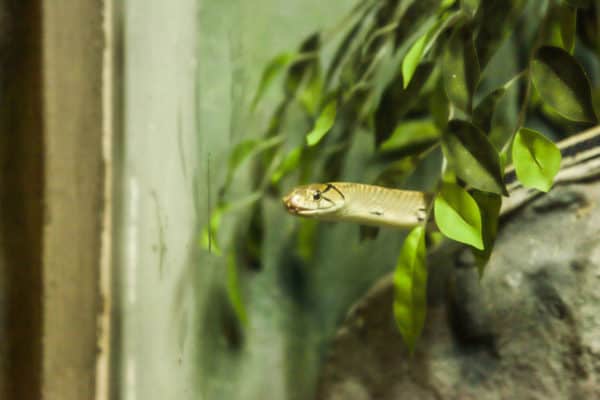
Unlike many warm-blooded animals, snakes don’t actually hibernate in the winter. Instead, snakes go into a state known as brumation where snakes become less active and their metabolism slows down tremendously. Brumation is similar to hibernation in that snakes will sleep for long periods of time. They will, however, wake up to forage for food and water and if a sudden warm snap occurs and temperatures rise for a few days at a time. When the weather cools back down, they will go back into their brumation state once again. Brumation can begin anytime from September to December and last until March or April.
Because snakes are cold-blooded, they can’t regulate their body temperatures like warm-blooded animals can. When cold weather hits, snakes must find shelter from the temperatures by burrowing in holes or caves, under logs or rocks, in tree stumps, or by making their way into basements, crawlspaces, garages, barns, sheds, wood piles, and even car engines. Snakes are very quiet and experts at hiding so their presence often goes unnoticed until they are disturbed.
Now that you know where snakes might be hiding this winter, the next question is how to keep snakes away? Here are some tips on how to prevent snakes from hiding out on your property.
- Landscape Management: Rodents are attracted to tall grass and overgrown landscaping. By minimizing these unkempt areas on your property, rodent populations are reduced which, in turn, helps keep snakes who feed on these rodents away. Keep grass mowed and landscaping well maintained. Cut shrubbery regularly and trimmed away from your home and other buildings.
- Storage: Snakes will look for any area of cover that will protect them from the elements without being disturbed. They will often seek shelter in wood piles or other piles of debris on your property. Make sure that these stacks are kept at least 12″ off the ground and, if possible, stored in sealed containers.
- Wildlife Exclusion: Snakes can’t chew to create openings into your home so they take advantage of any openings that are already present, such as gaps near pipes, damaged window and door screens, open windows and doors, damaged soffits, crawlspaces that aren’t enclosed, and through cracks in the exterior of buildings. Carefully examine all of your property and seal any potential openings that snakes may utilize.
- Food Sources: Snakes are known to feed on rodents, lizards, and frogs. Eliminate these pests and you will help eliminate snakes. Get rid of any areas of standing water on your property. Keep landscaping well maintained to deter rodents. Inside your home, make sure to keep areas clean especially kitchens and pantries where spilled food and crumbs are readily available for rodents to feed on.
- Professional Service: Depending on the species, snake removal can be dangerous to undertake on your own. It is usually in your best interest to contact a professional wildlife control company when dealing with a snake issue. Establishing a regularly scheduled service plan can help identify pest risks before they become an issue. These professionals can also identify any areas where wildlife exclusion services may be beneficial and establish a comprehensive pest control program.
You May Also Be Interested In:
Mosquitoes Active Through Fall
How Can Your Business Benefit From Commercial Pest Control?
for Your New Home
5 Ways to Avoid Bed Bugs For The Holidays
How Do I Find Out If I Have Termites?
Sep 21, 2019 | Wildlife
Fall is a busy time for wildlife. As the days get shorter and temperatures drop, animals begin their frantic preparations for winter. Fall is a time to stock up on food and find warm places to shelter over the cold winter months. These preparations often lead wildlife into your homes in search of food, warmth, and shelter. There are several common critters that become more active in the autumn months. Here are some of the most common along with ways to prevent them from taking up residence in your home.
Rodents
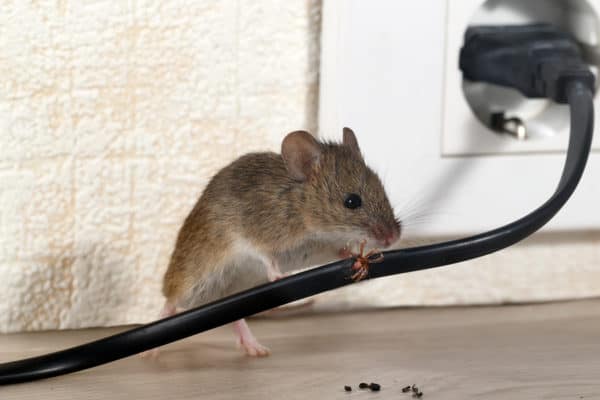
Rodents such as rats and mice will often seek shelter in your home because it provides them with a readily available food supply throughout the winter. You will begin to hear their activity in the walls and attic in the fall as they start storing food in their nests. You can prevent rodents by:
- Sealing up holes inside and outside the home
- Trapping rodents around the home to help reduce the rodent population
- Storing food in plastic or metal containers with tight lids
- Cleaning up spilled food immediately and washing dishes soon after use
- Storing pet food in sealed containers and not leaving them out overnight
- Keeping compost bins as far away from the house as possible
Raccoons
Raccoons are nocturnal creatures that hunt for food at night. They start to “fatten up” in the fall in preparation for the cold winter months with a scarce food supply. This makes them more active and more creative in their search for food – often leading them to your trash cans and home. Raccoons will often enter your home via the roof and are known to seek shelter in attics and crawlspaces. You can prevent raccoons by:
- Installing fences around your yard and garden areas
- Install bright exterior lights to deter them from your yard at night
- Keep trash in cans with secure, locking lids
- Seal any entry points on the exterior of your home
- Rinse out trash cans once a month to help eliminate odors
- Spray down trash bags with ammonia to help cover up the trash smell
Squirrels
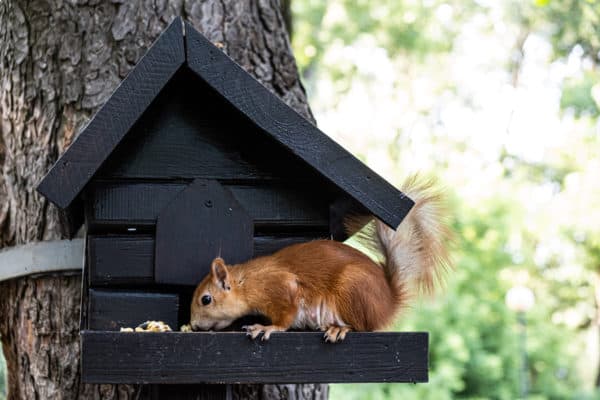
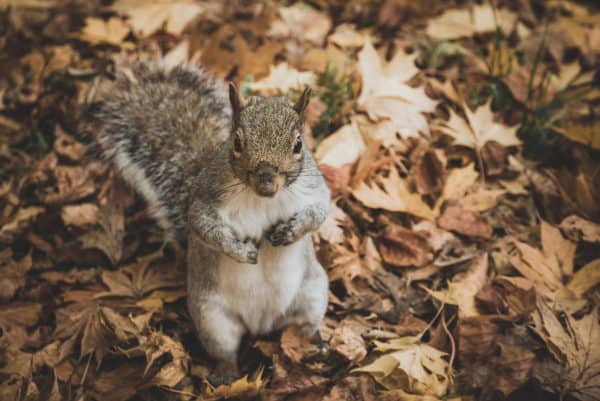
Like raccoons, squirrels also like to “fatten up” in the fall as they get ready for the cold months of winter. Squirrels will often seek shelter in attics where they will make their nests and store their food. Squirrels are especially hazardous in homes because of their tendency to chew through wood and wires, creating the potential for significant and costly damage to your house. You can prevent squirrels by:
- Keeping bags of seed sealed and stored high on shelves
- Rake up and dispose of any seeds or leaves that fall from trees
- Take down bird feeders in the fall as squirrels love to scavenge these for seed
- Don’t leave pet food and water out overnight
- Trim back any limbs or branches that extend within 10 feet of your home
- Install chimney caps or screens
Chipmunks
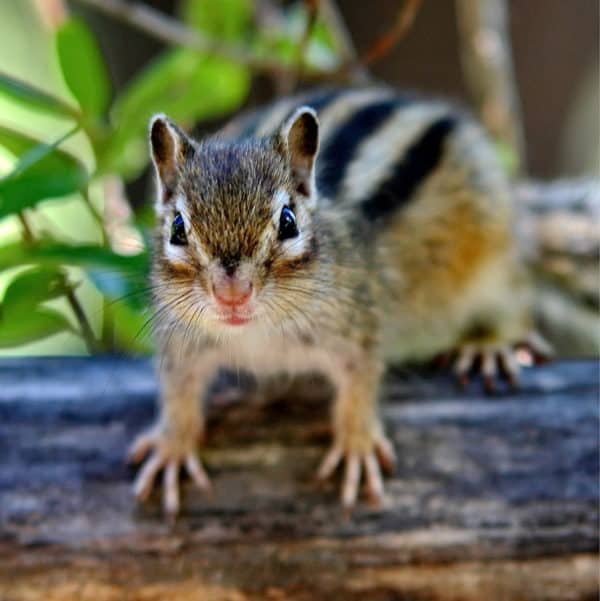
Chipmunks behave very similarly to squirrels with one exception – they will burrow in your yard instead of nesting in your home. Chipmunks build burrows in areas where they can easily access food during the winter. Chipmunks eat the same diet as squirrels including seeds, nuts, berries, grubs, and roots. Chipmunk burrows can cause serious damage to your yard. You can prevent chipmunks by:
- Consider installing fencing that is at least 8 inches deep around your yard, garden, or your entire property
- Make sure any exterior holes in your home are sealed
- Cover chimneys, vents, and pipes with mesh covers
- Clean up any leaves, nuts, or fruit that fall from trees as soon as possible
- Take bird feeders down in the fall and clean up any spilled birdseed daily
- Keep landscaping mowed and trimmed back
Bats
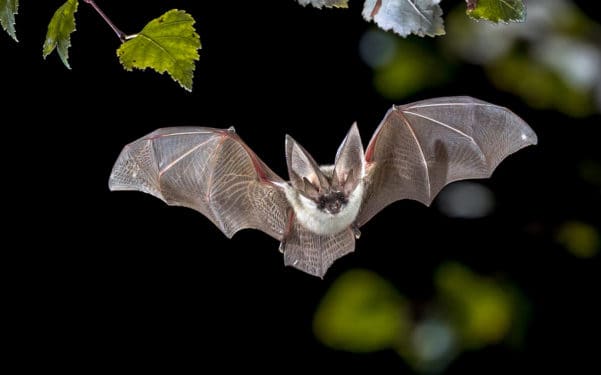
Bats will roost once temperatures dip below 45 degrees Fahrenheit. While some species will migrate south once the weather cools off, others will hibernate until spring. They will search for warm, dark spaces to roost that are hidden from predators but still easy for them to access. Unfortunately, they will often make their roosts in the attic or chimney of your home. You can prevent bats by:
- Ensuring the attic is well sealed
- Checking insulation to make sure it isn’t worn down
- Installing chimney screens
- Sealing any openings in shingles and weatherstripping
- Use window screens and draft guards on doors and windows that go into the attic
Wildlife removal can be difficult and is oftentimes best left to a professional. If you suspect you have a problem with wildlife, contact a professional wildlife control company who can inspect your home to identify your animal problem, determine where they are getting in, remove them, and prevent the animals from getting into your home in the future.
You May Also Be Interested In:
What’s the Difference Between Centipedes and Millipedes?
Winter Weather Forces Rodents and Other Pests Indoors
Granddaddy Long Legs Aren’t Spiders
The Importance of Annual Termite Inspections
Fall Without the Surprise Spider Encounter