Aug 4, 2022 | Florida Pest Control
Ft. Lauderdale Stinging Pests: ID and Prevention
Summer is in full swing in Ft. Lauderdale and that should bring fun activities your way, such as relaxing outside on your patio or spending time with your kids in the backyard. Unfortunately, it can also bring summer pests! Most active in the summer are stinging pests, including yellow jackets, wasps, and hornets. There are several ways to prevent these pests from messing with your summer fun, so let’s break each one down!
Hornets
On the larger side of the stinging pests, hornets have brown and yellow abdominal stripes on their bodies. Their nests are often built-in hollow trees, and the walls of houses and attics. They are attracted to light and can fly to your windows at night if they see a light on. They are relatively non-aggressive near the nest, but there is potential for a stinging hazard if threatened.
Prevent hornets by:
- Keeping garbage cans covered, as leftover food can attract hornets
- Maintaining the outside of your home, ensuring screens, window, and doors are all in good condition
- Avoiding the use of strong fragrances when outdoors
Wasps
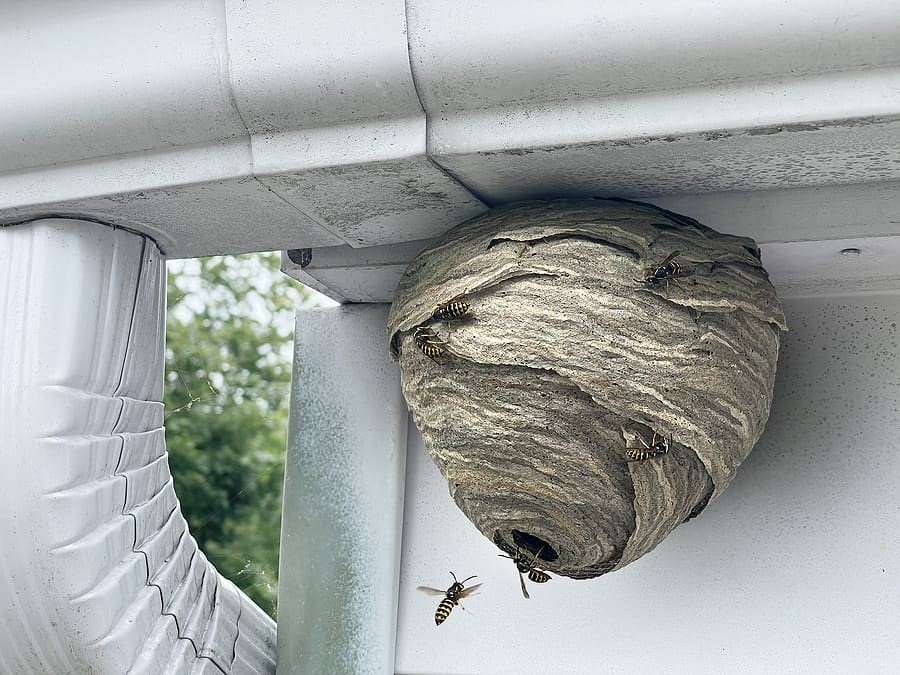
These pests will become aggressive if they feel threatened enough and are known to sting multiple times. Wasps are highly attracted to backyard events, resulting in an increase in your chances of being stung. Their nests are typically built in branches, porch ceilings, eaves, and attic rafters.
Prevent wasps by:
- Keeping doors and windows shut
- Covering any openings in your home’s exterior
- Keeping outdoor waste containers completely covered
Yellow Jackets
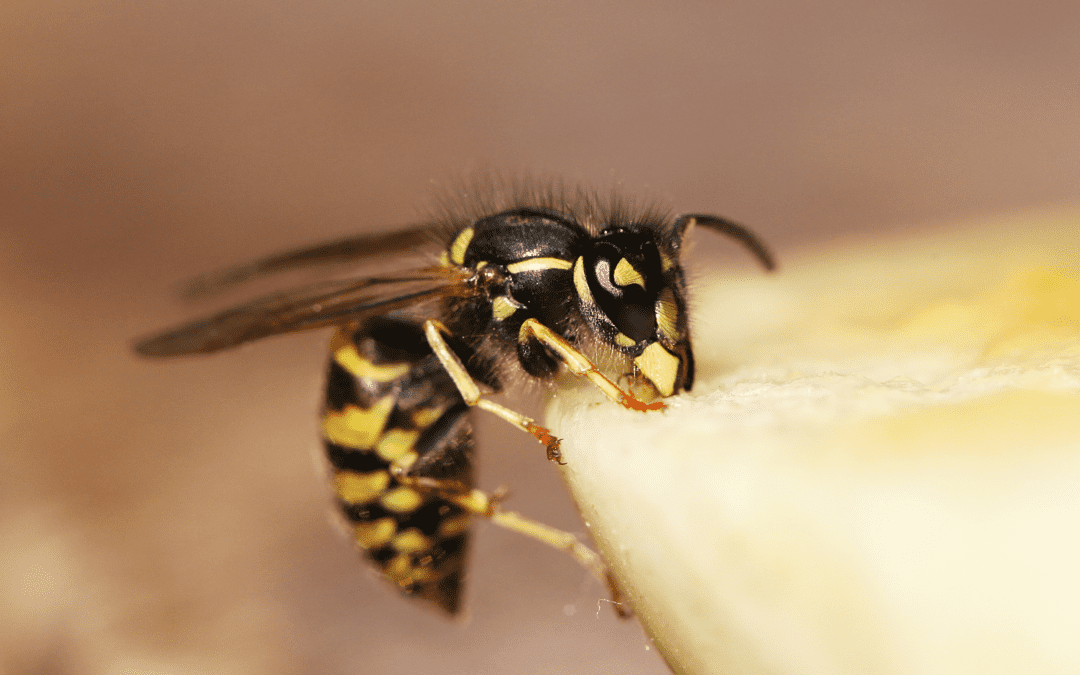
These social insects are usually anywhere humans are found. They have a non-fuzzy, black and yellow striped body. Attracted to sweets and proteins, they commonly invade outdoor events. Their nests can be found either high up or in the ground. Yellow jackets will sting multiple times if they feel threatened and can sometimes cause allergic reactions.
Prevent yellow jackets by:
- Avoiding sweet smelling perfume or cologne when outdoors as this will attract them
- Using plants that help deter yellow jackets, including spearmint, thyme, and lemon grass
If you have a stinging pest problem, reach out to your local Ft. Lauderdale pest control company for professional help in removing these pests from your property.

Aug 2, 2022 | Florida Pest Control, Pest Control
Fort Myers Pest Control: Frequently Asked Questions
The hot, humid weather of South Florida, specifically Fort Myers, is a major attraction for unwanted pests in your home. Discovering pests isn’t uncommon, but no one wants them in their house for very long. The first step in removal is to contact your local pest control company to perform an inspection and initial service; but how long does it take to see results that lead to a pest-free home?
How Long is the Pest Control Service?
The time it takes to complete your service is on a case-by-case basis. The pest control service chosen and the level of severity will determine how long the initial or future services will take. The sizes of the house and yard will also determine the time frame in which the service will take.
How Long Does It Take to See Pest Control Results?
In most cases, you will see results in one to two days time. The exact timeframe depends on the type of pest being dealt with and the choice of materials that were used for the removal process. You might even see an increase in pest activity right after the initial service, but this is a good sign! Seeing pests means the pesticides are working and we have disrupted their normal breeding and feeding habits. Give it about a week to see the activity die down. If you still see active pests after this timeframe, it might mean another round is needed.
If you have tried everything to remove pests on your own but can’t seem to rid your home of them, give your local Fort Myers pest control company a call! These professionals will provide a free inspection and recommend the right plan for you and your Fort Myers property.
Jul 28, 2022 | Florida Pest Control, Termite Control
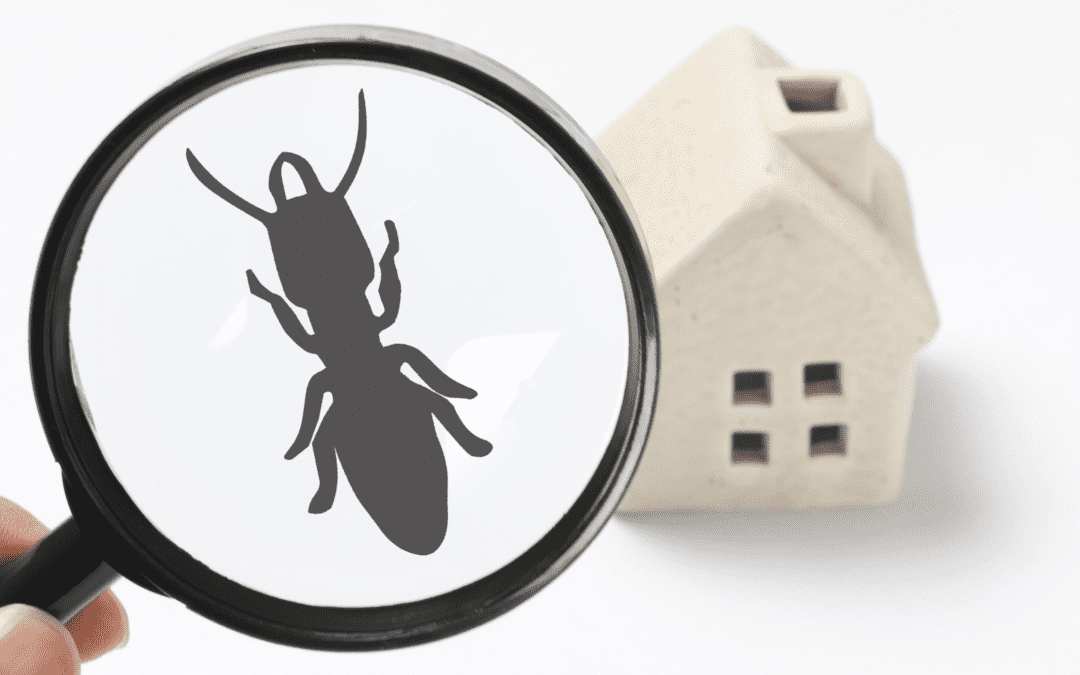
South Florida Termite Control: What’s Attracting Termites
Hot and humid, South Florida is the perfect habitat for termites! These pests cause significant damage to our homes and cost us millions in repairs, making them one of the most feared insects by homeowners. Knowing how to tell if your house has termites is the first step in eliminating them or being on top of preventing them.
Common Termites in Florida
Since Florida hosts a variety of climates, there are many species found in our state. In South Florida, the two most common termites found are drywood and Formosan (subterranean) termites. Drywood termites are known to inhabit sound wood, often infesting wood furniture. Formosan or subterranean termites need soil to live and create mud tubes to look for a food source above the surface, invading the foundation of homes.
What Attracts Termites?
We know that all termites are attracted to wood, but each species has their preference. Subterranean termites aren’t as picky about the type of wood and will eat the most common types found in homes, such as pine and oak. However, drywood termites prefer to avoid soil and will eat hardwood floors or wood found in your home’s structural framing.
Firewood and mulch are two major attractants to termites and provide an entry point inside a home. When storing firewood, make sure it is at least 20 feet away from the home’s foundation. Mulch can retain moisture, making it essential to keep it at least 18 inches away from your foundation.
Having unnecessary moisture around the home can create conditions beneficial to termites. Eliminating excess moisture inside and outside is essential in preventing termites. Make sure your yard is dry by sealing any leaks, repairing AC units, and regularly cleaning gutters to divert rainwater away. Consider enclosing your crawlspace to reduce moisture, decrease humidity, and prevent mold and wood rot.
Termite Infestation Signs
There are several signs that a homeowner can look out for when determining a termite infestation, including:
- Soft wood that sounds hollow when tapped
- Finding mud tubes on the exterior of the home
- Cracked or bubbling paint
- Damage around the home, such as your fence, porch, patio, or deck
- Discarded wings near doors or windowsills, indicating swarmers
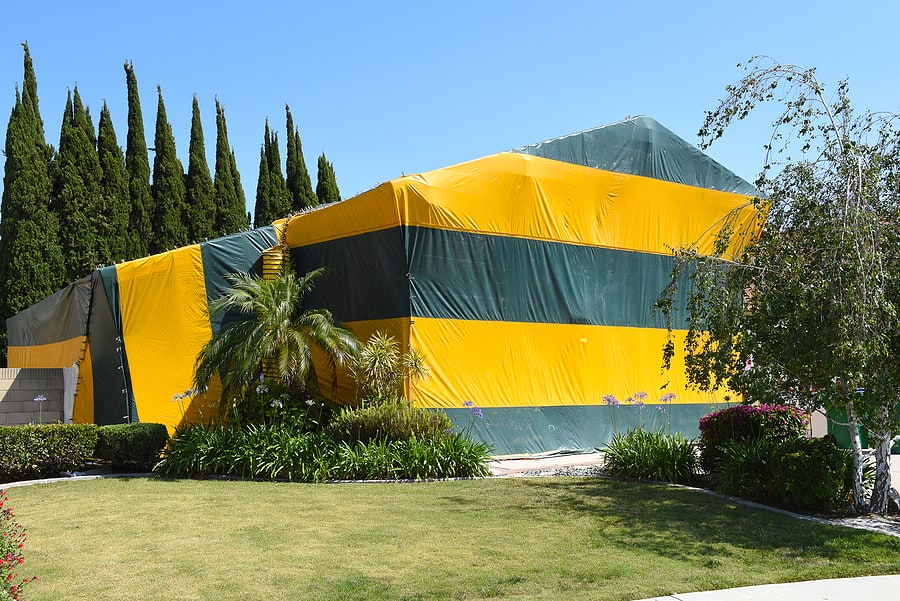
If you suspect that you have termites in your home, contact your local South Florida pest control company. These professionals will inspect your home and provide a termite treatment and prevention plan.
Jul 27, 2022 | Florida Pest Control, Wildlife
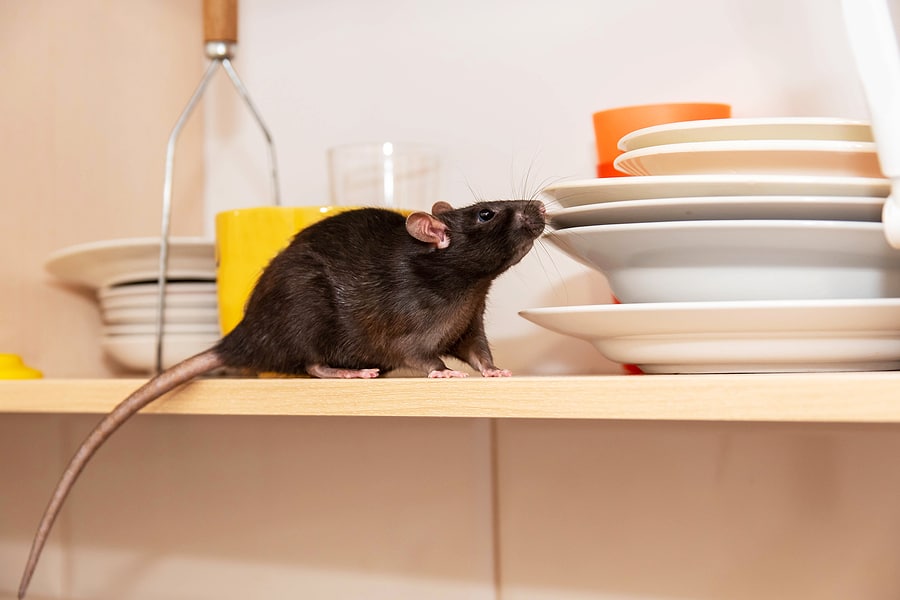
South Florida Rodent Control
Seeing any wildlife creature in your South Florida home is always alarming! While both are harmful to our home and the health of our family. These creatures will contaminate homes, chew wires, and transmit diseases to humans and pets. It’s important to understand their key differences to help prevent both rodents.
House mice are smaller than rats, ranging from four to six inches in length, and can be light grey, white, or brown. While rats are double the length of the average house mice, Norway rats are around 10 inches long. A difference seen between the two rodents are their tails. Mouse tails are equal in length to their body and are thin, long, and hairy. Rat tails can be 7” to 9” in length and are long, thick, scaly, and hairless.
If you have rodent infestation, you’ve probably seen their droppings. The difference between rat and mice droppings is noticeably different. Mice have smaller droppings, only about an eighth to a quarter of an inch long. Rat droppings are larger, about a half to three-quarters of an inch long.
Both rats and mice will happily nest inside or around your property, but their difference is the location they choose to nest in. Mice are great at climbing, typically making their nests in wall voids, attics, sheds, cabinets, and barns. While rats, such as Norway rats, will choose to live in burrows underground like crawlspaces, attics, and basements. Other rats, such as roof rats, are also great climbers but prefer to habitat in upper parts of buildings, trees, or attics.
Whether you’re dealing with a mouse or rat, proper identification and treatment are essential to remove them. It’s best to contact your local South Floria pest control company who will identify the rodent, locate entry points, and provide a treatment and prevention plan.
Jul 25, 2022 | Florida Pest Control, Mosquito
South Florida Mosquito Control
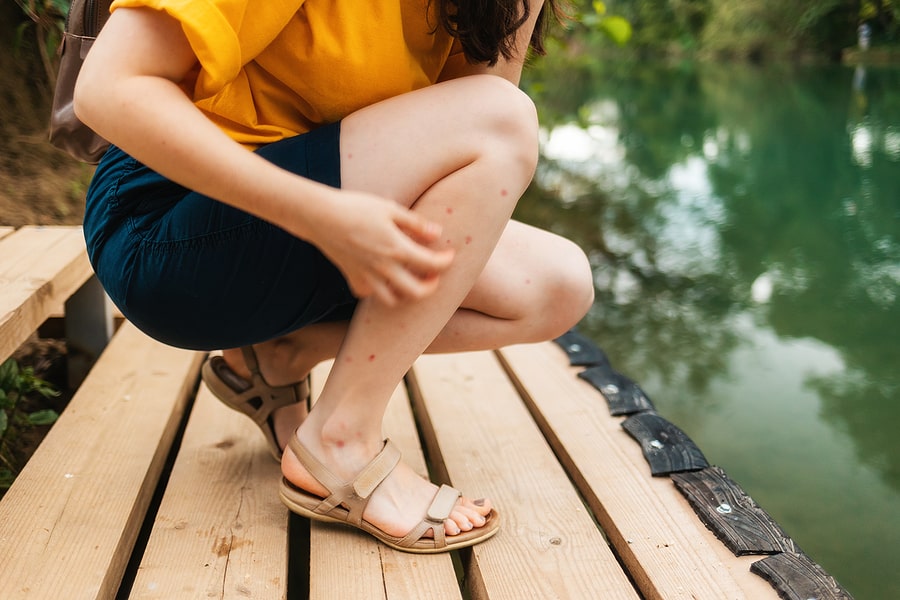
In Florida, mosquitoes have quite a presence, especially during peak mosquito season. These pests are most active in warmer months, ruining our summer fun outside. But just because these pests are active does not mean you are not able to avoid them. Check out our top three ways to avoid mosquitoes while outside.
Protect Yourself
When spending time outdoors, it’s important to utilize mosquito repellent containing DEET. These repellents will help protect you from mosquitoes biting your skin. Sparingly spray the repellent on your skin, covering any exposed areas while outdoors. In addition to using repellent, wear long-sleeved shirts, long pants, and avoid perfumes to reduce the chance of getting bitten.
Landscape Your Yard
To avoid mosquitoes during your backyard BBQ’s or picnics, it is always best to keep your yard well-maintained. Mosquitoes need only ½” of water to breed. Ensure that you fill any holes or hollow trees from gathering water. Equally, make sure gutters are clear of debris to avoid pooling water, correct any drainage issues, and eliminate any other sources of moisture – like toys and other containers that collect water.
Consider Peak Times
Mosquitoes are most active at dusk and dawn. Consider having a party or outdoor event before sunset instead of in the middle of the day. Placing citronella candles throughout your yard can also help minimize mosquito activity and reduce mosquito bites.
If you’ve noticed more mosquito activity this summer, reach out to your local South Florida mosquito control company to schedule a thorough property inspection and a comprehensive mosquito control plan, consisting of monthly mosquito treatments.
Jul 22, 2022 | Florida Pest Control
South Florida Ant Control: Common Ants and Ant Prevention Tips
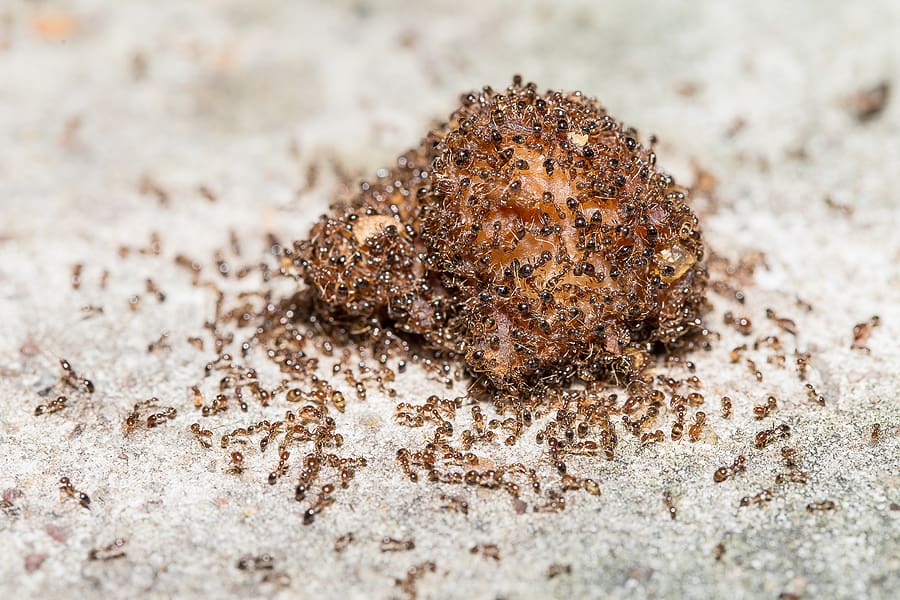
Ants are a major nuisance, infesting our kitchens, pantries, bathrooms, and more! Once an ant infestation occurs, it can be difficult to eliminate them. There are many different species that live in the South Florida area, all of which are attracted to different factors. Check out our list of popular South Florida Ants and how you can prevent them below.
Ghost Ants
Also known as sugar ants, ghost ants are known to invade your home, building their nests either inside the home or outside of your property. These pests are lighter in color and translucent, measuring around 1/16” as an adult. Ghost ants prefer sweet foods that are high in protein, often eating fruits such as honeydew.
You can often find multiple ghost ant colonies close together. These pests tend to build their colonies around flowerpots, under piles of wood, or any undisturbed place that is warm and damp. If they’ve infested your home, they tend to hide behind cabinets and baseboards.
Fire Ants
Fire ants are one of the most aggressive ant species in South Florida. These ants will bite, which can be very painful and leave a raised welt on the skin. Fire ants can reach up to 1.4 inch in length and are reddish-brown in color. While they prefer high-protein foods, they will feed on plants and animal matter.
These ants will bring multiple colonies to your property, creating mounds outside in sunny warm areas such as patios, sidewalks, driveways, and other open areas on your property. Fire ants are also attractive to shiny or reflective objects, often invading vehicles and swimming pools.
Crazy Ants
Harmless to humans, crazy ants are considered the more erratic ant species, getting their name from their erratic patterns of movement. These ants are dark brown to black but can range from reddish-brown to grayish colorations. Many can recognize them from their long antennae and legs. These ants prefer to eat sweeter food courses, such as honeydew in the spring and fall months. In the summer, they tend to feed on seeds and insects for protein.
These ants are highly adaptable, living in both wet and dry habitats. Their nests are typically in the soil, under leaf piles, in shrubs, and in the cavities of trees. They will enter homes, usually right after a rainstorm. Once inside, they can be found in walls, floor voids, and near hot water pipes and heaters.
Avoiding ants can seem impossible, especially during the summertime. Consider these ant prevention tips to help deter ants away from your property:
- Seal cracks and crevices around windows, doors, foundation, or exterior walls
- Keep your plants and shrubbery trimmed back and away from your home
- Store firewood and other yard debris at least 20 feet away from your home’s exterior
- Consider utilizing a routine pest control service to help identify entry points, treat ants, and prevent future infestations.
Jul 20, 2022 | Florida Pest Control
South Florida Pest Control
The summertime should bring activities such as lounging by the pool, having picnics, or enjoying our yards, not dealing with summer pests! Most active during warmer months, stinging pests can pose a health threat to your family. Check out our list of common South Florida stinging pests to lookout for this summer.
Paper Wasps
Paper wasps are semi social insects, meaning they live in colonies containing workers, queens, and males. These pests are reddish-orange to dark black with a long and slender body. Paper hornets tend to nest in round, upside-down paper combs, attached by a single stalk to a horizontal surface, often resembling an umbrella. These pests will typically build their nests underneath objects such as porches, decks, or soffits. Paper wasp nests house egg-laying females, the queen, and subordinate females who function as workers. Paper wasps will sting, with some people allergic to their venom.
Yellow Jackets
Also, a social insect, yellow jacket nests contain female workers, males, and reproductive queens. Yellow jackets are black and yellow, often getting mistaken for bees. These pests will construct their nests into several layers made of tiny bits of wood fiber chewed into a paper-like structure. Yellow jacket nests will only produce males when it’s time for them to breed, then they die off. Their nests are large, often built underground or in hollow logs, tree stumps, between walls, and inside recycling bins where a food source is found. If threatened, yellow jackets will alert their nest to attack the nearby offender, painfully stinging them.
Hornets
There are several species of hornets including the bald-faced hornet, European hornet, and the giant hornet. These pests can be beneficial to homeowners as they will control common household pests. Though, they will quickly become a nuisance if they build their nests throughout your property. Common areas where hornets build their nests are hollow trees, attics, porches, and inside of walls. These pests will sting to protect their colonies, repeatedly stinging during an attack.
If you’ve noticed these stinging pests around or inside your home, it’s best to reach out to your local South Florida pest control company to inspect and safely remove them.
Jul 11, 2022 | Florida Pest Control, Wildlife
South Florida Pest Control Tips
Purchasing and owning a home is a serious investment for every homeowner. Ensuring that it’s aesthetically pleasing, in good repair, and healthy is at the top of our minds. The last thing we want to deal with is a pest infestation, though it’s likely to happen from time to time. While spotting one or two pests is not usually a big deal, if the problem becomes bigger than we can handle, it could be time to call an exterminator. Check out our top 5 signs that it’s time to contact your local South Florida pest control company.
Rodent Droppings
Finding rodent droppings is one of the first indications that a rat is inside your home. Rat droppings are found in dark, undisturbed places in the home, including basements, attics, or crawlspaces. If these creatures find their way inside, they can cause serious destruction, such as chewed electrical wires that can lead to house fires. They’re also known to carry diseases, putting your family’s health at risk.
Nests
Nests are usually found in basements, attics, or even old cabinets. Pests such as mice, birds, or rats will nest in your home to find a safe place to search for a food source, keep warm, and breed. Finding a nest usually means that the pest population inhabiting your home is getting larger.
Noises & Smells
Have you ever woken up in the middle of the night to scratches, tapping, or squeaking coming from the walls or attic? No, you are not in a horror movie, it’s an indication of a rat, rodent, bird, or termite infestation. These sounds can follow with strange, alarming smells such as the pest’s droppings or urine.
Property Damage
If you start to notice your home or the items in your home are damaged, it’s a sign that pests have snuck in. Spotting chewing or gnawing marks on our furniture, clothes, or walls indicates that rodents such as rats or mice are inside. Ants and termites are likely to destroy wood throughout the home, affecting your home’s structural integrity. Other pests, such as bed bugs, will often eat our bedsheets and mattresses.
Recurring Pest Problems
Many pests can be easily removed or controlled through some do-it-yourself pest control. But, sometimes, as much as we try to remove these pests ourselves, it might be time to call in the professionals for routine pest control service. Pest Control includes a thorough inspection of your home, pest identification, locating pest entry points, and ongoing treatment and pest prevention. Request a free pest control estimate now to get started.
Jul 7, 2022 | Bed Bug, Commercial, Florida Pest Control
South Florida Bed Bug Control for Businesses
In Florida’s economy, tourism is one of the largest contributions. With major tourist attractions such as beaches and theme parks bringing in thousands of people to your business, having a bed bug infestation at your resort can be devasting for your reputation. These unwanted hitchhikers can easily sneak in through luggage, clothes, and purses. Learn more about how your hotel can avoid these pests and uphold your reputation.
Educate Housekeeping
It’s likely that housekeeping will be the first to encounter signs of bed bugs or the pests themselves. Ensure your housekeeping staff is educated on the signs of bed bugs, including finding their eggs, black stains on bed linens, strange smells, or droppings.
Schedule Routine Inspections
Consider adding frequent staff routine inspections at your hotel. Have your staff look at furniture, bedding, and walls for any underlying infestation. Bed bugs will breed in the cracks and crevices of walls and headboards, hide in curtains, and sneak into the seams of couches or chairs. Finding these pests as early as possible will help lessen the infestation.
Hire a Professional
Bed bugs are one of the most difficult pests to control, making it extremely important to have a plan ready to eliminate them. A professional exterminator that specializes in bed bug control is necessary to assess the situation at your resort and provide you with the best plan of action, treatment, and prevention plan to avoid future bed bug infestations.
Pest Control Services for Businesses