READY TO GET STARTED?
REQUEST A FREE ESTIMATE
Fill out the form below or call (888) 466-7849 for a free, no-obligation estimate.

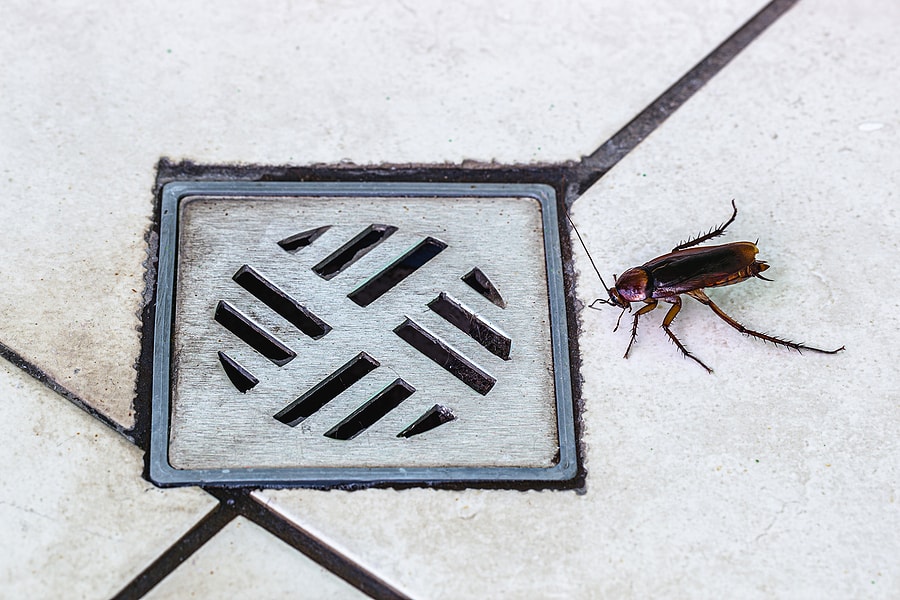
It’s quite common to see an influx of roaches after a heavy rain. American cockroaches and Oriental cockroaches are commonly found outdoors. Heavy rain flushes them out of sewers and other hiding spots and sends them scurrying for a dry place to escape, often inside your home. Once inside, they’ll seek out dark, warm, moist hiding spots to take refuge. Cockoaches can be quite a problem when they infest your home. They contaminate any surfaces they touch and can trigger allergies and asthma. What can you do to keep these pests out of your home after a rain? Here are 10 roach prevention tips to utilize this season.
If you implement these roach prevention tips and still have a problem with roaches or any other household pests, contact your local pest control company for an evaluation.
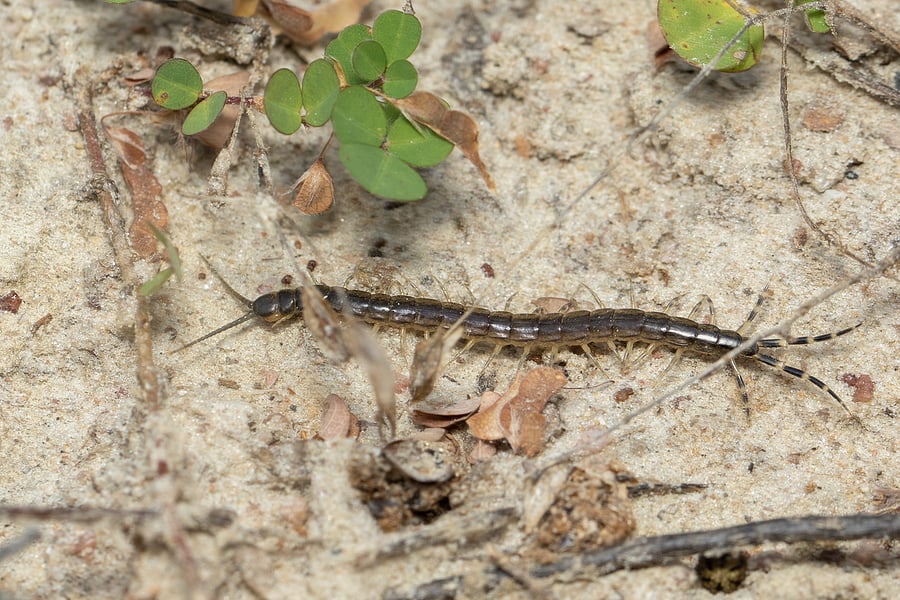
Centipedes are common pests that make their way into homes in search of food. They are yellow to dark brown in color with worm-like bodies and long antennae. They have small mouths that contain venom glands and lots of legs – in fact, they can have anywhere from 15 to 177 pairs of legs. Centipedes regrow legs each time they molt, so the older the centipede, the more legs they have.
Centipedes can be frightening in appearance, especially if you come across one unexpectedly in your home. When this happens, should you kill it? The short answer is – no. While centipedes can bite, they rarely do and aren’t considered to be a threat to humans or pets. They also don’t really do a lot to disturb your home. They don’t make nests or webs, they don’t transmit diseases, and they don’t damage your home or belongings. The best reason for not killing centipedes, though, is that they are a fantastic form of natural pest control for your home. These household pests eat roaches, flies, termites, moths, and silverfish. Instead of killing them, relocate them outside so they can help keep other pest populations under control.
Centipedes can be prevented if the things that attract them are removed. Seal any cracks, holes, and gaps in the foundation, as well as gaps around doors and windows. Repair any leaks and clean up any standing water. Keep piles of wood and leaves away from your home. Purge your house, garage, and basement. Pests can be kept under control with regular pest control services provided by your local pest control company.
Why Am I Seeing Rodents in Spring?
The Differences Between Bumblebees and Honeybees
When Are Termites Most Active?
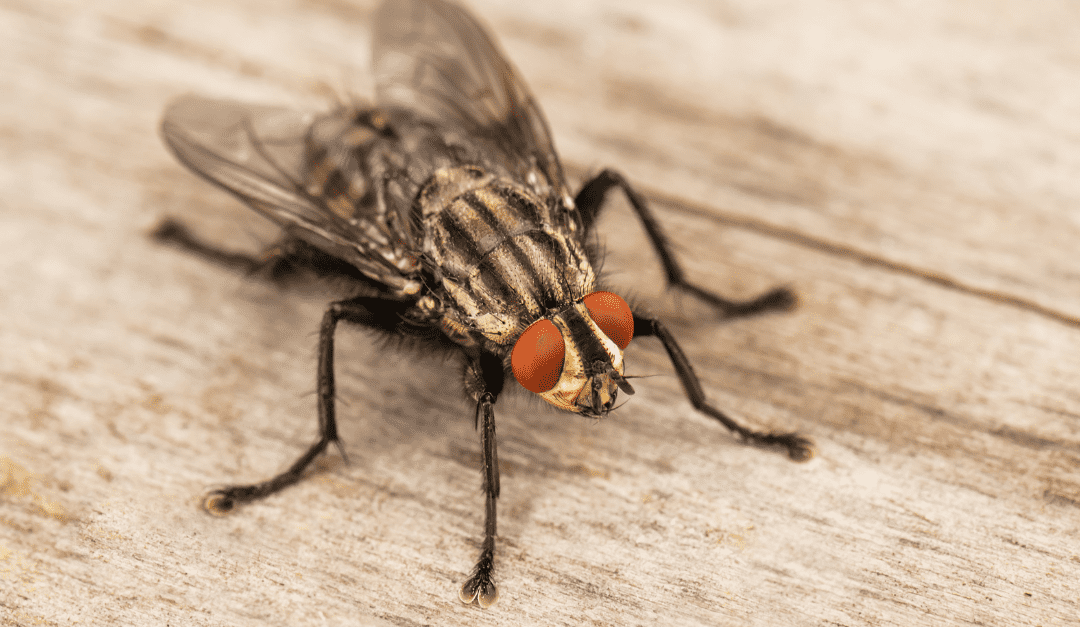
Flies are one of the most common household pests that can be found almost everywhere in the world. They are not only annoying but can also carry a variety of diseases, including typhoid, cholera, and dysentery. Therefore, it’s important to properly identify the common types of flies in order to prevent them. In this blog, we’ll discuss how to identify and prevent different types of common flies.
The house fly is the most common type of fly found in homes. They are gray in color and have four black stripes on their thoraces. These pests are attracted to food, garbage, and feces, and can transmit bacteria and viruses that cause diseases.
Fruit flies are small, brownish-yellow flies with red eyes. They are attracted to ripening fruits and vegetables, as well as fermented liquids such as wine and vinegar.
Drain flies are small, moth-like flies that are commonly found in bathrooms and kitchens. They are gray or black in color and have hairy wings. They breed in organic matter that accumulates in drains and pipes, as well as in standing water.
By following these tips, you can enjoy a fly-free home. If you begin to see an influx of flies in your home, give your local pest control company a call for a personalized plan.
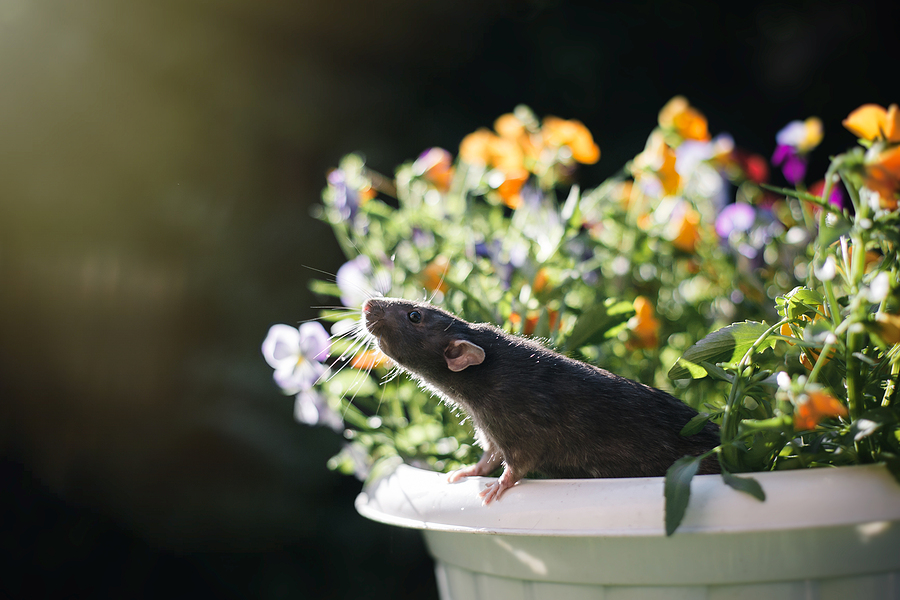
Rodents such as mice, rats, and squirrels are overwintering pests, taking refuge inside your home during the colder months of the year. When spring arrives, these pests are already hiding in your attic, basement, crawlspace, garage, and even inside your walls. As the weather warms, they emerge for two reasons: searching for food and breeding season.
Rodents are dangerous to have inside your house for many reasons including:
Keeping rodents out of your home during any season of the year starts with prevention. Implement some of these rodent control tips this spring:
If you have a problem with rodents or any other household pests, contact your local pest control company for a thorough evaluation.
The Differences Between Bumblebees and Honeybees
When Are Termites Most Active?
Common Rats and Mice You Might See this Spring
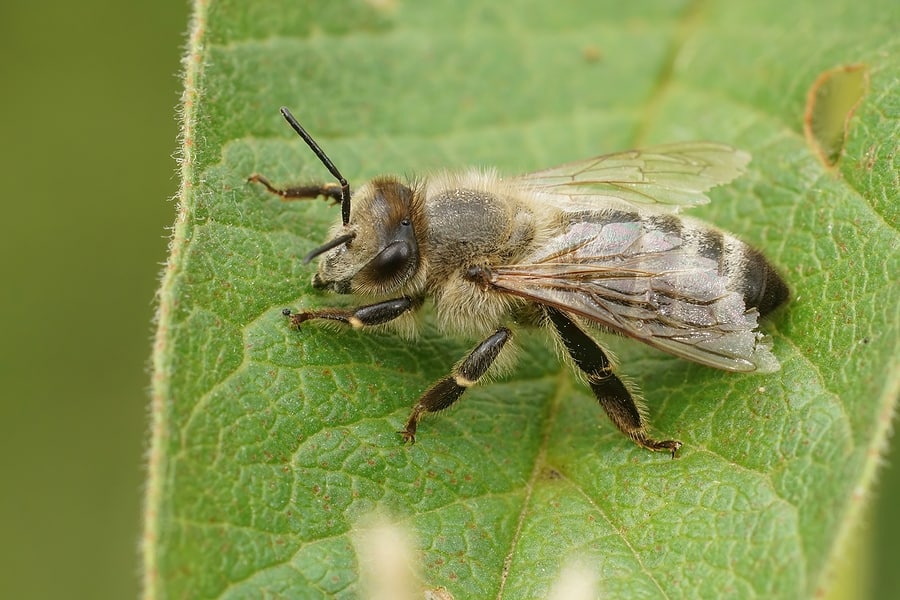
Bumblebees and honeybees are both important pollinators that play a critical role in our ecosystem. However, they are different in several ways, from their physical appearance to their behavior and habitat. Let’s explore the differences between bumblebees and honeybees.
One of the most obvious differences between bumblebees and honeybees is their physical appearance. Bumblebees are larger and hairier than honeybees, with rounder bodies and more robust wings. Their bodies are covered in dense hair, which makes them look fuzzy, and they have a distinct black and yellow striped pattern.
Honeybees appear smaller and have slimmer bodies. These insects have a distinctive golden color and a more pronounced abdomen. Their wings are also narrower and more translucent than bumblebees.
Both types of bees also differ in their behavior. Bumblebees are social insects that live in small colonies with a few hundred bees. They are active during the day and prefer to forage on flowers that are close to the ground. They are also excellent pollinators for plants that require a buzz pollination technique, such as tomatoes and blueberries.
Honeybees, on the other hand, are highly social insects that live in large colonies with tens of thousands of bees. They are active during the day and prefer to forage on flowers located higher up. They are also known for their ability to communicate with each other using a complex system of dances, which helps them find food sources.
Honeybees and bumblebees have different habitat preferences due to their distinct nesting behaviors. Honeybees prefer to nest in cavities such as hollow trees or rock crevices; whereas bumblebees prefer to nest in underground burrows, such as abandoned rodent holes, or in above ground areas like abandoned bird nests.
If you believe you have found a honeybee or bumblebee nest on your property, give our team a call today for a safe bee relocation and removal.
As we gear up for spring, most homeowners are looking forward to spending time with family in their yards. Unfortunately, spring pests will also emerge as the weather warms up. While spotting one near your home is not a big deal, if they’ve infested in large numbers, they can quickly become a nuisance and cause property damage. Check out our list of common spring pests and how you can avoid them.
In Alabama, termite activity increases in early spring. These pests can cause severe property damage by destroying the structural integrity of your home. Once termites infest your home, it can be extremely difficult to eliminate them, and their repair often costs billions of dollars. Common termite types include subterranean and drywood termites. Drywood termites will inhabit sound wood and will infest wood furniture. Subterranean termites need soil to live, creating mud tubes for a food source above the surface and invading the foundations of homes.
Ants thrive in humid, hot weather. During the spring, ants are looking for any food source for their nests, often invading our homes to find it. These pests can be extremely persistent and take over our yards. Common ant species found in the Alabama area include fire ants, pavement ants, crazy ants, and more. You can often find these ants near their food sources, behind window frames, under appliances, in the bathroom, and the kitchen.
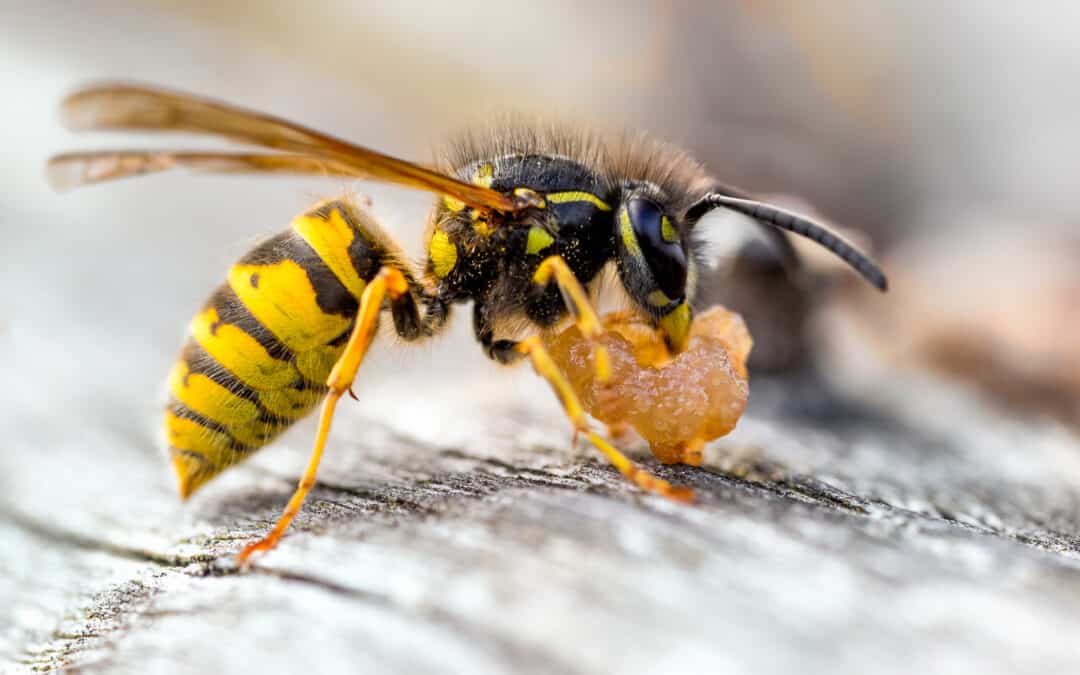
Wasps are common during the springtime and can become a problem when they have nested on your property. There are several wasp types common to the Alabama area, including the blue-winged wasp, cuckoo wasp, spider wasp, paper wasp, and more. Depending on the type of wasp, you can find their nests underground or hanging from branches, eaves, door frames, railings, and more. While not always aggressive towards humans, wasps will attack if their nest is disturbed. If stung, it can be extremely painful and will sometimes need medical attention, depending on the severity.
Alabama’s weather during the spring months is hot and humid, making it the ideal environment for mosquitoes to breed. Mosquitoes only need a small amount of water to lay their eggs, and if found on your property, you will soon have a full-blown blown mosquito infestation. Mosquitoes can not only be a major nuisance if they invade your yard, but they also pose a health risk to humans, dogs, cats, and horses by transmitting diseases. Mosquitoes need a blood meal to survive, often looking at us and our pets to get it. If they feed off a diseased host, they can spread pathogens that can infest other hosts they bite later.
Being on top of pest prevention is one of the best ways to keep spring pests from invading your yard. Consider the following do-it-yourself preventative measures for keeping pests away:
Don’t let these common spring pests invade your home! If you notice an increase in pest activity or want to get ahead of prevention, consider contacting your local pest control company which can help identify entry points and pests, recommend a treatment plan, and prevent them in the future.
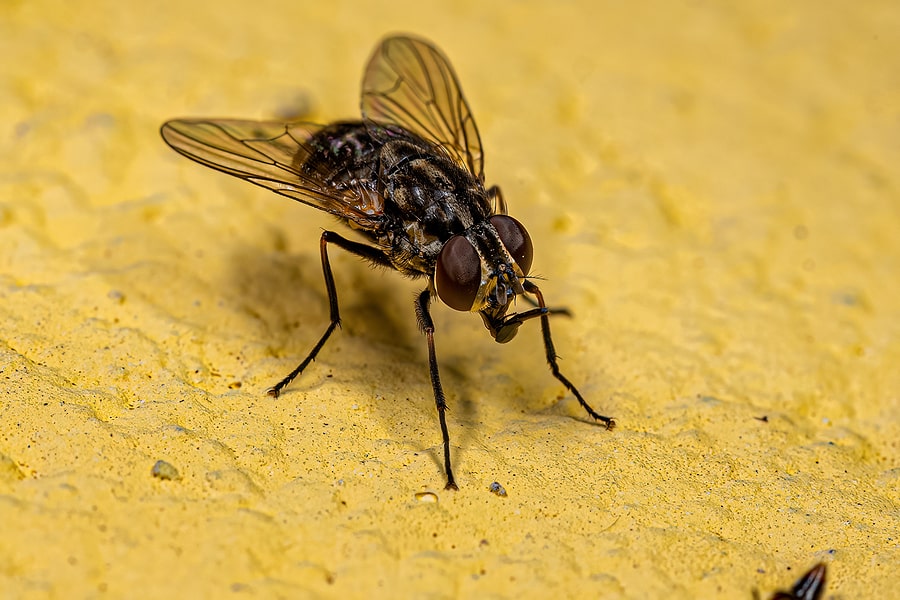
Whether inside or outside, flies can be a huge annoyance. These small pests seem to find their way back into your space after you’ve already swatted them away multiple times! At a glance, you might be able to tell what kind of fly it really is, but they can all look the same. Each type of fly has its own set of characteristics. Let’s break down the common flies you might see in your Jasper, Alabama home.
Being the most common out of all the flies, this easily identifiable pest is widespread throughout the United States. House flies can be spotted with red eyes and gray, hairy bodies. These types of flies don’t have teeth or stingers, so they feed off liquids found from human food, animal carcasses, and garbage.
While they can’t sting humans, they can spread more than 100 different pathogens including salmonellosis, typhoid, and tuberculosis. They also contaminate food surfaces by spreading diseases picked up on their legs and mouths when feeding on any trash or feces.
These oval-shaped insects are known for rapidly reproducing and can be found indoors year-round. Fruit flies are attracted to and eat rotting food; more specifically they tend to gravitate towards fruits and vegetables. They are known to breed in dark, moist areas like drains, disposals, and trashcans. They also lay around 500 eggs that can hatch in as little as 24 hours.
These pests also don’t sting or bite, but they can contaminate foods with dangerous bacteria and disease-causing pathogens.
These moth-like flies are commonly found in dark, damp conditions, like drains. Drain flies don’t bite, but their presence can aggravate asthma in some people. These household pests appear light gray to tan with a dark border around their wings.
If you have an infestation of any species of fly in your Jasper, Alabama home, then contact your local pest control company to discover a treatment and prevention plan best for you!

The last thing you want to find in your pantry is pests. Known as pantry pests, these types of insects like to invade your stored food products and lay their eggs inside. What kind of creatures would want to invade our stored food? Let’s break it down.
Pests like beetles, weevils, and moths are the most likely culprits to invade your pantry. Although not the only kind to invade, these are the most common types that you will see and they include saw-toothed grain beetles, Indian meal moths, rice weevils, and drugstore beetles.
To know if you are dealing with a pantry pest infestation, be sure to check boxes of food for unusual things like eggs, larvae, and live beetles, moths, or weevils. These pests won’t be exclusively in open boxes, so make time to check most boxes of food.
There are two ways that these pests can find their way inside your Tennessee home. The first way involves flying or crawling in through exterior windows, doors, cracks, crevices, and other openings. The second way is coming in with your recently purchased dry food products. Keeping these in mind, here are a few pantry pest prevention tips to keep them away:
If you believe your pantry has been infiltrated by pantry pests, then give your local pest control company a call today for a free inspection!
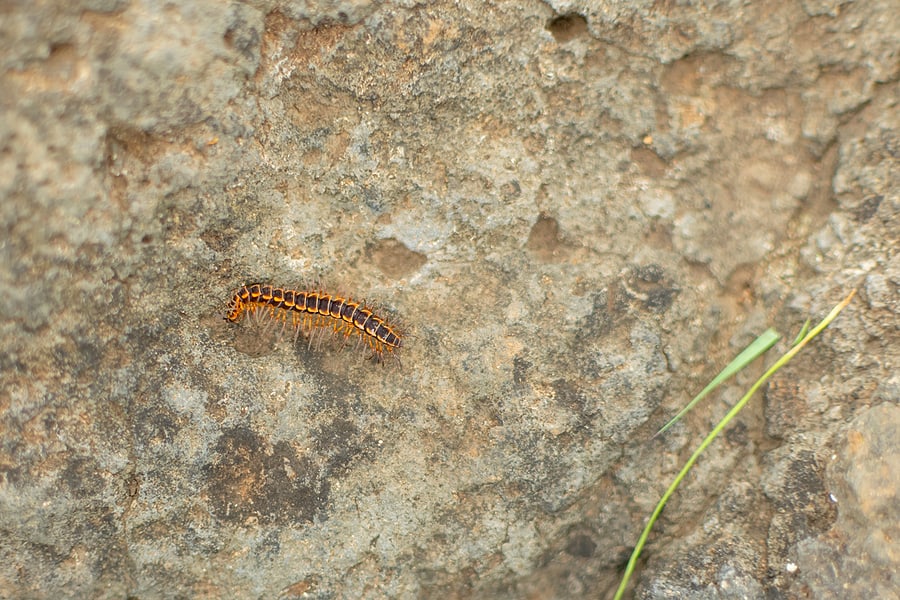
Centipedes are arthropods that often make their way into our homes. Because they love moisture, they are often found in kitchens, basements, laundry rooms, and other humid areas of your house. These pests are easily identifiable with long antennae, yellow to dark brown body color, small mouths, worm like bodies, and many legs. While their name suggests they have 100 pairs of legs, they can actually have anywhere from 13 to 177 pairs, depending on their age and species.
Centipedes will come indoors in search of moisture, food, or to escape predators outside. Common predators of centipedes include birds, chickens, toads, snakes, frogs, mice, spiders, beetles, and even badgers.
If you find a centipede in your home, your first instinct may be to immediately get rid of it. But should you kill a centipede in your house? There are several reasons you shouldn’t, including:
Consider relocating centipedes outdoors instead.
Centipedes can be avoided by removing the factors that attract them in the first place. Seal any foundation cracks, holes, and gaps, as well as gaps around doors and windows. Fix any leaks and remove any standing water. Keep wood and leaf heaps away from your house. Clear out your home, garage, and basement. Regular pest control service will keep pests under control. If you have a problem with centipedes or any other household pests, contact your local pest control company for an assessment.
Atlanta Honeybee Relocation Services Benefits
Your Spring Pest Control Checklist