Sep 13, 2022 | Pest Control
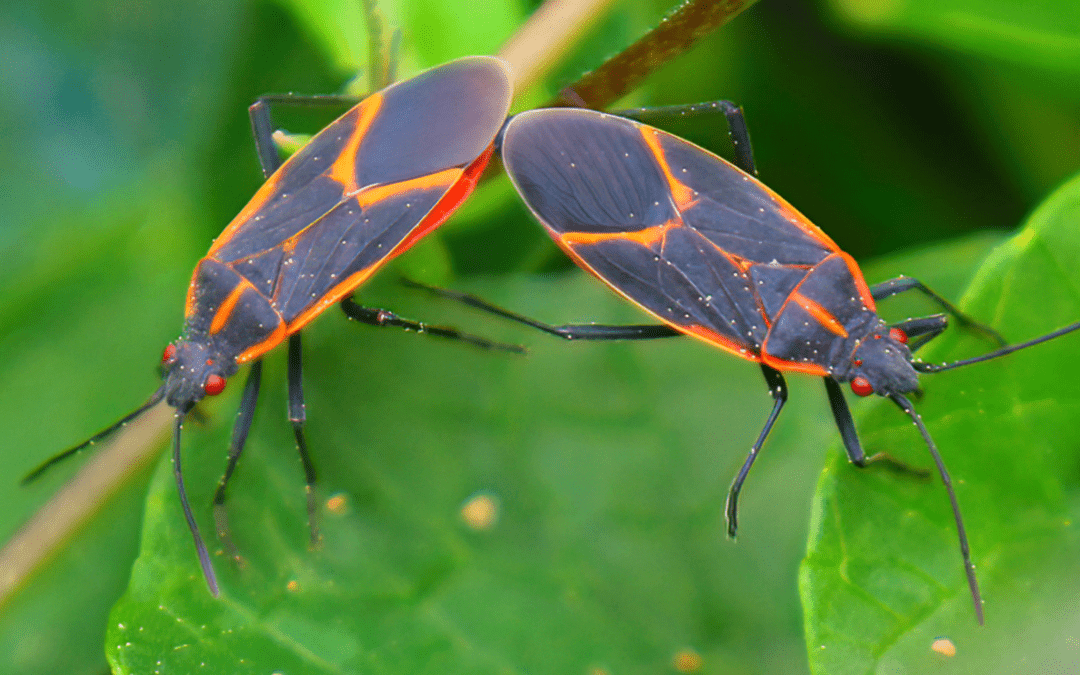
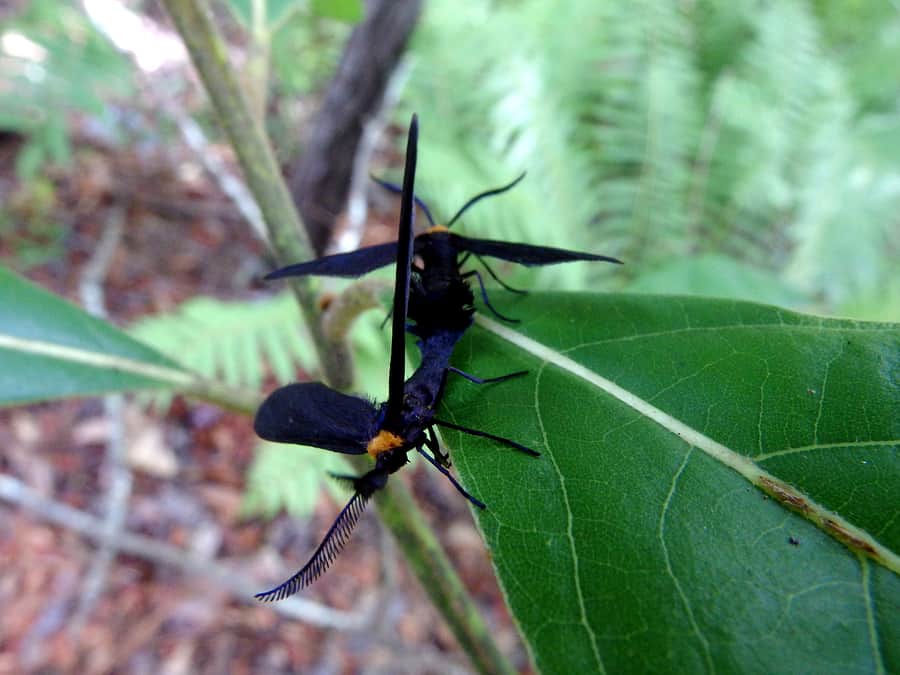
This time of year you may have noticed those pesky black and red bugs flying around, especially while driving your car. These lovebugs, also known as honeymoon flies, kissing bugs, and double-headed bugs, are actually a type of march fly. They are an invasive species that came over from Central America and have now taken over the entire gulf coast, as well as all of Florida, Georgia, and South Carolina. So what should you know about these pests and when does lovebug season end?
Lovebugs are always around but because they spend most of their lifespan as larvae, we don’t notice them as much. We do see them more often during their swarming season which happens twice a year: once in late April and May and again in late August and September. During this time they mate which is why you usually see two of them attached while they’re flying.
Adult female lovebugs only live for 3 to 4 days during mating season. They connect to a male and must stick together at all times during this process. It can take up to 24 hours for the mating process to be complete. Males will swarm in areas they know females will be near. The females then fly into these swarms, which are commonly seen in the morning (around 8:00 to 10:00 am) and the late afternoon/evening (around 4:00 to 5:00 pm).
Lovebugs are attracted to exhaust fumes from cars, lawnmowers, and other engines. They are also attracted to heat and light colored surfaces. For these reasons they are especially common near highways and other high traffic areas.
While they can be a nuisance, lovebugs can actually be beneficial to have around. Lovebug larvae convert plant material into organic substances that the plants then use as a food source. They are difficult to get rid of as pesticides are ineffective against them and they have very few natural predators. Lovebugs aren’t dangerous to humans. They cannot bite or sting, cannot transmit diseases, and aren’t poisonous. They will leave white splatter on your vehicle, which are actually their eggs.
While there isn’t much you can do to prevent lovebugs, there are a few things you can try to help make lovebug season more manageable.
- Use fans on high speed, especially in outdoor areas. This keeps the lovebugs from being able to find a comfortable spot to land.
- Keep your lawn mowed. Lovebug larvae grow in thatch; mowing your lawn helps reduce areas they can breed.
- Keep your car clean. Wash your car frequently during lovebug season. You can also get a fresh wax job right before the season starts. This helps keep them from sticking to your car and also keeps them off after they accumulate.
- Wear dark colored clothing outdoors. Lovebugs are attracted to light colored surfaces and will be less likely to bother you.
- Time outdoor events for later in the day. Lovebugs are only active during the day. Try to plan any outdoor activities after sundown.
- If all else fails, contact your local pest control company for an evaluation.
You May Also Be Interested In:
Look Out for These Fall Nuisance Pests
The 411 on Termite Inspections
How to Continue Caring for Your Lawn in the Fall
Back To School Means Head Lice Season
Venomous vs Poisonous Spiders – What’s the Difference?

Sep 13, 2022 | Pest Control
During the impending cooler months, some pests will begin seeking warmth and shelter for survival. These pests, known as overwintering pests, can survive cold temperatures due to these activities. There are three common overwintering pests: stink bugs, ladybugs, and boxelder bugs. They don’t cause any harm to you or your home, but they can become a nuisance once they get inside. Let’s break them down and discover the best ways to keep them away from your home.
Stink Bugs
These armor-shaped insects are an invasive species known to release an odor when disturbed or crushed. They pose no threat to humans or the structure of your home but can become a nuisance when an infestation occurs. They feed on a variety of plants, including fruits like apples, peaches, and figs. They prefer moist, mild climates and can be found in bathrooms and kitchens.
Lady Bugs
These harmless, overwintering pests are found worldwide and have over 5,000 known species. Ladybugs have an oval, dome-shaped body with a hard-shell wing that covers their inner wings. They are deemed beneficial and consume plant-eating insects, such as aphids, mealybugs, mites, and scale insects. During the colder months, they search for warmth and shelter. They can take over your home in a matter of days and can become a major nuisance when large populations congregate.
Boxelder Bugs
These pests are named for feeding off maple and seed-bearing boxelder trees in the warmer months. Boxelder bugs are sneaky pests that can easily make your home theirs. These pests are oval-shaped and elongated, with a reddish black body and orange markings on their back. They are considered more assertive than other overwintering species, puncturing skin when they feel threatened. The result is similar to that of a mosquito bite, so it shouldn’t be something to worry about.
Preventing Overwintering Pests
- Seal or caulk all cracks, crevices, and holes around house foundations, siding, doors, windows, electrical, and plumbing.
- Keep the yard clean by raking, cutting grass short, and picking up debris in the yard.
- Use tight-fitting insect screens on foundations and attic vents.
If you suspect you have an overwintering pest infestation, contact a professional, local pest control company to provide you with a thorough evaluation and treatment plan.
Aug 30, 2022 | Florida Pest Control, Pest Control, Termite Control
Bonita Springs Termite Control: Swarming Season
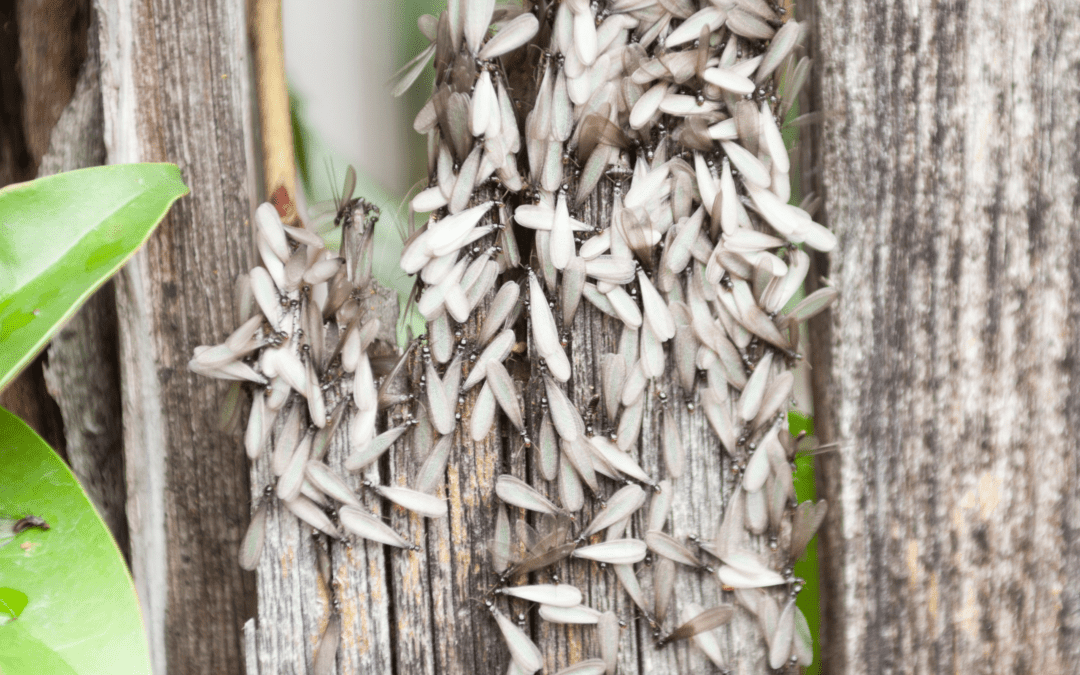
For most homeowners, including those in Bonita Springs, the first sign of a termite infestation is seeing a swarm of flying insects. Not all swarming insects are termites though – some can be flying ants. Let’s break down the physical characteristics to determine the differences between the two.
There are three easy ways to tell flying ants and termites apart:
- Antennae Shape: A termite antenna is straight and bead-like, but on ants they look elbowed.
- Waist Size: Termites have a streamlined body, while ants have a pinched waist.
- Wing Size: Termites’ wings are all equal in length and extend past the abdomen. Ant wings are unequal in length and generally end at the tip of their abdomen.
These two pests also have behavioral differences. They both live in large colonies with designated levels of caste systems. Termites can also be found in decaying trees, stumps, wood debris, lumber, and wooden structures. Some ants, like carpenter ants, inhabit wood, but most other species do not. Unlike ants, termites can cause major structural damage since they eat wood, and ants do not.
They also have different life cycles. Ants go through four stages of development, while termites only have three. During the warm months of swarming season, the fertile winged ants and termites fly from their nests to mate and establish new colonies, making it more difficult to tell the difference between the two pests.
If you believe you have termites causing damage to your home, reach out to your local Bonita Springs pest control company, who can provide a free inspection and a service plan that is right for you and your property.
Aug 26, 2022 | Pest Control
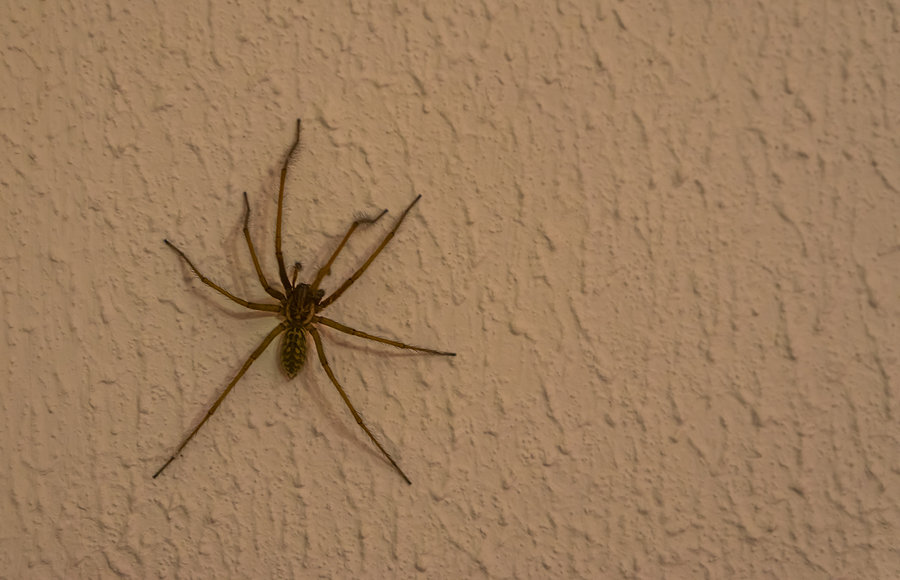
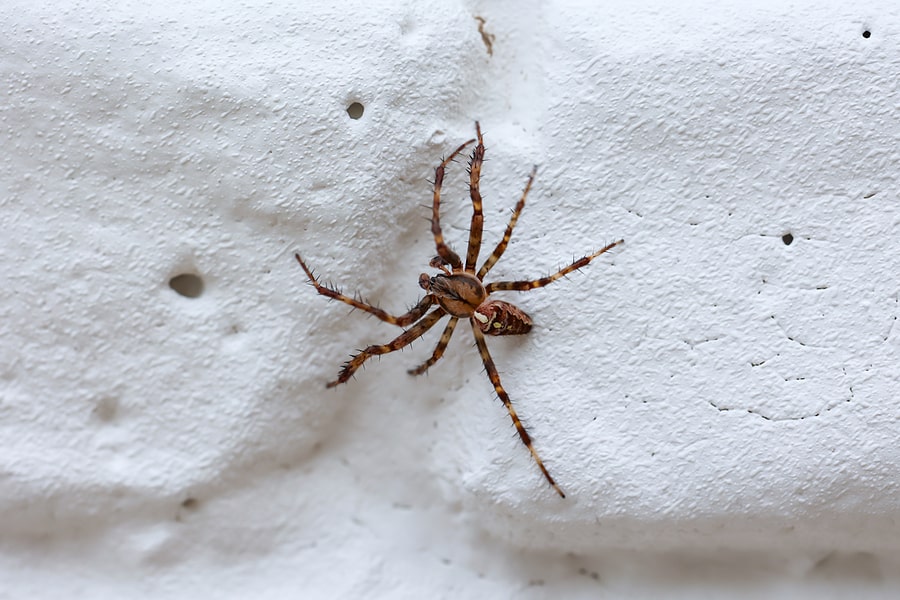
Spider sightings tend to increase when the weather cools off. While most spiders prefer to live outdoors, a few will make their way inside in search of food and water. Most spider species also mate in the fall, increasing the numbers we see as they go in search of their partner. Young spiders are born in the spring, taking the summer to grow and mature. By fall they are bigger, venturing out and starting to build their webs. All of these factors combine to increase the number of spider sightings we see near the end of the year.
There are many types of spiders common to this area, some venomous but most harmless. Here are 9 of the most common spiders in Georgia to look out for this fall.
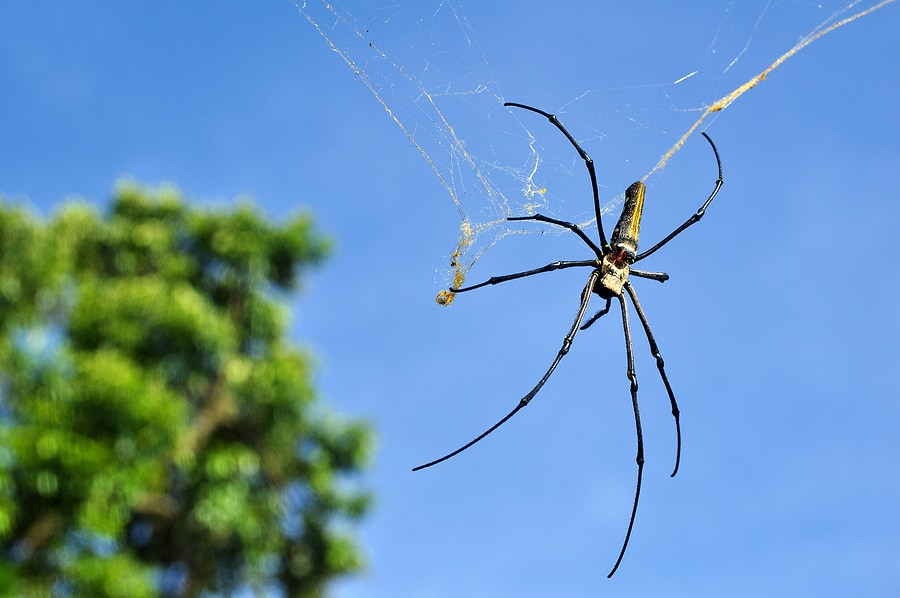
Joro Spider
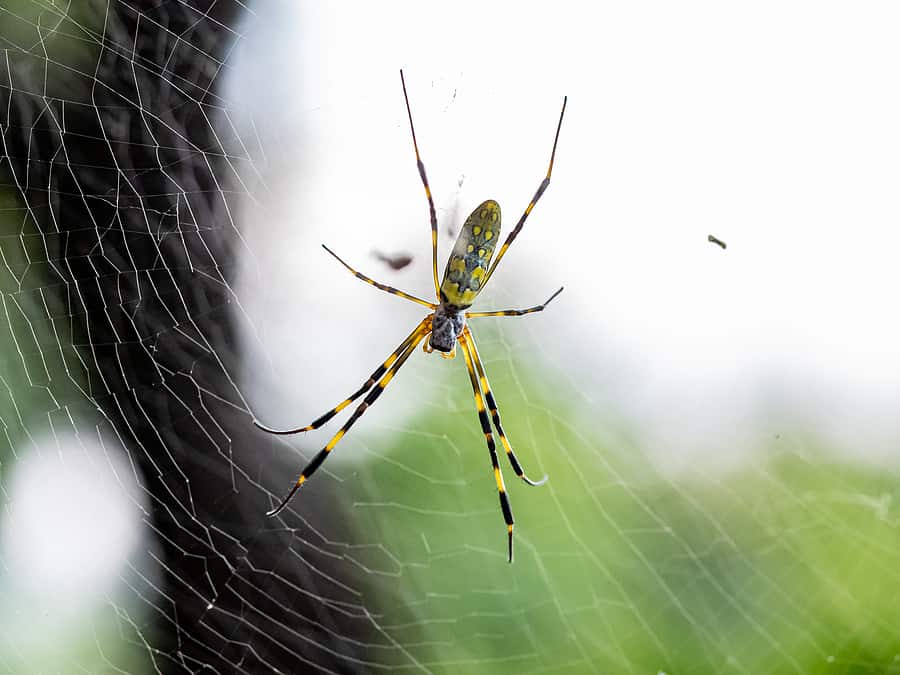
Joro spiders are a non-native species originating in Asia that were first spotted in Georgia in 2014. Since then they have started to expand their population throughout the southeastern United States. Joro spider eggs hatch in late spring, with sightings as early as May. They will build their webs anywhere they can find, including decks, porches, houses, plants, landscaping, etc. They are larger than most other spider species in the US. Females can measure up to 4″ in length with males only reaching about 1/4″ in size. Their colors vary – males are usually brown while females can be blue-gray or yellow with red markings on their abdomen and black legs with yellow bands. They are commonly found on the edges of woods and around homes. They are not usually seen indoors and their bites are rare. There is no research to show that Joro spiders are dangerous to humans.
Black Widow
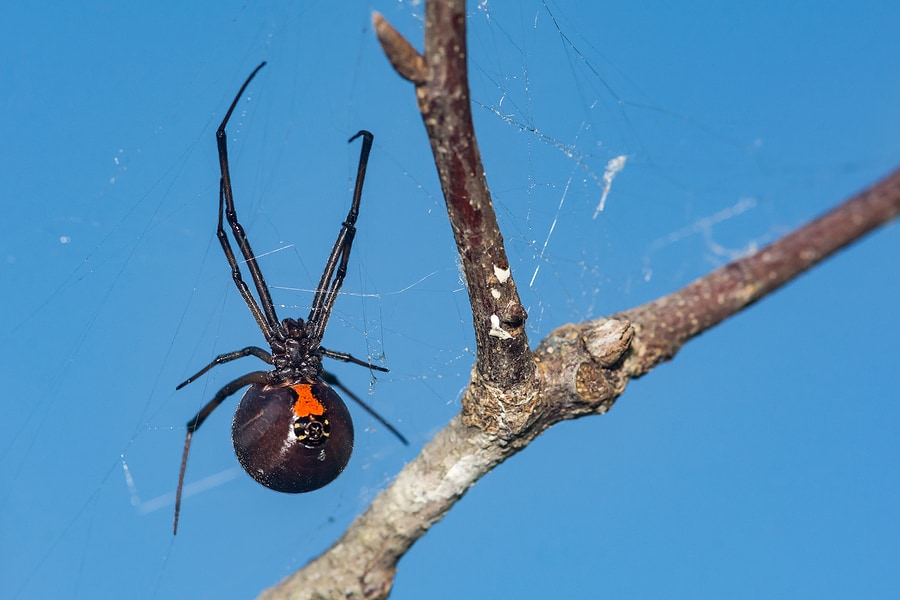
The black widow is one of the few structure-invading species of spiders in our area. Their fangs are big enough to penetrate human skin and their venom is powerful enough to cause side effects in humans. In fact, they are the most venomous spider in North America. Antivenom for their bites does exist. Female black widows grow to lengths of 3/4″ while males are about half that size. They are one of the easiest types of spiders to spot with black bodies and distinctive red hourglass markings on the underside of their abdomen. They have very round body shapes. These spiders can be found indoors and outdoors, preferring protected, sheltered areas to live in. They are most active at night, spinning webs to catch their prey in. Outside they can be found around decks, in barns and outbuildings, under rocks, or in woodpiles. Inside they can usually be found in areas that aren’t disturbed or used frequently, such as garages, basements, closets, and crawlspaces.
Brown Widow
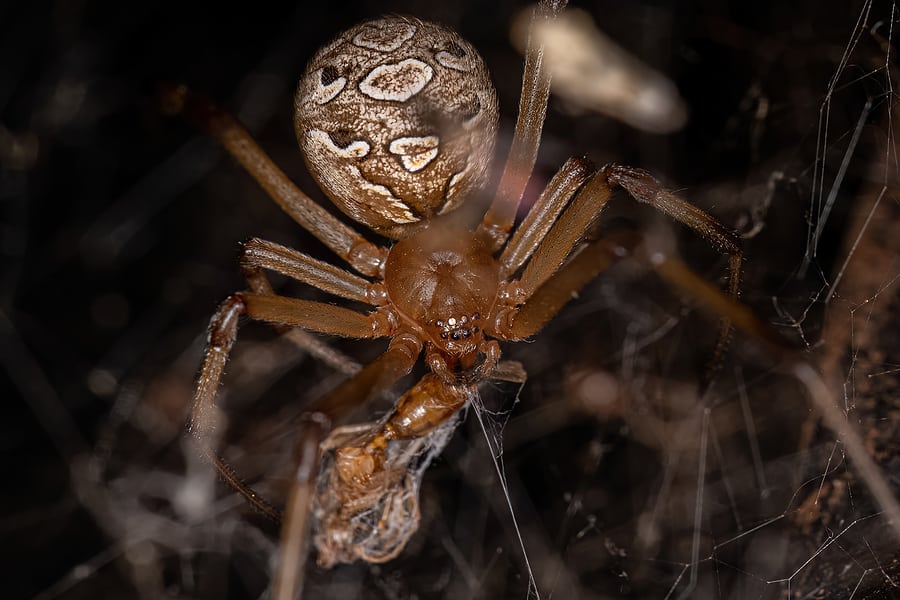
Brown widow spiders are another non-native species, although can now be found throughout the southern and western United States. Bites from the brown widow aren’t as potent as those from their black widow cousins and don’t cause nearly as bad of side effects. Only brown widow spiders bite. Brown widows also prefer undisturbed areas to live in but can often be found in garages and basements, gardens, on patio furniture, on mailboxes, on outdoor toys, and in storage closets. Female brown widows grow to about 1/2″ long while males are about half this size. Both males and females are brown in color with tan and black legs. They also have the hourglass marking like black widows, but theirs are orange in color.
Brown Recluse
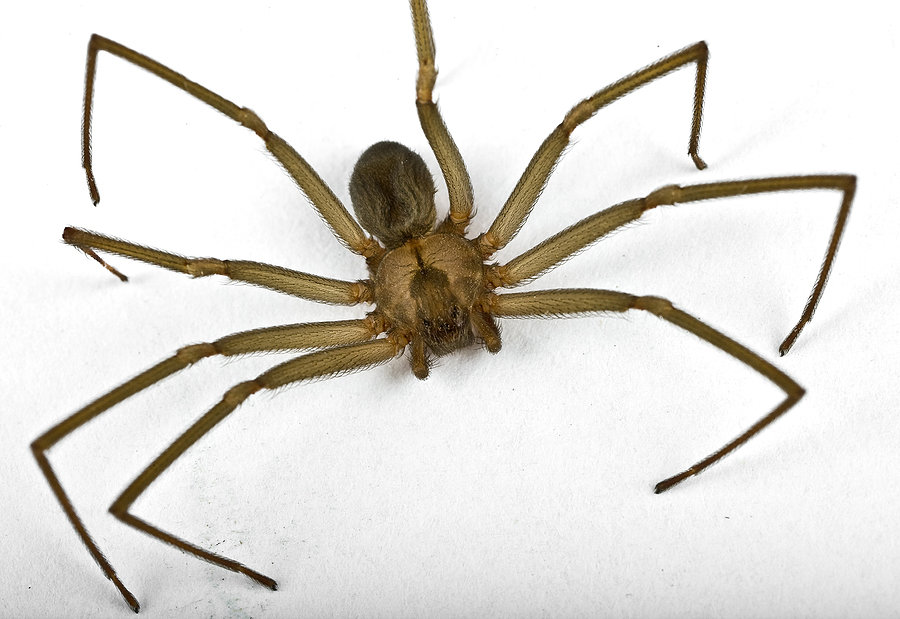
Brown recluse spiders are commonly found in the southeastern and midwestern United States. They are also easily identifiable by the distinctive markings found on their bodies. These spiders are known for “secretive” behaviors, preferring to hide in warm, dark, dry habitats. They are commonly found in woodpiles, basements, and closets, especially in old shoes that aren’t worn often. They will bite, with symptoms taking up to 3 hours to show up afterwards. Brown recluses range from 1/4″ to 1/2″ in length. They are tan to dark brown in color with a dark fiddle-shaped marking on their back.
Wolf Spider
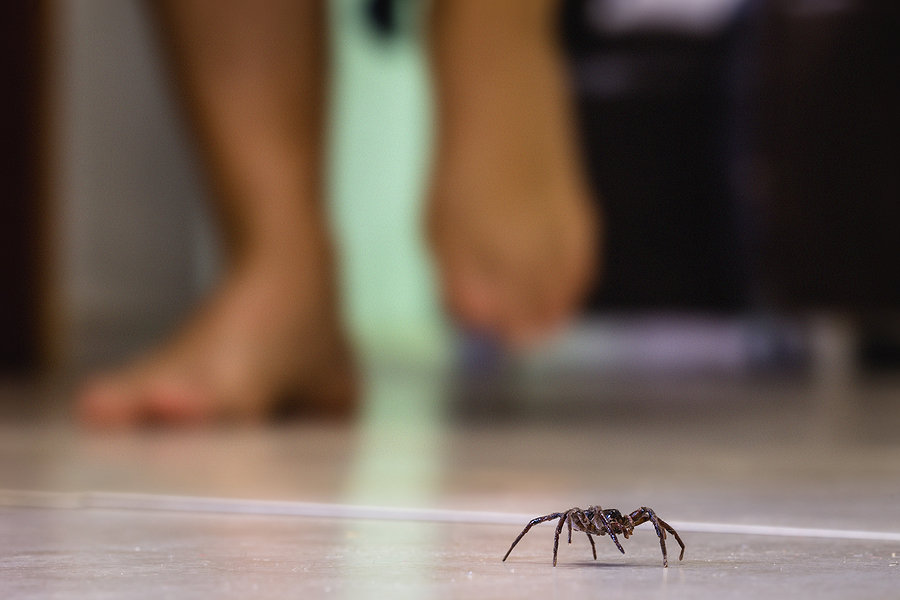
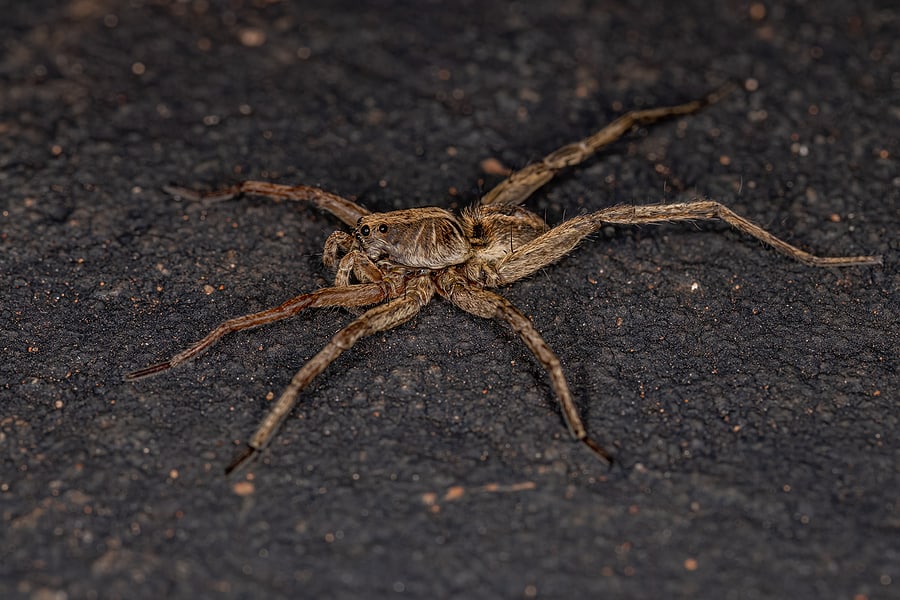
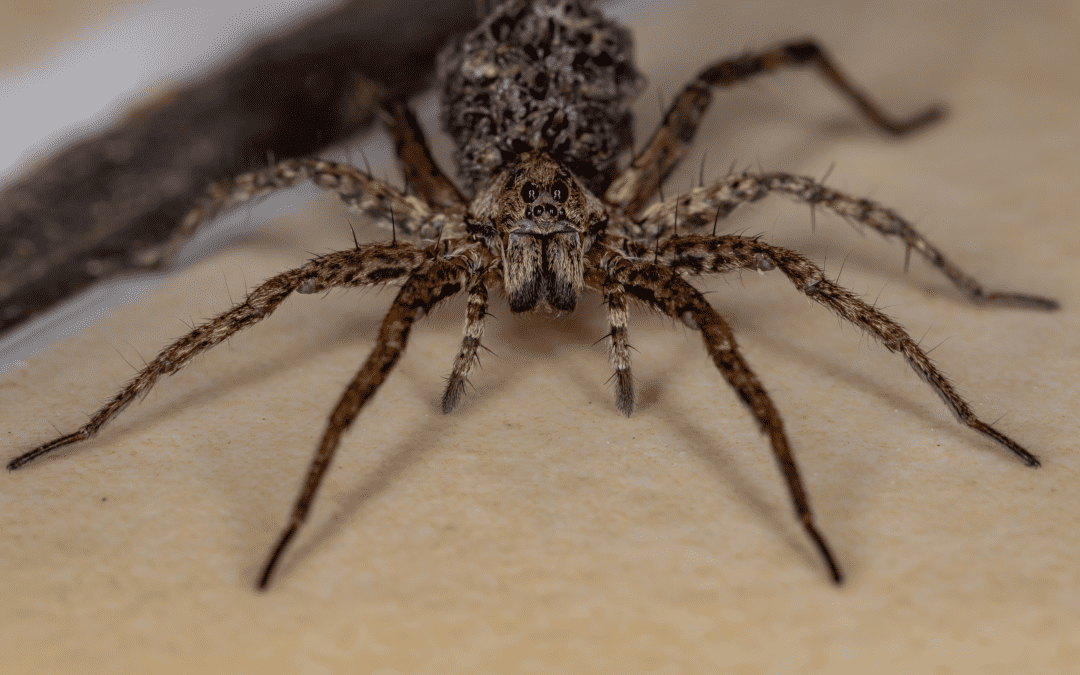
Wolf spiders are another common species you may see this fall. These spiders don’t use webs to catch prey; instead they hunt their prey, utilizing their speed to catch them. There are over 100 species in the US and Canada. Female wolf spiders grow from 3/8″ to 1-3/8″ in length while males range from 1/4″ to 3/4″. They are usually dark brown or yellow with striped markings on their legs. They are also very hairy. Wolf spiders hunt at night and hide out during the day. Once inside, they usually stay at lower levels and are often spotted in the floor along walls and under furniture. Outside they are found in woodpiles, under rocks, and other sheltered areas of landscaping. They can be beneficial to have around because they eat other pests that can cause problems around your home. They can bite but it is extremely rare.
Common House Spider
The common house spider gets its name from the fact that it is commonly found inside homes. These spiders are commonly found worldwide. They don’t pose a threat to humans and are more of a nuisance pest. Their webs in your home are the biggest issue they cause. Female house spiders grow from 3/16″ to 5/16″ in length while males range from 1/8″ to 3/16″. They are yellowish-brown in color with dirty white abdomens and dark stripes that meet at an angle.
Orb Weaver
Orb weaver spiders are named for the orb-shaped webs they create. There are over 2800 species of these spiders worldwide. Adults range in size from 1/2″ to 1″. Their coloring varies greatly among species; they are mostly reddish-brown to gray but some varieties are a vibrant yellow color. Because there is such variation among species, the best way to identify an orb weaver is by it’s large, circular, wagon-wheel shaped web. Orb weavers don’t pose any threats to humans but their large webs can be problematic around your home.
Crevice Spider
The crevice spider, also known as the southern house spider, are commonly found in the southeastern United States. They are often mistaken for brown recluse spiders. They range in size from 1/2″ to 3/4″. Males are usually brown or amber in color while females are black or gray and resemble tarantulas. They prefer to build their webs at higher elevations and are usually found on the outside of houses, outbuildings, and barns. They are known to crawl across anything in their path, including humans! They do not pose a threat to humans, however.
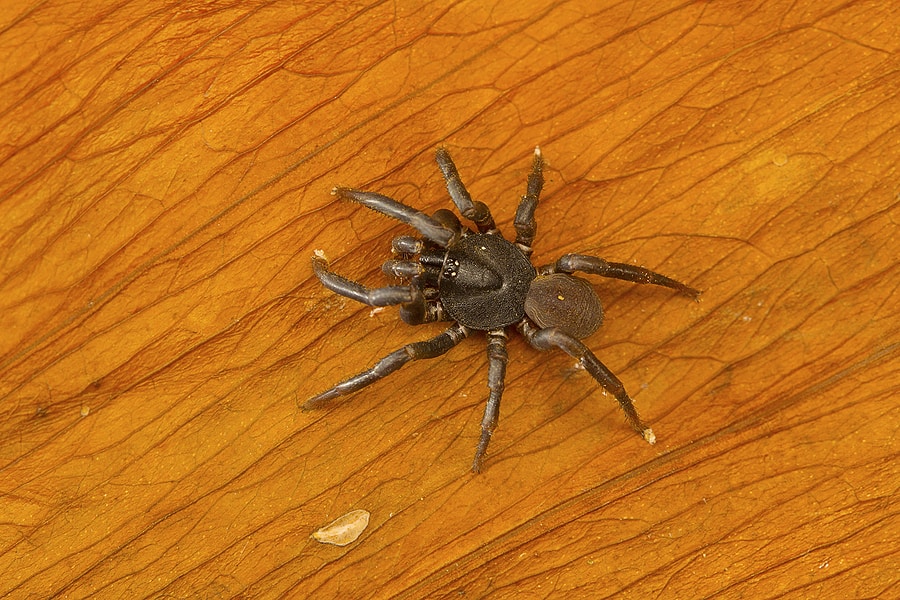
Trapdoor Spider
The trapdoor spider is a large, hairy spider that can range in color from yellowish brown to reddish brown to black. They have powerful jaws and sharp fangs. Trapdoor spiders get their name from the burrows they construct with a cork-like trapdoor made of soil, vegetation and silk. They spend most of their lives underground and usually hunt at night. Trapdoor spiders are not aggressive and, in fact, are often timid when confronted. They can bite but this is rare. They do not pose a significant threat to humans.
Once you’ve identified the spider(s) you have around your home, the next step is preventing them. You can prevent spiders by:
- Getting rid of webs as soon as you spot them.
- Decluttering your home to help eliminate hiding spaces.
- Sweeping and dusting frequently.
- Using natural spider repellents like peppermint oil and cinnamon.
- Keeping firewood away from your home.
- Shaking out clothes and shoes before wearing them.
- Storing unused or seldom used items in sealed bags or boxes.
- Contacting your local pest control company for a thorough evaluation, treatment, and prevention plan.
You May Also Be Interested In:
Fall Spider Identification Guide
American Cockroaches: How To Identify and Prevent
Are Mosquitoes Still Active in the Fall?
What Attracts Centipedes To Your Home?
7 Signs You Have Cockroaches
Aug 22, 2022 | Pest Control
In the southern states, there are many species of spiders found and there is a good chance you’ve seen some of them. Many spiders make themselves at home in our yards, gardens, flower beds, and inside our homes. But as the weather gets cooler, you’re bound to see more spiders come inside to seek shelter from the cooler weather. Here are a few common spiders that may invade your home when the temperatures drop.
House Spiders
A house spider is a common name given to spiders that are primarily found inside your house. They vary in color, but most are yellow to brown with elongated abdomens. They can usually be found in ceiling corners, under furniture, and inside closets, basements, garages, and crawl spaces. When outdoors, they are often found in windows, under eaves, and near light sources.
They can be a nuisance to have but are not a threat to humans. Because of the low humidity in newer homes, house spiders are becoming less common in houses and more likely to be found in garages, sheds, barns, and warehouses.
Brown Recluse
A brown recluse spider is light to dark brown, with a signature dark brown violin shape on its back. They are commonly found outdoors in debris and woodpiles but can be found indoors usually underneath furniture, inside storage bins, and in dark recesses like baseboards. The brown recluse can also be found hiding out in closets, attics, and crawl spaces.
This spider species is one you should look out for as its bite is painful. If cornered, they will bite, leaving an ulcerating sore that must be treated by a medical professional immediately.
Wolf Spiders
Wolf spiders are typically dark brown with pale markings or stripes. Their legs are long and spiny, and most have hair on their bodies. If found indoors, they are typically on the floor, especially along walls and under furniture. If found outdoors, they are usually under leaves, woodpiles, yard debris, and stones.
They can bite, but it is very rare for them to do so; even if they do it doesn’t pose a significant threat to humans. They are unique in that they don’t catch their prey in webs but will chase them down using their speed.
Black Widow
One of the most easily identifiable spiders in the US, these shiny, black spiders are one of the most fearsome out there. Most can identify them by their prominent red hourglass shape on their back. Black widow spiders are commonly found around woodpiles and can easily access your home by hitching a ride on your firewood. They are also found in garages, eaves, empty boxes, and even shoes that are stored away.
Females are more aggressive than males and will bite. They can be extremely harmful to humans and their bite should be taken seriously. Symptoms from a bite include fever, elevated blood pressure, nausea, and sweats. It should be treated immediately to stop any further neurological damage.
Spiders are more common in the fall and winter as they make their way indoors, so be on the lookout for these spiders once the temperature begins to drop. If you suspect a spider problem, contact your local pest control company who can help identify the type of spider you have and provide you with a thorough inspection and treatment plan that is right for you and your property.
Aug 16, 2022 | Pest Control
American cockroaches are a major household pest. Also known as water bugs and palmetto bugs, these pests are the largest of the cockroaches that infest homes. American cockroaches will make their way indoors in search of food and water. Their diet consists of leaves, wood particles, algae, fungi, small insects, food scraps, crumbs, and pet food. They can spread diseases and contaminate any surfaces they touch. They are also known to cause allergies and trigger asthma. These roaches will pick up germs on their legs and spread them to any surfaces they touch. They are known carriers of pathogens that cause diarrhea, cholera, leprosy, dysentery, plague, typhoid fever, and several viruses like poliomyelitis.
The first step in cockroach prevention is identifying the type of cockroach you are dealing with. Once that is determined, you can implement our favorite prevention tips to keep them from infesting your home.
Identification
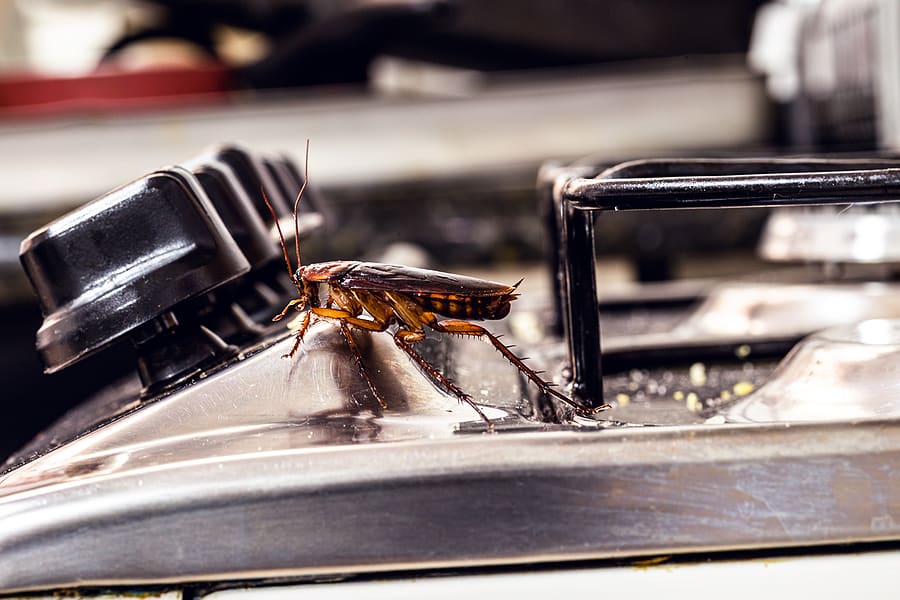
American roaches are reddish-in color with a yellow band on the back of their heads. They range in size from 1-1/4″ to 2-1/8″ long, with some even reaching lengths of 3″. They have oval shaped bodies with 6 legs and a set of antennae. Despite their name, these cockroaches are found worldwide. Males and females both have wings and they can fly short distances. They can bite, but they rarely do. They normally live outdoors but will come inside looking for food and water. Outdoors they are commonly found in flower beds, trees, and under rocks. They are also commonly found in sewer systems. Inside the home they can be found in laundry rooms, kitchens, bathrooms, basements, and crawlspaces.
Signs of an Infestation
Learning how to spot signs of an roach infestation is critical to getting it under control. The most common sign is seeing the presence of cockroaches in your home. They will often flee to dark spaces when they’ve been discovered. They also leave behind droppings in the areas where they inhabit. These droppings have blunt ends and ridges on the sides and are often mistaken for mouse droppings. American cockroaches will also leave egg capsules behind. These are dark colored, about 8 mm long, and are often glued to surfaces near food sources. Finally, roaches emit a pheromone that gives off a musty odor. Smelling this in your home is another indication there is a cockroach infestation inside.
Prevention
American roaches are highly resilient pests. They have evolved several adaptations over time that give them survival skills that make them difficult to eradicate. They can even survive up to a week without their heads! You can prevent cockroaches by:
- Inspecting your home to identify openings they can use to get into your home.
- Look for cracks in walls, gaps around electrical sockets, and bathroom and sink drains.
- Seal these openings with silicone-based caulk.
- Seal around doors and windows with weatherstripping.
- Keeping your home clean and sanitary.
- Keep counters sinks, floors, and tables clean and crumb-free.
- Clean up any spills immediately.
- Don’t leave dirty dishes in the sink, especially overnight.
- Store food in airtight containers.
- Don’t leave pet food out overnight.
- Vacuum at least once per week.
- Ventilate crawlspaces to prevent moisture.
- Run water periodically in bathrooms to keep u-traps full.
If you have a problem with roaches in your home, contact your local pest control company who can identify what kind of roaches you have, how they are getting in, and the best treatment and ongoing prevention plan for your home.
You May Also Be Interested In:
Wildlife to Look Out for This Fall
DIY Mosquito Control Methods
Why Snake Control Is Important In The Fall
The Traveler’s Guide to Bed Bugs
Why Identifying Spiders is Important for Prevention
Aug 11, 2022 | Pest Control, Wildlife
As the season shifts from summer to early fall, cooler weather is around the corner. Many pests begin the hustle and bustle of preparing for winter – scavenging and storing food, finding a place to hibernate, or making their way into your home to overwinter. This time of year sees an increase in one pest in particular – snakes! Fall is a time for high snake activity and encounters with humans become more common.
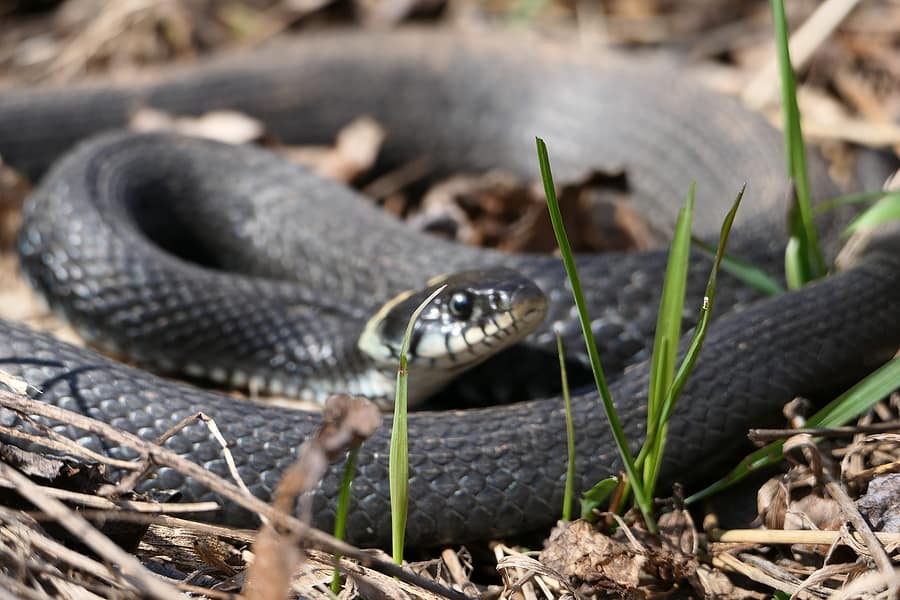
There are many reasons snake control is important in the fall. As the leaves begin to change colors to red, orange, and brown and fall to the ground, they provide the ideal camouflage for snakes. Fall is also the time snakes begin to prepare for brumation and/or hibernation. Most snake species breed in the spring and eggs are hatched by the time autumn rolls around. These juvenile snakes are curious and more likely to be seen by humans. There are 6 venomous snake species in the southeastern United States and each of them actually breed in the fall. This means this time of year males will be actively seeking females to breed with, increasing your chance of an encounter with them. Overdevelopment in many areas has also depleted the natural habitats of many snakes, also increasing their chances of encounters with humans.
Because we see such an increase in snake activity during the fall, snake control becomes much more important. Here are some of our favorite snake prevention tips you can utilize this snake season.
- Familiarize Yourself. Identifying snakes is critical to avoiding and preventing them. Do some research and find out which snakes are common in your area, what they look like, and where to find them. Identify any areas you spend time in outdoors that could potentially house snakes and try to avoid them.
- Be Aware. Be aware of your surrounding when spending time outdoors. Look down when walking and check overhead when in wooded areas. Try to spot snakes before you walk right up on them.
- Avoid Habitats. Snakes like to hide in areas that provide them protection and coverage from predators. They can often be found in tall grass, overgrowth, on or under large rocks, rock piles, and wood piles. If you have to walk through these areas, keep your feet and legs protected, keep your eyes open
- Walk With Confidence. Snakes don’t have ears so they can’t actually hear you coming but they do respond to vibrations in the ground and can feel you coming before they actually see you. When walking outdoors walk with strong, confident steps and make your presence known.
- Cover Up. If you choose to spend time outdoors, make sure to wear closed-toe shoes and long pants if possible. Try to avoid sandals and flip flops as they leave your feet and toes exposed to potential snakebites.
- Look Up. Some types of snakes can actually climb trees and will even use overlapping branches to move from tree to tree without ever touching the ground. When walking or boating through wooded areas make sure to look up and keep an eye out for overhead snakes.
- Clean Up. Making your home and yard less inviting to snakes will help keep them from coming in. Seal any cracks and crevices on the outside of your home to keep snakes out in search of warmth and food. Remove any debris and clutter from your yard and garage. Keep woodpiles elevated and stored away from your home. Clear any overgrowth from your yard.
- Use snake repellent. There are many commercial snake repellent products on the market today. If you prefer a more green snake control option, there are also natural snake repellents you can make at home. Choose whichever option works best for you.
- Call the Pros. Snake control can be a daunting task. If you have a problem with snakes around your home, contact your local pest control company who can help identify what type of snake you are dealing with and help safely and humanely get them away from your property.
You May Also Be Interested In:
Are Mosquitoes Still Active in the Fall?
What Attracts Centipedes To Your Home?
10 Ways To Care For Your Lawn In Extreme Heat
Preparing for Fall Wildlife
Back To School Means Head Lice Season
Aug 9, 2022 | Florida Pest Control, Pest Control
South Florida Fleas and Ticks: What’s the Difference?
Fleas and ticks can harm our family and pets, latching onto us for a blood meal. While these pests are small, they come with big health risks by transmitting diseases. As warmer weather continues outside, these pests will do the same, thriving in South Florida’s climate. Fleas and ticks often get confused with one another, so it’s helpful to understand the difference between the two so you can keep your family protected.
Fleas
Fleas are wingless with a reddish-brown, flattened body. Adult fleas will range up to 1/6 of an inch in length. These creatures have mouthparts that are adapted for sucking blood from a host. What is unique about fleas is that they have long, strong back legs that allow them to jump repeatedly from one host to another. A common indication that your pet has fleas is noticing them repeatedly scratching and grooming themselves. Likewise, for humans, fleas will leave behind itchy bite marks on the skin. Another sign is spotting flea feces, or flea dirt, throughout your home. Flea dirt looks like coarse ground black pepper and is typically found in areas where a pet rests.
Ticks
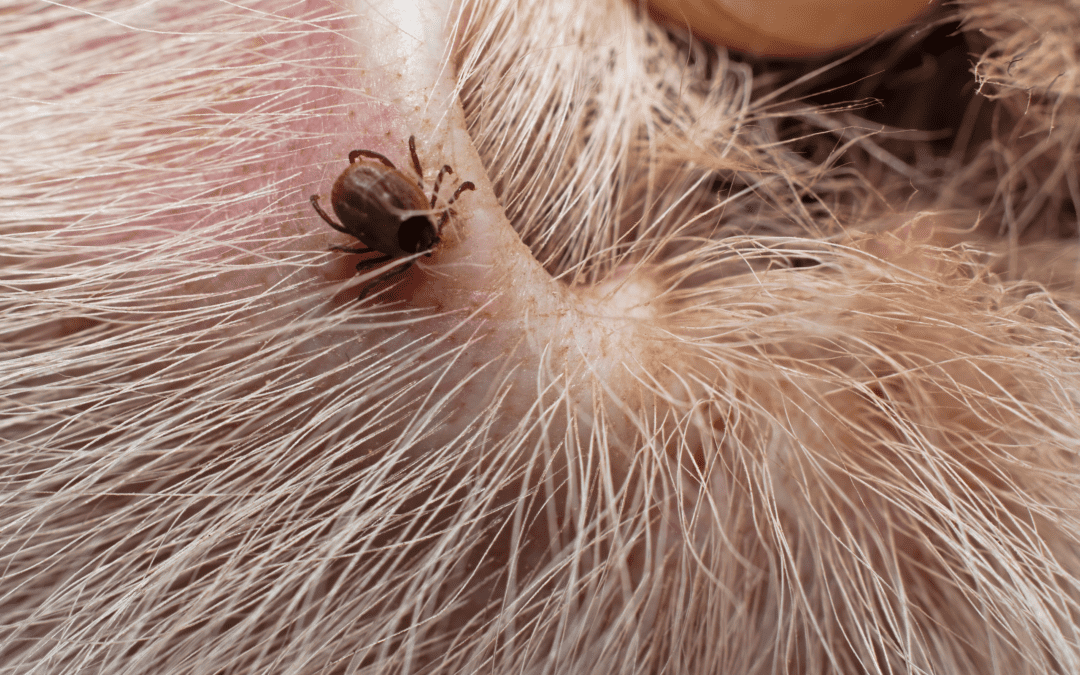
Depending on their species, ticks come in a variety of sizes and colors. There are two groups of ticks to look out for: hard ticks and soft ticks. The most common tick species in North America include the deer tick, lone star tick, brown dog tick, and American dog tick. While these ticks may look different, they are all seeking a blood meal and a humid place to habitat. They are often found in wooded or vegetated areas. When they find a host, they will typically latch onto the face, legs, armpits, belly, and even in-between toes!
Preventing Fleas & Ticks
Taking precautions before you leave home with your family or pet can help reduce the chances of a flea or tick infestation. Here are a couple of preventative measures you can take to prevent fleas and ticks from biting you, your family, and your pets:
- Wear light-colored clothing and long pants, long sleeves, and closed-toed shoes before exploring wooded or grassy areas
- Utilize insect repellent containing DEET before you leave the house
- Utilize flea repellent treatment for your pets, making sure to consult your veterinarian on the right product for your pet
- After returning from the outdoors, check yourself, your family, and your pets for any ticks and fleas
- Vacuum your home frequently, especially in hard-to-reach spots such as baseboards, under furniture, under cushions, and where your pets sleep or rest
- Keep your lawn grass cut short to help reduce tick and flea populations on your property
- Contact your local South Florida pest control company to inspect, provide a treatment plan, and recommend prevention for the future.
Aug 5, 2022 | Florida Pest Control, Pest Control
Bonita Springs Pest Control: Keeping Household Pests Out
Whether it’s stinging pests invading your porch, rats inside your crawlspace, or mosquitoes taking over your yard, dealing with an infestation of household pests can be a major headache. With hot, humid weather present in the Bonita Springs area during most of the year, it seems as though pests never go away. Unfortunately, as humans, we can sometimes bring a pest infestation upon ourselves. Check out the top 5 reasons you’re attracting pests into your Bonita Springs home.
Trash
Pests such as roaches, rats, and ants are all looking for a food source. Our leftover trash is their dinnertime and, if access is gained, they can create an unwanted mess. If your outside trash can is not secured, these pests can easily get inside and keep coming back for more. Ensure that your trashcan lid is tightly sealed and trash bags are without rips or tears. Don’t forget your inside trash too, making sure that all trash cans have lids to avoid exposed food scraps.
Stagnant Water
Stagnant or standing water attracts a dreaded pest we’re all trying to avoid: mosquitoes. Female mosquitoes only need a small amount of water to breed, which can often be found throughout your yard without your knowledge. Toy buckets, pet bowls, tarps, old tires, and more are all items that can hold water and make a perfect breeding site for mosquitoes. To avoid this, remove these items from your yard, especially after a rainstorm. Additionally, look for any ditches or uneven spots in your yard that can pool and consider leveling them or filling the areas in.
Clutter
Clutter makes a great home and hiding place for pests and rodents. Decluttering and cleaning items out to eliminate these hiding places will help prevent pests in the long run. Remove old newspapers, utilize plastic containers instead of cardboard, and make sure that clothes aren’t piled on the floor.
Dirty Kitchen
If you leave dirty dishes in the sink, even for one night, it can attract pests like flies, ants, and cockroaches into your home. After each meal, wash and put your dishes away to help combat these pests. Likewise, it’s best to clean up any leftover crumbs or spilled liquids, especially if they contain sugar, as soon as possible. Don’t forget behind and under your kitchen appliances too. Pests like to hide behind stoves and refrigerators, waiting for their chance to consume an available food source.
Excessive Moisture
Most pests need water for survival and prefer a damp environment. Sometimes factors throughout our homes can give them a water source, leading to an infestation. Certain termites eat damp wood, causing significant structural damage and costly repairs. A leaky faucet can attract pests like mice, who are known to return to areas if they’ve found a food or water source. Check throughout your home for any leaky pipes, faucets, or even AC units and repair them as soon as possible. Also dry areas in your basement, utilizing a dehumidifier if needed. If you have a crawlspace, consider crawlspace enclosure to ensure no moisture is found.
If you notice an influx of pests throughout your home or want to stay on top of your pest prevention, consider contacting your local Bonita Springs pest control company to provide you with a comprehensive treatment and prevention plan.