Aug 26, 2020 | Pest Control
When we see a spider, many of us will run away or immediately call the local pest control company to remove them! Certainly spiders are not the most popular of pests, but some are beneficial to us. While we can agree that we don’t want these pests inside our home, it’s important to know the impact they can have on our environment. Here are some spiders that are actually beneficial to have around!
Crevice Spiders
Light to dark brown in color, these spiders are often mistaken for the brown recluse spider. The difference, however, is that the crevice spider does not have the signature violin shape marking that the brown recluse has. These spiders can be found in corners and crevices (where they get their name), especially in areas like ceiling corners, baseboards, and window frames. While these spiders are not venomous, they will bite if they feel threatened. This is very rare, though. The crevice spider is beneficial to humans as they will typically eat common household pests like flies, roaches, beetles, and wasps. This spider can be considered a “free” exterminator!
Yellow Garden Spider
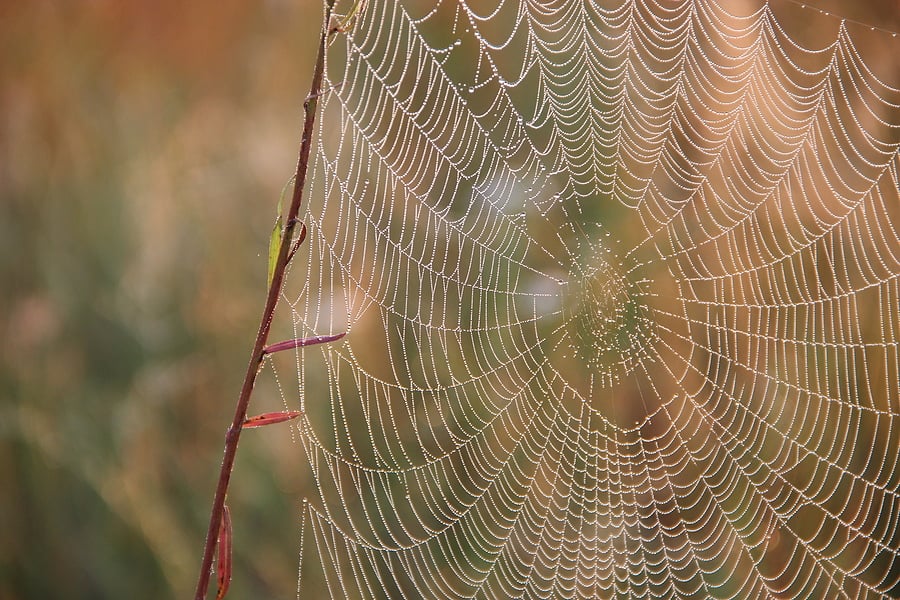
The yellow garden spider likes to be outdoors in sunny areas. They will spin large circular webs and anchor them to plants. Females are black with bright yellow patches on their abdomens while the males are much smaller with less yellow on their abdomen. These spiders don’t pose a threat to humans; they do, however, produce venom that is harmless to humans. The venom they produce helps them to immobilize prey such as flies, bees, and other flying insects. These spiders are perfect for helping keep these flying pest populations from getting into your home!
Lynx Spider
Like a plant leaf, this spider has bright green coloring and can sometimes have orange and black dots on their legs. The lynx spider is known for its quick movements, often jumping large distances to capture their prey. These spiders are found in open fields, especially those with tall grass. While they bite only for defensive purposes, they don’t pose a threat to humans. These spiders are extremely useful in agricultural management as they will eat crop-destroying pests like nectarine insects, helping protect crops from destruction.
While it’s nice to have some helpful spiders outside of the house, that doesn’t mean we want them on the inside. If you notice one of these spiders frequenting your home, reach out to your local pest control company who can safely eliminate them and recommend a prevention plan.
Aug 19, 2020 | Pest Control
Flies can be considered a huge annoyance, whether you’re outside or inside the home. These pests seem to constantly find their way back to irritate you after you’ve already swatted them away a thousand times! It’s important to know that while at a glance flies can look the same, there are actually different types, each with their own set of characteristics.
House Fly
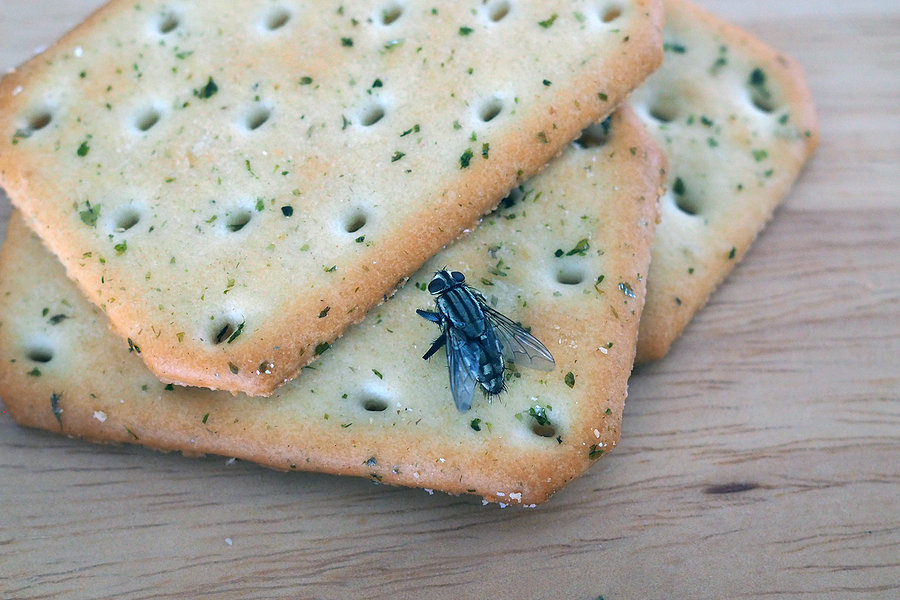
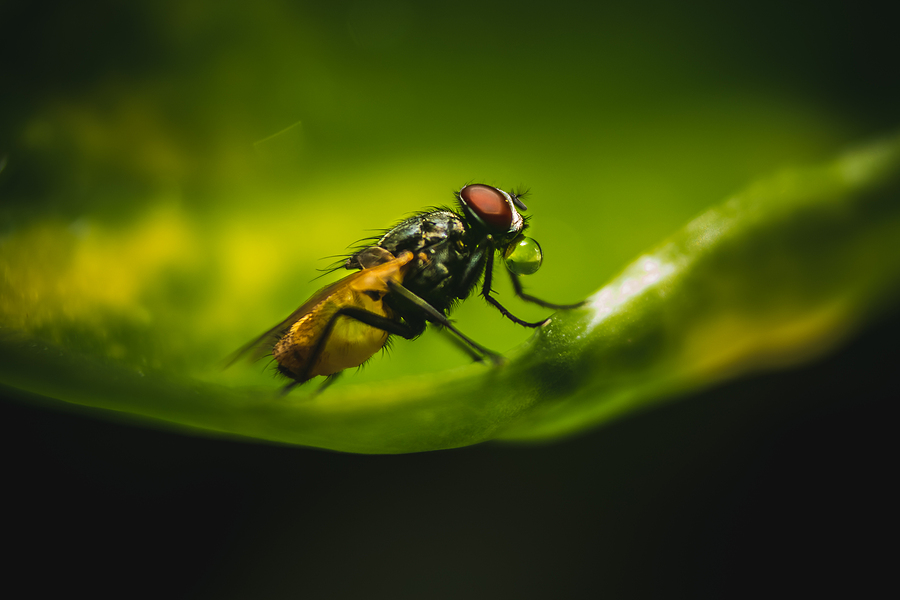
The house fly is the most common type of fly that is easily identifiable and can be found widespread throughout the United States. These pests are gray with four black stripes on their thorax with slightly hairy bodies. The house fly has red eyes that contain thousands of individual lenses that give them a wider vision. Since house flies do not have teeth or a stinger, these insects feed only off liquids found from human food, animal carcasses, and garbage.
While house flies will not sting humans, they can transfer more than 100 different pathogens including salmonellosis, typhoid, and tuberculosis. They can also contaminate food surfaces by spreading diseases picked up on their legs and mouths when feeding on any trash or feces.
Fruit Fly
Known for their ability to rapidly reproduce, fruit flies can be found indoors year-round. These insects have an oval-shaped body with six legs and antennae on their heads. These flies are attracted to and eat rotting food; more specifically they tend to gravitate towards fruits and vegetables. Fruit flies are also attracted to and will breed in dark, moist areas like drains, garbage disposals, and trashcans. They can also lay around 500 eggs that can hatch in as little as 24 hours.
While these insects won’t bite or sting, like house flies they too can contaminate foods with dangerous bacteria and disease-causing pathogens.
Horsefly
Horseflies are commonly found in both suburban and rural areas, usually near bodies of water that they use for breeding. These insects have large eyes with horizontal stripes along with their bodies. These flies are exceptionally good at flying and can travel more than 30 miles without stopping. They are most active during sunny, hot days and will typically rest on paths and roads, especially in wooded areas where they wait for potential hosts.
While male horseflies do not consume blood, female horseflies do. Female horsefly bites are rather painful since their mouthparts are used for cutting open flesh instead of sucking blood like mosquitoes. These bites are also known to cause an allergic reaction.
If you have an infestation of any species of fly, contact a professional pest control company who can provide you with the appropriate treatment and prevention plan.
Aug 13, 2020 | Pest Control
You’ve prepped your home, made sure all messes are cleaned, and closed all open gaps, but you’re still seeing roaches in your home! Why are these pests still attracted to what’s inside your house and how do they keep entering?! We break down some common cockroaches you could be seeing and how they keep sneaking in!
The Species Matters
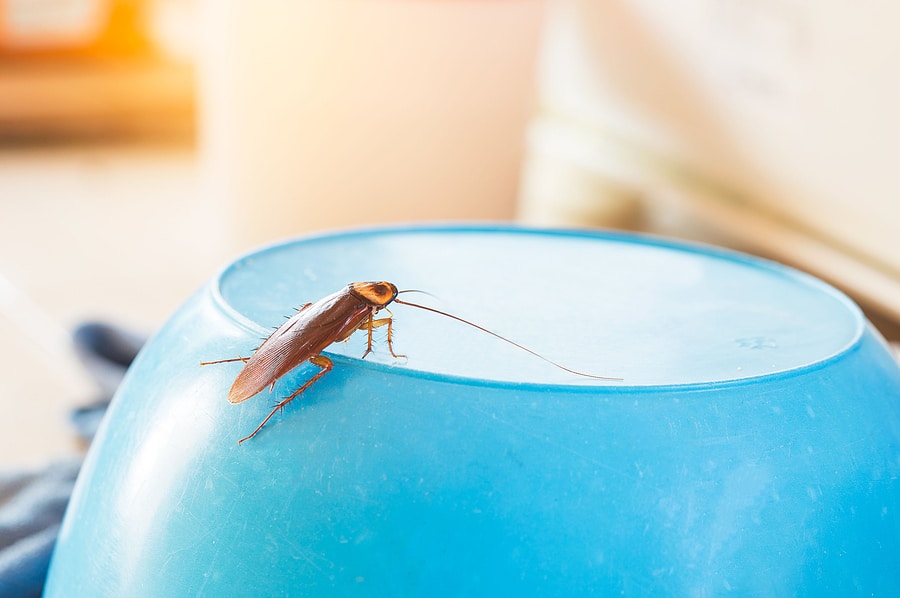
It’s important to note that there are several different species of cockroaches. Each species is attracted to and thrive off of very different environments. The Oriental cockroach prefers a dark, cool place to hideout. You can often find them in organic matter such as mulch, wood chips, and even between your home’s foundation. Brown-banded cockroaches, on the other hand, like warmer, drier environments. These cockroaches are commonly found in areas above eye-level, such as cabinets, pantries, and even TVs. Another common species is the American cockroach that prefers living in warm, moist areas. These pests can be found in homes, restaurants, grocery stores – basically anywhere food is prepped and stored!
Hitchhiking Roaches
What attracts roaches can be easily found inside anyone’s home. What if you’ve taken precautions, however, to ensure these pests won’t get into your house but they still keep coming back? There are several reasons why roaches keep finding their way back into your home. Roaches are extremely resilient and are excellent hitchhikers! These pests can be easily transported from one place to the other by hitching a ride in your grocery bags, luggage, and even cardboard boxes. Roaches can also travel from neighbor to neighbor, so if your neighbors aren’t taking great roach precautions they could be coming from next door!
What Next?!
Roaches are year-round pests making them extremely hard to control. Because of this, you’ll have to take precautions 12 months out of the year to keep them out of the house. Here are some tips to prevent roaches throughout the year.
- Eliminate any standing water in and around your home; check for leaks, seal gaps around your sink and tubs, and don’t leave pet bowls outside overnight.
- Inspect the interior and exterior of the home; seal any open gaps and tears throughout your house and use weatherstripping around all entryways
- Clean up all messes; clean up crumbs and food immediately, wipe down food prep surfaces, clean under appliances, and don’t leave dirty dishes out overnight
- If you’re still experiencing roach issues, call your local pest control company to provide a comprehensive plan to remove this nuisance pest from your home.
Aug 7, 2020 | DIY Pest Control, Pest Control
When it comes to household pests (like spiders, ants, roaches, and termites), there are several options for pest control to choose from. Should you use do it yourself pest control? Should you call a professional pest control company? What is the difference? What are the pros and cons of each? Here we break down the advantages and disadvantages of DIY vs professional pest control.
Expertise
The key to effective pest control is proper identification. Appropriate treatment depends on the species of the pest, how far the infestation has spread, the size of the home, climate, and many other factors. DIY pest control products have labels with directions and warnings that are fairly simple to follow. Professionals, however, have the knowledge and training on industry trends and groundbreaking products that may not be readily available to household consumers. They know key indicators to look for and can provide quick assessments and effective treatments.
Cost
Cost is one of the biggest factors that influence DIY vs professional pest control treatments. While do it yourself products are typically less expensive than commercial products, they can end up costing you more in the long run. Most homeowners don’t treat a pest problem until they spot them; unfortunately by this point the infestation is usually already established. This could end up costing significantly more in treatment and damage repair costs than a professional service would. Professional pest control services can be more costly initially but save you over time through prevention.
Convenience
DIY products are certainly convenient – you just head to your local hardware store and pick up what you need. Professional services have to be coordinated around their availability and your schedule, sometimes requiring you to be at home for the service.
Hazard
Using chemicals of any kind can pose a hazard to yourself, your family, and your pets. DIY products can contain chemicals that the average consumer may not be familiar with. This can pose a threat to your and your family’s health. With a professional service the risk on the homeowner is taken away. Green pest control options are also available which are safe for both you and your pets.
Effectiveness
The ultimate goal of any pest control treatment is effectiveness – you want it to work. With DIY methods, you usually only treat the areas where you see an active problem. These products are effective for small pest problems but typically aren’t strong enough or don’t last long enough for significant infestations. Pests are also highly adaptable and can become resistant to many chemicals used in these products. Professional pest control treatments use the most up to date methods and products. They can also treat areas where infestations have spread that you may not see such as inside walls, in attics, and crawlspaces.
Guarantee
DIY product guarantees will vary depending on the store or manufacturer. Most pest control companies will offer a service guarantee where they will come back and treat in between scheduled visits if a problem arises at no extra charge to the consumer.
Prevention
As previously mentioned, most DIY products are designed to be used for an active problem. Oftentimes, these products aren’t used until after an infestation is already established. With a professional service, visits are set on a scheduled basis whether there is an active pest problem or not. This allows the technician to use preventative measures when infestations are gone to keep them from flourishing in your home.
When you have a pest problem, the main concern is getting it taken care of quickly and effectively whether that is through DIY methods or a professional service. Every situation is different and the main concern is the appropriate treatment for each individual situation. If you suspect you have a pest problem or would like a quote on services, contact a professional pest control company.
You May Also Be Interested In:
Why Rain and High Temperatures Bring Mosquitoes
What Are Those Little Red Bugs?
Wildlife: Leaving a Mess Behind
7 Things You Didn’t Know About Cockroaches
Is Green Pest Control Worth The Investment?
Jul 30, 2020 | Pest Control
Chiggers, also known as red bugs, trombiculid mites, harvest mites, harvest bugs, harvest lice, mower’s mites, and berry bugs, are tiny red bugs that leave a big itch in their wake. These pests, classified as arachnids, aren’t dangerous but can be quite a nuisance if you get bitten. So what are those little red bugs and how can you avoid them this summer? Here’s everything you need to know about chiggers and how to prevent them.
Appearance
Chiggers are tiny, about 0.3 mm in length. They are barely visible to the naked eye and often have to be seen with a magnifying glass. They can be red, orange, yellow, or straw colored. Juveniles (larva) have 6 legs while adults have 8. They are often visible once they congregate in clumps on the skin.
Habitat
Chiggers can be found in every country worldwide but there are only 2 species in North America that are bothersome to humans with the most common one being Trombicula irritans. Chiggers prefer moist, grassy areas like fields, forest, lawns, and moss. Chiggers are most active when temperatures are between 77 and 86 degrees Fahrenheit and die when the temperature drops below 42 degrees.
Behavior
Adult chiggers don’t bite; larvae do. Once these babies hatch, they clump together in large groups and attach to animals and people as they walk by. They then crawl on their host until they can find a patch of skin to feed on. They don’t actually burrow into or remain inside the skin as is popularly believed. Instead, they use their jaw-like claws to make a tiny hole they inject saliva into. The saliva liquefies the skin cells, providing a meal for the chigger. The skin around the bite hardens, creating a feeding tube for the chigger called a stylostome. The jaws of chiggers are quite delicate and are best able to penetrate the skin where there are wrinkles or folds. They can latch anywhere onto the body but will most often cluster in areas around the ankles, groin, crotch, knees, armpits, and waist.
Bites
Chiggers don’t bite when the temperature is below 60 degrees Fahrenheit or above 99 degrees. Bites can often go undetected for 1 to 3 hours before itching begins. If undisturbed, chiggers will feed for several days. Pronounced itching is the most common symptom of chigger bites. This itching can last for several days. The area around the bite can also become red with a rash, hives, bumps, or blisters. Chiggers aren’t known to spread diseases in North America but scratching the bites can lead to irritation and infection if the skin is broken open. Chigger bites can take 1 to 2 weeks to heal.
Treatment
While chigger bites aren’t dangerous, they can be a nuisance, especially if the itching is severe. After being outdoors, perform a full body check, using a magnifying glass to see better. Chiggers can be seen as tiny red dots either anchored into the skin or moving quickly across your body. Once you come indoors, take a bath or shower and scrub your skin with soap and water to remove any lingering bugs. Wash any clothes, blankets, or towels that were worn or used outside in hot water to kill any bugs that might still be hanging on. Treat your bites with over-the-counter anti-itch cream or ointment like menthol, calamine lotion, or hydrocortisone). If the itching gets too bad, try over-the-counter antihistamines (like Benadryl) and use cold compresses at the site of the bite.
Prevention
- Use insect repellent with DEET on your skin, especially the areas around cuffs, necklines, and the tops of socks.
- Wear clothing that has been treated with permethrin.
- Wear long sleeves and long pants with the pants tucked into long, thick socks and boots.
- Avoid outdoor activities when the weather is prime for chigger bites or utilize these tips if you must.
- Try natural sprays containing citronella, tea tree, jojoba, eucalyptus, geranium, and lemon grass.
Chiggers can usually be prevented by following the techniques above. If you suspect you have a problem with chiggers or any other pest, contact a professional pest control company who can provide you with the most current and appropriate treatment and prevention options for you.
You May Also Be Interested In:
Wildlife: Leaving a Mess Behind
The 411 on German Cockroaches
Keeping Cool for the Summer
So You Think You Have Bed Bugs. Now What?
What Are These Little Black Ants?
Jul 23, 2020 | Pest Control
German roaches are the most common species of cockroach worldwide. They can be found infesting just about anywhere that humans occupy. How do you know if you have German cockroaches? What do they look like? Are these roaches dangerous to humans? Get the answers to these questions and more with our 411 on German cockroaches.
What do they look like?
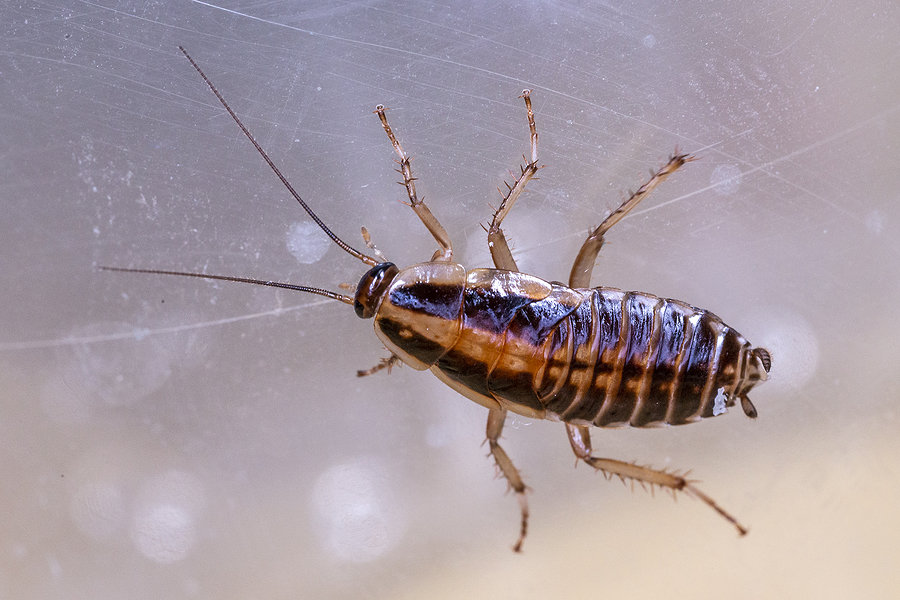
German roaches are flat and oval-shaped with 6 legs and a pair of antennae. They are smaller than other species of cockroaches, measuring between 1/2″ and 5/8″ in length. They are light brown to tan in color with 2 dark parallel stripes on their backs, just behind their heads. Females are darker than males. This species has wings but rarely fly; they prefer to run instead.
Where do they live?
German cockroaches are an indoor pest, preferring warm, humid environments. They prefer temperatures between 85 and 95 degrees Fahrenheit with 90 to 95% humidity. They make their way indoors by hitchhiking on grocery bags, cardboard boxes, and used appliances. They are often found above refrigerators or other heat producing appliances, under sinks, and around water pipes in kitchens and bathrooms so they can be near food and water sources. They are found throughout the United States.
What do they eat?
German roaches will eat almost anything. This includes soap, glue, toothpaste, food crumbs, and bindings of books.
Are they dangerous to humans?
German cockroaches have been linked to disease transmission in humans. As they crawl across fecal matter and other areas, they pick up germs on the spines of their legs and then transfer them to food and other surfaces. It has been proven that German cockroaches spread 33 different bacteria, 6 parasitic worms, and 7 other human pathogens. Their saliva, droppings, and even their dead bodies have proteins that can trigger allergies and increase asthma symptoms, especially in children.
How fast do they reproduce?
If you spot one German roach in your home, it is highly likely that there are many more hiding in cracks and crevices. Females can lay up to 40 eggs at a time which then mature within about 2 months. The female carries the egg case for up to a month and drops it right before it hatches. They can breed up to 6 generations per year. Adult German roaches can live up to 200 days. This quick reproductive rate combined with their lack of natural predators makes a German cockroach infestation difficult to control.
What are the signs of German cockroaches?
German cockroaches aggregate in groups when they infest your home. You are likely to find their droppings in areas that they frequent. These droppings appear as small, dark, pepper-like material that is often found on counters and in drawers. Their feces can also stain, leaving dark spots and smears in the corners of rooms, along the tops of doors, and around small cracks and openings in walls. When these roaches infest in large numbers, they can also give off a mild, musty odor.
How can you prevent them?
The first step in preventing a german cockroach infestation is practicing good hygiene. Keep your kitchen and bathroom clean, cleaning up crumbs and spills quickly. Sweep, mop, and vacuum often. Don’t leave any dirty dishes in the sink. Don’t leave pet food and water bowls out overnight. Seal all the openings in the exterior of your home, especially around utility pipes. Ventilate or consider enclosing your crawlspace.
If you suspect you have a cockroach infestation of any species, contact a professional pest control company who can provide you with an in-depth inspection and set you up with an appropriate treatment and prevention plan.
You May Also Be Interested In:
What You Can Expect from Service
What You Need to Know About Millipede Control
Watch out for the Stinging Pests!
Which Season is Worst for Bed Bugs?
10 Common Spiders in Georgia
Jul 17, 2020 | Pest Control
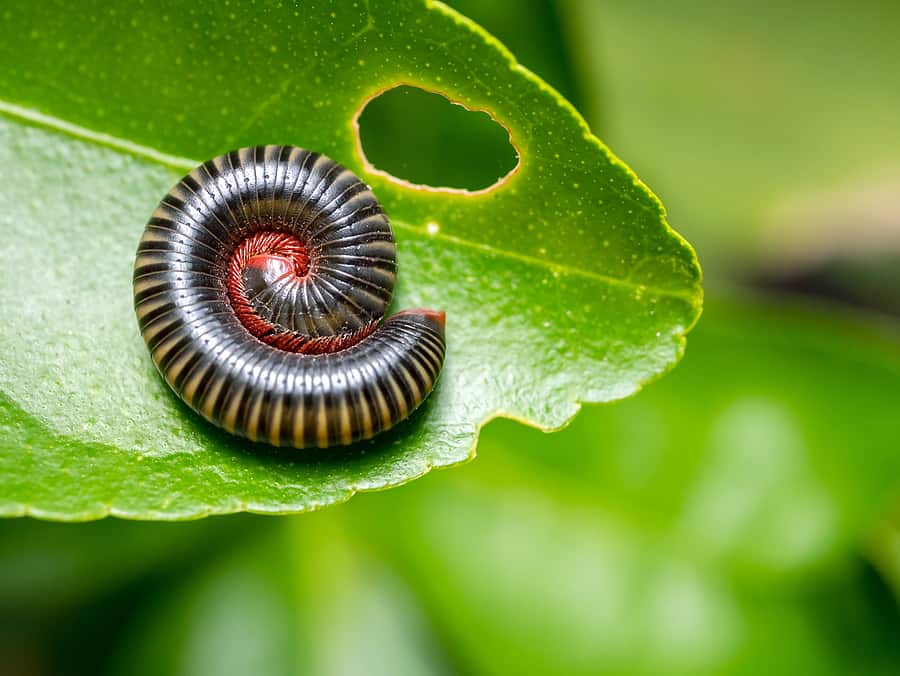
Millipedes are common occasional pests that are found throughout the United States. While they typically live outdoors under leaves, mulch, compost, rocks, etc, they will come indoors for two reasons: in search of water during droughts or in search of shelter after heavy rains. They are often found infesting basements, garages, and crawlspaces. If you spot millipedes in your house, it is highly likely that they are breeding somewhere in your lawn.
Millipedes are decomposers meaning their diet primarily consists of damp, decaying plant material. Because of this, they are quite beneficial to have in your garden. While they are harmless to humans, millipedes can become a nuisance if they infest your home in large numbers. Prevention is the best method of millipede control. Here are some tips you need to know about how to keep millipedes away from your home.
Remove Attractants
If there is nowhere for millipedes to hide or breed then they can’t infest your home. Prevent millipedes by removing mulch, leaves, grass clippings, boards, woodpiles, rocks, boxes, etc. from your yard, especially if they are near foundations. If you are unable to remove them completely, try to elevate them off the ground. Try not to overmulch your flowerbeds.
Eliminate Moisture
What attracts millipedes is moisture, especially in crawlspaces and around foundations. Make sure your gutters are clear and properly functioning. Consider installing gutter guards to help prevent clogs. Make sure downspouts are pointed away from foundations and use splash blocks to keep water away from foundation walls. Consider installing tiles or drains or sloping the ground so water drains away from foundations. Repair any leaky pipes, appliances, or faucets. Reduce the humidity in your crawlspace and basement with dehumidifiers, sump pumps, or soil covers.
Maintain Your Lawn
Millipedes thrive in the moist layer of thatch that can accumulate on unkempt lawns. Keep your grass mowed short and dethatch the lawn as this will make it less appealing to millipedes. Try not to overwater your lawn. Don’t water your lawn at night as there is no sun to help evaporate the moisture.
Seal Them Out
Millipedes can enter your home through cracks in the exterior of your home or foundation. Seal any cracks or openings in the outside foundation. Use thresholds or door sweeps on all exterior doors. Caulk the outer edges of the thresholds. Seal any expansion joints where sunrooms, patios, and sidewalks are next to foundations. Seal any expansion joints or gaps at the bottom of basement walls.
Wait It Out
Millipedes can only survive for a few days once they get inside your home. The conditions indoors are too dry for them to be able to live long periods of time. The infestation will be short lived and eventually they will die off. Once this happens, you can sweep them up with a broom or vacuum them up.
Contact A Professional
While millipedes don’t cause damage to homes or to the health of humans, they can become quite a nuisance when they invade in large numbers. If you have a problem with millipedes or any other pests, contact a professional pest control company who can provide you with the most up-to-date prevention and treatment techniques.
You May Also Be Interested In:
Watch out for the Stinging Pests!
Common Summer Household Pests
Termites: How to Stop Their Damage
Keeping Cool for the Summer
Turning A Yellow Lawn Green
Jul 15, 2020 | DIY, DIY Pest Control, Pest Control, Wildlife
Stinging pests are most active during the summer months, so while we enjoy the summer fun of lounging by the pool and backyard BBQs, we should all be on the lookout for these pests as they can pose a risk to you and your family. Check out these common stinging pests and the best way to avoid them!
Wasps
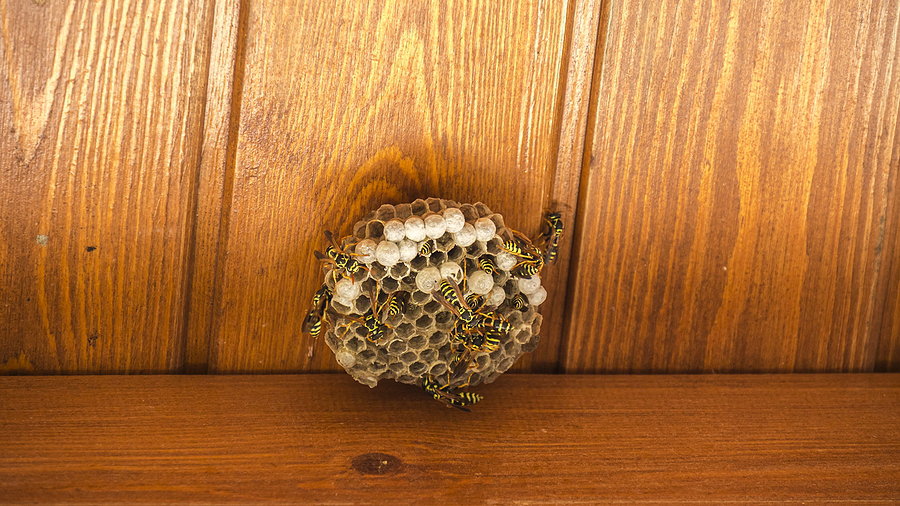
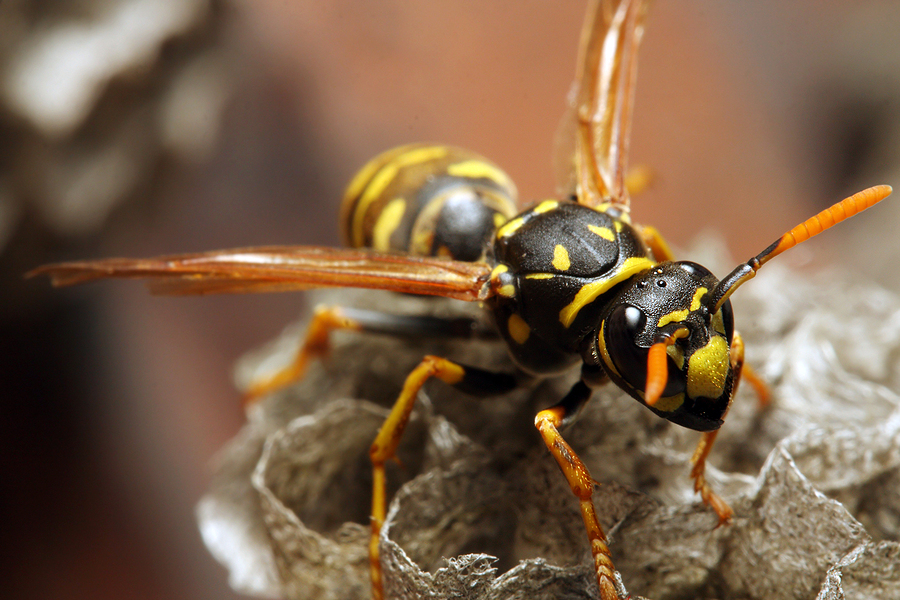
With a slim body shape, six long legs, and two wings, wasps are busy at work scavenging for food during the summer months. Wasps will typically build their nests in branches, porch ceilings, eaves, and attic rafters. These pests are highly attracted to picnics and backyard barbeques, increasing your chance of being stung. When threatened, wasps will sting multiple times and eventually call on reinforcements from other wasps by emitting pheromones.
Hornets
Hornets’ nests are often built in hollow trees and the walls of houses and attics, although they typically prefer a forested environment. These pests are larger and can range from 3/4 to 1 3/8” long with brown and yellow abdominal stripes on their body. Hornets are attracted to light and will fly into your windows at night if they see a light on. They are relatively non-aggressive near the nest, but if threatened, there is a potential for a stinging hazard.
Yellowjackets
Yellowjackets are social insects and can be found anywhere humans are found. Yellowjackets feed on sweets and proteins; therefore, these pests commonly invade outdoor events. Yellowjackets measure 3/8″ to 5/8” long and have a non-fuzzy black and yellow striped body. Yellowjacket nests can either be built in very high places or built in the ground. Examples include in shrubs, garages, timber, logs, and more. If threatened, yellowjackets will sting multiple times, causing extreme pain and possible allergic reactions.
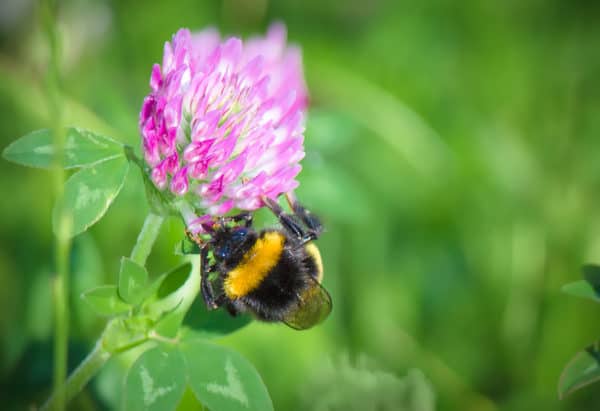
Bee Sting Prevention
- Keep outside food covered and sealed tightly
- Avoid wearing strong fragrances and opt for an unscented hygienic product
- Ensure all your doors and windows have screens so these pests don’t sneak into your house
- Stick to wearing darker colors as floral and bright colored clothing tend to attract these pests
- For uncontrollable stinging pest invasions, it’s best to call your local pest control company as they will provide a safe and legal plan to safely remove these insects
Jul 10, 2020 | DIY Pest Control, Pest Control
A household pest is any undesired animal that has a history of living, invading, causing damage to, eating food from, acting as a disease vector for, or causing any other harm to a human habitat. While most are considered a nuisance, household pests become dangerous when they pose a risk to health, property, or lifestyle. Household pests aren’t just limited to insects; they also include arachnids, rodents, and wildlife.
While household pests can be found year-round, some are more common in the summer months. Here are 8 of the most common summer household pests and how you can prevent them.
Mosquitoes
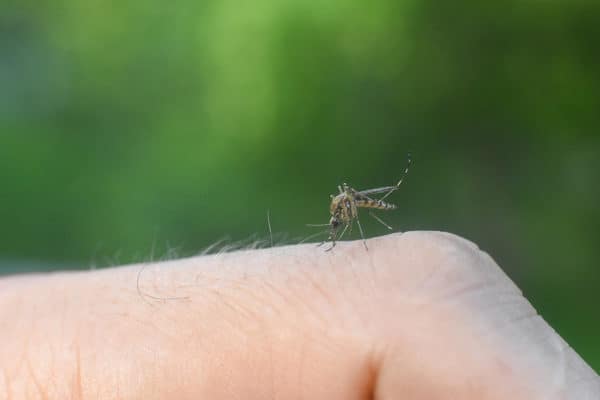
Mosquito season peaks in the summer months. The warm weather and humid environments accelerate their life cycle so they are able to reproduce in large numbers during this time. You are most likely to see mosquitoes when you have standing water on your property. Mosquitoes lay eggs in standing water and the hot, humid climate in summer is ideal for both breeding and to find food sources. Mosquitoes are dangerous to humans as they carry pathogens that can cause serious diseases like Zika and West Nile virus.
Mosquitoes can be prevented by:
- Avoiding the outdoors at dawn and dusk
- Wearing clothing that covers arms and legs
- Eliminating areas of standing water
- Repair or replace torn window screens
- Apply insect repellent
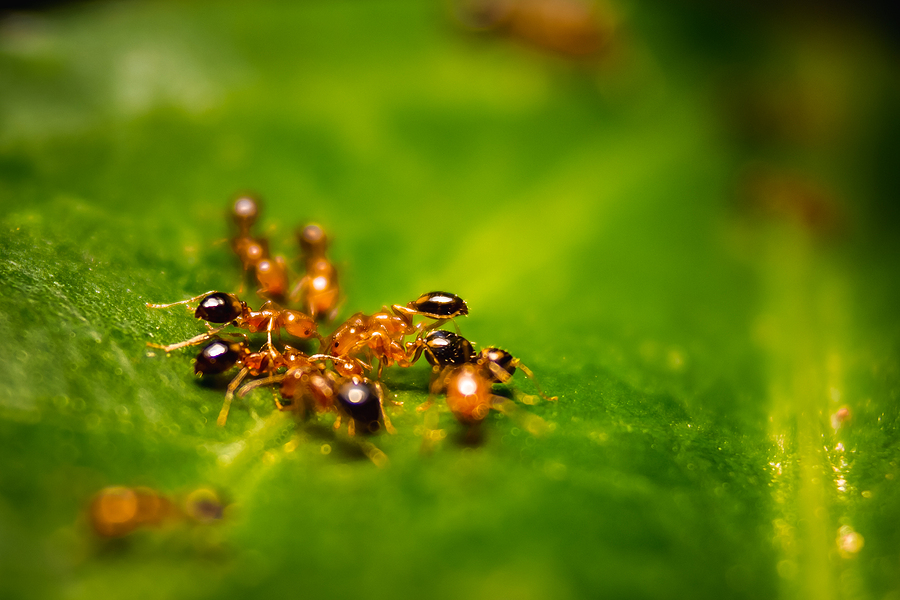
Ants
Ants hibernate in the winter and come out in full force over the summer. They have to forage in the summer months to feed their growing colonies and to build up their reserves for fall. Ants are usually seen indoors in the summer because they are searching for food and water as these can become scarce for them.
Ants can be prevented by:
- Keeping your home clean, especially the kitchen
- Not leaving pet food and water bowls outdoors
- Keeping trees and shrubs trimmed away from the house
- Sealing cracks and holes in your home’s exterior
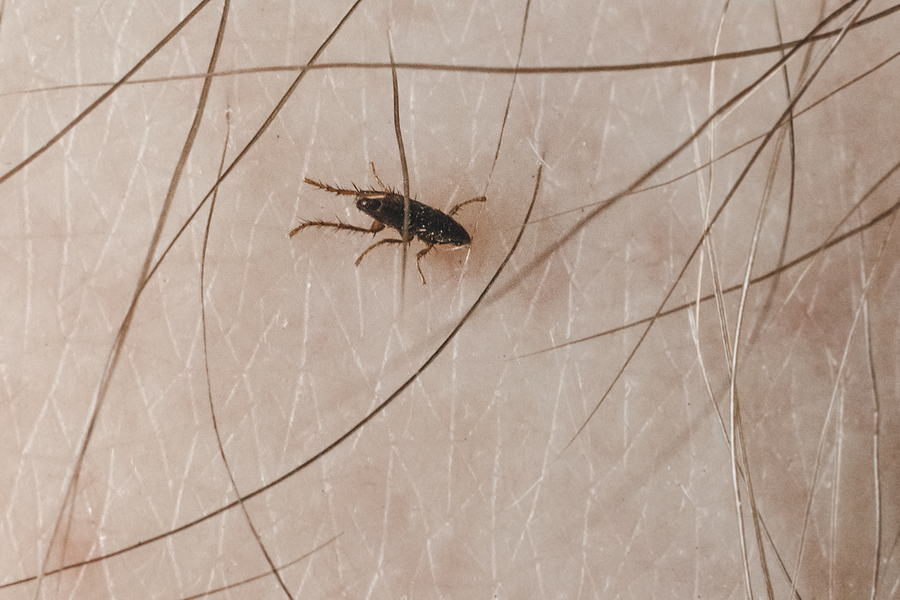
Fleas
Fleas are prevalent in the summer months, although they can be found on pets year-round. Pets will indicate the presence of fleas by scratching and biting when they come in from outdoors.
Fleas can be prevented by:
- Treating pets for fleas with preventative medication
- Vacuuming frequently, especially in areas that pets frequent, and disposing of the bag immediately
- Treating your yard with outdoor flea spray
- Washing pet bedding and toys weekly in hot water
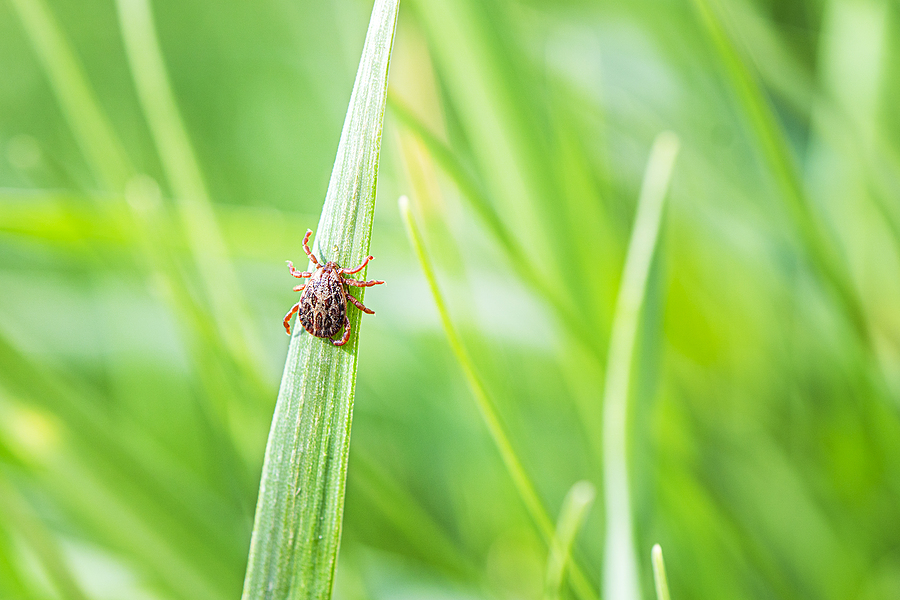
Ticks
Ticks are problematic to humans and pets because they spread diseases like Lyme disease and Rocky Mountain spotted fever. Tick bites increase in the summer because people and animals are spending more time outside. The US is also seeing an increase in ticks because of the combination of mild winters and an increased population of deer and rodents which are known to carry ticks.
Ticks can be prevented by:
- Using tick preventatives on pets
- Wearing long sleeves and closed toe shoes when outdoors
- Avoid areas with high grass or woods when possible
- Eliminating debris and wood piles from your property
- Wearing insect repellent
- Checking yourself and your pets for ticks immediately after coming in from outdoors
- Removing any ticks found immediately
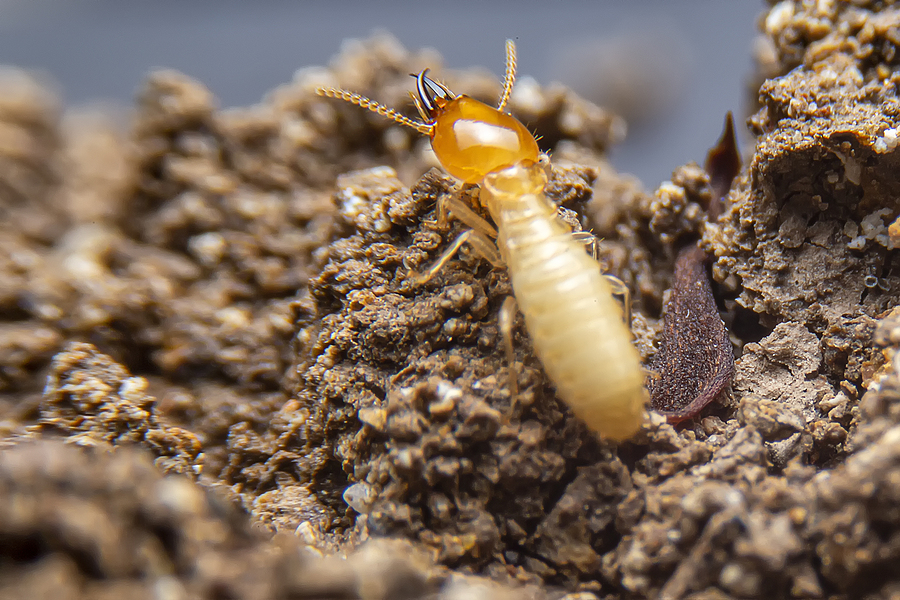
Termites
Termite swarming season is in the spring but these newly established colonies grow exponentially in the summer. Termites can go long periods of time undetected, causing significant damage to your home. It is important to keep an eye out for signs of termites so you can catch them early.
Termites can be prevented by:
- Eliminating wood to soil contact around foundations
- Creating a 4 inch barrier between wood mulch and your home
- Keeping plants a few feet away from your home
- Making sure storm drains point away from foundations
- Fixing leaks and eliminating any other sources of excess moisture
- Having an annual termite inspection performed
Grasshoppers
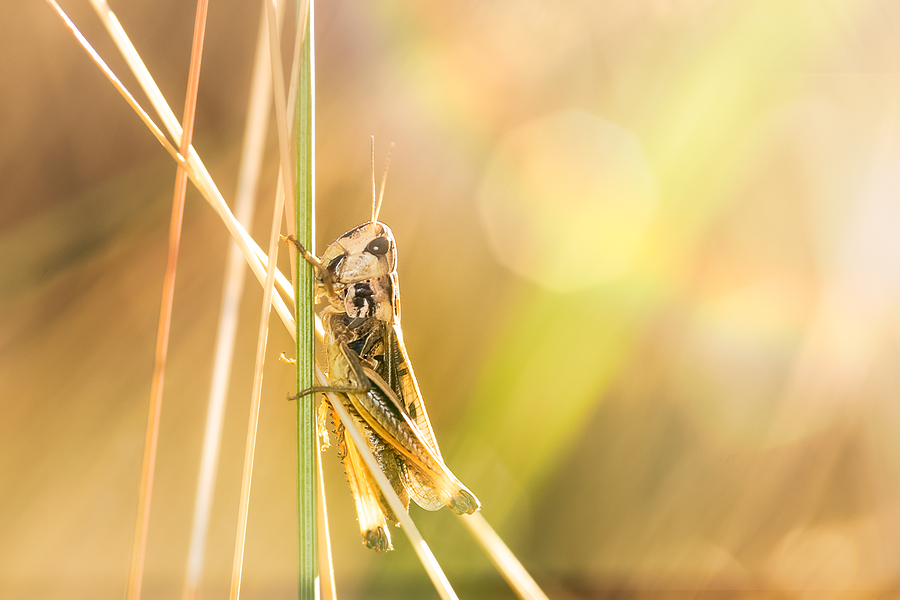
While most people view grasshoppers as just a nuisance pest, they can be devastating to gardeners and farmers. Grasshoppers can devour an entire field of crops in just a few days. Grasshoppers surge in large numbers in the summer months and are most prevalent in dry, hot summers. Grasshoppers can also cause damage to non-farmers as these are one of the only pests that can chew through screens.
Grasshoppers can be prevented by:
- Plant flowers that deter grasshoppers (lilac, crepe myrtle, verbena, sage, juniper)
- Plant vegetables that don’t attract grasshoppers (squash, peas, tomatoes)
- Introduce predators by making your garden attractive to birds
- Use floating row covers on crops and plants
- Consider natural products that kill grasshoppers without harming other animals or plants (Nosema locustae or Beauveria bassiana)
Flies
Flies invade your home in the summer months to escape the heat. They only reproduce during the hotter months and reproduce even more prolifically when they get indoors. Flies will stick around well into the fall months.
Flies can be prevented by:
- Keeping windows, doors, and vents sealed
- Using garbage cans with tight fitting lids
- Taking the garbage out when it is full
- Storing food in airtight containers
- Not leaving dirty dishes out
- Not leaving grass clippings in the yard
- Turning off outdoor lights at night
Stinging Insects
Stinging insects mate in the spring and their populations grow during the summer months. Hornets and yellow jackets are especially common in the summer because they have to establish new nests each year. These are usually found under decking or under piles of leaves. These stinging insects are potentially dangerous for people with allergies. Yellow jackets and bees can also get into the walls of homes, causing significant damage.
Stinging insects can be prevented by:
- Wearing shoes when outdoors
- Keeping trash cans tightly covered
- Eliminating dirt patches on your lawn
- Avoiding sweet smelling perfumes
- Don’t swat at stinging insects
Don’t let these common summer pests ruin your summer. If you have a problem with any of these pests, contact a professional pest control company who can help eliminate them safely and prevent them going forward.
You May Also Be Interested In:
Termites: How to Stop Their Damage
Keeping Cool for the Summer
Turning A Yellow Lawn Green
Fleas, Ticks, and Chiggers: What’s the Difference?
Pigeons, Sparrows, & Starlings: Nuisance Bird Control