Oct 8, 2020 | DIY, DIY Wildlife Prevention, Wildlife
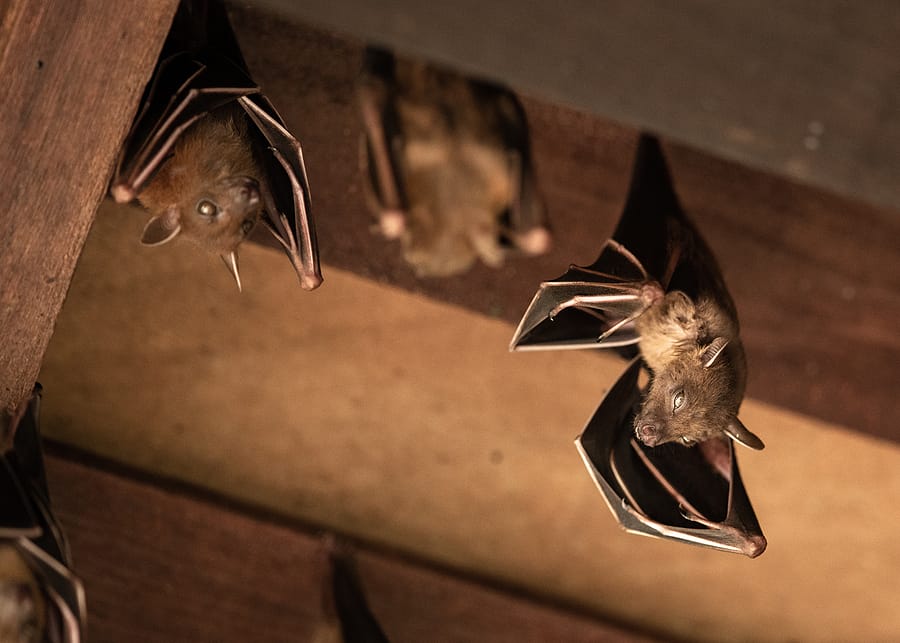
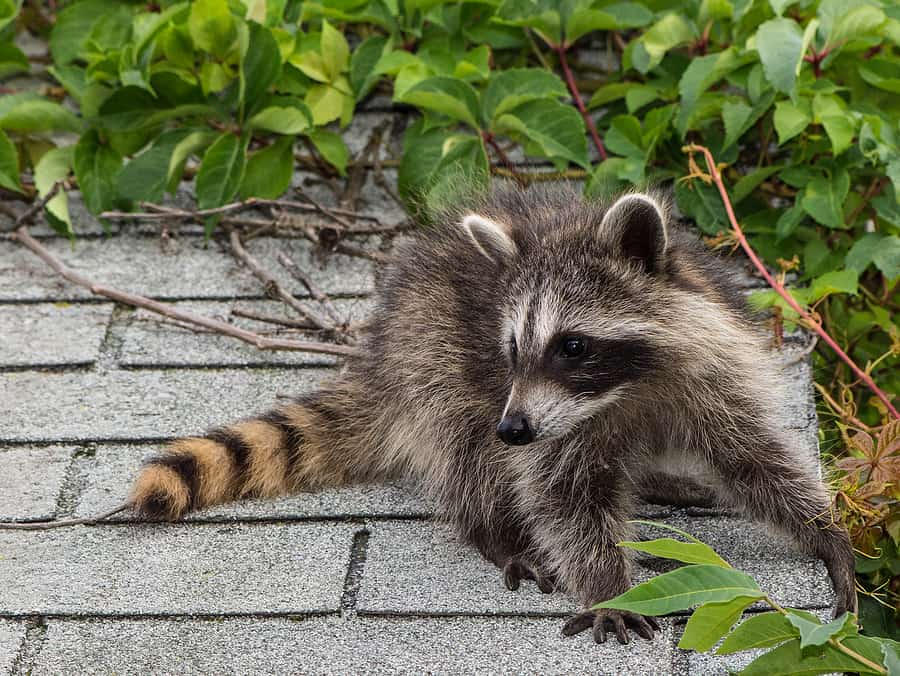
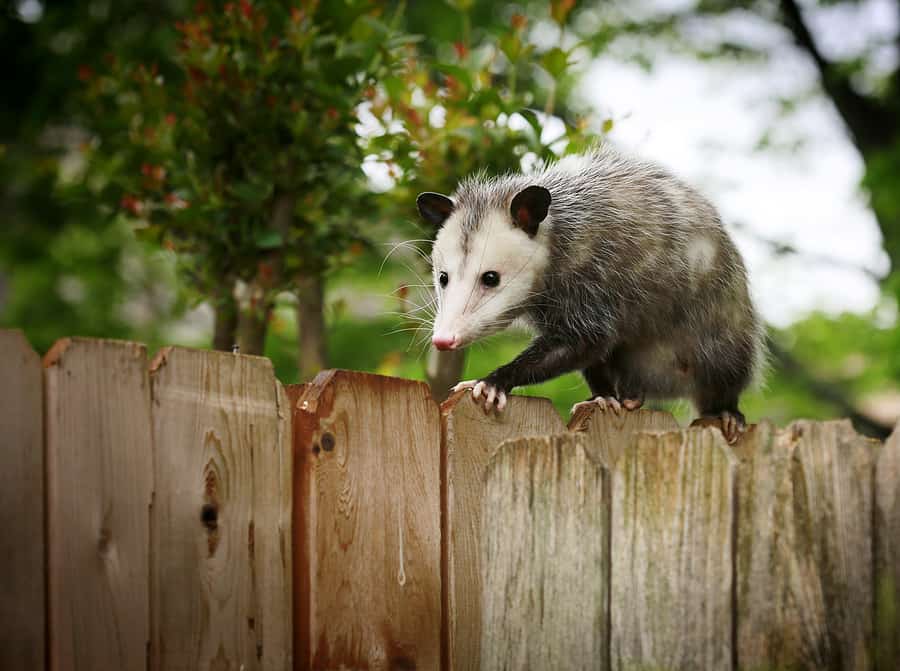
A nuisance pest (also referred to as nuisance wildlife) is any animal that interferes with other human activities or that is menacing or destructive; for example, animals that eat our birdseed, dig up gardens or landscaping, populate a place where they are unwanted (like your attic), damage buildings and public parks, or threaten human health and safety by spreading diseases, directly attacking us, or colliding with cars, planes, and trains. Some common nuisance animals include opossums, raccoons, moles and voles, bats, birds, deer, and skunks.
Studies have shown that deer vs car collisions cost Americans $1 billion per year. Birds vs airplanes also cost the same amount of damage annually. Squirrels, beavers, and other similar nuisance pests cause millions of dollars in damage to roadways, bridges, and dams each year. These creatures can also threaten already endangered species.
Wildlife in general search for 3 main things necessary for survival: food, water, and shelter. As human development spreads, interactions with wildlife will become more frequent. Competition for food, water and shelter will increase, making them more daring in their quest for survival. As they become accustomed to the proximity of humans, they will continue to adapt and increase their populations.
So what can you do to help prevent nuisance wildlife? The first step is to identify the pest you are dealing with. Federal and state laws protect most wildlife and regulate which species can be trapped, hunted, harvested, or harmed. In fact, all native birds are federally protected and some non-native species (including the house sparrow, European starling, and domestic pigeon which are all considered nuisance birds) have federal protection, as well. It is illegal to hunt, pursue, take, capture, kill or possess any migratory bird, nest, or egg.
Once you have identified the animal you are dealing with, the next step is to treat the problem, not the symptom. By removing the 3 things wildlife are searching for (food, water, and shelter), they will go elsewhere in their search. If a nuisance pest is eating your dog’s food, don’t just trap or relocate the offending animal. Store the dog food in a lidded container and take the bowls in overnight.
The University of Georgia Wildlife Extension recommends the following steps to prevent nuisance wildlife from taking over your yard.
Habitat Modification/Harassment
One of the best ways to prevent wildlife is to make your yard or home undesirable to them. Once you identify the type of animal you are dealing with, do some research and learn their habits and preferences and modify your home or yard to make it more unattractive to them. Remove anything they can use for cover. Keep tall grass mowed short; remove piles of brush, logs, rocks, debris, firewood, trash, bricks, buckets, flower pots, old cars, used tires, and toys. Use an herbicide to get rid of weeds, briars, and vines. Cut away dead trees and limbs as these provide nesting and roosting spots for nuisance birds and bats.
Harassment is another prevention method you can use where you disturb or scare the wildlife away from your property. The effectiveness of harassment depends on the diligence of the homeowner. These methods must be utilized on a regular basis and moved frequently (every few days) otherwise the animals become accustomed to them and they are less effective. Tactile harassment methods include water spray and motion sensored sprinklers; light methods include bright lights, strobes, and lasers; and scare methods include eye balloons, scarecrows, silhouettes on windows, predatory figurines, and pyrotechnics.
Exclusion
Wildlife exclusion refers to utilizing physical barriers to keep wildlife out of your yard or home, usually through fencing or other materials. This is one of the best options for nuisance wildlife. All fencing should be staked or secured firmly to the ground. For large animals such as hogs, dogs, or deer, welded wire, chain link, or wood fencing is preferred. If you have a problem with deer, the fencing should be at least 8 feet tall. Smaller animals like opossums, raccoons, foxes, and squirrels do better with chicken wire, hardware cloth, or electric fence that is at least 2 feet tall and buried 6″ to 12″ into the ground.
Exclusion from your house is also possible. Cap chimneys to prevent raccoons, bats, birds, and squirrels. Keep soffit vents in good repair and screened to prevent insects, birds, and bats. Use hardware cloth or screens that still allow airflow to protect the gabled ends of homes or barns to keep out squirrels, bats, and birds. Keep windows and doors, including those to garages and sheds shut and make sure they have proper sealing and that screens and weather seals are in good repair to prevent snakes, bugs, mice, raccoons, and opossums. Cover dryer vents with a screen and clean them regularly to prevent snakes and mice. You can also seal around them with expanding foam or weather seal. Finally, prevent mice and bats from getting in around electric lines, phone lines, cables, and pipes by sealing them with expanding foam or weather seal.
Removal and Repellents
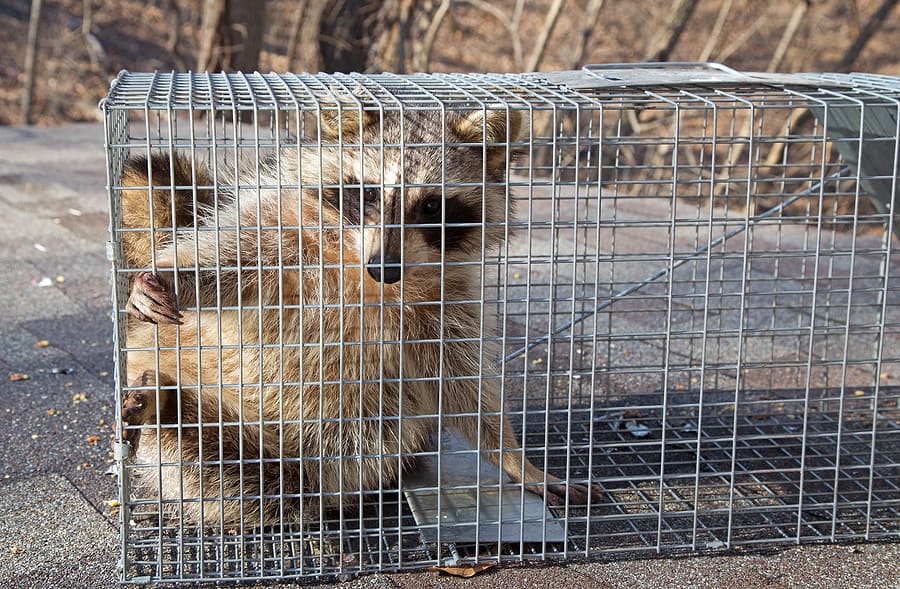
Removal and relocation of nuisance wildlife is discouraged as it can oftentimes be illegal. You can remove these pests from your home and release them onto your own property but steps must be taken to seal off entry points back into the home to keep them from coming back in. It is illegal to relocate nuisance pests onto someone else’s property. This option is usually deferred to a professional wildlife company who is familiar with trapping and relocation laws in your area.
Repellents can also be utilized to keep out offensive animals. Research shows that most soundwave repellents are not very effective at keeping animals at bay. The most effective repellents are those that use taste, fear, and odor. Different species respond to different repellents so identification of your problem critter is essential. The success of repellents depends on timing, how many of those types of animals are present, how hungry they are, and if they have been conditioned prior to coming onto your property. In general, the most effective methods combine repellents with physical barriers.
Lethal Control
Lethal control of nuisance wildlife requires permits from federal and/or state wildlife agencies. While these permits can be given to non-professionals, it is not recommended due to the risk of bites, rabies, and other diseases that can be spread by these animals.
If you have a problem with nuisance wildlife, contact a local pest control company that specializes in wildlife control so they can help properly identify the animal you are dealing with and provide the most up-to-date, safe, and legal exclusion methods for your situation.
You May Also Be Interested In:
Attic Invaders
Overwintering Pests: Boxelder Bugs and Ladybugs
What Is A Cicada Killer?
8 Ways To Protect Your Pets From Fleas And Ticks
Fall Without the Surprise Spider Encounter

Oct 8, 2020 | Wildlife
It’s already known that wildlife are out and about in the fall. With temperatures dropping, these animals are in search of a nice warm place to make their homes. Your attic is the perfect place to find refuge and search for food sources. Here are some of the most common fall wildlife that you can find roaming around and some wildlife prevention tips to ensure they don’t enter your attic.
Roof Rats
Smaller than a Norway rat, the roof rat got its name from its tendency to find shelter in the upper parts of building structures. Adult roof rats measure about 6 to 9 inches, with their tails notably longer than their heads and bodies. They feed on seeds, nuts, fruits, and berries when they are in season. Surprisingly, they will also feed on insects such as American cockroaches and brown-banded cockroaches.
Rats will usually feed at dusk and again before dawn, although they will also forage several times throughout the day and night. A common sign of rats in your attic is seeing fresh rat droppings, gnaw marks, damaged electrical wire, and obvious noises coming from above.
Bats
Nocturnal animals that are known for inhabiting dark and secluded locations, bats are a common attic invader during the fall and winter months. An adult bat can weigh less than 1 ounce or up to 3 pounds. Most bats will leave their habitat at dusk and return around dawn. Bats are an important part of the pollination process as they will feed on insects that visit flowers. They will also feed on various types of fruit that help disperse seeds.
One of the biggest concerns with bats in the home is whether or not they have rabies. While bats don’t randomly bite humans, they will bite if they feel threatened. Unfortunately, it’s almost impossible to tell if bats have rabies, so it’s better to ensure these creatures don’t enter your home at all. A major sign that you have a bat infestation is seeing bat droppings throughout your attic.
Gray Squirrels
Gray squirrels are common attic invaders as they frequently enter them seeking food and warmth. These animals are gray in color with short, thick fur and bushy tails. They are typically found in urban areas with trees which they use to nest in order to avoid predators and harvest food. Gray squirrels will eat small insects such as caterpillars and even small animals like young snakes.
Signs of a squirrel infestation include hearing noises from attics, chimneys, walls, or vents; holes in the siding; chewed wires; and even attic insulation damage. A major concern with these animals getting into homes and attics is the risk of fire from chewing through electrical wires.
If you suspect that you have one of these creatures in your attic, consider calling your local pest control company to help locate entry points, safely remove the animals with the most up to date wildlife control techniques, and prevent them from entering your house again.
Sep 23, 2020 | Wildlife
As cool weather approaches, we are all looking forward to spending time outdoors and enjoying the fall season. While we are enjoying the time outside, some unwanted pests could be enjoying the indoors of our home. Animals such as squirrels, mice, and opossums start to search for warm habitats in preparation for the winter months. Your home is the perfect place for these animals to find refuge and provides them easy access to food and water.
Before the fall season turns into winter and becomes even colder, it’s important to start your preparations early enough to prevent animal intruders from getting inside your house. Keep nuisance pests out with these fall wildlife prevention tips.
Make Sure It’s Sealed!
Screened attic vents and openings in chimneys provide ideal openings wildlife can use enter your home. Creatures like raccoons, squirrels, and birds can easily sneak in and make your home theirs! Ensure that the attic vents and chimneys are fully screened and sealed off.
Cracks and crevices on the outside of your home are other easy access points these animals can get into. Check for holes on the exterior of your home, especially around utility pipes. Rodents, including mice and rats, can easily fit through these openings, even ones as small as a dime! If you spot a hole, try using caulk and steel wool to seal it up.
Clean It Up!
Wildlife love food and your garbage can provide them plenty of food sources! Make sure your garbage can isn’t overflowing. Try to clean up after each meal and properly close garbage cans whether they are stored inside or outside! Keep your exterior garbage cans secure by locking their lids overnight.
Clogged gutters can block the drainage of rain and melting snow. This can not only cause damage to your home but can also invite wildlife (like birds) to build their nests in. Check to make sure your gutters are clean and your downspouts are far from your foundation. Consider investing in a gutter care system that will further protect gutters from animal nesting and keep them free of leaves and debris.
Tidy Up the Yard!
Some wildlife, like squirrels, are known to use tree branches to gain access to the roof. This gives them an easy guide to the inside of your home through the attic or any other openings. Be sure to cut your tree limbs or branches that are hanging too close to the foundation and roof.
Cleaning up leaf piles, brush, and debris can also help prevent small animals from invading. When cleaning up these piles, put them in sealed waste bags and store them in the garage until garbage day. Additionally, make sure your firewood is stored at least 2 feet off the ground to keep animals from nesting underneath.
Preventing wildlife from entering your property can be difficult and sometimes can even feel impossible. If you are constantly having to keep these animals out, consider contacting a professional wildlife control company. These professionals can inspect your home, identify the entry points, safely remove these animals, and prevent them from entering in the future!
Sep 18, 2020 | Wildlife
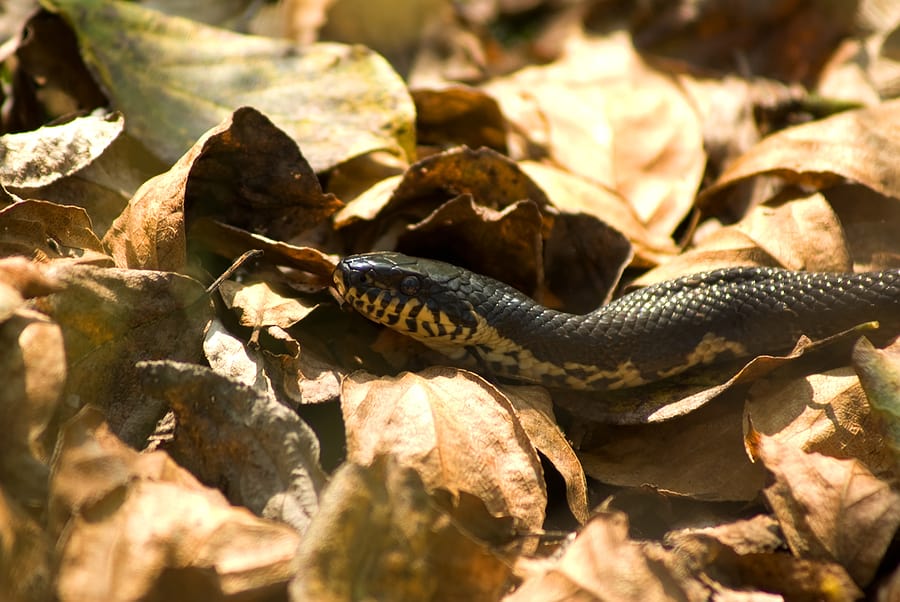
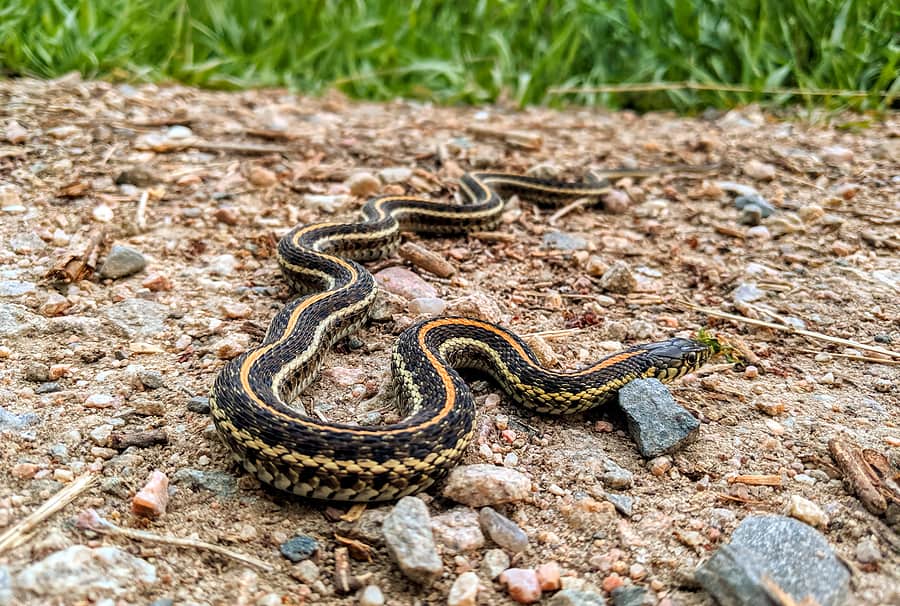
Snakes are actually more active in the fall than any other season of the year. In the United States, most snakes are born between July and September. These baby snakes will be actively looking for their first meals in the fall, making them much more likely to be seen. By springtime, however, many of these young snakes will have been eaten by predators or run over by cars. Many snakes are also active in the fall as they are moving around in search of somewhere to hibernate or brumate over the winter months. There are even some types of snakes (like the canebrake rattlesnake) that mate in the fall, making them much more active as they go in search of a mate.
Snake activity picks up as the temperatures start to fall in late summer and early fall. Snakes cannot thrive when temperatures drop below 65 degrees Fahrenheit. With the weather still ideal and an abundance of rain from late summer storms and hurricanes, fall is prime time for snakes to be active. Falling leaves in the fall also provide ideal camouflage for snakes.
Snakes will go into hiding as early as September or as late as December depending on which part of the country you live in. Depending on where they are, snakes will either hibernate or brumate. Hibernation occurs when snakes enter a deep sleep state, usually in colder snowy climates. In brumation, snakes don’t actually sleep; instead their bodies acclimate to the lower temperatures, their metabolism slows down, and they become less active and less likely to feed. Brumating snakes may wake up and come out to bask in the sun on warmer days even in the middle of winter.
Just like snakes, many people become more active in the fall, as well, taking advantage of the cooler temperatures to enjoy time outdoors. If you spend time outdoors in the fall, keep these snake prevention tips in mind.
- Cover Up. If you choose to spend time outdoors, make sure to wear closed-toe shoes and long pants if possible. Try to avoid sandals and flip flops as they leave your feet and toes exposed to potential snakebites.
- Avoid Habitats. Snakes like to hide in areas that provide them protection and coverage from predators. They can often be found in tall grass, overgrowth, on or under large rocks, rock piles, and wood piles. If you have to walk through these areas, keep your feet and legs protected, keep your eyes pealed, and make your presence known.
- Familiarize Yourself. Identifying snakes is critical to avoiding and preventing them. Do some research and find out which snakes are common in your area, what they look like, and where to find them. Identify any areas you spend time in outdoors that could potentially house snakes and try to avoid them.
- Keep an Eye on the Sky. Some types of snakes can actually climb trees and will even use overlapping branches to move from tree to tree without ever touching the ground. When walking or boating through wooded areas make sure to look up and keep an eye out for overhead snakes.
- Have Confidence. Snakes don’t have ears so they can’t actually hear you coming but they do respond to vibrations in the ground and can feel you coming before they actually see you. When walking outdoors walk with strong, confident steps and make your presence known.
- Be Aware. This one goes without saying but be aware of your surrounding when spending time outdoors. Look down when walking and check overhead when in wooded areas. Try to identify snakes before you walk right up on them.
- Check Your Car. Snakes will use anything to hide from predators, especially if it has a warm surface, including your car. Check under your hood before cranking your car, especially first thing in the morning or if you park in an area that is prone to snakes.
- Clean Up Your Home. Making your home and yard less inviting to snakes will help keep them from coming in. Seal any cracks and crevices on the outside of your home to keep snakes out in search of warmth and food. Remove any debris and clutter from your yard and garage. Keep woodpiles elevated and stored away from your home. Clear any overgrowth from your yard.
- Use snake repellent. There are many commercial snake repellent products on the market today. If you prefer a more green snake control option, there are also natural snake repellents you can make at home. Choose whichever option works best for you.
As the weather cools and we move into fall, snakes will be on the move! If you have a problem with snakes or any other wildlife in and around your home, contact a professional pest control company who can help identify the source of the problem and help with an elimination and prevention plan.
You May Also Be Interested In:
Palmetto Bugs and Cockroaches: Are They the Same?
10 Effective DIY Pest Control Tips for Homeowners
Stink Bugs: What Do They Actually Do?
Wildlife Control: Animals to Look Out For This Fall
So You Think You Have Bed Bugs. Now What?
Aug 27, 2020 | Wildlife
Snakes are one of the most feared pests homeowners can find in their yards. The likelihood of snakes coming onto your property depends on several factors like your location, surrounding landscape, nearby water source, available food supply, and your landscaping and maintenance. While the first instinct is usually to either run or get rid of it quickly, snakes can actually be pretty beneficial to have around. Instead of killing snakes, some people prefer to try and repel them to keep them from coming into the yard in the first place, or deter them from staying there if they’ve already taken up residence. There are several snake repellent products on the market, but do any of them really work? Here are some of the most common snake repellents, the reasons why you should avoid them, and some snake prevention tips you can use around your home.
Video Transcript
Seeing a snake in your yard is enough to make your heart skip a beat. But before you panic or try a quick fix, pause.
Most snake repellents you’ve heard about are actually myths. Moth balls, sulfur, sticky traps, even fake eggs don’t drive snakes away.
Worse, many are dangerous for kids, pets, and harmless wildlife. What does work is prevention. First, remove the food source. Snakes follow rodents.
Bring pet food inside. Clean up fallen fruit and be mindful with bird feeders.
No food means no reason to stay. Second, keep your yard trimmed. Tall grass and overgrown shrubs give snakes places to hide. A clean, open lawn makes your yard far less inviting. Finally, check your landscaping. Wood piles, thick mulch, and large rocks are perfect hiding spots. Elevate firewood, and clear out debris. Most snakes are just passing through, and a few smart changes can keep it that way. When you’re ready to call a professional for a peaceful home, feel free to reach out to our team at Northwest Exterminating.
Mothballs
Mothballs are one of the most popular snake repellent products. The active ingredient in mothballs is either naphthalene or paradichlorobenzene. Both of these products are known to be toxic to insects and mammals but are actually not effective on snakes (because they are actually reptiles). In fact, naphthalene has been proven to cause illness in humans (especially children) and pets. Additionally, using mothballs outside the home actually violates their product labels.
Sulfur
Sulfur is another common snake repellent ingredient and is often seen in many commercial snake repellent products on the market. Sulfur has been proven to not be effective against snakes, however, much the same as mothballs.
Fake Eggs
When snakes are terrorizing a chicken coop, many people will use ceramic or wooden eggs or even golf balls to trick snakes into eating them instead of real chicken eggs. The problem, however, is that when snakes eat these fake eggs they die a long, slow, painful death over the course of many weeks. Once they’re gone, another snake will often show up and take its place, defeating the purpose of eliminating the original snake. If you are using ceramic eggs to encourage your hens to lay, make sure to glue them down so snakes can’t eat them accidentally.
Releasing Other Snakes
Many people will catch and release predatory snakes like king snakes and racers onto their property to hunt and kill the problematic snakes they have. This practice is usually unsuccessful and in some places is even against the law. The same goes for capturing the problematic snakes on your property and releasing them elsewhere.
Sticky Traps
Some people will lay out sticky traps in hopes of catching the nuisance snake so they can kill it or relocate it. The problem with this method is that the sticky traps will often catch non-targeted animals instead of the snake, resulting in a slow, agonizing death for the animal.
Weapons
Many people employ guns or shovels to kill snakes that come onto their property. This puts people at great risk for injury either from the snake going on the defensive and biting its attacker or from the homeowner or innocent bystanders being injured by ricocheting bullets, etc. Once the snake is killed, it is often replaced by another snake that takes its place. A better deterrent for snakes is to spray them with a blast from the water hose. This encourages them to find a new location without harming them or anyone else.
Prevention
Instead of using ineffective snake repellent products and methods, consider going to the source of the problem to help get rid of it. Snakes will come into your yard because they are attracted to something there – whether it is a water source, food source, or a place to shelter. Eliminating what attracts them will help keep them out and encourage them to find a different location to live in. Here are some snake prevention tips you can utilize to help make your yard less inviting to them.
- Feed your pets inside. Rodents are attracted to pet food and snakes are attracted to rodents. By feeding and watering pets inside or bringing their food and water bowls inside when not in use is a good way to help prevent rodents which, in turn, helps prevent snakes.
- Clean up debris. Debris and leaf piles in your yard are a huge attractant to rodents which will then attract snakes. These piles also provide excellent sources of shelter for snakes to hide. Clean up any debris piles (sticks, brush, tree limbs, etc) and piles of leaves or mulch them to get rid of them.
- Cut the grass. Tall grass provides ideal cover for snakes to hide in. Keeping the grass cut shorter gives them less coverage and also makes them much easier to spot in your yard.
- Avoid birdhouses. Snakes will eat small birds, as well as rodents who feed on spilled birdseed. Some snakes are also excellent climbers and will use this to their advantage to feast on birds feeding on the feeders. If you do use a birdhouse, make sure it is placed on a metal pole or a wood post that is wrapped in metal sheeting. You can also try to avoid using the bird feeder until the colder months when snakes are less active and less likely to frequent the area.
- Use up firewood. Woodpiles make an excellent spot for snakes to hide in, especially over winter. Try to use up all of your firewood before the weather warms up and snakes become more active. If you don’t use it all up, try to keep it stored at least 1 foot off the ground.
- Clean up fallen fruit. Fallen fruit from trees and plants will attract a variety of pests including rodents. Snakes will then follow these rodents as a food source. Make sure to pick up and dispose of any fallen fruit on a regular basis.
- Get rid of mulch. Mulch and pine straw home to several invertebrates that are a prime food source for snakes. Snakes will also use this groundcover as shelter for themselves. Consider using an alternative to mulch or pine straw in your landscape design. The same goes for using large rocks in your landscaping. Snakes like to get under these large rocks to breed and overwinter during the colder months.
- Avoid garden ponds. Garden ponds are another landscaping feature that draw snakes in. It is a readily available source of water. It also attracts frogs and other animals that snakes will gravitate to as a food source.
- Trim trees and shrubs. Overgrown trees and shrubs provide cover and shelter for snakes. Keep tree branches and shrubs trimmed back so they are not touching the house or garage. Branches should also be trimmed so they are off the ground, ideally with a 24″ to 36″ space underneath. This not only helps eliminate places for snakes to take cover but also helps make them easier to spot if they do get under them.
- Install a perch pole. Natural predators to snakes, such as hawks and owls, will be attracted to a perch pole. This is a good way to utilize natural resources for snake prevention. Place the perch pole in an open area of your yard so the birds will have a good view of the entire area.
- Install fencing. If all else fails, consider installing fencing to keep snakes out. Fencing should be buried a few inches into the ground and should be made up of 1/4″ or smaller rigid mesh. The fencing should also have a bend at the top to keep snakes from being able to climb over it. Some companies even make wildlife specific fencing options.
The large majority of snakes you will encounter in your yard are harmless to humans. All snakes (even venomous snakes) are beneficial and play an important role in the ecosystem. Many snakes eat garden pests like slugs and snails, helping protect your plants and flowers. Some snakes eat rodents, helping control their populations and keeping them from spreading diseases to you, your family, your pets, and your livestock. There are even studies showing where rattlesnakes help keep Lyme disease in check. If you’ve tried the tips above and you still have an issue with snakes or any other pests, contact your local pest control company for a comprehensive evaluation and treatment plan.
You May Also Be Interested In:
Helpful Spiders!
The Traveler’s Guide to Bed Bugs
Take the Homework, Leave the Lice
7 Things You Didn’t Know About Cockroaches
How To Help Your Lawn During Late Summer
Jul 28, 2020 | DIY Wildlife Prevention, Wildlife
It’s minutes before you have to run out the door and make your commute to work. You make your coffee and look out the window, only to see last night’s dinner scattered throughout your yard! Unfortunately, your garbage has been rummaged through all night by a couple of wildlife pests. Two popular animals that are known to forage through trashcans and dumpsters for food are raccoons and opossums.
Raccoons, known for their distinctive black mask coloring on their faces, can range from just under 2 feet long to over 3 feet long. These animals are considered nocturnal and are rarely seen by humans. Be aware, though, spotting a raccoon during the day can be a possible sign they have rabies or other abnormal conditions.
Raccoons are scavengers, looking for food wherever they can find it, often foraging in trashcans and dumpsters. These skillful creatures can easily use their paws to open doors and lids to look for food. While they are omnivores, they prefer fruits and nuts over meat. Because they are creatures of habit, once these animals find a food source at your home, they will keep coming back until the food source is gone.
Another animal you’ll catch roaming around your trashcans is the opossum. Grey in color, opossums can range from 14” long to over 3 feet long, with their tails making up 50 percent of their total body length! These animals also tend to live near wet areas such as swamps and marshes.
While opossums are omnivores, they prefer insects and carrion over fruits and vegetables. As highly skilled climbers, you’ll find these creatures in trees, staying up there for as long as they can. They are also slow movers so don’t expect them to make a quick getaway! Opossums are generally not aggressive, though they will play dead if they are threatened.
Here are some tips to help prevent wildlife from rummaging through your garbage.
- Seal any garbage cans and compost bins at night.
- Use locking lids on trashcans if possible or place a weight on top to keep the lids closed.
- Keep the outside of your home well-lit at night as opossums and raccoons will shy away from the lights.
- Spray a mixture of half ammonia and half water on your trashcans or soak rags in the mixture and scatter them around your property; this smell will repel these pests.
- If wildlife constantly returns, consider contacted a licensed pest control company who can provide you with a thorough evaluation and wildlife control plan.
Jul 15, 2020 | DIY, DIY Pest Control, Pest Control, Wildlife
Stinging pests are most active during the summer months, so while we enjoy the summer fun of lounging by the pool and backyard BBQs, we should all be on the lookout for these pests as they can pose a risk to you and your family. Check out these common stinging pests and the best way to avoid them!
Wasps
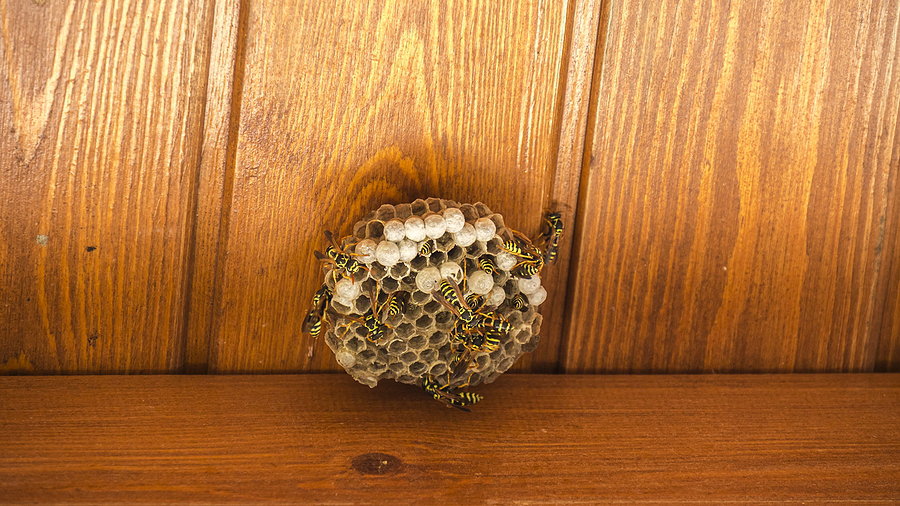
With a slim body shape, six long legs, and two wings, wasps are busy at work scavenging for food during the summer months. Wasps will typically build their nests in branches, porch ceilings, eaves, and attic rafters. These pests are highly attracted to picnics and backyard barbeques, increasing your chance of being stung. When threatened, wasps will sting multiple times and eventually call on reinforcements from other wasps by emitting pheromones.
Hornets
Hornets’ nests are often built in hollow trees and the walls of houses and attics, although they typically prefer a forested environment. These pests are larger and can range from 3/4 to 1 3/8” long with brown and yellow abdominal stripes on their body. Hornets are attracted to light and will fly into your windows at night if they see a light on. They are relatively non-aggressive near the nest, but if threatened, there is a potential for a stinging hazard.
Yellowjackets
Yellowjackets are social insects and can be found anywhere humans are found. Yellowjackets feed on sweets and proteins; therefore, these pests commonly invade outdoor events. Yellowjackets measure 3/8″ to 5/8” long and have a non-fuzzy black and yellow striped body. Yellowjacket nests can either be built in very high places or built in the ground. Examples include in shrubs, garages, timber, logs, and more. If threatened, yellowjackets will sting multiple times, causing extreme pain and possible allergic reactions.
Bee Sting Prevention
- Keep outside food covered and sealed tightly
- Avoid wearing strong fragrances and opt for an unscented hygienic product
- Ensure all your doors and windows have screens so these pests don’t sneak into your house
- Stick to wearing darker colors as floral and bright colored clothing tend to attract these pests
- For uncontrollable stinging pest invasions, it’s best to call your local pest control company as they will provide a safe and legal plan to safely remove these insects
Jun 19, 2020 | Wildlife
While some birds are beneficial to us through their production of down feathers, control of pests, control of weeds, and providing us with the opportunity for birdwatching, they can be detrimental to our homes and our health. Besides being a general nuisance, some birds can cause damage to buildings and monuments, contaminate food sources, and transmit diseases that can be serious to humans.
Three of the most common nuisance birds that can cause these issues to humans are pigeons, sparrows, and starlings. Here is a look at each of these nuisance birds, as well as some tips to prevent and exclude them.
Pigeons
Pigeons are the most common nuisance bird and are also responsible for the worst public health concerns caused by birds.
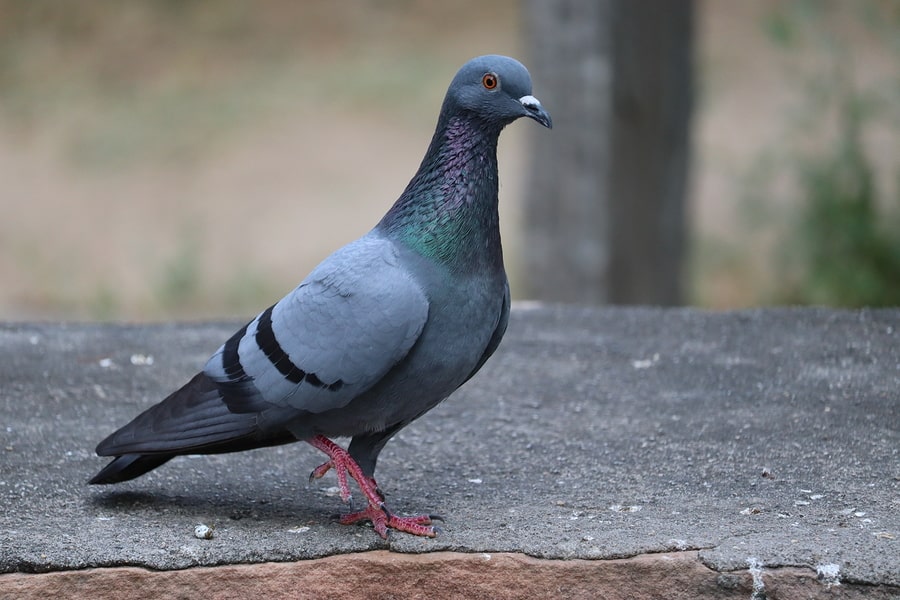
Adult pigeons are about a foot in length and weigh about 13 ounces. They are blue-grey in color with iridescent feathers on their heads and necks. Pigeons have short necks, small heads, and short legs.
Pigeons prefer to nest in small, flat areas that are off the ground (e.g. ledges, air conditioning units, pipes, and window sills). They eat a varied diet, consuming anything from grains and livestock feed to discarded food scraps and manure. They must have water daily to survive.
Pigeons can cause serious problems wherever they are. Large flocks of pigeons can be a nuisance in public places. Their feces can not only deface and deteriorate buildings and other structures but can also cause slipping hazards on stairs, sidewalks, and fire escapes. Their droppings and debris from their nests can clog downspouts and machinery. Pigeons carry numerous diseases including histoplasmosis.
Pigeons adapt easily to their environments, including those that are manmade. They will travel up to 5 miles between their nesting and roosting sites, making it very difficult to get an established flock to move. Their homing capabilities allow them to easily find their way back to their original nesting sites.
Sparrows
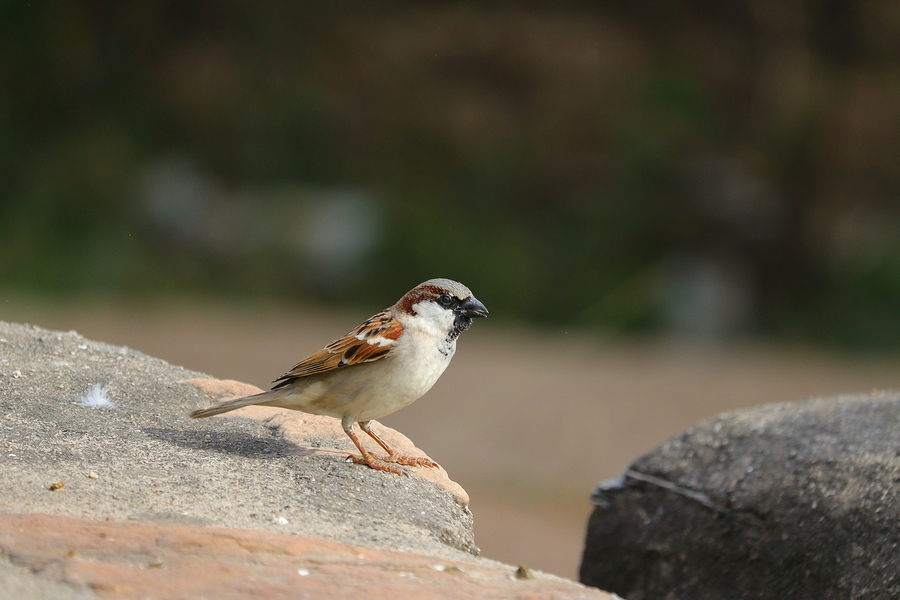
House sparrows are not actually true sparrows; they actually belong to a family called weaver finches. They are stocky, small birds about 5 to 6 inches in length and weighing about 1 ounce. They have conical bills with brown grey feathers. Males have a black throat and white crown while females have a white throat and a dull eye stripe.
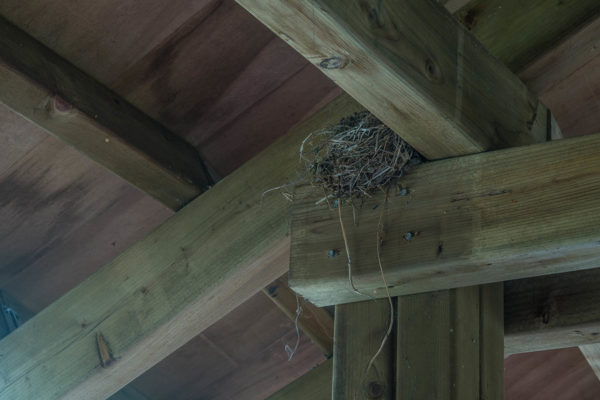
Sparrows build extremely messy nests out of anything they can find (string, twigs, paper, grass). They prefer to make their nests in covered, elevated areas like warehouses, airport hangars, and stadiums.
Sparrows primarily eat grain but have also been known to eat fruit, seeds, insects, and food scraps. They have become extremely dependent on humans for both food and shelter. They nest, roost, and feed in large groups within 1 to 2 miles of each other.
Sparrows can be difficult to control because of their ability to rapidly reproduce. They are extremely aggressive and will often drive out other desirable bird species from the area. When they nest in electrical areas they can cause electrical shorts and fires. When they congregate in poultry and hog farms they cause potential contamination threats. Sparrows have been associated with over 25 diseases and ectoparasites.
Starlings
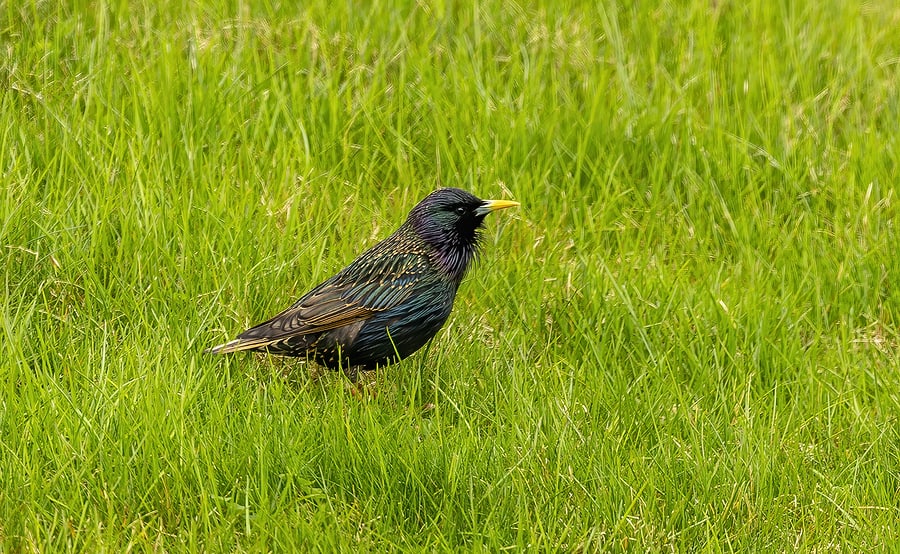
Starlings are an introduced species that cause problems in both urban and rural areas. Adult starlings are about 8 inches in length and weigh about 2-1/2 to 3-1/2 ounces. They have short tails and long bills. In the winter, starlings have dark bills and iridescent coats speckled with white dots. In the summer, starlings have yellow bills with duller coats that are mostly purple and green in color and are less speckled.
Starlings travel in flocks that can number into the thousands. They nest and feed in a variety of areas. When they nest in urban areas they tend to frequent trees, exhaust vents, marquees, ledges, lighted signs, hollow lampposts, billboards, soffits, and dryer and stove vents. In rural areas they tend to nest in farm building ledges and tree cavities.
Starlings feed on a variety of things depending on what season it is and what food sources are available. They are known to eat seeds, fruit, food scraps, insects, fruit, and vegetables.
Starlings can be problematic because of their intense vocalization, especially when their flocks grow to such large numbers. Their fecal accumulation can also be problematic because of the sheer volume. Starlings are very aggressive and can drive out other bird species. Their feces can deface and deteriorate buildings and other structures; can cause slipping hazards; can contaminate livestock feed; and can kill trees. They leave nesting materials behind that can clog machinery, cause drainage problems, and clutter structures. These blocked vents can also lead to moisture buildup, odor issues, and potential fire risks. They are known to carry serious diseases like histoplasmosis.
Each of these nuisance birds can be hard to control or eliminate once their flock is established. Prevention and elimination is key to helping control these bird populations. Here are some bird prevention and exclusion tips you can use to help control these problematic pests.
- Discourage people from feeding these birds in public areas.
- Clean up any spilled grain or feed daily.
- Make food and water sources as inaccessible as possible.
- Block building openings such as lofts, vents, eaves, window sills, and steeples) with wood, metal, glass, masonry, wire mesh, plastic or nylon.
- Change ledge angles to 45 degrees or more as this discourages roosting.
- Place netting over ornamental architecture.
- Screen the underside of rafters with netting or wire mesh screening.
- Install a permanent mechanical bird repellent like bird spikes to help eliminate roosting.
If you have a nuisance bird problem, contact a professional pest control company who can provide you with a customized inspection and treatment plan for your situation.
You May Also Be Interested In:
Why Are These Ants Flying?!
The When, Where, and Why of Termite Swarms
Venomous Summer Snakes
Which Season is Worst for Bed Bugs?
How To Help Your Lawn During Late Summer
Jun 10, 2020 | Wildlife
While It’s true there are plenty of snakes that play a vital role in our ecosystem that we should protect and preserve, there are also venomous species in areas that can pose a serious threat to human life. It’s important to be cautious of these species as they start coming out of hibernation for the summer. Here are a few venomous snakes that are common in our area and how to identify them.
Water Moccasins
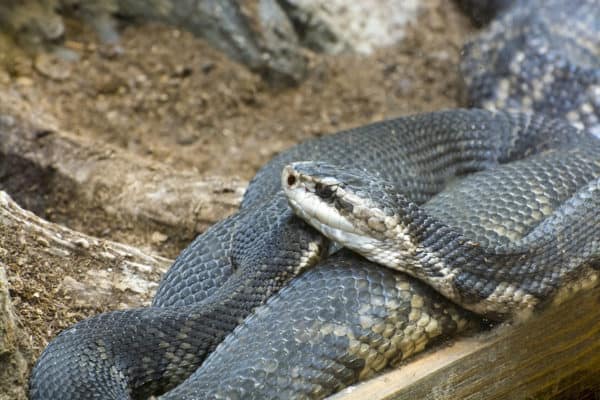
Water moccasins have a triangular head. They are considered to be heavy-bodied and vary in coloration. These snakes can be active both during the day and night but tend to feed in the dark. They are found throughout the entire southeast U.S., typically near cypress swamps, river floodplains, and heavily vegetated wetlands.
Copperheads:
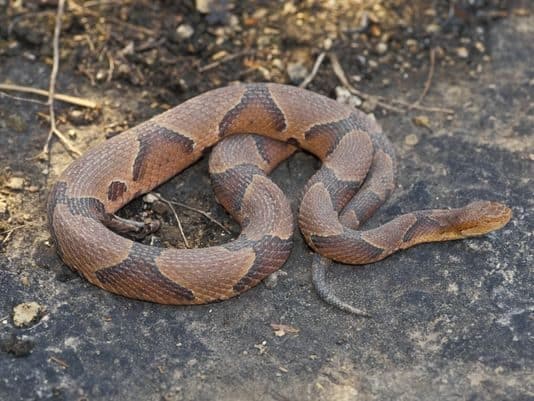
Light brown to tan in color, copperheads can be easily recognized by the hourglass-shaped crossbands along their bodies. These snakes can be found throughout the eastern and central U.S., living in a variety of habitats. Copperheads are comfortable in dry, rocky areas, forested areas, or even wetlands. It is even possible to catch copperheads in suburban neighborhoods with patches of forest.
Timber Rattlesnake
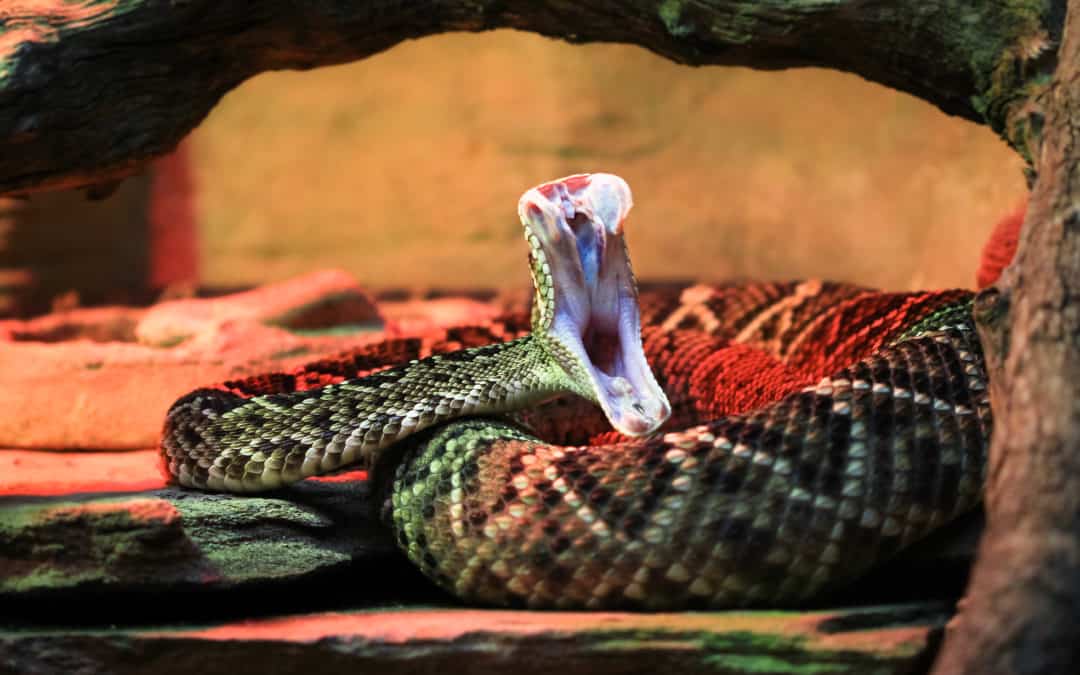
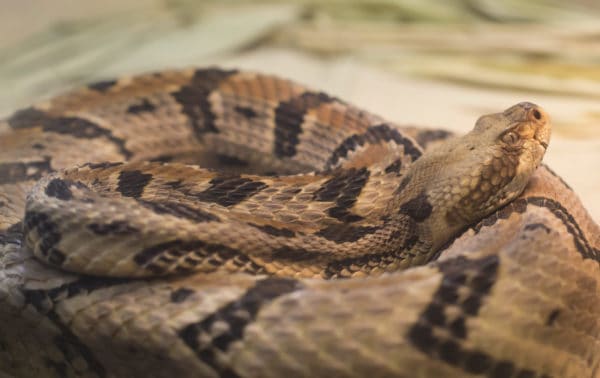
Timber rattlesnakes are considered unique as they are active both day and night. They typically like to hibernate during cold weather but become active in late spring and remain so until late fall. These snakes are big, heavy-bodied, and can grow up to 6 feet in length. They are found in the eastern U.S. where you can spot them residing in forests, mountainous areas, rural habitats in farming areas and even near swamps and river floodplains.
Eastern Diamondback Rattlesnake
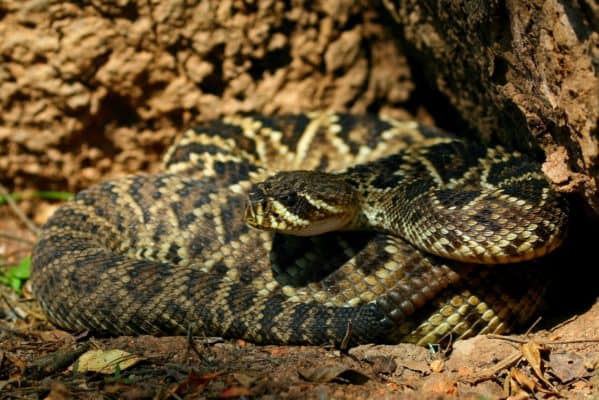
Eastern diamondbacks are dark brown in color and have a row of diamond shapes patterned on their bodies that are outlined by a yellowish border. Diamondbacks measure 3 to 5 feet but can reach up to 7 feet in length. These venomous snakes are active during the day but are most commonly seen in the mornings and evenings in the summer months. They often inhabit dry sandy areas, pinewoods, coastal dune habitats, and flatwoods. They typically avoid areas that are wet but will live along edges of swamps.
With this information in mind, it’s important to be aware and be cautious of these venomous snakes while outdoors enjoying your summer! Remember, however, to please be conscious that in certain states it is illegal to kill venomous snakes. If you realize you have a snake in or around your house, it’s best to contact a local wildlife control company who can safely remove the offending pest.