May 21, 2021 | Pest Control
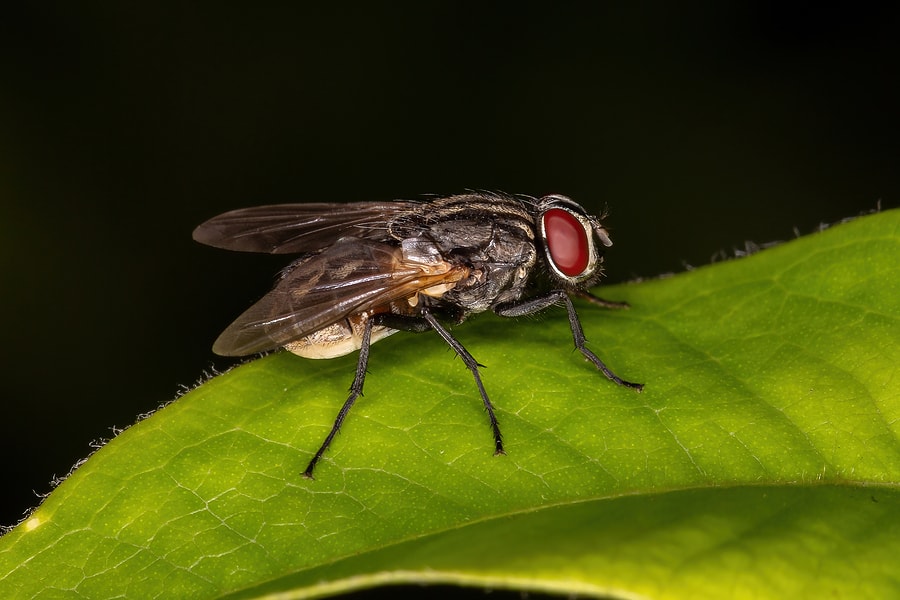
One thing we look forward to in the summer is warmer weather which lets us spend more time outdoors. Unfortunately for some, this also means summer pests come out full force to ruin your outdoor plans. Some of the most common summer pests are flies, ants, mosquitoes, roaches, gnats, ticks, rodents, and stinging insects like wasps and hornets.
There are five major reasons these pests become more prominent in the summer months. The first is temperature. The temperature outside can affect both the behavior and development of pests. Many of these creatures favor the warmer temps, increasing their activity. Other pests, however, will make their way into your home in an effort to escape the heat. Moisture also contributes to pests invading in the summer. Most pests need water to survive and will thrive in moist environments. The increased humidity and summer rain showers provide ideal conditions for pests to thrive during this season. During times of drought, they will make their way indoors in search of water.
Summer also means longer days and shorter nights. More daylight means more time for pests to stay active in their search for food. Food is another motivator for summer pest activity. Grass and other vegetation grows in abundance in the summer months, providing a literal feast for many pests. This also provides them with an ideal place to hide out. Finally, for many pests summer is one of the busiest seasons of their life cycle. They reproduce at a rapid rate during these months in order to grow their populations before the slow down of the winter months. Many also go in search of food to store away for their upcoming winter hibernation or brumation.
Summer pests don’t have to ruin your good times. Here are some Dos and Don’ts of summer pest control.
Do:
- Remove any sources of standing water like bird baths, buckets, and toys.
- Keep drainage areas and gutters clear and freeflowing.
- Consider installing gutter guards.
- Make sure rain water is diverted from foundations.
- Repair loose mortars around foundation.
- Keep your yard tidy and grass cut short.
- Replace weatherstripping around windows and doors.
- Keep counters clean and floors swept.
- Keep food and pet food put away in sealed containers.
- Keep basements, attics, and crawlspaces well ventilated and dry.
- Consider crawlspace enclosure.
- Throw away overripe fruits and vegetables.
- Use trashcans with tight fitting lids and clean them regularly.
Don’t:
- Leave pet food and water bowls out overnight.
- Let garbage pile up.
- Leave dirty dishes in the sink.
- Store firewood or other materials up against the house.
- Ignore cracks and openings in your home’s exterior.
- Let sprinklers spray toward foundations.
- Store piles of newspapers or other materials.
- Use cardboard boxes for storage; use plastic when possible.
If you have a problem with pests this summer, contact your local pest control company who can evaluate your home, identify the type of pest you are dealing with, find how and where they are getting into your home, and provide you with the best treatment and prevention plan for your situation.
You May Also Be Interested In:
Watch Out for These Stinging Pests
Mosquito Control For Warmer Weather
Preventing Common Wildlife
The Summer Big Three: Roaches, Mosquitoes, & Termites
Summer Without Bed Bug Worry
May 7, 2021 | Pest Control
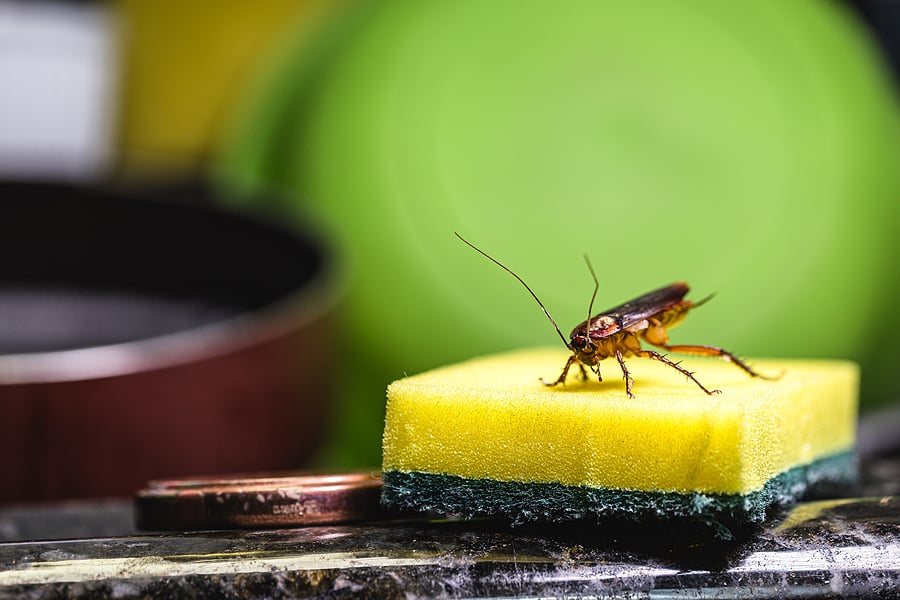
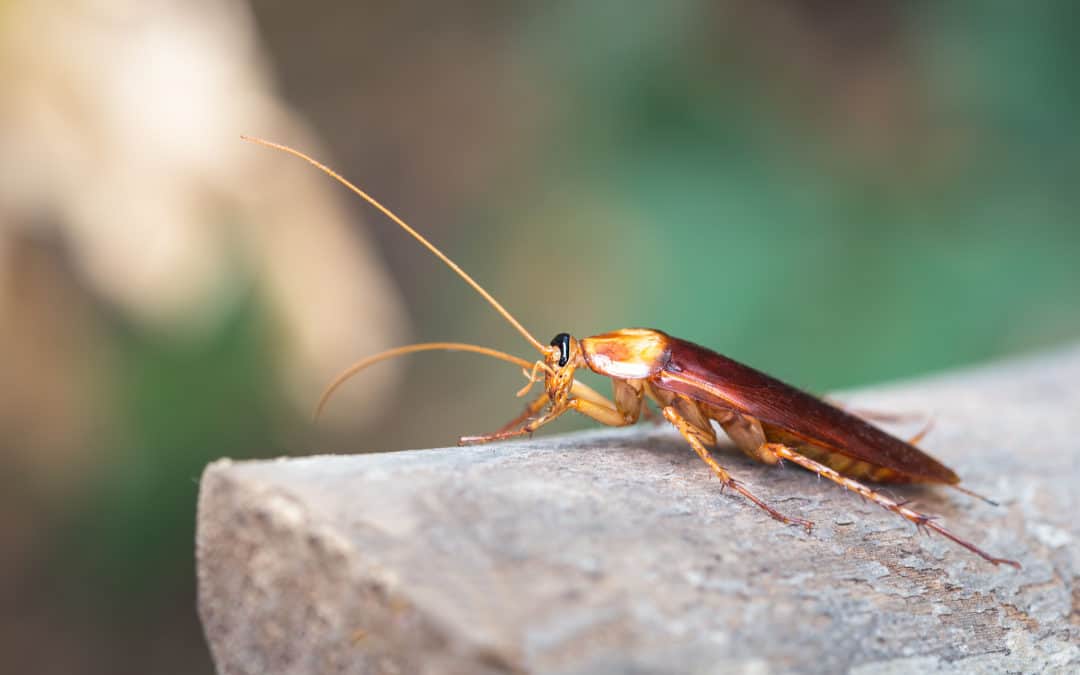
While cockroaches are active year-round, the humidity and warm weather of spring make this a prime time of year for these pests to invade your home. Roaches prefer environments that are warm and contain moisture which is why they are most often seen in kitchens and bathrooms inside your house. They can also multiply quickly and can adapt to just about any environment, making them extremely difficult to get rid of. Cockroaches are dangerous to humans in that they are known to carry and transmit serious diseases, can contaminate food and other surfaces in your home, and trigger allergies and asthma.
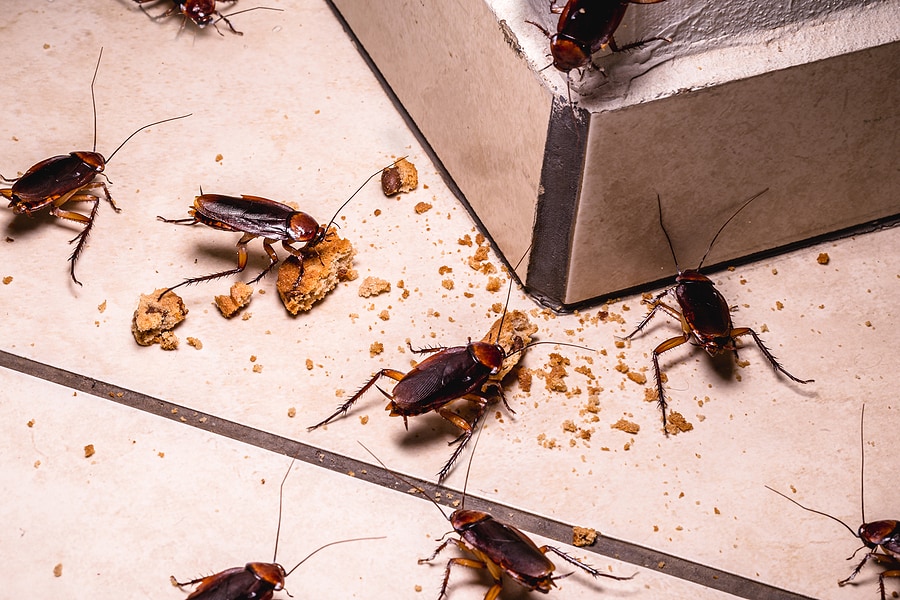
The most common types of roaches in our area are the German cockroach, the American cockroach, the brown-banded cockroach, and the Oriental cockroach. What attracts roaches are food, water, and warm shelter, all of which can be found in your home. Roaches are commonly drawn to crumbs, spills, dirty dishes, garbage, pet food, open food containers, cardboard, paper, glue, and excess moisture. In order to keep cockroaches out of your home, the goal is to make it as unattractive to them as you can. Check out these tips to help prevent cockroaches.
1. Keep It Clean
Roaches are attracted to dirt and filth because they provide a source of food for them. Keeping your home clean helps eliminate these food sources, making them go elsewhere in search of something to eat. Wash your dishes and put them away after meals. Clean up any crumbs and spills. Empty the garbage before going to bed. Clean grease from your stovetop. Seal any leftover food in containers. Sweep, mop, and vacuum on a regular basis. Don’t leave pet food out overnight.
2. Clear It Out
The less clutter in your home, the fewer places roaches have to hide. Besides that, cockroaches love to breed in newspaper and cardboard. Keep your home as clutter free as possible. Dust regularly. Get rid of any old newspapers and magazines. Use plastic storage bins instead of cardboard boxes whenever possible.
3. Seal It Up
Roaches can squeeze through the tiniest of holes, especially around windows and doors, along foundations and roofs, in attics and crawlspaces, through vents, and into holes used for gas, electric, and plumbing. Inspect your home for any possible entry points and seal them up. For smaller holes seal with caulk; for larger holes seal with steel wool or foam; and for vents and chimneys cover with fine wire mesh.
4. Dry It Out
Roaches love moisture and need water to survive. Routinely check your home for leaks and plumbing issues, especially around faucets, sinks, refrigerators, and other appliances. Repair any leaks you find immediately. Keep basements and crawlspaces dry and well ventilated. Consider enclosing your crawlspace to help keep these pests at bay.
5. Go Green
Cockroach prevention doesn’t have to rely solely on chemicals. There are several natural roach repellent and elimination products available today. Some of the most common include:
- Boric acid. Mix equal amounts of boric acid, sugar, and flour to make a dough. Roll out balls of dough and place them around your home. Roaches are attracted to the flour and sugar and the boric acid kills them. Use caution with boric acid – it is not recommended for use in areas with children or pets.
- Fabric softener. Roaches don’t like the smell of fabric softener so it makes a good repellent. Mix with water in a spray bottle and apply where you see roach activity.
- Fresh coffee grounds. Roaches are attracted to the caffeine but it is toxic to them. Place coffee grounds wherever you see roach activity.
- Baking soda and sugar. This combination works the same as boric acid but is safer to use with children and pets. Mix equal parts baking soda and sugar and sprinkle in areas where you’ve seen roaches. The sugar attracts them and the baking soda kills them.
- Cayenne, Garlic, and Onion Powder. Roaches hate the smell of each of these spices. Sprinkle it around your home for an effective roach repellent.
- Essential Oils. The most effective essential oils to use against roaches are tea tree, mint, and clove oils. Dilute each of these with water and spray anywhere you see roaches in your home.
6. Leave It To The Pros
For the most effective preventative and ongoing roach control, have your home inspected and treated on a regular basis – usually monthly or quarterly – by a professional pest control company. These professionals can provide you with a thorough inspection to help identify what type of pest you are dealing with, the most likely points of entry they are using, and the most up-to-date treatment and prevention options available.
You May Also Be Interested In:
Common Ant-Infested Areas
Preparing for Spring
Signs of a Rodent Infestation
How To Get Rid Of Nuisance Birds
Is That Spider Poisonous?
Mar 26, 2021 | Pest Control
Most people equate cockroaches with dirty homes but this isn’t always the case. What attracts cockroaches to a clean house is food, water, and warmth. While the presence of one cockroach in your home can be enough to send you into a panic, one roach doesn’t necessarily mean you have a full blown infestation. Roaches are social pests, however, and reproduce quickly. If you spot one, odds are there are a few others lurking nearby, in dark corners or cracks and crevices and they could be fast on their way to a full blown infestation.
Cockroaches are dangerous to humans – they carry bacteria on their bodies and their feet, contaminating any surfaces they come into contact with. They can also trigger allergies and asthma. Besides seeing a live bug, how do you know you could have a cockroach problem? Signs of cockroaches in your home include dead bodies; eggs or eggshells (which are small, brown and oval-shaped); droppings (which are dark and powdery like ground coffee); and a strong, musty odor that doesn’t go away.
The best method of roach control is to be proactive in preventing them. Prevent cockroaches by:
1. Cleaning Thoroughly.
Roaches are attracted to dirt and crumbs as a source of food Make sure to always wash dishes after a meal and put them away. Clean up any crumbs and spills immediately. Take out the garbage before going to bed. Clean any grease from your stovetop. Keep food sealed in airtight containers. Sweep, mop, and vacuum on a regular basis. Don’t leave pet food, treats, and water out overnight.
2. Decluttering Your Home
Clearing out clutter gets rid of places roaches can use to hide. Keep rooms clutter free and dusted often. Use plastic storage bins with lockable lids versus cardboard boxes. Eliminate newspapers and cardboard altogether as roaches love to breed in these materials.
3. Sealing Your Home Up
Roaches get into homes under doors and through cracks. Identifying these and sealing them up helps eliminate points of entry for cockroaches and other pests. Thoroughly inspect around windows and doors, along foundations and the roof, in attics and crawlspace vents, and around holes used for utility and plumbing lines. For small holes and cracks, use caulk to seal them. For larger holes, especially around pipes, use steel wool and foam to seal. Fine mesh wire can be used to seal around attic vents and chimneys.
4. Fixing Leaks
Roaches, like most pests, need water and moisture to survive. Therefore, standing water or excessive moisture can attract roaches to your home. Regularly inspect your plumbing for leaks and repair them immediately. Make sure to check faucets, sinks, refrigerators, and appliances for leaks and excessive moisture. Crawlspaces are also a common source of excess moisture in homes. Consider crawlspace enclosure to help minimize moisture under your home.
5. Calling A Professional
A cockroach infestation can be extremely difficult to control. Prevention can only go so far in the battle against roaches. If you suspect you have a problem with cockroaches, contact a professional pest control company who can help identify the type of roach you have, thoroughly inspect your home to identify points of entry or food sources, and help set you up with a comprehensive roach control treatment and prevention plan.
You May Also Be Interested In:
Honeybees & Their Importance
What To Do With A Squirrel in Your House
10 Common Spiders in Georgia
Turning A Yellow Lawn Green
Is Your CrawlSpace Effecting the Health of Your Home?
Mar 3, 2021 | Pest Control
Spring is a perfect time to tackle home projects and deep clean the entire house! With warmer weather expected, it’s essential to get your home prepared and cleaned to make sure spring pests don’t infest!
For many, the kitchen is the heart and main area of the household. Family members gather, cook, and eat in this space, making the kitchen the ideal place for pests to take advantage of both food and water sources that are left behind. Pests like ants are known to infest the kitchen for these things they need to survive. Beetles and Indian meal moths are also searching for a food source, usually in pantries. To keep all these pests out, homeowners should make cleaning a priority all year long. Wipe down countertops after any spills or mess and clean up any food crumbs that might have dropped. Consider going through the kitchen pantry monthly to discard any expired items and wipe down the pantry shelves.
Keeping moisture out of your bathroom can sometimes feel impossible. Roaches and silverfish are two pests that are highly attracted to moisture and often found in the bathrooms of homes. With a little preparation and cleaning, every homeowner can eliminate moisture to keep these pests at bay. Check under the sinks and around the tub to ensure there are no leaks. Keep the bathroom decluttered by cleaning out the medicine cabinet and washing the shower curtain and liner.
Basements and crawlspaces are both dark and cool, making them the perfect place for pests to take refuge. Rodents and spiders are commonly found in these places and will often seek clutter and dark corners to hide in. Going through and eliminating cluttered items and belongings stored in the basement will help keep deter these pests. If storage is needed, avoid using cardboard boxes and use plastic bins with secure lids instead.
Keeping pests out of your home can sometimes feel impossible. If you notice more pests in your house than you can handle, consider reaching out to your local pest control company. These trained professionals can help identify the pests, provide a prevention plan, and treat areas as needed.
Feb 2, 2021 | Pest Control
To most homeowners, cockroaches are all the same. They can sneak into homes, contaminate food, and be a nuisance to your entire household. While we tend to lump all cockroaches into one category, it’s essential to recognize that there are many different species of roaches around the world. Cockroach control methods depend on which species you are dealing with. Two popular roaches in southeastern states that get easily confused with one another are the Oriental cockroach and the American cockroach.
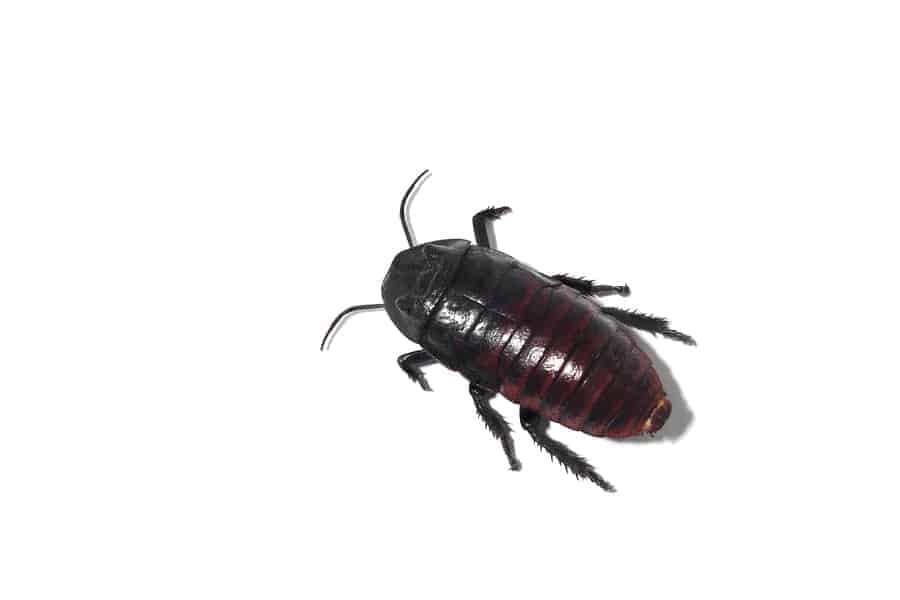
The oriental cockroach is a common species in the South. With a glossy body and cherry to black coloring, these roaches measure 1 to 1.25 inches in length. While they can cohabitate with American roaches, they usually prefer the outdoors rather than the indoors. Oriental roaches cannot live without water for more than two weeks, which means they are on a constant search for both a water and a food source. They often feed on decaying organic matter, starchy foods, and garbage.
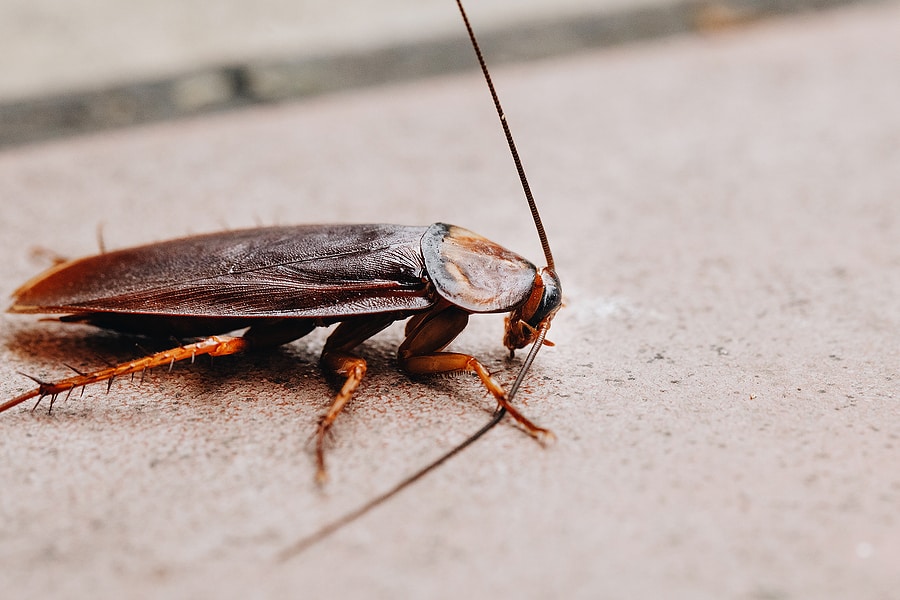
The American cockroach is quite a common species, especially in the state of Georgia. These roaches are chestnut to light brown color with a light-yellow band around the back of their head. Adults can get up to 2 inches in length and can live up to two years! Like the oriental cockroach, American roaches are in constant search of a water source and you will often find them near pipes, sewers, and basements. While they will feed on most foods, they particularly like fermenting material such as small insects, fungi, and algae. If they find themselves indoors, they will eat any crumbs or food found in appliances, kitchen cabinets, and floors.
Prevention is the key to keeping these pests from entering your house. Help prevent cockroaches by using these tips:
– Thoroughly clean your home each week.
– Store all food in tightly sealed containers.
– Clean up yard debris such as leaves or fallen tree limbs.
– Don’t let shrubs, trees, or woodpiles touch your home.
– Don’t forget to clean under forgotten spaces such as under the fridge, stove, and inside cabinets.
If you’ve done all the preparation you can but are still seeing roaches, consider contacting your local pest control company where they will help identify the roach, eliminate them, and keep them from coming back.